
Disclosure: This article contains affiliate links. We may earn a commission from purchases at no extra cost to you, which helps our travel content.
The largest of the Greek islands isn't just a Mediterranean paradise of stunning beaches and ancient ruins – it's a microcosm of ecological diversity that continues to captivate me as both an environmental scientist and luxury traveler. My first visit to Crete five years ago was intended as a brief stopover to study coastal erosion patterns, but quickly evolved into a love affair with an island that seamlessly blends luxury with sustainability. Having explored Crete's diverse regions multiple times since then – from the vibrant north coast to the rugged south, and from the cosmopolitan east to the traditional west – I've compiled this comprehensive guide to help couples find their perfect Cretan sanctuary. Whether you're seeking an eco-conscious beachfront resort or an authentic village experience without sacrificing modern comforts, this island offers accommodations that respect both cultural heritage and environmental boundaries while delivering unforgettable luxury experiences.

Chania's Old Harbor: Historic Luxury with Venetian Charm
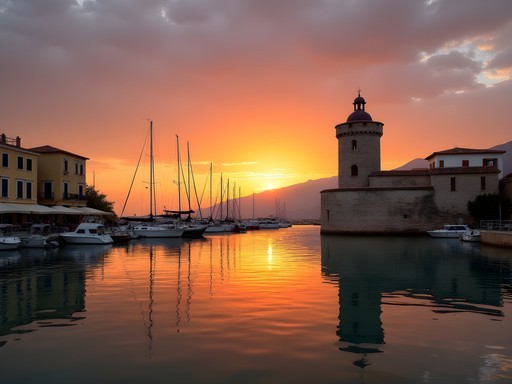
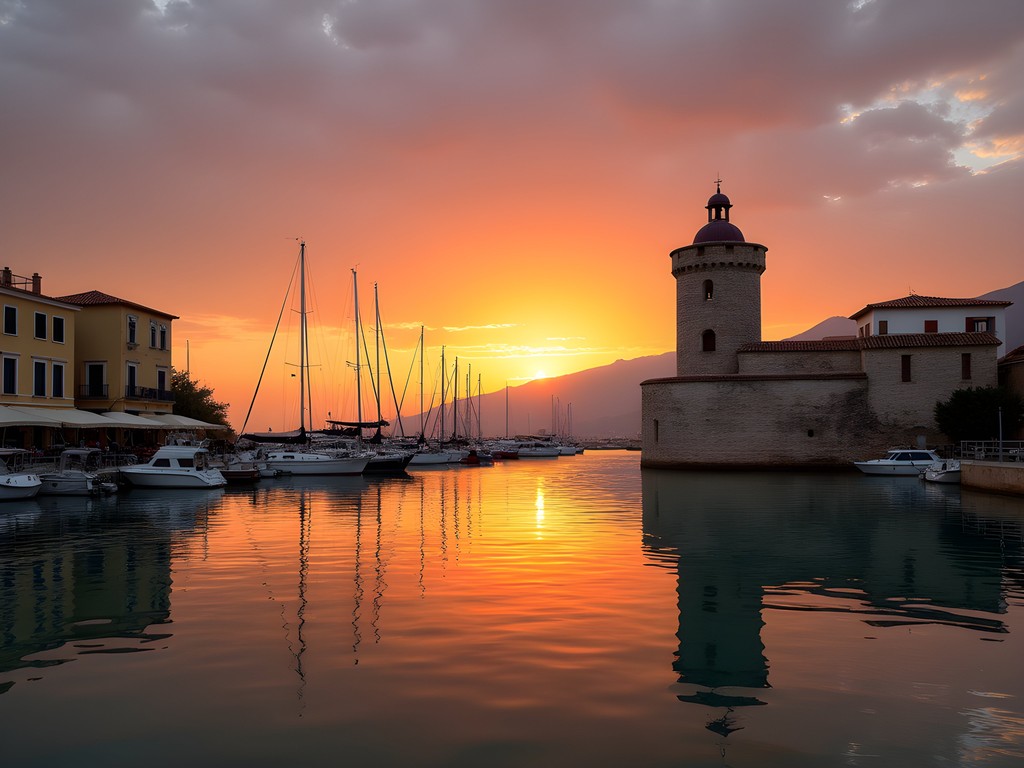
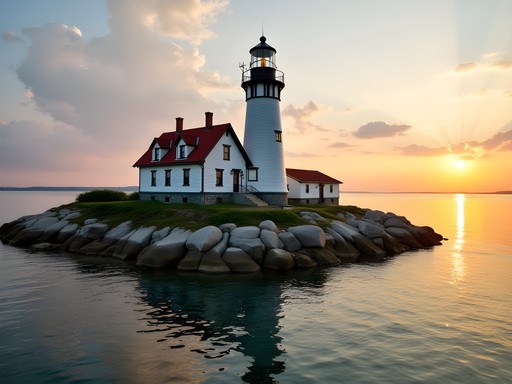
The ancient Venetian port of Chania remains my favorite urban destination in Crete, offering a perfect blend of history, culture, and refined comfort. The harbor's iconic 16th-century lighthouse creates a romantic backdrop for evening strolls, while the narrow, winding streets house some of the island's most characterful boutique hotels.
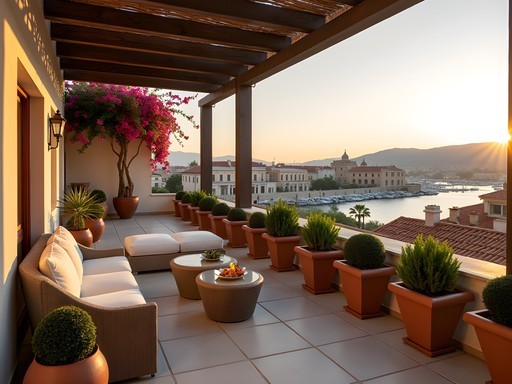
During my last visit researching Mediterranean coastal adaptation strategies, I stayed at Casa Delfino, a 17th-century Venetian mansion converted into a luxury boutique hotel. The property maintains its historic integrity while incorporating sustainable practices – from water conservation systems to locally-sourced organic bathroom amenities. The rooftop terrace offers breathtaking sunset views over the harbor, creating the perfect setting for evening cocktails with my research colleagues.
Alternatively, for those seeking more space without sacrificing location, the converted townhouses along the quiet backstreets provide privacy with proximity to the harbor's energy. Many feature private rooftop terraces where you can enjoy breakfast with panoramic views of the White Mountains in the distance. The juxtaposition of snow-capped peaks against the azure Mediterranean creates a visual symphony that still leaves me speechless.
For beach access combined with old-town charm, consider properties in the adjacent Nea Chora area, where you'll find a pleasant sandy beach just a 10-minute walk from the historic harbor. This location offers the best of both worlds – cultural immersion and seaside relaxation.
💡 Pro Tips
- Book accommodations inside the old town walls for the most authentic experience
- Request a room with a harbor view for spectacular sunsets
- Consider the shoulder seasons (May/June or September/October) for better rates and fewer crowds while still enjoying perfect weather
Elounda Peninsula: The Epitome of Sustainable Luxury
Nestled on Crete's northeastern coast, the Elounda region has established itself as the island's premier luxury destination – and for good reason. The sheltered bay with views of the historic Spinalonga island creates a microclimate of calm waters and gentle breezes, perfect for those seeking both relaxation and water activities.
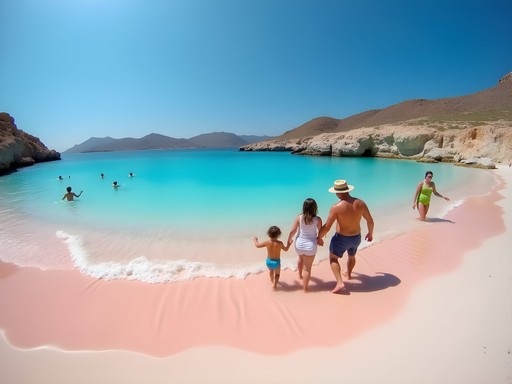
During my research on sustainable tourism models last summer, I had the privilege of staying at the Elounda Peninsula All Suite Hotel, which exemplifies how luxury and environmental responsibility can coexist harmoniously. Their comprehensive sustainability program includes everything from energy-efficient buildings to an extensive water recycling system that supports the property's lush Mediterranean gardens. The private sandy beaches with crystal-clear waters provided the perfect setting for my morning swims before diving into work.
What truly distinguishes the luxury properties in this area is their commitment to preserving Crete's marine environment. Several resorts partner with local conservation organizations to protect the Mediterranean monk seal and loggerhead turtle populations. As someone who has spent years studying marine ecosystems, I was impressed by the genuine dedication to environmental stewardship.
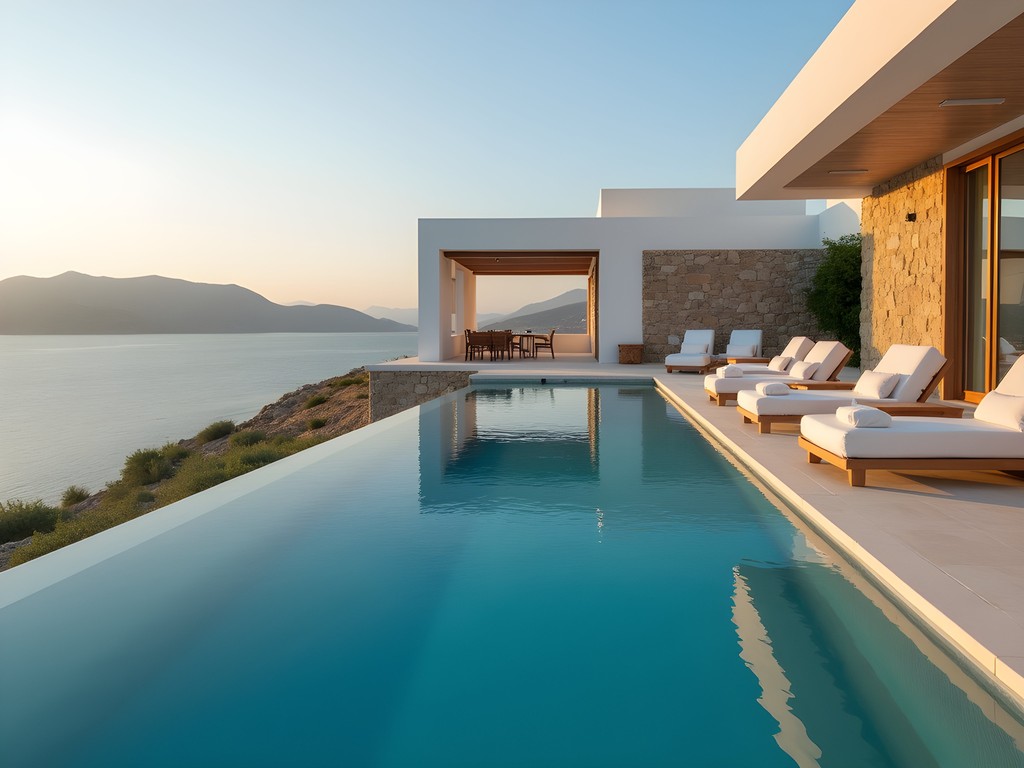
For the ultimate romantic experience, I recommend booking a suite with a private seawater pool. There's something magical about taking a midnight swim under the stars while overlooking the twinkling lights of fishing villages across the bay. To enhance your experience, I suggest packing a quality underwater camera to capture the remarkable marine life during snorkeling excursions in the bay's protected waters.
The accommodation options range from intimate boutique hotels to expansive resort complexes, but all maintain a distinctly Cretan character through architecture and gastronomy. Many properties feature their own organic gardens, supplying their restaurants with the freshest ingredients possible.
💡 Pro Tips
- Book sea-view accommodations – the premium is worth it for the spectacular vistas
- Inquire about sustainability programs when booking to support the most eco-conscious properties
- Consider half-board options as many resort restaurants serve exceptional locally-sourced cuisine
Authentic Village Retreats in Apokoronas
While beachfront resorts offer undeniable appeal, some of my most memorable Cretan experiences have come from staying in converted traditional homes in the Apokoronas region, just east of Chania. This verdant area, dotted with ancient olive groves and charming villages, provides an authentic glimpse into Cretan rural life without sacrificing comfort.
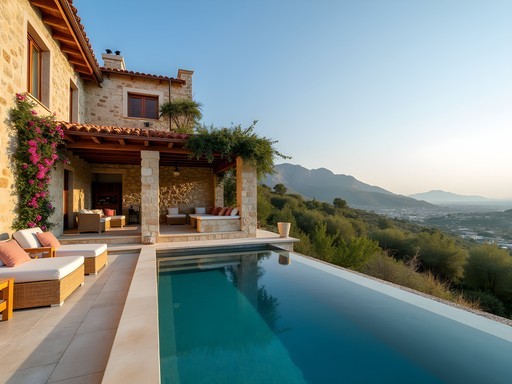
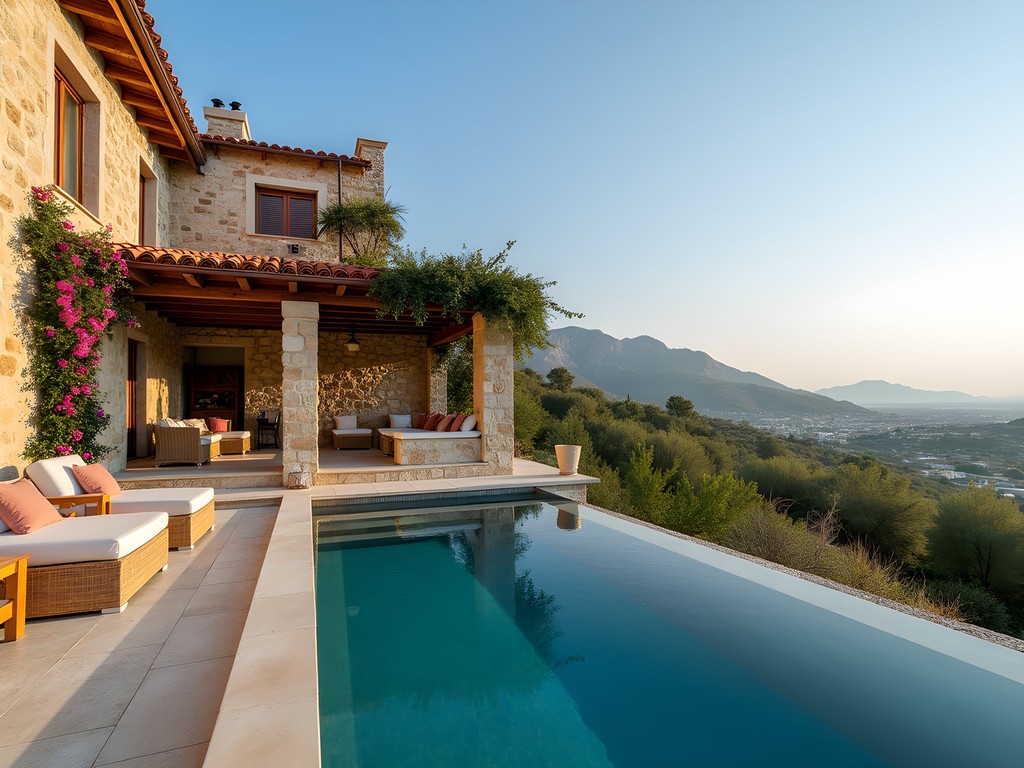
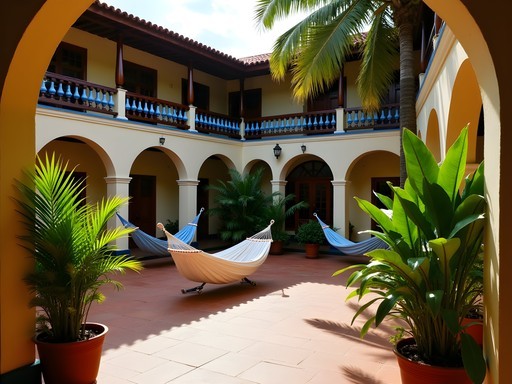
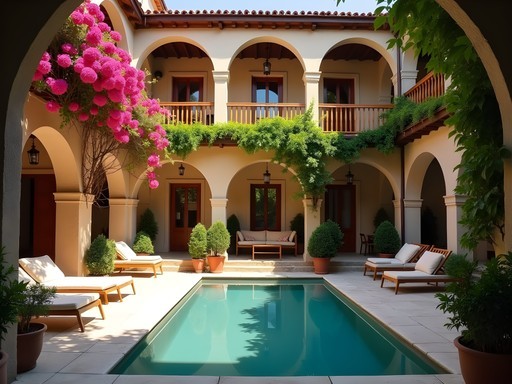
During a three-week research project studying traditional water management systems, I stayed in a lovingly restored stone villa in the village of Gavalochori. The property retained its historic character – thick stone walls, wooden beams, and a central courtyard – while incorporating modern amenities like a private pool and high-end kitchen appliances. The natural insulation provided by the thick stone walls meant comfortable temperatures without excessive air conditioning, aligning perfectly with my preference for energy-efficient accommodations.
What makes these village properties special is their integration into community life. Unlike isolated resorts, staying in a village home means morning greetings from neighbors, fresh eggs from the local farmer, and evenings at authentic tavernas where tourists are rare. Yet this cultural immersion comes with unexpected luxury – many restored homes feature stunning infinity pools overlooking olive groves and the distant sea.
For those concerned about being too far from the coast, fear not – most villages in this region are just a 10-15 minute drive from beautiful beaches. I often started my days with a refreshing swim in the sea before returning to the peaceful village for afternoon work sessions on my shaded terrace.
To make the most of these authentic accommodations, I highly recommend packing a quality insulated water bottle for your daily explorations. The Cretan summer heat demands proper hydration, and reducing plastic waste aligns perfectly with preserving this pristine environment. Additionally, evenings in these hillside villages often bring gentle breezes, so a light linen wrap is perfect for dining al fresco at local tavernas.
💡 Pro Tips
- Choose villages within 15-20 minutes of the coast for the perfect balance of authenticity and beach access
- Look for properties with air conditioning in bedrooms, as summer nights can be warm
- Rent a car – it's essential for exploring the region and accessing local beaches

Agios Nikolaos: Vibrant Waterfront Elegance
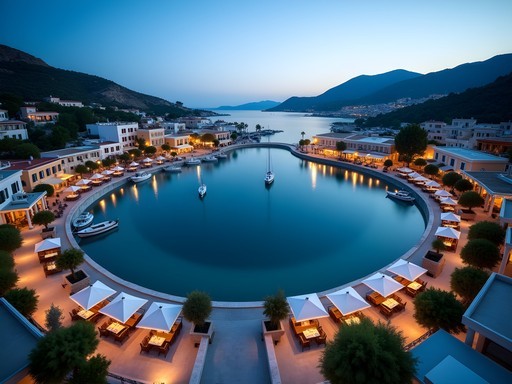
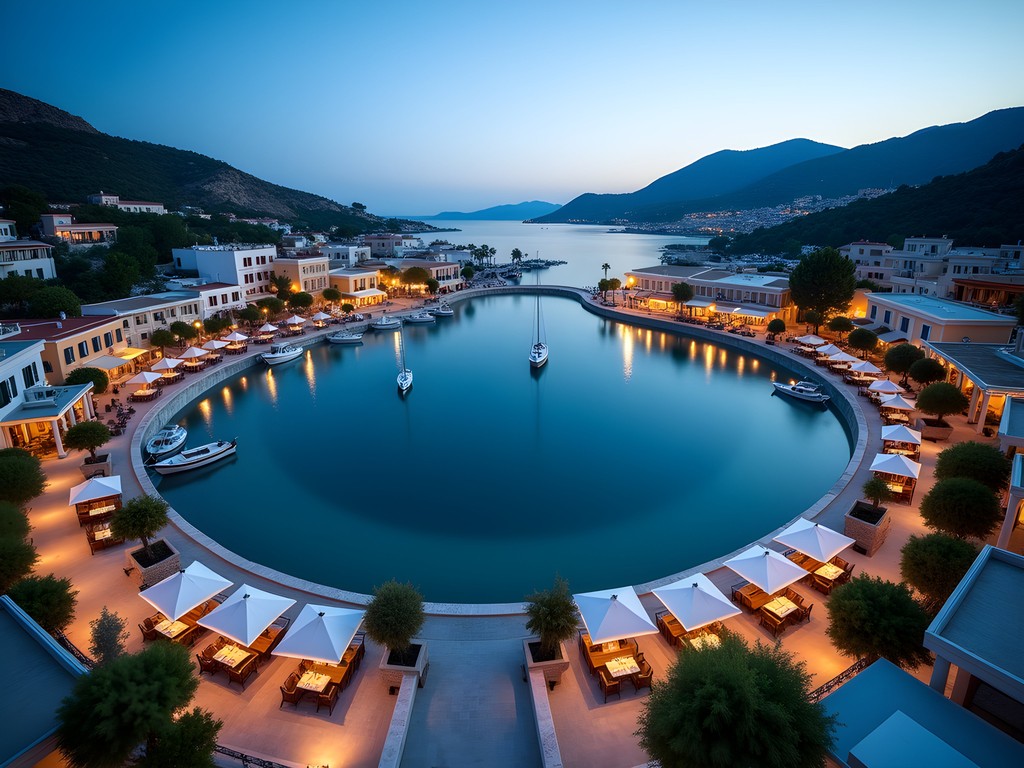
Positioned around a picturesque lake that connects to the sea, Agios Nikolaos offers a more cosmopolitan atmosphere than many Cretan destinations while maintaining an authentic island character. The town's unique geography creates multiple waterfronts – the lake, the marina, and several small beaches – all within walking distance of each other.
During my visit to assess coastal development impacts last spring, I stayed at a boutique hotel overlooking the lake. The property had recently completed an impressive renovation focusing on sustainability, including solar water heating and comprehensive recycling programs. My balcony provided the perfect vantage point for watching the town transform from serene mornings to vibrant evenings as the waterfront tavernas filled with a mix of locals and visitors.
What distinguishes Agios Nikolaos accommodations is their accessibility to diverse experiences. Within a five-minute walk from most centrally-located hotels, you can be swimming at a beach, shopping at local boutiques, visiting the archaeological museum, or enjoying fresh seafood at waterfront restaurants. This convenience makes it ideal for couples who want variety without constant driving.
The marina area hosts several upscale hotels with impressive facilities, including infinity pools positioned to create the illusion of merging with the sea beyond. For those seeking more privacy, the nearby Elounda Gulf offers exclusive villa accommodations with private beaches and personalized service.
One aspect I particularly appreciate about Agios Nikolaos is its commitment to preserving local maritime traditions. Several hotels partner with local fishermen to offer guests authentic fishing experiences, providing both cultural exchange and the freshest possible seafood. As someone who values educational travel experiences, I found these connections between luxury accommodations and local livelihoods particularly meaningful.
💡 Pro Tips
- Request lake-view rooms for the most picturesque outlook
- Explore accommodations on the Kitroplatia Beach side of town for direct beach access
- Consider hotels with rooftop dining for spectacular evening meals with panoramic views
South Coast Retreats: Unspoiled Luxury
Crete's rugged south coast offers a dramatically different experience from the developed north – and for couples seeking true escape combined with refined comfort, it represents the island's final frontier of luxury development. Protected by the imposing White Mountains and accessible via winding mountain roads, the south coast combines dramatic landscapes with some of Crete's most pristine beaches.
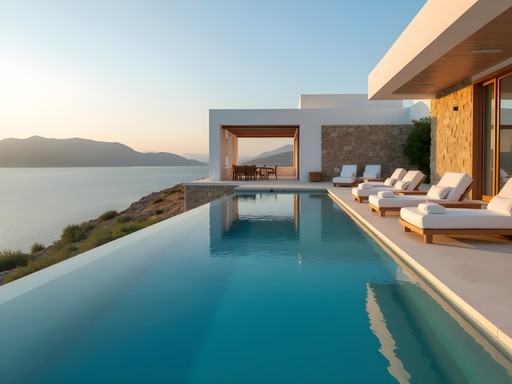
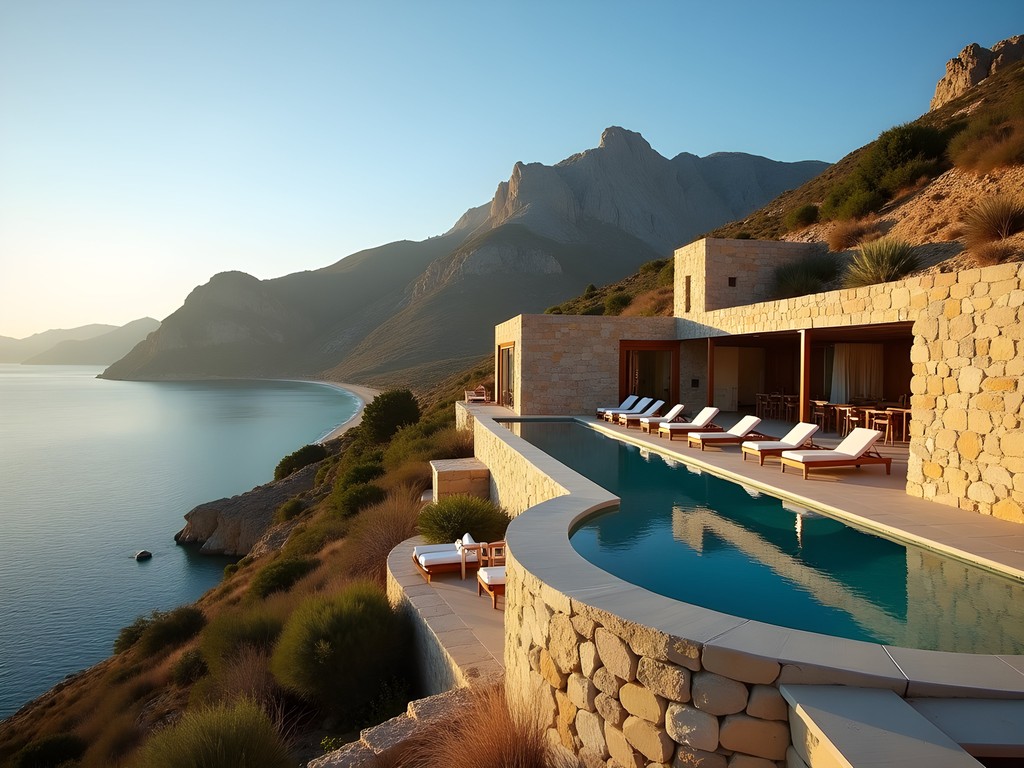
Last autumn, I spent two weeks conducting research on sustainable water usage in arid coastal environments, based at a boutique resort near Plakias. The property, built into a hillside overlooking the Libyan Sea, demonstrated remarkable environmental integration – using local stone that blended seamlessly with the landscape, harvesting rainwater, and generating solar power. My suite featured a private plunge pool carved into the natural rock, creating the sensation of floating between mountain and sea.
What makes the south coast special is the sense of discovery. Unlike the more developed north, accommodations here tend to be smaller, more intimate properties that emphasize connection with the natural environment. Many are accessible only via dirt roads, rewarding the journey with unparalleled tranquility and night skies untouched by light pollution. During my stay, I spent countless evenings on my terrace identifying constellations with my trusty compact binoculars, perfect for both stargazing and observing the rich birdlife in this relatively undeveloped region.
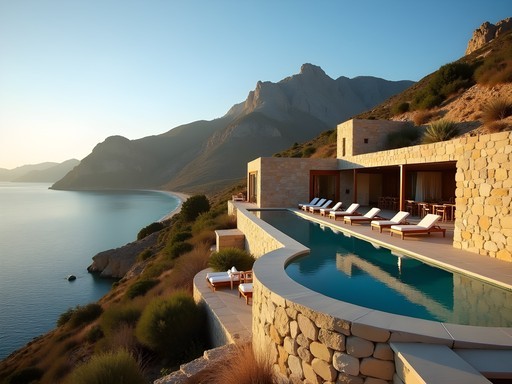
The south coast accommodations excel at creating luxury experiences that work with, rather than against, the natural environment. Think infinity pools that visually merge with the sea horizon, open-air dining under ancient olive trees, and architecture that maximizes natural cooling through traditional building techniques. Many properties feature extensive organic gardens that supply their kitchens, creating a farm-to-table experience that showcases authentic Cretan flavors.
For water enthusiasts like myself, the south coast offers exceptional snorkeling and swimming opportunities directly accessible from many accommodations. The clarity of the water rivals anything I've seen in my extensive marine research travels, with visibility often exceeding 30 meters on calm days.
💡 Pro Tips
- Book accommodations with air conditioning – the south can be significantly hotter than the north coast
- Choose properties with on-site dining options, as restaurants can be widely spaced in this less developed region
- Consider splitting your stay between north and south coasts to experience Crete's remarkable diversity
Sustainable Luxury in Rethymno's Historic Center
Positioned between Chania and Heraklion, Rethymno offers a perfect balance of historical charm, beautiful beaches, and sophisticated accommodations. The Venetian-Ottoman old town, with its narrow cobblestone streets and impressive fortress, houses some of Crete's most characterful boutique hotels.
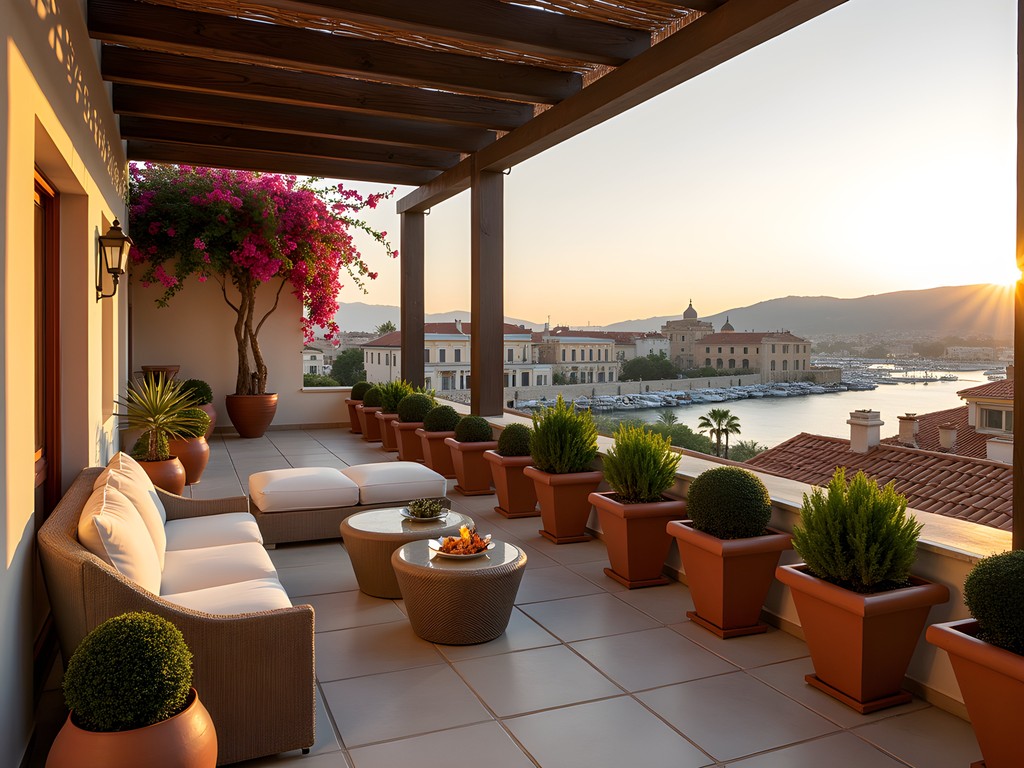
During a conference on Mediterranean coastal conservation last year, I stayed in a converted Venetian mansion in the heart of the old town. The property had been meticulously restored, maintaining original architectural elements like stone arches and wooden ceilings while incorporating modern comforts. My suite featured a hammam-style bathroom with locally produced organic toiletries and a private rooftop terrace overlooking the old harbor – perfect for morning coffee or evening wine.
What distinguishes Rethymno's accommodations is their commitment to historical preservation alongside modern sustainability practices. Many boutique hotels occupy buildings that have stood for centuries, their thick walls providing natural insulation that reduces energy needs. Several properties have implemented innovative water conservation systems – particularly important in this semi-arid climate – and source food from local organic producers.
For those preferring beachfront locations, the long sandy beach east of town features several upscale resorts with extensive facilities. These larger properties often excel at family-friendly amenities while maintaining dedicated adults-only spaces for couples seeking tranquility. During my stay, I was impressed by one resort's comprehensive environmental program, which included everything from sea turtle protection to plastic-free initiatives.
The strategic location of Rethymno makes it ideal for couples who want to explore the island extensively. Positioned roughly equidistant from Chania and Heraklion, it provides convenient access to both airports and serves as an excellent base for day trips to major attractions like Knossos Palace or the Samaria Gorge.
My favorite aspect of staying in Rethymno's historic center was the evening atmosphere – stepping directly from my hotel into the vibrant but not overwhelming nightlife, with excellent restaurants and wine bars showcasing Cretan cuisine and viticulture. After dinner, the walk along the Venetian harbor with its illuminated fortress created perfect romantic moments.
💡 Pro Tips
- Choose old town accommodations with rooftop terraces for magical sunset views over the fortress
- Confirm parking arrangements if renting a car – most old town properties don't have on-site parking
- Look for hotels with beach club partnerships if you want to combine historic charm with seaside relaxation
Final Thoughts
Crete's remarkable diversity of accommodations mirrors its varied landscapes – from the vibrant harbors of Chania and Rethymno to the cosmopolitan luxury of Elounda and the untamed beauty of the south coast. What unites the island's best properties is a growing commitment to environmental stewardship alongside exceptional comfort, creating experiences that respect both cultural heritage and natural resources. As an environmental scientist who has witnessed the devastating impacts of unsustainable tourism in many destinations, I find Crete's evolution toward responsible luxury particularly heartening. When planning your Cretan escape, I encourage you to seek out properties that not only provide exceptional comfort but also demonstrate genuine commitment to sustainability – your choices as travelers have tremendous power to shape the future of this extraordinary island. Whether you choose a historic harbor view, a village retreat, or a beachfront resort, Crete rewards those who approach it with curiosity and respect.
✨ Key Takeaways
- Choose accommodations that balance luxury with environmental responsibility
- Consider splitting your stay between different regions to experience Crete's diversity
- Village stays offer authentic experiences without sacrificing comfort
- Look for properties with strong connections to local communities and traditions
📋 Practical Information
Best Time to Visit
Late May to early October, with June and September offering perfect weather with fewer crowds
Budget Estimate
$300-800 per night for luxury accommodations
Recommended Duration
7-10 days minimum to experience multiple regions
Difficulty Level
Easy

Comments
globeguy
Quick tip for anyone considering Chania - the accommodations right on the harbor are gorgeous but can be noisy at night. We stayed one street back and it made a huge difference for sleep quality while still being a 2-minute walk to everything.
wildninja
How accurate is the part about sustainable practices at Elounda Peninsula? Sometimes luxury resorts greenwash their marketing. Has anyone actually seen their solar systems or water conservation in action?
Sarah Powell
I've actually toured their facilities as part of a sustainable tourism research project. Their solar array covers about 40% of their energy needs, and they have an impressive water reclamation system for their gardens. Not perfect, but definitely more than marketing fluff. The smaller family-run properties in villages often have impressive sustainability practices too, though less formalized.
oceanwalker
Going in September! Which area would you recommend for someone who wants beaches but also authentic Greek vibes? Not into the super touristy resort scene
Savannah Wood
September is perfect timing! I'd say Agios Nikolaos hits that sweet spot - waterfront charm without being overwhelmed, and you can day trip to quieter beaches. The villages near Chania work too if you don't mind a short drive to the coast.
staradventurer7012
Really helpful guide, thanks! Bookmarking for our trip in October.
adventureadventurer
Elounda is stunning but pricey. Worth it tho
wavevibes
Just got back from 10 days in Crete and wish I'd read this before booking! We stayed in Agios Nikolaos which was nice but felt a bit touristy. Next time definitely doing the village thing. The beaches on the north coast are gorgeous but SO crowded in August. If you're going in summer, hit the beaches early morning or late afternoon. Also the Samaria Gorge hike is a must - bring good shoes and plenty of water!
hikingtime
Samaria is amazing! Did you do the full hike or just the lazy way from the bottom?
wavevibes
Full thing! Took about 6 hours. My legs were dead but so worth it.
triprider
Anyone know if the Chania Old Harbor hotels have parking? Or should we just stay outside the old town?
Savannah Wood
Sean, this really captures the magic of Crete's accommodation diversity! I spent three weeks bouncing between a budget guesthouse in Chania's old town and a village rental in Apokoronas. The contrast was incredible - mornings with Greek coffee watching locals in the village square, then back to the energy of the harbor. One tip: those village homes often come with fruit trees and herb gardens you can use. Made the simplest meals feel special. The sustainable luxury angle in Elounda is interesting too - would love to hear more about what makes those properties truly eco-friendly beyond the marketing speak.
oceanwalker
The fruit trees thing sounds amazing!
hikingexplorer
How easy is it to get around between Chania and those village retreats in Apokoronas? Do you need to rent a car or is there decent public transport?
Savannah Wood
You'll definitely want a car for the villages! I stayed in a little stone house near Vamos last spring and the freedom to explore those mountain roads was everything. Buses exist but they're super limited.
hikingexplorer
Perfect, thanks! That's what I figured
Megan Martin
Excellent breakdown, Sean! I stayed at one of the Elounda properties last spring for a press trip and was genuinely impressed by their sustainability initiatives - not just greenwashing but actual solar integration and water conservation systems. The village retreats are where my heart is though. There's something special about waking up in a 200-year-old stone house in the hills. For anyone considering the village route, book early for summer - those authentic places fill up fast with repeat visitors.
staradventurer7012
Which village would you recommend for a first timer? We want authentic but not too remote.
Megan Martin
Vamos or Gavalochori are perfect - authentic tavernas, friendly locals, but only 20 minutes from Chania if you need city amenities.
Venture X
Premium card with 2X miles, $300 travel credit, Priority Pass