
Disclosure: This article contains affiliate links. We may earn a commission from purchases at no extra cost to you, which helps our travel content.
The first time I set foot in Peru's Sacred Valley, I felt an immediate connection to the land that transcended my professional interest as an archaeologist. There's something magical about waking up to mist-shrouded Andean peaks, knowing that centuries of human history have unfolded against this dramatic backdrop. During my recent two-week spring expedition with my colleague Miguel, we sought accommodations that would enhance our understanding of Peru's cultural tapestry rather than simply provide a place to sleep. From restored colonial mansions in Arequipa's 'White City' to eco-lodges nestled among Incan agricultural terraces, Peru offers couples an extraordinary range of places to stay that become destinations in themselves. This carefully curated collection represents accommodations that not only pampered us with luxury amenities but deepened our connection to Peru's rich heritage.

Sacred Valley Sanctuaries: Luxury with Incan Soul
The Sacred Valley stretches between Cusco and Machu Picchu like a living museum of Incan ingenuity, where agricultural terraces still climb impossibly steep mountainsides and traditional weaving techniques produce textiles of breathtaking complexity. It's here that I discovered some of Peru's most extraordinary accommodations.
At Tambo del Inka in Urubamba, Miguel and I were welcomed with coca tea served in handcrafted ceramic mugs—a thoughtful nod to the altitude adjustment ahead. This Luxury Collection property seamlessly blends contemporary design with indigenous materials; think soaring wooden beams, local stone, and textiles featuring traditional Andean patterns. Our suite overlooked the rushing Urubamba River, its gentle roar providing nature's perfect white noise for deep sleep after days of exploration.
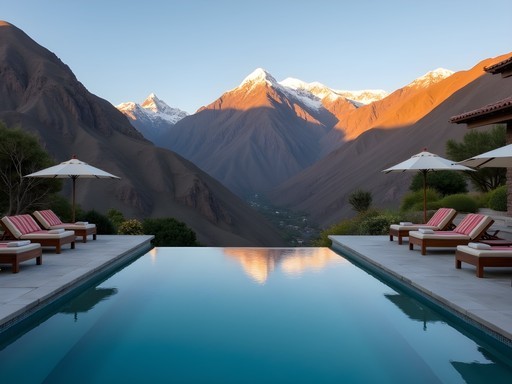
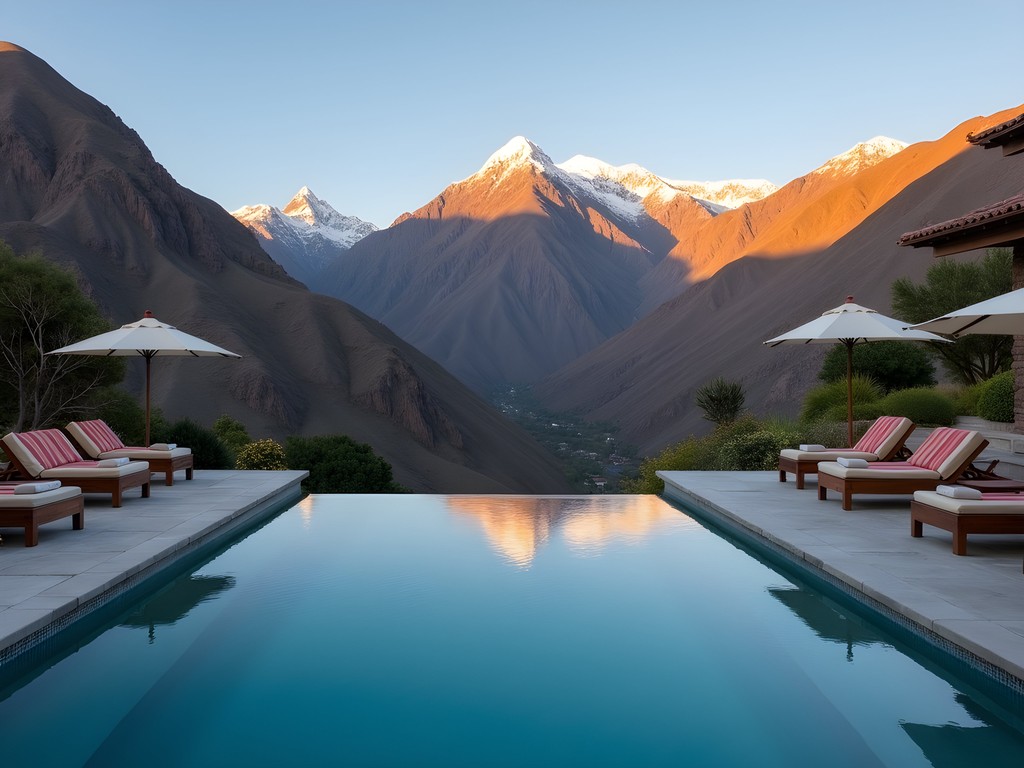
What truly distinguished our stay was the property's private train station with direct access to Machu Picchu, allowing us to avoid the crowded departures from Cusco or Ollantaytambo. After a day traversing the ancient citadel, returning to Tambo del Inka's heated infinity pool—which reflects the surrounding mountains in its still waters—felt like the height of indulgence.
Further along the valley in Ollantaytambo, Sol y Luna offered an entirely different but equally compelling experience. This Relais & Châteaux property consists of individual casitas scattered among lush gardens. The owner, a former French humanitarian who fell in love with Peru, has created a property where profits support a local school for underprivileged children—a mission that resonated deeply with my belief in responsible tourism.
Each morning, we'd wake to the sight of para-gliders drifting above the valley from our private terrace, before setting out with our binoculars to spot Andean birds in the property's extensive gardens. The restaurant, Wayra, served sophisticated interpretations of traditional Peruvian dishes alongside Pisco cocktails that rivaled any I've tasted in Lima.
💡 Pro Tips
- Request rooms facing the Urubamba River at Tambo del Inka for the best views and natural soundscape
- Book the hotel's private train to Machu Picchu at least 3 months in advance during high season
- At Sol y Luna, arrange a private dinner in their wine cellar for an intimate experience with exceptional food pairings
Machu Picchu's Gateway: Elevated Stays in Aguas Calientes
Most visitors to Machu Picchu treat Aguas Calientes (now officially called Machu Picchu Pueblo) as merely a functional stopover. Having made that mistake during my first visit years ago, I was determined to transform our overnight stay into an integral part of the experience rather than an afterthought.
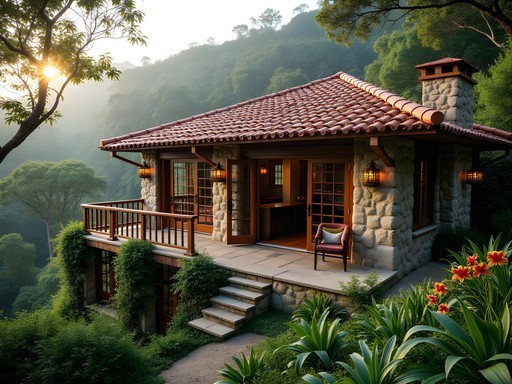
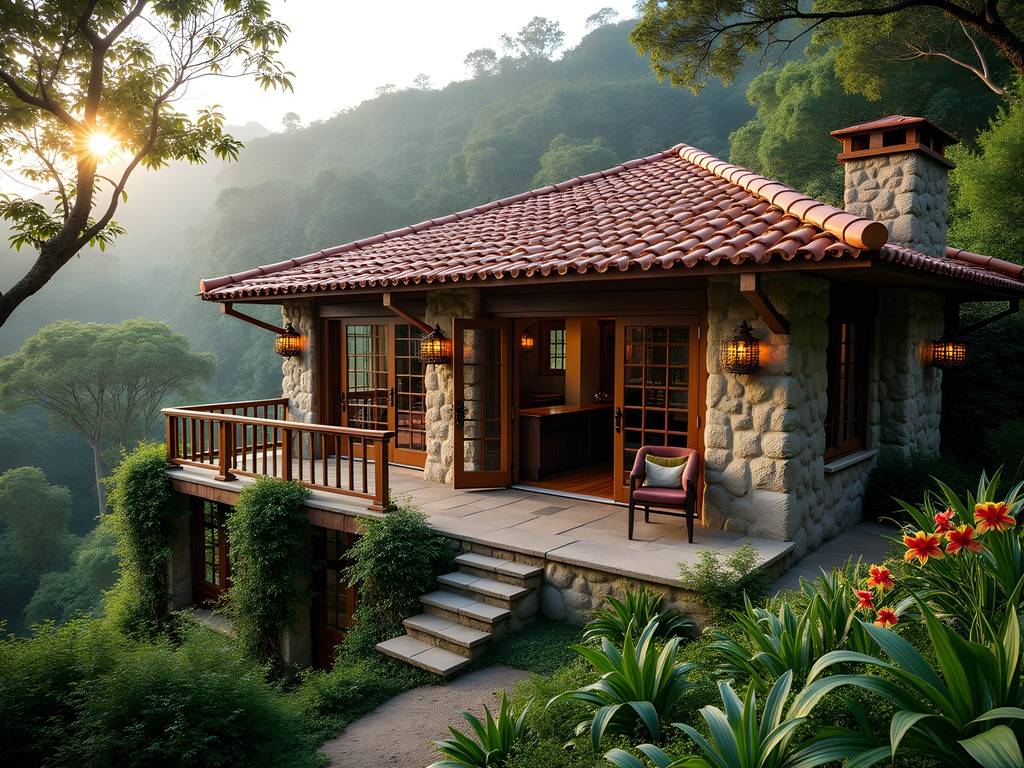
Inkaterra Machu Picchu Pueblo Hotel proved to be the perfect antidote to the town's touristy core. Nestled within 12 acres of cloud forest, this property is essentially a private ecological reserve where whitewashed casitas with terracotta roofs are connected by stone pathways that wind through lush gardens. The property claims to have the world's largest native orchid collection in a natural setting, with 372 species—a fact I confirmed with my own eyes during their excellent guided orchid tour.
Our rustic-luxe room featured a wood-burning fireplace that staff lit each evening during turndown service, creating the perfect ambiance for reviewing the day's photographs on my laptop. The spa's treatments incorporate local botanical ingredients, and their Andean sauna—built inside a eucalyptus-scented stone dome—provided welcome relief for muscles tired from climbing Huayna Picchu.
For those seeking the absolute pinnacle of luxury (and willing to pay for it), Belmond Sanctuary Lodge remains the only hotel located at the entrance to Machu Picchu itself. While significantly more expensive than options in Aguas Calientes, the privilege of accessing the citadel before the morning crowds arrive cannot be overstated. As an archaeologist who has visited dozens of World Heritage sites at peak hours, I can attest that experiencing Machu Picchu in the soft morning light with minimal crowds is worth every penny.
During our stay, we packed light but essential items for our early morning exploration, including a reliable headlamp for navigating pre-dawn paths and my trusty travel tripod for capturing the magical moment when sunlight first illuminates the ancient stonework.
💡 Pro Tips
- Book Inkaterra's twilight bird-watching tour to spot the fascinating Andean cock-of-the-rock
- Request a room away from the railroad tracks at any Aguas Calientes hotel for quieter sleep
- If staying at Belmond Sanctuary Lodge, take advantage of afternoon re-entry to Machu Picchu when most day-trippers have departed
Colonial Splendor: Historic Mansions of Arequipa
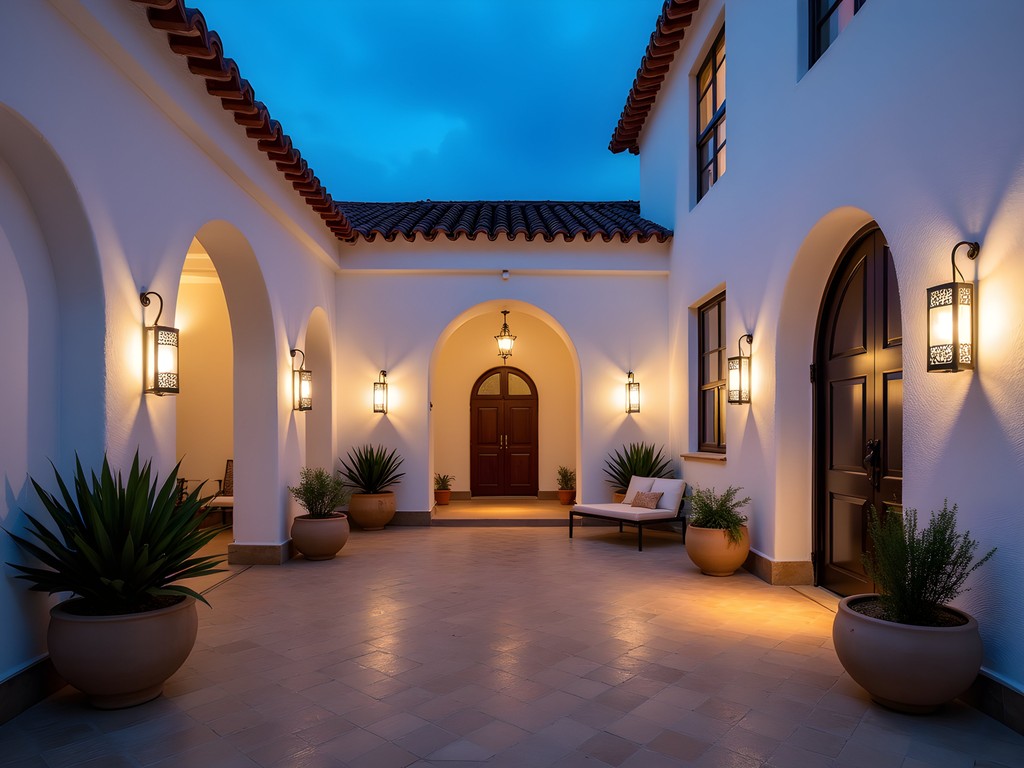
After the verdant landscapes of the Sacred Valley and Machu Picchu, Arequipa's sun-drenched plazas and brilliant white sillar stone architecture offered a striking contrast. Known as 'The White City,' Arequipa preserves some of South America's finest examples of colonial architecture—many now transformed into boutique hotels that offer windows into Peru's complex colonial past.
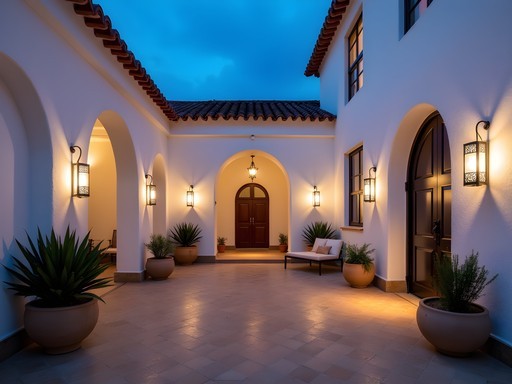
CIRQA - Relais & Châteaux occupies a parador (historic inn) that dates to 1540, the year of Arequipa's founding. The property was originally built as an annex of the San Agustín Church, and the restoration has preserved remarkable architectural details while introducing contemporary comforts with remarkable restraint. Vaulted ceilings of sillar stone soar above minimalist furnishings, creating spaces that feel simultaneously ancient and modern.
Our suite featured original stone walls nearly two feet thick that kept the room naturally cool despite Arequipa's intense sunshine. The rooftop terrace offered panoramic views of the city's three sentinel volcanoes: Misti, Chachani, and Pichu Pichu. Each evening, we'd watch the sunset paint these peaks in shades of gold and pink while enjoying pisco sours prepared by CIRQA's skilled bartenders.
For a different perspective on colonial heritage, we spent several nights at Casa Andina Premium Arequipa, housed in a restored 18th-century mint. The central courtyard, typical of Spanish colonial architecture, features a 400-year-old cedar tree that predates the building itself. Our room in the historic section retained original architectural elements while providing modern amenities like rain showers and plush bedding.
The hotel's proximity to Arequipa's magnificent Plaza de Armas meant we could easily return for afternoon siestas—a welcome respite from the intense Andean sun at 7,660 feet elevation. Each night before heading out to dinner, I'd review restaurant options and historical sites using the surprisingly robust Wi-Fi, making notes on my travel journal that has accompanied me to archaeological sites across four continents.
💡 Pro Tips
- Request a room in the historic section of Casa Andina Premium for the most authentic colonial experience
- Book CIRQA's private city tour that includes lesser-known colonial mansions not open to the general public
- Visit Arequipa's Santa Catalina Monastery early in the morning before tour groups arrive—most hotels can arrange priority access

Valley Vistas: Unique Properties with Breathtaking Views
For couples seeking accommodations where the setting itself becomes a cornerstone of the experience, Peru offers several properties where landscape and luxury intertwine inseparably.
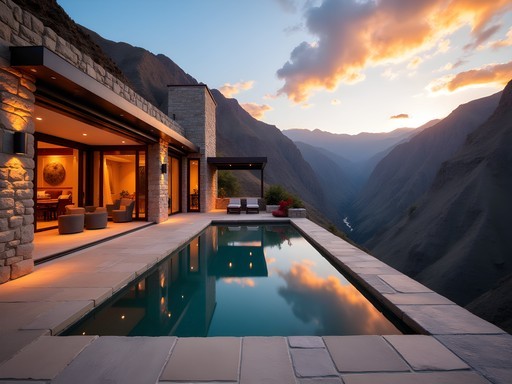
Las Casitas, A Belmond Hotel sits perched on the edge of Colca Canyon—a chasm twice as deep as the Grand Canyon, yet remarkably less visited. Each individual casita features a private heated plunge pool positioned to maximize views of the dramatic landscape. The property's location, far from light pollution, creates ideal conditions for stargazing; Miguel and I spent hours identifying Southern Hemisphere constellations from our terrace, with the Milky Way arching overhead in breathtaking clarity.
The hotel maintains its own vegetable gardens and a small farm with alpacas and llamas, lending an authentic hacienda atmosphere. Their farm-to-table restaurant served some of the most memorable meals of our journey, including traditional pachamanca—a method of cooking meat and vegetables in an earth oven that dates back to Incan times.
Despite the remote location, the property offers unexpected amenities like drawing materials in each room for artistic guests inspired by the landscape. I spent one peaceful afternoon sketching the distant volcanoes from our terrace while hummingbirds darted among native flowering plants just feet away.
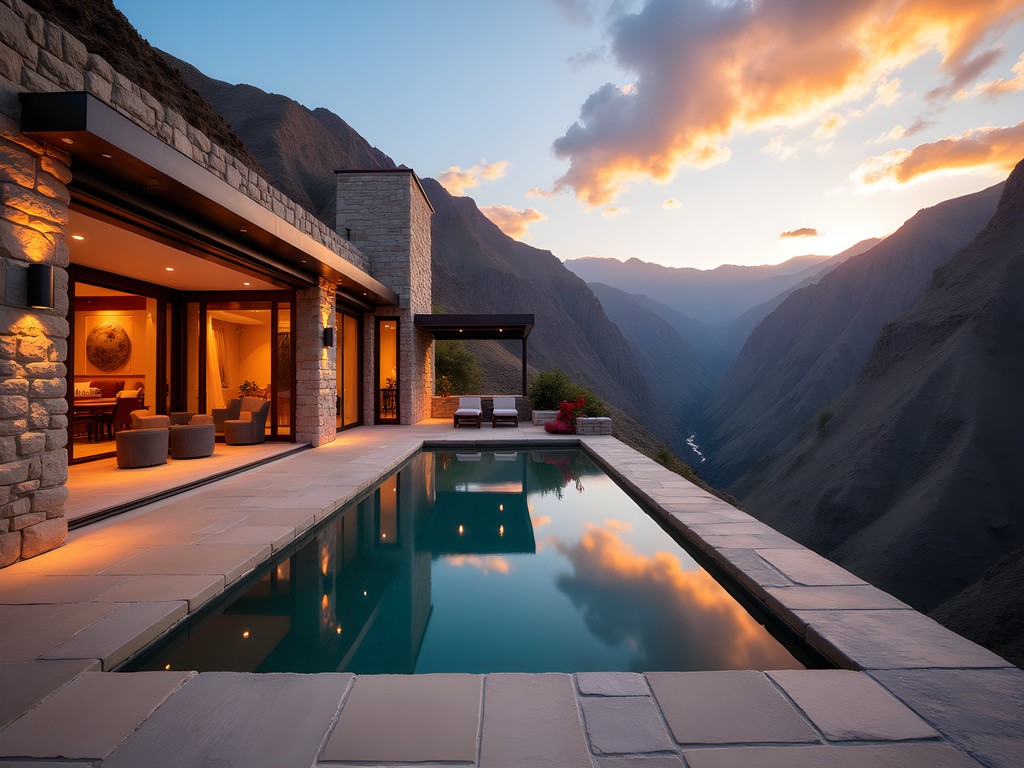
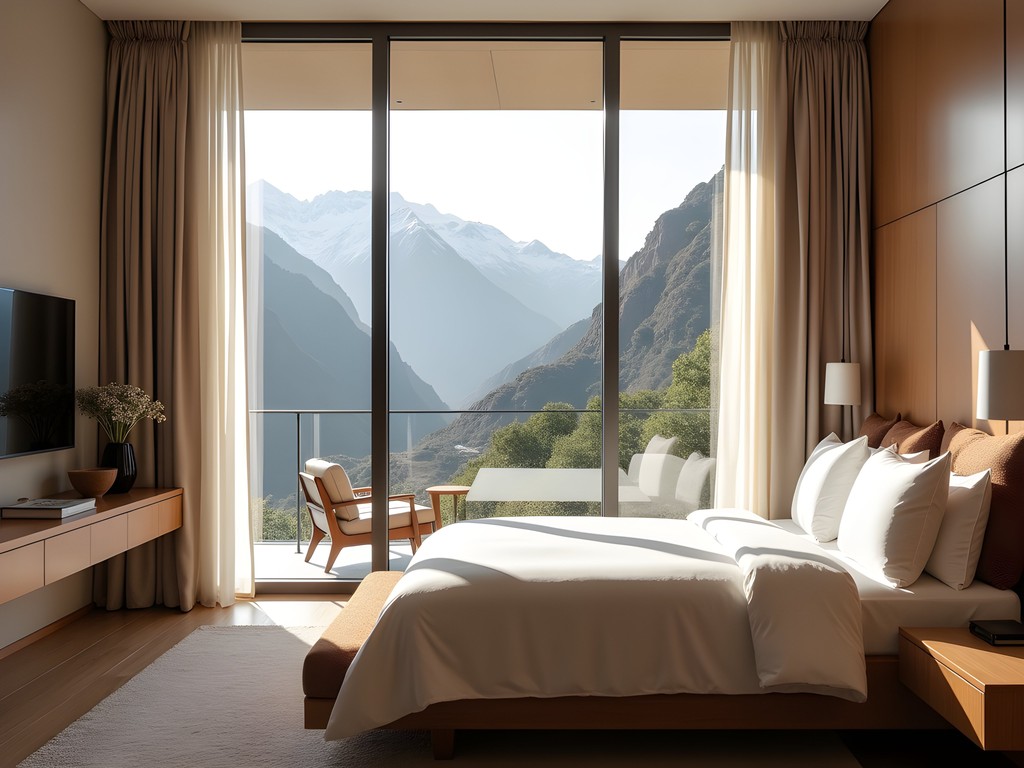
In the Sacred Valley, Explora Valle Sagrado takes a different approach to luxury with its modernist architecture that frames the surrounding mountains through floor-to-ceiling windows. What distinguishes Explora from other high-end properties is their all-inclusive program of daily explorations led by exceptional guides. Rather than the typical tourist circuits, these experiences access remote archaeological sites and traditional communities through an extensive network of trails.
Our room's intentionally simple design—warm wood, crisp white linens, and native textiles—directed attention outward to the spectacular landscape visible from every window. The property's remote location, 2,800 feet above the valley floor, meant absolute tranquility and night skies filled with stars.
For capturing these magnificent landscapes, I relied on my polarizing filter to manage the intense Andean light and enhance the already vibrant colors of the agricultural terraces that pattern the surrounding hillsides.
💡 Pro Tips
- At Las Casitas, book their private excursion to witness Andean condors at Cruz del Condor during early morning hours before public access
- Pack binoculars for wildlife viewing from your casita—Colca Canyon is home to vicuñas, vizcachas, and over 100 bird species
- At Explora, customize your daily excursions based on your interests and fitness level—their guides can adapt plans to focus on archaeology, photography, or cultural encounters
Culinary Havens: Where Gastronomy Enhances Your Stay
Peru's emergence as a global culinary powerhouse means that exceptional dining experiences are increasingly central to luxury accommodations. For couples who plan their travels around memorable meals, several properties stand out for their gastronomic offerings.
Hotel Paracas, a Luxury Collection Resort along Peru's southern coast, surprised us with some of the finest seafood we've encountered anywhere in South America. The property's location—just minutes from the Paracas National Reserve and the Ballestas Islands (often called 'the poor man's Galapagos')—ensures incredibly fresh marine ingredients. Their restaurant, Ballestas, serves contemporary interpretations of traditional coastal dishes like tiradito and arroz con mariscos, paired with exceptional Peruvian wines from the Ica Valley.
Beyond the restaurant, the hotel arranged a private seaside picnic for us following our morning boat excursion to view sea lions and Humboldt penguins. Arriving back at the resort's private dock, we found a beautifully arranged lunch waiting on a secluded stretch of beach—complete with fine linens, proper glassware, and a cooler of champagne nestled in the sand.
In Cusco, Palacio del Inka, a Luxury Collection Hotel occupies a 16th-century mansion that once housed Spanish conquistadors and Incan nobility. Their restaurant, Inti Raymi, offers a 'Sacred Valley' tasting menu that showcases indigenous ingredients like quinoa, amaranth, native potatoes, and herbs grown in the hotel's courtyard garden. Each course arrived with an explanation of its historical significance and cultural context—information that, as an archaeologist, I found fascinating.
The hotel's bar specializes in creative pisco cocktails that incorporate Andean botanicals and house-made bitters. During one memorable evening, the bartender created personalized drinks based on our preferred flavor profiles, garnishing Miguel's with edible flowers and mine with a delicate tuile cookie imprinted with a traditional Incan pattern.
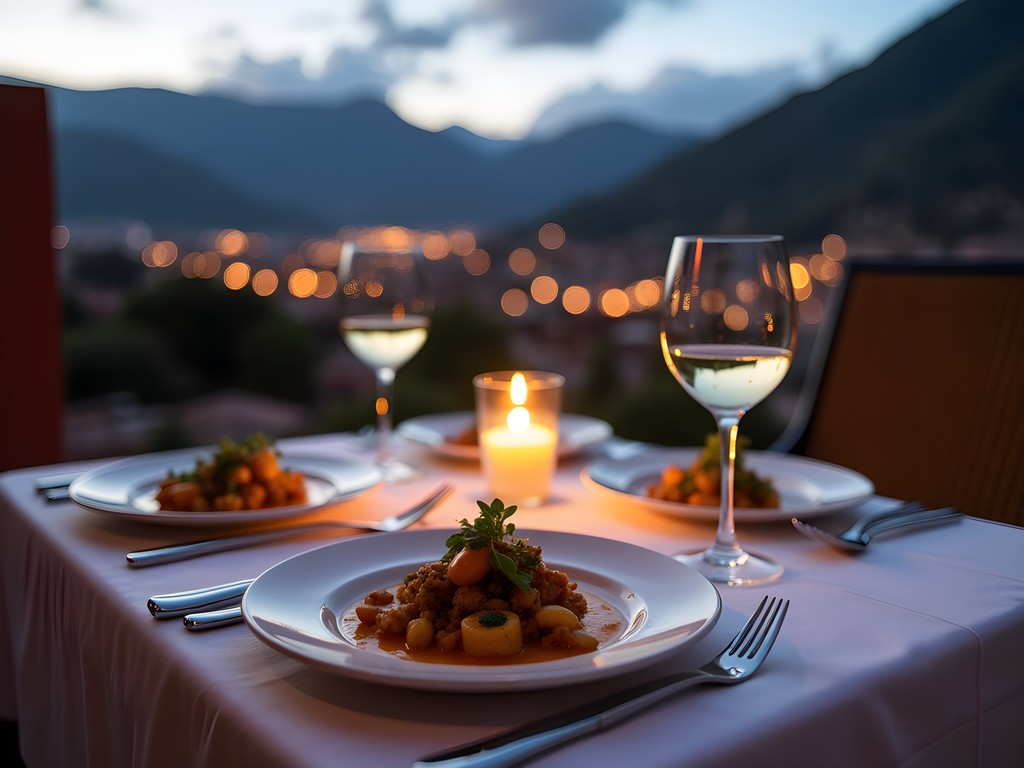
For capturing food memories, I've found that my smartphone lens kit produces stunning close-up images of culinary creations without the intrusion of bulky camera equipment at the dining table.
💡 Pro Tips
- At Hotel Paracas, book their private yacht excursion that includes lunch prepared by the hotel chef on a secluded beach
- Request the chef's table experience at Palacio del Inka for a personalized tasting menu with wine pairings
- Most luxury properties can arrange cooking classes focusing on Peruvian specialties—book these early in your stay so you can recognize ingredients at local markets later
Final Thoughts
As our two-week journey through Peru drew to a close, I reflected on how these carefully selected accommodations had enriched our experience beyond mere comfort. Each property offered a distinct lens through which to view Peru's multifaceted heritage—from the Incan-inspired sanctuaries of the Sacred Valley to the colonial splendor of Arequipa's historic mansions. For couples seeking meaningful connection with both place and partner, these extraordinary stays create the perfect backdrop for shared discovery. Whether you're celebrating a special occasion or simply investing in quality time together, Peru's luxury accommodations transform a vacation into something deeper: an immersion in living history where ancient wisdom and contemporary comfort coexist in perfect harmony. As you plan your own Peruvian adventure, remember that where you rest your head at night can be as transformative as the wonders you explore by day.
✨ Key Takeaways
- Book accommodations that offer private or early access to major sites like Machu Picchu to avoid crowds
- Properties in the Sacred Valley make ideal bases for acclimatization before visiting higher-altitude destinations
- Consider splitting your stay between historically significant properties and those offering exceptional natural settings
- Many luxury properties include unique cultural experiences that aren't available to the general public
📋 Practical Information
Best Time to Visit
April-June (spring) or September-November (fall)
Budget Estimate
$400-1200 per night for luxury accommodations
Recommended Duration
12-14 days
Difficulty Level
Intermediate
Comments
backpackmaster
Great list! I stayed at a place in Aguas Calientes last year that sounds similar to what you described. We went budget-friendly but honestly the location mattered more than luxury for us. Being able to walk to the bus station at 5am was clutch. One tip - book your Machu Picchu tickets WAY in advance, like months. We almost got stuck because we waited too long. Also the train from Ollantaytambo is expensive but totally worth it for the views along the river.
wanderlustmood
how far in advance did you book?
backpackmaster
we did 3 months ahead and it was already getting tight for good time slots
travelking
Which place would you recommend for families with kids?
backpackmaster
I'd say Sacred Valley for sure. More space and easier altitude than Cusco
Taylor Moreau
Ana, wonderful post! I stayed in Arequipa last year for a conference and completely fell in love with the colonial architecture. Your section on the historic mansions brought back such vivid memories. The white volcanic stone really does give the city an ethereal quality, especially at sunset. I'm curious - did you find the altitude in the Sacred Valley challenging at all? I'm planning a return trip with clients and want to prepare them properly for the elevation changes between destinations.
backpackmaster
not OP but coca tea helped me SO much with altitude. drink it constantly
wanderlustmood
Love this! Peru is on my bucket list
roamlife
Beautiful photos!! Adding this to my 2027 plans
escapeexplorer
Just got back from Peru last month and stayed at one of the places you mentioned in the Sacred Valley! The views were absolutely unreal. Waking up to those mountains every morning made the splurge worth it. One tip for anyone going - book your Machu Picchu tickets WAY in advance. We almost couldn't get in because we waited too long. Also the train from Ollantaytambo to Aguas Calientes is pricey but the scenery is stunning.
tripguide
Planning my first trip to Peru for September. How many days would you recommend in the Sacred Valley vs Arequipa?
roamlife
not the author but i did 4 days sacred valley and 2 in arequipa. wished i had more time in arequipa honestly, the white city is gorgeous
tripguide
Thanks! That's helpful
Jose McDonald
Ana, this is AMAZING!! I stayed in Aguas Calientes last year and totally agree about the elevated stays making a difference. The altitude can really hit you hard, so having a comfortable place to recover after hiking Machu Picchu is crucial. Did you try any of the hot springs near your hotel? They were a lifesaver for my sore legs! Also curious which property in Arequipa you'd recommend for someone on a tighter budget - the colonial mansions look incredible but might be out of range for backpackers.
escapeexplorer
The hot springs are legit! Went there after the hike and it was perfect
greenexplorer
Love this! Peru is on my bucket list
Sarah Powell
One accommodation tip I'd add - if you're traveling during high season (June-August), book your Aguas Calientes stay at least 4 months in advance. I analyze hotel pricing trends professionally, and Peru's peak season rates can jump 40-60% with limited availability. The train schedules to/from Machu Picchu are also restrictive, so having accommodation locked in early gives you more flexibility with your itinerary. For Sacred Valley, I found November to be the sweet spot for good weather and lower rates.
Venture X
Premium card with 2X miles, $300 travel credit, Priority Pass