
Disclosure: This article contains affiliate links. We may earn a commission from purchases at no extra cost to you, which helps our travel content.
There's something profoundly humbling about standing inside a glacier that's been forming for thousands of years. As both a midwife and avid scientific explorer, I've witnessed many natural wonders, but nothing quite compares to the ethereal blue chambers of Iceland's ice caves. Last winter, I took a break from my healthcare exchange work in Reykjavík to venture southeast to Höfn – a gateway to Vatnajökull, Europe's largest glacier. What followed was a week of scientific discovery and adrenaline-pumping adventure that reconnected me with the raw power of our planet's cryosphere.

Why Höfn Should Top Your Winter Adventure List
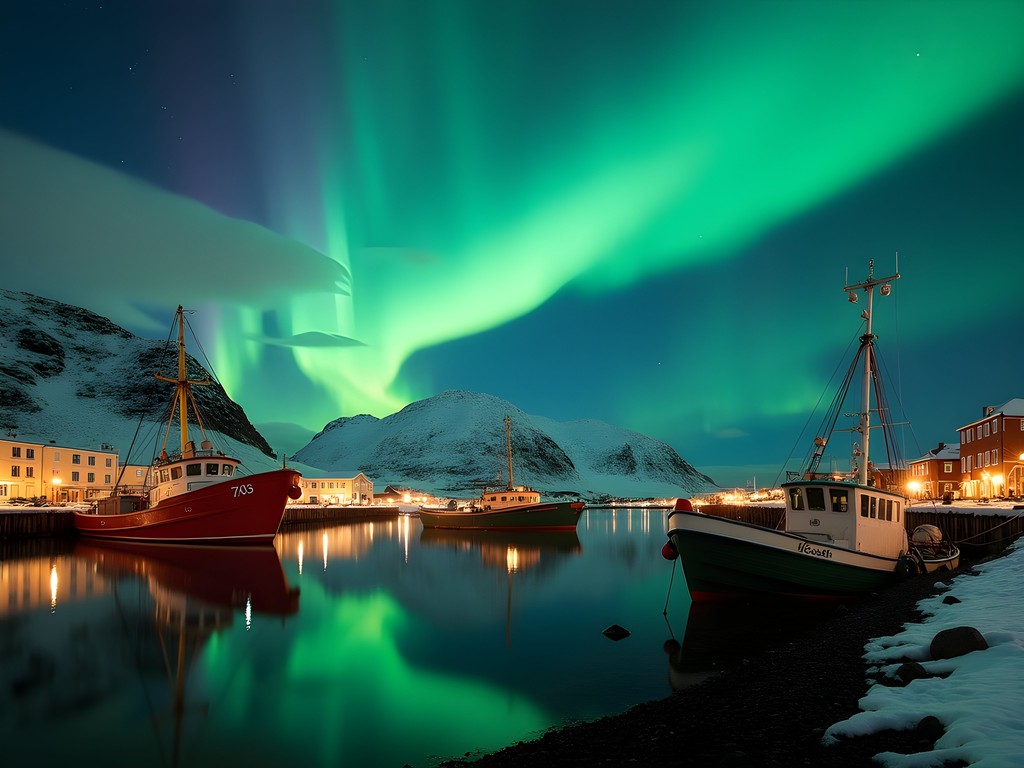
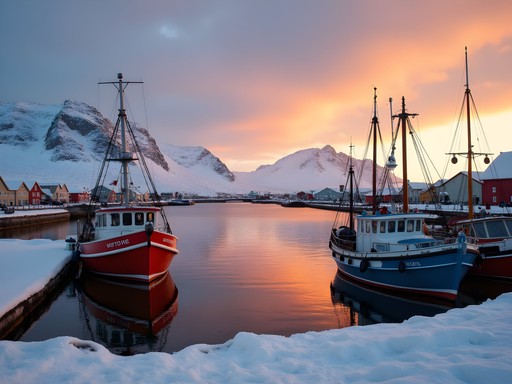
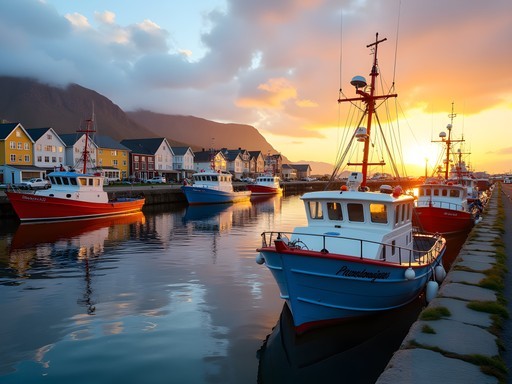
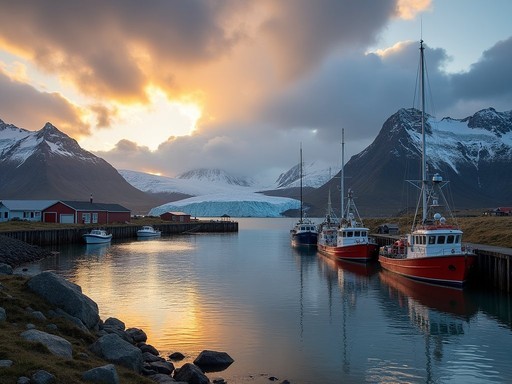
Höfn (pronounced like 'hup' with a slight nasal ending) sits in Iceland's southeastern corner, nestled between imposing glacial tongues and the dramatic Atlantic coastline. While many travelers flock to the more accessible southern coast, this remote harbor town offers an authentic base for serious glacier exploration without the Instagram crowds.
What makes Höfn particularly special is its proximity to multiple access points of Vatnajökull National Park. As someone who's backpacked across five continents, I can confidently say this region offers some of the most scientifically fascinating and visually stunning winter landscapes I've encountered. The town itself, with its population of just 2,000, serves exceptional langoustine (they call it the langoustine capital of Iceland for good reason) and provides a warm contrast to the icy wilderness beyond.
From a scientific perspective, these glaciers are living laboratories. Each year, researchers track their recession rates, study ancient air bubbles trapped in the ice, and monitor the formation and collapse of the caves themselves. As climate change accelerates, these ephemeral ice structures become both more accessible and more endangered – making now the critical time to witness them.
💡 Pro Tips
- Book accommodation in Höfn at least 3 months in advance – options are limited in winter
- The town's name is pronounced closer to 'Hup' (with a nasal ending) than 'Hofn'
- Rent a 4x4 vehicle – regular cars won't cut it on winter roads
Essential Gear for Glacier Exploration
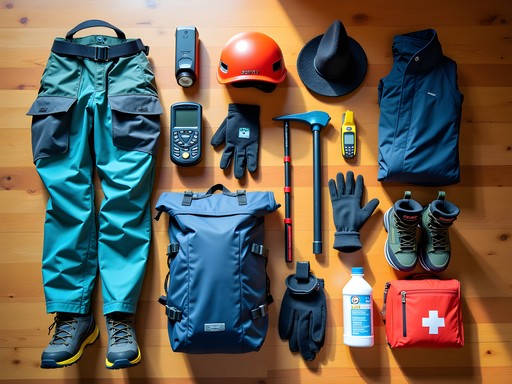
Having learned the hard way during my first Iceland trip years ago, I now approach glacier adventures with military-grade preparation. The weather here doesn't just change by the hour – it changes by the minute.
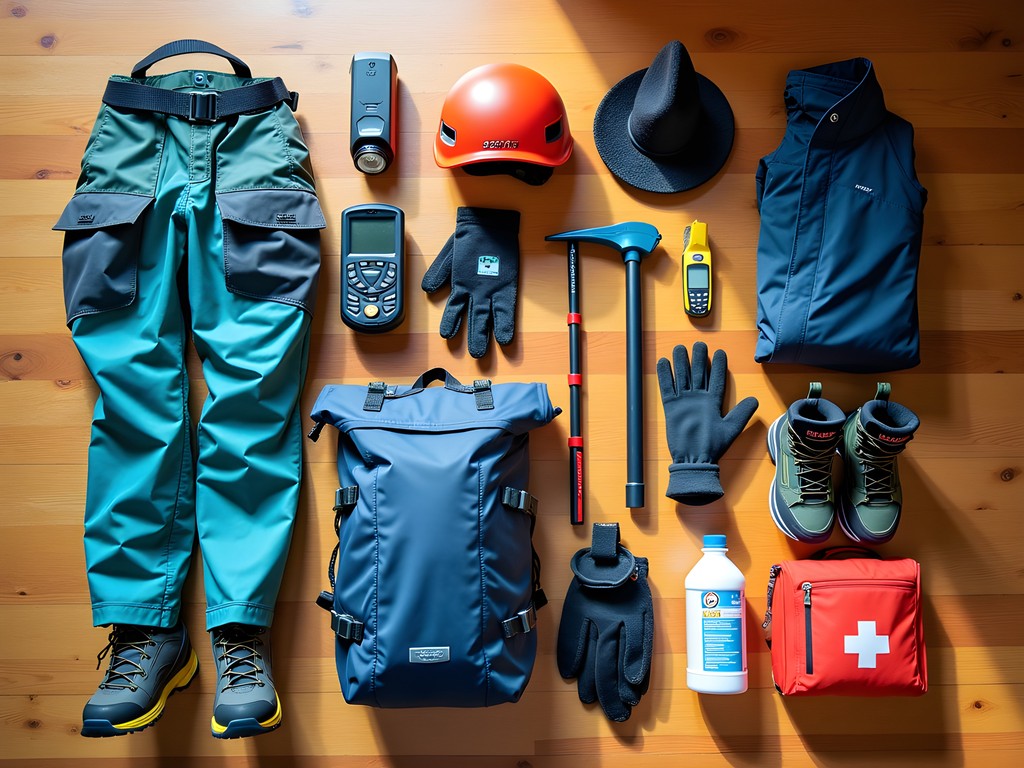
Start with your base layers. Merino wool is non-negotiable in my pack. My thermal base layer has proven invaluable, regulating body temperature even when I'm transitioning between strenuous hiking and standing still to examine ice formations. Unlike synthetic materials, merino continues insulating even when damp – crucial when you're inevitably sweating inside multiple layers.
For glacier hiking, proper footwear is literally a lifesaver. After watching a fellow traveler struggle with inadequate boots last year, I invested in mountaineering boots that provide the ankle support and crampon compatibility essential for ice traversal. Yes, they're an investment, but they've since accompanied me to research stations in Chile and New Zealand without fail.
Don't underestimate the importance of hand protection. The heated gloves I discovered last season have revolutionized my winter photography. They allow me to adjust camera settings and take notes without exposing skin to potential frostbite conditions – particularly valuable when I'm trying to document the microscopic air bubble patterns in ancient ice sections.
Finally, never enter an ice cave without a proper helmet – ice falls are unpredictable and real. Your Instagram shot isn't worth a head injury.
💡 Pro Tips
- Pack chemical hand warmers for emergency backup – they've saved my fingers during unexpected weather turns
- Waterproof everything, then waterproof it again – dry bags inside waterproof backpacks
- Bring extra wool socks – wet feet are your worst enemy in glacier environments
Inside the Crystal Cathedral: Ice Cave Exploration
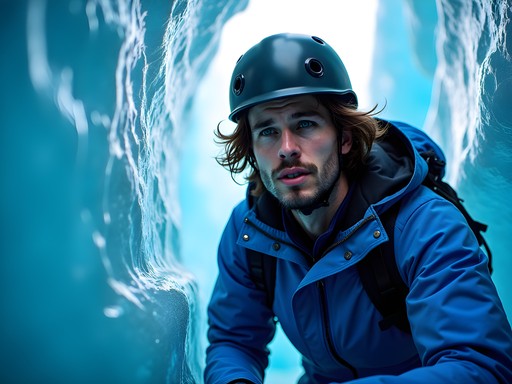
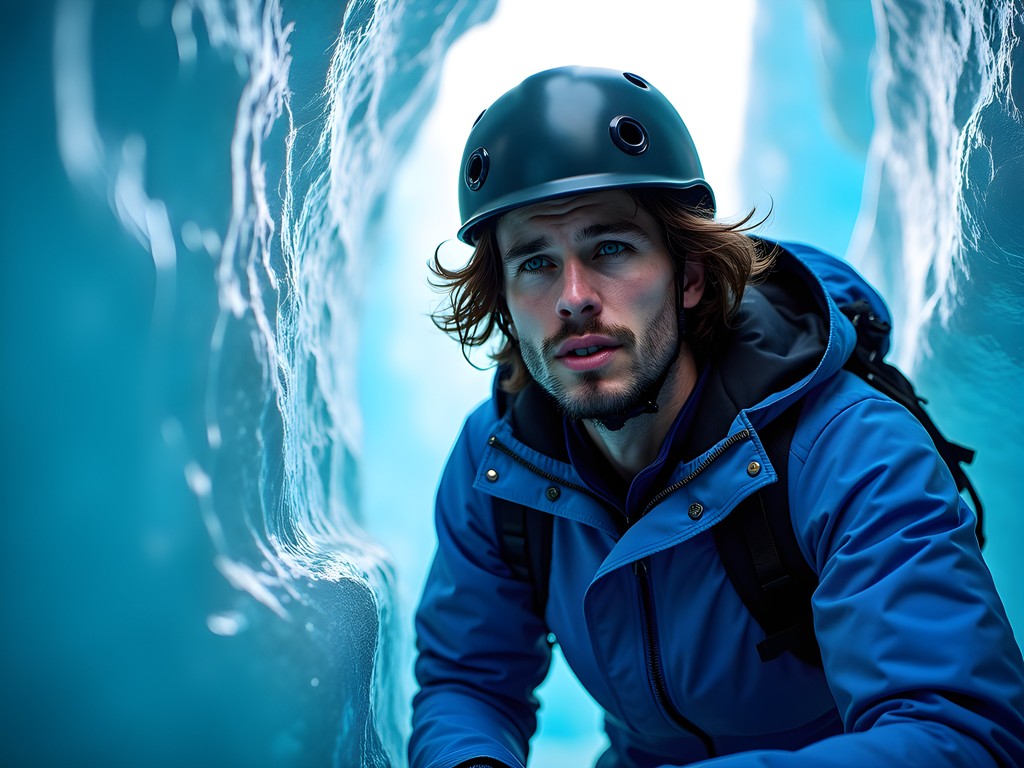
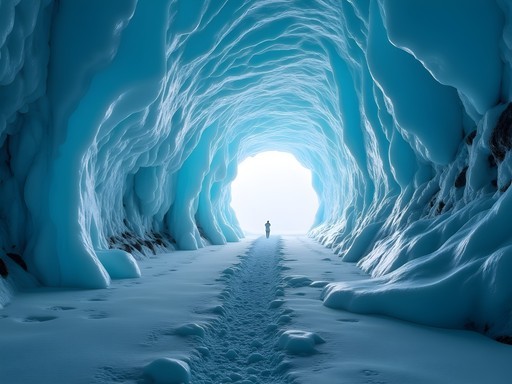
The first time I entered an ice cave beneath Breiðamerkurjökull (a glacier tongue of the massive Vatnajökull), I instinctively placed my hand on my chest – the same gesture I make during particularly moving births. There's something about witnessing these ephemeral natural wonders that evokes a similar sense of reverence.
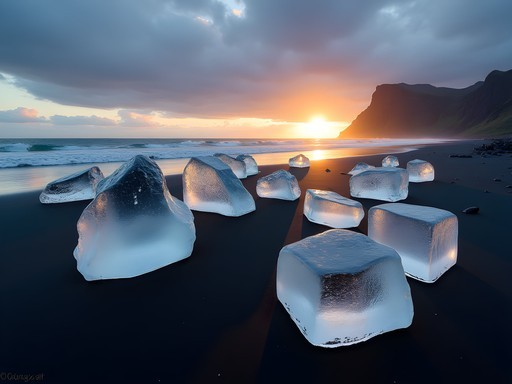
Ice caves form when summer meltwater carves tunnels through the glacial ice, which then remain frozen and accessible during winter. Each cave is unique, with its own personality of blue hues, textures, and formations. The scientific explanation for the blue color – that ice absorbs all colors of the light spectrum except blue – doesn't diminish its otherworldly beauty.
There are several reputable tour operators in Höfn offering ice cave expeditions. After researching safety records extensively (the midwife in me is perpetually risk-assessing), I chose Local Guide of Vatnajökull for their scientific knowledge and small group sizes. Our guide, Magnús, had collaborated with glaciologists studying climate change impacts and shared fascinating insights about how these caves have changed over his 15 years of guiding.
While in the caves, I used my headlamp to illuminate hidden features in the ice. The rechargeable aspect proved invaluable during our week of daily excursions. For capturing the surreal blue environment, my phone camera struggled with the low light and contrast, so I relied on my action camera with its superior low-light capabilities.
The most memorable moment came when Magnús instructed us to turn off all lights and stand in complete darkness. In that moment of sensory deprivation, the subtle sounds of the glacier – creaking, dripping, shifting – became hauntingly apparent. It was a powerful reminder that these massive ice formations are living, dynamic entities.
💡 Pro Tips
- Book ice cave tours at least 2 weeks in advance – the reputable companies sell out quickly
- Bring a tripod for long-exposure photography – the lighting conditions are challenging
- Listen to your guide without exception – safety protocols exist for a reason

Conquering Vatnajökull: Glacier Hiking Adventures
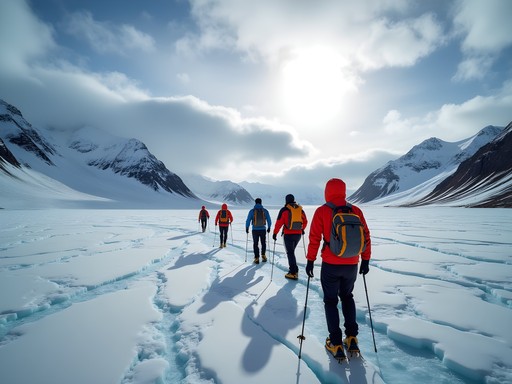
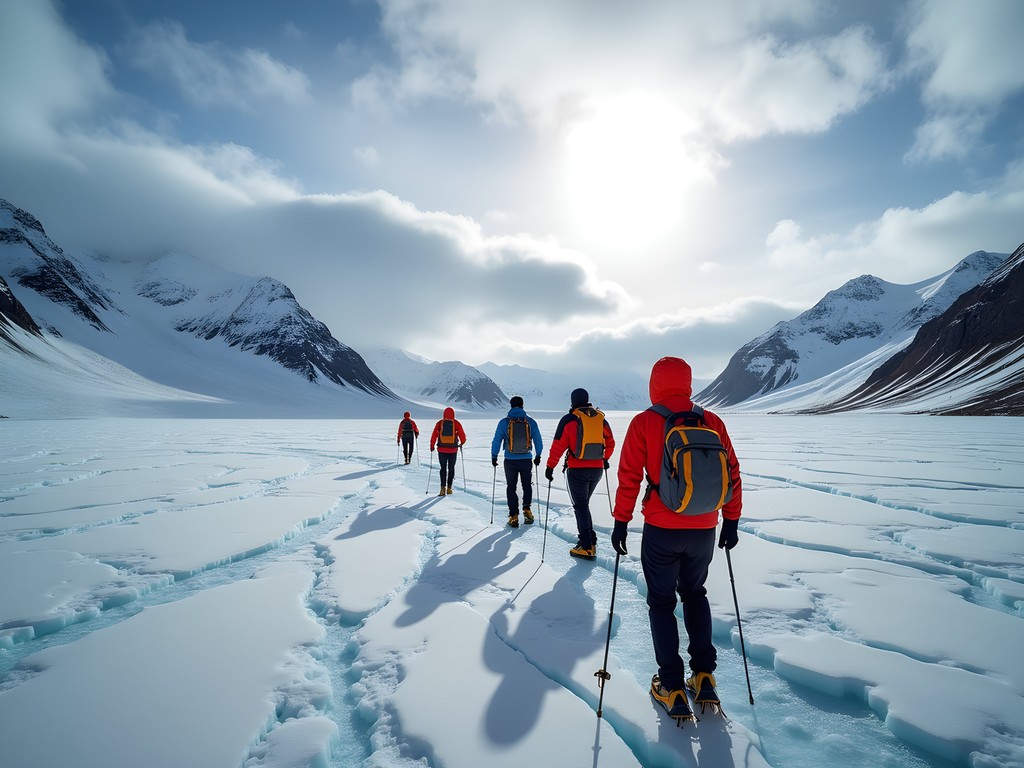
While ice caves capture the imagination, glacier hiking offers a different perspective on these massive ice sheets. Standing atop Vatnajökull – which covers 8% of Iceland's landmass – provides a humbling reminder of our planet's geological power.
My scientific curiosity was particularly piqued by the glacier's surface features. Moulins (vertical shafts where meltwater disappears into the glacier), crevasses, and ice formations tell the story of climate dynamics. Our guide pointed out how certain features had changed dramatically even since the previous winter – tangible evidence of warming temperatures.
For glacier hiking, you'll be provided with crampons and an ice axe, but I strongly recommend bringing your own trekking poles with snow baskets attached. The additional stability they provide on uneven ice surfaces has prevented countless slips during my various glacier expeditions around the world.
One aspect of glacier hiking that surprised me was the physical exertion involved. The combination of navigating uneven terrain, the weight of safety equipment, and the resistance of crampons requires significant stamina. My background in backcountry backpacking served me well, but I witnessed several tourists struggling with the demands. Prepare with some cardio and leg-strengthening exercises in the weeks before your trip.
The most scientifically fascinating moment came when our guide extracted a small ice core sample (with proper permits) to demonstrate the visible annual layers – similar to tree rings – that allow glaciologists to study climate history. Seeing these compressed time capsules of Earth's atmospheric conditions was a powerful reminder of why these glaciers are so valuable to climate researchers.
During breaks on the glacier, my insulated water bottle proved essential – standard water bottles freeze quickly in these conditions. The vacuum insulation kept my water liquid even during our full-day expedition when temperatures dropped well below freezing.
💡 Pro Tips
- Train for hiking on uneven terrain before your trip – glacier walking uses different muscles than regular hiking
- Bring high-energy snacks that won't freeze solid – nuts and chocolate are better than granola bars
- Take a moment to truly listen to the glacier – the sounds of ice moving and meltwater flowing are unforgettable
Beyond the Ice: Stargazing and Northern Lights in Höfn
After days spent exploring the ancient ice, Höfn's night skies offered an equally profound scientific wonder. The minimal light pollution in this remote region creates ideal conditions for both northern lights viewing and serious stargazing – combining two of my greatest passions.
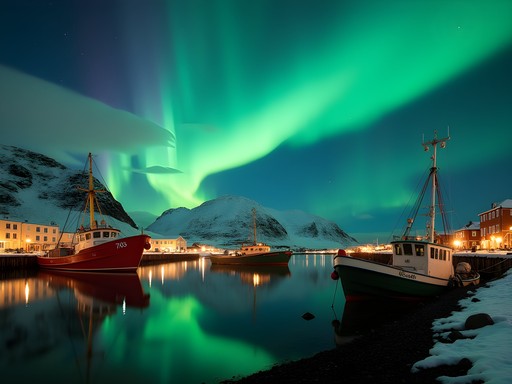
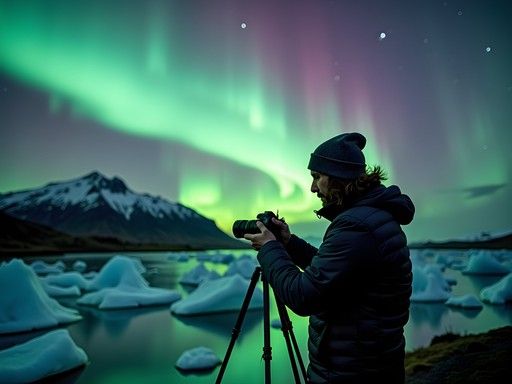
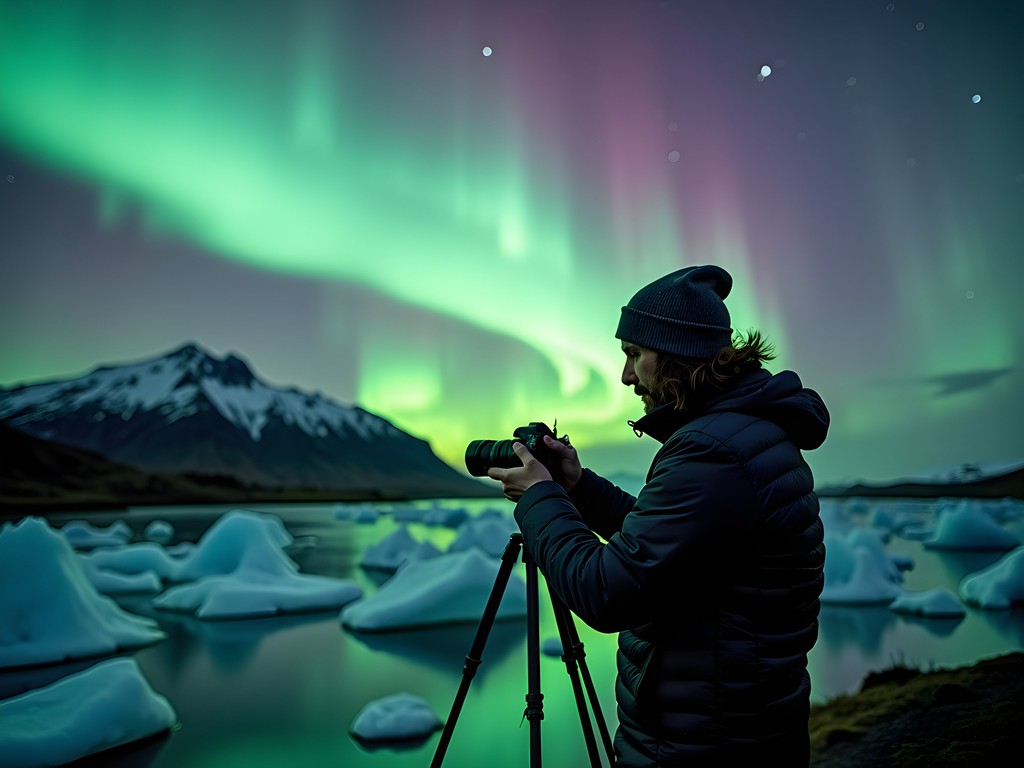
During my week in Höfn, I was fortunate to experience three nights of aurora activity. The dancing green lights over the glacier-carved landscape created a scene that felt almost impossibly beautiful. As someone who's witnessed births in some extraordinary circumstances (including once under the northern lights in a remote Icelandic community), I found myself making similar sounds of wonder and awe.
For aurora hunting, I relied heavily on my aurora forecast app which provides real-time KP index readings and cloud cover predictions specific to your location. While many tourists cluster around Reykjavík for northern lights tours, Höfn's southeastern position often experiences clearer weather patterns during winter.
Beyond the aurora, the stargazing opportunities were exceptional. With my portable star tracker, I captured long-exposure images of the Milky Way arching over Vatnajökull. The juxtaposition of ancient ice below and infinite space above created a profound sense of temporal scale that still gives me goosebumps when reviewing those images.
For those interested in the scientific aspects of astronomy, I recommend downloading a star chart specific to Iceland's winter sky. The perspective from 64°N latitude offers different celestial views than most visitors are accustomed to, with Polaris (the North Star) appearing much higher in the sky than it does from more southern locations.
💡 Pro Tips
- Set aurora alerts on your phone and be ready to dash outside at a moment's notice
- Learn to photograph the northern lights before your trip – you won't have time to figure it out in the moment
- Bring a reclining camp chair for comfortable stargazing – your neck will thank you
Final Thoughts
As I packed my gear and bid farewell to Höfn, I couldn't help but reflect on how this corner of Iceland embodies the perfect intersection of adventure travel and scientific discovery. The ice caves and glaciers aren't just spectacular backdrops for social media – they're dynamic natural laboratories teaching us about our planet's past, present, and uncertain future.
For those willing to venture beyond Iceland's more accessible attractions, Höfn rewards with experiences that engage both body and mind. The physical challenge of glacier hiking, the childlike wonder of ice cave exploration, and the astronomical spectacle of the northern lights combine to create a journey that satisfies on multiple levels.
As both a healthcare professional and scientific traveler, I'm acutely aware that these glacial wonders are changing rapidly. The guides I spoke with shared sobering observations about how dramatically the ice caves and glacier features have transformed even in the past decade. This lends a certain urgency to experiencing these phenomena now, while also understanding our responsibility to protect them.
When you visit, I urge you to approach these ice formations with the same reverence you might feel in any of humanity's great architectural achievements – except these cathedrals of ice were sculpted by nothing more than time, temperature, and the relentless flow of water. They remind us that some of Earth's most profound scientific wonders are still accessible to those willing to lace up their boots and venture into the cold.
✨ Key Takeaways
- Book guided glacier activities with reputable companies that prioritize both safety and scientific understanding
- Prepare physically for the demands of glacier hiking – it's more strenuous than standard trekking
- Invest in proper cold-weather gear – this is not the destination to cut corners on equipment
- Allow flexible time in your itinerary to account for Iceland's unpredictable winter weather
- Approach these glacial environments with respect, understanding they're rapidly changing due to climate impacts
📋 Practical Information
Best Time to Visit
November through March for stable ice caves
Budget Estimate
$2,000-3,000 USD per person for a week (excluding flights)
Recommended Duration
5-7 days
Difficulty Level
Challenging

Comments
journeyphotographer
Pro tip: bring extra batteries for your camera. The cold drains them super fast and you'll want to capture everything!
journeygal4540
Oh good call! Didn't even think about that
escapephotographer
What tour company did you use for the glacier hike? I've heard mixed reviews about some operators and want to make sure I book with someone reputable. Also - did you need crampons or did they provide all the technical gear?
escapephotographer
Also your photos are stunning btw
travelfan
That blue ice photo is stunning!! 💙
Douglas Bradley
Great write-up, Jack. I visited Höfn two winters ago and your description of the Crystal Cathedral really captures that otherworldly feeling. One thing I'd add for readers: the ice cave conditions change dramatically throughout the season. Early winter (November-December) tends to offer the most vibrant blues, while late season the structures can become less stable. Also worth noting that Höfn itself is incredibly underrated as a base - the local restaurants, especially Pakkhús, offer some of the best langoustine I've had anywhere. The combination of adventure tourism and authentic Icelandic culture there really sets it apart from the more tourist-heavy areas around Reykjavik.
moonhero
ooh good to know about the timing! was planning march but maybe should go earlier
islandexplorer
That shot of the Northern Lights over the glacier is incredible! Did you need special camera equipment to capture that? I'm bringing my basic DSLR in March and hoping to get something half as good.
coolmaster
how cold does it actually get inside the caves? trying to figure out what to pack
Douglas Bradley
Not the author, but I've done similar glacier caves in Iceland. Usually around -2 to 2°C inside, but the wind chill outside can be brutal. Layer up!
coolmaster
thanks! super helpful
moonhero
This looks absolutely incredible!! Adding to my bucket list right now
beachlegend5444
This looks absolutely insane! Never thought about Iceland in winter
Taylor Moreau
Excellent comprehensive guide, Jack. I've been coordinating corporate adventure retreats in Iceland for the past decade, and Höfn consistently delivers experiences that even the most jaded executives find transformative. A few practical additions for your readers: the weather can change dramatically within minutes, so layering is absolutely critical. I always recommend bringing a waterproof phone case – the humidity inside those caves can damage electronics quickly. Also, the local guesthouse scene in Höfn has improved tremendously. You're no longer limited to the standard hotel options. The small family-run places offer authentic Icelandic hospitality and often have connections to the best guides.
mountainbackpacker
Which tour company did you use? Heading there in two months
journeyphotographer
Not OP but I used Glacier Guides last year and they were amazing
Venture X
Premium card with 2X miles, $300 travel credit, Priority Pass