
Disclosure: This article contains affiliate links. We may earn a commission from purchases at no extra cost to you, which helps our travel content.
There's something about beaches that reminds me of my former profession as a private investigator – the best ones require patience, keen observation, and a willingness to venture beyond the obvious. After 35 years tracking down missing persons, I've redirected my investigative skills toward uncovering hidden treasures around the world. Naxos, the largest of the Cyclades, presents the perfect case study in overlooked splendor. While tourists flock predictably to the main beaches near Naxos Town, the island harbors secluded coastal gems that remain delightfully under-documented. During my recent summer sojourn, I meticulously mapped these havens of tranquility, places where couples can connect without the cacophony of crowds. What follows is my detailed dossier on ten beach paradises that won't appear in standard guidebooks – consider it classified information I'm willing to share only with you.

The Southern Sanctuaries: Mikri Vigla & Kastraki
My investigation begins on Naxos' southwestern coast, where two adjacent beaches offer dramatically different experiences despite their proximity. Mikri Vigla presents a fascinating case study in natural division – the north side attracts windsurfers with consistent meltemi winds, while the southern cove offers shelter and serenity. It's this southern section that warrants your attention if tranquility ranks high on your requirements.
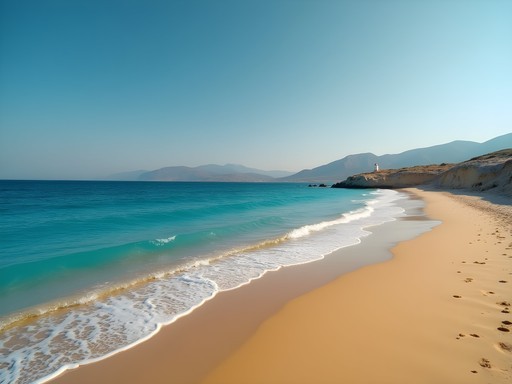
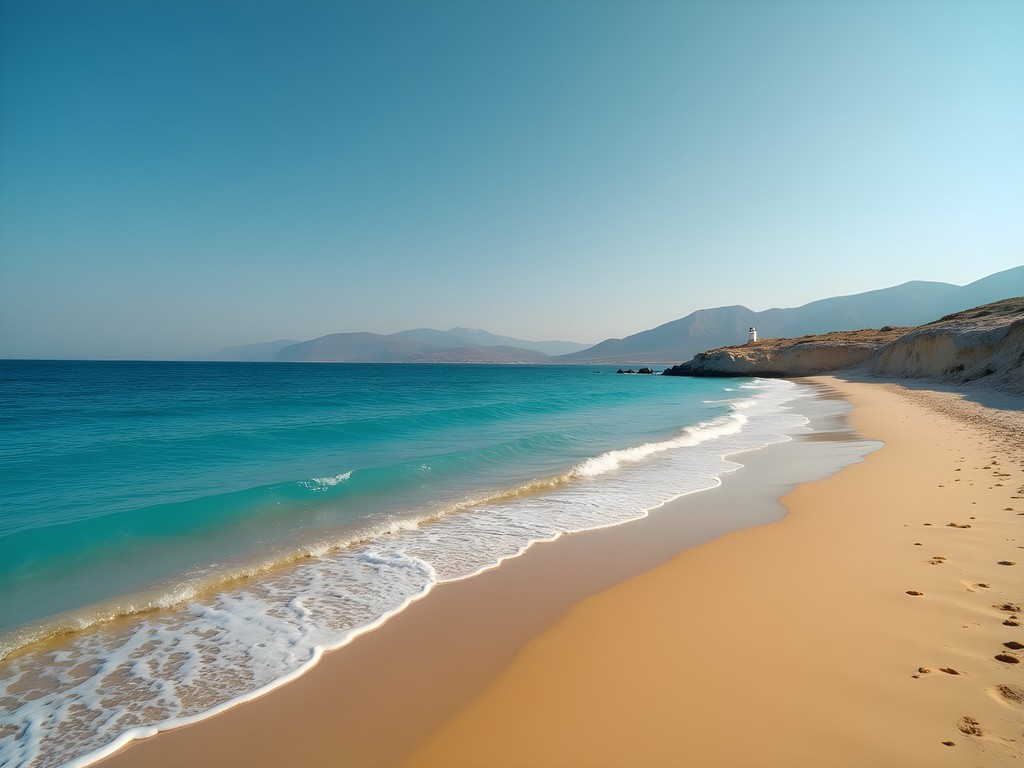
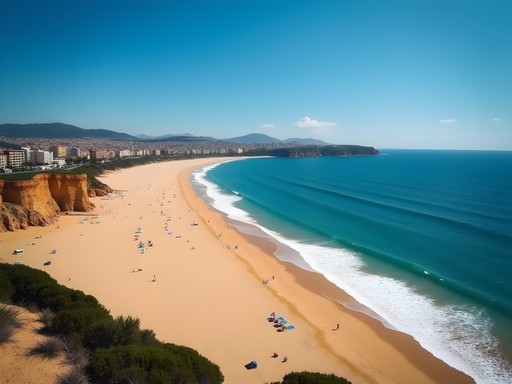
The real revelation, however, lies just beyond at Kastraki Beach. Stretching nearly two kilometers, this expansive strand of golden sand somehow remains overlooked by mass tourism. During my three visits at different times of day, I never counted more than twenty people across its considerable expanse.
The evidence of its appeal is compelling: crystalline waters in graduated shades of azure, fine sand that feels like silk between your toes, and a backdrop of undeveloped landscape that transports you to a Greece of decades past. What struck me most was the silence – only the rhythmic percussion of gentle waves and occasional birdsong from the cedar trees that fringe the dunes.
For optimal positioning, I recommend setting up approximately 500 meters from the small taverna at the beach's northern end. This strategic location offers both privacy and convenience – a balance I've always found essential whether tracking persons of interest or seeking the perfect beach spot.
Between swimming sessions, I documented numerous couples walking hand-in-hand along the shoreline, their footprints the only temporary marks on an otherwise pristine canvas. The case for Kastraki as a romantic haven is undeniable.
💡 Pro Tips
- Arrive before 10 AM or after 4 PM to have sections of Kastraki Beach entirely to yourself
- The southern end of Mikri Vigla offers better protection from winds
- Pack sufficient water and snacks as amenities are limited to one small taverna
Cedar Forest Hideaway: Alyko & Hawaii Beaches
My investigative training taught me to look for anomalies in landscapes – features that don't quite belong. The cedar forest of Alyko qualifies as precisely such an anomaly on an island otherwise dominated by agricultural plains and marble mountains. This protected natural area cradles several beaches, two of which merit special attention.
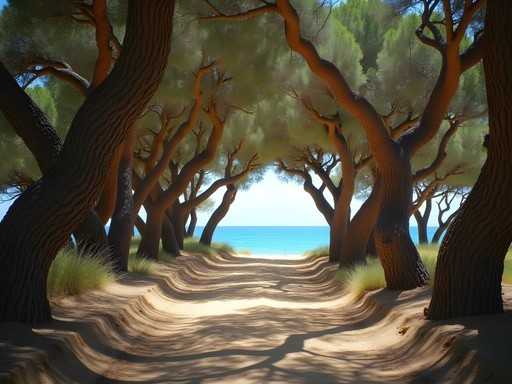
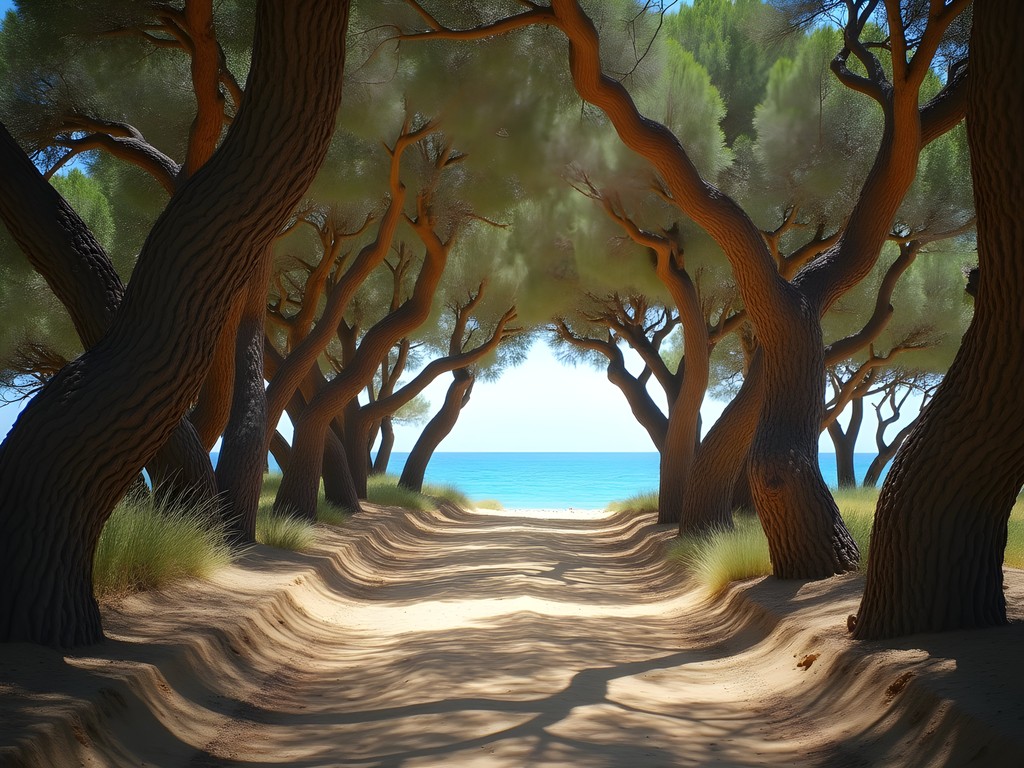
Alyko Beach itself requires a short trek through fragrant cedar trees, their twisted forms creating natural sculptures against the sky. The path descends suddenly, revealing a horseshoe bay of exceptional clarity. What makes this location particularly compelling for couples is the series of small coves adjacent to the main beach. During my reconnaissance, I discovered that by walking just five minutes around the rocky promontory, you can claim a private swimming spot with room for only two.
The peculiarly named Hawaii Beach lies just north of Alyko, accessible via a dirt track that doesn't appear on most maps. The name, while seemingly incongruous, makes perfect sense once you witness its exotic appearance – white sand bordered by dramatic rock formations and water so transparent it appears almost invisible near the shore.
During my investigation of the area, I noted the remnants of an abandoned hotel project from the 1970s, its concrete skeleton now a canvas for impressive graffiti art. This unexpected juxtaposition of natural beauty and decaying architecture creates a fascinating backdrop for underwater photography. The camera's underwater modes captured the remarkable visibility and vibrant marine life along the rocky edges of these beaches.
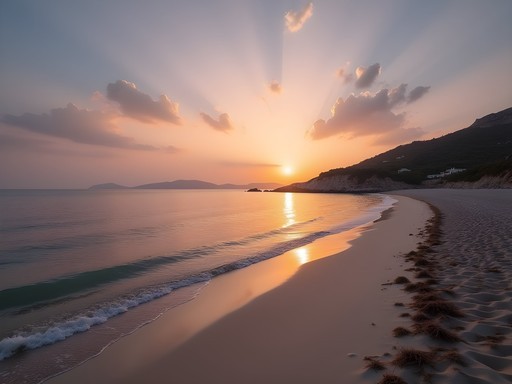
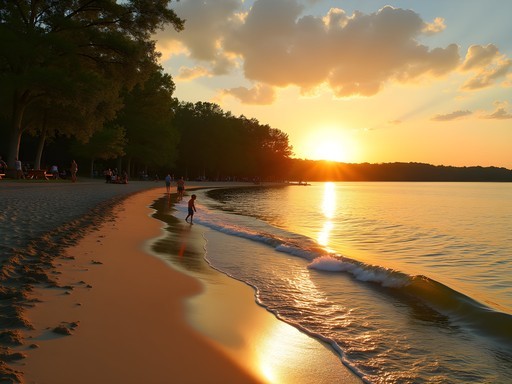
My case notes indicate that sunset transforms these beaches into truly extraordinary spaces. The cedar silhouettes against the painted sky created one of the most memorable evening scenes I've documented in my travels.
💡 Pro Tips
- Bring proper footwear for the cedar forest paths
- The abandoned hotel area near Hawaii Beach offers unique photo opportunities
- Pack a headlamp if staying for sunset as the forest path is unlit for the return journey
The Northern Case Files: Ligaridia & Abram
The northern coastline of Naxos presents a more challenging investigation. Access requires either a four-wheel-drive vehicle or a willingness to hike moderate distances. My experience has taught me that such obstacles often guard the most rewarding discoveries.
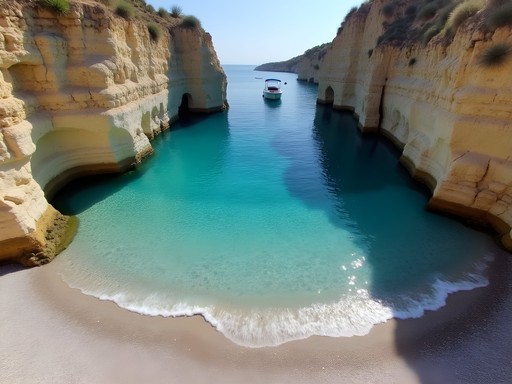
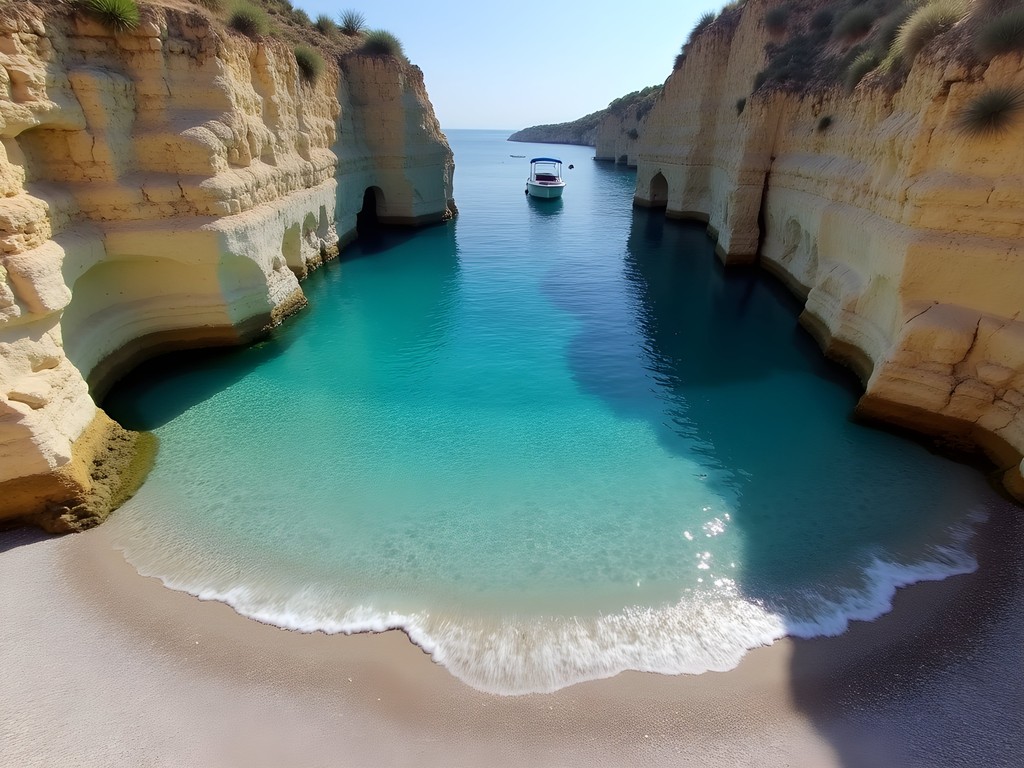
Ligaridia Beach exemplifies this principle perfectly. After navigating a rutted dirt track and walking the final 15 minutes along a goat path, I emerged onto a crescent of coarse golden sand embraced by towering cliffs. The beach faces west, making it an ideal afternoon destination when the sun illuminates the cliff face with a warm amber glow. During three consecutive visits, I encountered a maximum of six other people.
What distinguishes Ligaridia is its dramatic setting – the vertical rock walls create a natural amphitheater that amplifies the sound of waves. For couples seeking a sensory experience beyond the visual, this acoustic quality adds a remarkable dimension to the beach visit.
Further north lies Abram Beach, perhaps the most secluded entry in my Naxos beach catalog. Accessible only by a 30-minute hike from the nearest dirt road or by boat, this small cove offers what increasingly feels like an endangered species in the Mediterranean – absolute privacy. The beach itself is composed of smooth pebbles rather than sand, which I found preferable for extended lounging with my beach chair. The chair's adjustable positions and backpack straps made the hike worthwhile, providing comfortable support for hours of reading and observation.
The water clarity at Abram deserves special mention – visibility extends beyond 20 meters on calm days, revealing a seabed of white stones that magnify the sunlight filtering through the water. The effect creates an almost otherworldly luminescence that no photograph fully captures.
My logbook notes that these northern beaches require preparation: there are no facilities whatsoever, no shade except what the cliffs provide in late afternoon, and cellular reception is spotty at best. Yet these same factors ensure their continued status as refuges from the modern world.
💡 Pro Tips
- Pack ample water and food supplies as there are no facilities
- Check weather forecasts carefully as northern beaches can become dangerous during strong north winds
- Consider bringing trekking poles for the steep descent to Abram Beach

Eastern Discoveries: Psili Ammos & Kleidos
The eastern coastline of Naxos presents a fascinating study in contrasts. My investigation led me to two beaches that, despite their relative proximity, offer distinctly different experiences – each with compelling evidence for inclusion in this report.
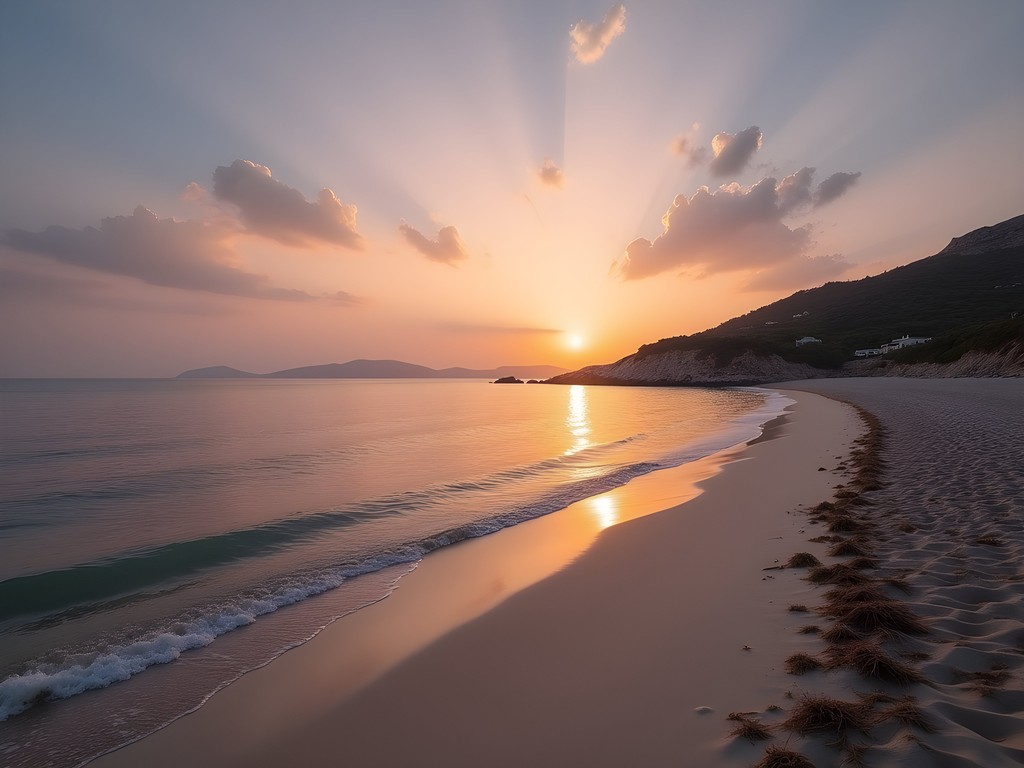
Psili Ammos (meaning 'fine sand') lives up to its name with a stretch of powdery beach so soft it squeaks underfoot. What makes this location exceptional is the gradual slope of the seabed, creating an extensive shallow area ideal for prolonged wading. During my observation period, I noted numerous couples walking hand-in-hand nearly 50 meters from shore, still with water only reaching their knees.
The beach faces east, making it an optimal choice for early risers. I documented a sunrise here that ranks among my most significant findings – the first light illuminating the neighboring island of Donoussa while the beach itself remained in gentle shadow. For this early morning reconnaissance, my insulated tumbler proved invaluable, keeping my coffee hot during the pre-dawn stakeout. The stainless steel construction prevented any telltale coffee aroma from disturbing the pristine morning air.
Just two kilometers south, Kleidos Beach presents an entirely different case. Accessible via a moderately challenging 20-minute hike, this small cove is protected by rocky outcroppings that create a natural swimming pool effect. The most compelling evidence of its special nature comes from the seabed – a mosaic of colorful pebbles visible through remarkably clear water.
What struck me most about Kleidos was the silence. Without the constant rhythm of waves breaking on sand (the rocks dissipate most of the wave energy), the underwater world becomes audible when you swim – the gentle clicking of small stones shifting, the pop of tiny air bubbles, the distant calls of sea birds echoing off the cliff walls.
Both beaches share one critical attribute: they remain largely unknown to the typical tourist population. My surveillance revealed primarily local Greek visitors and a small contingent of returning travelers who, like good investigators, had done their research thoroughly.
💡 Pro Tips
- Visit Psili Ammos at sunrise for the most magical experience
- Bring water shoes for Kleidos Beach as the pebble entry can be uncomfortable
- Consider packing a small umbrella for Psili Ammos as natural shade is limited
The Insider's Beach: Lionas
Some discoveries in my investigative career came not through methodical searching but through conversations with key informants. Lionas Beach falls precisely into this category – a recommendation whispered to me by Maria, the 80-year-old proprietor of my guesthouse, who raised her eyebrows meaningfully when I asked about beaches where tourists never venture.
"Lionas," she said simply. "Go there on Tuesday when the fishermen are out."
Following this lead took me to the eastern coast, down a winding mountain road to a tiny fishing settlement. The beach itself defies conventional categorization – not particularly large or boasting the finest sand, but possessing a quality I've come to recognize as authenticity.
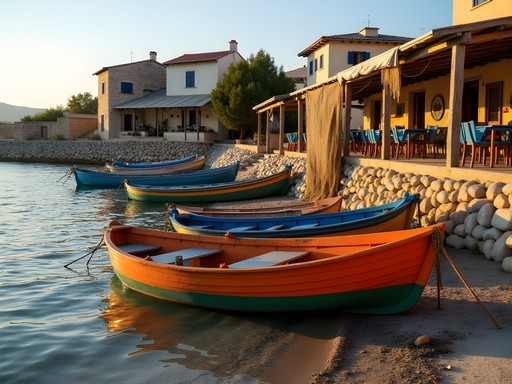
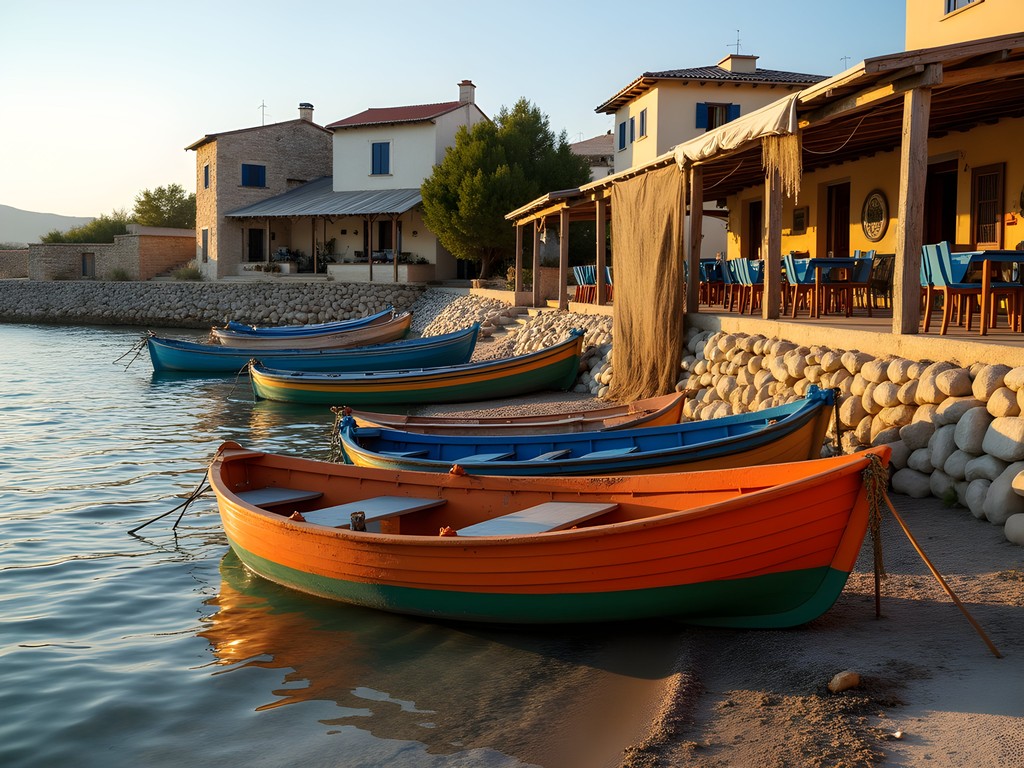
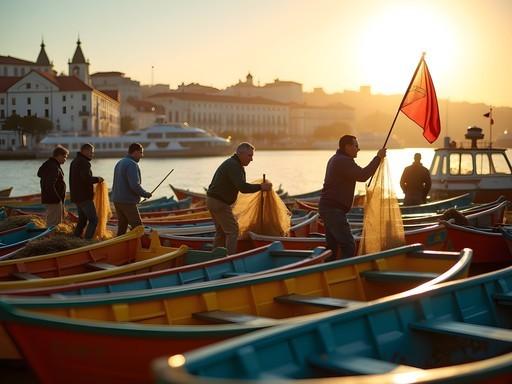
Lionas presents as a working beach where fishing boats rest on shore and nets dry in the sun. The swimming area lies to the south of these operations, a mix of sand and smooth stones with water clarity that rivals any on the island. What elevates this location to special status is the seamless integration of beach life with traditional Greek coastal culture.
The single taverna, Delfinaki, sits directly on the beach, its tables so close to the water that conversation competes with the gentle lapping of waves. Here I conducted extensive research into grilled octopus and local wine while observing the rhythm of a place unchanged by tourism's homogenizing influence.
For couples seeking connection with both each other and authentic Greek island culture, Lionas offers compelling evidence that the best experiences often hide in plain sight. The taverna owner's family has operated here for four generations, and their Greek cookbook sits proudly on display – the same cookbook I've used for years to recreate Mediterranean flavors at home. Seeing it here, dog-eared and splattered with olive oil, confirmed its authenticity.
My field notes indicate that afternoons at Lionas develop a particular golden quality as the sun reflects off the eastern cliff face, casting the entire cove in warm light that photographers call "the magic hour" but seems to extend here for several hours before sunset.
💡 Pro Tips
- Visit on weekdays when the beach is quietest
- Make a reservation at Delfinaki if you want a waterfront table for lunch
- Bring cash as credit cards aren't always accepted in this remote location
The Case of the Disappearing Beach: Panermos
Every investigator eventually encounters a case that defies easy explanation. Panermos Beach represents precisely such a puzzle – a location that seems to transform completely depending on when you visit.
Situated on the northeastern coast, Panermos occupies a deep bay that shields it from the prevailing summer winds. My first reconnaissance occurred mid-morning when the beach presented as a relatively standard, if picturesque, sandy cove with pleasant swimming conditions. Nothing in this initial observation suggested anything extraordinary.
It was only on my second visit, timed for late afternoon, that I witnessed the beach's remarkable transformation. As the sun descended toward the western mountains, it cast the entire bay in a copper-gold light that seemed to illuminate the water from within. The previously blue-green water shifted to a luminescent turquoise that appeared almost artificially enhanced.
The most compelling evidence of Panermos's special nature emerged during my third visit – a full-day stakeout that revealed how the changing angle of sunlight continuously alters the beach's character. From practical experience, I've learned that the dry bag is essential for extended beach investigations. This 10-liter waterproof sack kept my camera equipment, notes, and provisions completely dry despite multiple swimming sessions throughout the day.
What distinguishes Panermos from other beaches in this report is its dual nature – the morning beach belongs primarily to local families who arrive early to claim the limited natural shade, while the afternoon beach transforms into a photographer's paradise as the light changes. By timing your visit strategically (I recommend arriving after 3 PM), couples can experience the more dramatic incarnation while also finding more space to themselves.
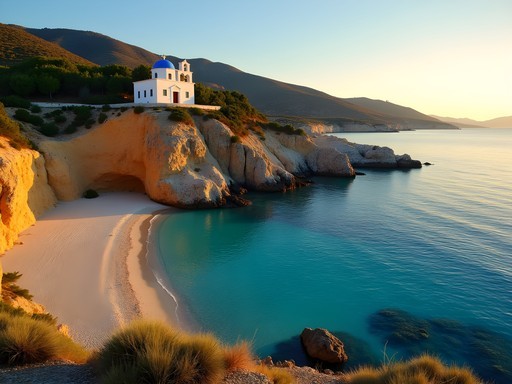
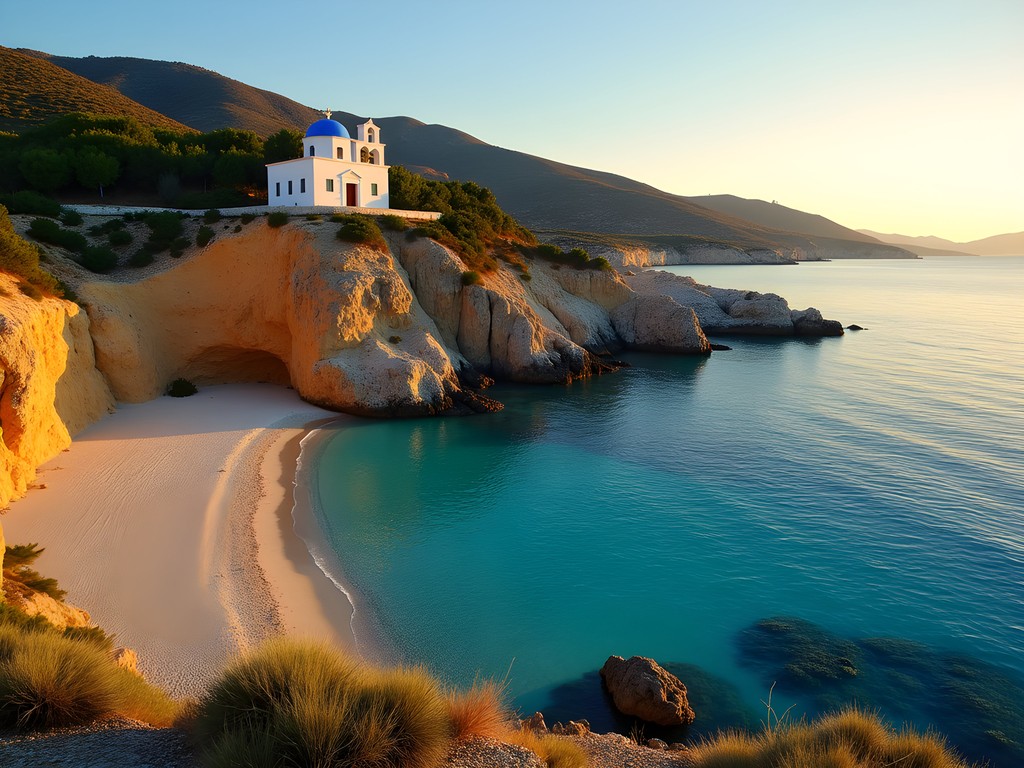
The small chapel of Agios Nikolaos overlooking the southern end of the beach provides both a picturesque landmark and a shaded spot for contemplation. From this vantage point, I documented the changing patterns of light on water throughout the afternoon – evidence that sometimes the most extraordinary beaches reveal their true nature only to those patient enough to wait.
💡 Pro Tips
- Visit in late afternoon for the most spectacular light conditions
- Bring your own shade as natural options are limited and fill quickly
- Pack a flashlight if staying until sunset as the access road is unlit
Final Thoughts
After decades as a private investigator, I've learned that the most valuable discoveries are those earned through patience and careful observation. These ten beaches represent my case files from Naxos – each one offering evidence that the island's reputation for extraordinary coastal beauty extends far beyond the well-documented tourist beaches. For couples seeking connection in places of authentic beauty, these hidden strands provide perfect settings for creating memories that won't be diluted by crowds or commercialization. My investigation of Naxos continues – there are always more cases to solve, more beaches to document. But these ten represent findings substantial enough to warrant sharing with those who, like good detectives, are willing to venture beyond the obvious in pursuit of something extraordinary. The case for Naxos as home to some of the Mediterranean's most remarkable hidden beaches is, in my professional assessment, definitively proven.
✨ Key Takeaways
- The most extraordinary beaches require effort to reach, whether by hiking, driving rough roads, or simply researching beyond standard tourist information
- Timing is crucial – many beaches transform completely depending on the time of day
- Preparation matters – packing proper supplies ensures you can fully enjoy these remote locations
- The northern and eastern coasts offer the highest concentration of truly secluded beaches
📋 Practical Information
Best Time to Visit
June and September offer ideal conditions with warm waters but fewer crowds than July-August
Budget Estimate
$100-150/day for a couple including car rental, accommodations, and meals
Recommended Duration
7-10 days to properly investigate these beaches without rushing
Difficulty Level
Easy To Moderate Depending On Which Beaches You Choose To Visit

Comments
Sophia Gomez
This post brings back such wonderful memories! I spent a week in Naxos last spring chasing down these hidden gems, and Mikri Vigla completely stole my heart. The way the light hits the water in late afternoon is just breathtaking. I actually met a local fisherman at Abram who showed me a tiny cove nearby that's not on any map – reminded me that sometimes the best discoveries come from chatting with locals over coffee. Your detective approach really resonates with how I travel too!
escapeking
Love this! Adding Naxos to my Greece trip this summer!!
moonperson
Beautiful photos! Thanks for sharing
sunsetperson
Really appreciate this post! I'm so tired of showing up to "hidden" beaches that turn out to be packed with tourists. The PI angle is spot on - you really do have to do some investigating to find the good stuff anymore. Saving this for my trip in May. Quick question though - are any of these family friendly? Traveling with kids.
Nicole Russell
Mikri Vigla would be perfect for kids! Shallow water and some facilities nearby.
Taylor Moreau
Excellent guide, Yuki. I particularly appreciate the PI analogy – it's spot on. I visited Naxos three times before discovering Ligaridia, and it's now my go-to recommendation for clients seeking authentic Greek beach experiences. The northern beaches you've highlighted are criminally underrated. One tip: bring proper water shoes for Psili Ammos. The approach can be rocky, but it's worth it.
coolninja
best time to visit? trying to avoid crowds
Yuki Hicks
Early June or late September are ideal. You'll get beautiful weather but far fewer tourists than peak July/August. Most of these beaches are quiet even in summer, but those shoulder months are perfect.
backpackdiver
Are these beaches good for snorkeling?
citybuddy
Alyko and Psili Ammos were great for snorkeling when I went. Lots of rocks and fish.
springnomad2692
Alyko beach is INCREDIBLE!! Went last summer and had it almost completely to ourselves. The cedar trees are so beautiful and the water is unreal. Definitely worth the drive!
Sophia Gomez
Yes! Alyko was my favorite too. There's something magical about swimming in those turquoise waters with the cedar forest right behind you. Did you make it to Hawaii beach just next door?
springnomad2692
we did! stayed all afternoon jumping between both beaches
Casey Andersson
What a wonderful guide! My partner and I stayed at a boutique hotel near Plaka Beach last September and made day trips to several of these. Kastraki was our favorite - we packed a picnic from the local market in Chora and spent the entire afternoon there. The water was so clear we could see fish swimming around our feet. We also splurged on a private boat tour one day which took us to some of the more remote eastern beaches. Completely worth it if you want to avoid even the minimal crowds. The captain knew all the secret coves!
moonking
how do you actually get to these beaches? do you need a car or can you take buses?
Taylor Moreau
Most of these require a rental car or scooter. The bus network on Naxos is decent for main beaches but won't get you to the truly hidden spots. I'd recommend hiring a car for at least a few days to explore properly.
moonking
ok cool thanks!
Venture X
Premium card with 2X miles, $300 travel credit, Priority Pass