Disclosure: This article contains affiliate links. We may earn a commission from purchases at no extra cost to you, which helps our travel content.
The first rule of investigation: never accept the obvious at face value. Rio de Janeiro's famous beaches—Copacabana and Ipanema—sparkle like diamonds in travel brochures, but my investigator's instinct has always pulled me toward what lies beyond the obvious. After 35 years tracking down missing persons, I've developed a sixth sense for uncovering hidden gems, whether they're people or places. During my recent summer escape to Rio with my longtime friend Margaret, we made it our mission to uncover the coastal treasures that most tourists never see. These secluded stretches of sand offer couples what the postcard beaches cannot: intimacy, authenticity, and the thrill of discovery. Consider this your case file for a different kind of Rio beach experience—one where the only footprints in the sand might be your own.

Prainha: The Detective's Favorite Discovery
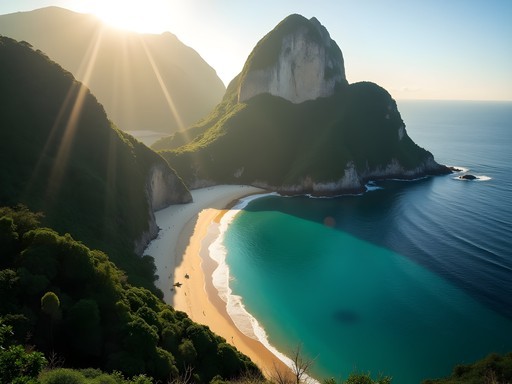
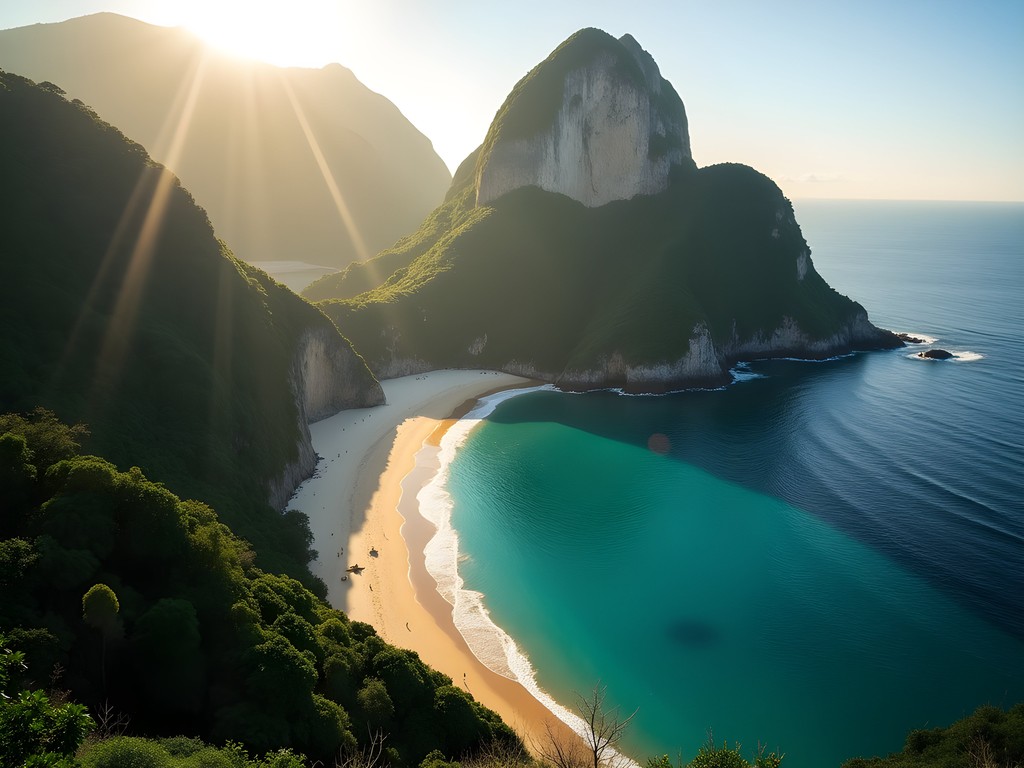
Approximately 25 kilometers west of Copacabana lies Prainha, a crescent-shaped beach that would be front-page news if it weren't so beautifully hidden. The name translates to 'little beach,' but there's nothing diminutive about its dramatic setting. Backed by steep rainforest-covered mountains and facing crystal-clear waters, it feels more like a movie set than reality.
On our third day in Rio, Margaret and I hired a local driver (I recommend arranging transportation rather than attempting public transit) and arrived at Prainha just after 9 AM. The timing was deliberate—my years of surveillance work taught me that timing is everything. By mid-morning, the light is perfect for photographs, and the early crowds of surfers have typically dispersed.
The beach itself is a horseshoe of golden sand with consistent waves that attract surfers but aren't overwhelming for a refreshing dip. What struck me most was the absence of vendors and high-rises—just nature in its purest form. We spread our blanket beneath the shade of surrounding trees and spent hours alternating between swimming and people-watching, my favorite investigative pastime.
For lunch, don't miss the small rustic restaurant at the edge of the beach. Their fresh catch of the day served with lime and local spices provided one of our most memorable meals in Brazil. I ordered the peixe na brasa (grilled fish) while discreetly observing the mix of locals and in-the-know foreigners around us—old habits die hard.
Bring your underwater camera if you have one. The clarity of the water and the interesting rock formations make for compelling underwater photography opportunities. I captured some fascinating shots of small colorful fish darting around my feet near the western edge of the bay.
💡 Pro Tips
- Arrive before 10 AM or after 3 PM to avoid the midday heat and crowds
- Bring your own supplies as there are limited vendors
- Wear proper footwear for the short trail from the parking area to the beach
Joatinga: The Case of the Disappearing Beach
Any good detective knows that timing is crucial to solving a case. Nowhere in Rio is this more true than at Joatinga Beach, a small slice of paradise that quite literally disappears at high tide. Located in the exclusive Joá neighborhood, this beach requires some effort to access—a steep 10-minute trail descent that deters the casual tourist—but rewards the persistent with one of Rio's most pristine coastal experiences.
Margaret and I planned our visit meticulously, consulting tide tables with the same attention I once gave to surveillance schedules. We arrived two hours after low tide began, giving us approximately four hours before the beach would begin its vanishing act. The descent requires reasonable fitness and proper footwear; I was grateful for my water shoes which provided grip on the sometimes slippery path and protection when exploring the rocky edges of the beach.
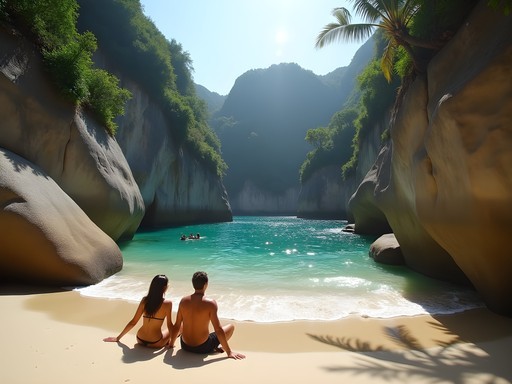
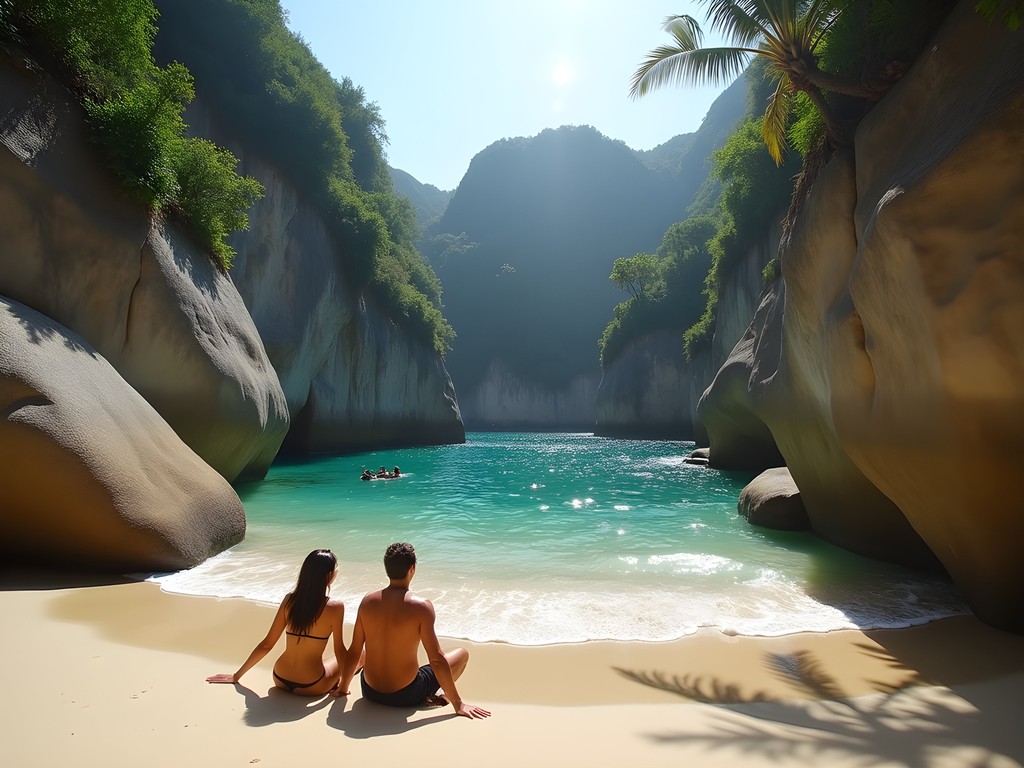
What makes Joatinga special isn't just its exclusivity but its setting. Nestled between rocky cliffs and dotted with massive boulders, it feels more Mediterranean than Brazilian. The water clarity rivals any I've seen in my travels to Greece or Italy. We spent our morning swimming in the protected cove and exploring the small caves that punctuate the shoreline.
Unlike the more famous beaches, there are no vendors here—part of its charm. Pack a picnic lunch (we brought fresh fruit, cheese, and pão de queijo from a bakery in Leblon) and plenty of water. The isolation creates a perfect setting for couples seeking privacy; we observed several pairs of lovebirds finding secluded spots among the rocks.
By early afternoon, we witnessed the beach's famous disappearing act as the tide slowly reclaimed the sand. There's something poetic about a place that exists only part of the day—a reminder to cherish fleeting moments of beauty.
💡 Pro Tips
- Check tide tables carefully and plan to arrive two hours after low tide begins
- Bring all necessary supplies including water, food, and sun protection
- Wear appropriate footwear for the steep descent and rocky terrain
Grumari: Following the Trail to Untouched Beauty
In my investigative career, I learned to follow leads to their natural conclusion, even when the path becomes difficult. Grumari Beach embodies this philosophy perfectly—located beyond Prainha at the westernmost edge of Rio, it requires determination to reach but rewards visitors with a stretch of coastline largely untouched by development.
Margaret and I rented a car for this excursion, as public transportation options are limited. The drive itself is part of the experience, winding along scenic coastal roads that offer glimpses of the Atlantic through breaks in the vegetation. As we rounded the final curve and Grumari came into view, I felt that familiar thrill of discovery—the same sensation I experienced when finally locating a person who had been missing for months.
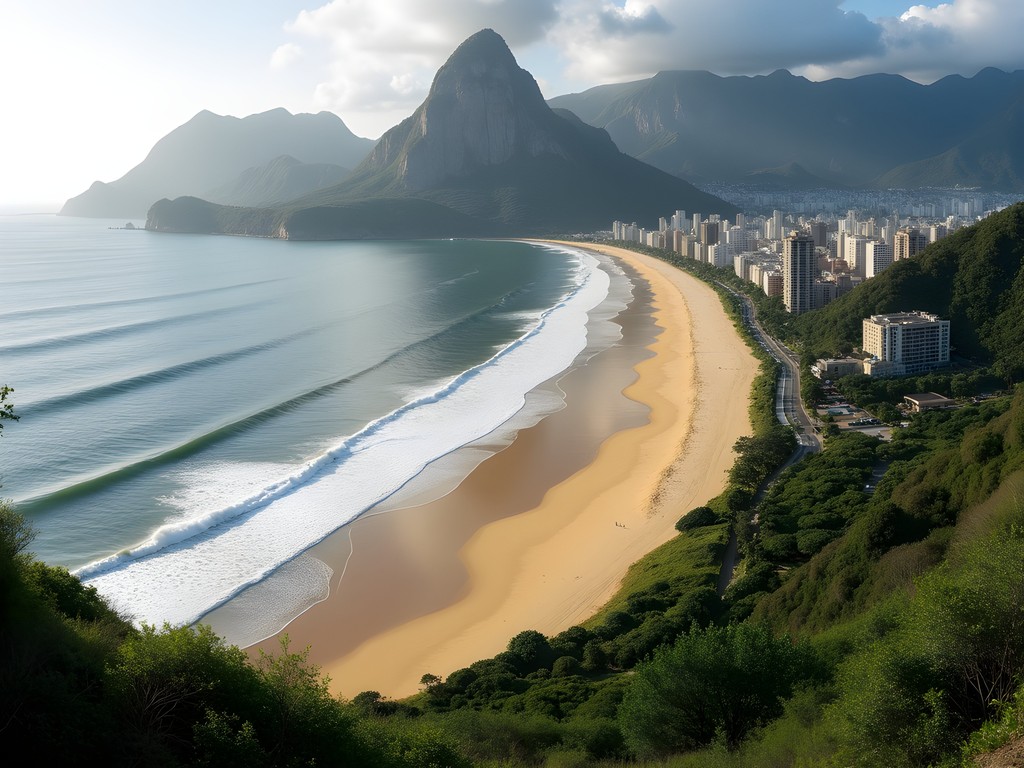
At nearly 3 kilometers long, Grumari offers space to breathe. The beach is part of a protected environmental area, meaning no permanent structures interrupt the landscape. The absence of high-rises and hotels creates an atmosphere more reminiscent of a remote island than a beach near one of the world's most famous cities.
We arrived prepared with our beach essentials, including my trusty beach umbrella which has accompanied me from New Zealand to Morocco. The sun at Grumari can be intense, and shade is limited to a few natural areas near the hillside. The umbrella's adjustable clamp attached perfectly to our rented beach chairs, creating a comfortable base for our day's exploration.
The beach attracts a diverse crowd—local families, couples seeking romance, and serious surfers drawn to the consistent breaks at the eastern end. What you won't find are cruise ship tourists or large tour groups. We spent our afternoon alternating between refreshing swims and walks along the shoreline, where I indulged my collector's instinct by gathering uniquely patterned shells (leaving the most perfect specimens for others to discover, of course).
For lunch, we visited one of the simple kiosks that appear during the day—temporary structures that serve fresh seafood and cold drinks. The moqueca (fish stew) we shared was prepared by a woman who told us she'd been cooking the same recipe for beachgoers for over thirty years.
💡 Pro Tips
- Rent a car or arrange private transportation as public transit options are extremely limited
- Visit on weekdays if possible, as weekends attract more local visitors
- Bring cash as credit card facilities are limited or nonexistent at the temporary food kiosks

Ilha de Paquetá: The Island Time Forgot
Not all of Rio's coastal treasures involve ocean waves and surfboards. Sometimes the most rewarding discoveries require looking beyond the obvious—a principle that guided my investigative work for decades. Ilha de Paquetá, a small island in Guanabara Bay accessible only by ferry, offers a glimpse into Rio's past that few tourists ever experience.
Margaret and I boarded the ferry from Praça XV in downtown Rio early on a Thursday morning. The 70-minute journey across the bay serves as a decompression chamber, gradually slowing your pace to match the island's unhurried rhythm. I recommend bringing your compact binoculars for the journey—we spotted several seabirds and enjoyed unique views of Rio's skyline from the water.
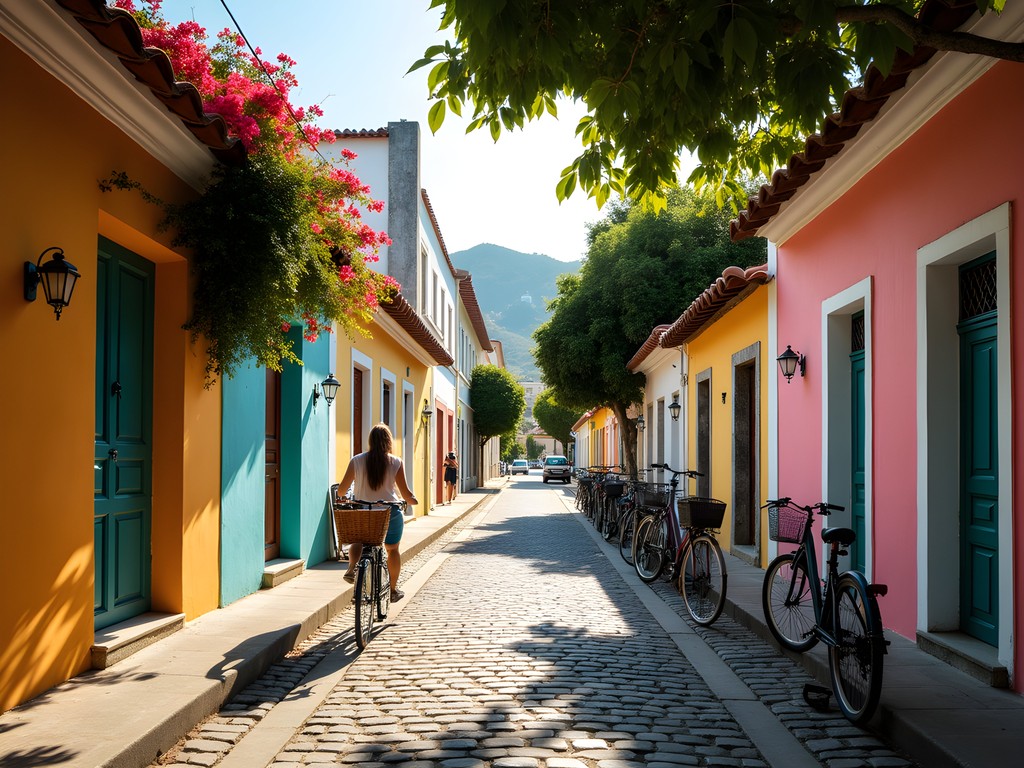
What makes Paquetá extraordinary is what it lacks: cars. The island's transportation consists of bicycles, electric carts, and horse-drawn carriages. We rented bicycles near the ferry terminal (approximately R$25 per person for the day) and set out to circumnavigate the island, which measures just 1.2 square kilometers.
The island's beaches differ dramatically from Rio's oceanic coastline. Here, the protected waters of the bay create calm swimming areas with views back toward the city and surrounding mountains. Praia da Moreninha on the island's eastern side became our favorite spot—named after a famous Brazilian novel set on the island, it features shallow, warm waters perfect for wading and conversation.
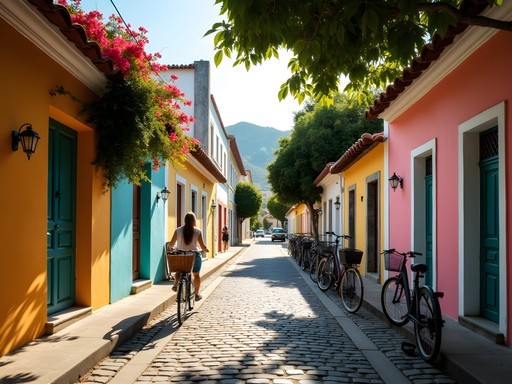
Between beach visits, we explored colonial-era buildings, including the charming São Roque Chapel dating from 1697. The island's narrow streets are lined with colorful historic homes, many adorned with bougainvillea and other tropical flowers. Time moves differently here—shopkeepers take afternoon siestas, and conversations with locals tend to stretch unhurriedly.
For lunch, we followed a recommendation from our bicycle rental shop owner to Restaurante da Ilha, where we enjoyed fresh fish while seated at tables overlooking the bay. The owner, noting our interest in local culture, shared stories about the island's history as a retreat for Rio's elite during the imperial period.
As investigators of culture rather than crime, Margaret and I found Paquetá to be a perfect case study in preservation—both architectural and cultural. The island offers couples a chance to step back in time while still remaining within Rio's metropolitan area.
💡 Pro Tips
- Check the ferry schedule in advance as services are limited, especially on Sundays
- Bring insect repellent as mosquitoes can be present near some of the island's more vegetated areas
- Plan for a full day trip to avoid feeling rushed, as the island's charm lies in its relaxed pace
Praia Vermelha: The Perfect Sunset Stakeout
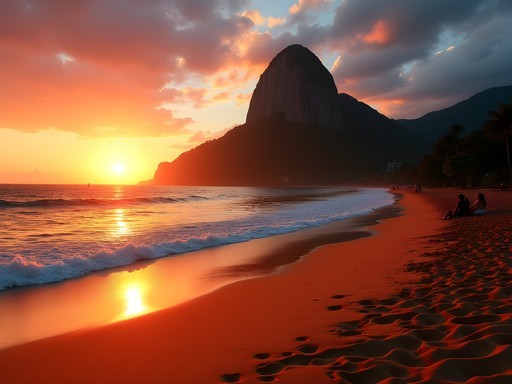
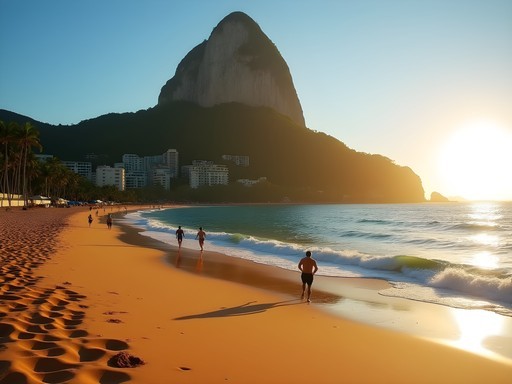
Every good investigation requires patience—sometimes the most revealing moments happen at day's end. This principle led Margaret and me to Praia Vermelha (Red Beach), a small but spectacular cove nestled between Sugarloaf Mountain and Urca Hill. While technically not hidden—it appears in some guidebooks—it remains remarkably uncrowded compared to Rio's famous beaches.
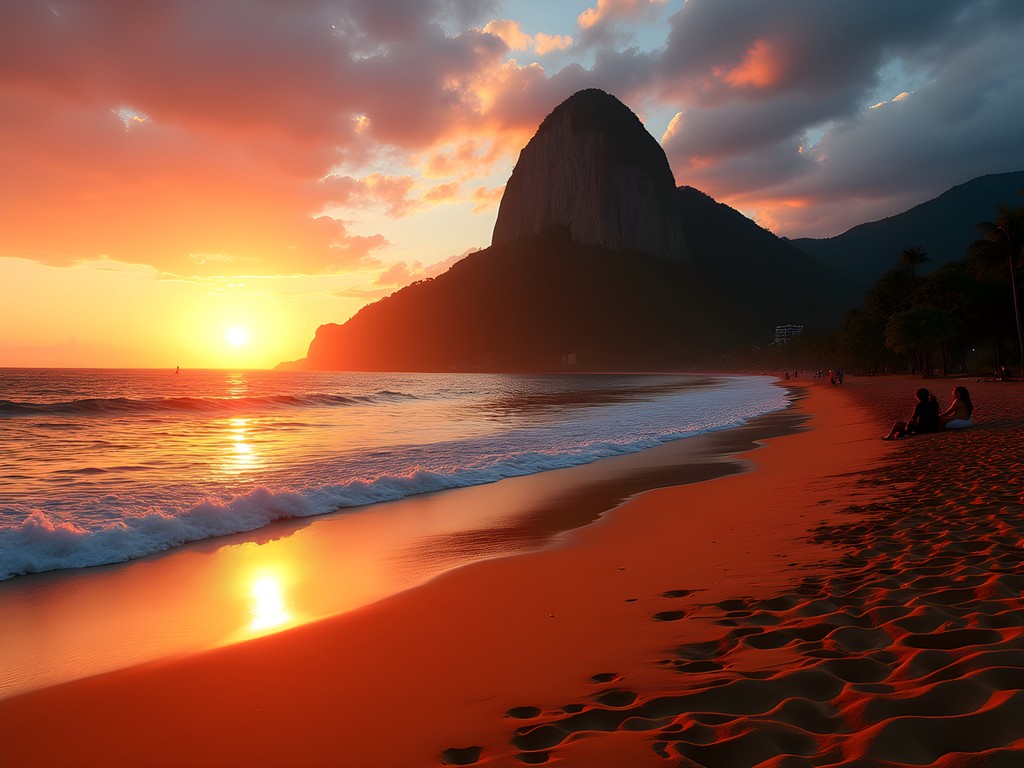
The beach derives its name from the reddish tint the sand takes on at sunset—a phenomenon we specifically planned to witness. After spending our morning at more distant beaches, we arranged to arrive at Praia Vermelha approximately two hours before sunset, armed with my beach blanket and a small picnic of local cheeses, tropical fruits, and a bottle of Brazilian sparkling wine.
The beach's compact size (approximately 200 meters long) creates an intimate atmosphere perfect for couples. Surrounded by military installations and the cable car station for Sugarloaf Mountain, it has a protected feeling unlike the wide-open expanses of Copacabana. The water here is typically calmer than at ocean-facing beaches, making it suitable for a sunset swim.
What makes Praia Vermelha exceptional for couples is the combination of natural beauty and accessibility. Unlike our other discoveries that required significant effort to reach, this beach is easily accessible by public transportation or a short taxi ride from Copacabana. Yet somehow it maintains its local character.
As the sun began its descent, we witnessed the beach's namesake transformation—the sand taking on increasingly warm hues as the light changed. The backdrop of Sugarloaf Mountain silhouetted against the darkening sky created a scene worthy of careful observation. In my investigative days, I learned to notice how environments transform with changing light; nowhere is this more evident than at Praia Vermelha at sunset.
After dark, we walked to nearby Bar Urca, where locals gather along the seawall with drinks and snacks from the bar. This post-beach ritual provided the perfect conclusion to our day, allowing us to observe local couples and families enjoying their evening in an authentic setting far removed from tourist traps.
💡 Pro Tips
- Arrive 2-3 hours before sunset to secure a good spot, especially on weekends
- Bring a light jacket as evening breezes can be cool, even in summer
- Consider combining your visit with a morning trip up Sugarloaf Mountain to see the beach from above
Final Thoughts
My investigative instincts have rarely led me astray, whether tracking missing persons across continents or uncovering hidden beaches in one of the world's most famous coastal cities. Rio de Janeiro rewards those willing to look beyond the obvious with intimate coastal experiences that feel worlds away from the crowds of Copacabana. For couples especially, these secret beaches offer something precious: shared discoveries that become part of your unique story together. As you plan your own Rio coastal investigation, remember that the best discoveries often require effort—a steep trail, a ferry ride, or simply the patience to visit at the perfect moment when light and tide align. The beaches I've shared are just the beginning; Rio's coastline contains countless more secrets waiting for observant travelers to uncover. The case file is open—the investigation is now yours to continue.
✨ Key Takeaways
- Rio's hidden beaches offer intimacy and authenticity impossible to find at famous beaches
- Timing is crucial—consider tides, sunset hours, and weekday visits to maximize your experience
- Come prepared with supplies as many secluded beaches have limited or no vendors
- Transportation planning is essential—rent a car or research ferry schedules to reach the most secluded spots
📋 Practical Information
Best Time to Visit
December through March (Brazilian summer)
Budget Estimate
$100-150 per day per couple (excluding accommodation)
Recommended Duration
7 days (including 3-4 days exploring hidden beaches)
Difficulty Level
Moderate


Comments
Fatima Sims
Yuki, your investigator's instinct definitely paid off! I followed your advice about Grumari last month and it was like discovering a whole different side of Rio. The contrast between the chaos of Copacabana and the serene beauty of Grumari is striking. We packed a picnic and spent the entire day there, swimming in those crystal clear waters and hiking the nearby trails. One thing I'd add for readers - the public buses do go there (I took the 867 from Terminal Jardim Oceânico), but they're infrequent, so plan accordingly. The journey itself becomes part of the adventure! The beach kiosks serve excellent caipirinhas too - perfect for watching the sunset before heading back to the city.
Yuki Hicks
Thank you for the bus tip, Fatima! That's incredibly helpful information I should have included. So glad you enjoyed Grumari - those sunsets are unforgettable, aren't they?
waverider
Anyone know the best time of year to visit Prainha for surfing? Heading to Rio in March and definitely want to check this spot out!
wildperson
March is actually pretty good! The waves are consistent and the water's still warm. Just avoid weekends if you can - gets crowded with local surfers.
Timothy Jenkins
Brilliant piece on Rio's hidden coastal gems! I spent three weeks exploring Rio last summer and can confirm that Ilha de Paquetá is absolutely magical. The car-free island experience feels like stepping back in time. I'd recommend renting bikes to explore - it takes about 3 hours to circle the entire island at a leisurely pace. One tip: check the ferry schedule in advance as they don't run as frequently as you might expect. I used this guidebook which has the timetables and some excellent walking routes for the island. Joatinga was another highlight - though do check tide times as the beach really does disappear!
coolbuddy
Those sunset pics from Joatinga are INSANE! 🔥🔥🔥
journeyace
How safe is it to visit these more secluded beaches? I'm planning a solo trip to Rio in January.
Fatima Sims
I visited Joatinga and Grumari solo last year and felt completely safe during daylight hours. Just use the same precautions you would anywhere - don't flash valuables, be aware of your surroundings, and I'd recommend using rideshare apps rather than hailing taxis. The beaches themselves are popular with locals and have a great vibe!
journeyace
Thanks Fatima! That's really helpful. Did you take public transport or rent a car?
Fatima Sims
I used Uber to get to most places! Much easier than navigating public transport, especially to the more remote beaches like Prainha.
summermaster
Wow, never heard of these beaches before! Adding to my bucket list!
wildperson
Prainha was such a find when I visited Rio last year! That steep road down to the beach is no joke, but totally worth it for those waves and the way the mountains hug the shoreline. I spent a whole day there and barely saw any other tourists. Felt like I discovered a secret spot even though the locals definitely know about it. The little beach shack restaurant served the freshest fish I've had in Brazil!
Yuki Hicks
So glad you enjoyed Prainha! It's definitely my favorite escape from the crowds. Did you try the moqueca at that beach shack? Absolutely divine!
wildperson
Yes! The moqueca was incredible. I still dream about it sometimes!
globeadventurer
Love the photos! Really captures that hidden gem vibe
wavewanderer
Prainha is hands down my favorite beach in Rio. Been there 4 times now. Pro tip: the trail on the left side of the beach leads to an amazing viewpoint - takes about 15 mins to climb but totally worth it for photos. Also there's a little beach shack that makes the best açaí bowls. Way better than the touristy stuff at Copacabana.
dreamwalker
This is exactly what I needed! Going to Rio in March and was worried it would be too touristy. Quick question - is Joatinga safe to visit solo? I'm a female traveler and usually pretty cautious about remote spots. Also, how's the cell reception out there in case I need to call an Uber?
Gregory Boyd
Joatinga is generally safe during daylight hours, but I'd recommend going with others if possible. Cell reception is spotty in some areas. Weekends are busier and feel safer.
dreamwalker
thanks! might join a tour group then
Venture X
Premium card with 2X miles, $300 travel credit, Priority Pass