


Disclosure: This article contains affiliate links. We may earn a commission from purchases at no extra cost to you, which helps our travel content.
When my retail buying gig unexpectedly sent me to São Paulo last fall, I knew I couldn't leave Brazil without witnessing the legendary Iguazu Falls. But here's the thing—my company wasn't footing the bill for this side adventure, and my bank account was giving me major side-eye. Challenge accepted! What followed was a week of strategic budget moves, border-hopping between Brazil and Argentina, and discovering that one of South America's most magnificent natural wonders is totally doable without dropping serious cash. Whether you're a college student on break or just trying to stretch your travel fund, I've compiled everything I learned into this no-frills guide to experiencing Iguazu Falls without emptying your wallet. Spoiler alert: the views are just as epic when you're saving money.

Getting There Without Breaking the Bank
Let's talk logistics first, because getting to Foz do Iguaçu can either drain your funds or be surprisingly affordable depending on your approach.
I flew into São Paulo for work, but if you're planning this trip from scratch, here's my insider tip: look for flights to either São Paulo or Buenos Aires, then connect to Foz do Iguaçu (Brazil) or Puerto Iguazú (Argentina) with a budget airline. I used Skyscanner's month view to score a $79 one-way from São Paulo on Azul Airlines by being flexible with my dates.
From the airport, resist the temptation of private transfers. The local bus costs less than $1 USD and drops you right in the city center. I downloaded the Moovit app before arriving, which was clutch for navigating the local transit system without knowing Portuguese.
If you're coming from elsewhere in South America, consider the overnight buses. Yes, they take time, but they're surprisingly comfortable and save you a night's accommodation. I met students who bused in from Rio, Buenos Aires, and even Paraguay for a fraction of flight costs.
For tracking flight deals, I rely on my price tracker app which alerted me when the São Paulo-Foz route dropped in price. It saved me about 30% compared to what I initially found online.

💡 Pro Tips
- Set Google Flights price alerts 2-3 months before your trip
- Consider flying into one country and out of another to see both sides of the falls
- The public bus #120 connects the airport to downtown Foz for less than $1
Budget Accommodation Hacks
When it comes to stretching your reais (that's Brazilian currency 101 for you), where you sleep makes a huge difference. Foz do Iguaçu has options for every budget, but I discovered some serious gems.
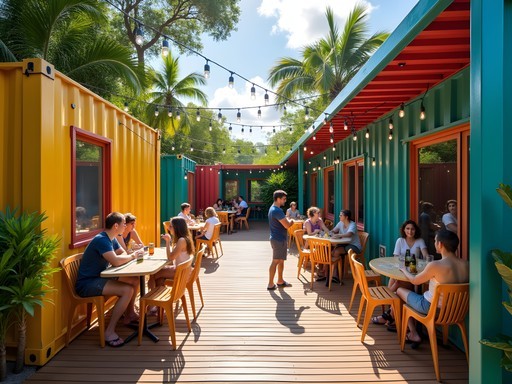
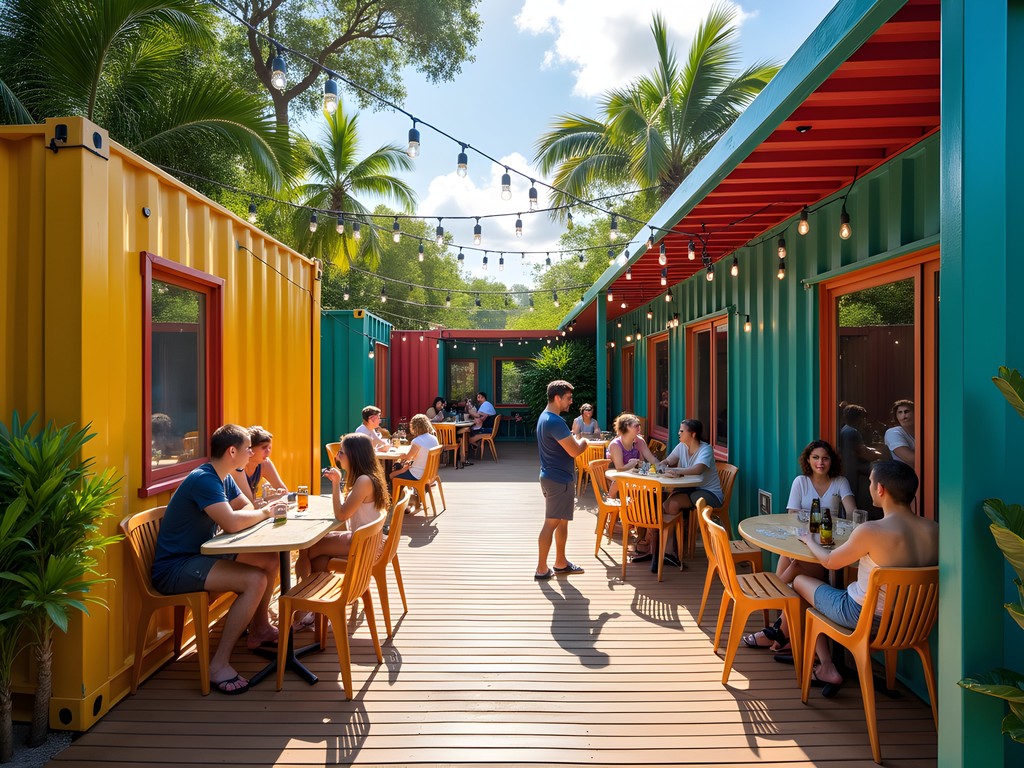
Hostels are abundant and surprisingly comfortable. I stayed at Tetris Container Hostel, which as the name suggests, is made from shipping containers. At $12/night for a dorm bed with breakfast included, it was a steal. The social vibe meant I connected with other travelers to split transportation costs to the falls.
If hostels aren't your scene, I found several family-run pousadas (guesthouses) through Booking.com with private rooms around $25-30/night. These often include homemade breakfast with fresh tropical fruits and the kind of local insights you can't get from guidebooks.
My retail-buyer instincts for finding value kicked in when I discovered that staying on the Argentine side in Puerto Iguazú can sometimes be cheaper, especially when Brazil is hosting events. The exchange rate fluctuations between Argentine pesos and Brazilian reais can work in your favor if you time it right.
For longer stays, don't overlook Airbnb. I met a group of students who rented an entire apartment for $20/person/night, which gave them access to a kitchen to prepare meals instead of eating out. They were using a portable coffee maker to brew their morning coffee, saving about $3-4 daily compared to café prices.
💡 Pro Tips
- Book accommodations with free breakfast to save on meal costs
- Stay 2-3 nights on each side of the falls to minimize transportation expenses
- Join hostel WhatsApp groups to find other travelers to share taxi costs to the parks
Navigating Both Sides of the Falls
Let's get one thing straight: to fully experience Iguazu Falls, you need to see both the Brazilian and Argentine sides. They offer completely different perspectives, and skipping either would be like only watching half a movie.
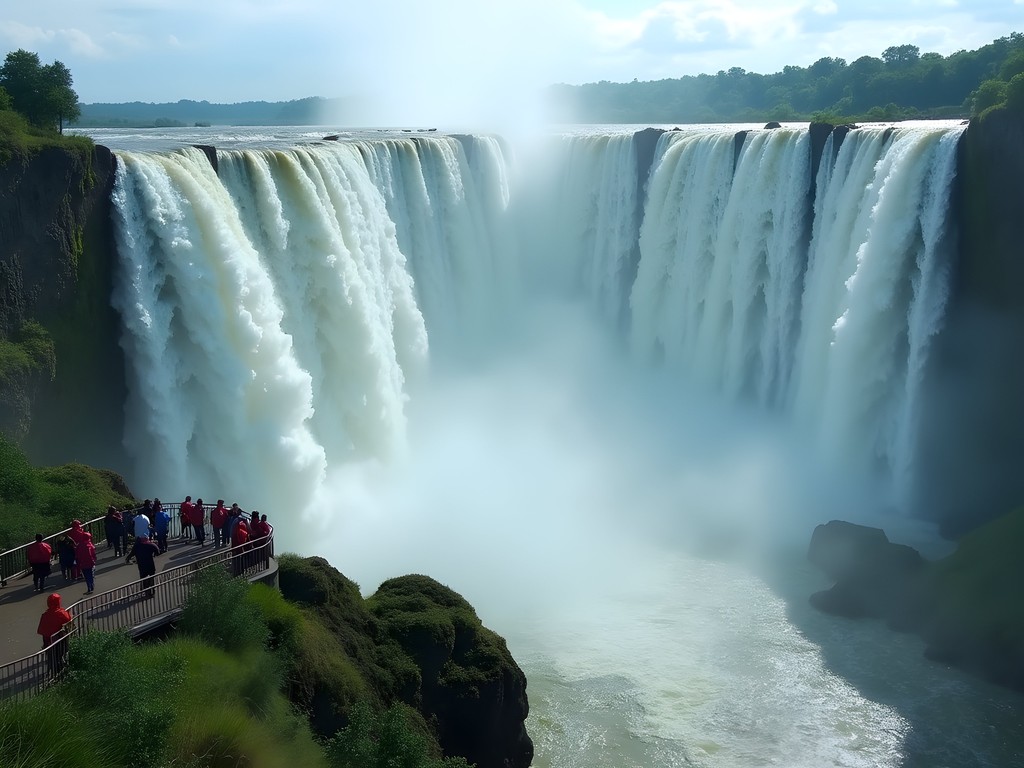
The Brazilian side is all about the panoramic views. It's a half-day affair with a well-organized trail system that gives you those jaw-dropping, wide-angle vistas. The entrance fee was about $14 USD when I visited (park fees change seasonally). Take the public bus #120 from downtown Foz for about $1.50 each way instead of pricey tours.
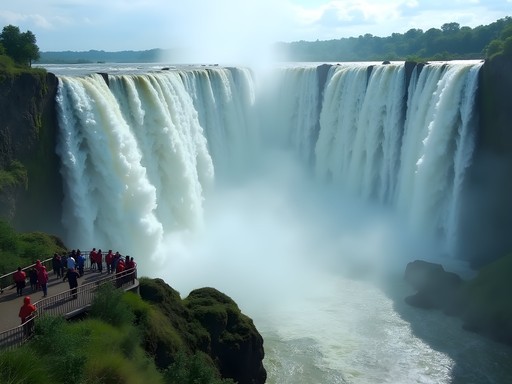
The Argentine side is where you'll spend a full day. It's more extensive, with upper and lower circuits plus a train that takes you to the Devil's Throat (Garganta del Diablo) – the most powerful section of the falls. The entrance was approximately $25 USD, but the experience is worth every penny.
Crossing the border is straightforward but time-consuming. I caught the local bus from downtown Foz that goes through immigration and continues to Puerto Iguazú in Argentina. It cost about $2 and took around 1.5 hours including border formalities. Americans need to check visa requirements – when I went, Brazil required a visa while Argentina offered a free entry.
For capturing these epic landscapes without lugging professional gear, my smartphone lens kit was perfect. The wide-angle attachment helped me capture the immensity of the falls without sacrificing quality, and the whole kit weighs practically nothing in my daypack.
💡 Pro Tips
- Visit the Brazilian side in the afternoon for rainbow photo opportunities
- Bring your passport for border crossings even if just visiting for the day
- Purchase your Argentine park tickets online to avoid long queues

Eating Well Without the Bill Shock
Food can be a budget-killer or a budget-saver depending on your approach. In Foz do Iguaçu and Puerto Iguazú, I discovered plenty of ways to eat well without spending much.
My number one money-saving hack was embracing the Brazilian por kilo restaurants, where you pay by weight for your food. These buffet-style spots let you control exactly how much you spend while sampling local specialties. In downtown Foz, I regularly ate for $5-7 per meal at these places.
Street food in both countries offers amazing value. In Brazil, try pastel (fried pastry with fillings) and coxinha (chicken croquettes). In Argentina, don't miss empanadas. Most street snacks cost $1-2 and can easily substitute for a meal.
For those staying multiple days, the local supermarkets are your friends. I picked up fresh bread, cheese, fruits, and snacks for picnic lunches to take to the parks. The collapsible water bottle I brought saved me countless dollars on bottled water and reduced plastic waste—just fill up at your accommodation before heading out.
One splurge I recommend: try a proper Brazilian churrascaria (barbecue restaurant) at least once. Many offer lunch specials that are half the price of dinner service. I found a local spot away from the tourist areas that charged $15 for all-you-can-eat grilled meats and sides—the same meal near the falls would have cost $40+.

💡 Pro Tips
- Eat your main meal at lunch when restaurants offer 'executive menus' at reduced prices
- Download iFood (Brazilian food delivery app) for deals on local restaurants
- Shop at Mercado Público in downtown Foz for affordable fresh fruits and snacks
Free and Low-Cost Hidden Gems
Beyond the main attraction of the falls, both Foz do Iguaçu and Puerto Iguazú offer several budget-friendly or completely free activities that most tourists miss.
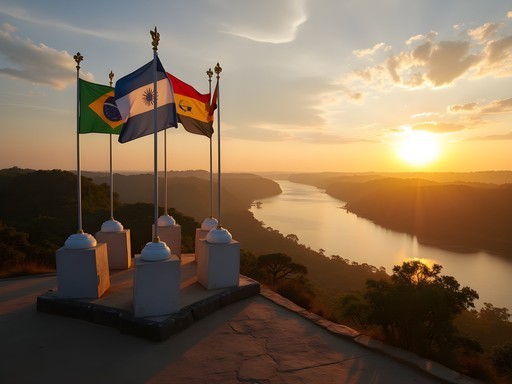
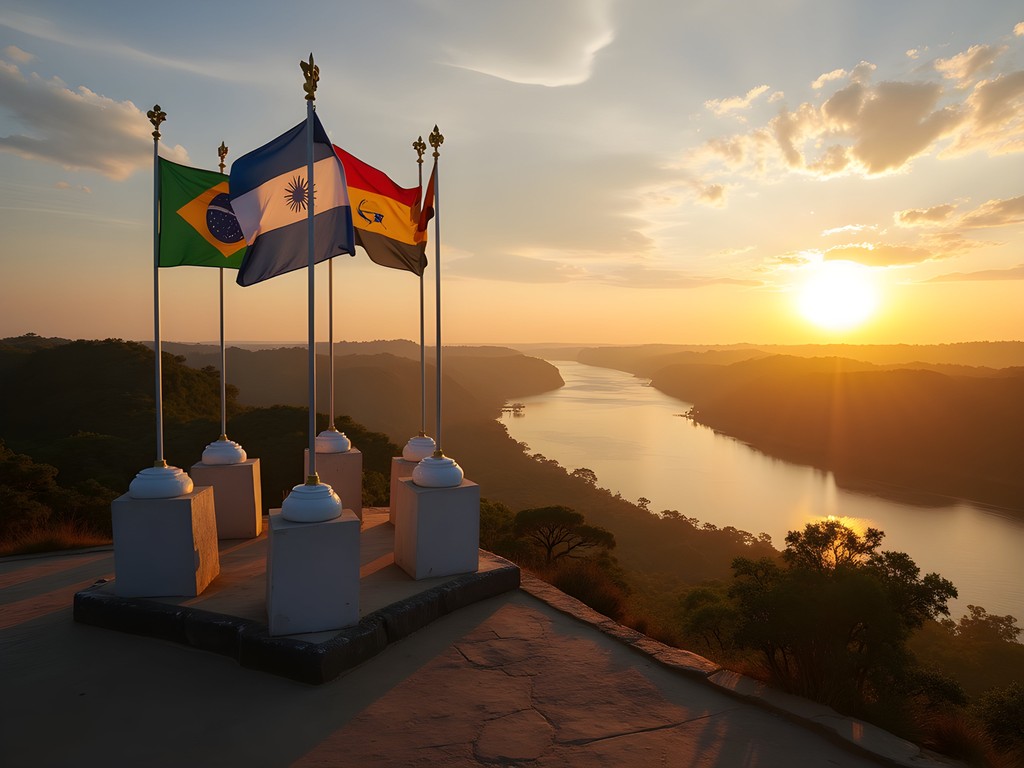
The Three Borders Landmark (Marco das Três Fronteiras) in Brazil costs just a few dollars to visit and gives you the unique experience of seeing Brazil, Argentina, and Paraguay converge. I went at sunset when they do a small cultural show and the lighting is perfect for photos.
Bird Park (Parque das Aves) on the Brazilian side isn't free (about $15), but if you're into wildlife photography or just love colorful toucans and macaws, it's worth every penny. I spent three hours here getting up-close with species I'd only seen in National Geographic.
Completely free: the stunning Itaipu Dam light show happens several evenings a week. This massive hydroelectric dam on the Brazil-Paraguay border puts on a spectacular illumination display that rivals professional light shows I've seen in fashion capitals.
In Puerto Iguazú, I discovered a local swimming spot at the confluence of the Iguazu and Paraná rivers where locals go to cool off. It's completely free and offers a refreshing break from the humidity.
One afternoon, I hiked the free Sendero Macuco trail on the Argentine side of the park. While most tourists stick to the main walkways, this lesser-known trail leads to a small waterfall where you can actually swim in the river above Iguazu Falls (in designated safe areas, of course). I packed my quick-dry towel which was perfect for impromptu swims and dried fast enough to pack away without soaking my other gear.
💡 Pro Tips
- Visit the Itaipu Dam on Tuesday, Thursday or Saturday evenings for the free light show
- Use the free city bikes in Foz do Iguaçu with just an ID card as deposit
- Check local university bulletin boards for free cultural events and concerts
Final Thoughts
Standing at Devil's Throat on my last morning, completely soaked from the mist and surrounded by rainbows, I realized something profound: some experiences are universally spectacular regardless of your budget. Iguazu Falls isn't just for luxury travelers—it's for everyone willing to make the journey. With some planning and flexibility, you can experience this natural wonder for around $350-500 for a week (excluding flights). The memories you'll make are exactly the same as those paying triple. So pack that backpack, book that hostel, and prepare for nature's most impressive water show. The falls are waiting, and your wallet won't hate you for it. If you've used any of these tips or have your own budget hacks for Iguazu, drop them in the comments! And remember—sometimes the best souvenirs are the ones that don't cost a thing, like that perfect sunrise photo from the Brazilian walkway that's now my phone background.
✨ Key Takeaways
- See both the Brazilian and Argentine sides for completely different experiences
- Stay in hostels or pousadas to save on accommodation and meet fellow travelers
- Use local buses instead of tours to save up to 70% on transportation costs
- Visit during shoulder season (fall or spring) for lower prices and fewer crowds
📋 Practical Information
Best Time to Visit
March-April or September-October (fall/spring shoulder seasons)
Budget Estimate
$50-70 per day including accommodation, food, and activities
Recommended Duration
4-6 days
Difficulty Level
Easy


Comments
Taylor Moreau
Excellent practical advice here. I visited Iguazu whilst on business in Buenos Aires back in 2019 and only managed the Argentine side, which I've regretted ever since. Your point about the Brazilian side offering superior panoramic views is spot on. For those concerned about border crossings, it's remarkably straightforward - just ensure your passport is handy. The visa situation has improved considerably for most nationalities. I'd also recommend downloading an offline map as mobile coverage can be patchy near the falls themselves. The mist creates the most spectacular rainbows in the afternoon light, particularly around 3-4pm.
freebackpacker4172
Good tip about the offline maps, didn't think of that!
smartwalker
Love this!! Going next month and so pumped now 🙌
Jennifer Rodriguez
You're going to have an amazing time! Don't forget sunscreen and waterproof bags for your electronics.
smartwalker
good call! definitely getting a dry bag
redpro
Thanks for this! Really helpful
Jennifer Rodriguez
Really appreciate the budget breakdown! I'm always looking for ways to cut costs without sacrificing the experience. Your tip about eating at the local markets instead of park restaurants is spot-on—I did something similar in Patagonia and saved a fortune. One thing I'd add: if you're staying multiple days, consider getting a re-entry stamp at the Argentine park. It gives you a significant discount on your second day. Also, the public bus from Foz to Puerto Iguazú is ridiculously cheap (like $2 USD) and runs frequently. My travel wallet made dealing with both currencies super easy since you'll be switching between reais and pesos constantly.
travelstar
Amazing photos! Going in March, so excited!!
tripphotographer
Did you need to book the hostel in advance or just show up? Going in March and wondering about availability
Jose McDonald
I booked 2 weeks ahead just to be safe. March might be busier since it's still summer there, so I'd probably book at least a week or two out.
Sage Dixon
Great write-up, Jose! I love seeing more budget-focused content on Iguazu because everyone assumes you need to drop serious cash there. The bus system really is solid. One thing I'd add - the Macuco Safari boat tour on the Argentine side is pricey but if you can swing it, it's one of those once-in-a-lifetime things. Getting right up under those falls is absolutely wild. Also, the coatis are everywhere and they WILL steal your food if you're not careful. Watched one snatch an entire sandwich out of someone's hand at the Brazilian park. Little bandits are fearless!
wanderninja
This place is INSANE!! went last year and still dreaming about it 🌈💦
freebackpacker4172
How many days would you recommend? I only have 2 days to spare.
Sage Dixon
Two days is perfect actually! One full day for each side. I spent three days there last year and honestly felt like the third day was overkill unless you're really into birdwatching or want to do the boat tour multiple times.
Mason Ferrari
Excellent breakdown of the costs, Jose. I visited Iguazu in 2019 and your hostel recommendation in Foz do Iguaçu would have saved me considerable money. One thing I'd add: the bus system on the Argentine side is surprisingly efficient and included with park admission. I analyzed my spending afterward and realized I could have cut my total trip cost by nearly 40% with better planning. The Devil's Throat is absolutely worth getting there at opening time—you'll have it practically to yourself for about 30 minutes before the tour groups arrive.
wanderninja
YES! early morning at Devils Throat is magical!! went at 8am and had maybe 10 people total
Venture X
Premium card with 2X miles, $300 travel credit, Priority Pass