

Disclosure: This article contains affiliate links. We may earn a commission from purchases at no extra cost to you, which helps our travel content.
Nouakchott isn't exactly on most backpackers' radar, and that's precisely what makes it brilliant. Straddling the edge of the Sahara where desert meets Atlantic, Mauritania's capital offers an authentic slice of West African life without the tourist crowds. When I landed here last winter with just my backpack and a modest budget, I discovered a city of fascinating contrasts – traditional nomadic culture blending with urban development, bustling markets alongside tranquil coastal stretches, and some of the most genuine hospitality I've encountered in my travels. Ready to explore one of Africa's best-kept secrets without emptying your wallet?
Finding Your Bearings: Nouakchott on a Budget
First things first – Nouakchott isn't your typical backpacker hub, which means both challenges and incredible opportunities for the budget traveler. The city sprawls rather than concentrates, so getting your bearings is essential.
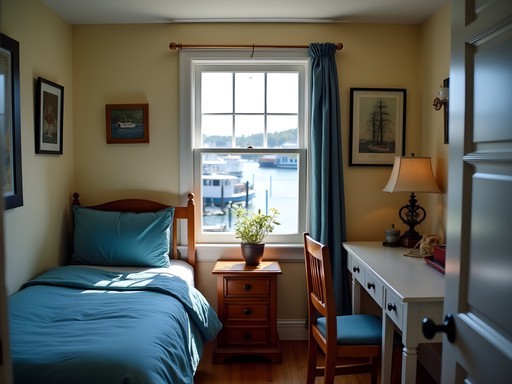
I based myself at Auberge Sahara, a no-frills guesthouse run by a local family that set me back just 15,000 ouguiya (about $10) per night. It's basic – shared bathrooms and minimal amenities – but clean, centrally located, and the owner Mohammed makes the best mint tea in town. For even cheaper options, check out the informal homestays near the university where students sometimes rent spare rooms.
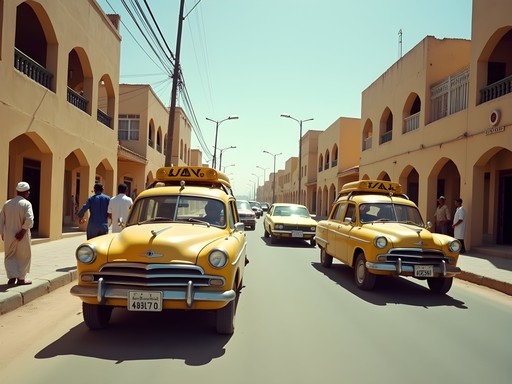
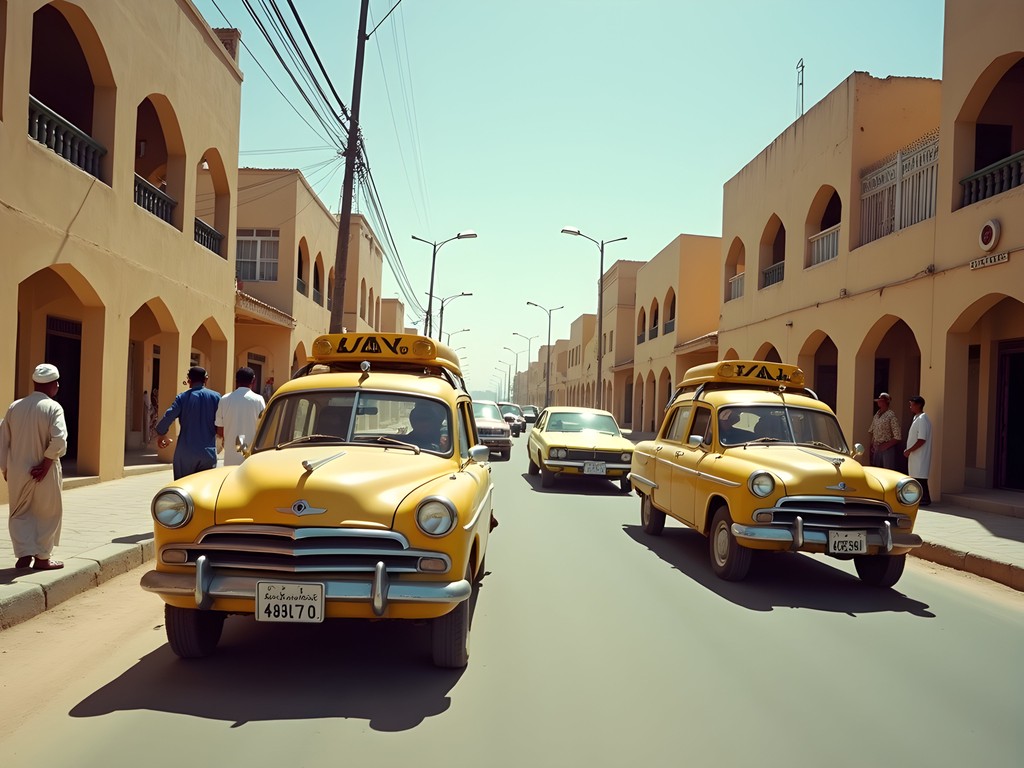
Getting around is surprisingly affordable. The yellow shared taxis cost between 100-300 ouguiya (cents) per trip depending on distance. I quickly learned to negotiate before getting in – a skill that served me well throughout my stay. For longer distances, the colorful minibuses are even cheaper, though figuring out their routes requires some patience or a friendly local's help.
To keep track of my spending in a country where ATMs can be temperamental, my travel money belt was invaluable – it kept my cash and backup cards secure while navigating the busy markets.
💡 Pro Tips
- Learn a few basic Arabic or French phrases – locals really appreciate the effort
- Download maps.me as Google Maps isn't always reliable in Nouakchott
- Carry small denominations of ouguiya for easier transactions
Marché Capitale: Sensory Overload on a Shoestring
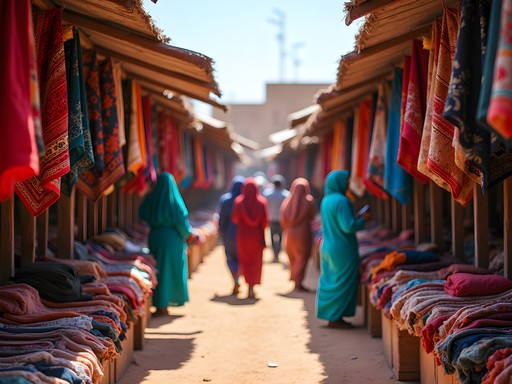
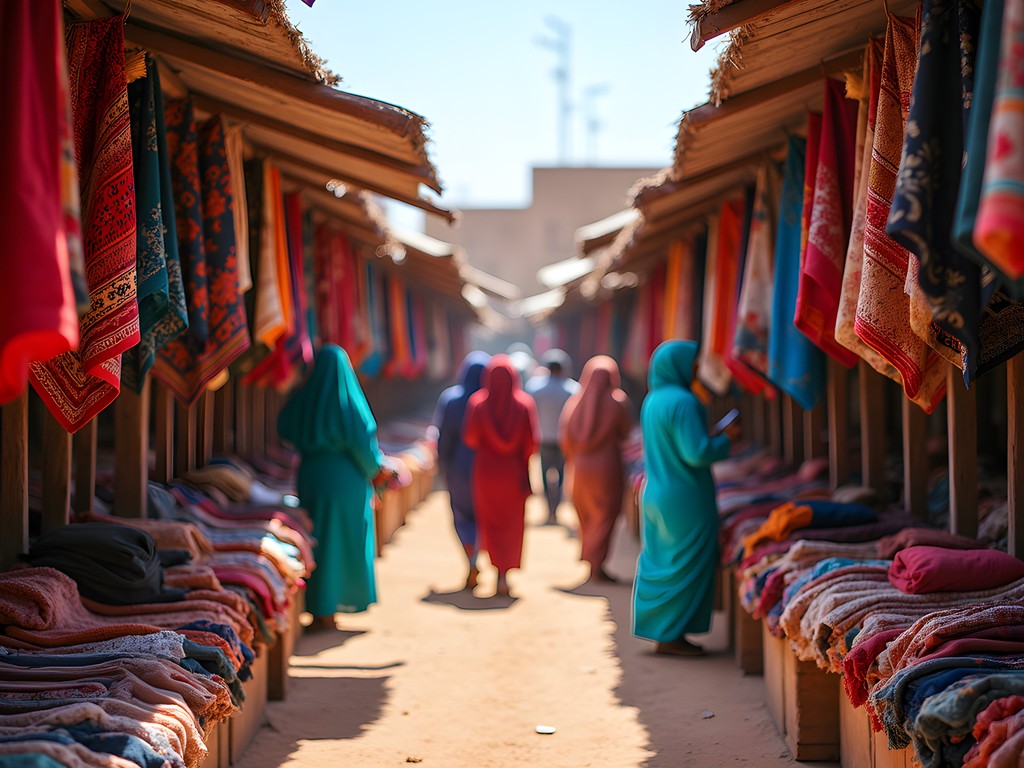
If you want to experience the beating heart of Nouakchott, head straight to Marché Capitale. This sprawling market is sensory overload in the best possible way – vibrant fabrics, aromatic spices, handcrafted silver jewelry, and the constant hum of negotiations.
I spent hours wandering through the narrow alleys, where I discovered that browsing is an art form. Merchants invited me for tea without pressure to buy, though I couldn't resist picking up a traditional blue Mauritanian boubou robe for just 3,000 ouguiya ($8) – now one of my favorite travel souvenirs.
Food at the market is where you'll find incredible value. The small food stalls at the eastern edge serve generous portions of thieboudienne (fish and rice) or mechoui (slow-roasted lamb) for around 500-800 ouguiya ($1.50-2.50). My strategy was to eat a hearty late lunch here, then just grab fresh bread and fruit for dinner.
To protect myself from the intense Saharan sun while exploring, I relied heavily on my desert scarf. It's lightweight enough for the heat but provides crucial protection against both sun and occasional sand when the wind picks up – a proper lifesaver when you're spending hours outdoors in the market.
💡 Pro Tips
- Visit the market in the morning when it's cooler and less crowded
- Don't be afraid to negotiate, but do it with a smile and respect
- Try the local dates – they're incredibly cheap and delicious
Port de Pêche: Seafood Feasts and Sunset Spectacles
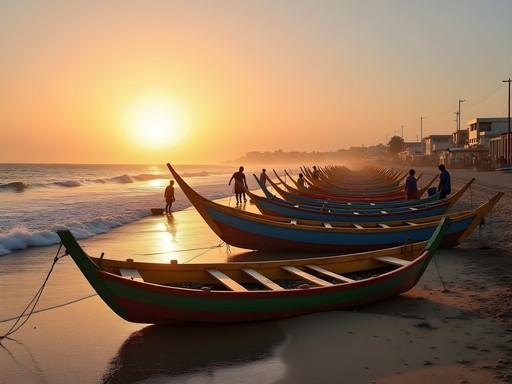
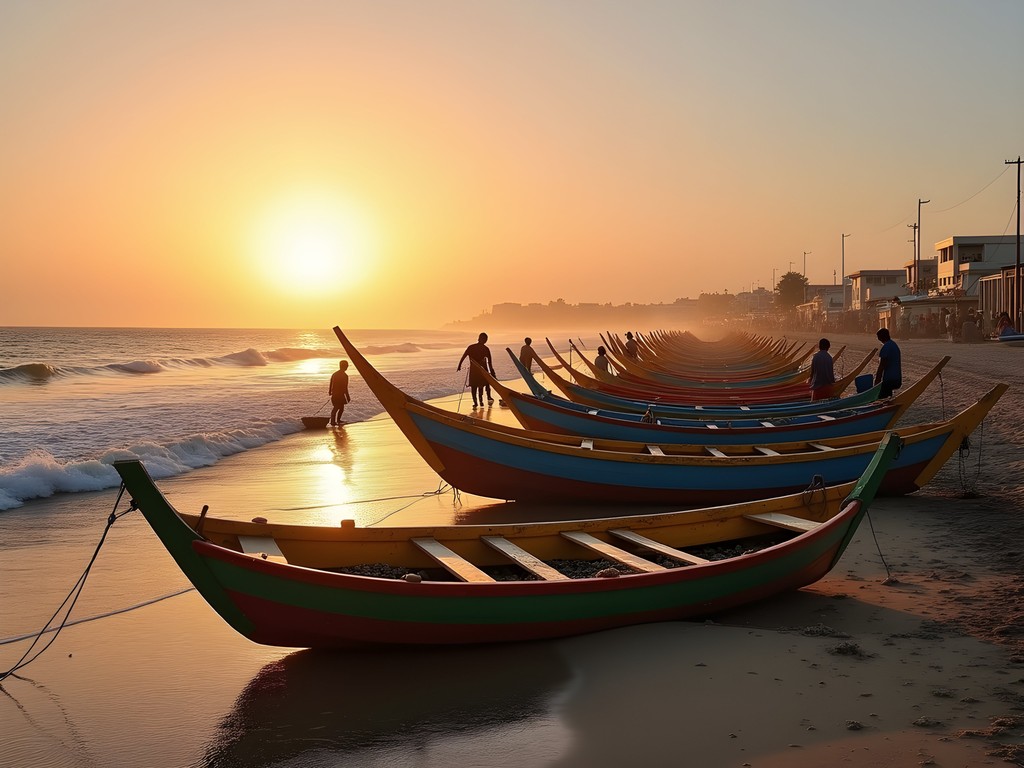
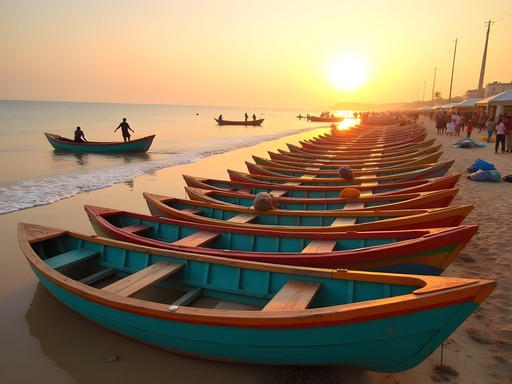
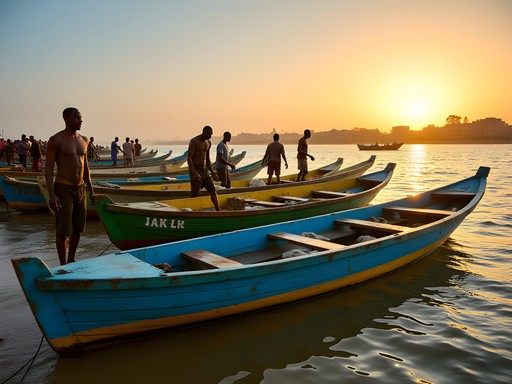
One of Nouakchott's most fascinating spots is Port de Pêche, the fishing port where hundreds of colorful wooden boats create a photographer's paradise. I timed my visit for late afternoon when the fishing fleet returns and the beach erupts into a frenzy of activity.
The port offers one of the city's best budget experiences: ultra-fresh seafood at rock-bottom prices. For just 2,000-3,000 ouguiya ($5-8), you can buy fish directly from the boats and have it grilled on the spot at one of the makeshift beachside stalls. I feasted on a whole grilled dorade with simple lemon and herbs that would have cost ten times as much back home.
The port is about 8km from the city center, so I took a shared taxi for 300 ouguiya each way. Alternatively, if you're feeling adventurous and the weather isn't too hot, it makes for a fascinating walk along the coast.
When visiting the port, prepare for intense sun reflection off both sand and water. My polarized sunglasses were essential for cutting the glare while watching the fishing boats arrive. They're lightweight, don't slip when you sweat, and are inexpensive enough that I didn't stress about having them around saltwater and sand.
Do note that while photography is generally welcome, some fishermen prefer not to be photographed. Always ask permission with a gesture and respect their wishes.
💡 Pro Tips
- Arrive around 4-5pm to see the fishing boats return with their catch
- Bring small change for purchasing seafood and tipping the grillers
- Wear closed shoes as the beach can have sharp shells and debris

Desert Meets City: Budget-Friendly Saharan Experiences
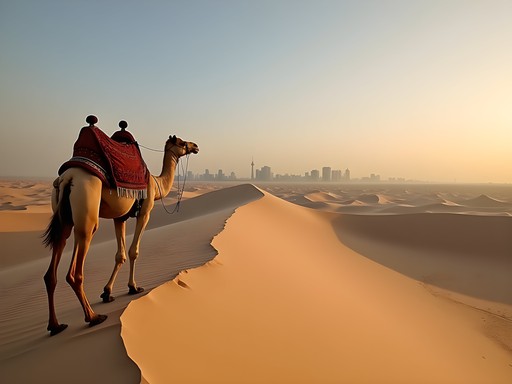
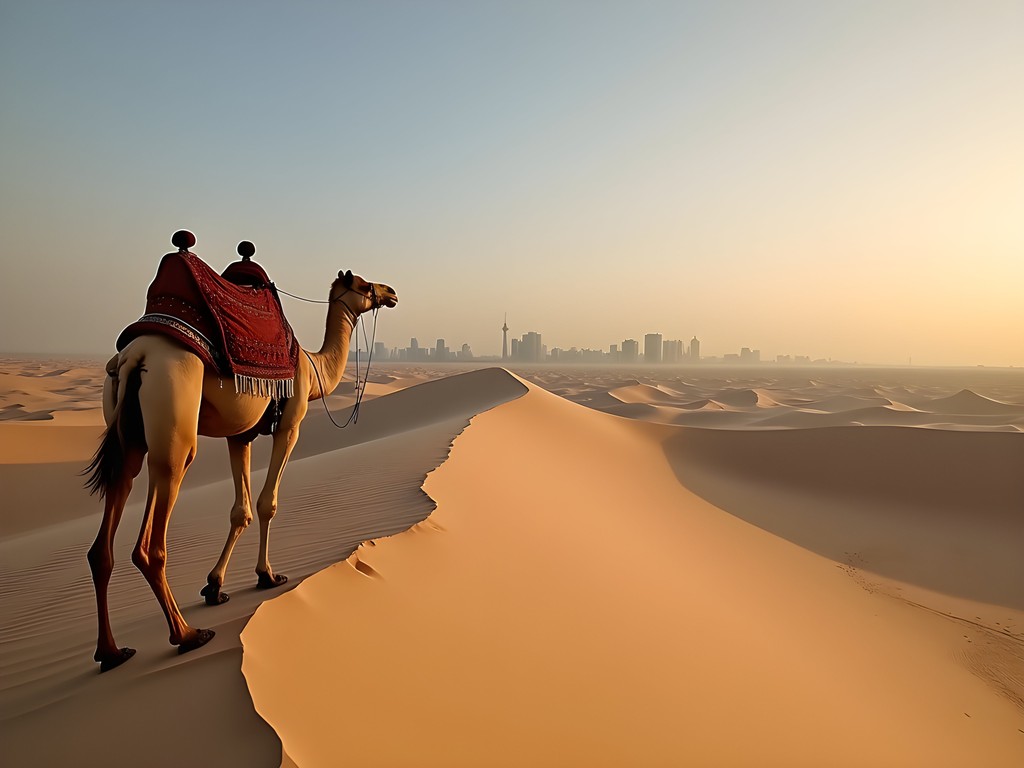
Nouakchott sits at the edge of the Sahara, and you don't need an expensive tour to experience the desert. Just 10km east of the city center, the urban sprawl gives way to rolling sand dunes that feel worlds away from the bustling markets.
I connected with a group of university students through my guesthouse who invited me to join their weekend desert picnic. We shared taxi costs (about 1,500 ouguiya/$4 round trip), packed simple food from the market, and spent a magical afternoon climbing dunes and sharing stories. This cost nothing beyond transportation and food I would have bought anyway.
For those wanting a more immersive desert experience without the hefty price tag, I discovered a hack: visit the camel market on the eastern outskirts of town and negotiate directly with herders for a short ride. I paid 2,000 ouguiya ($5) for an hour-long camel trek at sunset – a fraction of what organized tours charge.
The desert environment is harsh on electronics, so my silicone camera cover proved invaluable for protecting my gear from the fine sand that seems to get everywhere. It's lightweight, adds minimal bulk, and saved me from potential expensive repairs.
Staying hydrated is crucial in the desert climate. I filled my insulated water bottle with ice water before heading out, and it kept my drink cold for hours despite the blazing heat – absolutely worth the investment for desert adventures.
💡 Pro Tips
- Make friends with locals for authentic desert experiences rather than booking expensive tours
- Visit the desert areas in late afternoon when temperatures are more manageable
- Respect the environment by taking all trash with you when leaving desert areas
Cultural Connections: Free and Low-Cost Experiences
The true richness of Nouakchott lies in its cultural experiences, many of which cost little or nothing. The National Museum (Musée National) charges just 1,000 ouguiya ($2.50) for entry and offers fascinating insights into Mauritania's nomadic heritage and archaeological treasures.
I stumbled upon a traditional Mauritanian tea ceremony my second day in town. A shopkeeper invited me to join after I purchased a small souvenir, and I spent two hours learning the intricate three-glass ritual that forms the backbone of social interaction here. This cultural education came free with my 1,500 ouguiya ($4) bracelet purchase.
Religious sites offer another window into local culture. The Grande Mosquée, while not open to non-Muslim visitors inside, is impressive from its exterior. The Saudi Mosque allows respectful visitors outside prayer times if modestly dressed – no entrance fee, just cultural respect required.
One evening, I followed the sound of drums to a small public square where local musicians performed traditional Mauritanian music. Dropping a small donation in their collection box seemed appropriate, but there was no formal charge to enjoy this authentic cultural showcase.
To record these rich cultural experiences, I used my pocket audio recorder to capture the traditional music and ambient sounds of the markets. Much less intrusive than constantly taking photos, it's helped me preserve the authentic soundscape of my travels through Nouakchott.

💡 Pro Tips
- Learn the basic tea ceremony etiquette – it's a gateway to meaningful local connections
- Visit religious sites outside prayer times and dress modestly
- Ask permission before photographing people, especially in more traditional areas
Final Thoughts
Nouakchott won't be everyone's cup of mint tea. It's challenging, raw, and lacks the polished tourism infrastructure of more popular destinations. But that's precisely what makes it special. For just $30 a day – sometimes even less – I experienced a fascinating cultural intersection where Saharan traditions meet coastal life in a rapidly evolving urban landscape.
The memories that stick with me aren't of luxury accommodations or fancy restaurants, but of genuine human connections: Mohammed's daily tea offerings at my guesthouse, impromptu language exchanges with university students, and the fisherman who insisted I take extra fish 'for my journey' without accepting additional payment.
If you're an experienced backpacker seeking authentic experiences off the well-trodden path, Nouakchott offers remarkable value and cultural richness. Come with an open mind, a modest budget, and a willingness to embrace the unexpected. The Mauritanian capital might lack the Instagram fame of other destinations, but it offers something increasingly rare in our hyper-connected world – a chance to experience a place on its own authentic terms, not those curated for tourism. Isn't that what real travel is all about?
✨ Key Takeaways
- With careful planning, $30/day is genuinely doable in Nouakchott
- The most memorable experiences come through cultural exchange rather than tourist attractions
- Connecting with locals leads to authentic experiences that money can't buy
- Nouakchott offers a rare glimpse into a rapidly changing West African capital city
📋 Practical Information
Best Time to Visit
November to February (winter)
Budget Estimate
$25-35 per day
Recommended Duration
4-7 days
Difficulty Level
Challenging
Comments
Marco Flores
Man, your Port de Pêche section brought back memories! I was there last year and it's exactly as you described - absolute chaos in the best possible way. I spent hours watching the colorful pirogues return at sunset. Pro tip for others: bring small bills for buying fish directly and ask your accommodation if they'll cook it for you. I stayed at a small guesthouse near Plage des Pêcheurs where the owner grilled my purchases on their rooftop for just a couple ouguiyas. Also, the mint tea with the fishermen is an experience not to be missed - they're incredibly welcoming if you show genuine interest in their work.
backpackway
Which guesthouse was that? Sounds perfect for my trip next month!
Marco Flores
It was called Maison du Voyageur - super basic but clean and the family who runs it is lovely. About 15-minute walk from the fish market. I used my offline maps to find it since Google Maps isn't very reliable there.
bluephotographer
Great post! How safe did you feel walking around Nouakchott? I'm planning a trip to West Africa and considering adding Mauritania to my itinerary.
Landon McDonald
I felt surprisingly safe in most areas, especially during daylight hours. Just use common sense - don't flash valuables and be respectful of local customs. The Tevragh Zeina area is particularly good for first-timers.
bluephotographer
Thanks for the quick response! That's reassuring to hear.
GlobeTrotter55
Any budget accommodation recommendations? Planning to visit in February.
Landon McDonald
Auberge Sahara ($10/night for a basic room) or Residence Zahra ($15/night) are both clean, central and safe. Book directly by WhatsApp for better rates!
SoloTrekker
Just added Nouakchott to my bucket list! Thanks for highlighting places that aren't on everyone's radar.
springperson
Just got back from Nouakchott last week! Your budget breakdown is spot on. We actually found an amazing little local restaurant near Marché Capitale that served fish tagine for just 250 MRU - it was behind the blue mosque, can't remember the name but it had a yellow sign. The tea ceremony at sunset was definitely a highlight for us too. One thing I'd add is that we found February weather perfect - not too hot but sunny enough for the beach. Thanks for putting Mauritania on more travelers' maps!
backpacktime
Was it easy to find vegetarian food there?
springperson
It was a bit challenging but doable! Lots of places serve couscous with vegetables, and you can find lentil dishes too. Just learn how to say 'no meat please' in French!
Douglas Bradley
Excellent breakdown of Nouakchott's budget potential! I'd add that the shared taxis (locally called 'taxi-course') are even more economical than the minibuses if you're comfortable sharing with locals. They run set routes for about 20 MRU ($0.50). One thing worth noting about the Port de Pêche - timing is everything. Arrive around 4-5pm to see the colorful fishing boats return. The price negotiations are fascinating cultural experiences in themselves. I brought my travel phrase book which had basic Hassaniya Arabic that proved invaluable for basic haggling.
desert_wanderer92
Did you try the fish tagine from the small stalls near the port? Absolutely mind-blowing and only cost me 150 MRU!
Douglas Bradley
Yes! The fish tagine was one of my highlights too. The small place with the blue awning had the best one I tried.
luckyseeker
This is exactly the kind of off-the-beaten-path content I've been looking for! How safe would you say Nouakchott is for solo female travelers? I've been wanting to explore West Africa but keep hearing mixed things about safety.
Douglas Bradley
I spent 3 weeks in Nouakchott last year. It's relatively safe compared to other capitals in the region, but standard precautions apply. Dress conservatively (it's a Muslim country), avoid night walks alone, and use registered taxis. The Port de Pêche area can get chaotic but is fine during daylight hours with a local guide.
luckyseeker
Thanks for the insights! Good to know about the Port de Pêche - that fish market looked amazing in the photos.
Landon McDonald
Thanks for the question! I'd echo what Douglas said - it's generally safe with proper precautions. Finding a local guide for your first day helps tremendously. The Auberge Sahara near Marché Capitale has several reliable guides they work with regularly.
blueguy
Great post! Planning to visit in March 2026. How's the internet situation there? Need to occasionally check in with work while traveling.
Landon McDonald
Internet is decent in the city center - I used Mauritel SIM cards which were cheap and reliable. Most mid-range hotels have WiFi too, though speeds vary. Definitely download offline maps before you go!
blueguy
Thanks for the tip! Will definitely grab a local SIM when I arrive.
happyninja2095
Just booked tickets to Nouakchott for May! This guide is perfect timing!
globeking
Nice! Post your pics when you get back!
bluevibes7611
Those sunset photos at Port de Pêche are incredible! Adding this to my bucket list right now.
Venture X
Premium card with 2X miles, $300 travel credit, Priority Pass