

Disclosure: This article contains affiliate links. We may earn a commission from purchases at no extra cost to you, which helps our travel content.
Guten Tag, adventure seekers! After spending a month dividing my time between the misty limestone karsts of Yangshuo, China and the lush cultural heartland of Kandy, Sri Lanka, I'm convinced these two destinations offer some of the most rewarding experiences for budget travelers willing to venture beyond the ordinary. As someone who's navigated the efficiency of German public transportation and the spontaneous rhythm of rural Mexican life, I found myself perfectly positioned to appreciate both the structured tourism of Yangshuo and the more organic exploration style needed in Kandy. With my safety inspector eyes always scanning for the best value-to-risk ratio and my multicultural background helping me bridge communication gaps, I discovered that fall is the perfect time to experience these two vastly different yet equally enchanting destinations without breaking the bank. Grab your notebooks—this guide combines practical budget hacks with safety insights that will help you navigate these gems like a local.

Navigating Yangshuo: Limestone Giants on a Student Budget
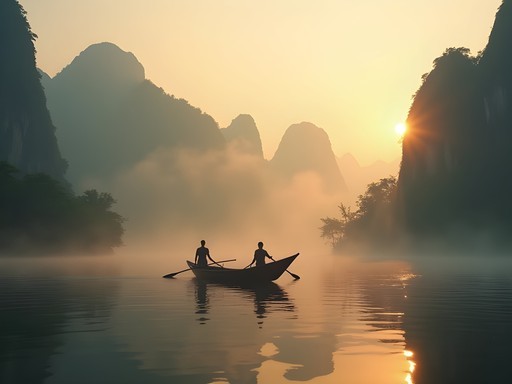
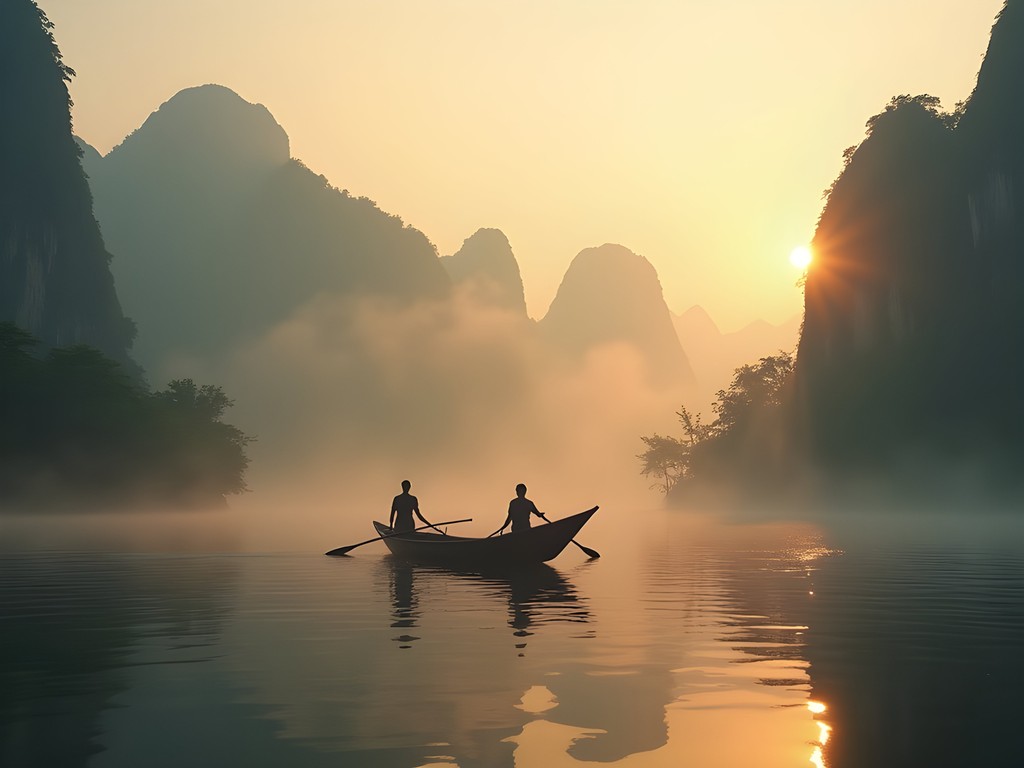
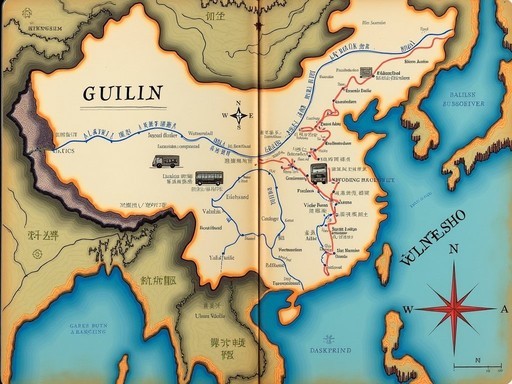
My affair with Yangshuo began at dawn on a bamboo raft drifting down the Li River, the mist still clinging to the karst mountains like a scene from an ancient Chinese painting. At 120 yuan (about $17) for a private raft, it was a splurge I'd carefully budgeted for—and worth every cent for the silence before the tourist crowds descended.
For budget accommodation, I bypassed the touristy West Street options and found a family-run guesthouse in Xingping village for 60 yuan per night (roughly $8.50). The grandmother there taught me to make proper rice congee while communicating through a delightful mix of hand gestures and my rudimentary Mandarin. Sicherheit geht vor—safety comes first—so I always inspect room exits and fire safety before settling in, a habit from my safety inspector days.
Renting a bicycle (20 yuan/day) proved to be the most economical way to explore the countryside. The route along the Yulong River offered breathtaking views without the expense of guided tours. For those planning extensive cycling, I recommend bringing a portable bike repair kit as local shops might not have what you need for quick fixes.
Food costs can add up quickly if you stick to tourist restaurants. Instead, I followed local university students to small eateries where a bowl of Guilin rice noodles cost just 8-10 yuan. The night market on Pantao Road became my dinner spot of choice, where 25 yuan bought enough food to fuel a day of adventures.
💡 Pro Tips
- Visit Moon Hill early morning (before 8 AM) to avoid both crowds and the full entrance fee
- Use DiDi (Chinese equivalent of Uber) for longer trips instead of negotiating with taxi drivers
- Learn basic Mandarin phrases for ordering food and asking directions—it saves money when locals don't assume you're a tourist
Yangshuo's Hidden Gems: Beyond the Guidebook
While most travelers stick to the well-trodden path of West Street and the major scenic spots, Yangshuo's true budget-friendly treasures lie in its lesser-known corners. My safety background has taught me that sometimes the most rewarding experiences come from calculated risks off the beaten path.
The Water Cave, though popular, offers a budget alternative if you visit independently rather than with a tour. For 90 yuan entrance fee, I spent three hours exploring its chambers, including a natural mud bath that would cost a fortune at any spa. Bring your own waterproof headlamp to navigate dark passages safely and avoid rental fees.
For free activities, the weekly cormorant fishing demonstrations near Xingping provide fascinating cultural insights without the ticket price of organized shows. Simply walk along the riverbank around dusk and respectfully observe from a distance.
My most memorable discovery came from a conversation with a German backpacker at my hostel who recommended hiking to Xianggong Mountain for sunset. Unlike the crowded Laozhai Mountain viewpoint, this spot required a challenging 40-minute uphill trek but rewarded with panoramic views that rivaled professional photographs of the region. The entrance fee was just 15 yuan—a fraction of what you'd pay at more commercial viewpoints.
When heavy rain made outdoor activities impossible, I discovered a tiny tea house run by a former English teacher near the bus station. For the price of a 10 yuan tea, she offered fascinating conversations about local history and even impromptu language exchange sessions with her grandchildren.

💡 Pro Tips
- Download maps.me for offline navigation of hiking trails not covered in guidebooks
- Carry small denominations of yuan—many local vendors can't break large bills
- Visit the local farmers market early morning (5-7 AM) to buy fresh fruit at non-tourist prices
Kandy: Cultural Immersion Without Breaking the Bank
Transitioning from China to Sri Lanka felt like entering another universe. Kandy's chaotic streets and vibrant culture initially overwhelmed my German sense of order, but soon revealed a rhythm reminiscent of my mother's Mexican hometown—organic, relationship-based, and infinitely negotiable.
Accommodation in Kandy presented my first challenge. While tourist guesthouses around Kandy Lake charge upwards of 3000 LKR ($15), I found a family homestay in the hills above the city for just 1500 LKR ($7.50) per night through a local university student I met on the train. This not only halved my housing budget but provided authentic home-cooked meals for an additional 300-400 LKR per day.
The Sacred Tooth Relic Temple (entrance fee 1500 LKR) is unavoidable for cultural understanding, but I discovered you can revisit multiple times on the same ticket if you request a hand stamp. This allowed me to experience the temple during different ceremonial times without additional cost.
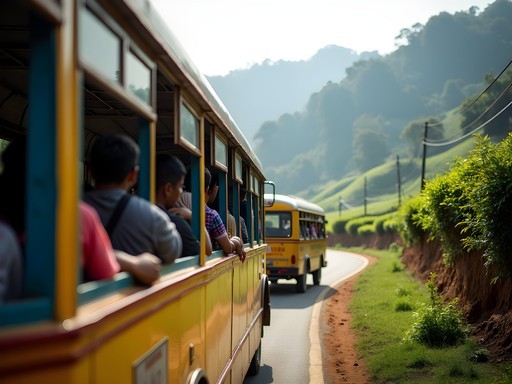
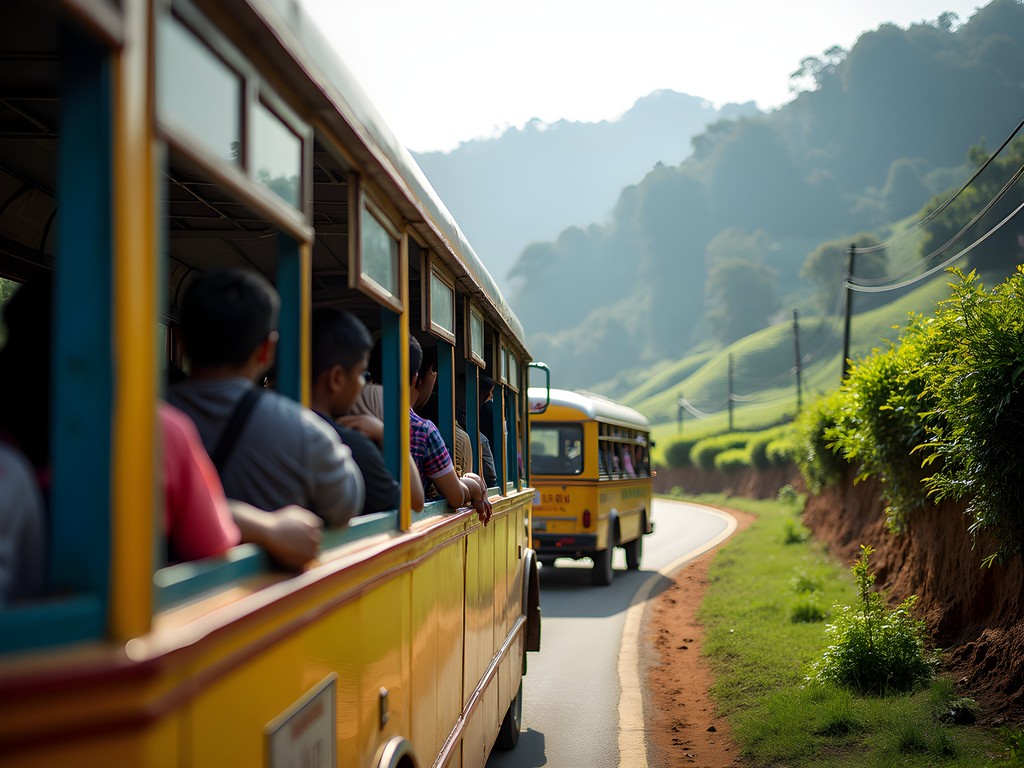
For transportation, I initially made the rookie mistake of using tuk-tuks for every journey. After befriending a local safety officer at a small tea factory, I learned to use the extensive local bus network for just 20-40 LKR per ride. Though sometimes crowded and always an adventure, these colorful buses connected me to surrounding villages and viewpoints for a fraction of tourist transportation costs.
The Royal Botanical Gardens in Peradeniya (1500 LKR entrance) seemed expensive until I realized I could spend an entire day there, bringing my own picnic lunch. For those planning extended outdoor exploration in tropical climates, I recommend a reliable insect repellent that works in high humidity without damaging technical clothing.
💡 Pro Tips
- Visit temples during puja (offering) times for the most atmospheric experience without additional cost
- Ask for student discounts even if not advertised—many attractions offer them but don't publicize this
- Learn basic Sinhala greetings to establish rapport before negotiating prices

Kandy's Cultural Experiences: Maximum Value, Minimum Cost
The true magic of Kandy lies in its free or low-cost cultural experiences that offer deeper connection than any packaged tour. My multicultural background has taught me to look for authentic exchanges rather than tourist performances, and Kandy delivered abundantly.
Every evening at the lakeside, I joined locals for passeggiata—the evening stroll tradition. This cost nothing but yielded fascinating conversations with university students eager to practice English and retired teachers sharing Kandy's complex colonial history. These walks provided context that no guidebook could offer.
For those interested in traditional arts, skip the expensive cultural shows (3500+ LKR) and instead visit the Kandy Cultural Center during afternoon practice sessions. For a small donation (200-500 LKR), I watched dancers and drummers rehearse, even receiving impromptu lessons in basic movements. This behind-the-scenes access proved far more memorable than staged performances.
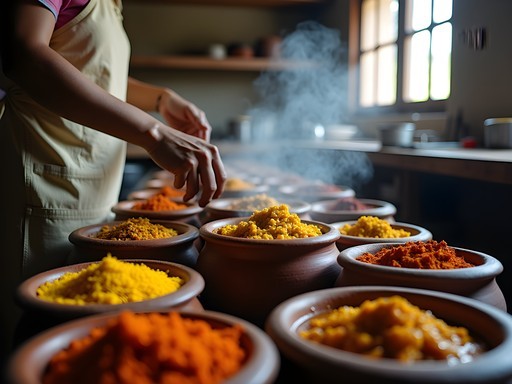
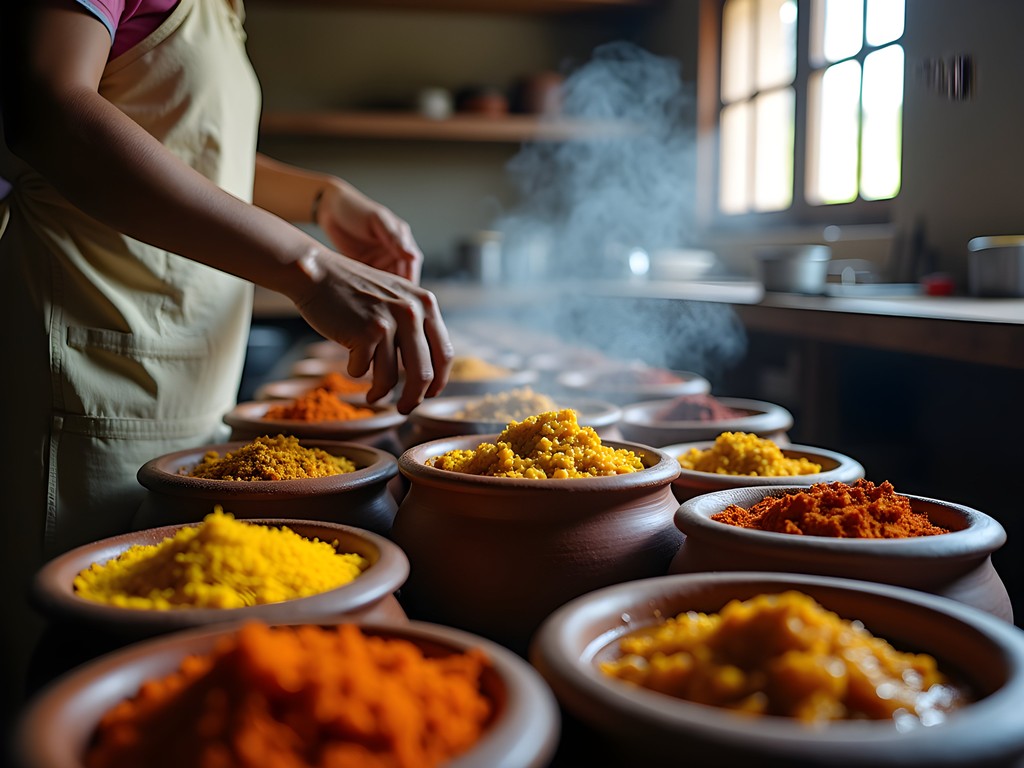
My safety background drew me to investigate local emergency preparedness, which unexpectedly led to meeting a female firefighter who invited me to a community cooking class. For 600 LKR, I learned to prepare authentic Sri Lankan rice and curry while gaining insights into family traditions. The ingredients for recreating these dishes cost just 300 LKR at the central market when purchased alongside locals rather than at tourist shops.
Budget travelers often overlook the value of religious festivals, assuming they're not welcome. However, Kandy's temples regularly host ceremonies open to respectful visitors. During my stay, I experienced Poya Day celebrations at a small neighborhood temple, where monks offered free tea and blessings to anyone participating in meditation sessions.
For day trips, I recommend avoiding organized tours to tea plantations. Instead, take the public bus to Nuwara Eliya (180 LKR) and bring a good travel water filter to stay hydrated while hiking independently between plantations, many of which offer free basic tours if you purchase tea afterward.
💡 Pro Tips
- Visit Kandy Market in late afternoon when vendors reduce prices rather than pack up unsold produce
- Attend free cultural lectures at the Buddhist Publication Society near the lake every Friday
- Exchange books at Barefoot Garden Café's book swap rather than buying new reading material
Safety Insights: Navigating Cultural Differences Responsibly
My professional background as a safety inspector gives me a unique perspective on travel risks, and both destinations presented distinct challenges worth addressing. Vorsicht ist besser als Nachsicht—precaution is better than regret.
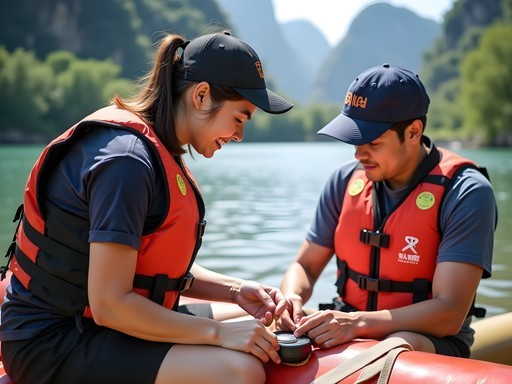
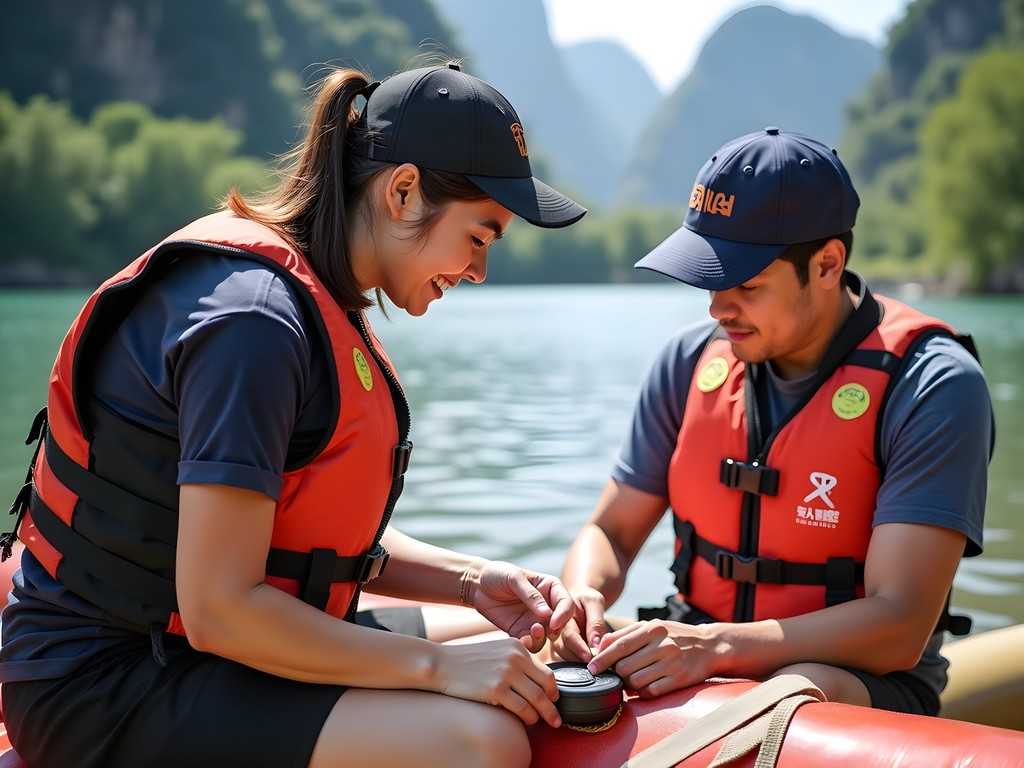
In Yangshuo, water safety emerged as my primary concern. The region's popular rafting and swimming activities lack the stringent regulations I'm accustomed to from my river rafting consulting days. Before participating in any water activities, I assessed current strength, checked equipment quality, and verified operator credentials. For independent river exploration, I always carried a compact emergency whistle and shared my route with guesthouse staff.
Food safety in both locations required different approaches. In Yangshuo, I followed the crowd principle—busy establishments with high turnover ensured fresher ingredients. In Kandy, where refrigeration isn't universal, I adopted the cook-it-peel-it-or-forget-it rule and carried rehydration salts as a precaution.
For solo female travelers in both destinations, I found cultural awareness more effective than restrictive behavior. In Yangshuo, learning basic Mandarin phrases to firmly decline unwanted attention proved invaluable. In Kandy, dressing modestly and wearing a fake wedding ring deflected most unwanted conversations, while carrying a safety whistle provided peace of mind during evening walks.
Transportation safety varied dramatically between locations. In Yangshuo, bicycle accidents represent the highest risk to tourists, particularly on rain-slicked roads. I always wore a helmet despite local norms. In Kandy, the chaotic traffic patterns required defensive walking and choosing tuk-tuk drivers who wore helmets themselves—a reliable indicator of their safety consciousness.
My German-Mexican upbringing taught me to balance structured planning with flexible adaptation. This meant researching emergency services in both locations before arriving, carrying a basic first aid kit tailored to each destination's risks, but remaining open to local solutions when problems arose.
💡 Pro Tips
- Save emergency contacts in your phone under ICE (In Case of Emergency) with local country code
- Photograph your passport and email it to yourself rather than carrying the original
- Learn the word for 'help' in local languages—'bāng zhù' in Mandarin and 'udavu' in Sinhala
Final Thoughts
As my month-long journey through Yangshuo and Kandy drew to a close, I found myself transformed by these two vastly different yet equally rewarding destinations. By embracing local transportation, seeking community connections, and prioritizing experiences over comfort, I stretched my budget further than I thought possible while gaining insights no luxury tour could provide. Whether you're navigating limestone karsts by bicycle or learning traditional dance steps from Kandyan masters, the richest travel experiences often come with the smallest price tags. Remember that budget travel isn't about deprivation—it's about intentional choices that maximize cultural immersion while minimizing unnecessary expenses. So pack your packing cubes, brush up on basic language phrases, and prepare for adventures that will reshape your understanding of both Eastern and Southern cultural treasures. Bis zum nächsten Abenteuer—until the next adventure!
✨ Key Takeaways
- Local transportation saves money and provides authentic cultural experiences
- Connecting with residents leads to budget-friendly opportunities rarely found in guidebooks
- Safety awareness allows for calculated risk-taking that enhances rather than limits experiences
- Combining structured planning with flexible adaptation maximizes both budget and enjoyment
📋 Practical Information
Best Time to Visit
September-November (fall) for both destinations
Budget Estimate
$25-35/day in Yangshuo, $20-30/day in Kandy (including accommodation, food, activities)
Recommended Duration
2 weeks in each location for budget travelers
Difficulty Level
Advanced

Comments
cityking
Great photos! The karst mountains are unreal
explorepro
Going to Yangshuo in September! How many days would you recommend? Also is it easy to get around without speaking Chinese?
dreamway
not the author but we spent 4 days there last year and it was perfect! lots of people speak basic english in the tourist areas
vacationguide
Love this! Quick question - what's the best time of year to visit Yangshuo?
oceanadventurer
Love the photos!!
Stephanie Romano
What a fantastic comparison post! We took our kids (8 and 11) to Kandy two years ago and it was such a rich cultural experience for them. The Temple of the Tooth ceremony at sunset was absolutely mesmerizing - even my usually restless son sat quietly through the whole thing. We stayed at a family-run guesthouse near the lake for about $35/night with breakfast included, and the owner's wife taught my daughter how to make hoppers! Your budget breakdown is spot-on. I'm curious though - would you recommend Yangshuo for families? The karst scenery looks incredible but I'm wondering about kid-friendly activities beyond cycling.
Jennifer Rodriguez
Stephanie, Yangshuo would be amazing for your kids! The bamboo rafting is super calm and scenic, plus there's rock climbing for beginners. Lots of families doing the easier bike routes too.
Frank Carter
Jennifer, your Yangshuo section brought back so many memories! I spent three weeks there back in 2019 and still dream about cycling through those rice paddies at sunrise. The limestone karsts really do look like something out of a painting. One thing I'd add for budget travelers - the local family-run guesthouses along West Street's side alleys are incredibly affordable and the owners often organize group dinners where you can meet other travelers. I paid about $8/night and made friends I still keep in touch with today. Also, renting a scooter for the day (about $5) lets you explore villages the tour buses never reach. Kandy is still on my list - your temple festival tips are going straight into my notes!
explorepro
Do you need an international license for the scooter?
Frank Carter
Technically yes, but enforcement varies. I'd recommend getting one just to be safe - it's pretty easy to obtain before you travel.
travelnomad
This is really helpful! Planning my first solo trip and trying to decide between Asia destinations. Were these places safe for solo travelers? Also did you book hostels in advance or just show up?
Jennifer Rodriguez
Both super safe! I booked 2-3 days ahead on Hostelworld. You'll do great on your first solo trip - these are perfect starter destinations!
cityking
agreed, yangshuo is really safe. stayed there 2 weeks last summer
dreamway
This is awesome! Adding both to my bucket list 🙌
sunnylover
How much did you spend total per day in each place?
Jennifer Rodriguez
Around $25-30/day in Yangshuo, $20-25/day in Kandy. Kandy was slightly cheaper for accommodation!
Fatima Sims
Jennifer, this brings back so many memories! I spent three weeks in Yangshuo back in 2019 and it completely stole my heart. The morning mist rolling over those karsts while cycling along the Yulong River... pure magic. I love that you included the night market food costs - those 5 yuan dumplings were my daily obsession! One tip I'd add: rent a scooter for a day trip to the Ping'an Rice Terraces. Cost me about 50 yuan and was SO worth it. Haven't made it to Kandy yet but your post has me seriously considering Sri Lanka for my next adventure. How did you find the language barrier in both places?
Jennifer Rodriguez
Fatima! Yes, those dumplings are life! Language was easier in Yangshuo than expected - lots of English in tourist areas. Kandy was super easy, most people speak English. The scooter tip is gold!
Venture X
Premium card with 2X miles, $300 travel credit, Priority Pass