
Disclosure: This article contains affiliate links. We may earn a commission from purchases at no extra cost to you, which helps our travel content.
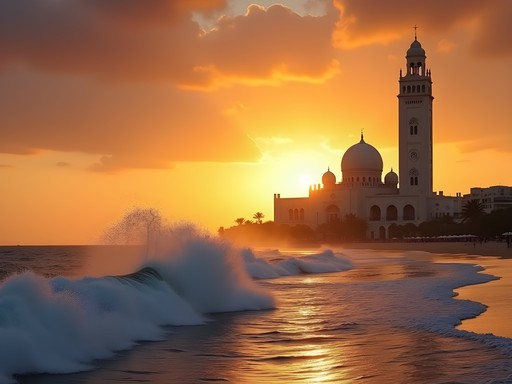
Three years ago, I accompanied a client to Morocco to source artisanal textiles for her boutique hotel chain. What began as a straightforward business trip transformed into a masterclass in balancing corporate efficiency with cultural immersion. Morocco's business centers—Casablanca's modern financial district and Marrakech's entrepreneurial energy—demand more than just a good suit and a firm handshake. They require understanding the intricate dance between tradition and modernity that defines Moroccan commerce.
Establishing Your Base: Where to Stay and Work
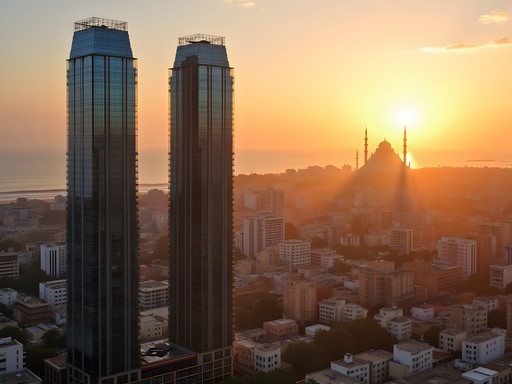
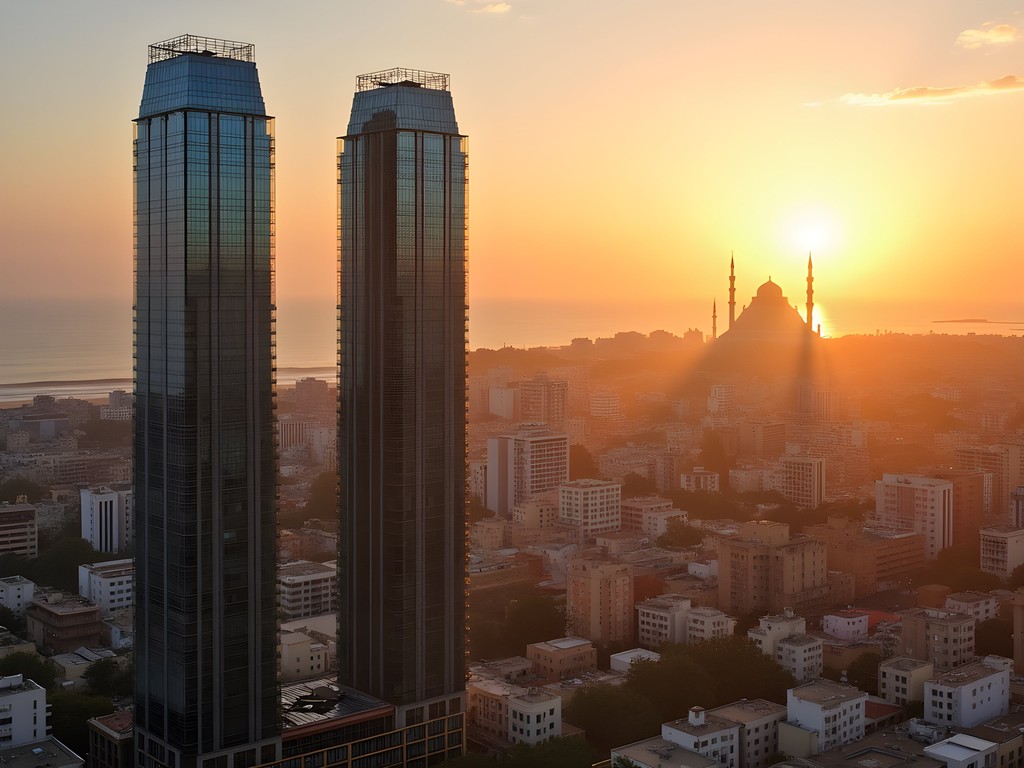
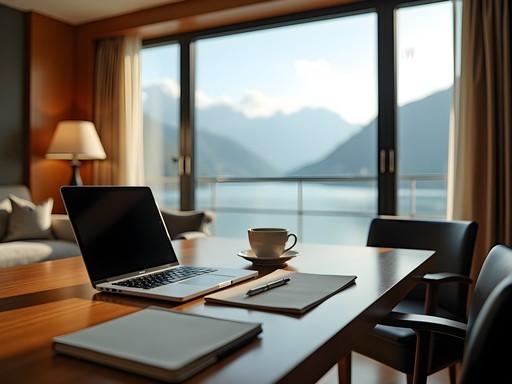
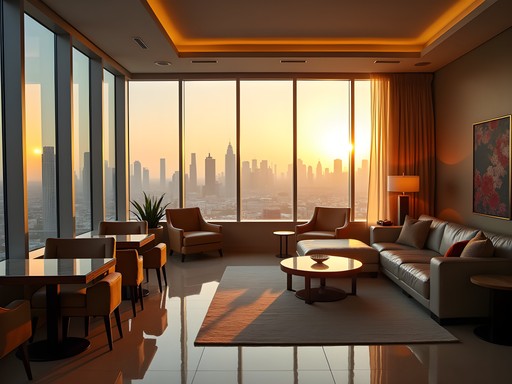
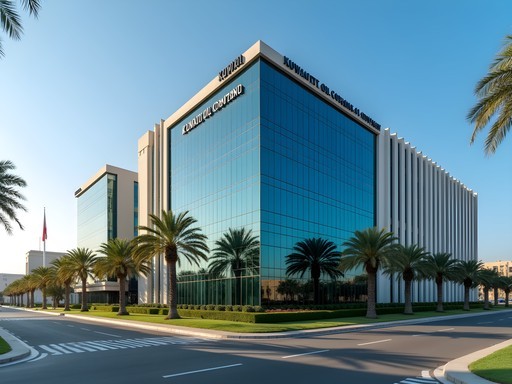
Casablanca's business district centers around the Twin Center towers, and your accommodation choice sets the tone for your entire trip. The Four Seasons Casablanca offers what I consider the gold standard: executive floors with dedicated concierge service, meeting rooms that impress without intimidating, and crucially, reliable high-speed internet that doesn't falter during video conferences.
In Marrakech, I've found the Royal Mansour provides an unexpected advantage for business travelers. Yes, it's opulent—each accommodation is a private riad—but the discretion and privacy it affords make it ideal for sensitive negotiations. The business center operates with Swiss efficiency, and I've successfully hosted client meetings in their private dining rooms where traditional Moroccan hospitality becomes your secret weapon.
For productivity on the move, invest in a quality portable Wi-Fi hotspot before you arrive. Morocco's hotel Wi-Fi can be inconsistent, and having your own secure connection has saved me during crucial conference calls more times than I can count.
💡 Pro Tips
- Book accommodations within 10 minutes of your primary meeting locations to maximize time efficiency
- Request a room on the executive floor—the dedicated concierge service is invaluable for last-minute arrangement changes
- Always have backup meeting venues identified; traffic between Casablanca and Marrakech can be unpredictable
Navigating Business Culture and Protocol
Here's what they don't tell you in standard business travel guides: Moroccan business culture operates on relationship capital, not just transaction efficiency. During my first trip, I made the rookie mistake of diving straight into contract discussions. My Casablancan counterpart politely steered the conversation toward family, travel experiences, and mutual interests for nearly an hour before we touched on business.
This isn't time-wasting—it's essential foundation-building. Moroccans assess trustworthiness through personal connection, and rushing this process signals either ignorance or disrespect. I now allocate at least 30 minutes for relationship-building in initial meetings, and I've learned to read the subtle cues that indicate when it's appropriate to transition to business matters.
Dress codes skew conservative and formal. Men should wear tailored suits in neutral colors; women should opt for elegant, modest business attire that covers shoulders and knees. I keep a portable garment steamer in my luggage—it's compact enough for carry-on and ensures you look impeccable even after long flights or train journeys between cities.
Language matters more than you might expect. While French dominates business settings in Casablanca, and many executives speak excellent English, learning basic Arabic greetings demonstrates respect. 'As-salamu alaykum' (peace be upon you) as a greeting and 'shukran' (thank you) will open doors that remain closed to those who don't make the effort.
💡 Pro Tips
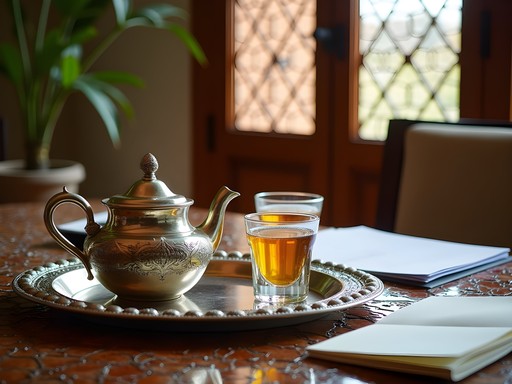
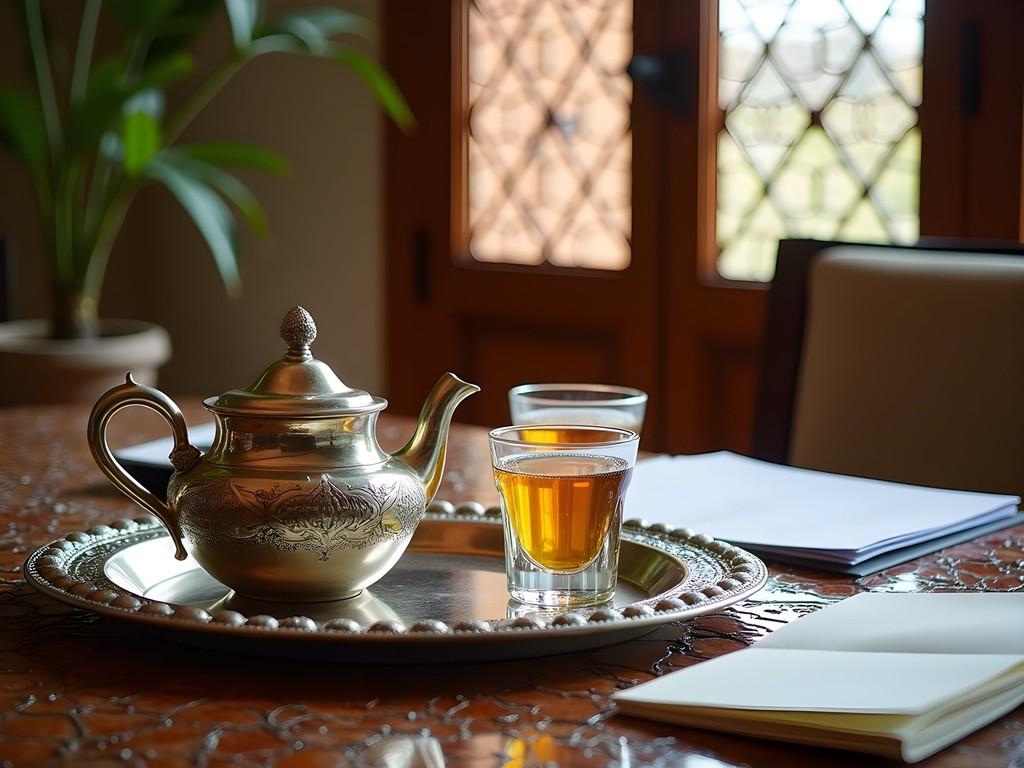
- Never refuse mint tea when offered—it's a gesture of hospitality and refusing can offend
- Business cards should be presented with both hands and examined carefully when received
- Friday is the Islamic holy day; avoid scheduling important meetings after noon on Fridays
- Ramadan requires special consideration—meetings should be shorter and scheduled carefully around prayer times
Maximizing the Casablanca-Marrakech Corridor
The 240-kilometer journey between Morocco's economic capital and its cultural heart isn't just transit time—it's an opportunity. I've taken both the train and private car services, and each serves different strategic purposes.
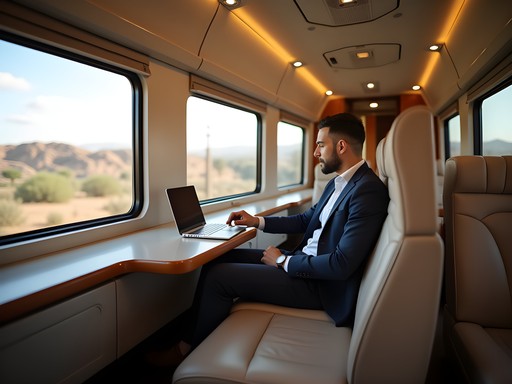
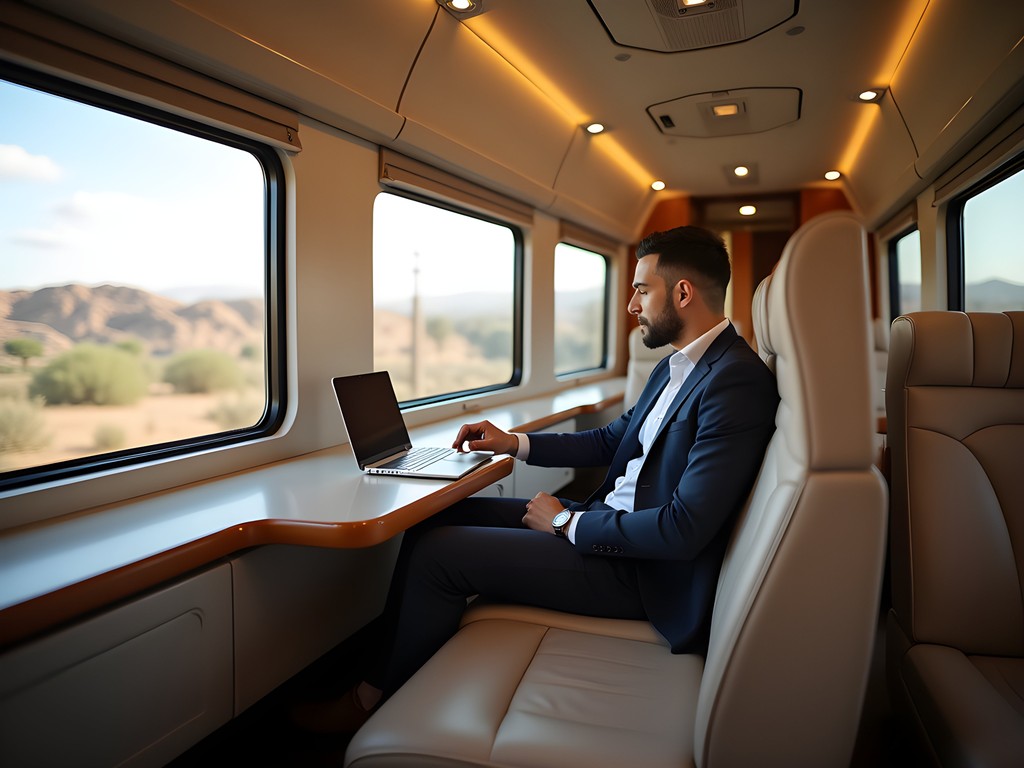
The Al-Boraq high-speed train covers the distance in just over two hours and offers a comfortable first-class cabin where you can actually work. The Wi-Fi is serviceable for emails and light tasks, and the smooth ride allows for video calls if you use quality noise-canceling headphones to minimize ambient noise. I've conducted entire strategy sessions during this journey, and the dedicated workspace at each seat rivals many hotel business centers.
However, if your schedule includes site visits to production facilities or supplier locations between the cities—common in textile, agriculture, or manufacturing sectors—hire a private driver through your hotel. This costs more but provides flexibility and allows you to maintain productivity with mobile hotspot connectivity. I've reviewed contracts, made calls, and even hosted virtual meetings from the back seat while traveling through Morocco's evolving landscape.
Timing matters: morning trains from Casablanca to Marrakech allow you to arrive refreshed for afternoon meetings, while evening returns let you maximize full business days in both cities. I typically structure my week with three days in Casablanca for financial and corporate meetings, then shift to Marrakech for two days of creative industry engagements and relationship-building dinners.
💡 Pro Tips
- Book first-class train tickets at least 48 hours in advance during peak business travel seasons
- Keep a change of clothes in your carry-on—Morocco's temperature can vary significantly between cities
- Download offline maps and key documents before departure in case connectivity drops
- Use travel time to research your next meeting's participants on LinkedIn and local business databases

Strategic Networking Beyond the Boardroom
Morocco's most valuable business connections often form outside formal meeting rooms. The country's approach to business entertainment is sophisticated and purposeful—understanding this can accelerate your objectives significantly.
In Casablanca, the Rick's Café (yes, inspired by the film) serves as an informal business hub where deals are quietly discussed over dinner. I've found Tuesday and Wednesday evenings optimal for 'accidental' encounters with key industry players. The restaurant's layout facilitates both private conversations and strategic visibility.
Marrakech's business entertainment centers on riads and palace restaurants. La Mamounia's bar attracts international business travelers and local entrepreneurs, creating natural networking opportunities. I've initiated three successful partnerships through conversations that began over their signature cocktails. The key is presence without pressure—be genuinely interested in others' work rather than immediately pitching your own agenda.
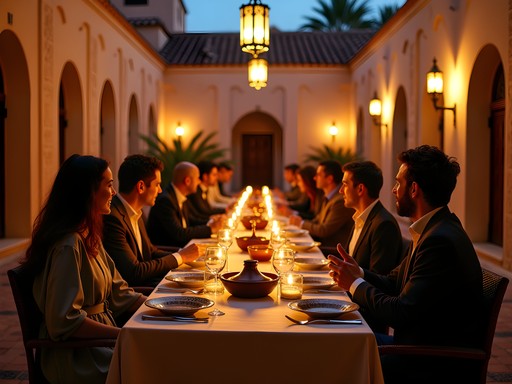
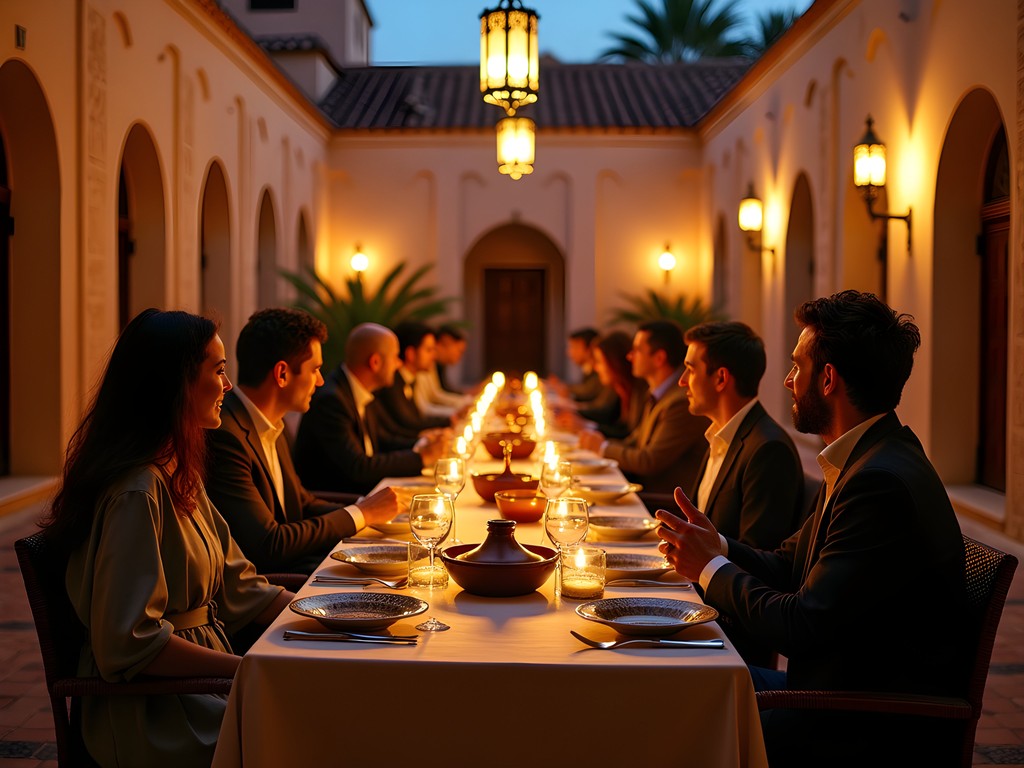
For deeper relationship building, consider hosting a private dinner at a traditional riad restaurant. I've used Dar Yacout in Marrakech's medina for client entertainment with remarkable success. The intimate setting, exceptional cuisine, and cultural immersion create memorable experiences that strengthen business relationships. Budget approximately 1,500-2,000 MAD per person for a truly impressive evening, including wine and entertainment.
Golf also plays a significant role in Moroccan business culture. The Royal Golf Dar Es Salam in Rabat and Amelkis Golf Club in Marrakech host many informal business discussions. If golf is part of your networking strategy, pack a golf rangefinder—Moroccan courses can be challenging to read, and demonstrating prepared professionalism extends to the fairway.
💡 Pro Tips
- Accept dinner invitations even if they run late—some of the best business insights emerge during extended evening conversations
- Learn about Moroccan cuisine and express genuine interest—food is a point of national pride and a conversation catalyst
- Avoid discussing business during meals until your host initiates the topic
- If invited to someone's home, bring a thoughtful gift—premium dates, French pastries, or quality tea are always appropriate
Practical Considerations for Extended Stays
A week-long business trip to Morocco requires more preparation than typical European or North American travel. The country's unique position—African, Arab, and deeply connected to European business practices—creates specific logistical considerations.
Visa requirements are straightforward for most business travelers: US, EU, UK, Canadian, and many other passport holders receive automatic 90-day entry stamps. However, if you're conducting formal business activities beyond meetings (signing contracts, establishing entities), consult with a local legal advisor about business visa requirements.
Health preparation is minimal but important. Morocco's food safety standards in luxury hotels and upscale restaurants are excellent, but I always travel with probiotic supplements to maintain digestive equilibrium when experiencing rich, unfamiliar cuisine. The change in diet, combined with business travel stress, can affect even experienced travelers.
Currency management requires strategy. While credit cards work in hotels and upscale restaurants, cash remains king for taxis, tips, and smaller establishments. I exchange enough at the airport for immediate needs (500-1,000 MAD), then use hotel ATMs for better rates. Keep small bills (20 and 50 MAD notes) for tipping—service staff expect gratuities, and having exact change demonstrates cultural awareness.
Security in both cities is generally excellent in business districts and tourist areas, but maintain standard urban precautions. I use a RFID-blocking wallet to protect against electronic pickpocketing, which has become more common in crowded medina areas. Your hotel concierge can provide current advice on areas to avoid and trusted transportation options.
💡 Pro Tips
- Download Google Translate's offline Arabic and French language packs before arrival
- Bring a universal power adapter—Morocco uses European-style outlets (Type C and E)
- Register with your embassy upon arrival if staying longer than a week
- Keep digital and physical copies of important documents stored separately
- Purchase comprehensive travel insurance that covers business equipment and medical evacuation
Final Thoughts
Morocco's business landscape rewards those who approach it with cultural intelligence and genuine respect. The executives who thrive here understand that success isn't measured solely in signed contracts, but in relationships built, trust earned, and mutual understanding achieved. From Casablanca's corporate towers to Marrakech's entrepreneurial energy, Morocco offers business opportunities that extend far beyond simple transactions.
Your week between these two cities will challenge assumptions about business efficiency and relationship-building. Embrace the slower pace of trust development, invest time in understanding your counterparts as people before partners, and recognize that Morocco's business culture has sustained itself for centuries by prioritizing human connection over transactional speed.
As you board your return flight, you'll likely find that your most valuable acquisitions weren't the contracts signed or deals closed, but the relationships initiated and the cultural understanding gained. These become the foundation for long-term business success in a market that values loyalty and partnership above all else. Morocco doesn't just want your business—it wants to know if you're worthy of becoming part of its commercial family.
✨ Key Takeaways
- Moroccan business culture prioritizes relationship-building over transaction speed—allocate time accordingly
- Strategic positioning between Casablanca's financial center and Marrakech's creative industries maximizes opportunities
- Cultural competency in dress, protocol, and social customs directly impacts business success
- The most valuable business connections often form during informal networking in restaurants, riads, and social settings
📋 Practical Information
Best Time to Visit
Fall (September-November) offers ideal weather and avoids Ramadan scheduling complications
Budget Estimate
$4,000-$7,000 for luxury accommodations, first-class transport, business dining, and entertainment
Recommended Duration
7 days minimum (3-4 days Casablanca, 2-3 days Marrakech)
Difficulty Level
Moderate


Comments
Kimberly Murphy
Brilliant guide Omar! I spent 10 days doing the Casablanca-Marrakech route last year and your point about strategic networking is spot on. I actually met some of my best business contacts over mint tea in the medina rather than in conference rooms. The key is being patient and building genuine relationships first. Also totally agree about staying in Gueliz if you need reliable wifi and workspace - the riads are gorgeous but not always practical for actual work. One tip I'd add: try to schedule some adventure time if you can. I did a sunrise hot air balloon ride over Marrakech between meetings and it completely recharged me for the rest of the week!
springclimber5157
Hot air balloon sounds amazing! Was it easy to book last minute?
Kimberly Murphy
Yeah pretty easy! Most hotels can arrange it for you. Just book the night before and they pick you up super early (like 5am!)
smartgal
Love this! Bookmarking for later
springclimber5157
This is super helpful! Quick question - what's the dress code like for business meetings there? Going in May for textile sourcing too
Kimberly Murphy
Smart casual works well but lean more conservative - I'd go with long sleeves and trousers/longer skirts. The business culture is quite formal initially!
Venture X
Premium card with 2X miles, $300 travel credit, Priority Pass