


Disclosure: This article contains affiliate links. We may earn a commission from purchases at no extra cost to you, which helps our travel content.
Djibouti City sits at a fascinating crossroads of global commerce—where Africa meets the Middle East, where ancient trade routes intersect with modern shipping lanes, and where emerging markets create unique business opportunities. As someone who's traversed this strategic hub multiple times for development projects, I've witnessed firsthand how this compact capital punches well above its weight class in the international business arena. What many executives miss, however, is the rich tapestry of cultural and economic insights awaiting beyond the conference room doors.
Understanding Djibouti's Business Landscape
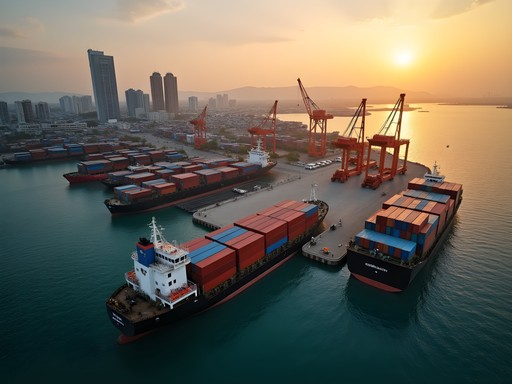
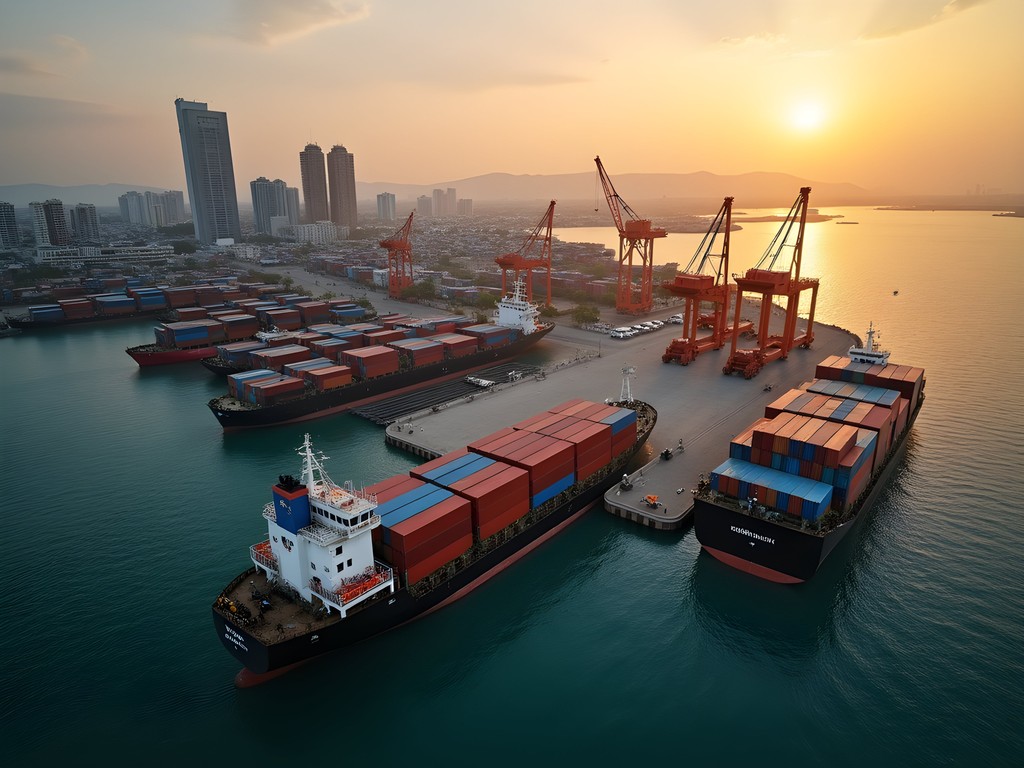
Djibouti's economic identity is inextricably linked to its strategic location along the Bab el-Mandeb Strait, where approximately 30% of global shipping passes annually. This tiny nation has transformed itself into a logistics powerhouse, with China, the United States, France, Japan, and Italy all maintaining military bases here—a testament to its geopolitical significance.
During my first visit coordinating a port efficiency project, I quickly learned that business here operates on two distinct but interconnected levels. The formal economy centers around the ports, telecommunications, and free trade zones, while a vibrant informal economy thrives in the markets and neighborhoods. Success requires navigating both worlds with equal dexterity.
The business culture blends French colonial influence with traditional Somali, Afar, and Yemeni practices. Meetings typically start 15-30 minutes later than scheduled (what locals call 'Djibouti time'), and relationship-building over meals is non-negotiable for serious business development. Come prepared with your digital business card device, as exchanging contact information is ritualistic and expected at every professional encounter.
💡 Pro Tips
- Schedule important meetings before 11:00 AM when possible, as the afternoon heat can impact productivity
- Learn basic French and Arabic greetings—this small gesture demonstrates cultural respect that opens doors
- Bring twice as many business cards as you think you'll need—network expansion happens rapidly here
Premium Workspaces & Connectivity Solutions
Despite its developing status, Djibouti offers surprisingly robust infrastructure for the discerning business traveler. The Djibouti Palace Kempinski remains the gold standard for business accommodations, with its dedicated business center, reliable high-speed internet, and meeting rooms equipped with videoconferencing capabilities. For extended stays, the Sheraton Djibouti provides comfortable suites with separate work areas.
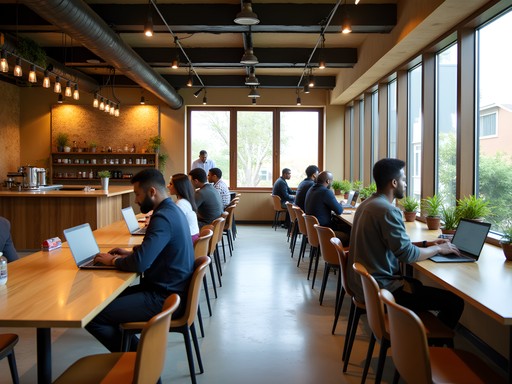
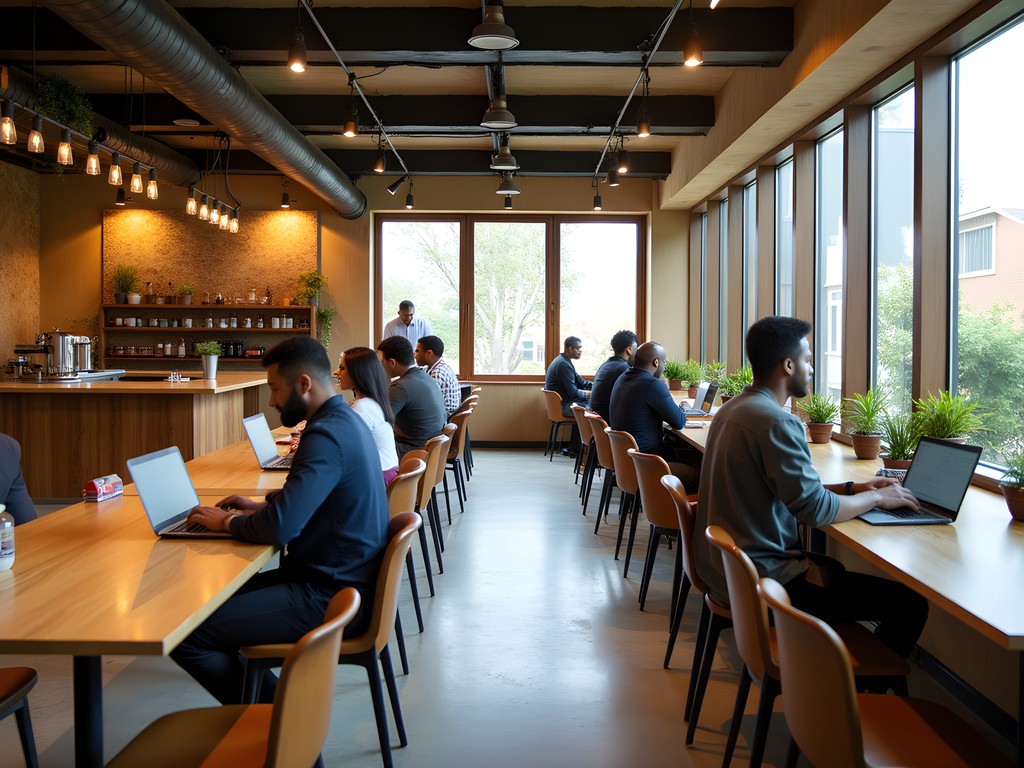
When I needed to finalize a presentation on sustainable port practices last fall, I discovered Nomad Workspace near Place Menelik—a hidden gem offering private offices, meeting rooms, and excellent espresso in a design-forward setting. Their day passes are reasonably priced at $25, and the staff speaks fluent English, French, and Arabic.
Connectivity can be spotty outside major hotels and dedicated workspaces. I never travel to Djibouti without my portable WiFi hotspot, which has saved countless video calls with stakeholders. For longer stays, purchasing a local SIM from Djibouti Telecom provides more economical data access—their 4G coverage in the capital is surprisingly comprehensive.
Power outages remain an occasional reality, so carrying a high-capacity power bank is non-negotiable for maintaining productivity during unexpected disruptions.
💡 Pro Tips
- Book meeting rooms at major hotels at least 48 hours in advance—demand often exceeds availability
- Request the business floor at the Kempinski for access to their executive lounge with complimentary printing services
- If working from your hotel room, position yourself near windows before 10 AM for the best natural light during video calls
Strategic Networking Opportunities
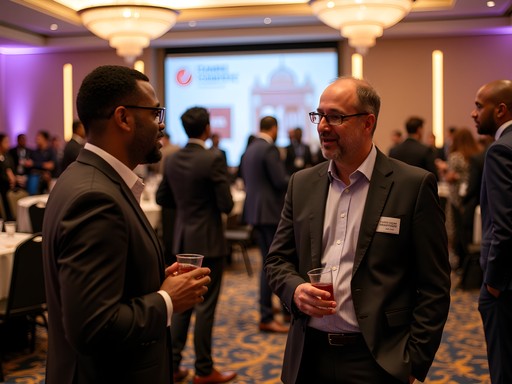
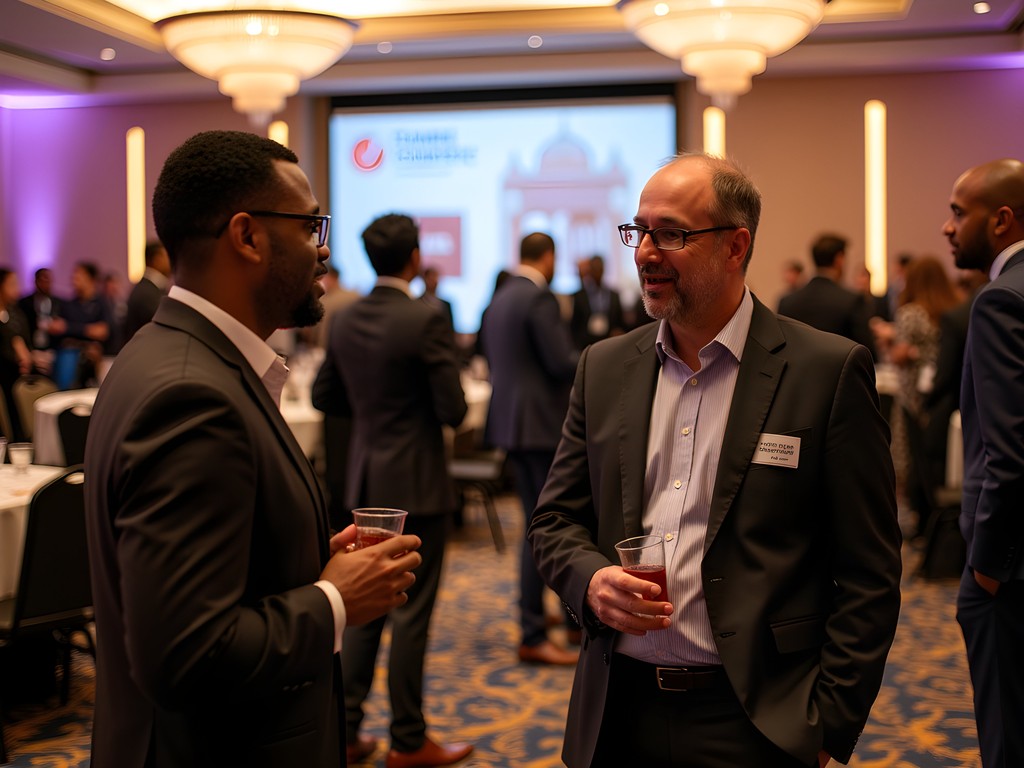
Effective networking in Djibouti requires understanding where decision-makers converge. The Chamber of Commerce hosts monthly mixers that attract government officials and local business leaders—these events provide invaluable access to stakeholders difficult to reach through formal channels. During my last visit coordinating an artisan export initiative, a casual conversation at one such event led to securing crucial customs clearance assistance.
The Djibouti Palace Kempinski's Lac Assal Bar serves as an unofficial business hub where expatriates, diplomats, and local entrepreneurs gather nightly. Arriving around 7:30 PM positions you to join natural conversation clusters before dinner reservations pull groups away. I've closed more deals over Tusker beers here than in formal meeting rooms.
For those seeking industry-specific connections, the quarterly Port Community System meetings at the Sheraton offer direct access to logistics and shipping executives. These technical sessions often transition to networking dinners where the real relationship-building occurs.
When meeting local business partners, consider bringing thoughtful gifts that reflect your home country. I've found that premium business card holders engraved with both companies' logos create a memorable impression that strengthens professional relationships.
💡 Pro Tips
- Allocate time for 'social meetings' in your schedule—relationship-building happens during meals and evening gatherings
- Connect with your country's embassy commercial attaché upon arrival for tailored introductions to relevant business leaders
- Join the Djibouti Business Forum on LinkedIn before your trip to identify key contacts and ongoing projects

Cultural Intelligence for Business Advantage
My most successful business engagements in Djibouti have consistently hinged on cultural fluency—understanding the nuanced social codes that govern professional interactions. Business here is fundamentally relational, with trust-building preceding transaction.
During meetings, expect extensive personal inquiries about family and well-being before addressing agenda items. This isn't superficial small talk but essential relationship calibration. I've found carrying a digital photo frame with family photos creates natural conversation bridges that humanize business relationships.
Djibouti's business culture reflects its position at the crossroads of African and Arab influences. Negotiations typically involve more stakeholders than Western executives might expect, with consensus-building valued over hierarchical decision-making. Patience becomes a strategic asset—I've seen deals collapse when foreign partners pushed too aggressively for closure.
Religious observances significantly impact business operations. During Ramadan, expect shortened working hours and rescheduled meetings around iftar (breaking fast). Demonstrating awareness by avoiding lunch meetings during this period signals cultural intelligence that Djiboutian partners deeply appreciate.
When dining with local colleagues, business discussions typically begin after the main course. The portable voice translator I carry helps navigate linguistic subtleties during these crucial conversations, particularly when technical terminology exceeds my conversational French or Arabic.

💡 Pro Tips
- Learn about khat—the mild stimulant leaf chewed socially—though as a foreigner, you aren't expected to participate, understanding its cultural significance is important
- Schedule important negotiations for morning hours, as afternoon meetings may be less focused due to the heat and post-lunch energy dip
- Study Djibouti's colonial history and current geopolitical significance before meetings—demonstrating this knowledge earns immediate respect
Strategic Downtime: Balancing Business with Cultural Immersion
Effective business travel to Djibouti requires strategic downtime that refreshes your perspective while deepening cultural understanding. After an intense week finalizing export agreements for artisanal textiles, I discovered that thoughtfully planned breaks yielded both personal rejuvenation and valuable business insights.
Lake Assal, the third-lowest point on Earth and Africa's most saline body of water, offers a surreal landscape just 90 minutes from the capital. I recommend hiring a driver through your hotel concierge and departing by 7 AM to avoid midday heat. The otherworldly salt formations provide perfect contemplation space for processing complex negotiations. Pack a cooling towel as temperatures regularly exceed 100°F (38°C).
For a shorter escape, Les Sables Blancs beach club provides executive-level amenities just 15 minutes from downtown. Their private cabanas offer reliable WiFi, making this an ideal location for informal meetings or catching up on correspondence while enjoying the Gulf of Tadjoura's breeze. The seafood platter here rivals anything I've found in Mediterranean destinations.
The Tropical Garden restaurant near the presidential palace serves exceptional Yemeni-influenced cuisine in a lush garden setting. Their slow-cooked maraq (spiced meat stew) paired with fresh-baked malawah bread creates the perfect atmosphere for relationship-building dinners away from hotel restaurants. Reserve the private dining area for sensitive business discussions—I've finalized multiple contracts in this discreet setting.

💡 Pro Tips
- Schedule at least one half-day excursion during your trip—these experiences provide valuable conversation material with local partners
- Visit the Central Market on Friday morning to observe the economic pulse of the informal sector—invaluable insight for market entry strategies
- Consider extending your trip by 48 hours for a weekend at Moucha Island—the diving is world-class and provides complete mental reset before returning home
Final Thoughts
Djibouti City represents a masterclass in business travel complexity—where geopolitical significance, cultural nuance, and logistical challenges converge to test even the most seasoned global executive. Yet those who approach this strategic hub with cultural intelligence and adaptability discover unparalleled opportunities for business development and professional growth.
My experiences coordinating market access initiatives here have consistently reinforced that success in Djibouti requires looking beyond conventional Western business frameworks. The most valuable negotiations often happen outside conference rooms—during shared meals, cultural excursions, and informal gatherings where authentic connections form.
As global attention increasingly turns to Africa's economic potential, Djibouti's position as a gateway to East African markets only enhances its significance for forward-thinking business travelers. Those who invest time understanding both the formal economic structures and the cultural contexts that shape business relationships will find themselves uniquely positioned for regional success.
I invite you to approach your Djibouti business travel with equal measures of strategic preparation and cultural curiosity. The connections you forge here—both professional and personal—may well become the foundation for your organization's broader African market strategy.
✨ Key Takeaways
- Success in Djibouti hinges on balancing formal business protocols with relationship-building cultural practices
- Strategic preparation for connectivity and workspace challenges ensures productivity despite infrastructure limitations
- Allocating time for cultural immersion yields business insights impossible to gather in formal settings
- Patience and cultural intelligence create competitive advantages when navigating Djibouti's business landscape
📋 Practical Information
Best Time to Visit
October to April (avoiding summer heat)
Budget Estimate
$300-500 per day for premium business accommodations and services
Recommended Duration
5-7 business days minimum
Difficulty Level
Challenging



Comments
MarcoT
Really helpful post, heading there in March!
sunnybuddy
How's the wifi situation actually? Thinking about stopping through for a few days between contracts and need reliable connectivity.
Douglas Bradley
I spent 10 days there last year for a conference. Hotel wifi was decent but inconsistent. The coworking spaces Francesca mentioned (especially Djibouti Tech Hub) had much more reliable connections. I'd recommend getting a local SIM from Djibouti Telecom as backup—surprisingly good 4G coverage in the city center. The business culture is interesting too—very relationship-focused, so those coffee meetings she talks about aren't optional if you're trying to get anything done.
sunnybuddy
Good to know about the SIM, thanks!
escapepro
Love the photos! Really captures the vibe.
Ahmed Palmer
Excellent analysis of the business landscape. What struck me most during my visits is how Djibouti's strategic position creates this unique business environment—you've got Chinese, American, French, and Japanese interests all converging. The port expansion projects mean there's genuine opportunity, but you need patience. Business moves at a different pace here. My advice: build relationships first, transactions second. Also, the heat is no joke—schedule important meetings for mornings when everyone's sharper. And yes, dress codes matter more than in many African business hubs.
islandwalker
Super helpful post!! The coworking space info is exactly what I needed. Been trying to figure out where to set up base for a month-long project there. The Sheraton Business Center sounds like the move. Anyone used it recently?
oceangal
What about safety for solo business travelers? Especially women?
Ahmed Palmer
Generally safe in business districts during day. Standard precautions apply—stick to known areas after dark, use hotel-arranged transport. The expat business community is quite tight-knit, so you'll find support networks quickly.
Fatima Sims
Francesca, this is spot-on! I spent three weeks there last year working with a logistics startup, and the cultural intelligence section is gold. One thing I'd add: coffee culture is HUGE in Djibouti. Some of my best networking happened in traditional coffee houses rather than formal business settings. The Yemeni influence means incredible coffee, and it's where deals actually get discussed after the formal meetings end. Also, learning just a few phrases in French and Arabic goes such a long way.
escapepro
This is such good advice!! I never would have thought about the coffee house networking angle. Do you have any specific recommendations?
Fatima Sims
The places around Place Mahmoud Harbi are authentic and frequented by local business people. Just be respectful of the pace—it's not a grab-and-go culture!
starguy
Just got back from Djibouti City! The networking section was spot on - ended up at Café de la Gare and met some amazing contacts from the shipping industry. The coffee was fantastic too!
wildchamp
Great timing, heading there in March!
nomadfan
How's the internet actually? Been burned before in similar places when trying to do video calls.
Ahmed Palmer
In my experience, the hotel wifi at Kempinski was solid for calls, but I always carry a local SIM as backup. Djibouti Telecom has decent 4G coverage in the city center. Just avoid relying on public wifi for anything sensitive.
nomadfan
Perfect, thanks! Getting a local SIM for sure.
Venture X
Premium card with 2X miles, $300 travel credit, Priority Pass