




Disclosure: This article contains affiliate links. We may earn a commission from purchases at no extra cost to you, which helps our travel content.
Look, I'll be honest - when I first transitioned from running restaurant kitchens to creating travel content, corporate travel guides weren't exactly on my radar. But after helping several mates navigate their first business trips to emerging markets, I realized something: the same principles that help families connect authentically across cultures apply beautifully to business travel. Whether you're heading to Kitwe's copper mining hub or Pune's tech corridors, success comes down to preparation, cultural respect, and staying grounded in what matters. Let me share what I've learned about making these destinations work for you.

Understanding Your Destinations: Kitwe and Pune
Kitwe sits in Zambia's Copperbelt Province, a region that's been the economic heartbeat of the country since the 1920s. It's not your typical safari destination - this is a working city where mining, manufacturing, and increasingly, tech ventures are reshaping the landscape. The pace is deliberate, relationships matter deeply, and business happens over long conversations, not rushed handshakes.
Pune, meanwhile, is India's seventh-largest city and often called the 'Oxford of the East' for its educational institutions. It's also a massive IT and manufacturing hub, sitting just a few hours from Mumbai but with far less chaos. The business culture here blends traditional Indian values with modern corporate efficiency - expect formality mixed with genuine warmth. Both cities require patience, cultural awareness, and a willingness to step outside your comfort zone. Think of it like learning a new cuisine: you can't rush the process, and respecting the ingredients makes all the difference.

💡 Pro Tips
- Research your business contacts' backgrounds - knowing their region or educational background shows respect
- Allow extra time for everything - traffic, meetings, and relationship-building all take longer than Western schedules suggest
- Learn a few phrases in Bemba (Kitwe) or Marathi (Pune) - even basic greetings open doors
Practical Preparation: What You Actually Need
For Zambia, you'll need a visa which you can get on arrival at Lusaka or apply for in advance - I always recommend advance to avoid delays. Yellow fever vaccination is required if you're coming from an endemic country. For India, the e-visa system works brilliantly for most business travelers, but start the application at least a week before departure.
Packing smart matters. Both destinations have distinct seasons, but business attire expectations remain fairly constant. In Kitwe, smart casual works for most meetings unless you're dealing with government officials - then go formal. Pune's IT sector is surprisingly relaxed, but manufacturing and traditional businesses expect suits. I always pack a portable steamer because wrinkled shirts after long flights don't exactly scream 'serious business partner.' Trust me, hotel irons are unreliable at best.
Health prep is non-negotiable. For Kitwe, antimalarials are essential - I use prophylaxis religiously. Pune's main concerns are different: it's about food and water safety. Pack a quality water purifier for backup, though bottled water is widely available. I learned this the hard way during my early travels - spending two days in a hotel bathroom isn't how you want to spend your business trip.

💡 Pro Tips
- Download offline maps before arrival - Google Maps works but data can be spotty
- Carry business cards with your title clearly stated - hierarchy matters in both cultures
- Pack a universal adapter and surge protector - power fluctuations are common in both cities
Navigating Business Culture and Etiquette
Here's where my background in hospitality and cultural immersion really comes into play. In Kitwe, business relationships are deeply personal. You don't just show up, pitch your proposal, and leave. You're expected to invest time in getting to know your counterparts. Accept invitations to meals - sharing food is how trust gets built. If you're invited to someone's home, that's a significant honor. Bring a thoughtful gift, perhaps something from your home country, but avoid anything overly expensive which might cause discomfort.
Pune's business culture operates on similar relationship-building principles but with more formal structures. Hierarchy is important - address senior people with appropriate titles and show deference. Meetings often start with chai and conversation before business begins. Don't rush this phase; it's not wasted time, it's the foundation. Indians are generally indirect in communication, especially when delivering bad news or disagreement. Learn to read between the lines and never cause someone to lose face publicly.
Both cultures value patience over urgency. That timeline you've planned? Add buffer time. Lots of it. In Kitwe, 'African time' is real - not because people don't value punctuality, but because relationships and immediate needs often take precedence over schedules. In Pune, traffic alone can derail your carefully planned day. I keep a portable hotspot so I can work productively during unexpected delays rather than stressing about lost time.

💡 Pro Tips
- In Zambia, greeting everyone individually in a room is essential - skipping people is deeply disrespectful
- In India, avoid using your left hand for eating or passing items - it's considered unclean
- Take notes during meetings - it shows respect and helps you remember nuances that matter later

Accommodation and Getting Around
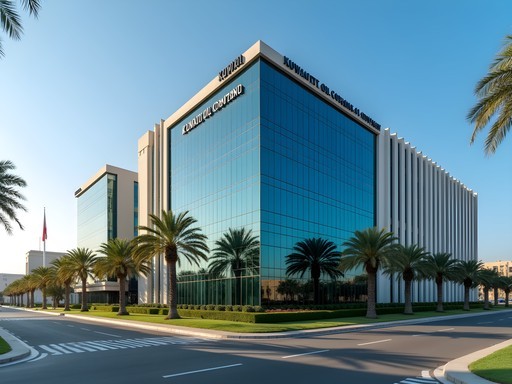
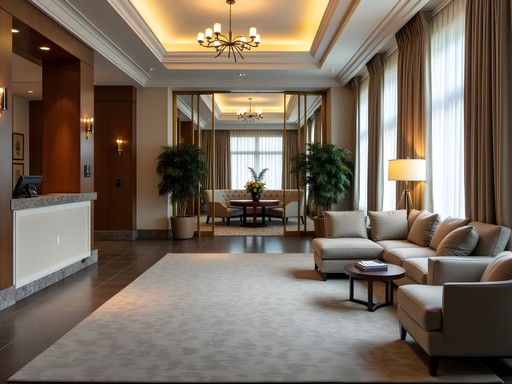
In Kitwe, your accommodation options center around a few key areas. The Mukuba Hotel and Protea Hotel are reliable mid-range choices popular with business travelers - they understand your needs for reliable wifi, decent food, and quiet work spaces. Book directly when possible as online travel agencies sometimes struggle with confirmation in emerging markets. The city isn't huge, but you'll want arranged transportation. Hotel car services or reputable taxi companies recommended by your contacts are your best bet. Ride-sharing apps exist but aren't as reliable as in Western markets.
Pune offers more variety. Areas like Koregaon Park and Kalyani Nagar put you near many business hubs with excellent hotels at various price points. The Marriott, Hyatt, and local chains like Lemon Tree offer consistent quality. Getting around Pune requires strategy - the metro is expanding but limited. Ola and Uber work well here, though traffic during peak hours is genuinely nightmarish. I schedule important meetings for mid-morning or early afternoon when possible.
For both cities, having a local SIM card changes everything. In Kitwe, Airtel and MTN offer good coverage. In Pune, Airtel or Jio work brilliantly. Your hotel can usually help arrange this, or you can get one at the airport. Don't rely solely on international roaming - it's expensive and unreliable. I also pack a portable door lock for added security in hotels, especially in Kitwe where accommodation security standards vary.

💡 Pro Tips
- In Kitwe, carry small denomination kwacha for tips and small purchases - change is often scarce
- In Pune, download the Zomato app for food delivery to your hotel when you need a quiet night in
- Keep your hotel's business card in your wallet - taxi drivers may not know every location by address
Food, Health, and Staying Balanced
As a chef, I can't not talk about food - and honestly, it's one of the best parts of business travel in both destinations. In Kitwe, you'll find influences from across southern Africa. Nshima (maize porridge) with various relishes is the staple. Hotel restaurants serve decent international fare, but venture out when you can. The Copper Grand Restaurant offers solid local and continental options. Just be cautious with street food unless recommended by trusted local contacts - your stomach needs to function for those meetings.
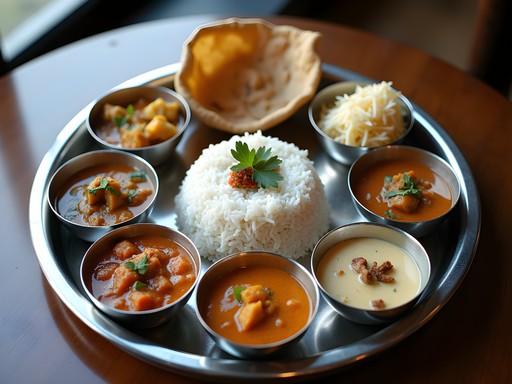
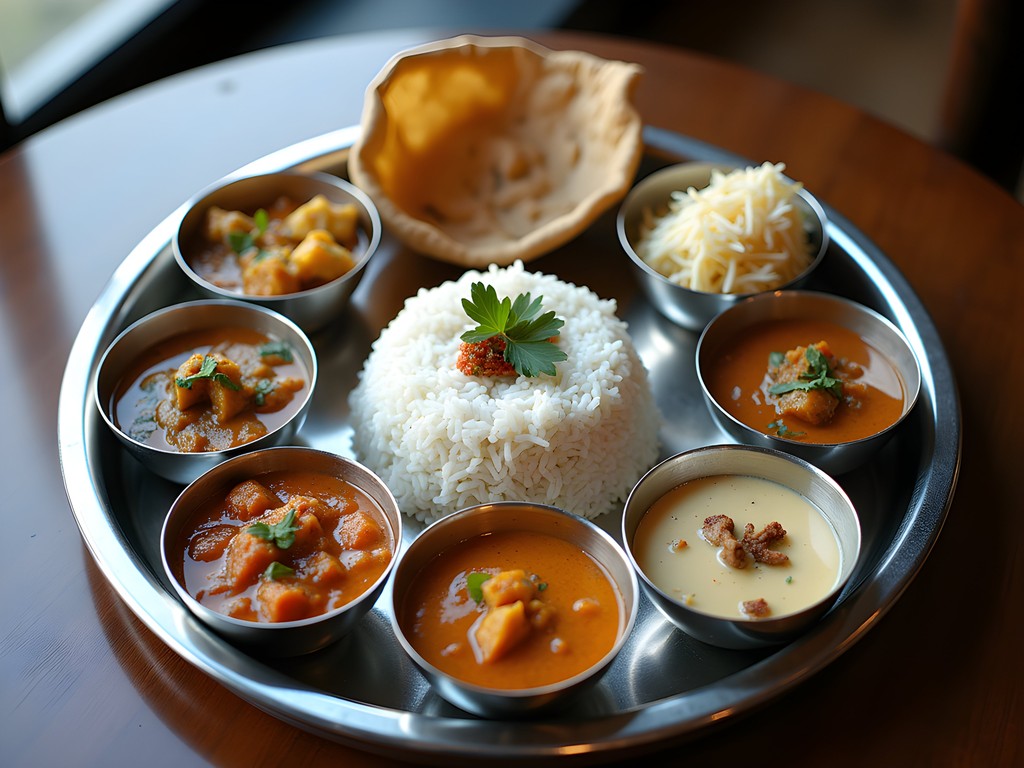
Pune is a vegetarian's paradise, though meat options exist. The food is incredible - from traditional Maharashtrian thalis to modern fusion cuisine. Business dinners often happen at upscale restaurants in Koregaon Park. Try the local specialties like misal pav or dabeli, but maybe wait until after your important meetings to experiment with spice levels. I always carry a probiotic supplement when traveling to help my system adjust to new foods and water.
Staying healthy and balanced matters enormously. Both cities can be intense - the heat, the pace, the cultural adjustment. I make time for morning walks or hotel gym sessions, even if brief. It's not just physical health; it's mental clarity. In Kitwe, the Mindolo Dam area offers peaceful morning walks. In Pune, many hotels have excellent fitness facilities. Stay hydrated obsessively - I drink twice what I think I need. And be honest with yourself about jet lag and adjustment time. Scheduling high-stakes meetings immediately after arrival is asking for trouble.
💡 Pro Tips
- Always eat at busy restaurants - high turnover means fresher food and better food safety
- In both cities, breakfast meetings are less common than lunch or dinner - adjust your expectations
- Pack electrolyte packets for rehydration - they're lifesavers in hot climates with intense schedules
Final Thoughts
Navigating business travel in emerging markets like Kitwe and Pune isn't fundamentally different from what I learned building relationships in kitchens across cultures - it requires respect, patience, genuine curiosity, and willingness to adapt. These aren't destinations where you can impose your timeline and expectations; they're places where success comes from meeting people where they are, literally and figuratively.
The business opportunities in both cities are substantial and growing. Zambia's economic diversification beyond copper and India's continued tech expansion create real possibilities for those willing to invest the time to understand how things actually work on the ground. But that investment - in relationships, in cultural understanding, in patience - isn't optional. It's the price of admission.
Approach these trips with the same mindset I bring to learning a new cuisine: respect for tradition, openness to new methods, and understanding that the best results come from taking your time and honoring the process. Your business outcomes will reflect the authenticity of your engagement. Kia kaha - stay strong, stay curious, and trust the journey.
✨ Key Takeaways
- Relationship-building takes precedence over rushed transactions - invest time in genuine connections
- Cultural preparation and respect aren't nice-to-haves, they're essential for business success
- Build buffer time into every plan - flexibility and patience are your most valuable business tools
📋 Practical Information
Best Time to Visit
Kitwe: May-August (dry season); Pune: October-February (cooler, post-monsoon)
Budget Estimate
$150-250 per day including mid-range accommodation, meals, and local transport
Recommended Duration
Minimum 5-7 days per city to allow for relationship building and adjustment
Difficulty Level
Intermediate




Comments
Hunter Thompson
Brilliant guide Tyler! The kitchen background really shows in how you break things down step by step. I did some backpacking through Zambia a couple years back and Kitwe definitely doesn't get enough attention. The copper mining history is fascinating if you get any downtime. One thing I'd add - the power situation can be dodgy, so definitely bring a decent power bank for keeping your devices charged during meetings. Also the local markets in Kitwe are brilliant for grabbing fresh food if you get tired of hotel meals!
coolway
Good shout on the power bank, didn't think of that
springclimber
This is exactly what I needed!! Company is sending me to Zambia next quarter and I've been stressing about it. Really appreciate the practical approach instead of just generic corporate travel advice.
globeone
Spot on about the relationship building thing! Did 3 months in Bangalore for work and the business culture is SO different from what we're used to. Taking time for tea and actually getting to know people before jumping into business made all the difference. Also yeah, patience with the admin stuff - everything takes longer than you think it will. Worth mentioning that having a local SIM sorted on day one is absolutely crucial, saved me so many headaches.
springclimber
Which carrier did you use for the SIM?
globeone
Airtel worked well for me, pretty reliable coverage
beachmaster
Heading to Pune for work in March - any specific tips on business dress code? Is it full suit weather or more casual?
Hunter Thompson
Not Tyler but I was in Pune last year - smart casual works for most meetings. Shirt and trousers, maybe lose the jacket unless it's a really formal meeting. It gets proper warm!
beachmaster
Cheers mate, that's helpful!
coolway
Kitchen to travel content is such a cool transition!
Venture X
Premium card with 2X miles, $300 travel credit, Priority Pass