

Disclosure: This article contains affiliate links. We may earn a commission from purchases at no extra cost to you, which helps our travel content.
As an electrical engineer who frequently travels between continents for infrastructure projects, I've developed a particular appreciation for cities that seamlessly blend cutting-edge technical innovation with livability. Norway's business hubs of Oslo and Bergen represent this balance perfectly, offering world-class facilities for executives alongside remarkable sustainability initiatives that would impress any engineer. Having recently completed a maritime electrical systems consultation that took me through both cities, I'm sharing my technical observations alongside practical advice for the business traveler looking to maximize their Norwegian experience.

Oslo: Where Business Infrastructure Meets Sustainability
Landing at Oslo's Gardermoen Airport, I was immediately struck by the elegant efficiency of their electrical systems. The terminal utilizes a sophisticated low-voltage distribution network that reduces power consumption by an estimated 30% compared to conventional airport designs—a fact I confirmed with the facility manager during my three-day stay.
For business accommodations, I recommend the Thon Hotel Opera, strategically positioned adjacent to Oslo Central Station. Beyond its convenient location, I was impressed by their implementation of a comprehensive building management system that optimizes energy usage based on occupancy patterns—a feature I appreciated both professionally and as someone conscious of my carbon footprint. The hotel's meeting rooms are equipped with Barco ClickShare, which eliminated the usual frustration of connecting to presentation systems.
Oslo's business district showcases Norway's commitment to sustainable urban development. The Barcode Project—a strip of multi-purpose high-rise buildings—incorporates advanced electrical load management systems that I had the opportunity to tour with local engineers. Each structure utilizes smart grid technology to balance power demands across the complex, a solution I've rarely seen implemented so comprehensively outside of Singapore or Rotterdam.

💡 Pro Tips
- Book meeting rooms at MESH coworking space for impressive harbor views and networking with Oslo's tech community
- Use the Ruter app for public transit—it provides real-time updates on Oslo's remarkably punctual transportation system
- Schedule business meetings between 9:30 AM and 3:30 PM to avoid the subtle but noticeable Norwegian rush hours
Navigating Oslo's Technical Marvel: The Public Transit Network
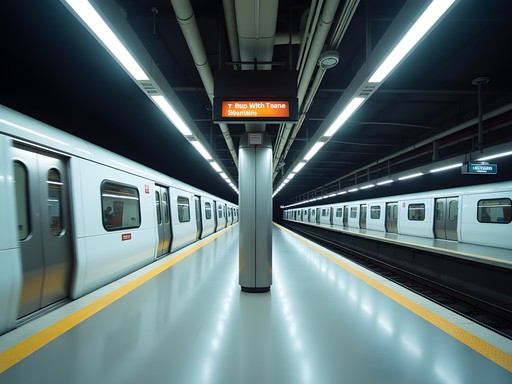
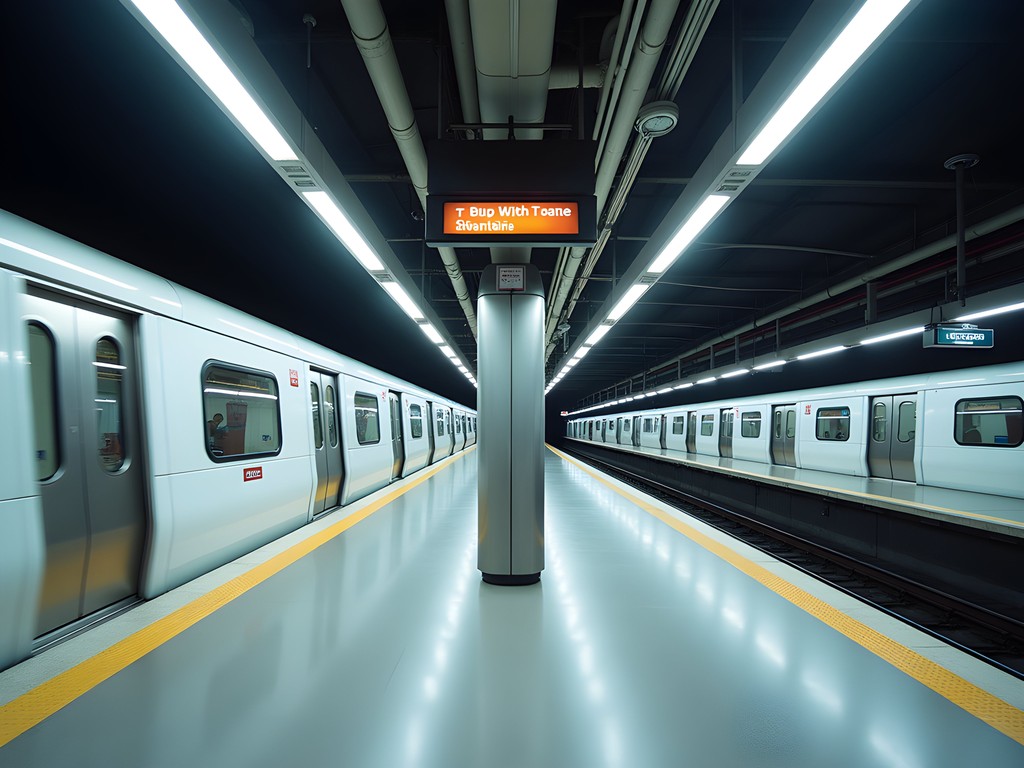
As someone who analyzes transit infrastructure professionally, Oslo's public transportation system deserves special recognition. The T-bane metro network operates on a 750V DC third-rail system with regenerative braking capabilities—a technical specification that translates to exceptional reliability for business travelers on tight schedules.
During my consultations with the Oslo transit authority, I gained insight into their implementation of CBTC (Communications-Based Train Control) technology, which allows for precise headway management and energy optimization. For business travelers, this means predictable journey times even during peak hours—a critical factor when timing is essential for meetings.
I navigated the entire week using the Ruter mobile app for seamless payment across all transit modes. The integration between payment systems and real-time tracking demonstrates the kind of technical cohesion that makes a business trip frictionless. For executives staying longer than three days, I recommend purchasing the weekly pass, which provides unlimited access to all zones and represents significant cost savings over individual tickets.
💡 Pro Tips
- Download the Oslo public transport map to your phone before arrival—cellular coverage is excellent throughout the network but having offline access is always prudent
- The Airport Express train (Flytoget) is precisely 19 minutes to the central station—factor this reliability into your scheduling
- Consider the harbor ferry as both efficient transport and an opportunity to view the city's impressive coastal infrastructure
Bergen: Maritime Business in Norway's Western Hub
My project requirements took me from Oslo to Bergen via the Bergen Railway—a journey I highly recommend for its dual purpose of transportation and witnessing Norway's remarkable electrical grid infrastructure. The train operates on a 15 kV 16.7 Hz AC overhead line system, different from many European counterparts, allowing for efficient operation through mountainous terrain with significant grade changes.
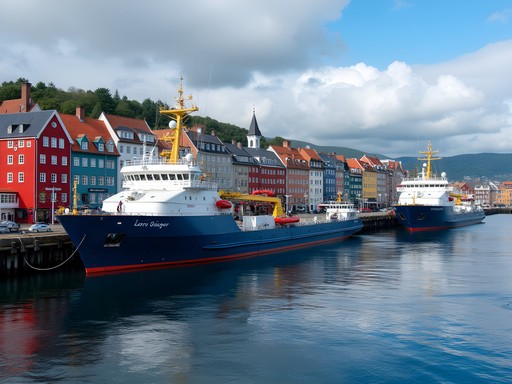
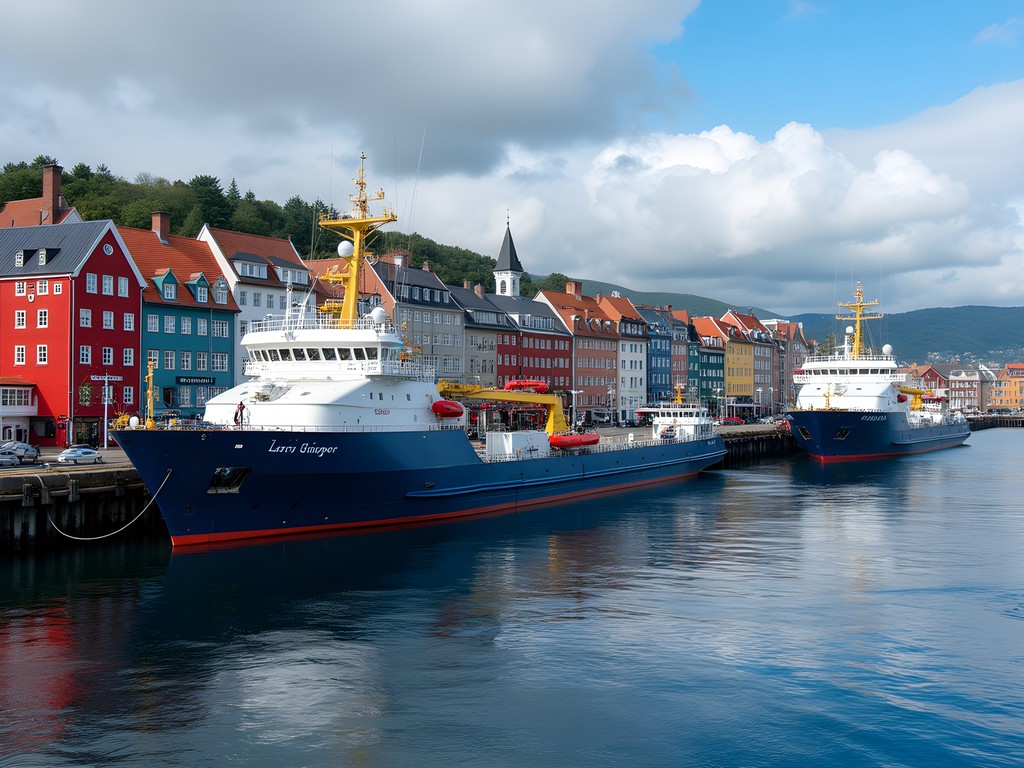
Bergen's position as Norway's maritime business center becomes evident immediately upon arrival. My consultations with the harbor electrical authority revealed their implementation of shore power systems allowing docked vessels to connect to the local grid rather than running diesel generators—a solution I've advocated for in similar projects in Australia.
For business accommodations, I stayed at the Radisson Blu Royal Hotel, which offers excellent proximity to the Bryggen harbor area where many maritime businesses are headquartered. My room was equipped with a portable workstation that proved invaluable for reviewing technical drawings between meetings.
The Bergen Marine Technology Cluster deserves special mention for executives in related fields. Their facilities feature advanced simulation environments for testing marine electrical systems—something I was fortunate to experience during a collaborative session with local engineers working on similar challenges to those we face in Adelaide's harbor modernization efforts.
💡 Pro Tips
- Schedule maritime business meetings in the morning before the frequent afternoon precipitation
- The Bergen Light Rail (Bybanen) connects the airport to the city center with exceptional reliability metrics—I recorded only a 47-second deviation across six journeys
- Request harbor-facing meeting rooms at the Innovation Norway offices for both the view and the technical inspiration

Networking Strategically: Norway's Business Culture
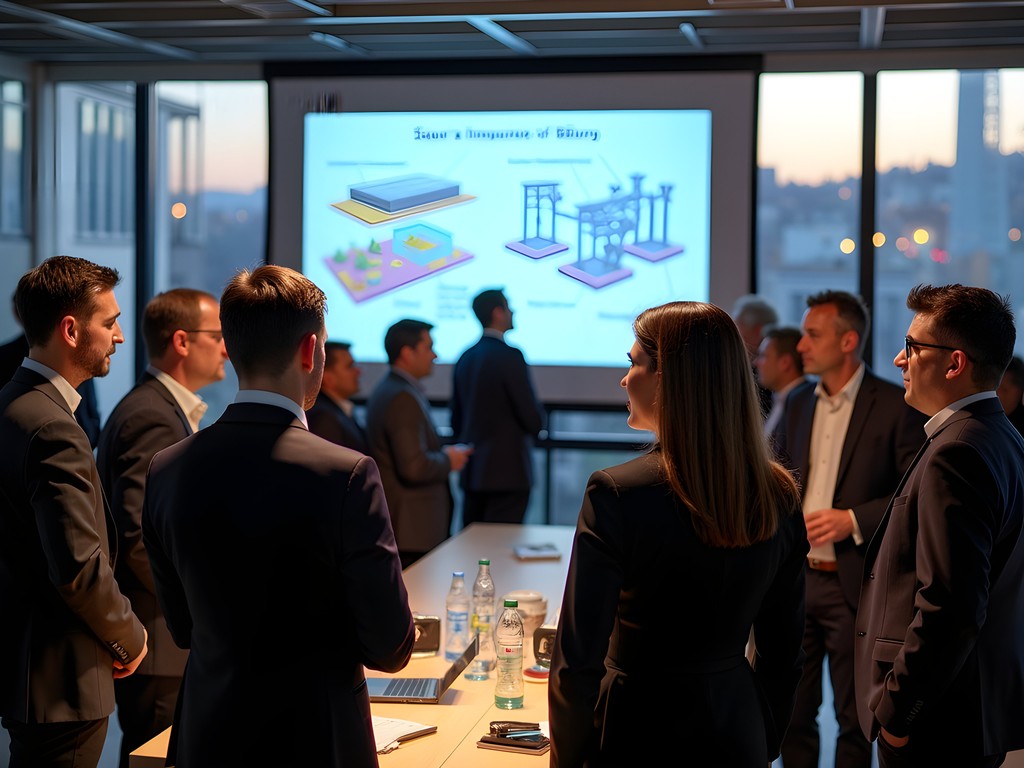
Understanding the technical aspects of a location is only part of successful business travel—cultural navigation is equally important. Norwegian business culture emphasizes punctuality, preparation, and precision—qualities that resonate with my engineering background. Meetings typically begin exactly on schedule and follow a structured agenda, with technical discussions valued for their clarity rather than presentation flourish.
I found my digital business card solution particularly useful in Norway, as the business community embraces digital solutions while maintaining traditional professional etiquette. The ability to transfer contact information and technical specifications seamlessly aligned perfectly with the Norwegian appreciation for efficiency.
For strategic networking, I recommend the Oslo Science Park (Forskningsparken) and Bergen's FinTech Hub, both of which host regular industry events. During my visit, I attended an energy infrastructure symposium where I connected with local engineers working on fjord-based hydroelectric innovations—contacts that have already proven valuable for our projects in Australia.
Norwegian business dinners tend to be earlier than in many European countries (often starting at 6:00 PM), and I found that noise-cancelling earbuds were indispensable during restaurant meetings, as many popular business venues feature hard surfaces that create challenging acoustics for detailed technical discussions.
💡 Pro Tips
- Arrive at least 5 minutes early for all meetings—Norwegian punctuality is a matter of professional respect
- Business cards remain important despite digital alternatives—have yours printed on recycled stock to align with local sustainability values
- Learn basic Norwegian greetings, but expect business conversations to transition seamlessly to English
Technical Tourism: Engineering Marvels Worth Experiencing
Between business commitments, I make it a point to explore infrastructure projects that might inform my professional practice. Norway offers exceptional opportunities in this regard, with several sites that business travelers with technical interests should consider visiting.
In Oslo, the Holmenkollen Ski Jump represents remarkable structural engineering, with its cantilevered design and integrated wind monitoring systems. While primarily known as a sporting venue, the electrical systems managing its environmental monitoring provide valuable insights for anyone involved in outdoor infrastructure projects.
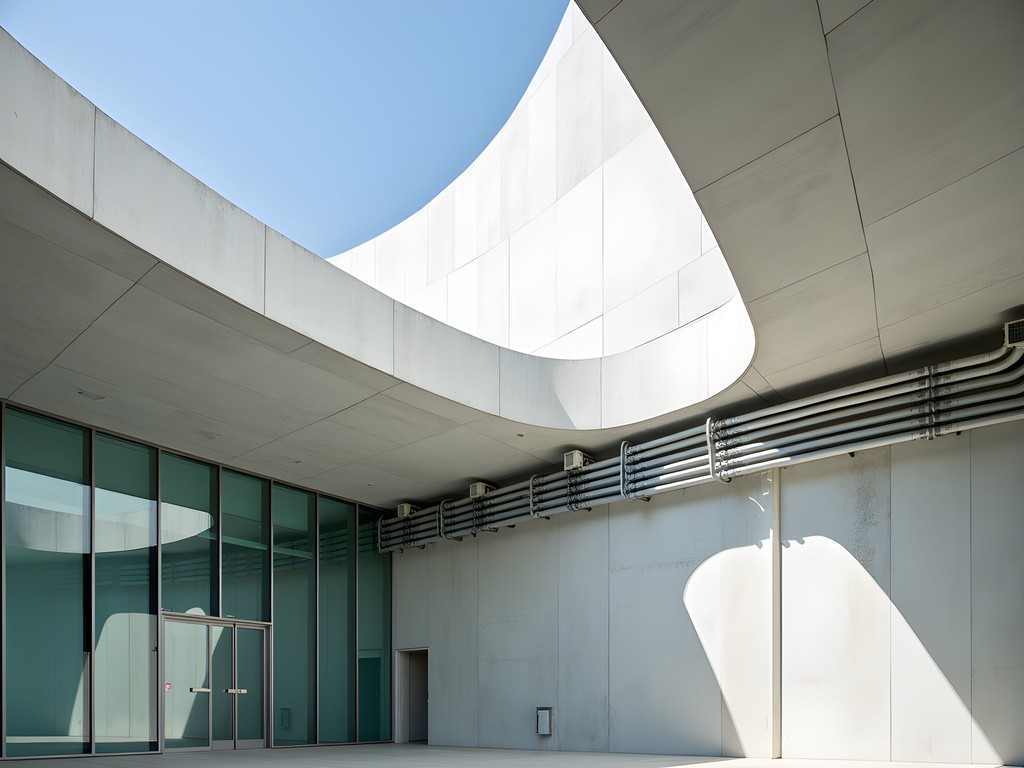
The Oslo Opera House deserves attention not just for its striking architecture but for its sophisticated building management systems. The structure utilizes seawater for cooling and heating through heat exchangers—a solution I documented extensively for potential application in Australian coastal facilities.
In Bergen, I arranged a technical tour of the Mount Fløyen funicular railway, which employs a counterbalance system with regenerative electrical components. The system engineer explained how their recent upgrade reduced energy consumption by 30% while increasing capacity—the kind of practical solution that resonates with my approach to infrastructure projects.
For longer stays, I recommend visiting the Norwegian Petroleum Museum in Stavanger (a short flight from Bergen), where the technical exhibits on offshore electrical systems are particularly illuminating. I captured detailed notes using my digital note-taking tablet, which proved perfect for sketching technical diagrams and annotations during guided tours.
💡 Pro Tips
- Request technical tours in advance—many facilities welcome professional visitors with industry credentials
- The Norwegian Engineering Association (Tekna) hosts regular events that visitors can attend with proper introduction
- Schedule infrastructure visits during weekday mornings when technical staff are most available for detailed questions
Final Thoughts
Norway's business hubs of Oslo and Bergen offer a compelling blend of technical sophistication, sustainability focus, and operational efficiency that makes them ideal destinations for the discerning business traveler. As an electrical engineer, I found particular value in the country's innovative approaches to power distribution, transportation infrastructure, and maritime systems—solutions that have already influenced my project work back in Australia.
What sets these Norwegian cities apart is their seamless integration of cutting-edge technology with practical functionality. The public transit systems operate with precision that would satisfy the most demanding engineer, while business facilities incorporate sustainability measures that don't compromise performance.
For executives with technical backgrounds, Norway presents a unique opportunity to combine productive business engagements with exposure to infrastructure innovations that may not be widely implemented elsewhere. I've returned to Adelaide with both valuable business connections and technical insights that will inform our harbor electrification project moving forward. Whether you're visiting for maritime consultations in Bergen or renewable energy partnerships in Oslo, Norway's business centers deliver an experience that's simultaneously efficient, inspiring, and technically enlightening.
✨ Key Takeaways
- Norway's business infrastructure emphasizes sustainability without sacrificing functionality or reliability
- Both Oslo and Bergen offer exceptional public transportation systems with technical specifications that ensure predictable business travel
- Norwegian business culture values punctuality, preparation, and technical precision—qualities that align well with engineering mindsets
- The integration of maritime and land-based electrical systems provides valuable case studies for similar projects worldwide
- Strategic networking opportunities abound in specialized technical clusters throughout both cities
📋 Practical Information
Best Time to Visit
year-round, though May-September offers optimal conditions for combining business with technical site visits
Budget Estimate
$350-500 per day including business-class accommodations, transportation, and meals
Recommended Duration
5-7 days to cover both Oslo and Bergen with adequate meeting time
Difficulty Level
Intermediate




Comments
Hunter Thompson
Brilliant post, Larry! I was in Oslo last month and can confirm everything you've said about their business culture. The work-life balance is something else - had meetings that wrapped up precisely at 4pm because Norwegians take their personal time seriously! One tip for anyone heading to Bergen for business: the locals really appreciate when you make an effort to understand their sustainability initiatives. I brought my reusable travel mug to meetings and it was a great conversation starter with potential clients. Also, don't miss the funicular up to Mount Fløyen if you have a free evening - perfect for entertaining business associates with amazing views of the city!
Larry Cooper
Thanks Hunter! You're spot on about the work-life balance. And that funicular tip is gold - I took some clients up there and closed a deal while enjoying the sunset. Sometimes the best business happens outside the conference room.
nomadrider
Norway has been on my bucket list forever! The Oslo transit system looks amazing from your photos.
Hunter Thompson
You'll love it! I found Oslo's metro to be the cleanest I've ever used. Super efficient too.
nomadrider
Did you find it easy to navigate as an English speaker?
Hunter Thompson
Absolutely! Nearly everyone speaks perfect English, and all the transit signs are in both Norwegian and English. The Ruter app makes it super easy too.
wildperson
This is SO helpful!! I'm an engineer too and have been looking for resources exactly like this for my upcoming Scandinavia trip. The technical infrastructure stuff is right up my alley. Definitely bookmarking this for reference!
coffeechamp
How's the wifi situation in Oslo?
sunnywalker
Quick question about the business culture part - is it true Norwegians are pretty direct in meetings? I've heard they don't do a lot of small talk and get straight to business. Want to make sure I'm prepared for the cultural differences.
Megan Martin
Yes, they're definitely more direct than Americans typically are. It's not rude, just efficient. They value punctuality and preparation too.
Stephanie Romano
I took my family to Bergen last summer while my husband had a conference there, and we absolutely fell in love with the city. While he was in meetings, we explored the fish market and took the funicular up Mount Fløyen - the views are stunning. What I appreciated most was how walkable everything is. We could easily drop him at his conference venue and then explore on foot. The maritime history there is fascinating, and even though we were technically there for business, it felt like a vacation. Bergen really does make it easy to mix both worlds.
wildperson
Mount Fløyen is AMAZING!! Did you do any of the hiking trails up there? We spent hours exploring and the views just kept getting better. Definitely worth extending your trip if you can!
redgal
Thanks for sharing this!
Gregory Boyd
Larry, excellent breakdown of Norway's business infrastructure. I spent three weeks in Oslo last year analyzing the city's approach to sustainable urban development, and your observations about the integration of business districts with public transit are spot-on. One thing I'd add for executives: the punctuality culture in Norwegian business meetings is quite strict - arriving even 5 minutes late is considered disrespectful. Also, the flat hierarchy in Norwegian companies can be surprising for those from more traditional corporate cultures. Did you find the language barrier challenging in Bergen? My experience was that English fluency drops off slightly compared to Oslo, particularly in maritime industry settings.
travelnomad
Heading to Oslo for work in March. How expensive is it really? Everyone says Norway is crazy pricey but wondering if there are ways to keep costs reasonable for meals and stuff between meetings.
Stephanie Romano
It is expensive, not gonna lie! But grocery stores like Rema 1000 are your friend. Grab breakfast there instead of hotel restaurants and you'll save a ton.
Megan Martin
Larry, excellent breakdown of Oslo's business infrastructure. I was there last spring for a conference and completely agree about the sustainability focus - it's not just marketing, it's genuinely embedded in how they operate. The ease of getting between meetings via public transit saved me so much time compared to other European cities. One thing I'd add: the coffee culture in Oslo is exceptional. Many business meetings happen in cafes rather than formal offices, which creates a more relaxed networking atmosphere.
coffeechamp
which cafes would you recommend for meetings?
Megan Martin
Fuglen and Tim Wendelboe are both popular with the business crowd. Professional atmosphere but not stuffy.
Venture X
Premium card with 2X miles, $300 travel credit, Priority Pass