Disclosure: This article contains affiliate links. We may earn a commission from purchases at no extra cost to you, which helps our travel content.
The first time I visited Avignon, I made the classic tourist mistake. Armed with my Lonely Planet France and a checklist mentality, I spent an entire day at the imposing Palais des Papes, crossed the famous bridge, and promptly declared Avignon 'done.' It wasn't until years later, when a former student from my TESOL program invited me to stay with her family in a centuries-old apartment just off Place de l'Horloge, that I discovered the true Avignon. This medieval walled city—once home to popes and anti-popes during the 14th century Catholic schism—reveals its most authentic self through quiet alleyways, neighborhood cafés where pastis flows freely in the afternoon sun, and markets where vendors still speak the melodic Provençal dialect. Kono tabi wa chigau—this journey will be different—I promised myself. And indeed, beyond the UNESCO landmarks lies an Avignon that rewards the curious traveler willing to venture just a few streets beyond the well-trodden tourist path.

Morning Rituals: Markets and Medieval Lanes
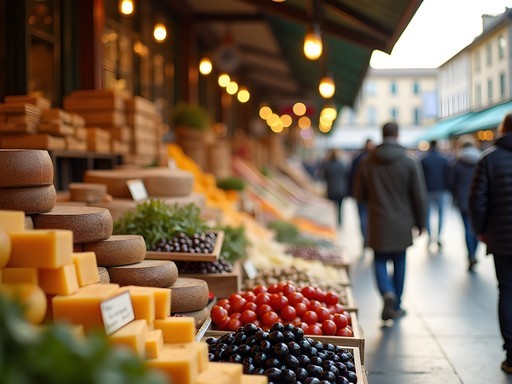
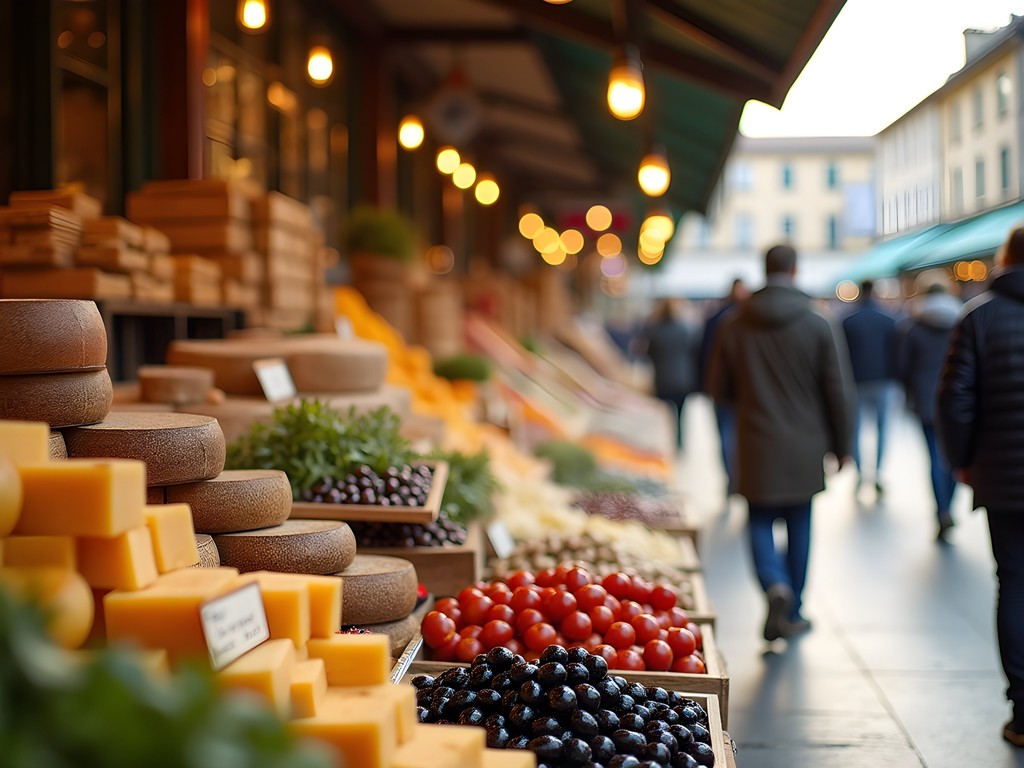
My perfect Avignon morning begins at Les Halles, the covered market on Place Pie that locals have frequented since 1800. Arriving by 8:30 AM means beating both tourists and locals to the best produce. The ritual here is gloriously simple: first, a strong espresso at the corner café, then a methodical exploration of the stalls where generations of the same families sell olive tapenades, lavender honey, and cheeses that vary with the seasons.
Don't miss Maison Violette for their legendary navettes (orange blossom cookies shaped like tiny boats) or the mushroom vendor who keeps his prize cèpes hidden under the counter for regular customers—mention you're a friend of Madame Bonnet, and you might just get a glimpse of these treasures.
After gathering picnic provisions, I like to wander the labyrinthine streets of the Banasterie quarter. This medieval neighborhood was once home to basket weavers (banastiers in Provençal), and its narrow lanes offer respite from the crowds. The 12th-century Église Saint-Didier stands quietly here, often completely empty even as tourists queue for the Papal Palace just streets away.
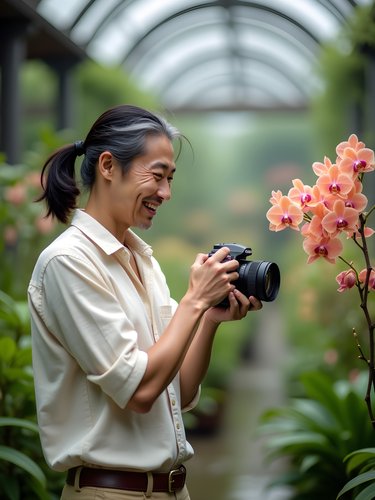
For photography enthusiasts, the light in these lanes between 9-11 AM creates magical contrasts between shadow and the honey-colored stone. I captured some of my favorite Avignon images using my travel tripod, which is compact enough to carry all day but sturdy enough for the low-light conditions in these medieval passages.
💡 Pro Tips
- Visit Les Halles market before 9 AM for the freshest selection and fewer tourists
- Look for the vertical garden on the market's exterior wall—a great photo opportunity
- Many shops close between 12:30-3:00 PM, so plan your shopping accordingly
Lunch Like a Local: Hidden Courtyards and Secret Gardens
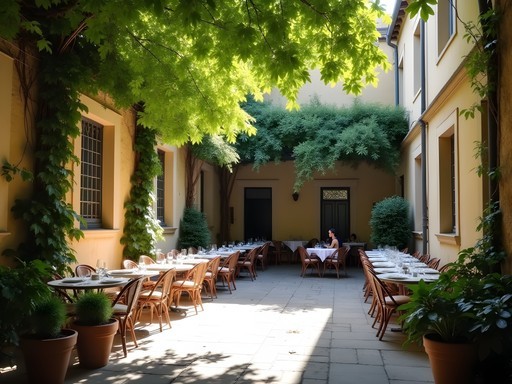
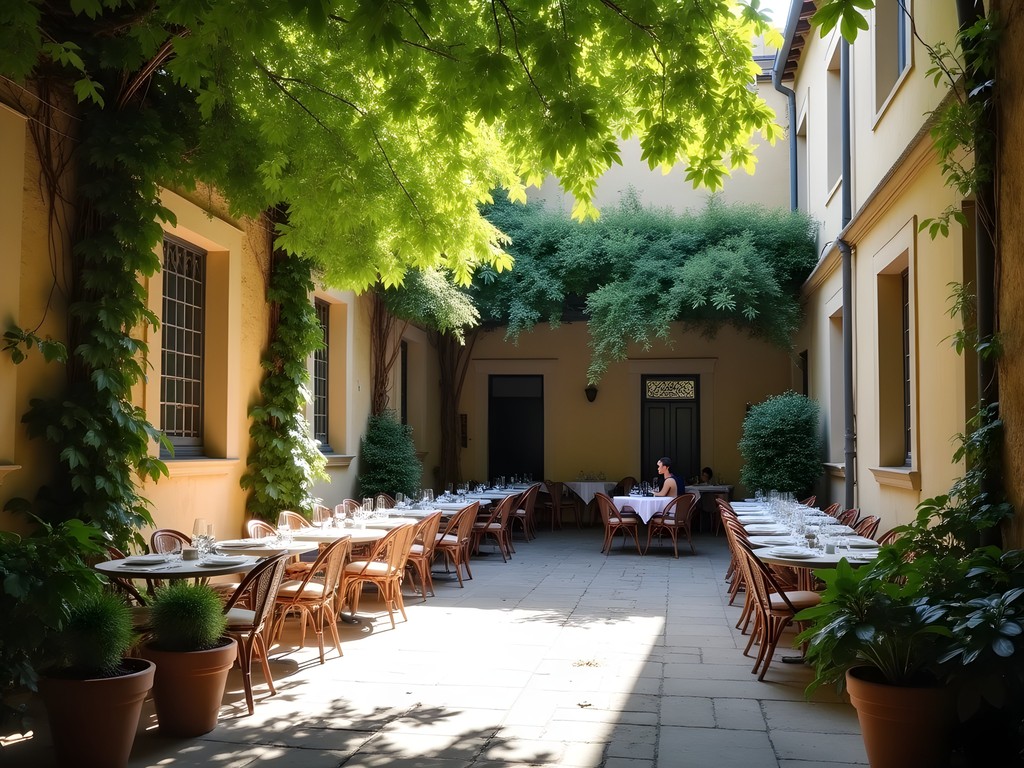
By midday, Avignon pulses with heat, and locals know to retreat to shaded sanctuaries. One of my favorite discoveries came through pure serendipity—or perhaps it was the intuition my father always claimed came from our Japanese ancestors. Following an unassuming passage off Rue de la République, I stumbled upon Cour du Musée Calvet, a tranquil courtyard where locals spread out picnic lunches under plane trees.
For those without picnic provisions, La Fourchette on Rue Racine offers a dining experience that hasn't changed much since the 1940s. Family-owned and fiercely traditional, their daube avignonnaise (beef stew with olives) paired with a glass of Châteauneuf-du-Pape transforms a simple lunch into a profound cultural experience. Reservations are essential—this isn't a place tourists stumble upon accidentally.
For something truly special, seek out Le Jardin du Palais, hidden behind an unmarked wooden door on Rue Peyrollerie. This private garden café opens only during spring and summer months, serving simple tartines and salads amid medieval ruins and climbing roses. The owner, Madame Rousset, is a former historian who can recount tales of papal intrigue while pouring locally-made rosé.
After lunch, when most tourists retreat to air-conditioned museums, I recommend doing exactly what locals do—embrace the sieste. Return to your accommodation or find a quiet bench in the secluded Jardin des Doms, spread out a light travel blanket, and allow yourself the luxury of a short nap as church bells mark the passing hours.
💡 Pro Tips
- Many restaurants offer significantly cheaper prix-fixe menus at lunch than dinner
- Ask for 'un pot' of house wine rather than ordering by the bottle for a more economical and authentic experience
- Avoid restaurants directly on Place de l'Horloge—walk at least two streets away for better quality and value
Afternoon Adventures: Beyond the Walls
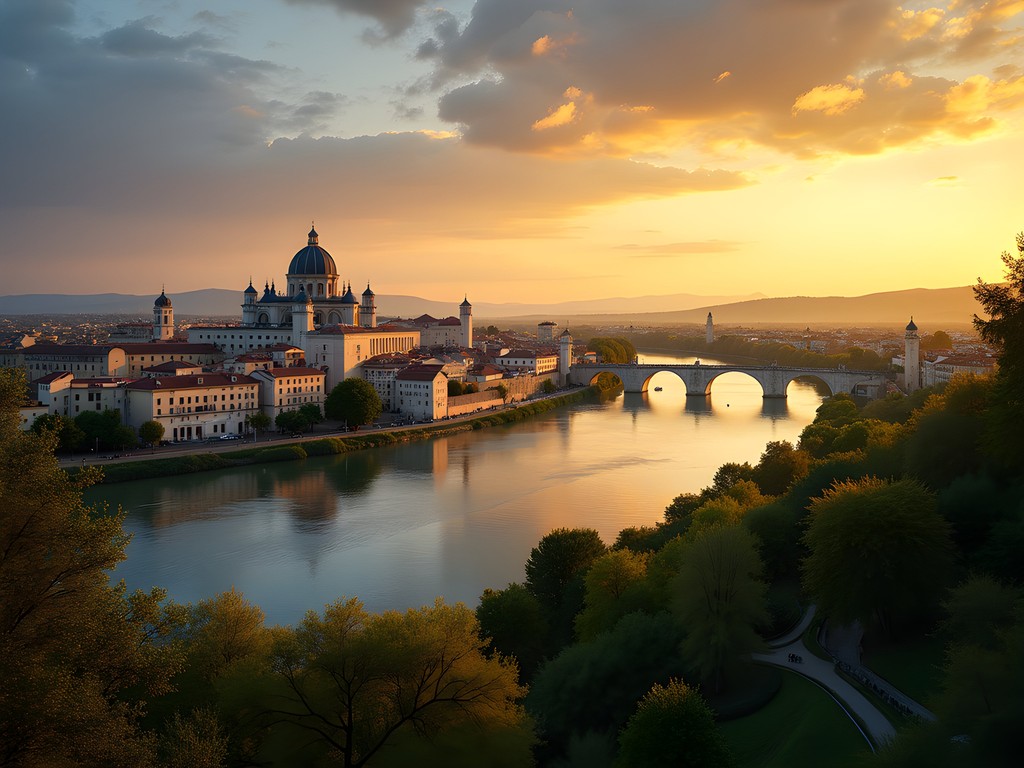
While most visitors confine themselves within Avignon's impressive medieval walls, the city's relationship with its surroundings offers fascinating perspectives for the curious traveler. After your siesta, cross the Rhône via the Édouard Daladier bridge (not the famous partial pont) to Villeneuve-lès-Avignon, Avignon's historical rival city.
This lesser-visited town was once home to cardinals who wanted proximity to the Pope while maintaining independence. The Fort Saint-André offers the most spectacular views of Avignon from across the river—I've spent hours here with my pocket binoculars, studying the architectural details of the Papal Palace from this unique vantage point.
The Chartreuse du Val de Bénédiction, a former Carthusian monastery, provides a peaceful counterpoint to Avignon's grandeur. Its cloisters and private monk cells create a meditative atmosphere that reminds me of the Buddhist temples I frequented while teaching in Japan. The monastery gardens incorporate elements of both French formality and medicinal herb traditions—look for the ancient rose varieties that have been cultivated here since the 14th century.
For those interested in equestrian traditions (a passion I inherited from my father), time your visit to coincide with training sessions at the Centre Équestre de Villeneuve. The Camargue horses trained here descend from one of the world's oldest breeds, and watching these elegant white horses against the backdrop of medieval architecture creates a timeless tableau.
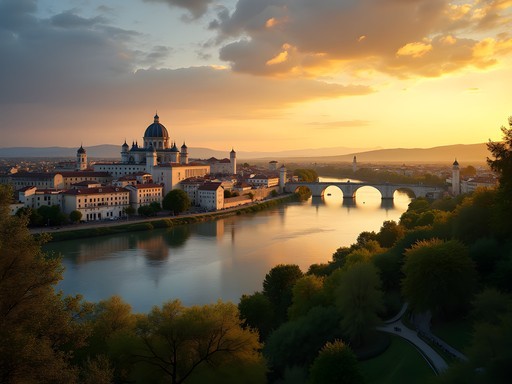
Return to Avignon via the river shuttle rather than the bridge—the approach to the city walls from the water offers perspectives few tourists experience. The late afternoon light bathes the papal palace in a golden glow that explains why painters have been drawn to this region for centuries.
💡 Pro Tips
- The Rhône river shuttle costs just €1.50 and runs April through October
- Fort Saint-André is free on the first Sunday of each month
- Visit the Chartreuse in late afternoon when tour groups have departed

Evening Enchantment: Local Wine and Hidden Performances
As twilight descends on Avignon, the city transforms yet again. While tourists flock to overpriced restaurants on Place de l'Horloge, I prefer starting my evening at Le Vin Devant Soi on Rue des Trois Faucons. This innovative wine bar features self-service dispensers with dozens of local wines available in tasting portions. The owner, Philippe, is passionate about small producers and will guide you through Rhône Valley varieties with infectious enthusiasm if you express genuine interest.
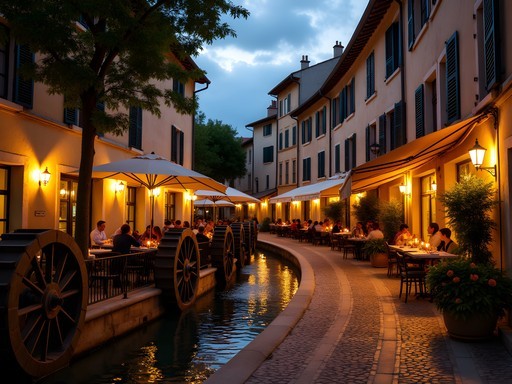
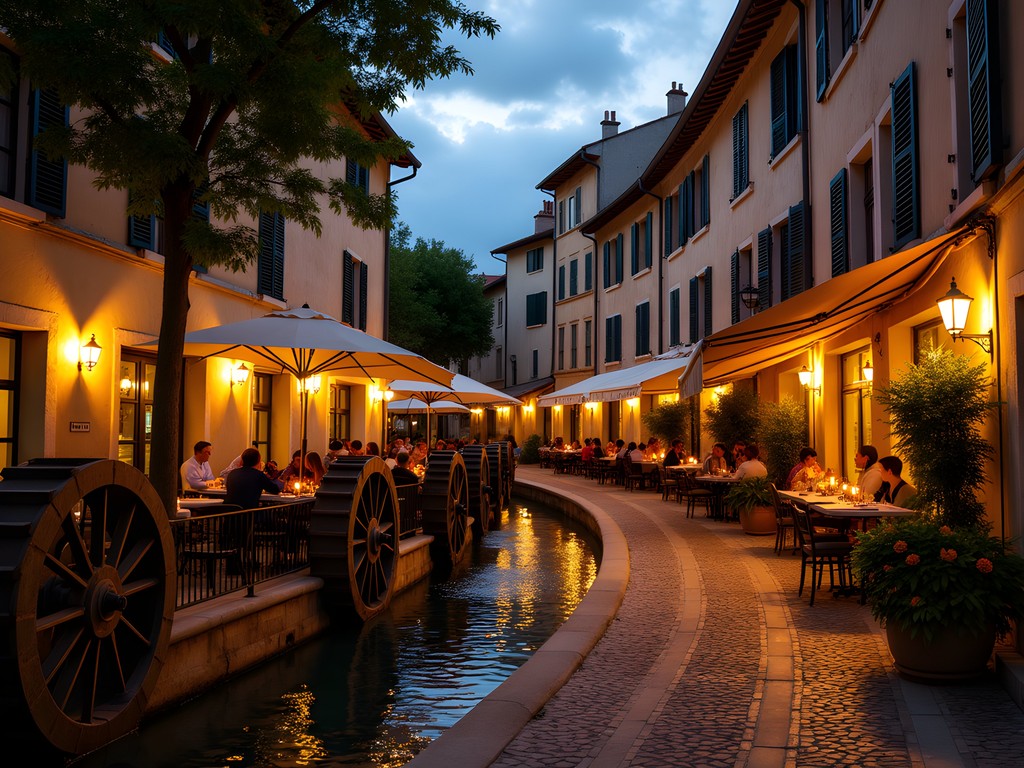
For dinner, venture to Rue des Teinturiers, Avignon's most atmospheric street where medieval water wheels still turn in the canal running alongside it. Restaurant La Mirande offers farm-to-table Provençal cuisine in a 14th-century building. Ask about their chef's table experience in the original medieval kitchen—it's one of Avignon's best-kept culinary secrets.
After dinner, Avignon offers cultural experiences that many visitors miss entirely. During summer, locals know to check the bulletin board at the Conservatoire de Musique for impromptu concerts by students and faculty in church courtyards. Year-round, the tiny Théâtre du Chêne Noir hosts avant-garde performances that reflect Avignon's status as a theater city beyond just the famous summer festival.
One of my most memorable Avignon evenings involved following the sounds of a guitar to discover an informal flamenco performance in the courtyard of the Collection Lambert contemporary art museum. The dancer, I learned, was the museum curator's sister who had studied in Seville.
End your evening with a nightcap at Bar Le Complot, hidden on tiny Rue Bancasse. Its stone walls have absorbed centuries of conversations, and the bartender's selection of herbal liqueurs offers the perfect meditation on Provence's botanical heritage. Their house-made vin d'orange reminds me of the yuzu liqueurs my Japanese relatives craft each winter—traditions of infusion that span continents but share a common appreciation for patience and subtle complexity.
💡 Pro Tips
- Many wine bars offer free tapas with drinks between 6-8 PM
- Ask about 'spectacles spontanés' (impromptu performances) at the tourist office
- The best views of illuminated monuments are from the Rocher des Doms garden after sunset
Morning Meditation: Spiritual Spaces Beyond the Palace
On your final morning, rise early for an experience that connects Avignon's spiritual past with its present. While tourists will queue for the Papal Palace, locals begin their day with quieter rituals. The Basilique Saint Pierre, often overlooked despite its central location, opens its doors at 6:30 AM for morning prayers. You needn't be religious to appreciate the transcendent quality of Gregorian chants echoing through the vaulted space as morning light filters through ancient stained glass.
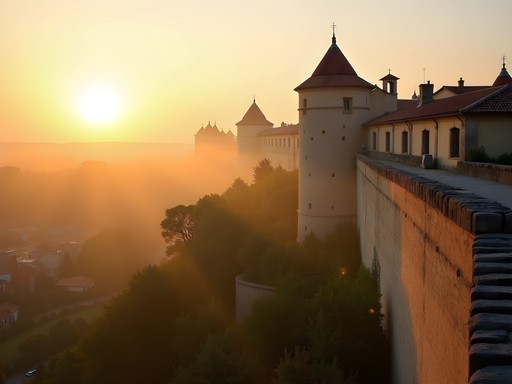
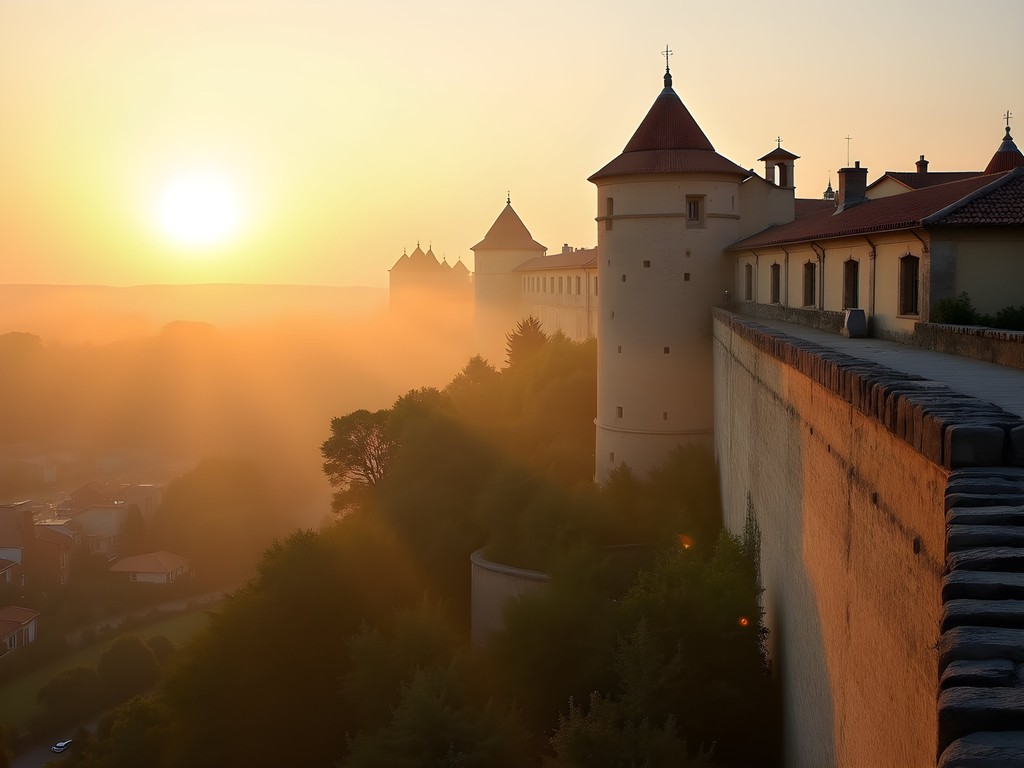
Afterward, follow my favorite contemplative walking route along the medieval ramparts. Beginning at Porte du Rhône, the 4.3-kilometer circuit atop the walls offers constantly changing perspectives of the city and countryside. I practice a walking meditation here—a habit formed during my years teaching in Kyoto—focusing on the rhythm of my footsteps against the ancient stones.
For a different kind of spiritual experience, the Calvet Museum houses remarkable collections in a stunning 18th-century mansion. Visit before 10 AM, and you'll likely have the Lapidary Gallery to yourself—a meditative space where Roman sculptures seem to breathe in the morning stillness.
Before departing Avignon, I always make a pilgrimage to Pâtisserie Mallard on Rue de la République for their lavender honey madeleines—a perfect marriage of French technique and Provençal flavors. The owner once confided that the recipe dates back to when Avignon belonged to the popes rather than France, a small but delicious piece of living history.
As a yoga practitioner, I've found that travel requires its own form of mindfulness. My travel yoga mat has accompanied me to castle ramparts and palace gardens across Europe. There's something profoundly connecting about practicing sun salutations in places where people have greeted the morning for centuries before us—a continuity of human experience across time that makes even the most famous monuments feel personal.
💡 Pro Tips
- The ramparts walk is free and accessible from several entry points around the city
- Many churches offer morning concerts or choir rehearsals that aren't advertised to tourists
- The Calvet Museum is free on the first Sunday of each month
Final Thoughts
Avignon reveals itself slowly to those willing to step away from the prescribed tourist experience. Beyond the magnificence of the Papal Palace lies a city of quiet courtyards, passionate artisans, and traditions that bridge centuries. My connection to this place deepens with each visit—from that first hurried tour to now knowing which café serves the perfect pastis at sunset or where to find Roman ruins incorporated into living buildings. As I've learned through years of travel, the most meaningful experiences often lie just beyond the guidebook page, in the spaces where history breathes alongside contemporary life. Avignon embodies this perfectly—a city where medieval walls contain thoroughly modern passions for food, art, and community. When you visit, allow yourself the luxury of time and curiosity. Yukkuri to—slowly, slowly—as my Japanese father would say. The true Avignon reveals itself only to those who linger.
✨ Key Takeaways
- The best of Avignon lies in neighborhoods just beyond the main tourist attractions
- Morning and evening offer magical experiences when most tour groups are absent
- Local markets and wine bars provide authentic cultural connections
- The view from Villeneuve-lès-Avignon offers essential perspective on the city's history
📋 Practical Information
Best Time to Visit
Spring (April-June) or early autumn (September)
Budget Estimate
€100-150 per day including accommodation, meals and activities
Recommended Duration
Minimum 2 full days, ideally a long weekend
Difficulty Level
Beginner
Comments
coffeeseeker
Thanks for sharing this!
Hunter Thompson
Mate, this is spot on! I backpacked through Provence last summer and Avignon was definitely a highlight. That wine bar near Rue des Teinturiers - is that the one with the stone cellar? Absolutely loved that area. Also if anyone's going, don't skip the street art in the Rempart district. Found some incredible murals there that aren't in any guidebooks. The locals are so friendly if you make an effort to speak a bit of French too!
coffeeace
We visited Avignon last year and totally missed all of this! Spent most of our time at the palace and bridge. Wish I'd read this before we went. The secret garden thing sounds amazing. Did you find the wine bar you mentioned just by walking around or did someone recommend it to you? We're thinking of going back next spring.
vacationadventurer
Same! We totally rushed through Avignon on our way to Marseille.
vacationadventurer
Love this! The photos are gorgeous too.
cityzone
This is really helpful! Going to Avignon in September. Which market did you go to in the morning? Is it the one at Les Halles or a different one? Also how early should we get there?
Hunter Thompson
Les Halles is brilliant! Get there around 8am for the best selection. The cheese stalls are insane.
cityzone
Perfect, thanks!
skygal
Just got back from Avignon and followed your hidden corners guide - THANK YOU!! That little bakery down the alley from the clock tower was amazing. We went three mornings in a row for those lavender pastries! And that viewpoint outside the walls where you can see the whole city at sunset? Magical! Didn't see a single other tourist there. Your blog saved our trip from being just another Papal Palace selfie vacation!
roamace
Bookmarking this for my France trip next spring! Those secret gardens look incredible.
roamwalker
Has anyone done the evening wine tasting route Hiroshi mentions? Wondering if it's doable without speaking much French?
Hiroshi Nelson
I found most places along that route have at least one person who speaks basic English! The wine bar on Rue Joseph Vernet has an owner who's fluent. Just learn "C'est délicieux" and you'll be fine! 😊
Jean Wells
Having visited Avignon during different seasons over the past decade, I can confirm Hiroshi's assessment of the city's hidden dimensions. The seasonal variations in the secret gardens are particularly noteworthy - spring brings a riot of color to the monastery garden he mentions, while autumn casts the medieval walls in golden light that photographers dream about. One addition to his excellent guide: the small archaeological museum tucked behind Place de l'Horloge houses Roman artifacts discovered during recent renovations - rarely visited but fascinating. I'd recommend bringing the Rick Steves Provence for the historical context it provides on these lesser-known sites. Hiroshi's recommendation to explore beyond the walls is spot-on - the island path along the Rhône offers perspectives of the city few tourists ever see.
coffeeone
Anyone tried that café with the hidden courtyard? Is it really worth seeking out or just Instagram hype?
skyking
Went there last month! Definitely not just hype - the courtyard is magical and their lavender honey latte is worth every euro. Go early though, it fills up fast with locals around 10am.
coffeeone
Thanks! Adding it to my list for sure.
Venture X
Premium card with 2X miles, $300 travel credit, Priority Pass