Disclosure: This article contains affiliate links. We may earn a commission from purchases at no extra cost to you, which helps our travel content.
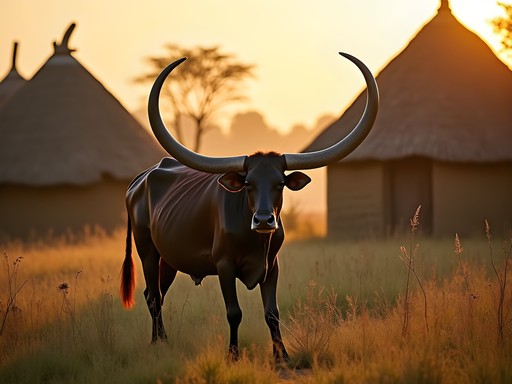
The sun was setting over the rolling hills of western Uganda as I first arrived in Mbarara, casting golden light across the bustling streets and distant silhouettes of the legendary Ankole long-horned cattle. This vibrant city, often overlooked as merely a stopover point, revealed itself to me as both a cultural treasure and the perfect gateway to Uganda's crown jewel: Queen Elizabeth National Park. Over my week exploring this region on a modest researcher's budget, I discovered a harmonious blend of urban energy and wild spaces that would satisfy any nature enthusiast's soul.
Mbarara: More Than Just a Stopover
Most travelers breeze through Mbarara, eager to reach the wildlife spectacles beyond. That's their first mistake. This bustling regional hub deserves at least two days of exploration before venturing to the national parks.
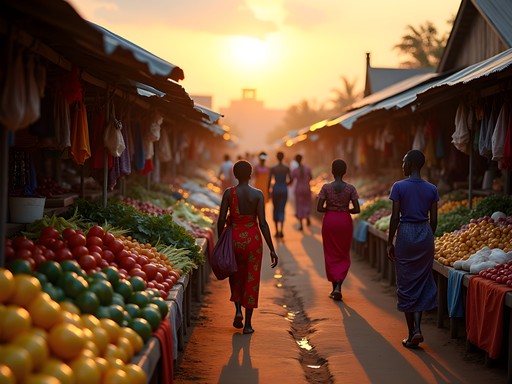
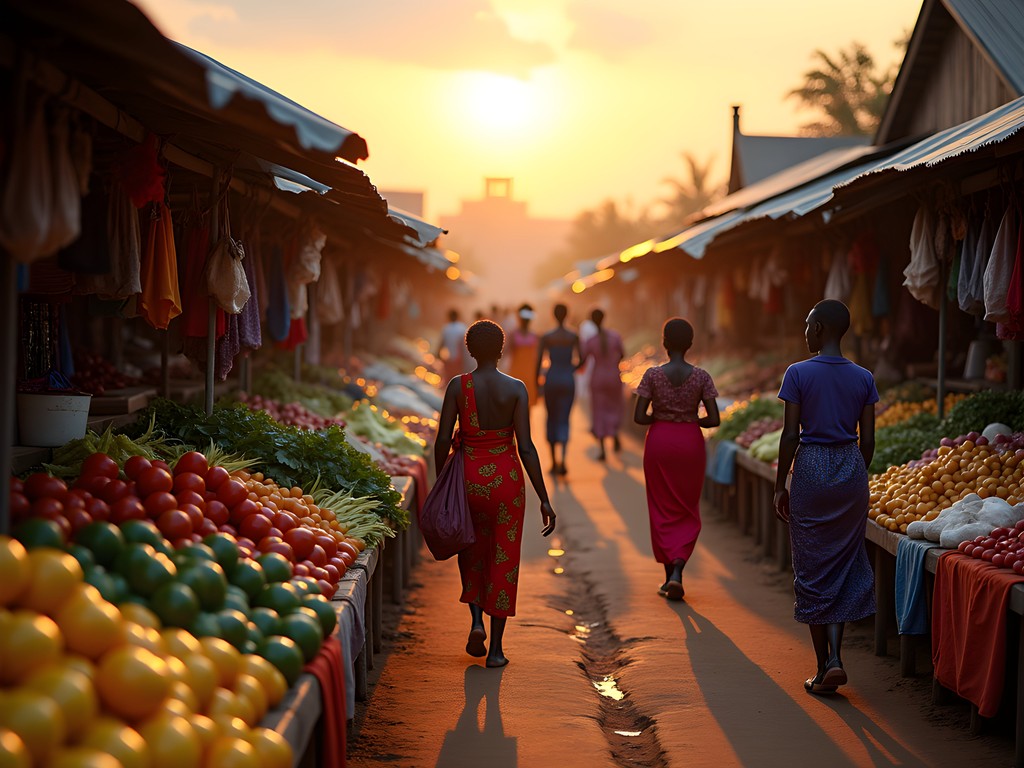
Start at the vibrant Central Market, where the kaleidoscope of fresh produce, handcrafted goods, and the melodic blend of Runyankole and Luganda languages create an authentic Ugandan experience. I spent hours wandering the labyrinthine aisles, practicing my limited Runyankole phrases with amused vendors and sampling tropical fruits I'd never encountered in North America.
For cultural immersion, the Igongo Cultural Centre (15,000 UGX entrance) offers fascinating insights into the Ankole Kingdom's history. The traditional homesteads, agricultural displays, and artifact collections helped me understand the deep connection between the Banyankole people and their cattle – a relationship that shapes everything from social structures to the landscape itself.
Don't miss an evening at Rwizi Recreation Centre, where locals gather for Nile Special beers and lively discussions. Here, I befriended a group of conservation students from Mbarara University who shared invaluable tips about wildlife spotting in Queen Elizabeth.
💡 Pro Tips
- Visit Central Market early morning (6-8am) for the freshest produce and authentic atmosphere
- Learn basic Runyankole greetings – locals genuinely appreciate the effort
- The Igongo Cultural Centre offers student discounts with valid ID
Budget Accommodations & Getting Around
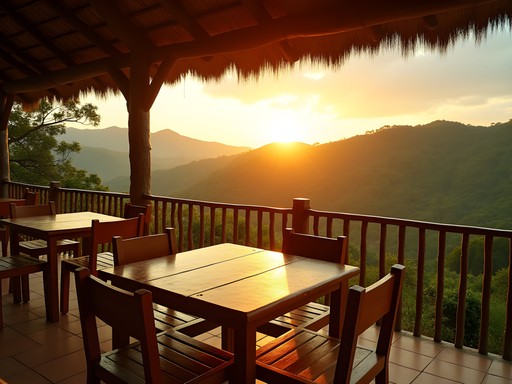
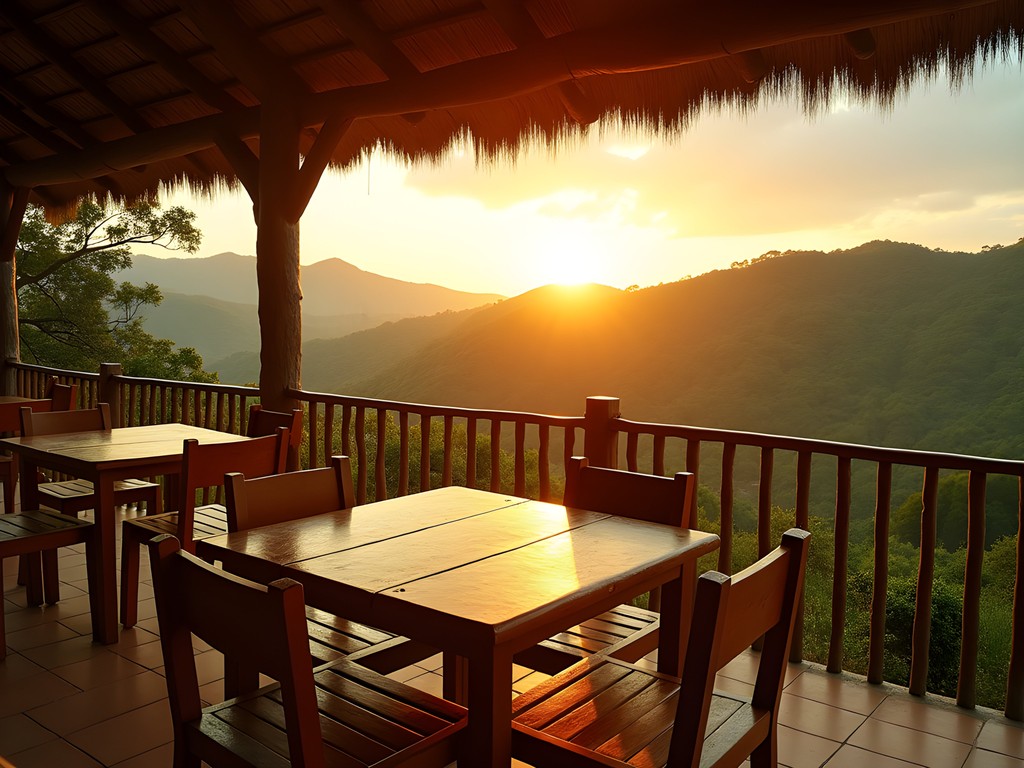
Mbarara offers accommodations for every budget, but as a perpetually broke field researcher, I gravitated toward the wallet-friendly options. Rwakobo Rock Hostel became my home base – a rustic gem with dorm beds from $15 USD and private rooms from $30. The open-air common area became my nightly planning spot, where I'd spread my waterproof map across a wooden table, plotting the next day's adventures while chatting with fellow travelers.
For those seeking more comfort without breaking the bank, Rwampara Homestay ($40-60) provides authentic family-hosted rooms with home-cooked meals included. I splurged on this for my final night and experienced the legendary Ankole hospitality firsthand.
Getting around Mbarara is an adventure itself. Boda-bodas (motorcycle taxis) zip through traffic efficiently but require nerves of steel and a good travel helmet – safety first, even on a budget! For longer journeys, shared matatus (minibuses) connect to surrounding villages and Queen Elizabeth National Park. Just be prepared for creative interpretations of passenger capacity and departure times.
💡 Pro Tips
- Always negotiate boda-boda fares before getting on – aim for 2,000-3,000 UGX for short trips within town
- Download maps.me app for offline navigation – Google Maps isn't always reliable here
- Book accommodations with kitchen access to save money by preparing simple meals
Queen Elizabeth National Park: Wildlife Paradise on a Budget
Just 90 minutes from Mbarara lies Queen Elizabeth National Park, Uganda's most biodiverse protected area and the reason many travelers come to this region. While organized safaris can be expensive, I discovered several budget-friendly approaches to experiencing this ecological wonderland.
The UWA (Uganda Wildlife Authority) community campsites offer the best value, with spots from $10/night. I pitched my trusty backpacking tent at Simba Safari Camp's campground, where the nighttime symphony of hippo grunts and distant lion roars provided the ultimate wilderness soundtrack. The camp's elevated position meant I could enjoy Kazinga Channel views without paying premium lodge prices.
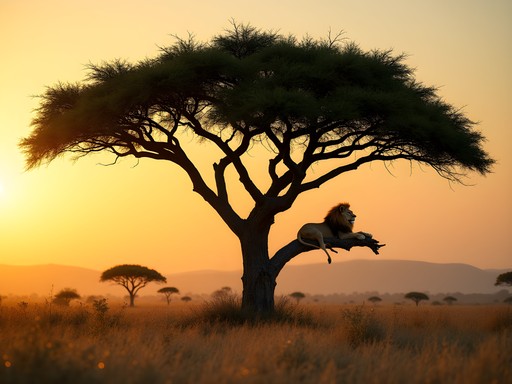
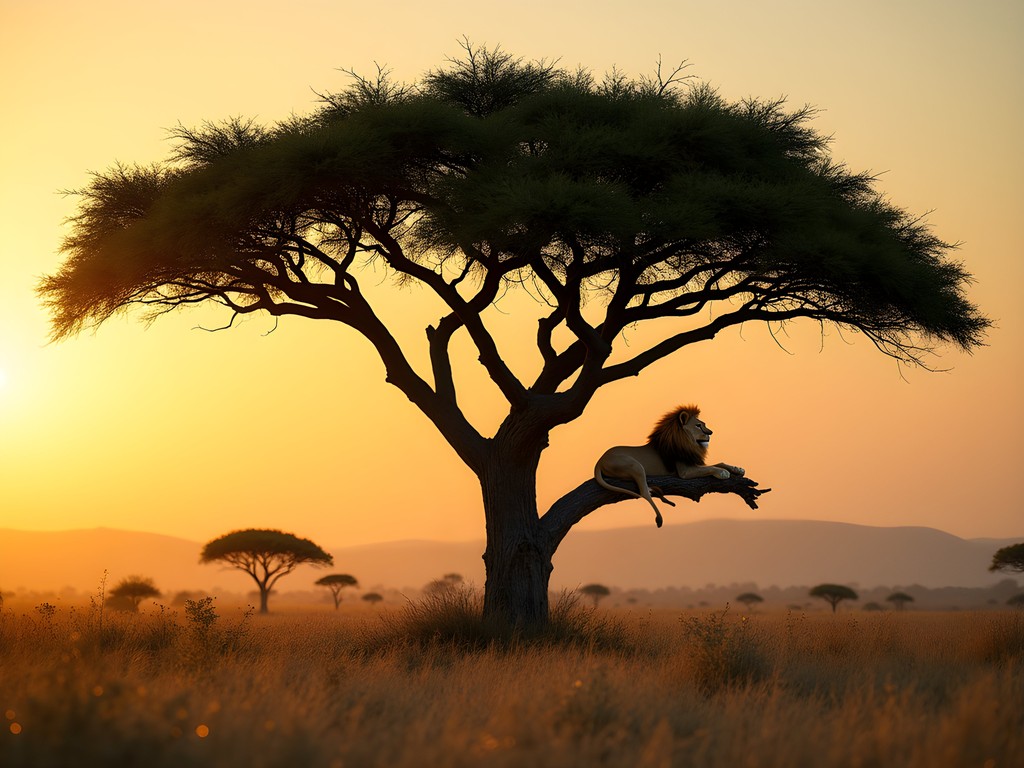
For game drives, consider the shared safari option (around $35) rather than private vehicles ($150+). You'll share with other budget travelers, but wildlife doesn't discriminate based on your transportation budget! The Kasenyi Plains sector delivered my most memorable sighting – a pride of lions lounging in an acacia tree, a behavior unique to this region.
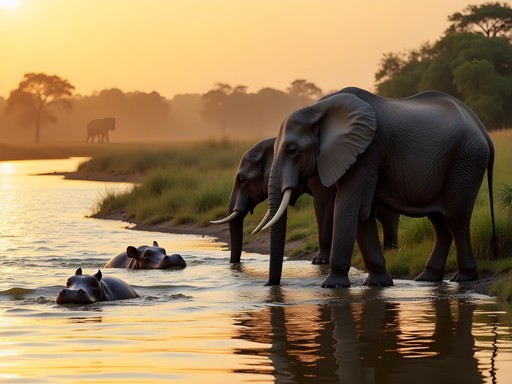
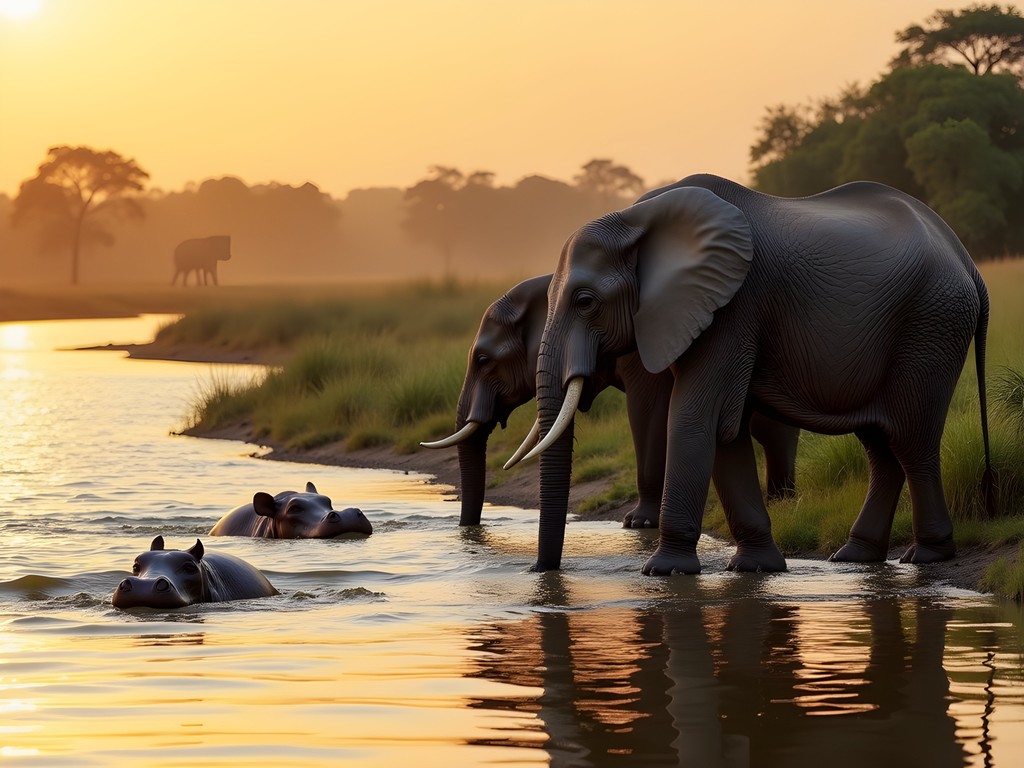
The absolute highlight was the Kazinga Channel boat cruise ($30 for a shared boat). As we glided past hundreds of hippos, elephants drinking at the shore, and countless bird species, I constantly reached for my binoculars to observe behaviors I'd only read about in textbooks. The concentration of wildlife along this water source is astounding, especially during dry season.
💡 Pro Tips
- Book UWA activities directly at park headquarters to avoid tour operator markups
- Visit during weekdays for significantly smaller crowds and better wildlife viewing
- Pack a reusable water bottle with filter – bottled water costs add up quickly in remote locations

Cultural Encounters & Star-Filled Skies
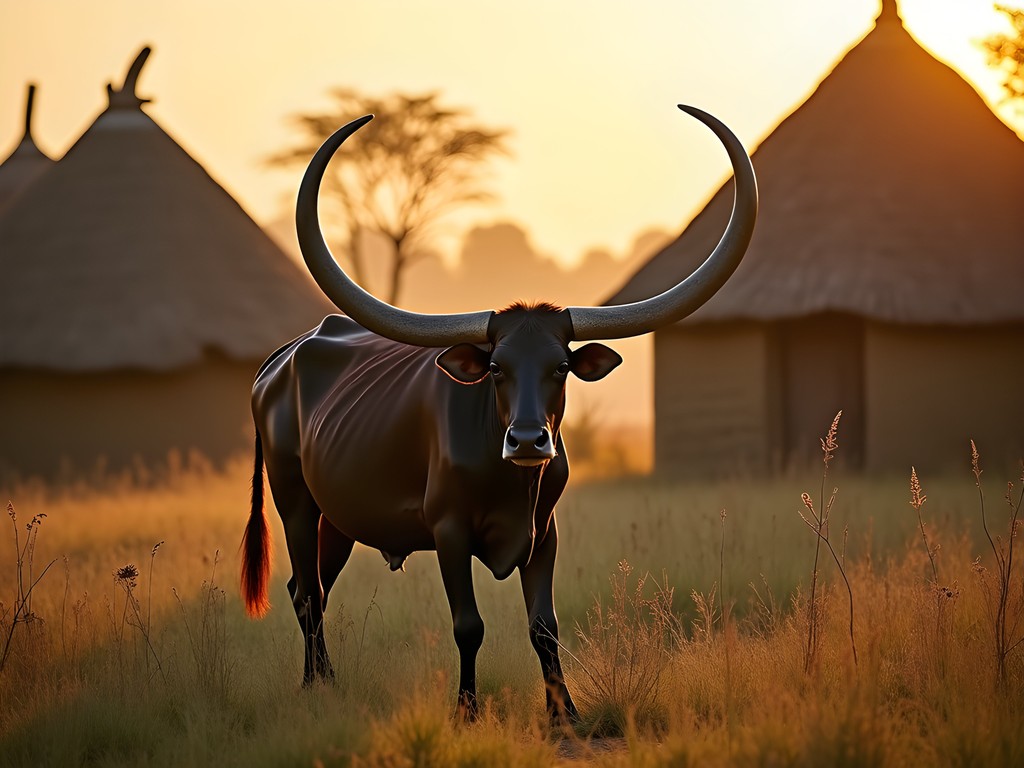
While wildlife draws most visitors to this region, the cultural experiences around Mbarara proved equally memorable. The Ankole people's relationship with their iconic long-horned cattle represents one of Africa's most fascinating human-animal partnerships.
I arranged a visit to a traditional Ankole homestead through my hostel (25,000 UGX), where I learned about sustainable grazing practices that have maintained the grasslands for centuries. My grandmother's teachings about indigenous land stewardship echoed in the elder's explanations of their rotational grazing system.
For a deeper connection to local conservation efforts, visit the Kyambura Women's Coffee Cooperative, where former poachers now cultivate shade-grown coffee while protecting the gorge ecosystem. Their tour and tasting (15,000 UGX) supports community-based conservation while providing the caffeine boost needed for early morning safari departures.
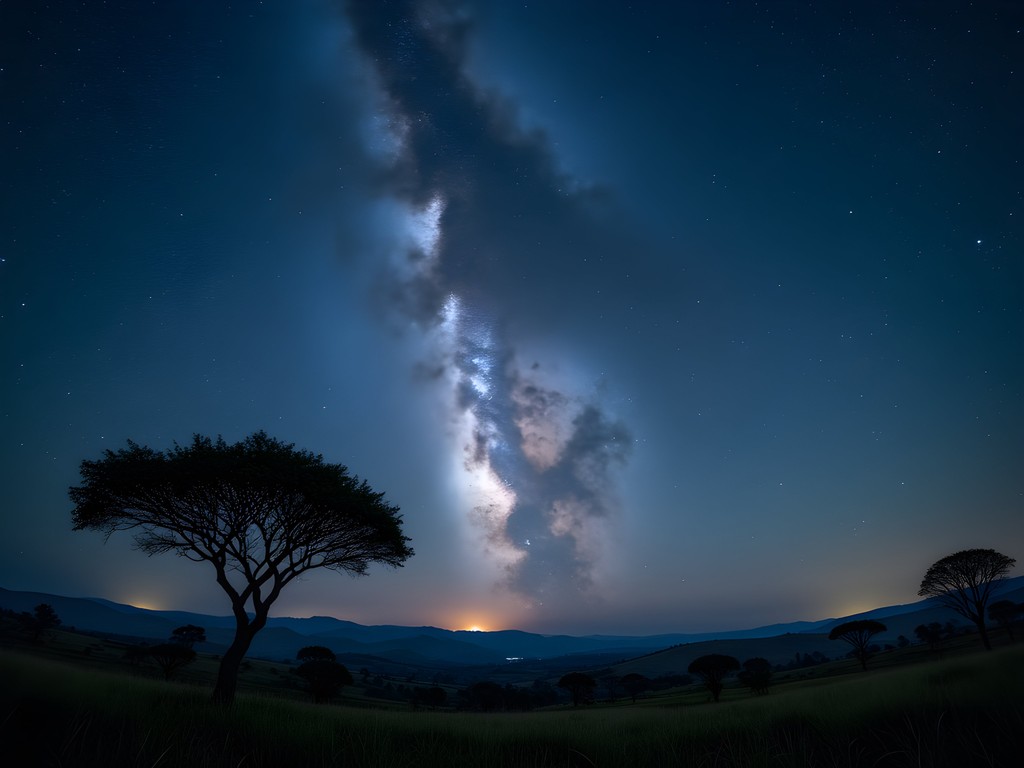
As a passionate stargazer, I was stunned by the night skies outside Mbarara. The minimal light pollution revealed stars in densities I'd only experienced in remote Canadian wilderness. One night, I hiked to a hilltop viewpoint with my travel telescope and spent hours identifying constellations from both northern and southern hemispheres – a unique privilege of Uganda's equatorial position. The Milky Way stretched across the sky with clarity that would make any astronomer weep with joy.
💡 Pro Tips
- Bring small denominations of Ugandan shillings for rural areas where change is limited
- Ask permission before photographing people, especially in traditional communities
- Pack a red-light headlamp for stargazing to preserve your night vision
Responsible Wildlife Viewing & Conservation
As both a visitor and wildlife biologist, I approach animal encounters with respect for their natural behaviors. Queen Elizabeth National Park faces conservation challenges including poaching and human-wildlife conflict, making responsible tourism crucial for its future.
The park's tree-climbing lions, a rare behavior found in only a few populations worldwide, draw crowds eager for photos. However, I witnessed several vehicles venturing off-road or approaching too closely, disrupting hunting behaviors. Instead, I recommend using quality zoom lens to observe from appropriate distances. The photos might lack dramatic close-ups, but they represent ethical wildlife viewing.
To support conservation directly, consider adding the Kyambura Gorge chimpanzee trek to your itinerary ($50). While pricier than other activities, this fee directly funds habitat protection for these endangered primates. My tracking experience with researcher guides provided insights into chimp behavior and conservation challenges that no textbook could convey.
For budget travelers wanting to contribute, the UWA visitor center accepts donations for their anti-poaching units. Even small contributions help fund ranger patrols that protect the park's incredible biodiversity. Remember that responsible tourism isn't just about minimizing negative impacts – it's about actively supporting conservation efforts that ensure these ecosystems survive for future generations.
💡 Pro Tips
- Maintain at least 25 meters distance from wildlife, even when guides suggest closer approaches
- Report any witnessed poaching activity or animal injuries to park authorities immediately
- Choose locally-owned accommodations that employ community members and support conservation initiatives
Final Thoughts
As my week in Mbarara and Queen Elizabeth National Park drew to a close, I found myself reluctant to board the dusty bus back to Kampala. This region offers the perfect blend of cultural immersion and wildlife encounters for the budget-conscious traveler willing to step beyond the typical tourist circuit.
While luxury lodges and private safaris dominate Uganda's tourism marketing, I discovered that the most meaningful experiences often came with the smallest price tags – sharing stories with local conservation students, watching the Milky Way emerge above Ankole cattle herds, or the heart-stopping moment when a leopard silently crossed the road before my shared safari vehicle.
Mbarara deserves recognition not just as a gateway to wildlife wonders, but as a destination worthy of exploration in its own right. By approaching this region with respect for both its cultural heritage and natural ecosystems, travelers can experience the authentic Uganda that mass tourism often misses. Pack light, bring an open mind, and prepare for the kind of raw, unfiltered experiences that remind us why we travel in the first place.
✨ Key Takeaways
- Mbarara offers authentic cultural experiences beyond just being a gateway to national parks
- Budget-friendly wildlife viewing is possible through shared safaris and community campsites
- Supporting local conservation initiatives enhances both your experience and the region's sustainability
- The combination of Ankole culture and unique wildlife makes this region unlike anywhere else in East Africa
📋 Practical Information
Best Time to Visit
Dry seasons (December-February and June-August)
Budget Estimate
$30-60 USD per day including accommodation, food, and activities
Recommended Duration
5-7 days
Difficulty Level
Moderate
Comments
globeguide
Love the photos! Never thought about Uganda but this is making me reconsider
exploreexplorer
What was the safari cost like at Queen Elizabeth? Trying to figure out my budget
Douglas Bradley
Really appreciate the budget-conscious approach here. Mbarara often gets overlooked as just a transit point, but you've highlighted exactly why it deserves more attention. The Ankole cultural heritage is fascinating - the relationship between the pastoralist communities and their cattle goes back centuries and shapes everything from social structure to cuisine. For anyone interested in cultural tourism, I'd recommend timing your visit with the traditional marriage ceremonies if possible. The dowry negotiations involving cattle are a window into living history. Also, the local markets are fantastic for observing daily life without the tourist crowds you get in Kampala.
Gregory Boyd
Matthew, excellent breakdown of Mbarara as more than just a transit point. I spent three days there in 2024 and completely agree about the cultural dimension being overlooked by most travelers. The Igongo Cultural Centre deserves far more attention than it gets - their museum on Ankole history is genuinely fascinating. One tip I'd add: if you're doing QENP on a tight budget, the community bandas near Katunguru gate are incredibly affordable (around $15-20/night) and the rangers there can connect you with local guides who know the park intimately. Saw more wildlife with them than some of the pricier safari operators. The boat cruise on Kazinga Channel is absolutely worth the splurge though - budget about $30-35 USD.
journeymaster
Those community bandas sound perfect for my budget!
Casey Andersson
Matthew, your description of the sunset over those hills brought me right back to my own time in western Uganda! I stayed at a lovely lodge just outside Mbarara with views of the Ankole cattle grazing at dawn - absolutely magical. The cultural aspect is so underrated. I spent an afternoon with a local family learning about traditional milk fermentation and the significance of the long-horned cattle. It's these authentic moments that make Uganda so special beyond just the wildlife. Did you get a chance to try the local roasted goat? It's incredible!
globeguide
This sounds so cool! How did you arrange the family visit?
winterlegend
How easy was it to get from Mbarara to Queen Elizabeth NP? Did you hire a driver or join a tour?
exploreexplorer
Not the author but I did this last year - hired a driver for the day, split costs with 2 other travelers I met at my hostel. Way cheaper than organized tours!
winterlegend
Thanks! That's helpful
journeymaster
Heading there in March! This is super helpful
Gregory Boyd
You'll love it. March is actually a great time - fewer tourists before the peak season hits. Make sure you book your QENP accommodation early though.
journeymaster
Thanks! Any specific lodges you'd recommend?
moonblogger
This looks amazing!! Adding Mbarara to my bucket list
UgandaBorn
As someone who grew up near Mbarara, it's refreshing to see such an authentic take on my hometown! Most tourists rush through on their way to the national parks. If anyone's planning a visit, don't miss the local markets on Wednesday and Saturday mornings - much better prices and selection than the tourist shops. Also, the milk bars Matthew mentioned are called 'ebirembo' in the local language. Try the one near Agip junction for the best quality!
UgandaBorn
Next time try to visit during the Ankole cultural festival (usually in December). Amazing traditional dances, food, and you can see the cattle herders compete. Also, there's a small waterfall about 30 minutes outside town that locals visit on weekends - much less touristy than the ones in the guidebooks!
Matthew Parker
Thank you for adding this local insight! I wish I'd known about the Agip junction milk bar - will definitely check it out next time. Would love to hear any other hidden gems I might have missed!
SunsetChaser
That sunset photo over the savanna is absolutely stunning! What camera do you use?
Matthew Parker
Thank you! Just my trusty old Sony a6400 with the kit lens. The light in Uganda does all the heavy lifting!
Venture X
Premium card with 2X miles, $300 travel credit, Priority Pass