Disclosure: This article contains affiliate links. We may earn a commission from purchases at no extra cost to you, which helps our travel content.
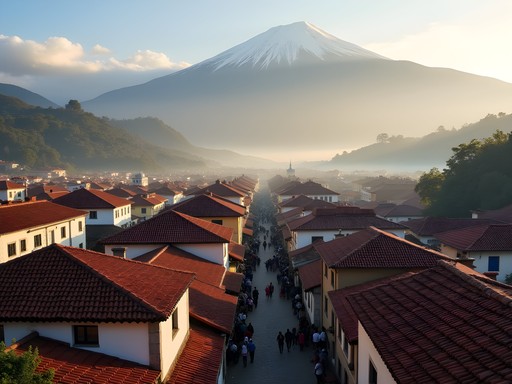
The first time I arrived in Otavalo, my vital signs spiked with that familiar rush of medical adrenaline – but this time, it wasn't from an emergency call. It was the sensory diagnosis of a place alive with cultural richness that extended far beyond its famous market. As an EMT who's learned to read both bodies and cultures, I've discovered that Otavalo's true pulse beats in its indigenous traditions, linguistic heritage, and musical expressions that few travelers take the time to properly examine. After multiple visits while stationed with medical teams in South America, I've compiled this cultural prescription for experiencing Otavalo as it deserves to be experienced – holistically, respectfully, and with an ear tuned to its unique linguistic symphony.

Linguistic Immersion: The Kichwa Connection
As someone who first pursued language learning to better serve patients during humanitarian crises, Otavalo presented a fascinating linguistic case study. Here, Kichwa (the local variant of Quechua) isn't merely preserved – it thrives alongside Spanish in a beautiful bilingual dance.
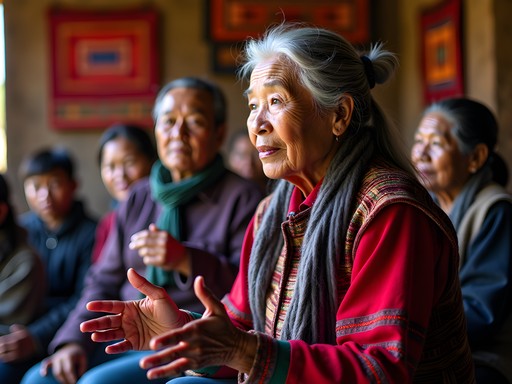
For the language-curious traveler, I recommend spending your first two days establishing a linguistic baseline. Begin at the Centro Cultural Kichwa Ñawpa, where community elders offer informal language workshops. The center doesn't advertise online – you'll need to ask locals for directions, which itself becomes your first language exercise.
During my second visit, I arrived equipped with a pocket recorder to capture pronunciation nuances. This proved invaluable for evening practice sessions in my hostel. The recorder's noise-cancellation feature filtered out background sounds, allowing me to focus purely on tonal patterns – essential for Kichwa's musical cadence.
By day three, attempt simple greetings with market vendors. Their faces illuminate when foreigners make even modest efforts with their ancestral tongue. This linguistic bridge-building creates diagnostic openings into authentic cultural exchanges no guidebook can prescribe.

💡 Pro Tips
- Learn basic Kichwa greetings: 'Imanalla' (Hello), 'Yupaychani' (Thank you), and 'Kayakaman' (See you tomorrow)
- Visit the Cultural Center in mornings when elders are most likely to be available for informal language exchanges
- Record native speakers with permission and practice pronunciation in the evenings
Musical Diagnosis: Otavalo's Sonic Landscape
My passion for opera has taught me that every culture reveals itself through musical expression. In Otavalo, this manifests in the haunting melodies of traditional Andean instruments that seem to capture both joy and ancestral memory simultaneously.
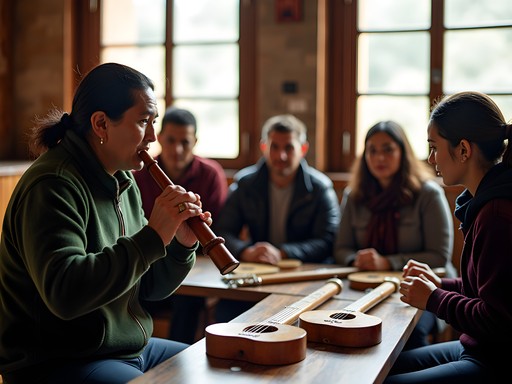
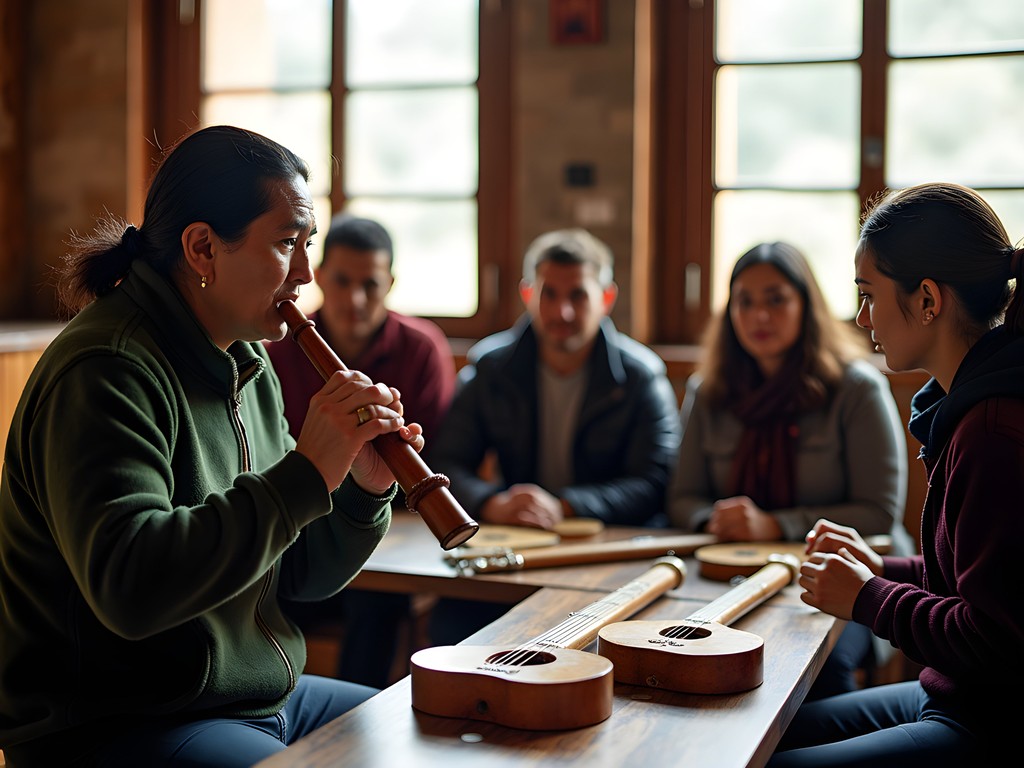
The Saturday market features musicians, but for authentic immersion, venture to Casa de la Música on Tuesday evenings when local musicians gather for impromptu jam sessions. I found myself transfixed by the kena (Andean flute) and charango (small guitar), whose tones reminded me of the dramatic coloratura passages in Donizetti's operas – both requiring precise breath control and emotional commitment.
For a deeper musical education, I recommend arranging a workshop with Maestro Luis Fichamba, whose family has crafted instruments for generations. For around $25, he'll demonstrate traditional instruments and even guide you through basic techniques. I purchased a handcrafted ocarina during my workshop – its earthy tone now serves as my sonic souvenir of Otavalo.
The acoustics of the mountains surrounding Otavalo create natural amphitheaters. Hike to Cascada de Peguche around sunset, when local musicians often play near the waterfall. The combination of water percussion and wind instruments creates a natural symphony that no recording can replicate.
💡 Pro Tips
- Visit Casa de la Música on Tuesdays after 7pm for authentic musical gatherings
- Book instrument workshops at least two days in advance through your accommodation
- Bring waterproof gear for the Peguche waterfall hikes, as afternoon rain is common even in dry season
Cultural Prescription: Beyond the Saturday Market
The famous Saturday market is Otavalo's most obvious cultural manifestation – but like any good medical assessment, we need to look beyond the obvious symptoms to understand the full condition.
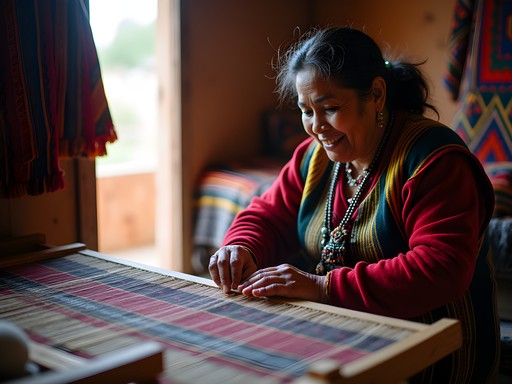
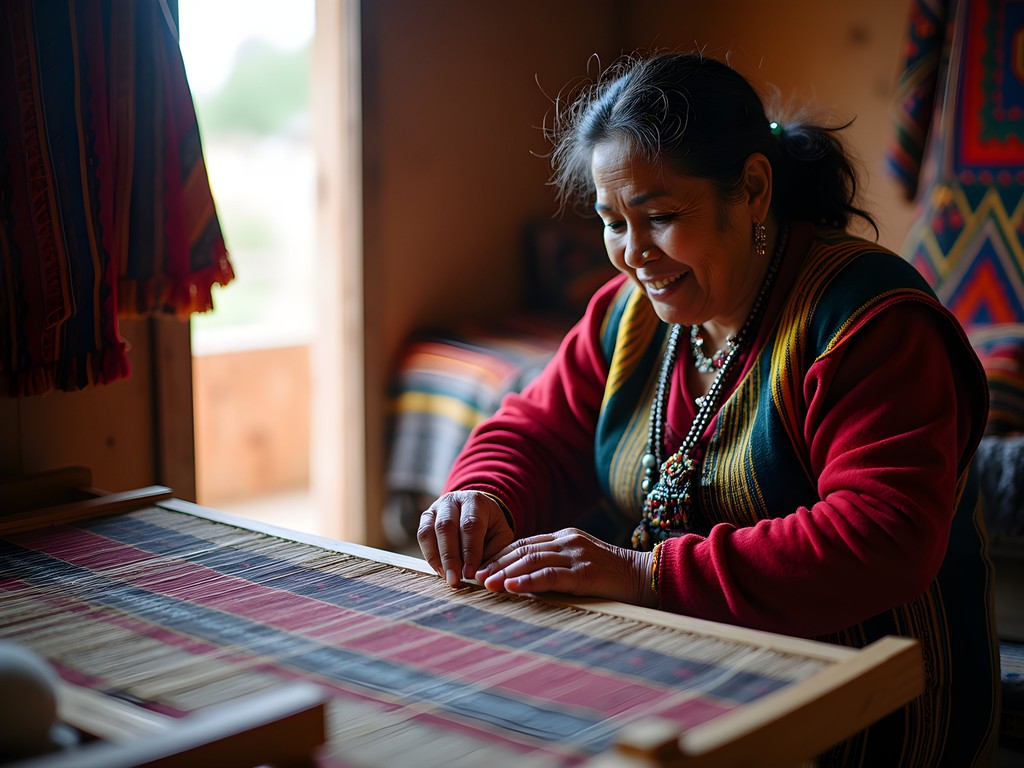
Spend your third and fourth days exploring the surrounding communities, each with distinct textile specialties. In Peguche (a 15-minute bus ride), visit family workshops where backstrap looms create patterns unchanged for centuries. In Ilumán, observe the felting process for traditional hats. I recommend wearing comfortable hiking footwear like the waterproof trail shoes as many workshops require walking on uneven terrain between villages.
For cultural understanding that goes beyond observation, arrange a homestay through the community tourism initiative in Agato village. For approximately $25/night including meals, you'll experience daily life with an indigenous family. During my stay with the Santillán family, I participated in their morning agricultural rituals and evening textile work – diagnostic immersion that revealed the interconnectedness of Otavalan cultural practices.
Don't miss the Kichwa Wasi Cultural Museum in central Otavalo, where rotating exhibitions explore indigenous cosmology. The museum's small size belies its importance – like subtle vital signs that tell a larger health story. When I visited, a special exhibition on traditional medicine revealed fascinating parallels to my EMT training, particularly in the use of plant-based anti-inflammatories that modern pharmaceuticals have only recently synthesized.
💡 Pro Tips
- Book community homestays at least one week in advance through the tourism office on Plaza de Ponchos
- Bring small gifts for homestay hosts – school supplies for children or coffee/tea are appreciated
- Visit workshops early in the day when artisans are beginning their work and can better explain processes

Practical Logistics: The Medical Approach
My EMT background has trained me to approach travel with methodical precision – preparation prevents emergencies, both medical and logistical.
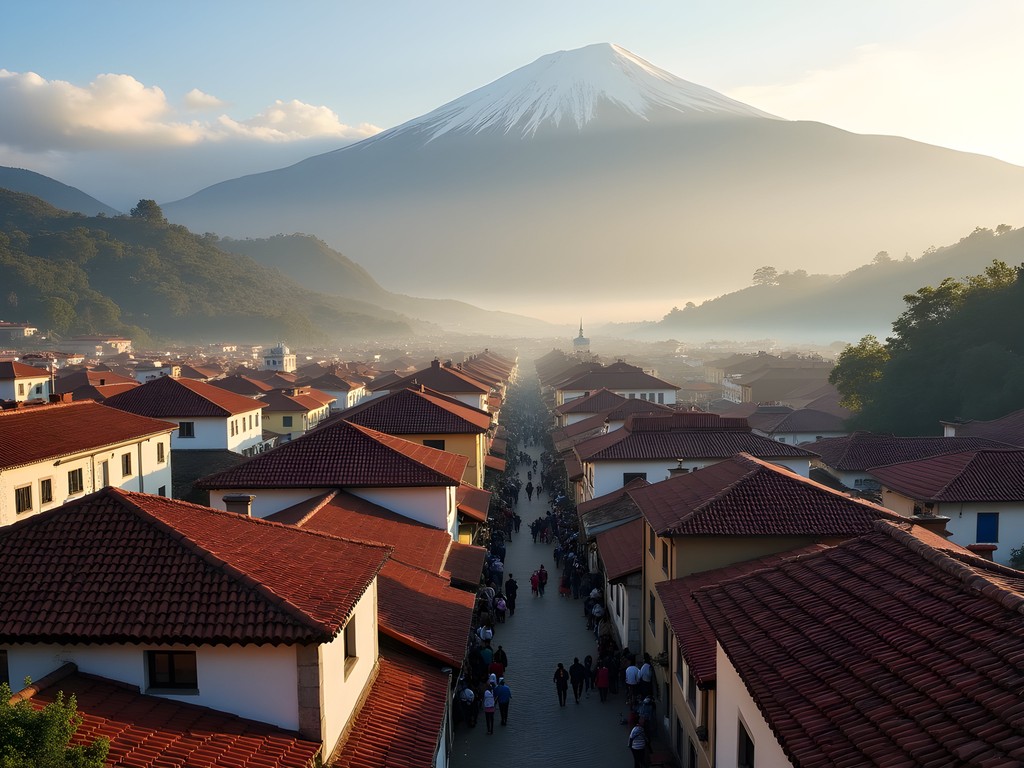
Otavalo sits at 2,532 meters above sea level. While not extreme altitude, some travelers experience mild symptoms. Spend your first day acclimating with gentle walks around town. Stay hydrated with a water bottle with purifier – particularly useful as tap water isn't potable, and buying plastic bottles creates unnecessary waste.
For accommodations, I recommend the budget-friendly Hostal Valle del Amanecer ($15-20/night) near the bus terminal. Its central location provides an excellent base for daily explorations. For mid-range options, Ali Shungu Mountaintop Lodge ($45-60/night) offers spectacular views and peaceful surroundings just outside town.
Local transportation follows predictable patterns – like a steady cardiac rhythm. Buses to surrounding villages run hourly from the terminal until 6pm. For more remote communities, collectivos (shared taxis) gather at the northwest corner of the market. Always confirm return times, as evening service can be limited.
Regarding safety, Otavalo presents few concerns beyond standard travel precautions. The most common medical issues I've treated among travelers are sunburn (the equatorial sun is intense despite cool temperatures) and minor digestive complaints. Pack a broad-spectrum sunscreen and basic medications. The local hospital has adequate emergency services, though complex cases may require transport to Quito.
💡 Pro Tips
- Acclimatize gradually by spending your first day on gentle walks around town center
- Carry small bills (USD is Ecuador's currency) as breaking larger denominations can be difficult in smaller communities
- Download maps offline as cellular service is unreliable in surrounding villages
Culinary Ethnography: Tasting Otavalo's Heritage
Every culture's cuisine tells a medical story – nutritional adaptations to environment, historical influences, and community health practices. Otavalo's food narrative is particularly fascinating.
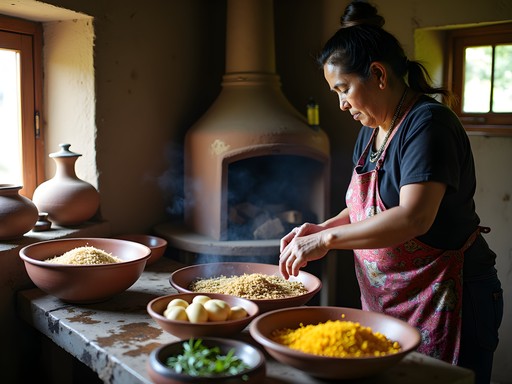
Begin your culinary exploration at the food section of the daily market (smaller than Saturday's but more authentic). Here, indigenous women prepare traditional dishes like yamor (fermented corn beverage) and caldo de gallina (hearty chicken soup). These broths, rich in collagen and minerals, remind me of the healing properties we emphasize in recovery nutrition for patients.
For a comprehensive sampling, visit Sumak Micuy restaurant, where traditional ingredients meet contemporary presentation. Their tasting menu ($15) includes quinoa soup, roasted cuy (guinea pig), and chicha (fermented corn drink). The restaurant sources ingredients from indigenous agricultural cooperatives, supporting sustainable farming practices.
I recommend carrying a food allergy translation card if you have dietary restrictions. While basic Spanish is widely understood, specific food allergies can be difficult to communicate, particularly in smaller establishments where Kichwa is the primary kitchen language.
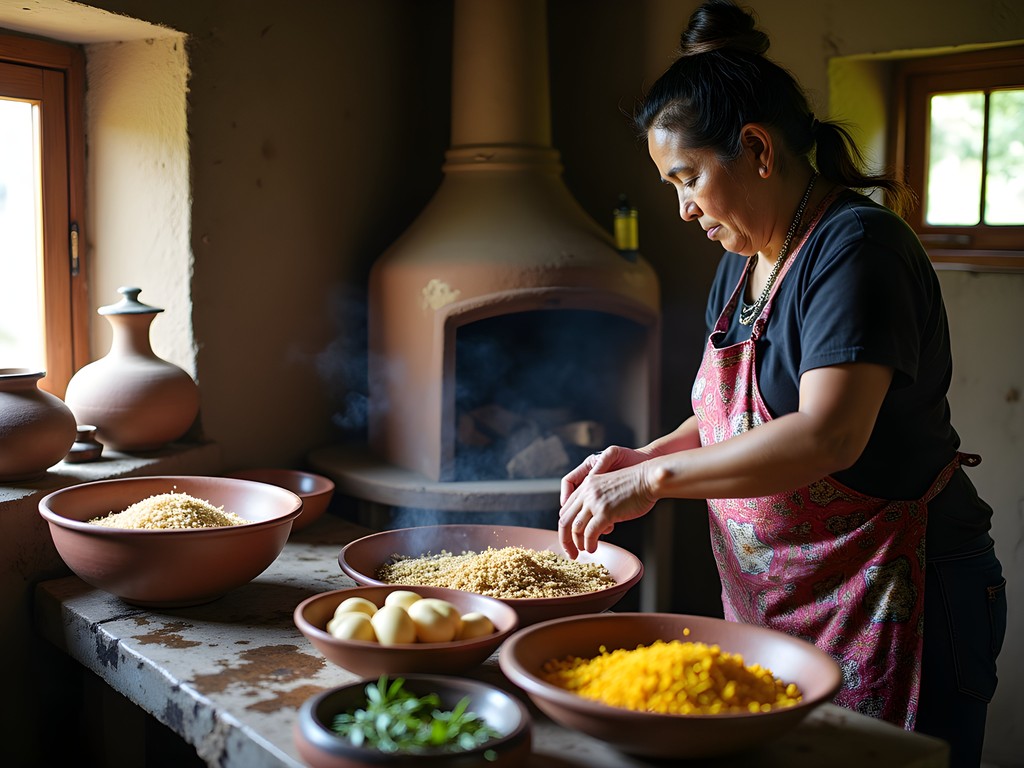
For a deeper understanding of Andean nutrition, arrange a cooking class through the Huarmi Maki women's cooperative. For $30, you'll spend a half-day learning to prepare traditional dishes while discussing their cultural and nutritional significance. During my session, we prepared medicinal teas using plants I recognized from emergency field manuals – traditional knowledge that parallels modern pharmaceutical development.
💡 Pro Tips
- Eat at the daily market before 1pm when food is freshest and most options are available
- Try chicha in small quantities if you're not accustomed to fermented beverages – it can cause digestive surprise
- Book cooking classes at least two days in advance through the tourism office
Final Thoughts
As I prepare for my fourth visit to Otavalo later this spring, I'm reminded that cultural immersion, like emergency medicine, requires both technical knowledge and human connection. The market that draws tourists is merely the surface presentation – the vital signs that first catch our attention. But Otavalo's true cultural health lies in its linguistic resilience, musical traditions, and community practices that continue despite centuries of external pressure.
For the solo traveler willing to move beyond superficial diagnosis, Otavalo offers a profound opportunity to understand how indigenous identity adapts and thrives in the modern world. My experiences here have enhanced not only my language skills but also my approach to cross-cultural healthcare. I've learned that listening – to languages, to music, to culinary traditions – creates pathways to understanding that no textbook can provide.
As you plan your own journey to this Andean cultural center, I encourage you to approach with both the curiosity of a traveler and the respect of a healer. Otavalo's communities have much to teach about resilience, cultural preservation, and the harmonious integration of tradition and modernity – lessons that resonate far beyond Ecuador's borders.
✨ Key Takeaways
- Invest time in language learning to access deeper cultural experiences
- Seek musical traditions as windows into cultural expression and community values
- Arrange homestays and cooking classes for immersive understanding beyond tourist experiences
- Approach cultural differences with medical precision but human warmth
- Allow at least a week to properly experience Otavalo beyond its famous market
📋 Practical Information
Best Time to Visit
Spring (April-June) for moderate rainfall and vibrant landscapes
Budget Estimate
$30-50 per day including accommodations, food, and activities
Recommended Duration
Minimum 5-7 days for proper cultural immersion
Difficulty Level
Moderate (Altitude Adjustment And Basic Spanish Helpful)

Comments
Sophia Gomez
I was in Otavalo last year for a conference on sustainable tourism and extended my stay specifically to explore beyond the market. Your 'Cultural Prescription' section resonated with me - I participated in a temazcal (traditional sweat lodge) ceremony that was profoundly moving. For those interested in deeper cultural connections, I recommend contacting the Otavalo Tourism Office directly rather than booking through hotels in Quito. They connected me with authentic experiences run by community members where proceeds go directly to local families. The Kichwa language workshop I attended was fascinating - learning even a few phrases opened so many doors with locals. Planning to return this summer to explore more of the surrounding countryside!
Skyler Hayes
Sophia, that temazcal experience sounds incredible! I missed that on my visits - definitely adding it to my list for the upcoming trip. Great tip about contacting the tourism office directly too.
exploremaster3057
Just got back from Ecuador last week! We took the bus from Quito like you mentioned and it was super easy and cheap. Also stayed at a family-run hostal near Plaza de Ponchos - they taught us how to make locro de papas! Such an amazing experience connecting with locals.
blueadventurer
ooh what was the hostal called?
exploremaster3057
Hostal Valle del Amanecer - super affordable and the family was so welcoming!
globegal
Love this! The musical diagnosis section was really unique perspective.
blueadventurer
Going in March! How many days would you recommend staying in Otavalo itself vs day trips?
globegal
I did 4 nights. Perfect amount of time.
Haley Hamilton
I'd say minimum 3 nights, ideally 4-5 if you want to really explore. Day one for the market (obviously), then you'll want time for Peguche waterfall, Cuicocha crater lake, and at least one weaving workshop. The musical instrument makers in San Roque are incredible too - I watched a guy carve a full charango and it was mesmerizing. Don't rush it!
exploremaster3057
This is SO GOOD!! Been wanting to go to Ecuador forever and everyone just talks about Galapagos. Love that you focused on the cultural side!
beachnomad
Love how you went beyond the typical tourist spots! The musical traditions sound amazing.
springseeker
how hard is it to learn some basic kichwa phrases before going? is it worth it or does everyone speak spanish?
Haley Hamilton
Definitely worth learning a few phrases! I spent three weeks in the Imbabura region last year and even just knowing "pali" (hello) and "yupaychani" (thank you) opened so many doors. The elders especially lit up when I tried. Most vendors at the market speak Spanish, but in the smaller villages around Otavalo, Kichwa is still the primary language at home. It's not super hard - the pronunciation is pretty straightforward once you get the hang of it.
springseeker
awesome thanks! gonna try to learn some basics then
travelexplorer
How many days would you recommend staying in Otavalo? Is it easy to get there from Quito by public transportation?
sunsetwanderer
We did 3 nights and it felt perfect. And yes, super easy from Quito! The buses run every 30 mins from Terminal Norte and it's only $2.50 per person. About 2 hours total.
travelpro
Love the 'medical approach' framing! So clever. Is it worth staying overnight in Otavalo or is it better as a day trip from Quito? Planning my itinerary now!
Skyler Hayes
Definitely stay at least one night! The evening scene with local musicians in small venues is magical, and morning light on the surrounding volcanoes is worth the early wake-up. Plus you'll beat the day-trippers to the market.
greenhero
Agree with Skyler! We stayed two nights and wished we'd planned for three. The pace is so different once the day-trippers leave.
Hannah Woods
Skyler, this is such a comprehensive guide! After backpacking through Ecuador three times, I've developed a deep appreciation for Otavalo beyond its commercial appeal. Your section on public transportation was particularly useful - the local buses are indeed an experience in themselves. One tip I'd add for budget travelers: the small comedores one block east of the market serve incredible $3 almuerzos (set lunches) that put tourist restaurants to shame. I also recommend the hiking trail that connects Otavalo to Cotacachi - it offers stunning views and passes through several small communities where you can witness traditional weaving techniques. Looking forward to your future medical-infused travel insights!
coolchamp
That hiking trail sounds amazing! How long does it take to complete?
Hannah Woods
It's about 4-5 hours at a leisurely pace, but you can also do shorter sections. Just bring plenty of water and sun protection - the elevation makes the sun intense even on cooler days!
Venture X
Premium card with 2X miles, $300 travel credit, Priority Pass