
Disclosure: This article contains affiliate links. We may earn a commission from purchases at no extra cost to you, which helps our travel content.
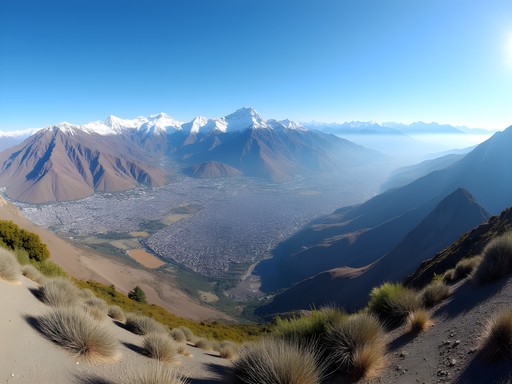
G'day fellow adventure seekers! After three trips to Chile chasing volcanic formations and snowboarding in the Andes, I've finally given Santiago the attention it deserves. This vibrant capital city sits in a geological wonderland – nestled between the towering Andes and coastal mountain ranges, with the extinct Cerro San Cristóbal volcano right in the city limits! While most travelers use Santiago as merely a jumping-off point for Patagonia or the Atacama Desert, I'm here to convince you that this cosmopolitan hub deserves 72 glorious hours of your time. From world-class museums and bohemian neighborhoods to panoramic mountain views and surprising pockets of nature, Santiago blends South American charm with European sophistication. So grab your partner's hand and let me walk you through the perfect weekend exploring Chile's beating heart – no crampons or hiking boots required (though I did manage to sneak in one volcano, because... well, it's me).

Day 1: Historic Centro and Cultural Immersion
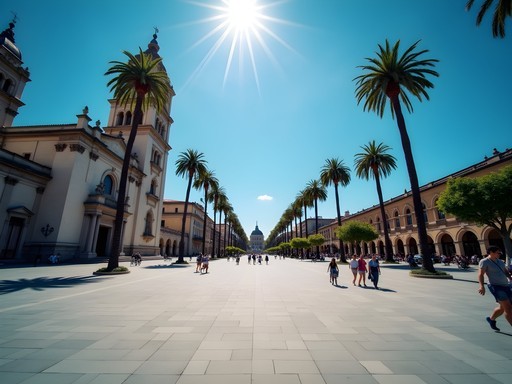
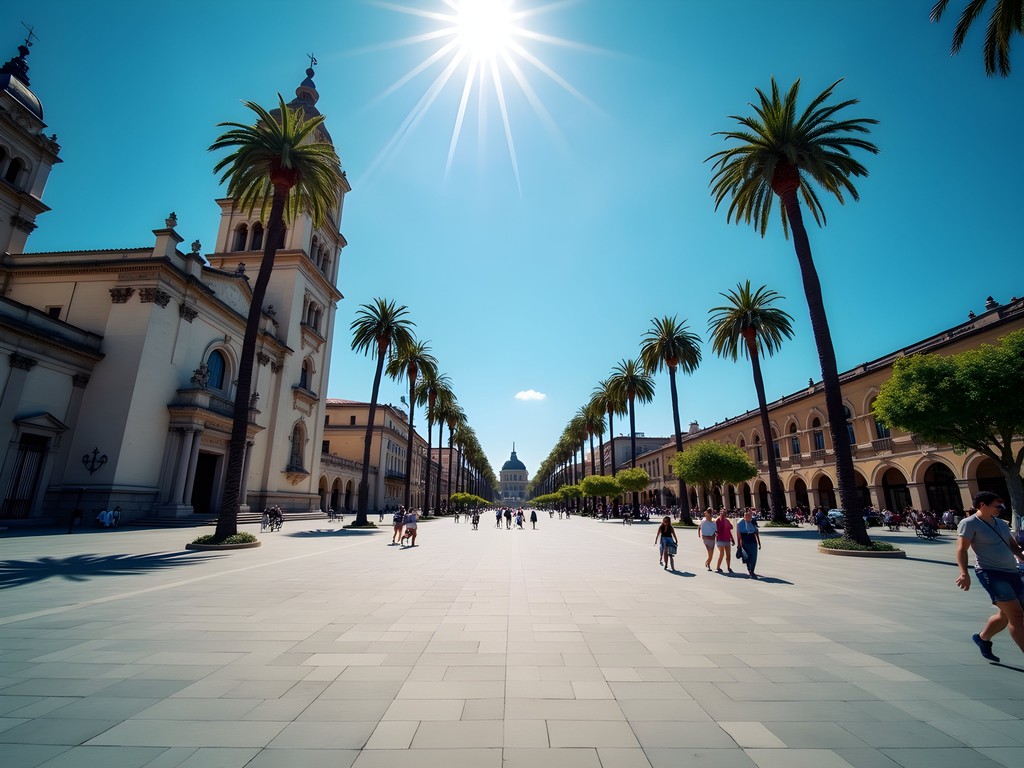
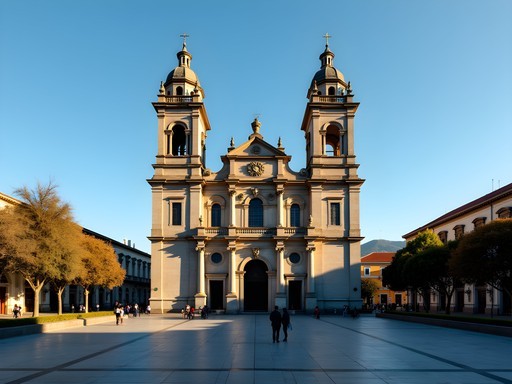
Start your Santiago adventure where the city itself began – in the historic center. Plaza de Armas forms the beating heart of old Santiago, a palm-tree lined square that's been the city's social hub since 1541. The Metropolitan Cathedral's neoclassical façade dominates one side, while the National History Museum offers a crash course in Chilean history (and some fascinating geological exhibits that had this volcano nerd geeking out over ancient lava samples).
After exploring the plaza, walk two blocks to La Moneda Palace, Chile's government house. Time your visit for the changing of the guard ceremony if possible – it happens every other day at 10 am (check current schedule) with full military band accompaniment.
For lunch, dive into Santiago's famed seafood scene at Mercado Central. This wrought-iron masterpiece dates back to 1872 and houses dozens of marisquerías (seafood restaurants). I recommend the caldillo de congrio (conger eel soup) – the same dish Pablo Neruda wrote an ode to! Skip the touristy restaurants in the center and head to the market's edges for better prices and authenticity.
Spend your afternoon wandering the pedestrian streets of Paseo Ahumada and Paseo Huérfanos, stopping for a quick caffeine hit at one of Santiago's trendy third-wave coffee shops. Café Cultura serves exceptional local beans and makes for a perfect people-watching spot.
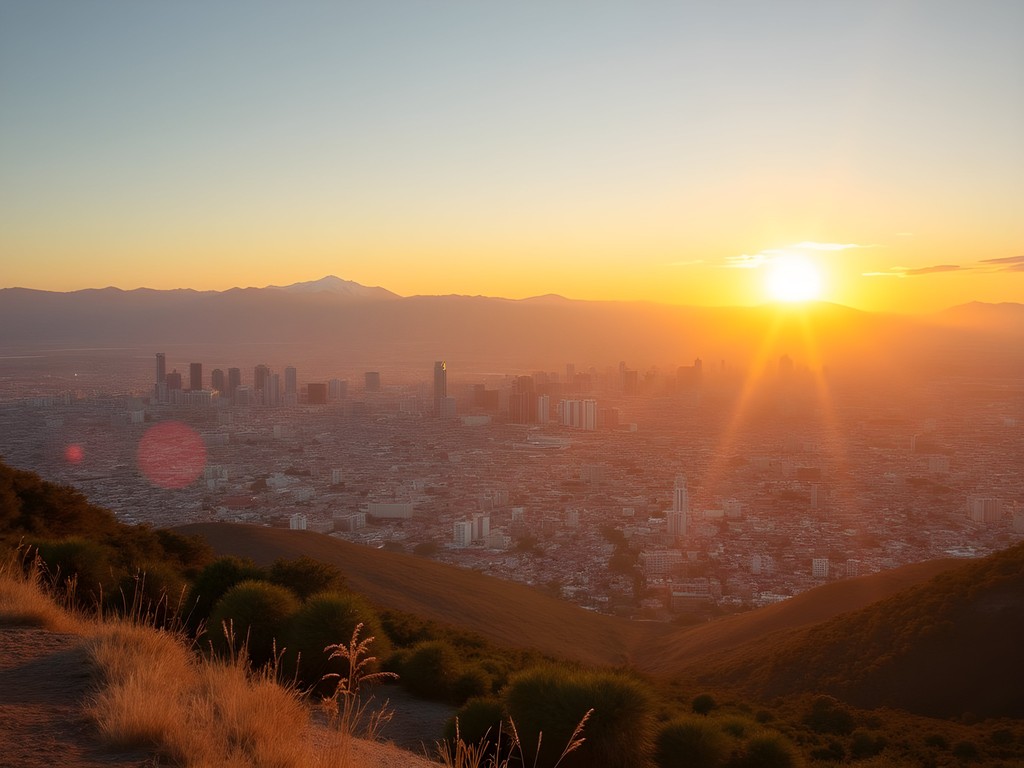
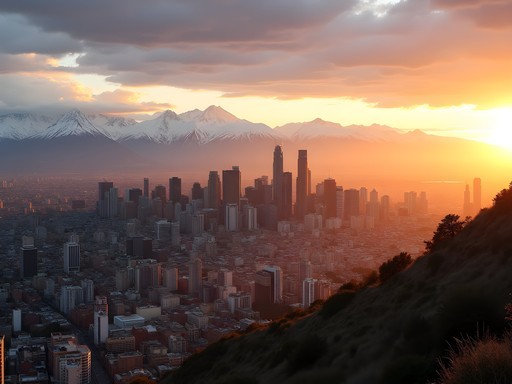
As evening approaches, take the funicular railway up Cerro San Cristóbal for sunset views over the city. This extinct volcanic hill rises 300 meters above the city and offers panoramic vistas that showcase Santiago's unique setting between mountain ranges. I spent nearly two hours here sketching the geological features visible from this vantage point – the layered sedimentary formations in the distance tell millions of years of Earth's history!
For dinner, head to the Lastarria neighborhood, a bohemian enclave filled with colonial architecture, boutique shops, and excellent restaurants. Bocanariz offers over 400 Chilean wines by the glass, paired with innovative small plates. Their wine flights provide an excellent introduction to Chile's diverse wine regions.
💡 Pro Tips
- Visit Plaza de Armas early morning to avoid crowds and get better photos
- Bring a light jacket for Cerro San Cristóbal – it gets windy at the summit even on warm days
- Many Santiago museums offer free admission on Sundays – plan accordingly
Day 2: Markets, Parks, and Bohemian Vibes
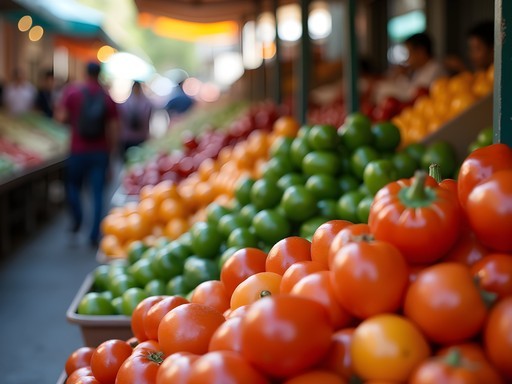
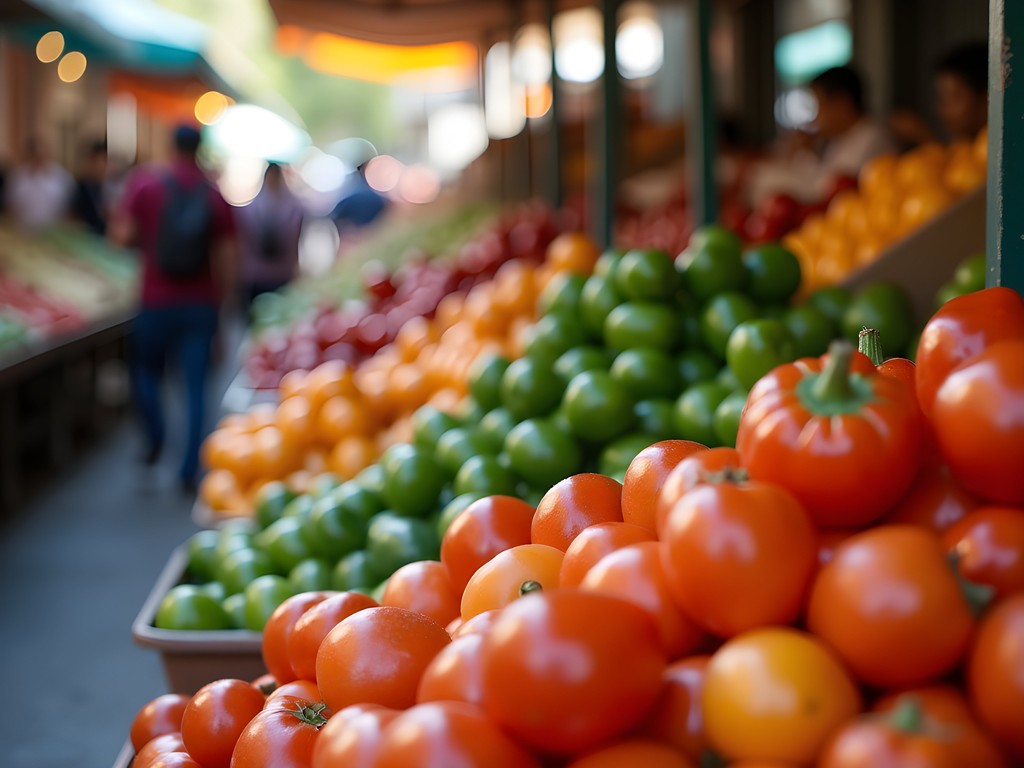
Rise early and head straight to La Vega Central Market – Santiago's bustling food wonderland. This is where locals shop, and the sensory experience is unmatched: mountains of exotic fruits, vendors shouting prices, and the intoxicating aromas of Chilean street food. Try sopaipillas (pumpkin fritters) or a refreshing mote con huesillo (peach nectar with husked wheat) for breakfast on the go.
With full bellies, take a short walk to the nearby Quinta Normal Park, home to multiple museums. My top pick is the Museum of Natural History, which houses an impressive collection of Chilean geological specimens including a fascinating exhibit on the country's seismic activity. As someone obsessed with tectonic forces, I spent hours studying their visual displays of Chile's volcanic arc formation.
For lunch, hop on the metro to Barrio Brasil, a colorful neighborhood with beautiful architecture and vibrant street art. Peluquería Francesa, set in a former barbershop, serves traditional Chilean cuisine with a modern twist in a uniquely atmospheric setting.
Spend your afternoon exploring Santiago's largest green space – Parque Bicentenario. This modern park features artificial lagoons, flamingos, and magnificent views of the Andes. I always pack my pocket binoculars to spot Andean condors that occasionally soar above the city – these massive birds have a wingspan of over 3 meters!
As evening approaches, it's time to experience Barrio Bellavista, Santiago's bohemian heart and nightlife district. Start with a visit to La Chascona, poet Pablo Neruda's quirky Santiago home (now a museum), before wandering the neighborhood's street art-covered laneways.
For dinner, Patio Bellavista offers numerous options, but I recommend Azul Profundo for excellent seafood. After dinner, sample Chilean craft beers at Cervecería Nacional or catch live music at one of the neighborhood's many venues. If you're feeling adventurous, join a salsa class – many bars offer free lessons early in the evening before the serious dancers arrive.

💡 Pro Tips
- Visit La Vega market with small bills and coins for easier transactions
- Keep your valuables secure in busy market areas – a money belt worn under clothing is ideal
- Many Santiago museums close on Mondays – check opening hours in advance
Day 3: Wine Country and Panoramic Vistas
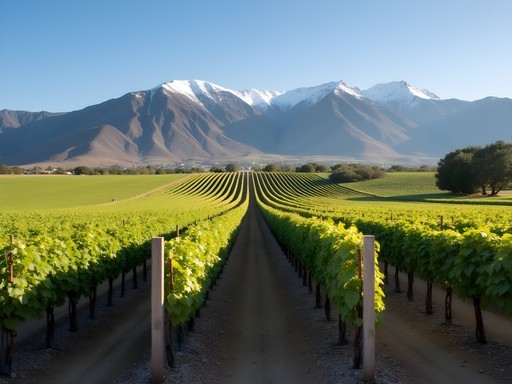
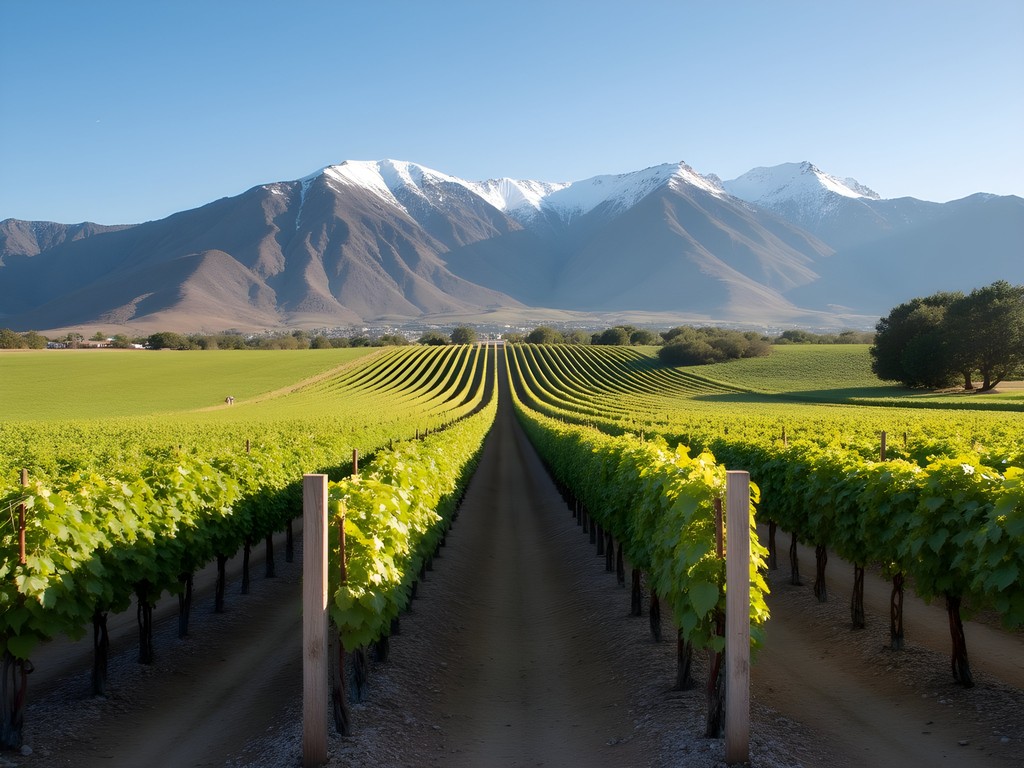
Your final day deserves a special excursion, and the Maipo Valley wine region lies just 45 minutes from Santiago's center. This renowned valley produces some of Chile's finest Cabernet Sauvignons, with vineyards dramatically set against the Andean foothills.
Start with a morning tour of Concha y Toro, Chile's largest and most historic winery. Their Devil's Cellar tour explains the fascinating legend behind their famous Casillero del Diablo wine label. For a more boutique experience, I prefer Aquitania, a smaller winery with spectacular mountain views and more personalized tastings.
After your wine adventure, return to Santiago for a late lunch at Boragó, consistently ranked among Latin America's best restaurants. Chef Rodolfo Guzmán creates avant-garde dishes using native Chilean ingredients – many foraged from diverse ecosystems across the country. The tasting menu is splurge-worthy for a special occasion.
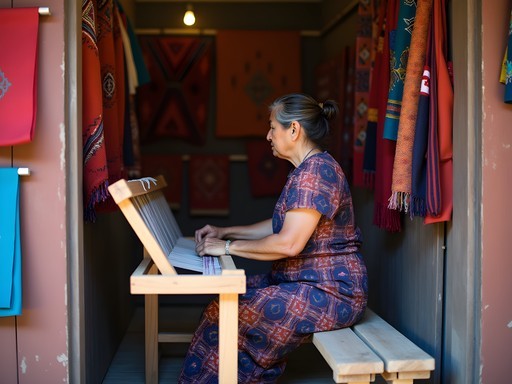
Spend your final afternoon exploring Barrio Italia, Santiago's design district filled with antique shops, art galleries, and boutiques housed in restored early 20th-century buildings. The neighborhood's hidden courtyards contain artisan workshops where you can find unique souvenirs.
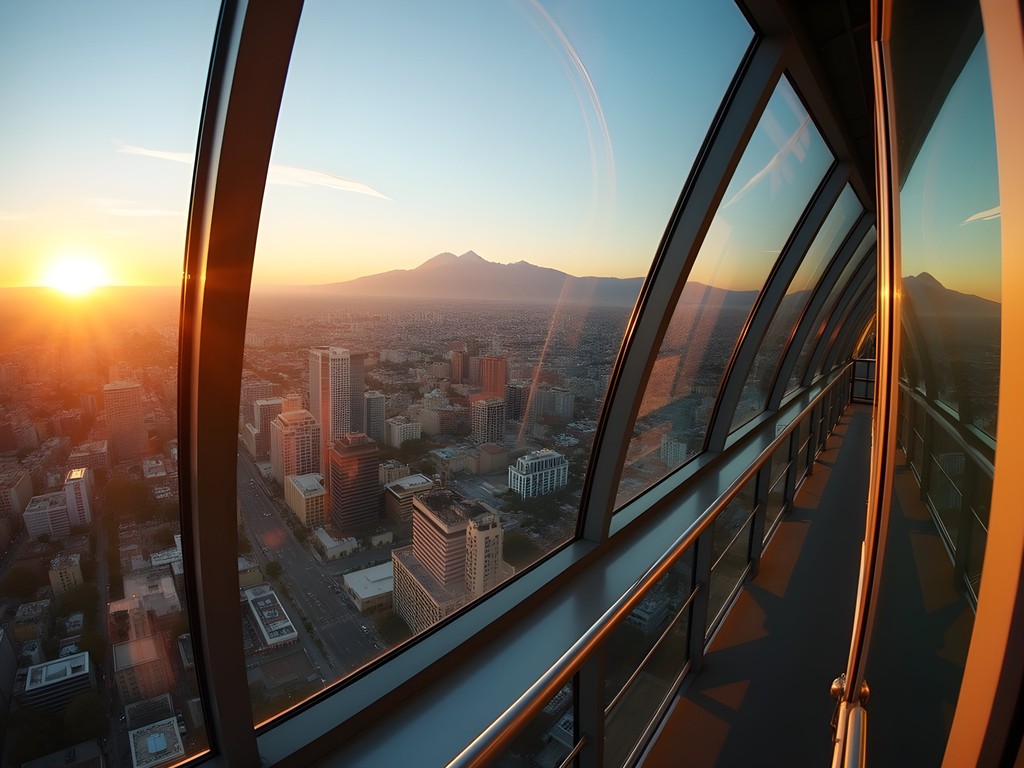
For your Santiago finale, head to Sky Costanera, Latin America's tallest observation deck atop the 300-meter Gran Torre Santiago. Time your visit for the golden hour when the setting sun illuminates the snow-capped Andes in brilliant orange and pink hues. The 360-degree views reveal Santiago's unique geological setting – surrounded by mountains with the distinctive stratification of the Andean range clearly visible.
As a geology enthusiast, I spent ages identifying different peaks and volcanic formations with my compact travel telescope. The staff thought I was slightly mad until I showed them close-up views of distant volcanic features they'd never noticed!
Finish your Santiago experience with dinner at Osaka, a Nikkei restaurant blending Peruvian and Japanese cuisine – representing the cultural fusion that makes South American cities so dynamic. Their pisco sour variations make the perfect farewell toast to your 72 hours in Chile's captivating capital.
💡 Pro Tips
- Book winery tours at least 2-3 days in advance, especially during peak season
- Consider hiring a private driver for wine tours if your budget allows – it's safer and more flexible than public transportation
- Sky Costanera tickets can be purchased online to avoid queues

Where to Stay in Santiago
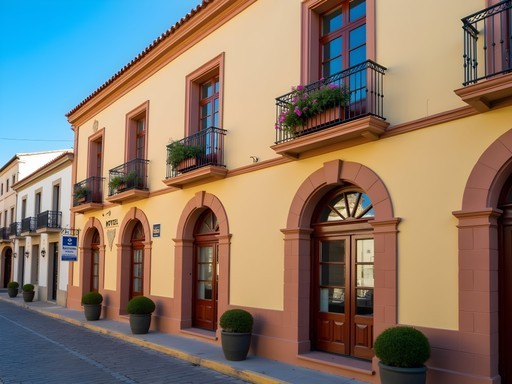
Santiago offers diverse accommodation options across different neighborhoods, each with its own character. For couples seeking a romantic weekend, I recommend focusing on three key areas.
Lastarria/Bellas Artes forms Santiago's cultural heart, where historic buildings house boutique hotels, galleries, and cafés. Hotel Cumbres Lastarria offers stylish rooms with floor-to-ceiling windows framing city views, plus a rooftop pool perfect for afternoon breaks between explorations. The neighborhood's central location puts most major attractions within walking distance.
Providencia provides a more upscale residential feel with excellent dining options and beautiful tree-lined avenues. Hotel Orly occupies a converted mansion with charming courtyards and offers a perfect balance of character and comfort. The area feels less touristy while remaining convenient to attractions via Santiago's efficient metro system.
For luxury seekers, Las Condes in eastern Santiago (part of the area known as 'Sanhattan' for its modern skyscrapers) houses international hotel chains and upscale shopping. The W Santiago features contemporary design, spectacular Andes views, and the city's most fashionable rooftop bar.
During my visits, I've found staying in Lastarria most convenient for a short weekend trip. The walkability factor is unbeatable, and the neighborhood buzzes with energy well into the evening. For light sleepers, I recommend bringing earplugs as Santiago's central neighborhoods can be lively until late, especially on weekends.
Regardless of where you stay, look for properties with air conditioning if visiting during summer months (December-February) as temperatures can climb above 30°C (86°F). In spring, temperatures are generally pleasant, but having climate control ensures comfort after long days of exploration.

💡 Pro Tips
- Book accommodations with Andes views if possible – the mountain panorama makes mornings magical
- Most Santiago hotels charge an additional 19% VAT tax, but foreign visitors paying in US dollars are exempt (bring your passport and foreign credit card)
- Consider location relative to metro stations – Santiago's subway system is clean, efficient and the best way to avoid traffic
Getting Around Santiago
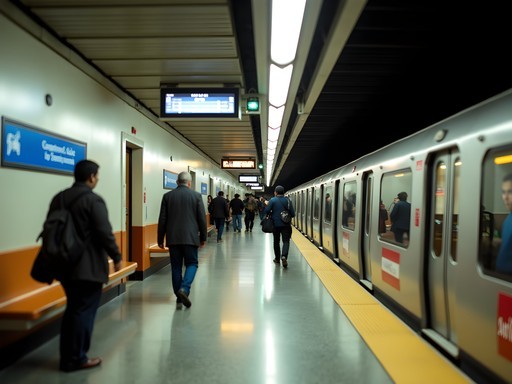
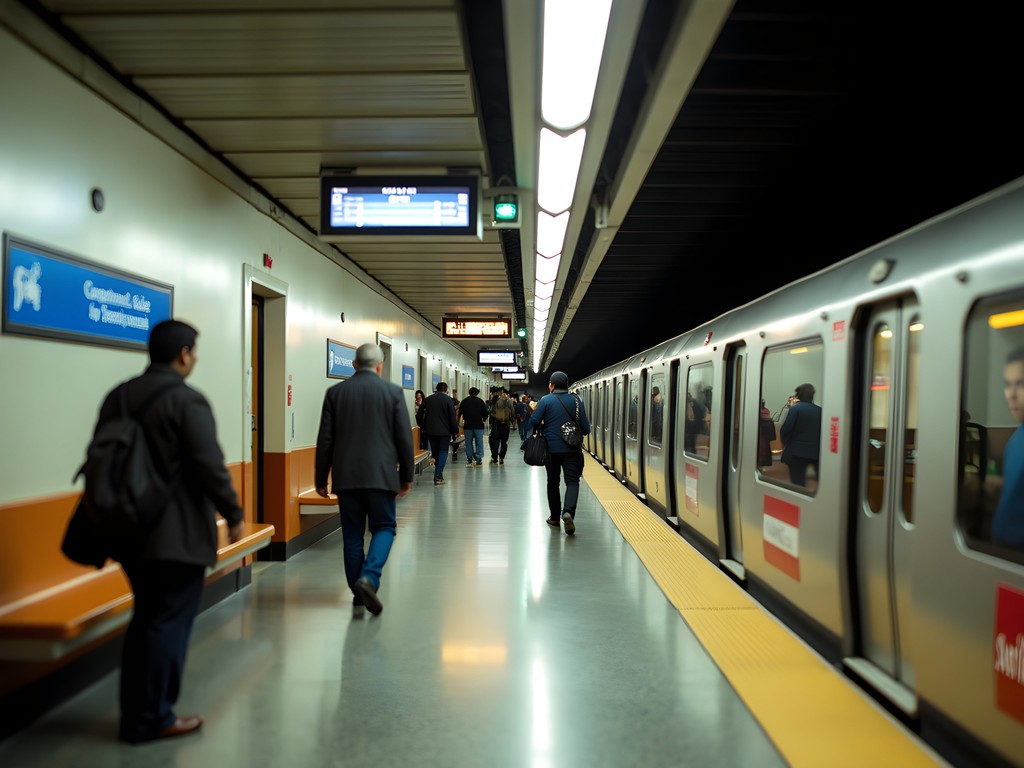
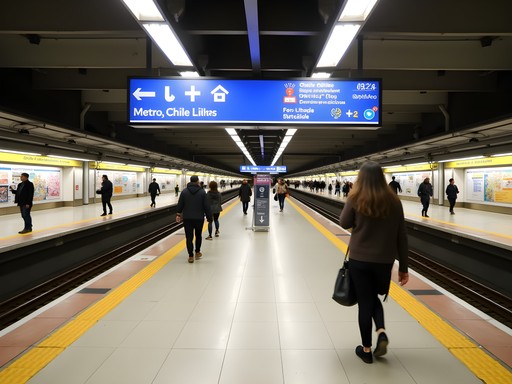
Santiago boasts one of South America's most efficient public transportation systems, making it surprisingly easy to navigate despite its size. The Metro de Santiago forms the backbone of the network with seven clean, safe, and frequent lines connecting most major attractions and neighborhoods. At just 800 pesos (about $1 USD) per trip, it's also incredibly affordable.
You'll need a bip! card to use public transportation – purchase one at any metro station and load it with credit. Each card costs 1,550 pesos and can be shared between travelers (just swipe multiple times for your group). During my last visit, I purchased a 3-day unlimited transportation pass which proved excellent value for our exploration-heavy itinerary.
For destinations not served by metro, Santiago's extensive bus network fills the gaps. Buses require the same bip! card as the metro, making transfers seamless. However, bus routes can be confusing for visitors – I recommend using the TransantiagoMaster app which provides real-time arrival information and route planning.
Ride-sharing services like Uber and Cabify operate throughout Santiago and offer an affordable alternative when you're tired after a long day of sightseeing or heading out at night. I found these particularly useful when traveling to and from wineries or more distant neighborhoods.
Walking is my preferred way to explore central Santiago neighborhoods like Centro Histórico, Lastarria, and Bellavista. The city's grid layout makes navigation straightforward, and many streets in these areas are pedestrianized. Just be aware that Santiago sprawls extensively, so check distances before setting out on foot.
If you're visiting between October and April, consider renting bicycles through Santiago's bike-sharing program, Bike Itaú. With stations throughout the city and dedicated bike lanes on many major avenues, cycling offers a pleasant alternative for covering ground on nice days. I always pack my portable water bottle when exploring by bike – Santiago's tap water is perfectly safe to drink, and staying hydrated is essential, especially during spring and summer months.
💡 Pro Tips
- Avoid metro during rush hours (7:30-9:00 am and 6:00-7:30 pm) when trains become extremely crowded
- Always keep small change for transportation as ticket machines don't accept large bills
- Download the Santiago Metro app for updated maps and service information
Final Thoughts
As my flight lifted off from Santiago International Airport, I pressed my face against the window for one last glimpse of the city nestled between mountain ranges. Three days barely scratches the surface of what Santiago offers, but it's enough to fall in love with this dynamic capital that perfectly balances urban energy with natural beauty. The geological wonder of a city built between volcanic mountains never ceases to amaze me, and the warm Chilean hospitality makes every visit special. Whether you're exploring historic plazas, sipping world-class wines, or watching sunset paint the Andes in golden hues, Santiago rewards curious travelers willing to look beyond its sometimes gritty exterior. So grab your partner, book those flights, and prepare for 72 hours of discovery in South America's most underrated capital. ¡Hasta pronto, Santiago!
✨ Key Takeaways
- Santiago deserves at least 3 full days rather than being treated as just a transit hub
- The city's unique setting between mountain ranges creates spectacular viewpoints and photo opportunities
- Spring (September-November) offers ideal weather with blooming jacaranda trees and fewer tourists
- Combining cultural exploration with day trips to nearby wine regions creates the perfect weekend balance
📋 Practical Information
Best Time to Visit
Spring (September-November) or Fall (March-May)
Budget Estimate
$100-150 USD per day per person (mid-range)
Recommended Duration
3-4 days minimum
Difficulty Level
Easy
Comments
Taylor Moreau
Excellent itinerary, Rachel. I was in Santiago last year for a conference and wish I'd had more time to explore beyond the business district. Your Day 2 recommendations around Bellavista and the markets are spot on - that neighbourhood has such wonderful energy. One tip I'd add: the Cerro San Cristóbal funicular is worth taking at sunset if the weather cooperates. The views over the city with the Andes backdrop are absolutely spectacular. Also found the locals incredibly welcoming and patient with my terrible Spanish!
winterpro
yes!! sunset at cerro san cristobal was amazing
blueexplorer
Going there in April! How did you get to the wine country? Did you book a tour or rent a car?
winterpro
not the author but we did a day tour from santiago. way easier than driving yourself
blueexplorer
Thanks! That's what I was thinking too
winterpro
Nice! The metro there is super easy to use
Jean Wells
Excellent breakdown, Rachel. I spent a week in Santiago last spring and your itinerary captures the essential experiences perfectly. One addition I'd suggest: if readers have time, the Museo de la Memoria is profoundly moving and provides important historical context about Chile's recent past. Also, for wine enthusiasts, I found the Casas del Bosque tour in Casablanca Valley slightly less touristy than some Maipo options, though both regions are spectacular. The public transit system really is impressive - I managed everything with just the Bip! card and never needed taxis.
coffeeexplorer
Thanks for the museum tip! Adding that to my list
escapeblogger
Going in August - is that a good time weather wise?
Rachel Snyder
August is winter there so it'll be chilly! Bring layers. But the upside is the Andes will have amazing snow if you want to ski nearby. The city itself is still great to explore, just not ideal for the wine country day trip.
coffeeexplorer
This looks amazing!! Quick question - is Santiago safe for solo travelers? I'm thinking about going but would be my first time in South America and a bit nervous tbh
tripblogger
I went solo last year and felt totally safe! Just use common sense like any big city - don't flash expensive stuff around and stick to main areas at night
Rachel Snyder
Totally agree with tripblogger! I felt very safe exploring Santiago. The metro is clean and reliable, and neighborhoods like Lastarria and Bellavista are super walkable. Just keep your bag close in crowded markets. You'll love it!
tripblogger
Love this! Santiago is so underrated honestly
Jean Wells
Rachel, your Day 2 recommendations align perfectly with my experience last year. The contrast between La Vega Central's bustling energy and the tranquility of Cerro San Cristóbal offers visitors a comprehensive understanding of Santiago's multifaceted character. I would add that the funicular ride, while touristy, provides essential context to appreciate the city's geographical positioning between mountains. One critical observation: wine enthusiasts should consider allocating more time to Maipo Valley than a single day permits. The terroir variations between vineyards merit deeper exploration, particularly at Concha y Toro where their soil composition analysis reveals fascinating viticultural adaptations to climate change.
Rachel Snyder
Jean, you're absolutely right about Maipo Valley deserving more time! I was working within the 72-hour constraint, but I'd definitely recommend wine enthusiasts extend their stay. Your point about the funicular is spot-on too - those views are essential for understanding Santiago's layout.
ChileTraveler2023
The funicular was closed for renovations when I went last month! Had to hike up instead, but the views were worth it!
roamway250
Hey Rachel! This is perfect timing - heading to Santiago next month! How's the public transportation there? Safe for solo travelers?
Rachel Snyder
Hi @roamway250! The metro in Santiago is super clean, efficient and safe. I used it daily without issues. Just keep normal city awareness about pickpockets in crowded areas. The rechargeable Bip! card makes it easy to get around. Enjoy your trip!
roamway250
Thanks Rachel! That's really reassuring. Any neighborhoods I should avoid at night?
Rachel Snyder
Stick to Providencia, Las Condes, and Bellavista areas after dark. I'd avoid Santiago Centro at night unless you're with locals who know their way around. The safety pouch I used was perfect for carrying essentials discreetly!
stargal
Thanks for the metro card tip! I would have totally bought individual tickets every time. Quick question - did you find Uber or public transport better for getting to/from the airport?
Rachel Snyder
I used the official airport buses (Centropuerto or TurBus) - they're frequent, cheap and drop you at Los Héroes metro station. Uber works too but can be pricier during rush hour!
Venture X
Premium card with 2X miles, $300 travel credit, Priority Pass