


Disclosure: This article contains affiliate links. We may earn a commission from purchases at no extra cost to you, which helps our travel content.
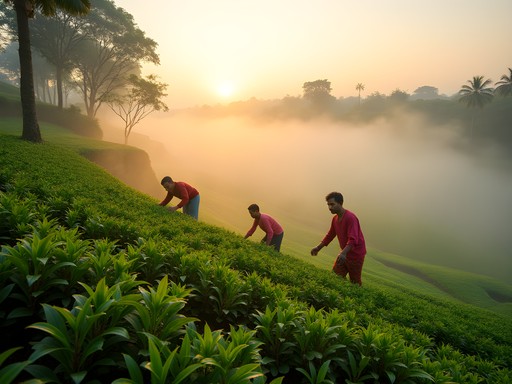
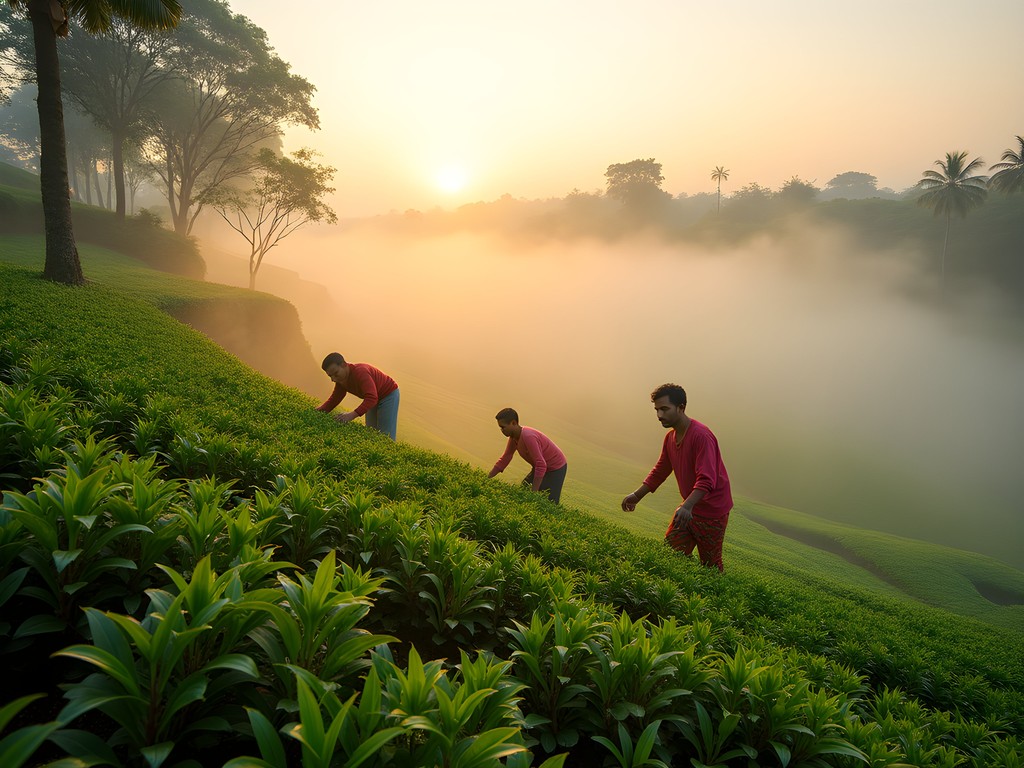
The morning fog lifts off endless rows of tea bushes like steam from a perfect broth, revealing the verdant landscape that has earned Sylhet its reputation as Bangladesh's tea capital. This northeastern gem might not be on most travelers' radar, but after my recent winter getaway from London's kitchen heat, I'm convinced it should be. Between sipping the freshest tea you'll ever taste and wandering ancient shrines where spirituality hangs as thick as the morning mist, Sylhet offers a sensory feast that speaks to both the chef and wanderer in me.

Day 1: Tea Estates and Cultural Immersion
Begin your Sylhet adventure where the region's heart truly beats – among the undulating tea gardens that blanket the landscape. I started at Lakkatura Tea Estate, arriving just after sunrise when workers were beginning their precise dance of plucking two-leaves-and-a-bud. The methodical rhythm reminded me of the meditative food preparation I witnessed in Japanese monasteries – both requiring presence and reverence for tradition.
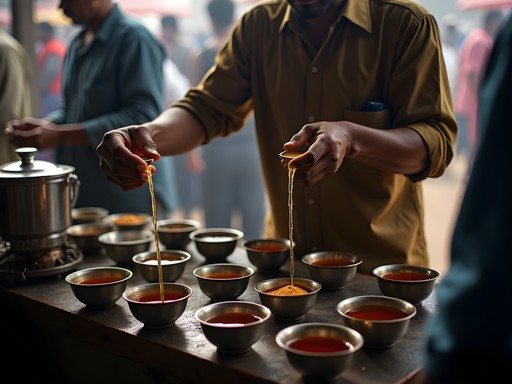
After watching the processing at the factory (the oxidation process is remarkably similar to developing complex flavors in fermented foods), I recommend heading to the local tea stalls where estate workers gather. Here, I sipped the strongest, most aromatic tea I've ever tasted, served in small clay cups that enhance the earthy notes – no fancy teahouses needed.
For lunch, venture to Pangthumai village where you can feast on authentic Sylheti cuisine. The panta bhat (fermented rice) with shutki (dried fish) might challenge Western palates, but as a chef, I found the complex fermented flavors fascinating – it's Bangladesh's answer to koji fermentation.
Spend your afternoon at the Shrine of Hazrat Shah Jalal, Sylhet's spiritual epicenter. Remove your shoes, cover appropriately (I always pack my lightweight travel scarf which doubles as a head covering), and absorb the reverent atmosphere. The shrine complex houses ancient manuscripts and architectural details that speak to centuries of devotional practice.
💡 Pro Tips
- Visit tea estates early morning for the best light and to see workers in action
- Carry small change for tea stalls – they rarely break large bills
- Women should dress modestly when visiting shrines – long pants/skirts and shoulder coverings
Tea Tasting and Market Exploration
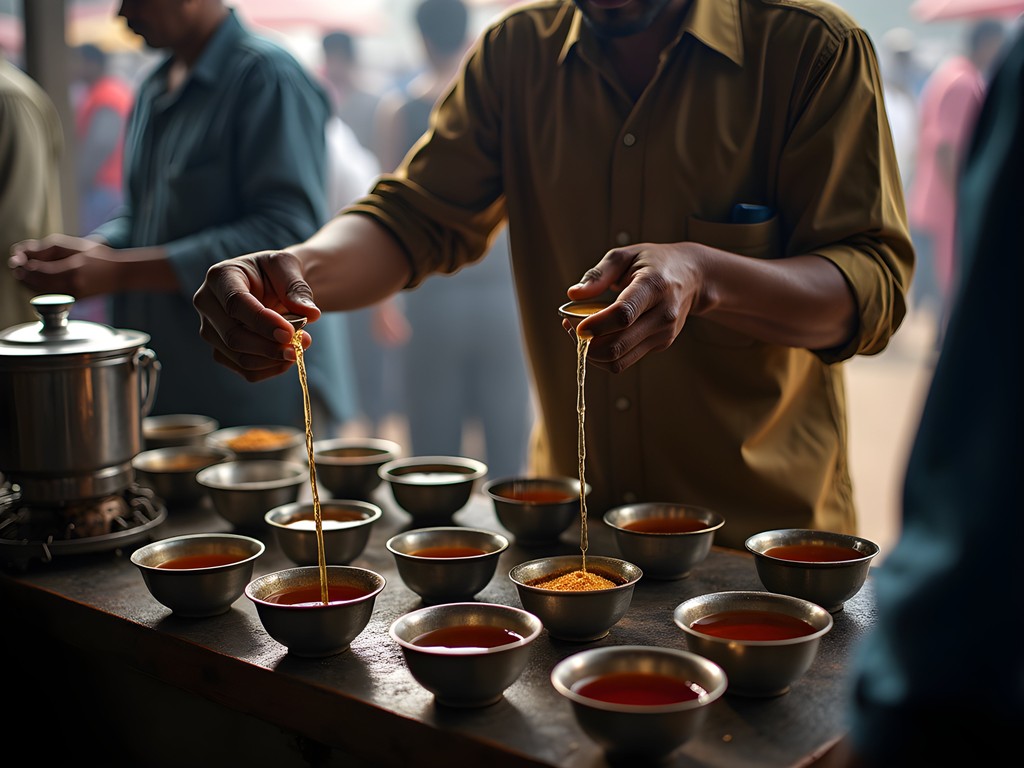
No visit to Sylhet is complete without a proper tea tasting session. Skip the tourist traps and head to Keramat Ali's Tea Shop in the old quarter, where locals gather over steaming cups of seven-spice tea. Mr. Ali taught me his technique for properly aerating the tea by pouring between cups from impressive heights – a flourish that would impress even my Michelin colleagues back in London.
After your tea education, dive into the sensory overload of Sylhet's central market. As a chef, I found myself lost among stalls of spices I'd never encountered, including the local radhuni that adds a unique citrusy note to fish dishes. I couldn't resist picking up a spice grinder specifically for these discoveries – much better than pre-ground options.
For lunch, follow your nose to the food stalls selling shatkora beef curry, made with a local citrus that tastes like a complex marriage of lime and grapefruit. I've been experimenting with incorporating this flavor profile into my restaurant's winter menu ever since.
Spend your afternoon at Dreamland Amusement Park if you need a break from cultural immersion. While not exactly on par with global standards, there's something charming about the slightly dated attractions and the joy they bring local families. I found myself sketching the colorful scene while enjoying a cup of malai cha (cream tea) from a vendor who's been working there for three decades.
💡 Pro Tips
- Ask tea vendors to demonstrate the pouring technique – they're usually happy to show off
- Bargain respectfully at markets – start at about 60% of the initial price
- Bring a small notebook to write down names of unfamiliar spices and ingredients
Day 2: Natural Wonders and Hidden Gems
Rise early for a journey to Ratargul Swamp Forest, Bangladesh's only freshwater swamp forest. During winter, water levels are lower, making exploration easier while still maintaining the mystical atmosphere. Hire a small boat (negotiate your rate beforehand – I paid 600 taka for a private tour) and glide through the silent waterways as mist clings to the canopy.
The boatmen know exactly where to spot wildlife, including kingfishers that dart like flashes of jeweled light between branches. I found myself thinking of Kentucky's dawn mist over Churchill Downs – both landscapes holding their breath in anticipation of the day. Don't forget to bring a waterproof phone case – the humidity here can damage electronics, and you'll want photos of this otherworldly place.
Afternoon calls for a visit to Lalakhal, where the stunning blue-green waters of the Shari River create a natural marvel. The color comes from the minerals in the riverbed and is most vivid during winter months. Rather than joining larger tour boats, I hired a local fisherman who showed me secluded spots where the river bends create perfect swimming holes.
End your day at Shahjalal Upashahar, a residential area where locals have opened small home restaurants serving regional specialties. I was invited into a family kitchen where three generations of women prepared pitha (rice cakes) with techniques that haven't changed in centuries. The grandmother reminded me of the monastery cooks in Japan – both working with an economy of movement that comes only from decades of practice.

💡 Pro Tips
- Book your Ratargul boat early – they fill quickly after 9am
- Bring insect repellent for the swamp forest – the mosquitoes are relentless
- Ask permission before photographing people in smaller villages – a smile and gesture toward your camera usually suffices

Local Cuisine: A Chef's Perspective
As a chef, I approach travel through taste, and Sylhet offers a culinary landscape as varied as its terrain. The region's signature dish is shatkora mangsho – beef slow-cooked with the indigenous citrus fruit that grows nowhere else in the world. At Panshi Restaurant, I watched the chef balance the intense sour notes with warming spices in a way that reminded me of the precision required in French cuisine.
For breakfast, seek out parata with bhaji (mixed vegetables) from street vendors who set up before dawn. The layered flatbread is stretched and folded with mathematical precision, creating dozens of delicate layers that shatter beautifully when broken. I've been attempting to recreate this technique back in my London kitchen, much to the amusement of my colleagues.
Tea culture here extends beyond the obvious. The seven-layer tea at Nilkantha Tea Cabin is a marvel of density manipulation – each colored layer representing different tea preparations. As someone who's worked with layered consommés, I was professionally impressed by this roadside achievement.
For kitchen inspiration, I couldn't leave without visiting the pottery village of Volouka, where clay cooking vessels are still made by hand. I purchased a traditional clay cooking pot that imparts an earthy depth to slow-cooked dishes. While not identical to Sylhet's pottery, it's the closest equivalent I've found that's readily available in Western markets.
End your culinary exploration at one of the riverside restaurants where freshwater fish is prepared simply but perfectly – usually just rubbed with turmeric and salt before being grilled over open flames. The minimalist approach lets the quality of the ingredients speak for themselves, a philosophy I've always embraced in my own cooking.

💡 Pro Tips
- Always eat where locals gather – the busiest stalls usually offer the best food
- Don't be afraid of street food, but stick to places where you can see the cooking process
- Ask for dishes to be prepared 'medium spicy' unless you're accustomed to serious heat
Final Thoughts
As my small plane lifted away from Sylhet's Osmani International Airport, I found myself already planning a return visit. There's something about this region that speaks to both the chef and the seeker in me – perhaps it's the reverence for tradition, whether in tea cultivation or spiritual practice, that resonates with my own journey through monasteries and kitchens around the world.
Sylhet doesn't announce itself loudly like Dhaka or offer the immediate beach appeal of Cox's Bazar. Instead, it reveals itself slowly, like a complex dish whose flavors unfold with each bite. The region rewards those willing to venture beyond the obvious, to sit with locals over steaming cups of tea, to rise early for misty mornings in the tea gardens.
For solo travelers seeking authentic experiences without breaking the bank, Sylhet offers that increasingly rare combination of accessibility and authenticity. Just remember to pack your patience alongside your quick-dry travel towel – the best experiences here unfold according to their own rhythm, not your itinerary. Let Sylhet steep into your travel memories like its famous tea – slowly, richly, and with a depth that lingers long after you've taken the last sip.
✨ Key Takeaways
- Winter offers the best balance of comfortable temperatures and clear skies for exploring Sylhet
- Budget travelers can experience authentic cultural immersion for under $30 per day
- Tea estates, spiritual sites, and river landscapes provide a perfect mix of activities for a short visit
📋 Practical Information
Best Time to Visit
November to February (winter)
Budget Estimate
$25-40 per day
Recommended Duration
2-3 days
Difficulty Level
Easy




Comments
Jean Wells
Brooklyn, I appreciated your section on local cuisine! Too many travelers miss out on authentic Sylheti food. I'd add that Pach Bhai Restaurant near Keane Bridge serves the best beef hatkora I've found - the citrus notes in that dish are unforgettable. For vegetarians, the shutki shutki (dried fish) is obviously off-limits, but the vegetable preparations with panch phoron (Bengali five-spice) are exceptional at Panshi Restaurant. One practical note for fellow travelers: the cellular network can be spotty in the tea estates. I downloaded offline Google Maps before heading out which proved invaluable when our driver took some "creative" routes back to the city. Also, don't miss the view from the hilltop shrines - worth the climb for photographers.
Brooklyn Cunningham
Thanks Jean! I completely agree about Pach Bhai - their hatkora dishes are incredible. Great tip about the offline maps too!
beachpro
Those photos of the tea pickers at dawn are absolutely stunning! What camera do you use?
journeyway501
What's the weather like in Sylhet in August? Is monsoon season a bad time to visit?
Brooklyn Cunningham
August is definitely peak monsoon season in Sylhet. It's incredibly lush but expect daily heavy rainfall. The tea estates look vibrant green but hiking can be challenging with muddy conditions. If you do go then, pack waterproof everything and be flexible with your itinerary!
journeydiver
Just booked flights to Bangladesh for February and Sylhet is definitely on the itinerary now! Anyone know if two days is really enough? Would you recommend staying longer? Also curious about the food - what dishes are absolute must-tries?
smartzone
Two days is tight but doable for highlights. We stayed 4 days and didn't regret it. Food-wise, don't miss shatkora beef curry (made with a local citrus fruit) and definitely try fresh fish from the haors (wetlands)!
Frank Carter
Brooklyn, your post brought back wonderful memories of my time in Sylhet! I spent a week there last spring documenting tea culture. The morning ritual of watching workers pluck tea leaves was mesmerizing. One tip for readers: visit Lakkatura Tea Estate - they're less touristy than some others mentioned and the manager there, Mr. Rahman, gives incredible tours if you arrange in advance. Also worth mentioning is staying overnight in Srimangal (the actual tea town) rather than Sylhet city for a more immersive experience. I used my pocket translator constantly there as English isn't widely spoken outside tourist areas.
smartzone
Just got back from Sylhet last month! The tea tastings were incredible - definitely try the seven layer tea at Nilkantha Tea Cabin if you go. We spent an extra day exploring Ratargul Swamp Forest which wasn't mentioned in the post but was absolutely worth it. The boat ride through the flooded forest was magical, especially in the early morning when mist hangs over the water.
beachpro
Seven layer tea sounds amazing! What's in it?
smartzone
It's a local specialty with 7 different types of tea and milk layered without mixing. Each layer has different herbs and spices. Tastes completely different depending which level your straw is at!
wildperson
Is it safe for solo female travelers? How did you get around between tea estates?
Sarah Powell
I visited Sylhet solo last year and felt quite safe. Local CNGs (auto-rickshaws) are great for getting between estates, but negotiate prices beforehand. I recommend hiring a local guide for at least one day - makes navigation much easier and they'll share cultural insights you'd otherwise miss.
wildperson
Thanks Sarah! That's super helpful. Did you book a guide in advance or find one there?
Sarah Powell
I arranged through my hotel in Sylhet. Most accommodations can connect you with reliable guides. Costs around 1500-2000 taka per day (~$15-20).
escapeninja
Those tea estates look incredible! Adding Sylhet to my bucket list right now.
tripvibes
Going in March! How's the weather then? Is 48 hours really enough??
Douglas Bradley
March is ideal - dry season with comfortable temperatures. 48 hours hits the highlights, but if you can stretch to 3-4 days, you won't regret it.
waveadventurer
def try to stay longer if you can, there's so much to see
Douglas Bradley
Excellent breakdown, Brooklyn. I spent three days in Sylhet last year and your itinerary captures the essence perfectly. One addition I'd suggest: the Ratargul Swamp Forest is absolutely worth the boat ride if you can squeeze it in. It's one of the few freshwater swamp forests in Bangladesh and the early morning light filtering through the trees is photographer's gold. Also, for anyone planning to visit multiple tea estates, hiring a local guide through your hotel is far more economical than booking individual tours. They know the back roads and can get you access to smaller, family-run estates that aren't on the typical tourist circuit.
tripvibes
Swamp forest sounds amazing!! Adding that to my list 🙌
Venture X
Premium card with 2X miles, $300 travel credit, Priority Pass