

Disclosure: This article contains affiliate links. We may earn a commission from purchases at no extra cost to you, which helps our travel content.
The 150-kilometer stretch between Bangalore and Mysore isn't just a highway—it's a cultural time machine where centuries of South Indian heritage unfold with each passing mile. Ten years after my transformative journey through Kerala, I found myself drawn back to Karnataka's heartland, where the modern tech hub of Bangalore gradually gives way to the royal splendor of Mysore. As someone who connects deeply with places through their food traditions and wellness practices, this corridor offered the perfect blend of sensory experiences that speak to both the ancient and contemporary soul of India.

Day 1: Bangalore's Culinary Contrasts
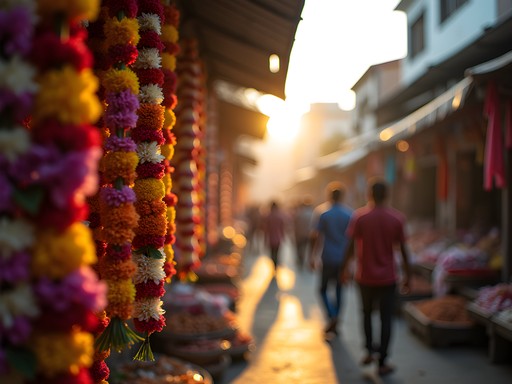
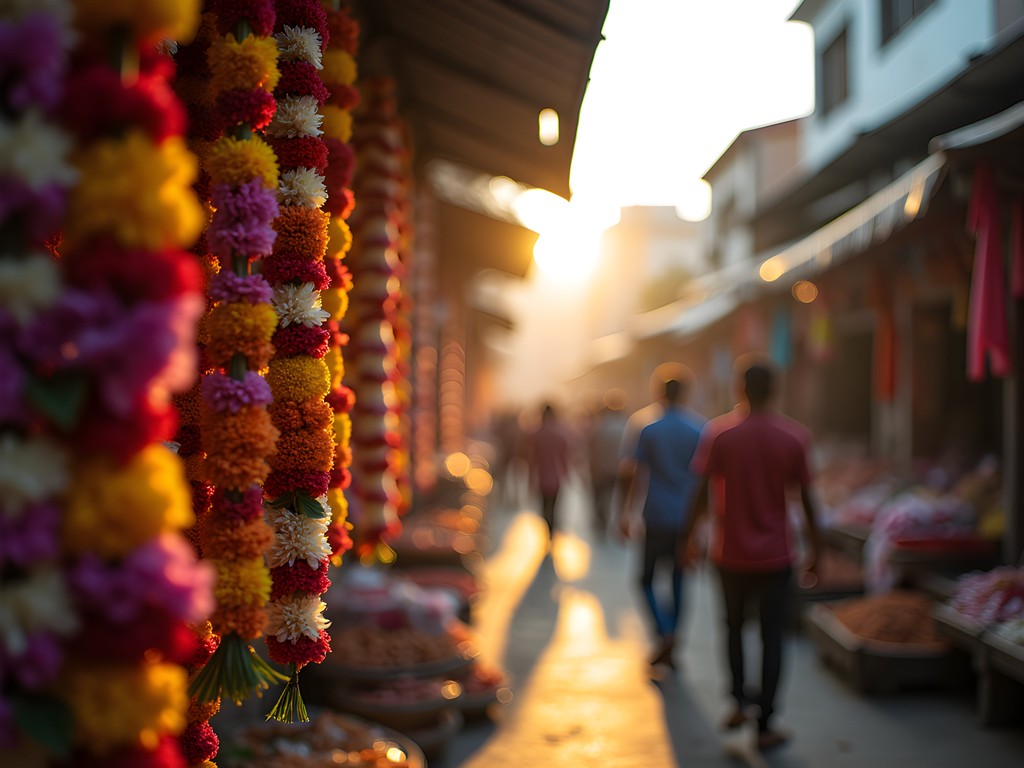
Bangalore deserves more than a mere transit point on your journey to Mysore. I began my adventure at Krishna Rajendra Market (K.R. Market), arriving just as dawn broke over the flower section. The heady perfume of jasmine, marigold, and rose garlands being meticulously assembled by vendors whose families have practiced this art for generations was intoxicating. I watched as temple devotees and brides-to-be selected their floral treasures, each bloom carrying symbolic significance.
By mid-morning, I wandered through Cubbon Park, a 300-acre green sanctuary where Bangalore's tech workers and traditional elders find common ground. The juxtaposition of ancient banyan trees against the backdrop of the red-painted Gothic-style State Central Library perfectly encapsulates Bangalore's dual identity.
For lunch, I bypassed the city's famous international cuisine scene in favor of Vidyarthi Bhavan in Gandhi Bazaar, where their 80-year-old recipe for crisp-edged, pillowy-centered masala dosa remains unchanged. The ghee-soaked dosa arrived on a banana leaf alongside coconut chutney so fresh I could taste the coastal influence that permeates Karnataka's cuisine.
As evening approached, I explored Commercial Street with my crossbody travel purse—a lifesaver for navigating crowded markets while keeping essentials secure. The area's sensory overload of silk sari shops, spice vendors, and modern boutiques required comfortable walking, so I was grateful for my cushioned walking sandals that kept my feet happy after hours of exploration.
💡 Pro Tips
- Visit K.R. Market before 8am for the most vibrant flower section experience
- Carry small denominations of cash for street food vendors who don't accept cards
- Book a table at Vidyarthi Bhavan in advance or be prepared for a long queue
Day 2: The Journey Through Time
The road from Bangalore to Mysore is a cultural corridor dotted with treasures that most travelers miss in their rush between cities. I arranged for a private driver—a splurge worth every rupee—who knew the hidden gems along this route.
Our first stop was Channapatna, the wooden toy town where artisans craft vibrantly colored lacquerware using techniques passed down over 200 years. I watched master craftsmen use natural dyes and local ivory wood to create toys that spin, stack, and delight. I couldn't resist purchasing several pieces as souvenirs, their smooth lacquered surfaces connecting me to generations of artisans.
By midday, we reached Srirangapatna, an island fortress-town surrounded by the sacred Kaveri River. This was once the capital of Tipu Sultan, the 'Tiger of Mysore,' whose resistance against British colonization remains legendary. Walking through Daria Daulat Bagh, his summer palace, I was mesmerized by the teak pillars and walls adorned with murals depicting his victories.
For lunch, we stopped at Amblee Resort where I savored ragi mudde (finger millet balls) with bassaru (lentil curry)—a traditional farmer's meal that sustained generations of Karnataka's agricultural communities. The earthy flavors connected me to the land in ways that more refined restaurant dishes rarely achieve.
Before continuing to Mysore, we visited Ranganathittu Bird Sanctuary, where I was grateful for my compact waterproof binoculars to observe painted storks and spoonbills nesting on small river islands. The boat guide, a third-generation naturalist, pointed out crocodiles sunning themselves along the riverbanks with an uncanny ability to spot camouflaged wildlife.

💡 Pro Tips
- Hire a driver who speaks English and knows the local history for a more enriching journey
- Visit Channapatna workshops in the morning when artisans are most active
- Carry a reusable water bottle as plastic waste is a growing concern in tourist areas
Day 3: Mysore's Royal Heritage
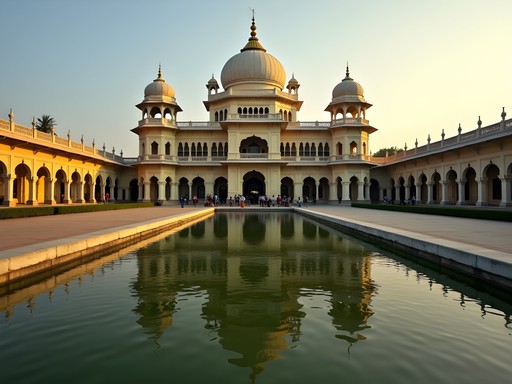
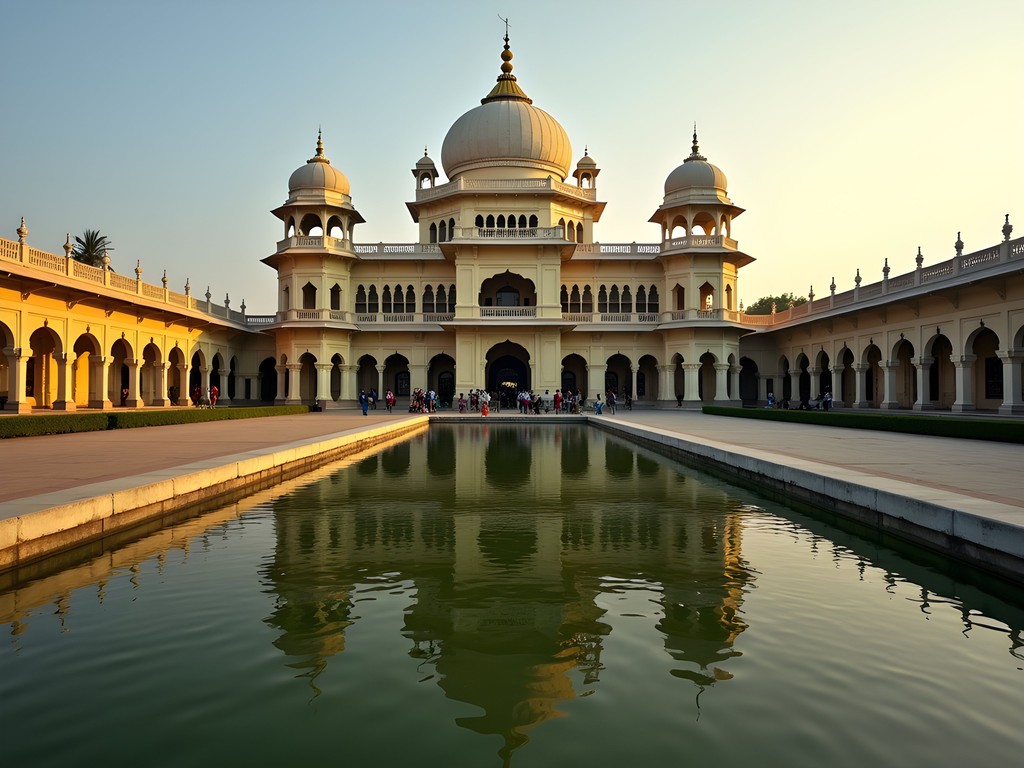
Mysore Palace demands an early start—both to avoid crowds and to appreciate how morning light transforms its intricate architecture. I arrived just after opening, my silk scarf wrapped around my shoulders for modesty and warmth in the winter morning air. The palace interior, where photography is prohibited, reveals opulence that words barely capture—Belgian stained glass ceilings, rosewood doors inlaid with ivory, and walls adorned with paintings depicting royal processions.
What fascinated me most wasn't the obvious grandeur but the subtle integration of Ayurvedic principles in the palace design—natural cooling systems, rooms positioned to maximize healing morning light, and gardens filled with medicinal plants. Having studied Ayurvedic cooking in Kerala years ago, I recognized how these wellness traditions permeated even royal architecture.
After the palace, I climbed Chamundi Hill to visit the 12th-century Chamundeshwari Temple. The 1,000 steps would be challenging in summer heat, but winter's mild temperatures made the ascent pleasant. Halfway up stands the massive Nandi (bull) monolith, carved from a single stone in 1659. At the summit, the temple's gopuram (tower) rises dramatically against the sky while devotees circle the inner sanctum with offerings of coconuts and marigolds.
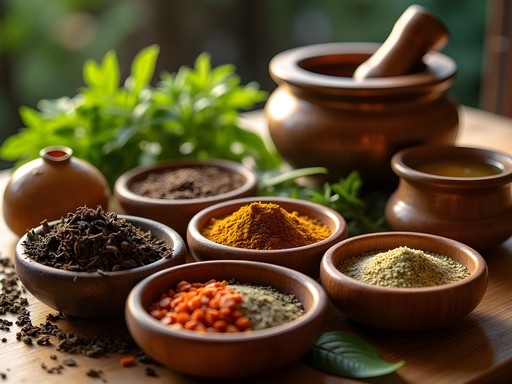
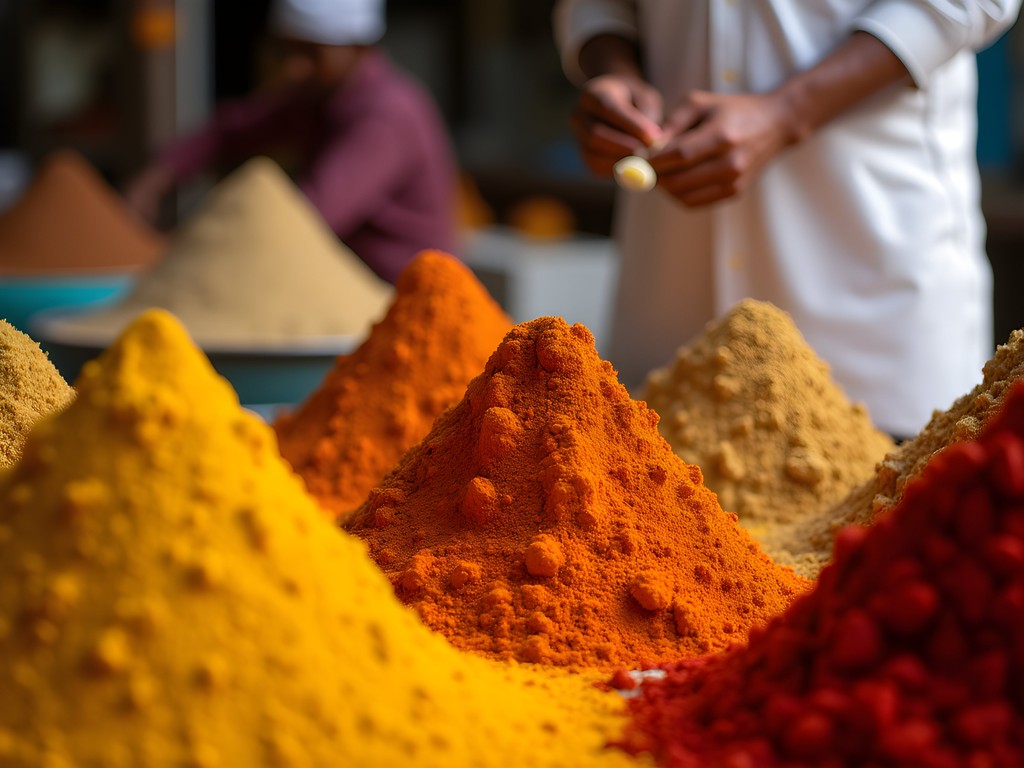
For lunch, I visited Devaraja Market, where the spice merchants create custom blends for each customer. I purchased a personalized curry powder mixture after the vendor interviewed me about my cooking style and heat preference—a level of service that connects food to identity in ways I deeply appreciate. My spice storage containers proved perfect for bringing these treasures home without losing their aromatic potency.
I ended my day at Mysore's Government Silk Factory, where centuries-old looms produce the famous Mysore silk. Watching the intricate process of transforming cocoons into lustrous fabric reminded me how traditional craftsmanship survives alongside modernity throughout this journey.
💡 Pro Tips
- Purchase palace tickets online to avoid lengthy queues
- Wear easily removable shoes as you'll need to remove them at temples and certain palace sections
- Take a guided tour of the palace to understand the historical context behind the architecture

Ayurvedic Wellness Interlude
Between sightseeing adventures, I carved out time for Ayurvedic self-care—a practice that has sustained me since my transformative Kerala experience a decade ago. Mysore, with its royal patronage of traditional medicine, offers authentic wellness experiences that connect travelers to ancient healing traditions.
I booked a consultation at Indus Valley Ayurvedic Centre, where the physician determined my dominant doshas (constitutional types) before recommending treatments. The abhyanga massage with herb-infused oils selected specifically for my winter visit left me grounded and balanced—exactly what travelers need after days of sensory stimulation.
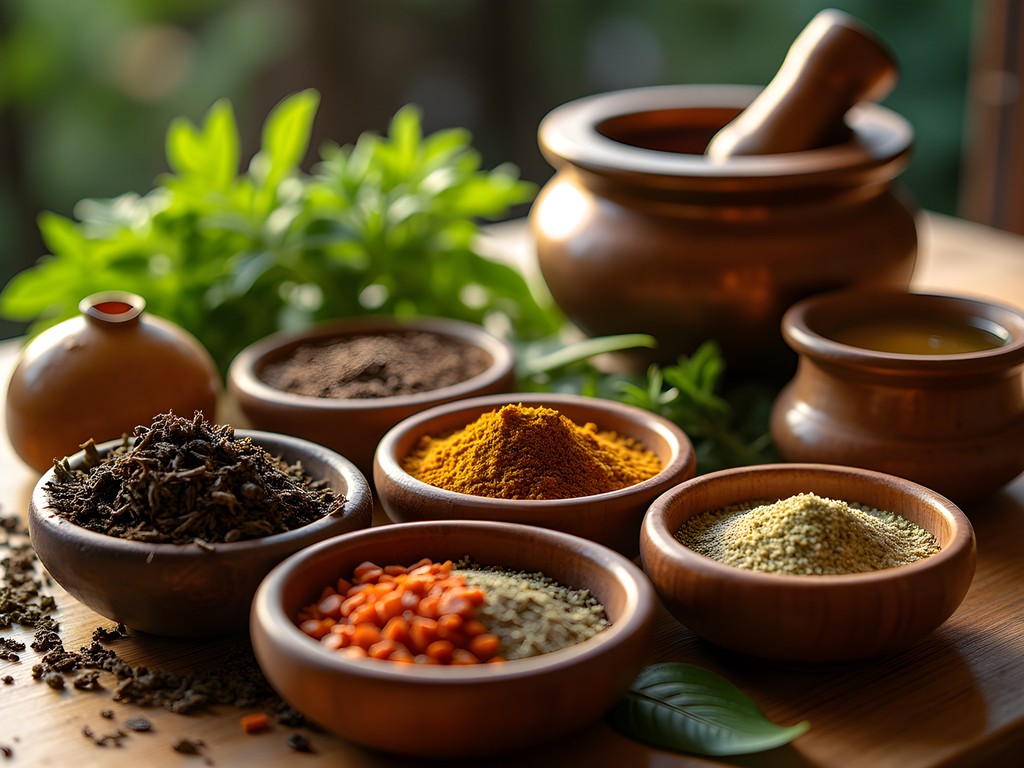
Back at my accommodation, I maintained my wellness routine with my travel copper tongue scraper, a simple tool that Ayurvedic practitioners consider essential for daily detoxification. Each morning, I prepared a thermos of warm water infused with turmeric powder and black pepper—a traditional combination that supports digestion and inflammation response during travel.
What surprised me most was discovering a small Ayurvedic café near Mysore Palace where the owner prepared meals according to seasonal dosha requirements. My winter lunch of warming kitchari (mung bean and rice porridge) with ghee and digestive spices provided sustained energy without the heaviness that often accompanies restaurant meals. The owner shared her grandmother's recipe, explaining how specific spice combinations counteract winter's vata-aggravating qualities—knowledge that bridges culinary tradition and wellness philosophy.
💡 Pro Tips
- Book Ayurvedic consultations and treatments at least 2 days in advance
- Avoid heavy meals before treatments for maximum benefit
- Ask practitioners about simple Ayurvedic practices you can continue at home
Final Thoughts
As my train departed Mysore station, returning me to Bangalore's metropolitan embrace, I reflected on how this 150-kilometer journey had traversed not just physical distance but centuries of cultural evolution. The corridor between these two cities offers a perfect introduction to South India's heritage—accessible enough for first-time visitors yet sufficiently nuanced for those seeking deeper cultural immersion.
What makes this route special is how seamlessly it weaves together seemingly disparate elements: ancient temples standing alongside tech campuses, royal palaces housing Ayurvedic wisdom, and traditional craftspeople adapting centuries-old techniques for contemporary markets. It reminds us that culture isn't static but flows like the Kaveri River—sometimes changing course but always nourishing the land it touches.
For couples seeking a romantic yet meaningful getaway, this cultural corridor offers shared experiences that spark conversation long after you've returned home. Whether you're sampling street food in Bangalore, watching sunset transform Mysore Palace into a golden fantasy, or learning Ayurvedic self-care practices together, these moments create connections—to each other, to tradition, and to the continuing story of India's cultural evolution. The journey awaits, and like the best culinary experiences, it's meant to be savored slowly.
✨ Key Takeaways
- Allow at least three full days to appreciate the cultural depth between Bangalore and Mysore
- Winter offers the most comfortable temperatures and clearest skies for palace photography
- Incorporating Ayurvedic wellness practices into your journey provides deeper cultural understanding
📋 Practical Information
Best Time to Visit
November through February (winter)
Budget Estimate
$75-150 per day per couple (mid-range)
Recommended Duration
3-4 days minimum
Difficulty Level
Beginner


Comments
hikingqueen
Love this! Going in October, can't wait 🙌
wanderbackpacker
Pro tip: get to Mysore Palace right when it opens at 10am to avoid the crowds. By noon it's absolutely packed. Also the Sunday market in Mysore is incredible for spices and silk - way better prices than the tourist shops. The sandalwood products from the government emporium are legit too, not the fake stuff you see everywhere else.
journeybackpacker
How much did you spend per day roughly? Trying to budget for a 2 week trip through Karnataka
wanderbackpacker
Not the author but I did this last year - around $40-50 per day including decent hotels and all meals. Can definitely do it cheaper if you stay in hostels.
Jean Wells
Excellent breakdown of the route, Danielle. I've traveled this corridor solo four times now, and each visit reveals new layers. Your point about it being a 'cultural time machine' is spot-on. For solo travelers, I'd add that the Government of India tourist bungalows along the route offer safe, affordable accommodation. The Ayurvedic wellness angle is particularly interesting - I spent a week at an ashram near Srirangapatna on my last trip and found the traditional treatments genuinely restorative. The key is allowing enough time; three days is minimum, but five gives you space to truly absorb the cultural transitions between Bangalore's tech modernity and Mysore's royal heritage.
nomadphotographer
That palace shot is incredible! What time of day did you shoot?
Claire Hawkins
Danielle, this brought back such wonderful memories! We did this route with our kids three years ago and it was magical. The Mysore Palace light show at night was the highlight for our 8-year-old - she still talks about it. One tip for families: the Chamundi Hills can be quite a climb with little ones, so we hired a taxi to take us up and then walked down partway. The views are absolutely worth it. Also, the dosas at that little place near Devaraja Market (I think it was called Vinayaka Mylari?) were the best we had in all of India. Such a perfect family-friendly route!
hikingqueen
Good to know about the hills! Going with my nephew next year
tripseeker
Did you take the train or drive? I'm planning this trip in August and trying to figure out the best way to do it.
wanderbackpacker
Train is definitely the way to go! More comfortable and you get to see the countryside. The Shatabdi Express is super convenient.
tripseeker
Thanks! Will book that one
sunnylegend
This looks absolutely amazing!! Adding to my bucket list right now 😍
Taylor Moreau
Excellent write-up, Danielle. I travel to Bangalore quarterly for business and finally took this cultural detour last month. The juxtaposition between Bangalore's tech parks and Mysore's historical grandeur provides a perfect lens to understand modern India. I found the Lalitha Mahal Palace Hotel worth the splurge for one night - the colonial architecture and service are impeccable. For business travelers with limited time, I recommend focusing on Day 2 of your itinerary - the journey itself offers a compressed yet comprehensive cultural experience. The roadside restaurants serving traditional Karnataka thali provide authentic flavors without the tourist markup.
Danielle Andrews
Thanks Taylor! Great tip about the Lalitha Mahal - I only visited for tea but staying there would be magical. And you're right about those roadside thalis - incredible value and authenticity!
summermate
We did this trip with our kids (8 and 10) last year and they were surprisingly engaged with all the history. The silk factory tour near Mysore was their favorite - seeing the silkworms and the weaving process was fascinating for them. Did anyone else try the street food near Devaraja Market? Those masala dosas were the best I've ever had!
citygal
Yes! Those dosas are incredible. Did you try the coconut chutney too?
Venture X
Premium card with 2X miles, $300 travel credit, Priority Pass