

Disclosure: This article contains affiliate links. We may earn a commission from purchases at no extra cost to you, which helps our travel content.
I'll be honest—traveling from Arlington to Bethel, Alaska felt like stepping into another world entirely. This isn't the Alaska of cruise ships and tourist lodges. This is the Yukon-Kuskokwim Delta, where the Yup'ik people have thrived for thousands of years, and where mobile phone signals are as rare as trees on the tundra. As someone who usually explores smart cities and tech hubs, this journey challenged everything I thought I knew about connectivity and community. What I discovered was that the most profound connections don't require Wi-Fi.

Getting There: The Journey is Part of the Story
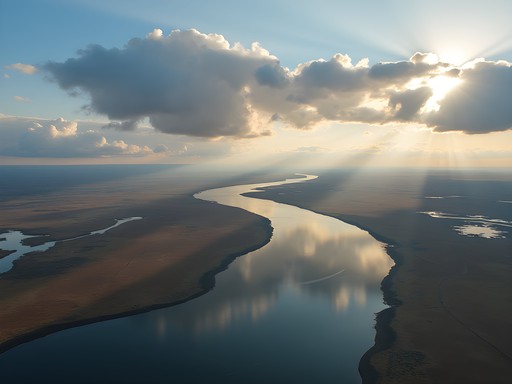
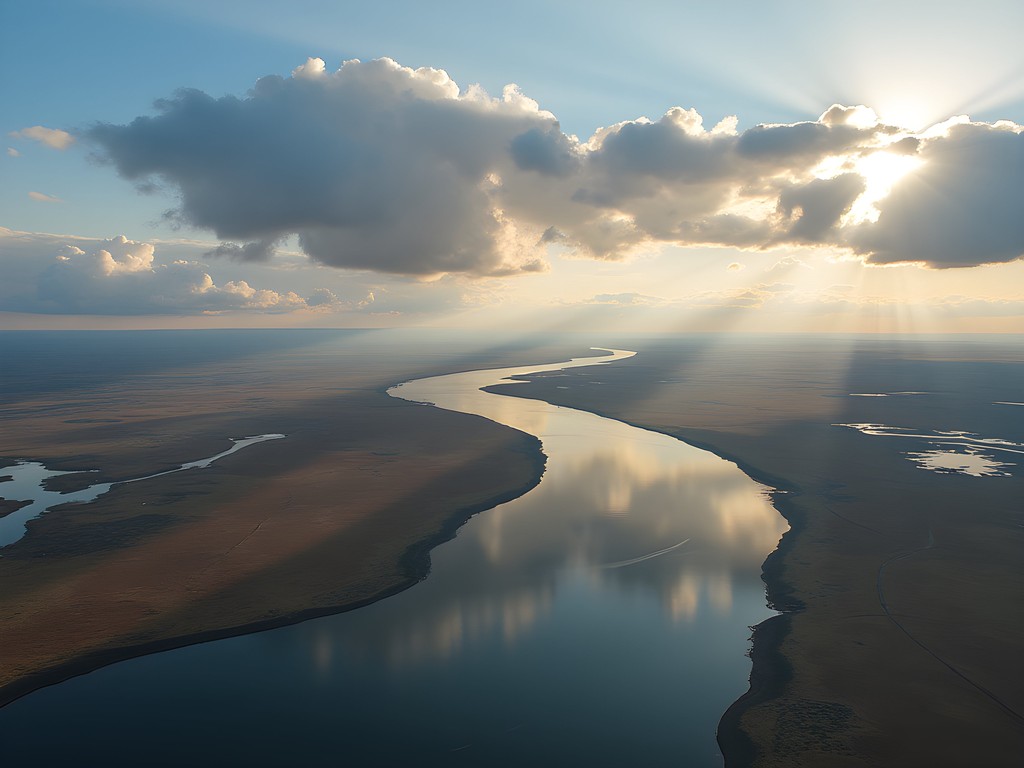
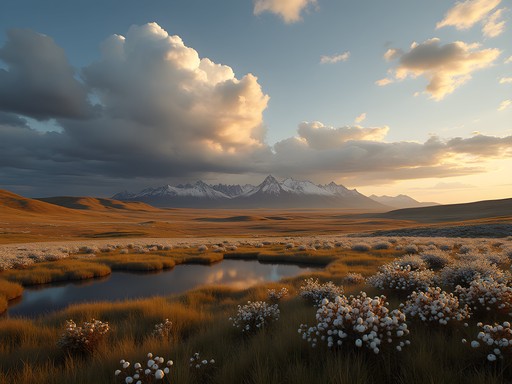
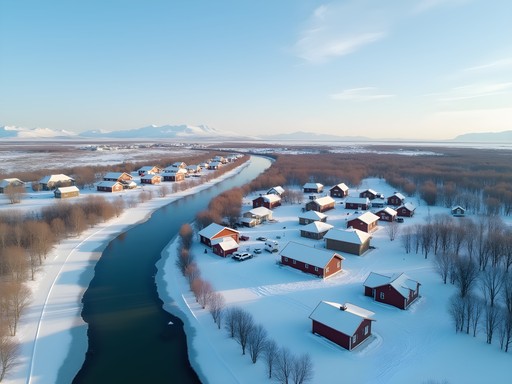
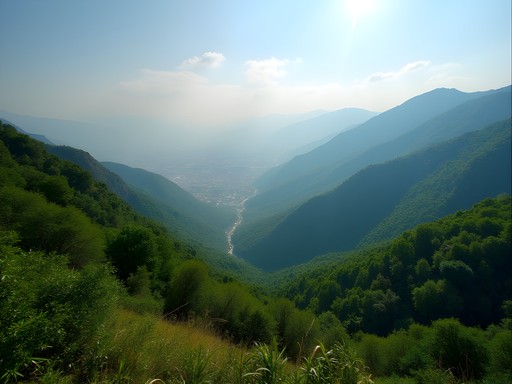
There are no roads to Bethel. Let that sink in. This community of roughly 6,500 people—about 70% Yup'ik—sits 400 miles west of Anchorage and is accessible only by air or river barge. I flew Alaska Airlines from Anchorage, a 90-minute flight that costs between $300-500 roundtrip depending on season. As we descended over the endless tundra, the Kuskokwim River snaking through the landscape like liquid silver, I felt that familiar travel excitement mixed with genuine nervousness.
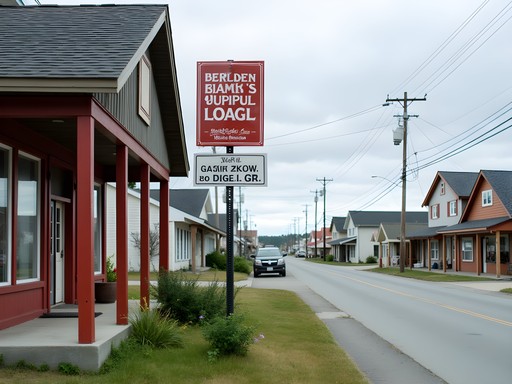
Bethel has no Uber, no rental car agencies in the traditional sense. The town operates on a different rhythm entirely. I arranged pickup through my accommodation, but many visitors simply walk—the main area is compact enough. Before departure, I downloaded offline maps on my satellite communicator, which proved invaluable for both navigation and safety in this remote region where cellular service is spotty at best.
💡 Pro Tips
- Book flights 6-8 weeks in advance for better rates and availability
- Pack all essential items—shopping options are extremely limited with prices 2-3x mainland costs
- Bring cash in small bills as many local vendors and cultural experiences operate cash-only
- Download entertainment and work materials offline before arrival
Yupiit Piciryarait Cultural Center: Your Essential First Stop
The Yupiit Piciryarait Cultural Center became my anchor point for understanding Yup'ik culture. This museum and cultural hub houses an extraordinary collection of artifacts, traditional clothing, and contemporary art that tells the story of a people who've adapted to one of Earth's harshest environments for millennia. The building itself—opened in 1995—represents a fascinating blend of modern museum architecture and traditional Yup'ik design principles.
What struck me most was the qasgi (traditional men's community house) replica. Standing inside, I could almost hear the drum songs and smell the seal oil lamps that once lit these gathering spaces. Museum director Nadia, a Yup'ik elder, spent two hours with me explaining the intricate symbolism in traditional masks and the subsistence calendar that still governs much of village life. She emphasized that Yup'ik culture isn't museum history—it's living, evolving, and adapting.
The center offers cultural workshops most weekdays during summer. I participated in a traditional grass basket weaving session ($25) and a storytelling circle. Bring a voice recorder to capture these oral histories with permission—these stories aren't written in guidebooks.

💡 Pro Tips
- Visit the cultural center within your first two days to contextualize everything else you'll experience
- Ask about scheduling private time with elders—many are willing to share stories for a respectful honorarium
- Purchase authentic Yup'ik art directly from the center's gift shop to support local artists
- Photography is allowed in most areas but always ask permission before photographing people or sacred items
Subsistence Living: Understanding the Land
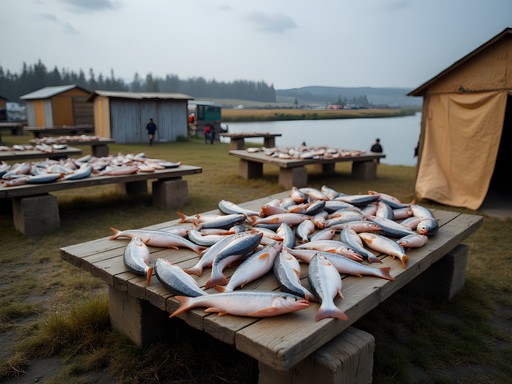
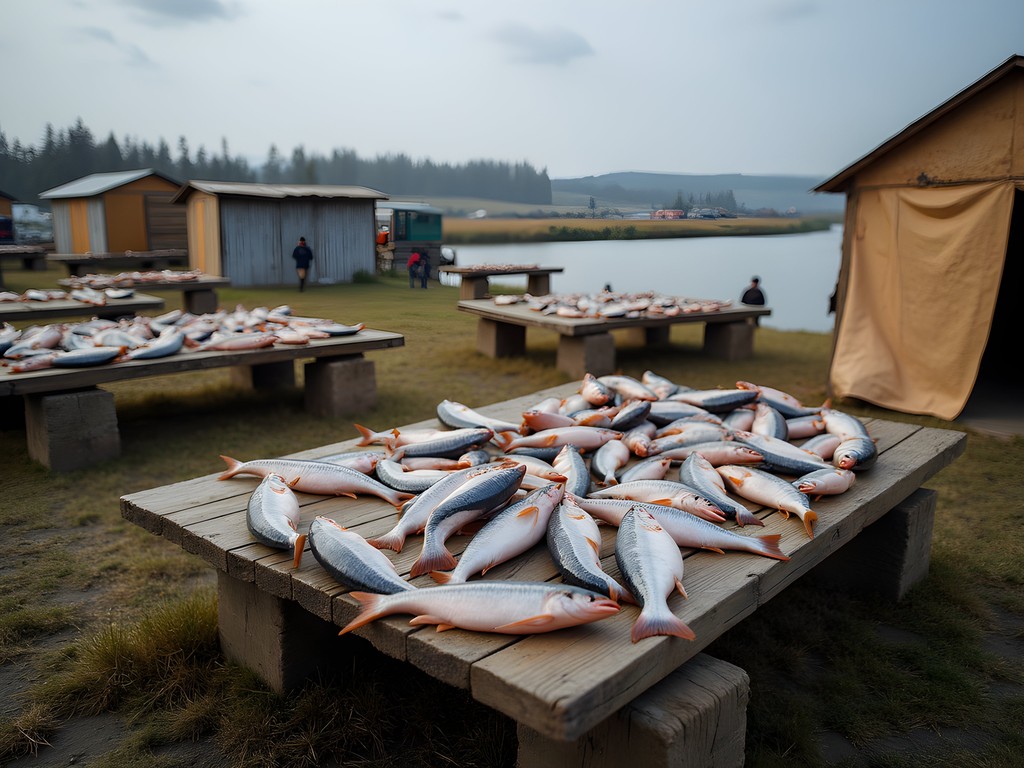
The term 'subsistence living' gets thrown around, but until you witness it, you can't fully grasp its meaning. Through connections at the cultural center, I arranged to spend a day with Robert, a Yup'ik fisherman, during salmon season ($150 for the day experience, arranged privately). We traveled upriver by boat to his family's fish camp—a seasonal settlement where generations gather during harvest times.
Robert explained that salmon isn't just food—it's cultural identity, economic survival, and spiritual connection rolled into one. His family would process over 500 fish during the short summer season, smoking and drying them for winter consumption. I helped (poorly) cut fish, learning the precise technique passed down through generations. My hands reeked of salmon for days, and I loved it.
The experience taught me something profound about technology and progress. Here was a culture that had developed sustainable food systems for thousands of years, requiring intimate knowledge of weather patterns, river conditions, and animal behavior—a different kind of intelligence than the coding and algorithms I work with daily. Robert checked weather on his smartphone while also reading the river in ways no app could replicate.
For sun protection during these long outdoor days, I was grateful for my sun protection shirt—the Alaska summer sun is deceptively intense, especially with reflection off the water.
💡 Pro Tips
- Subsistence experiences must be arranged through personal connections or cultural organizations—respect that these are working activities, not tourist shows
- Expect to pay fairly for people's time and knowledge—$100-200 per day is reasonable
- Dress for wet, muddy conditions with layers and waterproof boots
- Bring insect repellent—mosquitoes are legendary in the delta region
- Ask questions but also observe quietly and help where appropriate

Yup'ik Dance and Drumming: The Heartbeat of Culture
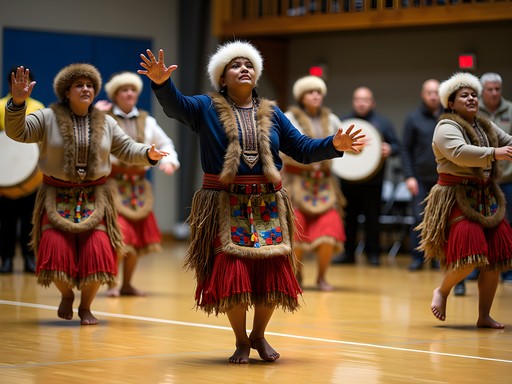
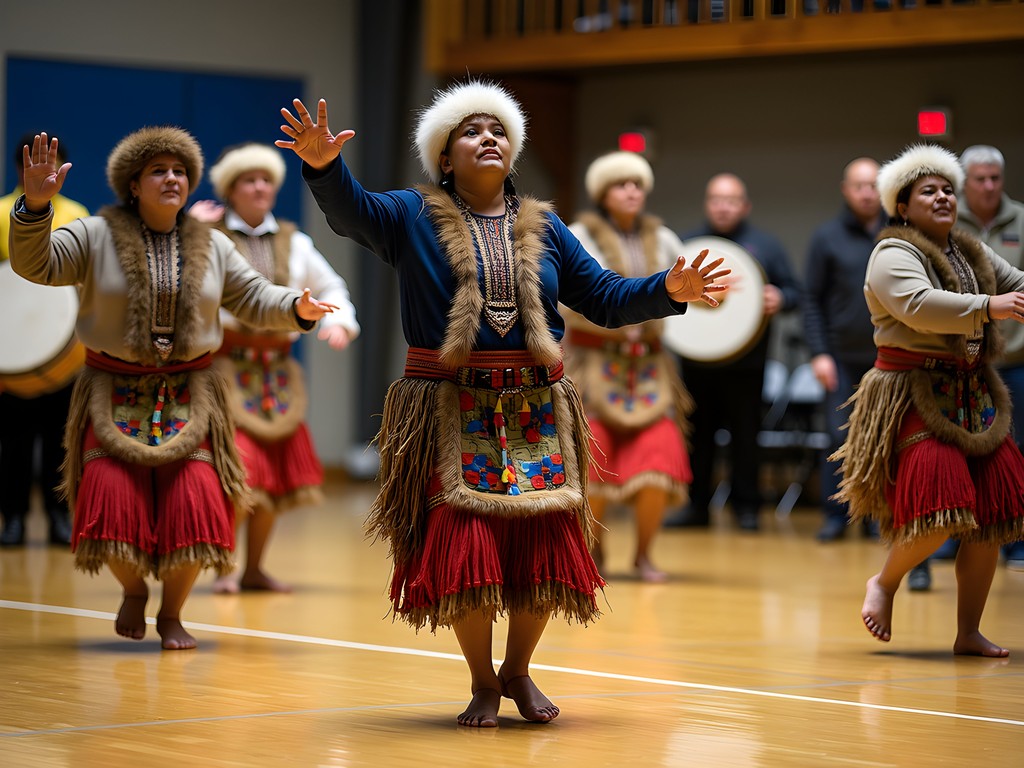
On my fourth evening, I attended a community dance performance at the local school gymnasium—an unlikely venue for one of the most moving cultural experiences of my life. Yup'ik dance isn't performance art in the Western sense; it's storytelling, prayer, history, and celebration combined. The drummers—using traditional frame drums made from walrus stomach stretched over bentwood frames—created rhythms that seemed to pulse from the earth itself.
The dancers wore traditional regalia: women in beautifully decorated kuspuks (traditional hooded overshirts) and men in seal skin vests. Each dance told a story—hunting, seasons changing, animals, spirits. An elder explained that every movement has meaning: a hand gesture represents a bird taking flight, a swaying motion mimics river current, a stomp calls to the earth.
What moved me most was seeing teenagers dancing alongside elders, the knowledge passing between generations in real-time. In our digital age, where cultural transmission often feels fragmented, this felt revolutionary. After the formal performance, community members invited visitors to try basic steps. My Irish dancing background didn't help—Yup'ik dance requires a completely different relationship with rhythm and movement.
Many dancers use knee supports during extended performances—the deep knee bends and sustained positions are physically demanding.
💡 Pro Tips
- Community dances happen irregularly—ask at the cultural center about upcoming events
- Dress respectfully and arrive early for better seating
- Donations are appropriate and appreciated—$20-30 per person supports the dance groups
- Video recording policies vary—always ask permission before filming
- If invited to participate, accept graciously and don't worry about being perfect
Language and Communication: Beyond Words
Yup'ik (or Yugtun) is a living language spoken by approximately 10,000 people, making it one of the most vital indigenous languages in Alaska. In Bethel, you'll hear it constantly—in stores, on the street, in homes. Unlike my usual travels where English dominates, here I was the linguistic outsider, and the experience was humbling.
I spent time with Marie, a language instructor at the Kuskokwim Campus of the University of Alaska Fairbanks, who explained that Yup'ik isn't just a different vocabulary—it's a different way of conceptualizing the world. The language has multiple words for different types of snow, ice, and wind because these distinctions are survival-critical. It's a polysynthetic language where single words can express what English requires entire sentences to convey.
Marie taught me basic phrases: Waqaa (hello), Quyana (thank you), Camai (a greeting of deep respect). But more importantly, she taught me about the Yup'ik value of qanruyutet—traditional teachings and wise words passed orally through generations. These aren't just stories; they're survival manuals, ethical frameworks, and cultural encyclopedias combined.
I recorded many of these conversations on my digital recorder, creating an audio journal that captures not just words but the rhythm and tone of Yup'ik speech patterns.
💡 Pro Tips
- Learn and use basic Yup'ik phrases—locals deeply appreciate the effort
- The Yugtun language app provides basic vocabulary and pronunciation guides
- Listen more than you speak—observation is valued in Yup'ik culture
- Silence isn't awkward; it's often thoughtful and respectful
- Consider taking a language class at the university campus if staying longer
Practical Realities: What They Don't Tell You
Let me be direct about some challenges. Bethel has significant social issues including high rates of alcoholism and substance abuse—legacies of colonization and cultural disruption. The town is 'damp,' meaning alcohol sales are restricted but possession is legal. You'll see these struggles visibly. As a visitor, maintain respectful awareness without gawking or judgment.
Accommodation options are limited and expensive. I stayed at the Long House Hotel ($180/night), which was clean but basic—think functional roadside motel rather than boutique experience. The Bentley Mall Hotel and Pacifica Guest House are alternatives in similar price ranges. Book months ahead for summer travel.
Food is expensive and options are limited. The local AC Value Center grocery store had milk at $7/gallon and cereal at $9/box. I ate mostly at Dimitri's Restaurant (decent burgers and Greek food, surprisingly) and the VFW Hall when they had community meals. Budget $50-75 daily for food. I brought protein bars and instant coffee packets from Anchorage, which saved money and provided familiar comforts.
Internet is slow and expensive. My hotel Wi-Fi barely loaded email. Cellular service is limited to GCI network. I learned to embrace the disconnection—it became part of the experience rather than a frustration.
💡 Pro Tips
- Bring non-perishable snacks and familiar foods from Anchorage to supplement local meals
- Download all entertainment, work files, and maps before arrival
- ATM fees are high—bring sufficient cash from Anchorage
- Weather changes rapidly—pack layers for temperatures ranging from 45-70°F in summer
- Respect local customs around photography, especially of children and in residential areas
Final Thoughts
Flying back to Anchorage, then eventually to Arlington, I felt the cognitive dissonance of transitioning from one of America's most remote communities back to the hyperconnected world I normally inhabit. Bethel challenged every assumption I held about progress, technology, and what constitutes a 'developed' society.
The Yup'ik people have survived and maintained cultural identity through colonization, forced assimilation, climate change, and economic marginalization. Their resilience isn't just historical—it's ongoing, active, and inspiring. They've adapted satellite technology and social media while maintaining subsistence practices and language. They've created a hybrid culture that honors ancestors while navigating modernity.
This journey isn't easy, comfortable, or Instagrammable in conventional ways. It requires flexibility, cultural humility, and genuine curiosity. You'll be cold, possibly uncomfortable, definitely challenged. But if you're willing to step outside the typical travel experience, Bethel offers something increasingly rare: authentic cultural immersion in a living indigenous community that welcomes respectful visitors while maintaining its own identity and priorities.
For solo travelers seeking meaningful experiences rather than curated tourist moments, this is transformative travel. Come with open ears, respectful questions, and willingness to learn. Leave your assumptions in Anchorage.
✨ Key Takeaways
- Authentic cultural immersion requires surrendering control and comfort—embrace the uncertainty
- Yup'ik culture is living and evolving, not a museum exhibit or historical curiosity
- Remote doesn't mean primitive—the Yup'ik people possess sophisticated knowledge systems developed over millennia
- Budget significantly more than typical Alaska travel—remoteness increases all costs substantially
- The most meaningful connections happen when you put away devices and simply listen and observe
📋 Practical Information
Best Time to Visit
June through August for accessible weather and cultural events, though be prepared for midnight sun and intense mosquitoes
Budget Estimate
$2,500-3,500 for one week including flights from Anchorage, accommodation, food, and cultural experiences
Recommended Duration
7-10 days minimum to move beyond surface tourism and develop meaningful connections
Difficulty Level
Challenging—requires Significant Cultural Adaptation, Tolerance For Discomfort, And Self-Sufficiency

Comments
Taylor Moreau
Jonathan, this is such an important piece. I've been working on a similar story about indigenous tourism in northern Canada, and I really appreciate how you centered the Yup'ik perspective rather than treating it as a novelty experience. The subsistence living section particularly resonated—it's crucial that visitors understand these aren't museum exhibits but living cultures with contemporary relevance. Did you coordinate your visit through the cultural center, or did you have local contacts who facilitated introductions? I'm always curious about the ethical frameworks other writers use when covering indigenous communities.
Jonathan Kennedy
Taylor, thanks for this thoughtful comment. I started at the Yupiit Piciryarait Cultural Center and they connected me with community members who were comfortable sharing their stories. Took about 6 months of communication before the visit. Definitely not something you can just show up and do.
Taylor Moreau
That timeline makes sense. The relationship-building is everything. Well done.
roamqueen
What time of year did you go? Thinking about this for maybe February but worried about the cold?
Jonathan Kennedy
I was there in early January actually! It's cold for sure (teens to low 20s), but honestly the cultural experiences are year-round. February would be amazing for winter activities. Just layer up!
roamqueen
ok cool, thanks! definitely doing this
vacationwalker
This looks amazing! How cold was it when you went? Planning a trip for March and trying to figure out what gear to bring.
Jonathan Kennedy
It was brutal—around -15°F when I was there in January. March should be a bit warmer but still well below freezing. Definitely invest in serious cold weather gear. Locals told me layering is key!
vacationwalker
Thanks! Yeah I need to upgrade my winter stuff for sure
Savannah Torres
Jonathan, this really resonates with me. We took our kids (8 and 11) to a Navajo Nation cultural experience in Arizona last year, and that same feeling of being welcomed into a living culture—not just observing it—was transformative for our whole family. The dance and drumming section especially caught my attention. How receptive was the community to visitors? We're always cautious about that line between genuine cultural exchange and tourism intrusion, especially when traveling with children. Did you feel the Yupiit Piciryarait Center does a good job facilitating that respectful connection?
Jonathan Kennedy
Savannah, that's such an important consideration. The Cultural Center is actually run BY the community, which makes all the difference. They're intentional about what they share and how. It never felt exploitative. Your kids would probably love it—there's a real educational component that's engaging for all ages.
coffeeninja
This is incredible! Never even heard of Bethel before.
Jonathan Kennedy
It's definitely off most people's radar! That's part of what makes it so special.
Venture X
Premium card with 2X miles, $300 travel credit, Priority Pass