
Disclosure: This article contains affiliate links. We may earn a commission from purchases at no extra cost to you, which helps our travel content.
There's something fascinating about how art and engineering intersect—both require creative problem-solving and an appreciation for design principles that resonate with people. As someone who spends most days calculating energy efficiency metrics, my weekend escape to Clarksville, Tennessee offered a perfect counterbalance of creative expression and structural beauty. This modest riverside city, often overlooked by travelers rushing between Nashville and Memphis, harbors an emerging arts scene that's as refreshing as it is authentic. The sustainable revitalization happening here deserves your attention.

Downtown Arts District: Where History Meets Creativity
Walking through Clarksville's Downtown Arts District feels like witnessing a masterclass in adaptive reuse engineering. Historic buildings that once housed tobacco warehouses and manufacturing facilities have been thoughtfully repurposed into galleries, studios, and performance spaces—all while preserving their structural integrity and architectural character.
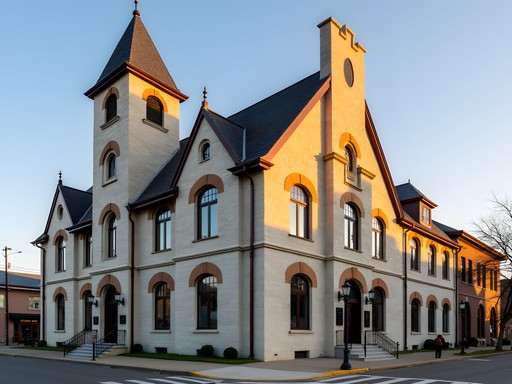
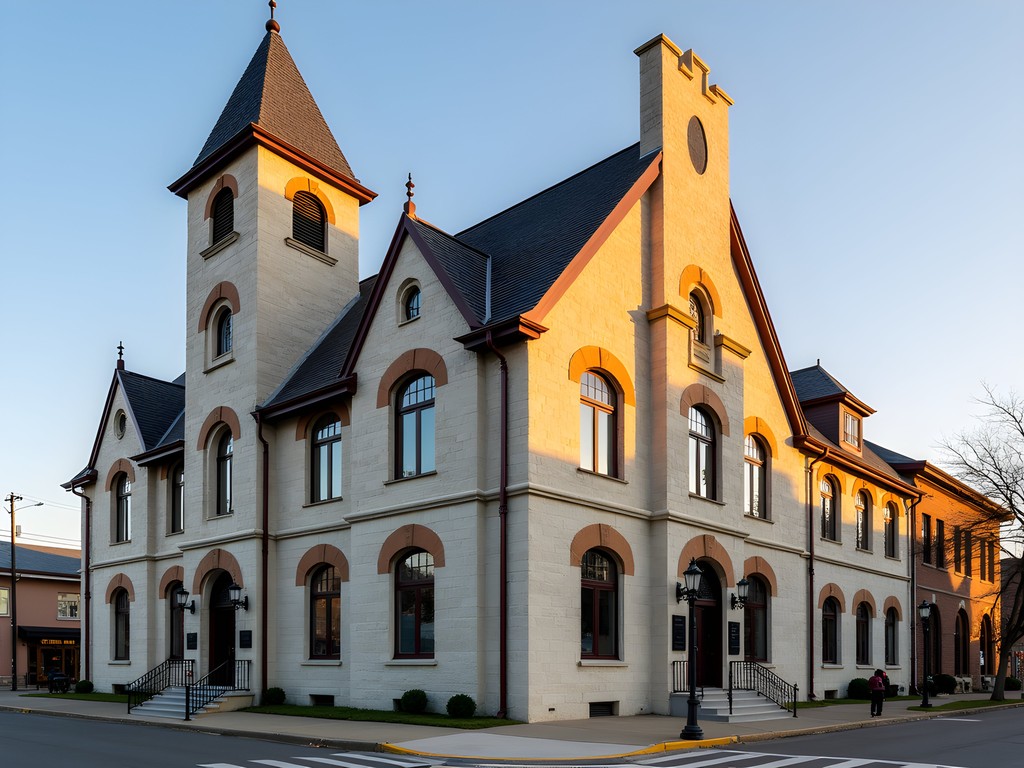
The Customs House Museum & Cultural Center stands as the cornerstone of this district, housed in a magnificent 1898 structure that originally served as a post office and customs house. As an engineer, I was immediately drawn to the building's distinctive architecture—its Victorian Gothic design featuring limestone walls and a dramatic tower creates a microclimate effect that naturally regulates temperature throughout the seasons. Inside, rotating exhibitions showcase everything from regional folk art to contemporary installations that often incorporate elements of science and technology.
During my visit, I participated in one of their Saturday morning sketching workshops. Though my technical drawings usually involve renewable energy systems rather than still lifes, the instructor's guidance helped me see connections between precision engineering and artistic expression. I captured the experience in my travel sketchbook that I've carried through geothermal fields in Iceland and volcanic landscapes in the Philippines.
💡 Pro Tips
- Visit on First Thursday Art Walk nights when galleries stay open late and often serve complimentary refreshments
- The Customs House Museum offers half-price admission after 2 PM on Sundays
- Look for the hidden architectural details in repurposed buildings—many feature original industrial elements
The Roxy Regional Theatre: Engineering Meets Performance Art
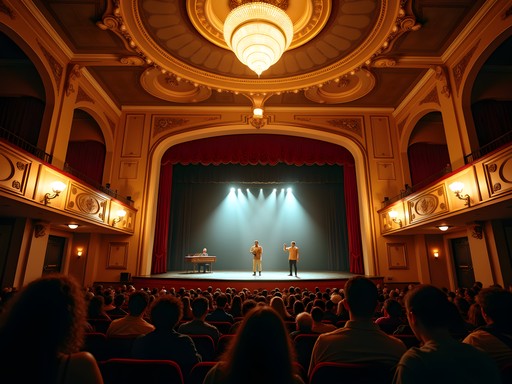
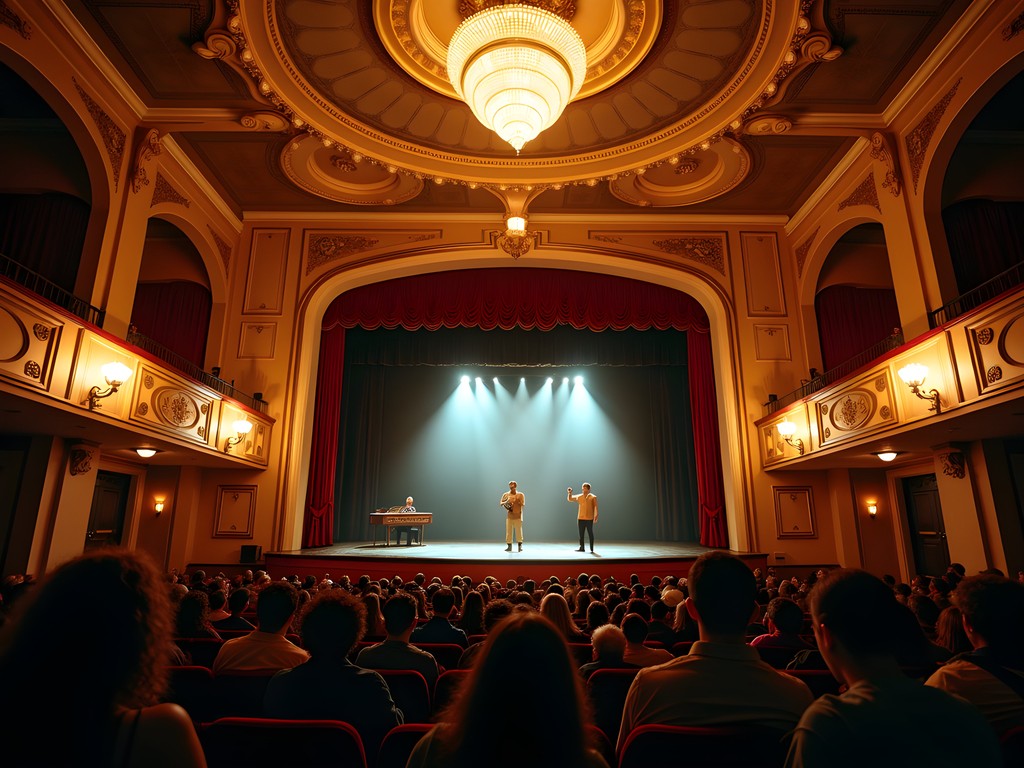
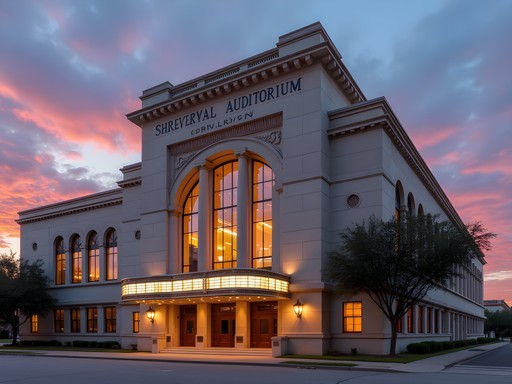
The Roxy Regional Theatre represents what I love about thoughtful structural engineering—how a building can be designed to enhance human experience. Originally constructed in 1947, this art deco gem has undergone several renovations that have preserved its historic charm while upgrading its technical capabilities.
As someone who studies energy systems for a living, I was particularly impressed by how the recent renovation incorporated energy-efficient lighting that maintains the warm, intimate atmosphere essential for theatrical performances. The acoustic design is equally remarkable—even seated in the back row during a local production of 'The Glass Menagerie,' I could hear every nuanced whisper without electronic amplification.
What truly makes the Roxy special, however, is how it serves as both performance venue and community connector. Before the show, I chatted with several locals in the lobby, including a high school drama teacher who explained how the theater's educational programs have inspired a new generation of technically-minded students to explore the arts. This integration of technical knowledge and creative expression mirrors my own journey between engineering and appreciation for cultural spaces.
Pro tip: I always bring my collapsible water bottle to performances, as it's environmentally friendly and doesn't make noise when I take a sip during quiet moments in the show.
💡 Pro Tips
- Check their website for 'pay what you can' preview nights, usually the Thursday before opening night
- The best acoustics are actually in the center rows rather than the front
- Arrive 30 minutes early to explore the gallery of local artists' work in the lobby
Franklin Street: The Creative Corridor
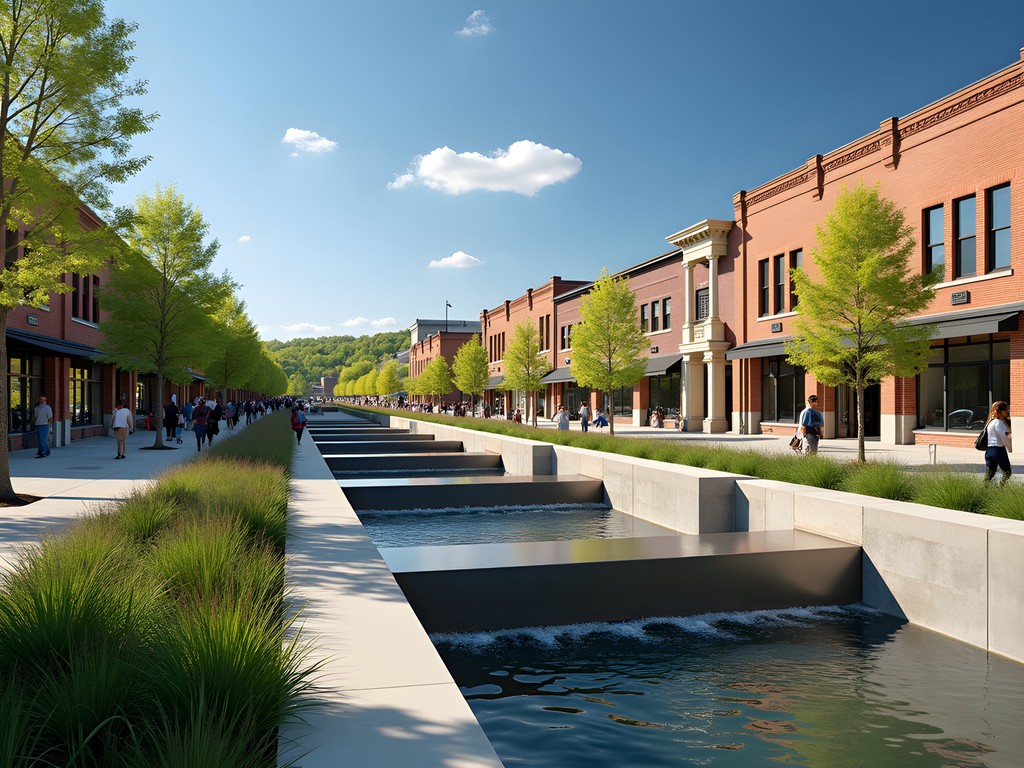
Franklin Street represents a fascinating case study in urban revitalization through arts-focused development. This corridor has transformed from a declining commercial strip into a vibrant creative district through thoughtful planning that would impress any urban systems engineer.
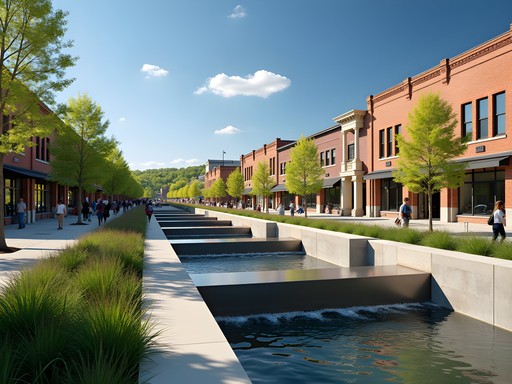
The street now features a series of public art installations that do more than just beautify—they're designed to create natural gathering spaces and improve pedestrian flow. The Urban Rain installation particularly caught my attention as it combines aesthetic appeal with functional stormwater management, channeling rainfall through a series of sculptural elements that filter runoff before it enters the Cumberland River. This is exactly the kind of dual-purpose design I advocate for in my renewable energy work.
During my exploration, I discovered several artist-owned shops featuring handcrafted goods that reflect Tennessee's heritage while incorporating contemporary design principles. At Hummingbird Pottery, I watched a demonstration where the potter explained how she adjusts clay composition based on firing temperatures—a process that involves thermodynamic principles similar to those I work with in energy systems.
For lunch, I stopped at Artemis Café, a sunny corner spot decorated with local art and powered partially by rooftop solar panels. Their farm-to-table menu features ingredients sourced from within 50 miles, demonstrating the kind of closed-loop sustainability I value. My reusable utensil set came in handy as I opted for takeout to enjoy in the nearby pocket park while sketching architectural details of surrounding buildings.
💡 Pro Tips
- Visit the Downtown Commons area for free outdoor concerts on summer weekends
- Many studios offer impromptu demonstrations if you express genuine interest in their processes
- The best light for photography along Franklin Street is early morning when the eastern sun illuminates the historic facades

Austin Peay State University: Incubator of Artistic Innovation
University art departments often serve as experimental laboratories where technical knowledge meets creative expression—a combination that resonates deeply with my engineering background. Austin Peay State University's Department of Art + Design exemplifies this intersection through its innovative programs and community engagement.
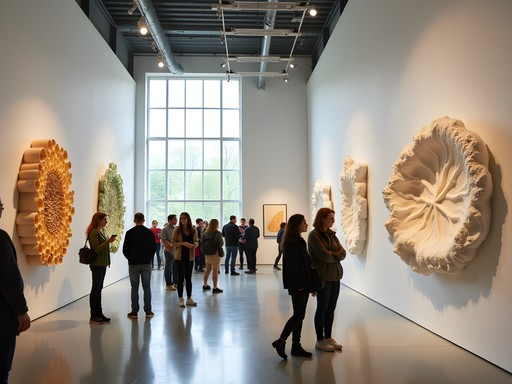
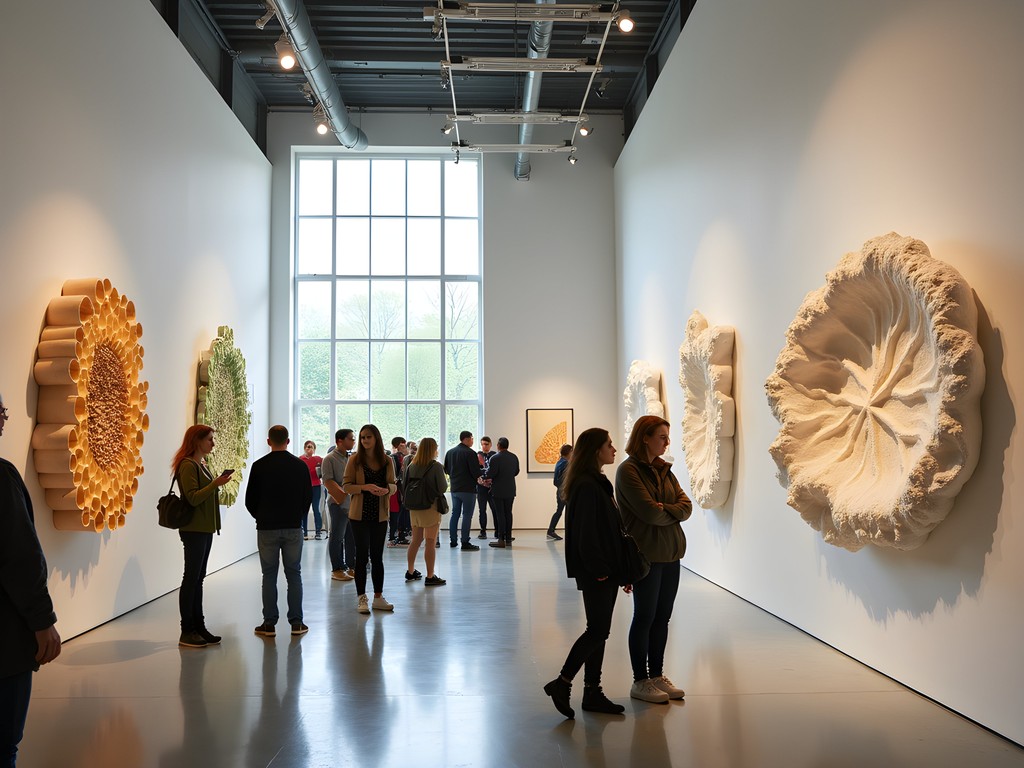
The department's New Gallery rotates exhibitions that frequently explore the relationship between technology and artistic expression. During my visit, I was fortunate to catch an exhibition on biomimicry in design—artists creating works inspired by natural systems and structures. As someone who studies how renewable energy systems can mimic natural energy flows, I found myself taking extensive notes on my digital notebook about potential applications to my own work.
What truly sets Austin Peay apart is their commitment to making art accessible to the broader community. Their First Friday Art Crawls invite visitors to explore student and faculty studios, offering a rare glimpse into creative processes that normally remain behind closed doors. I had an enlightening conversation with a printmaking professor about how traditional techniques are being adapted using digital fabrication tools—a perfect example of how historical craft knowledge evolves through technological innovation.
The university's Drone Art Program particularly fascinated me as it bridges artistic expression with the kind of technical skills I use in surveying renewable energy installation sites. Students learn to create aerial photography and video as art forms while developing practical skills applicable to numerous technical fields. The professor explained how they've partnered with local environmental organizations to document landscape changes along the Cumberland River—creative work with scientific applications.
💡 Pro Tips
- Check the university's public events calendar for free artist talks and demonstrations
- The campus sculpture walk is accessible 24/7 and features excellent examples of large-scale public art
- The university's print shop sells student-made works at very reasonable prices—perfect unique souvenirs
Cumberland RiverWalk: Art in Public Spaces
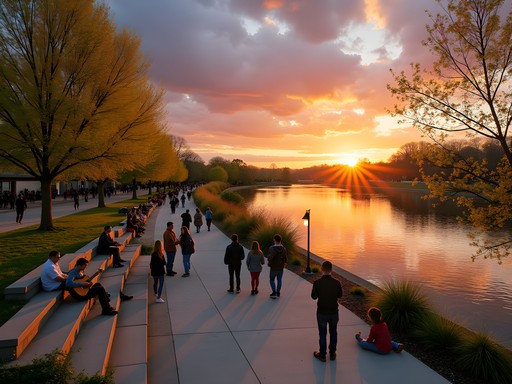
The relationship between natural systems and human infrastructure has always fascinated me as an engineer, which is why Clarksville's Cumberland RiverWalk proved to be one of my favorite discoveries. This thoughtfully designed public space demonstrates how art, engineering, and environmental awareness can create spaces that serve multiple community needs.
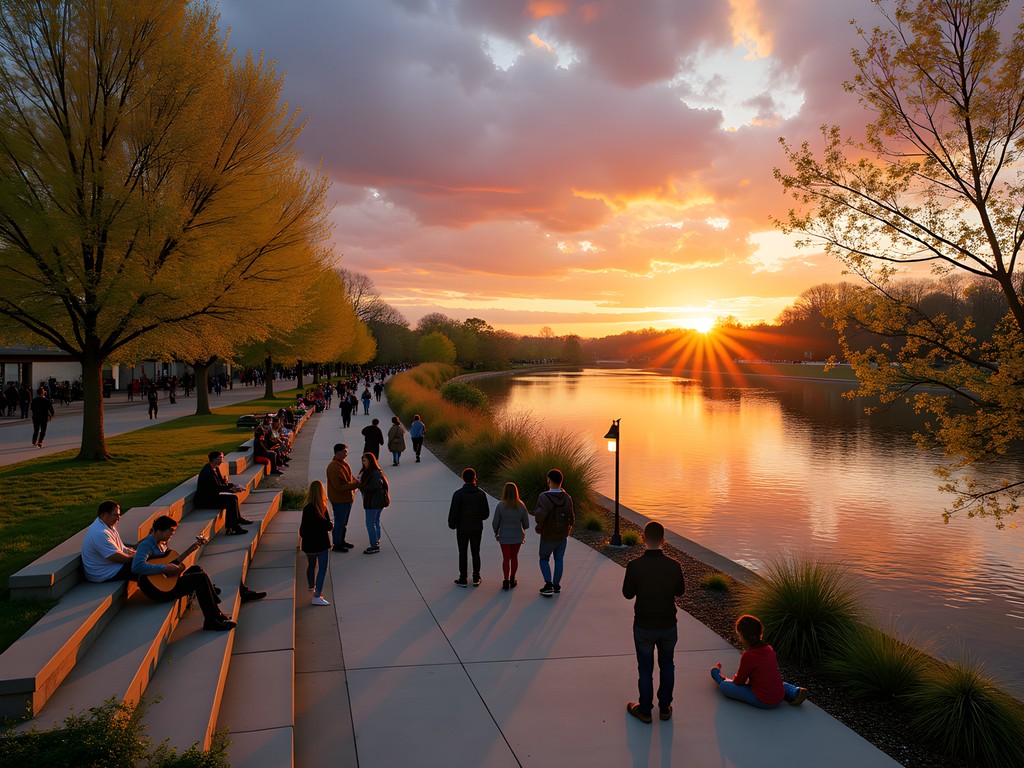
The RiverWalk features a series of interpretive stations that explain the Cumberland River's ecological significance and historical importance to the region's development. What impressed me most was how these educational elements are seamlessly integrated with public art installations that change with the seasons. During my spring visit, I encountered a kinetic sculpture series that responded to wind patterns, creating visual representations of air currents that would fascinate any fluid dynamics engineer.
For the best experience, I recommend bringing a portable camp chair to set up along the riverbank during sunset. I spent a peaceful evening watching the changing light on the water while local musicians performed at one of the small amphitheater spaces.
The RiverWalk also incorporates green infrastructure elements that manage stormwater runoff—permeable pavement sections and rain gardens capture precipitation before it enters the river system. These practical engineering solutions are presented as design features rather than utilitarian afterthoughts, demonstrating how functional systems can also be beautiful.
As someone who has studied similar waterfront developments in cities from Pittsburgh to Manila, I was impressed by how Clarksville has created a space that honors the river's natural processes while providing accessible public space for cultural activities.
💡 Pro Tips
- Time your visit for the 'Jammin' on the Cumberland' concert series on summer Thursday evenings
- Download the free RiverWalk app for a self-guided tour of the environmental features and art installations
- The best views of the river and downtown are from the Liberty Park section of the walk
Final Thoughts
As an engineer who spends most days analyzing energy systems and efficiency metrics, my weekend in Clarksville offered a powerful reminder that the most sustainable communities are those that balance technical infrastructure with creative expression and cultural preservation. What struck me most about Clarksville's emerging arts scene wasn't just the quality of the creative work, but how it's been thoughtfully integrated into the city's existing structures and natural systems.
This approach mirrors what I've observed in successful sustainable development projects worldwide—from geothermal communities in Iceland to eco-tourism initiatives in the Philippines. The most resilient places don't erase their industrial past or natural features; they transform and honor them.
For solo travelers seeking authentic cultural experiences without breaking the budget, Clarksville offers a refreshing alternative to Tennessee's more tourist-heavy destinations. The city's walkable scale, welcoming community, and genuine creative energy create perfect conditions for meaningful exploration. As climate-conscious travelers, we should celebrate places like Clarksville that are revitalizing through culture rather than expansion—proving that sustainable growth doesn't always mean building new, but sometimes reimagining what already exists. I'll be watching this riverside city's evolution with great interest, and I suspect I'll be back before long to document its next creative transformation.
✨ Key Takeaways
- Clarksville demonstrates how industrial heritage can be preserved while creating vibrant cultural spaces
- The arts scene is accessible and welcoming to solo travelers with numerous free or low-cost experiences
- Spring offers the perfect combination of comfortable weather, outdoor performances, and blooming riverside landscapes
- The walkable downtown makes car-free exploration easy and environmentally friendly
- University influences bring innovative artistic approaches that connect traditional crafts with contemporary technology
📋 Practical Information
Best Time to Visit
Spring (April-May) for comfortable temperatures and outdoor events
Budget Estimate
$200-300 for a weekend (accommodations, food, activities)
Recommended Duration
2-3 days
Difficulty Level
Easy
Comments
smartperson
Great photos! Really like the one from Franklin Street.
Adam Nichols
Interesting analysis of the arts infrastructure here. I appreciate how you broke down the different districts and their characteristics. From an urban development perspective, it's fascinating to see a mid-sized Tennessee city investing in arts as an economic driver. The APSU connection seems crucial—university towns often punch above their weight culturally. How would you compare Clarksville's scene to other emerging arts destinations in the region? I'm thinking places like Asheville or Chattanooga that have more established reputations.
dreamguide
good question, would love to know this too
backpackhero
Been to Clarksville twice now and totally agree about the creative vibe. The Downtown Arts District has really grown in the past couple years. Last time I visited, I caught a show at the Roxy and then wandered Franklin Street for hours. There's a pottery studio there where you can watch artists work, which was really cool. Only thing I'd add is that parking can be tricky on weekends, so get there early or be prepared to walk a bit from the side streets.
greenguide
This looks AMAZING!! I'm planning my first solo trip and this seems like the perfect place to start. Is it easy to walk between all these spots? And are there good coffee shops to work from? I'm so excited!!!
backpackhero
Downtown is super walkable. There's a good coffee place on Franklin Street, can't remember the name but it had local art on the walls. Perfect for hanging out.
greenguide
Thank you so much!!
Haley Hamilton
Robert, I love how you connected engineering and art—it's such a unique perspective! I passed through Clarksville last fall on a road trip and stumbled into the Roxy Theatre for an improv night. The energy in that space was incredible, and the building itself is gorgeous. I ended up chatting with some APSU students afterward who told me about the First Thursday Art Walk downtown. Wish I'd had more time to explore Franklin Street properly. Did you get to meet any of the local artists in their studios?
smartperson
First Thursday is awesome! went last spring
dreamguide
Never thought of Clarksville as an arts destination! Cool post.
escapebackpacker
Pro tip for anyone visiting - parking downtown is way easier than Nashville and mostly free after 6pm. The whole arts district is super walkable. Hit up the farmers market on Saturday mornings too, lots of local artisan stuff mixed in with the produce. I grabbed some handmade pottery there that I still use. Also the Fort Defiance Civil War park is right there if you want to mix in some history with the arts crawl.
happyway
Great photos! Really captured the vibe
Timothy Jenkins
Fascinating read, Robert. I appreciate your unique perspective connecting engineering principles to artistic expression. As someone who focuses on cultural travel, I'm always intrigued by emerging arts destinations that haven't been overrun by tourism yet. The Austin Peay State University connection is particularly interesting - university towns often cultivate vibrant creative communities. I'm curious about the music scene there as well, given Tennessee's rich musical heritage. Did you encounter any live music venues or local musicians during your visit?
escapebackpacker
There's a solid bluegrass scene there from what I heard. Blackhorse Pub has live music most weekends, mix of country and rock. Not Nashville level but pretty authentic.
dreamvibes
Was just there in March and totally agree about the downtown arts district! We stumbled on a First Thursday art walk event and it was so much fun. Local artists had their studios open, free wine tastings, live music on the street corners. The vibe was really welcoming and not pretentious at all like some art scenes can be. Also grabbed dinner at a farm-to-table place near the Roxy that was excellent. Clarksville surprised us in the best way.
Venture X
Premium card with 2X miles, $300 travel credit, Priority Pass