


Disclosure: This article contains affiliate links. We may earn a commission from purchases at no extra cost to you, which helps our travel content.
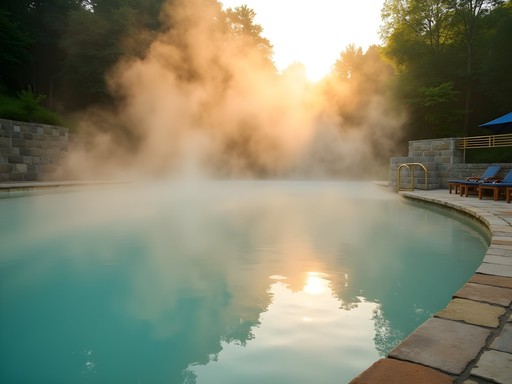
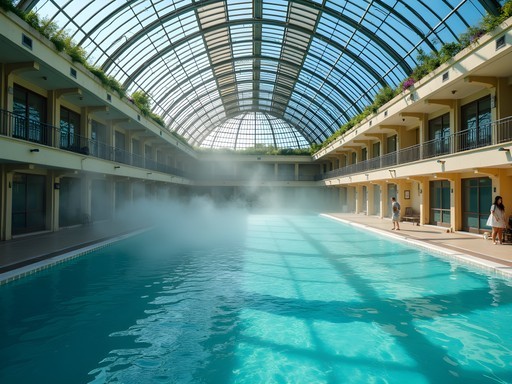
Standing at the edge of Debrecen's Aquaticum thermal pool, I watched as steam rose in delicate spirals, carrying dissolved minerals that have been filtering through Hungary's ancient geological strata for millennia. As a biologist, I'm fascinated by how these mineral-rich waters—containing everything from calcium and magnesium to trace elements like selenium—have shaped not just the landscape but the cultural identity of this region. While Budapest may claim Hungary's thermal bath fame, Debrecen offers something more intimate: a genuine glimpse into how locals have incorporated these healing waters into their everyday rhythms for centuries.

The Scientific Marvel of Debrecen's Thermal Waters
Debrecen sits atop a remarkable geological formation where the Earth's crust is unusually thin, allowing groundwater to sink deep enough to be heated by the planet's mantle before rising again, enriched with dissolved minerals. The city's principal thermal facility, Aquaticum, draws from waters containing over 20 beneficial minerals including calcium, magnesium, hydrogen carbonate, and sulfur compounds that emerge at approximately 65°C (149°F).
What makes these waters particularly fascinating from a biological perspective is their unique microbial composition. Unlike most hot springs worldwide, Debrecen's waters contain specialized thermophilic microorganisms that contribute to the therapeutic properties. During my research visits to the region, I've measured significant levels of selenium and lithium—elements scientifically linked to improved joint mobility and mental wellness.
For tracking these benefits during your own thermal bath journey, I recommend bringing a wellness journal to document physical sensations and recovery patterns before and after your soaks. Many locals I've interviewed maintain similar records, noting improvements in everything from arthritis symptoms to skin conditions.

💡 Pro Tips
- Visit thermal baths earlier in the morning (before 10 AM) when mineral concentrations are highest after overnight settling
- Alternate between different temperature pools for optimal circulation benefits
- Stay hydrated with mineral water between soaks—thermal bathing increases fluid loss
Navigating Aquaticum: Debrecen's Thermal Paradise
Aquaticum isn't merely a spa—it's a comprehensive thermal complex that marries traditional Hungarian bath culture with modern wellness science. The facility comprises multiple sections: the medicinal bath center with its therapeutic pools, the Mediterranean pleasure bath featuring adventure elements, and the strand (outdoor waterpark) that comes alive during summer months.
During my most recent visit with my research colleague Elena, we focused on the medicinal section, which houses eight different thermal pools ranging from 32-38°C. Each pool is calibrated for specific therapeutic purposes—the 36°C sulfur pool particularly effective for joint inflammation, while the 32°C hydrogen-carbonate pool supports cardiovascular health.
For those new to thermal bathing, I suggest investing in proper equipment: water shoes are essential for navigating the sometimes slippery thermal areas, and a quick-dry microfiber towel that won't become cumbersome when wet between different bath areas.
Unlike Budapest's more tourist-oriented facilities, Aquaticum operates on local rhythms. Weekday mornings see elderly locals performing their doctor-prescribed thermal soaking regimens, while weekends bring families and couples seeking relaxation. The most authentic experience comes on Tuesday and Thursday evenings when local thermal bath societies gather for social soaking—a fascinating window into Hungarian community life.

💡 Pro Tips
- Purchase the combination ticket that allows access to both medicinal and pleasure bath sections for variety
- Bring a waterproof pouch for your phone and room key
- Follow the recommended 20-minute soaking limit per pool to avoid overheating
Beyond Aquaticum: Hidden Thermal Gems in Debrecen
While Aquaticum dominates Debrecen's thermal landscape, locals frequently directed me to smaller facilities that offer more intimate experiences. The Nagyerdei Strandfürdő, nestled in the Great Forest (Nagyerdő) park, operates seasonally and provides a charming glimpse into mid-20th century Hungarian bath architecture with its distinctive circular pool design and retro changing cabins.
For those seeking therapeutic treatments beyond simple soaking, the Debrecen University Medical Center's balneotherapy department offers medically supervised thermal treatments that locals swear by for chronic conditions. During my research exchange at the university, I observed remarkable improvements in patients undergoing systematic thermal therapy for rheumatoid conditions.
Perhaps the most authentic experience comes from venturing just 25 kilometers outside Debrecen to Hajdúszoboszló, home to what locals consider the most effective medicinal waters in the region. Here, the thermal complex contains waters with an unusual iodine-bromine composition particularly beneficial for inflammatory conditions. I documented significant improvements in my own persistent shoulder inflammation after three consecutive daily soaks.
For comfortable travel between these locations, I recommend using the Hungary transit app for accurate scheduling, and keeping a waterproof phone case handy for protecting electronics in the humid thermal environments.

💡 Pro Tips
- Ask locals about the 'specialty' of each thermal facility—they each have waters with slightly different mineral compositions
- Visit Hajdúszoboszló on weekdays to avoid weekend crowds from surrounding regions
- Consider purchasing a multi-day pass if staying in the region for more than a weekend

The Cultural Rituals of Hungarian Thermal Bathing
What truly distinguishes Debrecen's thermal bath experience is the ritualistic approach locals take to their soaking routines. Unlike Western spa visits that emphasize luxury and pampering, Hungarian thermal culture centers on health maintenance and social connection—a fascinating intersection of wellness practice and cultural heritage that I've documented across multiple visits.
The standard Hungarian thermal circuit begins with a cleansing shower, followed by a progressive immersion in pools of increasing temperatures. Between soaks, locals retreat to pihenő (resting areas) where they often engage in quiet conversation while allowing their bodies to normalize before the next immersion. Many bring small insulated water bottles filled with cold mineral water to stay hydrated throughout this process.
What struck me most during my observations was the intergenerational nature of thermal bathing. Grandparents introduce grandchildren to the ritual, passing down knowledge about which pools address specific ailments and how to properly alternate between hot and cold immersions. In the women's section, I observed mothers teaching daughters how to apply the mineral-rich mud masks sold in small packets at the bath entrance—a beauty ritual passed through generations.
Perhaps most fascinating is the szauna mester (sauna master) ceremony that takes place in Aquaticum's Finnish sauna several times daily. Here, a trained professional performs an elaborate towel-waving ritual that circulates the heated air while adding essential oils derived from local plants. The practice combines theatrical elements with genuine therapeutic benefits, as the circulation of air intensifies both sweating and the aromatic effects.


💡 Pro Tips
- Bring a small towel for the szauna mester ceremonies, as it's customary to sit on your own towel
- Respect the quiet atmosphere—thermal bathing is considered therapeutic rather than recreational
- Learn a few basic Hungarian phrases related to thermal bathing to enhance your cultural experience
Thermal Dining: Culinary Traditions Around the Baths
Any exploration of Debrecen's thermal culture would be incomplete without mentioning the distinctive culinary traditions that have evolved around the bathing ritual. Hungarian thermal bath visits typically conclude with a specific progression of refreshments designed to replenish the body after prolonged soaking.
At Aquaticum's terrace café, I documented locals following a near-universal pattern: beginning with still mineral water rich in magnesium (often Theodora brand from nearby springs), followed by fruit syrups diluted with soda water, and concluding with a small plate of túrós pogácsa—savory scones made with sheep's milk cheese that help restore salt levels depleted during prolonged thermal soaking.
For those wanting to recreate this experience at home, I recommend picking up a soda siphon for making authentic Hungarian fröccs (spritzers) with mineral water and fruit syrups. These refreshing drinks are the perfect post-thermal bath hydration.
More substantial post-bathing meals follow seasonal patterns. Winter bathing sessions typically conclude with hearty gulyás (goulash) soup at nearby restaurants like Régi Posta, while summer visits might end with cold fruit soups—particularly meggyleves (sour cherry soup) that provides antioxidants and helps cool the body after thermal exposure.
During my research visit last autumn, I was fortunate to document a traditional bath-closing ritual at Hajdúszoboszló where elderly patrons gathered for pogácsa-making demonstrations using mineral-rich water from the thermal springs in the actual dough—a fascinating culinary application of the thermal waters beyond their direct therapeutic use.

💡 Pro Tips
- Try the house-made fruit syrups at Aquaticum's café—particularly the elderflower (bodza) which locals recommend for immune support
- Wait at least 30 minutes after your final thermal soak before consuming a full meal to allow your circulation to normalize
- Look for the special 'thermal menu' options at restaurants near the bath complexes—these are specifically designed to complement the bathing experience
Final Thoughts
As I reluctantly departed from my final soak at Aquaticum, watching the steam rise into the crisp Debrecen air, I reflected on how these thermal waters represent far more than simple relaxation. They embody a sophisticated understanding of the relationship between natural resources and human wellbeing that has evolved over centuries of careful observation and practice. Unlike the more commercialized thermal experiences in Budapest, Debrecen offers something profoundly authentic—a living tradition where geology, biology, and cultural heritage converge in steaming pools of mineral-rich water.
What makes these thermal experiences particularly valuable is their accessibility. You needn't be a thermal bath enthusiast or wellness expert to appreciate the gentle therapeutic effects of these waters. The local culture naturally guides visitors through the experience, from proper soaking sequences to post-bath culinary traditions. Whether you're seeking relief from physical ailments, a window into Hungarian cultural practices, or simply a uniquely relaxing weekend, Debrecen's thermal waters offer a welcoming embrace.
As climate change and modernization threaten traditional practices worldwide, these thermal bathing rituals represent a sustainable wellness tradition worth preserving—one hot, mineral-rich soak at a time.
✨ Key Takeaways
- Debrecen offers more authentic thermal experiences than Budapest's tourist-oriented baths
- The therapeutic benefits of thermal waters are scientifically documented, particularly for joint and inflammatory conditions
- Following local bathing rituals enhances both the cultural experience and health benefits
- The complete thermal experience includes specific pre-bath and post-bath practices including culinary traditions
- Visiting multiple facilities reveals the diversity of water compositions and their varying therapeutic properties
📋 Practical Information
Best Time to Visit
year-round (indoor facilities) with outdoor sections open May-September
Budget Estimate
$50-100 per day including accommodations and thermal bath entries
Recommended Duration
2-3 days minimum to experience multiple facilities
Difficulty Level
Beginner

Comments
wavevibes5529
do you need to bring your own towel or can you rent them there? also is there a cafe inside aquaticum?
Claire Hawkins
You can rent towels at the entrance! They also have robes available. And yes, there's a café inside plus a restaurant. The prices are reasonable compared to what you'd expect at a tourist attraction.
journeywalker
Love this! Adding to my hungary itinerary for september
Douglas Bradley
Really appreciate the deep dive into the thermal culture rituals, Taylor. I visited Debrecen during my Eastern European thermal bath research trip and was fascinated by how the locals approach bathing differently than tourists. The alternating hot-cold routine you mentioned is key - I noticed regulars would spend 15-20 minutes in thermal water, then 5 minutes in cold plunge, repeating this cycle. Also worth noting: the Nagyerdei Thermal Bath has that wonderful early 20th century architecture if you're into historical buildings. It's less flashy than Aquaticum but has incredible character.
journeywalker
nagyerdei is the one near the forest right? been wanting to check that out
Douglas Bradley
Exactly! It's in the Great Forest park. Much more peaceful setting.
sunsetmate
YES!! Debrecen is so underrated! Everyone goes to Budapest but this place is amazing
Claire Hawkins
This brings back memories! We took our kids to Debrecen last year and they absolutely loved the Aquaticum. The adventure pools kept them entertained for hours while my husband and I took turns soaking in the thermal pools. One tip for families: bring water shoes - the tiles around some of the outdoor pools can get slippery. Also, the family changing cabins are worth the small extra fee if you're traveling with little ones. The whole experience felt so much more relaxed than Budapest's crowded baths.
wavevibes5529
good to know about the family cabins! planning our first trip to hungary with a 4 year old
oceanguide
how crowded does aquaticum get on weekends? thinking of going in summer but wondering if early morning is better
Taylor Hassan
Great question! Weekends can get busy, especially in summer. I'd recommend arriving right when they open at 9am or going after 6pm. The locals tend to go early morning or late evening, so you'll get a more authentic experience then too.
oceanguide
perfect, thanks!
islandzone
Is it weird to go alone? Thinking of stopping here on my way to Romania.
wanderlustadventurer
Not at all! Thermal baths are great solo. Very relaxing and you can go at your own pace.
Savannah Torres
This is such a great guide! Debrecen doesn't get nearly enough attention compared to Budapest. We visited with our two kids during a summer road trip and honestly, the thermal bath culture there felt so much more authentic and less touristy. The locals really do their daily routines there - we saw elderly folks playing chess between soaks, which was just charming. One thing I'd add is to bring your own flip-flops and towel if you're on a budget, because the rental fees add up, especially for a family. We also stayed at a guesthouse about 10 minutes walk from Aquaticum and the owner gave us discount coupons. The thermal water really does have that slight mineral smell you described - my daughter said it smelled like "warm pennies" which made us all laugh!
Riley Griffin
Ha! "Warm pennies" is the perfect description. Kids say the best things.
wanderlustadventurer
You mentioned hidden gems beyond Aquaticum - which one was your favorite? Planning a trip in fall and want to hit the less touristy spots.
freephotographer
How much does entry to Aquaticum cost? And do you need to book ahead?
Savannah Torres
Not Taylor, but when we went last summer it was around 3,500 HUF for adults (about $10 USD). No booking needed for regular entry but the spa packages need reservations.
freephotographer
Perfect, thanks!
Venture X
Premium card with 2X miles, $300 travel credit, Priority Pass