Disclosure: This article contains affiliate links. We may earn a commission from purchases at no extra cost to you, which helps our travel content.
The moment our 4x4 crested the final hill, revealing Merzouga's towering amber dunes against the cloudless Moroccan sky, I felt that familiar flutter of discovery that keeps drawing me back to desert landscapes. After years of exploring the American Southwest with my children, Morocco's Sahara called to me with promises of cultural richness that transcended my legal research. As a public defender accustomed to navigating complex systems, I found myself humbled by the elegant simplicity of Berber desert life. This wasn't just another destination to check off my list—it was an opportunity to immerse myself in traditions dating back millennia while witnessing how these communities balance ancestral wisdom with modern challenges. My week in Merzouga taught me that deserts aren't empty spaces but rather living classrooms where the past and present converge under impossibly starlit skies.

Getting to Know Merzouga: Beyond the Tourist Trail
Merzouga sits at Morocco's southeastern edge, a gateway to the Sahara's Erg Chebbi dunes that rise dramatically to nearly 500 feet. While many travelers treat this village as merely a launching point for camel treks, I chose to spend my first two days here getting to know the community that calls this extreme landscape home.
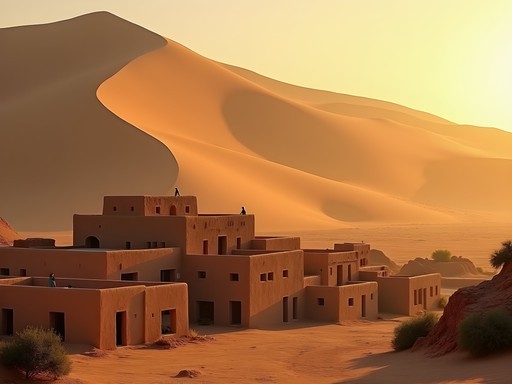
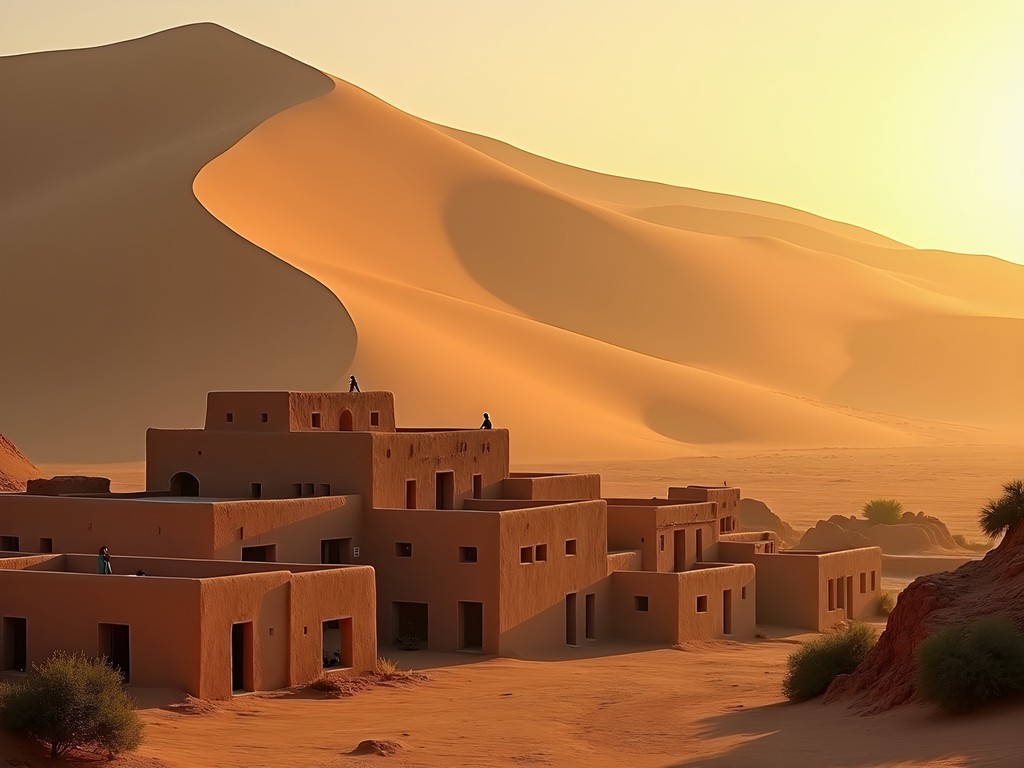
I stayed at a family-run auberge on the outskirts of town, where three generations lived together in a compound built from traditional mud-brick and adorned with intricate Berber textiles. My host Youssef explained how tourism has transformed their economy over the past decade—both helping preserve traditions while sometimes commodifying them.
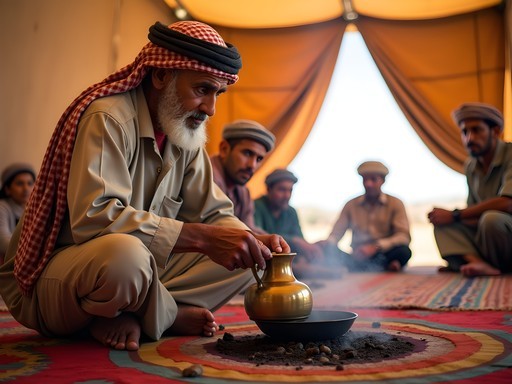
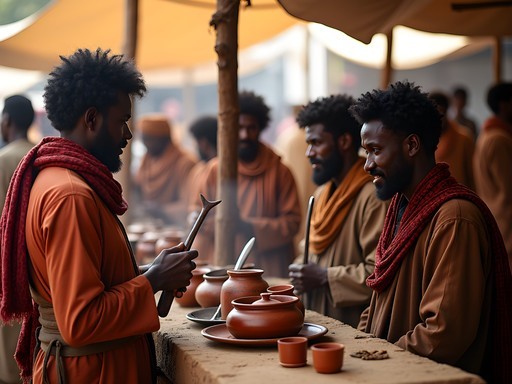
"Many visitors want the Instagram photo on a camel, but fewer take time to understand our way of life," he told me as we shared mint tea on the rooftop at sunset, the dunes transforming from gold to deep orange before us.
I spent those initial days walking Merzouga's dusty streets, visiting the local market where dates, spices, and handcrafted goods are sold alongside modern necessities. The contrast reminded me of tribal lands in Arizona, where ancient practices coexist with contemporary realities. Before venturing into the desert, I purchased a wide-brimmed hat to replace my inadequate baseball cap—a decision my sun-exposed skin thanked me for repeatedly.
Most importantly, I connected with a certified local guide through my accommodation rather than pre-booking online. This choice made all the difference in experiencing authentic Merzouga rather than a packaged version designed for tourists.
💡 Pro Tips
- Learn basic Arabic or Berber greetings—locals genuinely appreciate the effort
- Visit the weekly souk (market) on Tuesday for the most authentic experience
- Ask your accommodation to connect you with local guides rather than booking desert excursions online
Desert Immersion: Three Days Among the Dunes
My desert experience began not with the expected camel trek but with something far more meaningful—helping prepare the journey's provisions with a Berber family. Fatima, a grandmother whose face mapped decades of desert living, taught me to make proper msemen (Moroccan flatbread) in her modest kitchen. Communication happened through my guide's translations and universal cooking gestures that transcended our language barrier.
"The desert teaches patience," my guide Ibrahim explained as we finally mounted our camels the following morning. "Everything here happens at the pace the environment demands."
Our small caravan included just myself, Ibrahim, and two camel handlers who sang traditional Berber songs as we traversed the rippling dunes. The journey to our camp took nearly four hours, allowing me to absorb the shifting landscape and surprising biodiversity. Ibrahim pointed out desert adaptations in plants and insects that reminded me of similar evolutionary marvels I'd observed in Arizona's Sonoran Desert.
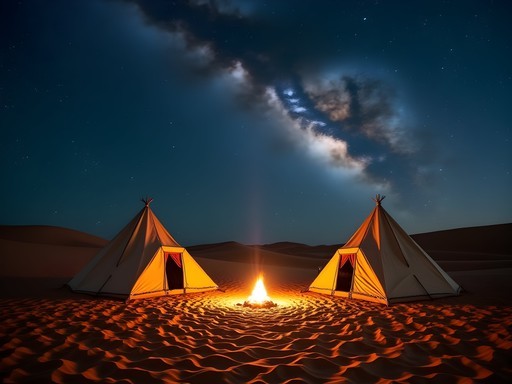
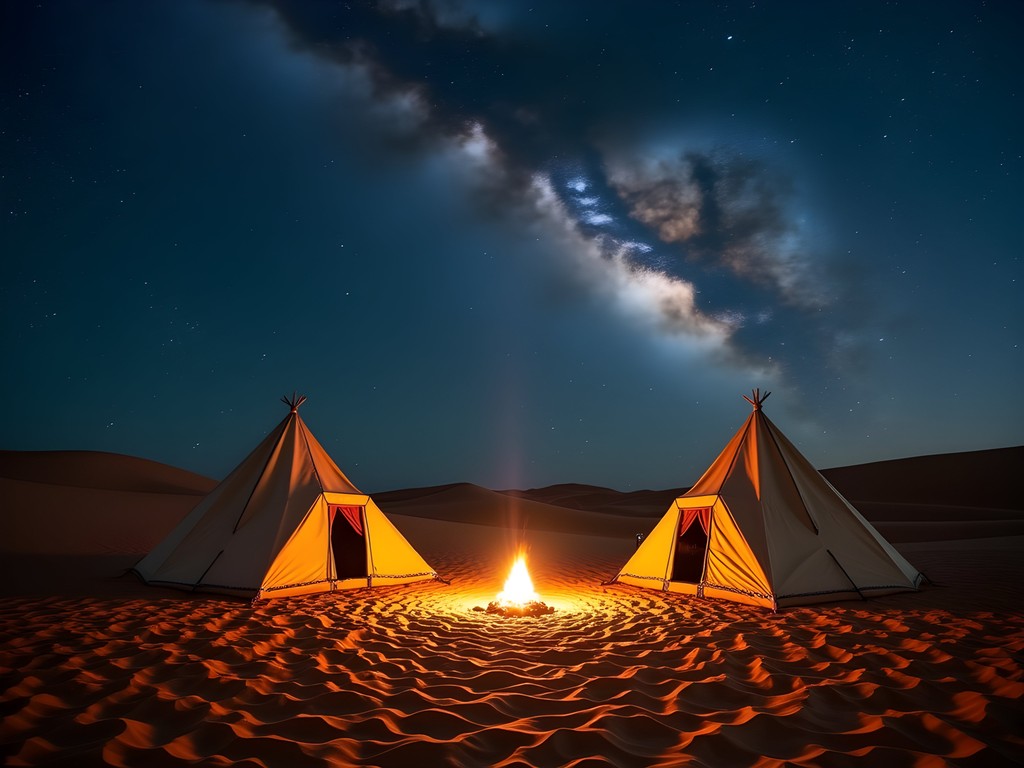
The camp itself defied my expectations. While technically a "luxury" option, it embodied thoughtful simplicity rather than opulence. Solar panels powered minimal lighting, water was precious and conserved meticulously, and the traditional wool tents were designed for natural temperature regulation. I was particularly impressed by their solar-powered lanterns that provided gentle illumination throughout the camp—I've since purchased several for my own desert excursions back home.
During our three days among the dunes, I learned to sand-board (essentially snowboarding on sand), foraged for desert herbs used in traditional medicines, and most memorably, participated in bread-making by burying dough beneath the hot embers of our evening fire. These weren't tourist activities but daily practices of desert survival transformed into shared cultural exchange.
💡 Pro Tips
- Pack microfiber towels that clean sand off effectively and dry quickly in the desert air
- Bring warm layers—desert temperatures drop dramatically at night, even in warmer seasons
- Request permission before photographing local people, especially Berber women
Cultural Exchange Through Music and Storytelling
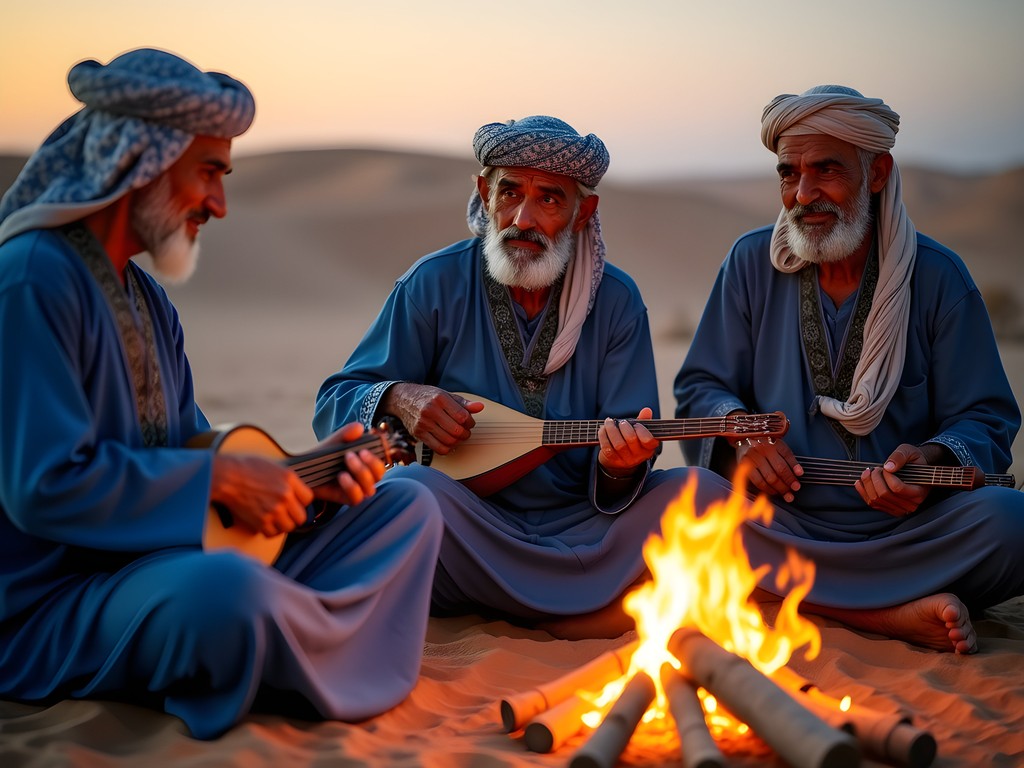
The heart of my Merzouga experience emerged after sunset, when our small group gathered around the campfire for music and storytelling sessions that stretched late into the night. These weren't performances staged for tourists but genuine cultural exchanges that have sustained Berber communities through centuries of desert dwelling.
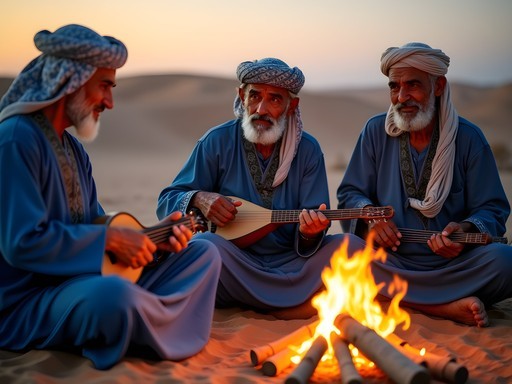
My legal training has taught me to listen carefully to people's stories, noting both what's said and what remains unspoken. This skill served me well as I absorbed tales of Berber resistance against colonizers, ancient trade routes across the Sahara, and legends explaining the desert's formation. Ibrahim translated while an elderly man named Hassan played the three-stringed hajhuj (similar to a bass guitar) with mesmerizing skill.
"Our stories are our libraries," Ibrahim explained. "Before writing, this was how knowledge passed between generations."
I was invited to share stories from my own culture, creating an unexpected bridge between Southwestern American desert traditions and North African ones. The similarities in our relationship with harsh landscapes—respect, adaptation, and deep spiritual connection—transcended our obvious differences.
One evening, a group of women from a nearby encampment joined us, bringing traditional drums and performing songs typically reserved for weddings and births. Their intricate hand-tattooed designs caught my attention, reminding me of indigenous body art traditions I'd documented in the American Southwest. Using my portable audio recorder, I captured these musical exchanges (with permission) to share with my children and friends back home.
What struck me most was how these musical traditions incorporated environmental sounds—wind through dunes, distant animal calls, the crackling fire—into their rhythmic patterns. It demonstrated a level of connection to place that many modern communities have lost, reminding me why preserving these cultural practices matters beyond tourism.
💡 Pro Tips
- Ask respectfully about the meaning behind songs and instruments
- Bring a small gift from your home country to share during cultural exchanges
- Learn basic Berber percussion patterns—locals appreciate visitors who participate rather than just observe

Sustainable Desert Tourism: Challenges and Solutions
As both an environmental advocate and someone who values cultural preservation, I couldn't ignore the complex sustainability issues facing Merzouga. The region walks a delicate line between economic dependence on tourism and protecting the fragile desert ecosystem and Berber cultural integrity.
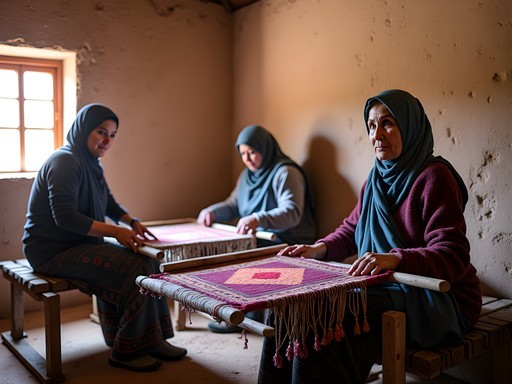
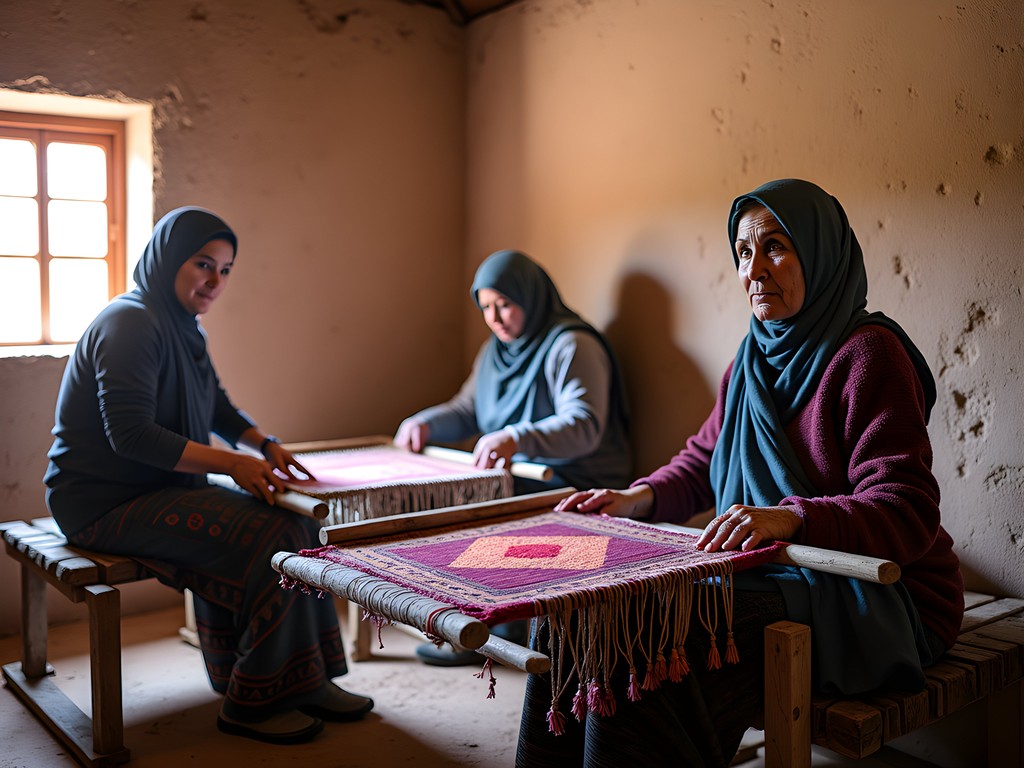
During my stay, I visited a small cooperative where local women create textiles using traditional Berber designs and natural dyes. Fatima, the cooperative's leader, explained through translation how tourism has provided economic opportunities for women who previously had few options for income.
"Before, our daughters had to leave for cities," she said, her weathered hands continuing to work the loom even as she spoke. "Now they can stay, learn our traditions, and support their families."
Yet the environmental challenges are evident. Water scarcity remains the most pressing issue, with tourism increasing demand on limited resources. Several innovative solutions impressed me, including gray water recycling systems at more progressive accommodations and strict limits on water usage for tourists compared to locals.
I was particularly struck by one camp's approach to waste management—they provided each guest with a reusable water bottle upon arrival and completely eliminated single-use plastics. The bottle became not just practical but a meaningful souvenir of my commitment to responsible travel.
My conversations with Ibrahim revealed the community's concerns about maintaining authenticity as tourism grows. "We want visitors to experience real Berber hospitality, not a show," he explained. "But sometimes what tourists expect and what is authentic are different things."
This tension between preservation and adaptation reminded me of similar challenges facing tribal communities in the American Southwest—how to share culture meaningfully while protecting it from commodification. The most successful initiatives I observed were those led by local Berber people rather than outside investors, suggesting a path forward that balances economic opportunity with cultural integrity.
💡 Pro Tips
- Choose locally-owned accommodations that employ Berber staff
- Respect water conservation practices even when they feel inconvenient
- Purchase handicrafts directly from artisan cooperatives rather than souvenir shops
Stargazing and Silence: The Desert's Greatest Gifts
My most profound experiences in Merzouga came not from organized activities but from the moments of stillness the desert freely offers. Growing up in urban America, true darkness and silence are rarities. Here, they're abundant natural resources.
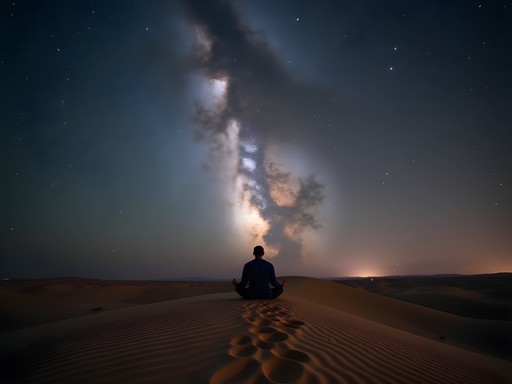
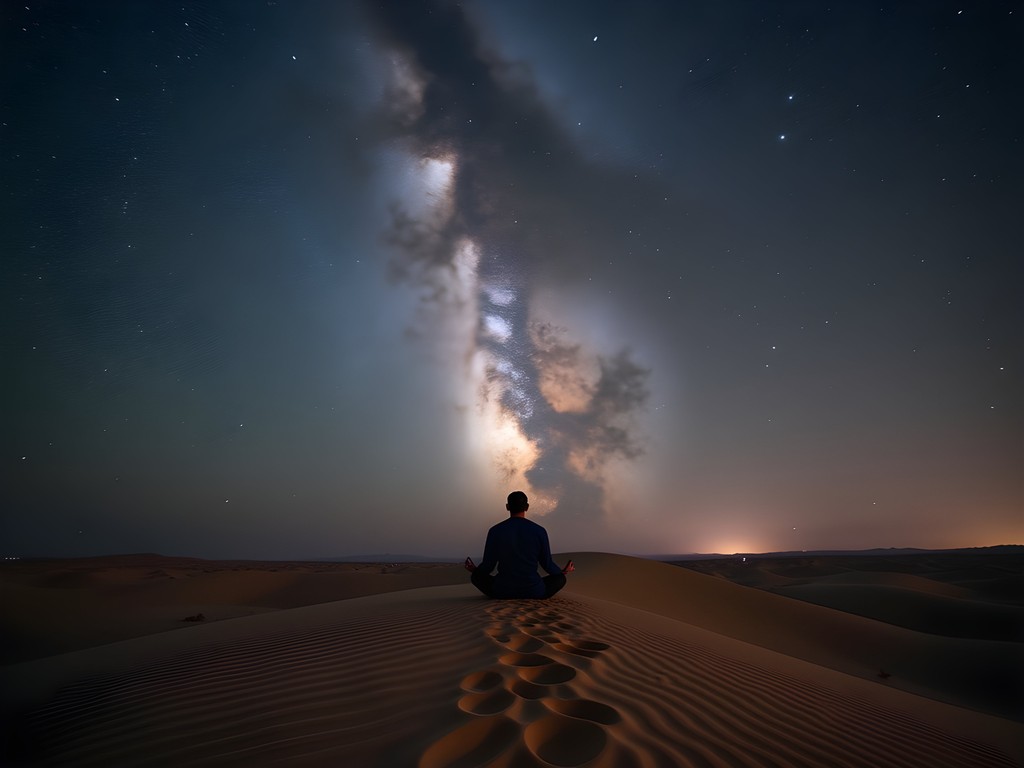
On my final night, Ibrahim led me away from camp to a private dune summit where we simply sat in contemplation as the stars emerged. Without light pollution, the night sky revealed itself in layers—first the brightest stars, then thousands more, until finally the Milky Way stretched across the heavens like a celestial highway.
"In Berber tradition, we believe the stars are ancestors watching over us," Ibrahim shared softly. "When you see how many there are, you understand you are never alone."
The silence was equally powerful—not an absence of sound but rather a presence of subtle desert acoustics normally drowned out by human noise. The whisper of sand shifting in the breeze, distant animal movements, even the sound of our own heartbeats became audible in this acoustic clarity.
I've experienced similar moments in Arizona's deserts, but Merzouga's vastness magnified the effect. I found myself thinking about the clients I represent back in Philadelphia—how many have never experienced this kind of natural silence or seen stars unobscured by city lights. These aren't luxury experiences but fundamental human connections to our planet that should be accessible to everyone.
For those planning to fully appreciate these night experiences, I recommend bringing a compact binoculars for stargazing. While professional astronomy equipment would be cumbersome for most travelers, these binoculars revealed Jupiter's moons and stunning detail in star clusters without adding significant weight to my luggage.
The desert's silence offered something increasingly rare in our hyperconnected world—space for reflection. As an attorney constantly processing complex information, this mental clearing proved more restorative than any spa treatment could offer. I've since incorporated "desert silence practices" into my daily routine back home, creating small pockets of stillness that reconnect me to that Saharan clarity.
💡 Pro Tips
- Schedule at least one night with no planned activities—just stargazing
- Move away from camp for true silence (with guide's knowledge for safety)
- Learn basic star navigation from local guides—Berber people have navigated by stars for centuries
Final Thoughts
As my 4x4 departed Merzouga, retracing our path away from the great dunes, I carried more than photographs and souvenirs. The Berber concept of community resilience through environmental adaptation resonated deeply with me as both a parent and an advocate for marginalized communities. My week in Morocco's eastern Sahara reinforced my belief that deserts aren't empty spaces but profound classrooms where past and present coexist in delicate balance. Whether you're drawn to Merzouga for adventure, cultural connection, or simply to experience the legendary hospitality of Berber people, approach this journey with openness and respect. The dunes will test your physical endurance, while the cultural exchanges will challenge your perspectives—both transformations worth embracing. As Ibrahim told me during our farewell: "The desert reveals what is already inside you." I invite you to discover what Merzouga might reveal within you.
✨ Key Takeaways
- Connect with local guides for authentic cultural experiences beyond tourist performances
- Balance adventure activities with quiet contemplation to fully appreciate the desert's gifts
- Support community-led tourism initiatives that preserve both environment and culture
- Prepare physically for desert conditions but mentally for cultural exchanges that may challenge your worldview
📋 Practical Information
Best Time to Visit
October-November or February-April (avoid summer's extreme heat)
Budget Estimate
$75-150/day including accommodation, food, and desert excursions
Recommended Duration
5-7 days minimum (including travel to/from Merzouga)
Difficulty Level
Moderate (Requires Physical Stamina For Desert Activities And Cultural Adaptability)
Comments
dreamone
That sunset photo with the camels silhouetted against the dunes is absolutely stunning! What camera did you use?
Mason Ferrari
Having traveled extensively through Morocco's desert regions, I find your analysis of Merzouga's cultural preservation efforts particularly astute, Savannah. The balance between tourism and authenticity is precarious at best. My recent three-week solo journey through the region revealed that the camps further from the main tourist hubs offer a more genuine cultural exchange. The astronomical knowledge of the Berber guides is remarkable - their navigation techniques using stellar positioning mirror ancient methods that have sustained desert travel for centuries. I'd suggest visitors interested in genuine cultural immersion request specific experiences like bread-making or textile demonstrations rather than the more commercialized 'shows' offered at larger camps. The economic impact of thoughtful tourism cannot be overstated for these communities.
coffeeadventurer
Wow! Just booked my trip for next month after reading this. Can't wait to experience those Berber music sessions!
bluechamp
Your section on sustainable desert tourism really resonated with me. On my last visit to Merzouga, I noticed more solar panels at camps and fewer plastic bottles compared to my first trip in 2019. The local cooperative that makes handicrafts from recycled materials was a highlight - picked up some amazing gifts there! One thing I'd add for anyone going: bring a good headlamp with a red light setting for nighttime stargazing walks. The Milky Way visibility there is unreal, but you need to preserve your night vision. I used my headlamp every single night and it was perfect for navigating camp without disturbing others.
skybackpacker
This looks amazing! Did you need a guide to arrange everything or is it possible to do independently? First-timer here!
bluechamp
Not the author but I've been twice - definitely recommend a guide for your first visit. The desert is no joke and local knowledge is invaluable. Plus they handle all the connections from Marrakech/Fes.
skybackpacker
Thanks for the advice! Any recommendations for reliable guides?
Ana Robinson
Savannah, your post brought back so many memories! We took our kids (8 and 10) to Merzouga last year, and it was absolutely transformative for them. The camel trek was their highlight, but what really stuck with us was the evening we spent with a Berber family learning to make bread in the sand. My daughter still talks about the music night under the stars. If anyone's planning a family trip, I highly recommend requesting a special children's storytelling session - the local guides are amazing at adapting traditional tales for young ones while still preserving their cultural significance.
dreamone
Ana, did your kids struggle with the heat? Planning to take my 7-year-old next spring but a bit worried.
Ana Robinson
We went in early April which was perfect - warm days but not scorching. Definitely bring wide-brimmed hats and plan activities for early morning/late afternoon. The camps usually have shaded areas for midday rest!
sunsetclimber
Those desert stars are something else! Your photos really capture the magic of Merzouga.
summerrider
The photo of the tea ceremony is beautiful!
Nicole Russell
I'm heading to Morocco solo in April and this is EXACTLY the kind of experience I'm looking for! The sustainable tourism angle really resonates with me. Did you feel safe traveling alone in this region? And how was the language barrier? My French is okay but I don't speak any Arabic. Also, those photos of the dunes at sunrise are absolutely stunning - you've captured the colors perfectly!
Savannah Torres
You're going to love it Nicole! I felt completely safe. Most guides speak French and English, and the Berber hospitality is genuine. Your French will be more than enough. April is perfect timing too - not too hot yet!
vacationwalker
Great post! Just a heads up for anyone going - bring a good headlamp for the desert camp. Makes everything easier at night and the shared bathrooms are usually a short walk away.
summerrider
Good call. Also pack way more water than you think you need!
Venture X
Premium card with 2X miles, $300 travel credit, Priority Pass