
Disclosure: This article contains affiliate links. We may earn a commission from purchases at no extra cost to you, which helps our travel content.
Last autumn, during a brief teaching sabbatical, I found myself wandering the rain-slicked streets of Paris's 16th arrondissement, deliberately avoiding the tourist throngs queuing outside the Louvre. Don't misunderstand – the Louvre deserves its reverence. But Paris, like a complex vintage Bordeaux, reveals its most intriguing notes to those willing to venture beyond the obvious. Having visited the City of Light numerous times since my university days, I've cultivated a particular appreciation for its lesser-celebrated museums – intimate spaces where art, history, and French culture converge without the overwhelming crowds. These seven museums have become my personal sanctuaries in Paris, places where my Japanese father's appreciation for meticulous craftsmanship and my Kiwi mother's love of architectural preservation find common ground. Whether you're planning a romantic weekend or seeking refuge from the well-trodden tourist path, these museums offer couples a chance to experience Paris's cultural richness in more intimate, meaningful settings.

Musée de la Chasse et de la Nature: Where Art Meets the Wild
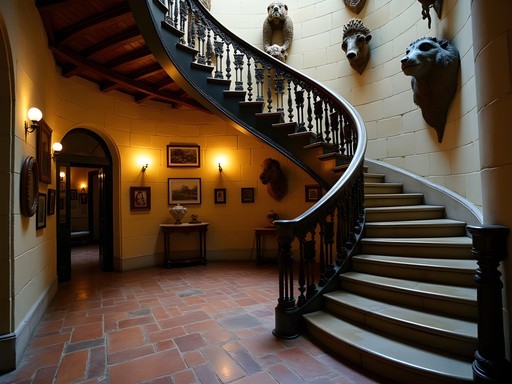
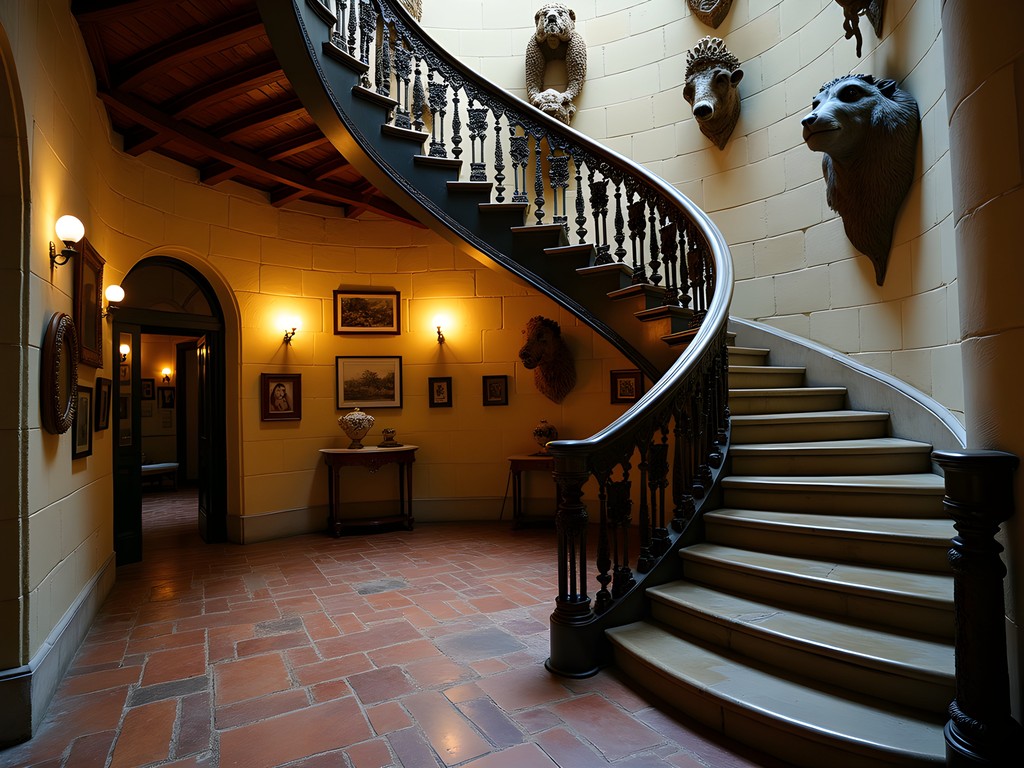
Nestled in the historic Marais district, the Museum of Hunting and Nature (Musée de la Chasse et de la Nature) might sound peculiar at first blush. Yet this museum has become my ritual first stop whenever I return to Paris. Housed in the magnificent Hôtel de Guénégaud, a 17th-century mansion, it brilliantly juxtaposes contemporary art installations with centuries-old hunting artifacts.
On my last visit, I spent nearly an hour in the room dedicated to wild boar hunting, mesmerized by the dialogue between ancient tapestries and provocative modern sculptures. The museum creates unexpected conversations between past and present, tradition and innovation – much like my own bicultural upbringing.
What makes this museum particularly ideal for couples is its intimate scale and thoughtfully designed spaces that invite conversation. My friend Claire and her husband, who visited on my recommendation, later told me they had one of their most meaningful discussions about conservation and humanity's relationship with nature while sitting in the museum's fox room.
The gift shop, often overlooked, houses exquisite nature-inspired jewelry and art books you won't find elsewhere in Paris. I purchased a beautifully illustrated field guide that now occupies a prized spot on my bookshelf in Wichita.
💡 Pro Tips
- Visit on Thursday evenings when the museum stays open until 9 PM and typically has fewer visitors
- Don't rush – each room has hidden details and surprising artistic touches that reveal themselves to patient observers
- The café in the courtyard offers excellent coffee and is a perfect spot for reflection
Musée du Quai Branly-Jacques Chirac: A Global Cultural Journey
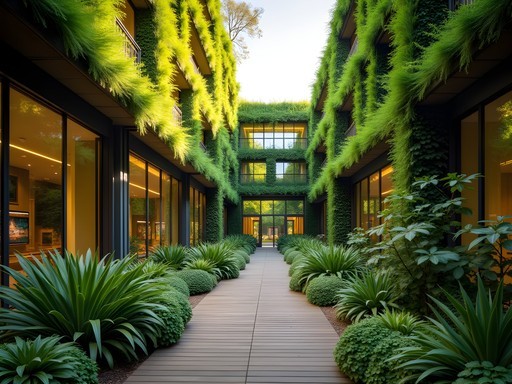
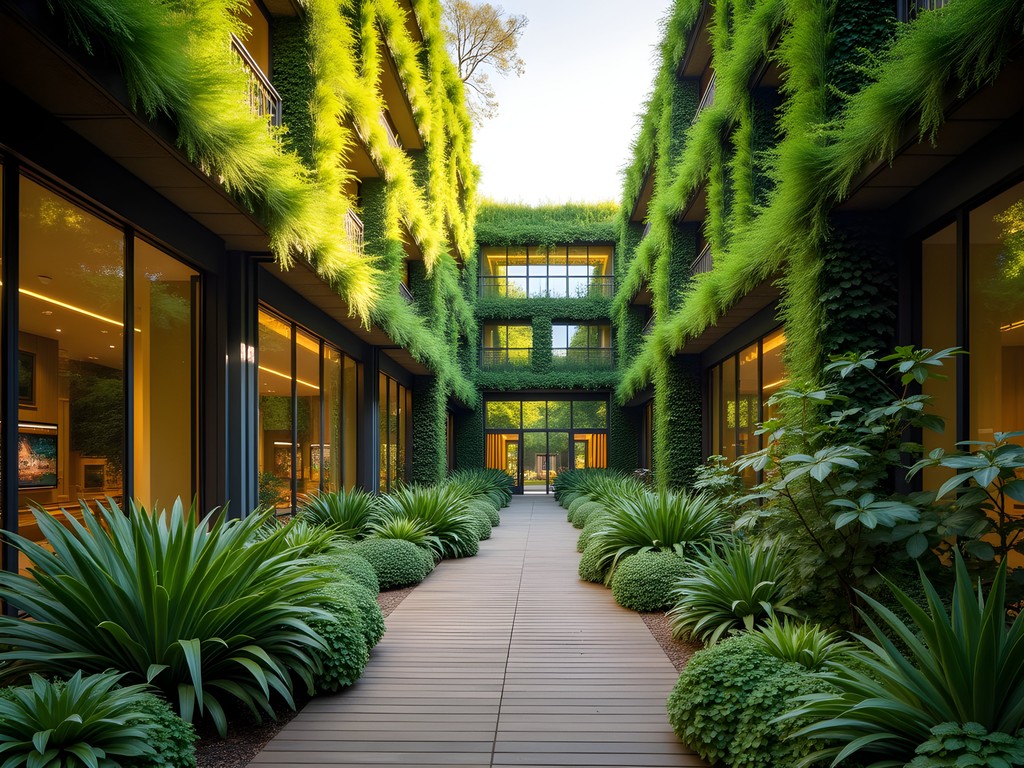
If I were to select just one museum that reflects my personal journey between Eastern and Western worlds, it would be the Musée du Quai Branly. This architectural marvel houses indigenous art and artifacts from Africa, Asia, Oceania, and the Americas in a building that itself defies conventional boundaries – Jean Nouvel's design features a vertical garden that seems to breathe life into the concrete Parisian landscape.
During my first visit years ago, I stumbled upon a special exhibition of Māori artifacts that transported me instantly back to my childhood in Auckland. The juxtaposition of these familiar carvings against Japanese Ainu textiles in the adjacent gallery created a peculiar sense of homecoming that I've never experienced elsewhere in Europe.
The museum's thoughtful curation avoids the colonial gaze that plagues many ethnographic collections. Instead, it presents these cultural treasures with context and respect, encouraging visitors to appreciate the sophistication of indigenous artistic traditions.
For couples with diverse cultural backgrounds (like many of my ESL students), this museum offers a uniquely affirming experience. The layout encourages meandering – my preferred method of museum exploration – with atmospheric lighting and soundscapes that transport you across continents.
Before visiting, I recommend downloading their excellent audio guide app companion to fully appreciate the contextual stories behind the collections. The immersive audio experience is particularly enhanced with quality noise-canceling earbuds.
💡 Pro Tips
- Visit on weekday afternoons when school groups have departed
- The rooftop terrace offers one of Paris's most unexpected and intimate views of the Eiffel Tower – perfect for a romantic moment
- The museum restaurant, Les Ombres, provides exceptional fusion cuisine reflecting the museum's global perspective
Musée de la Vie Romantique: A Hidden Gem for Couples
Tucked away at the foot of Montmartre, the Museum of Romantic Life occupies a charming house once belonging to painter Ary Scheffer, who hosted luminaries like Chopin, Liszt, and George Sand during the 1830s. The museum's name alone makes it an obvious choice for couples seeking a more intimate cultural experience.
I discovered this hidden gem during an unexpected downpour while teaching a summer course in Paris. Seeking shelter, I wandered into what appeared to be a private residence and found myself transported to 19th-century bohemian Paris. The preserved artist's studio and collection of Romantic-era paintings create an atmosphere so authentic you half-expect to encounter Chopin himself seated at the piano.
The museum's greatest treasure isn't any single artwork but rather the palpable sense of creative community that once flourished here. As someone who has always sought the intersection of different artistic traditions – from my father's Japanese calligraphy to my mother's architectural sketches – I find this cross-pollination of creative minds deeply moving.
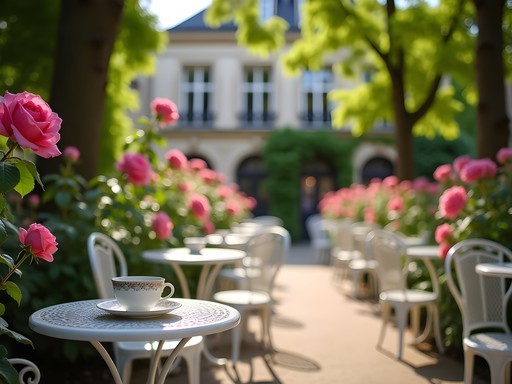
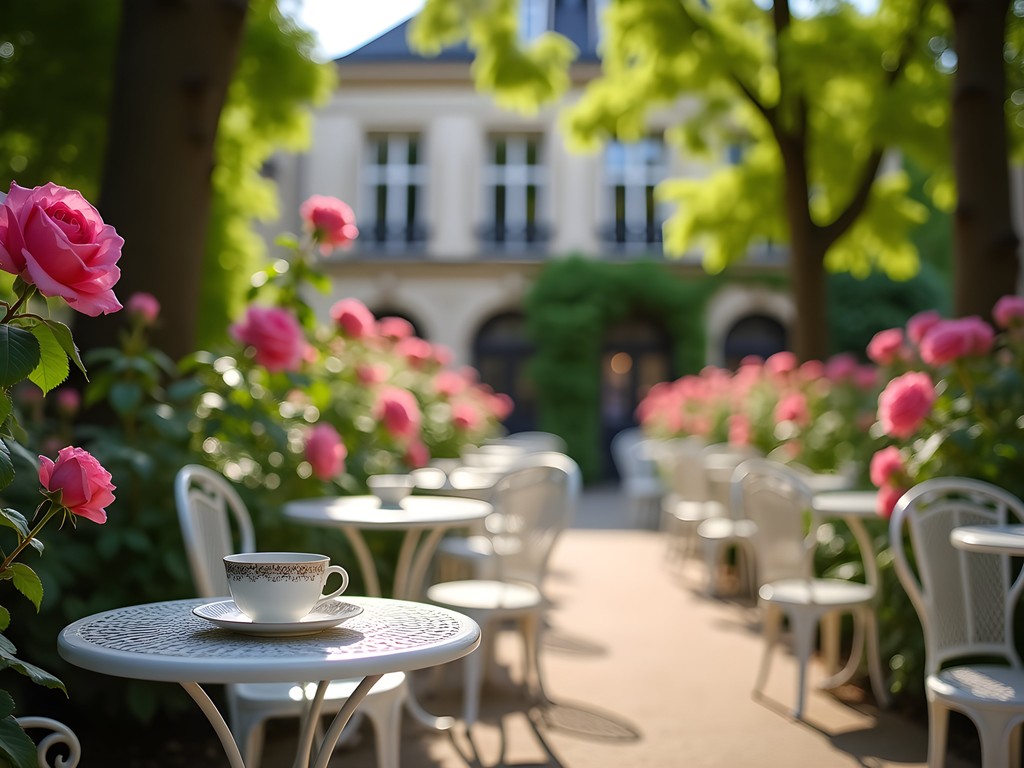
The garden café, only open in warmer months, offers what might be the most romantic tea setting in all of Paris. My university colleague and his wife celebrated their anniversary here last spring and described it as "stepping into a Renoir painting."
I always carry my pocket sketchbook when visiting, as the garden's timeless quality and the museum's intimate scale inspire creativity in ways the grander Parisian museums rarely do. Many couples I've recommended this to have started the tradition of sketching each other amid the garden's rose bushes – creating a personal souvenir far more meaningful than any gift shop purchase.
💡 Pro Tips
- Visit on weekday mornings when locals often enjoy coffee in the garden
- The museum is free to enter, though temporary exhibitions may have a small fee
- Combine your visit with exploration of the nearby Nouvelle Athènes neighborhood, rich in Romantic-era architecture

Musée des Arts Forains: A Carnival of Nostalgia
My fascination with horses – inherited from my father's racing career – led me to discover what might be Paris's most joyful museum experience. The Museum of Fairground Arts (Musée des Arts Forains) houses an extraordinary collection of vintage carousels, carnival games, and fairground attractions from the Belle Époque era.
Unlike traditional museums where touching is forbidden, here visitors are encouraged to ride the antique carousels, play century-old games, and fully immerse themselves in the nostalgic atmosphere. The museum occupies former wine warehouses in Bercy, creating a magical environment where the line between past and present blurs.
During my last visit, I found myself transfixed by a spectacular 19th-century racing carousel featuring hand-carved horses in mid-gallop. The craftsmanship reminded me of the meticulous care my father took with his racing tack – that same reverence for tradition and artisanship.
What makes this museum particularly special for couples is its playfulness. Even the most serious art connoisseurs find themselves laughing like children as they ride whirling carousels or compete at vintage ball-toss games. It's impossible to maintain pretense here – the environment strips away social facades and invites genuine connection.
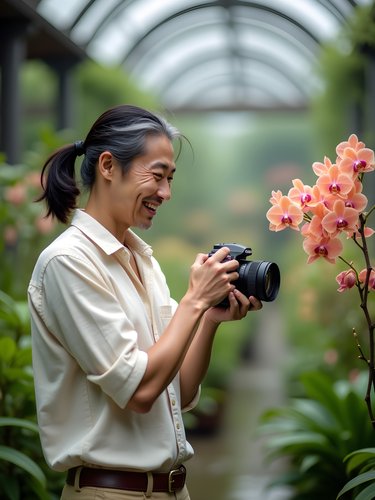
The museum requires advance booking as visits are guided tours only, but this actually enhances the experience. I recommend bringing a compact camera rather than relying on your smartphone – the unique lighting and movement of the vintage attractions create photography challenges that a dedicated camera handles beautifully. The warm tones and film simulations of this particular model capture the nostalgic atmosphere perfectly.

💡 Pro Tips
- Book tickets well in advance as tours often sell out, especially during holidays
- Visit during their special evening events when the attractions are illuminated by thousands of vintage bulbs
- Wear comfortable shoes as the tour involves standing for about 90 minutes
Musée Guimet: Asia's Treasures in Paris
When homesickness for my Japanese heritage strikes in Paris, I seek refuge in the Musée Guimet. Housing one of the world's finest collections of Asian art outside Asia, this museum offers a profound journey across the continent through masterpieces from Japan, China, India, Southeast Asia, and beyond.
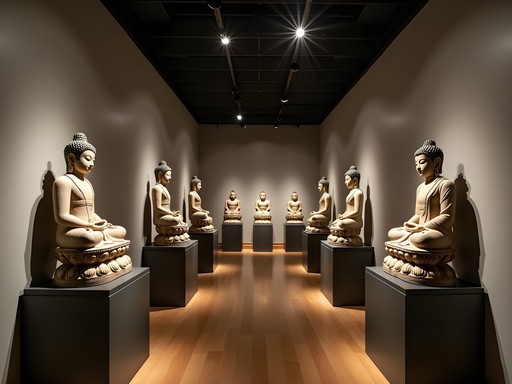
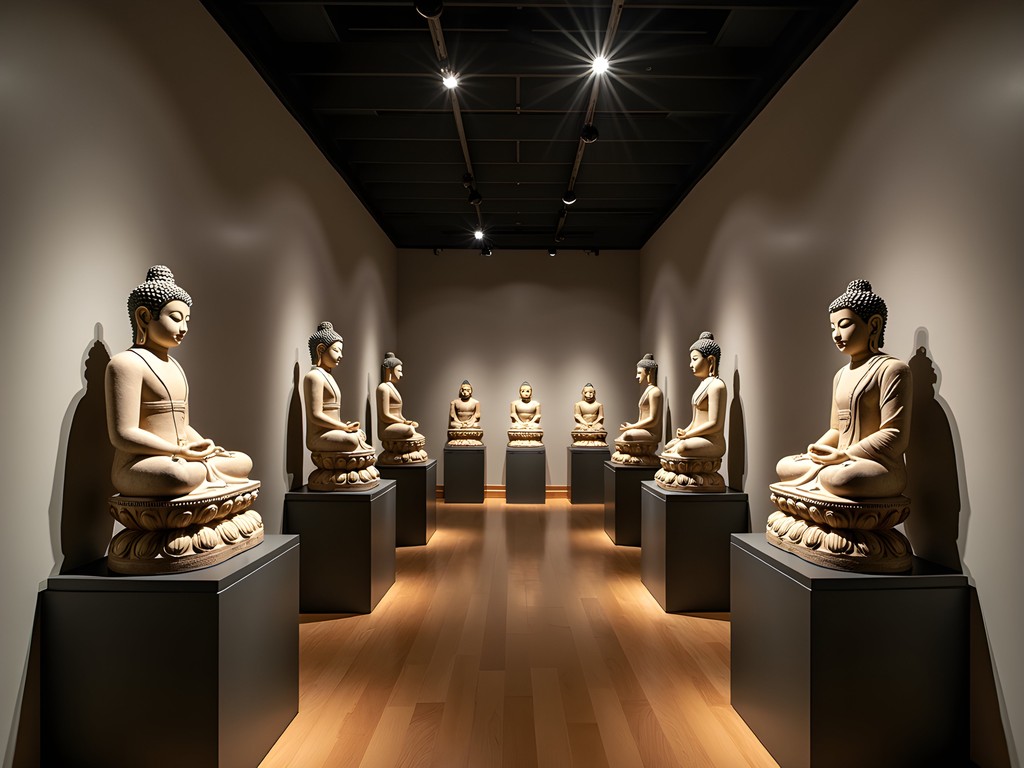
The Japanese collection holds particular significance for me. During my last visit, I spent nearly two hours in silent contemplation before a 12th-century Kamakura-period Buddha that reminded me of similar statues my father would take me to see during childhood visits to his hometown near Nara. The museum's thoughtful presentation allows these sacred objects to retain their spiritual power despite being thousands of miles from their origins.
What distinguishes Guimet from other Asian art collections is its breadth and depth. Rather than presenting superficial highlights, the museum traces the evolution and interconnection of Asian artistic traditions across centuries. The Khmer sculptures, Chinese ceramics, and Japanese prints are displayed with scholarly precision yet remain accessible to casual visitors.
For couples with interest in Eastern philosophies or aesthetics, Guimet offers a profound shared experience. My former university roommate and his wife, both yoga practitioners with no previous exposure to Asian art history, later told me their visit transformed their understanding of the cultural contexts behind their practice.
The museum's tearoom, overlooking a Japanese-inspired garden, serves exceptional teas in traditional vessels. I recommend purchasing a tea sampler from their shop afterward – the carefully selected varieties make for a sensory extension of your museum experience once you return home.
💡 Pro Tips
- Visit the often-overlooked annex dedicated to Asian textiles on nearby Avenue d'Iéna
- Check the schedule for traditional music performances often held in the galleries
- The library on the top floor welcomes visitors and houses rare books on Asian art and culture
Musée de la Mode et du Textile: Fashion as Cultural Heritage
Fashion might seem frivolous to some museum-goers, but the Museum of Fashion and Textiles offers something far more substantive than mere trend-watching. Housed within the Louvre's often-overlooked Decorative Arts wing, this collection traces the evolution of European clothing from the 18th century to contemporary haute couture.
My interest in this museum stems not from personal fashion expertise (my colleagues in Wichita might chuckle at this notion), but rather from my mother's preservation work. She often restored textiles in historic New Zealand buildings, teaching me to appreciate fabric as both art and historical document.
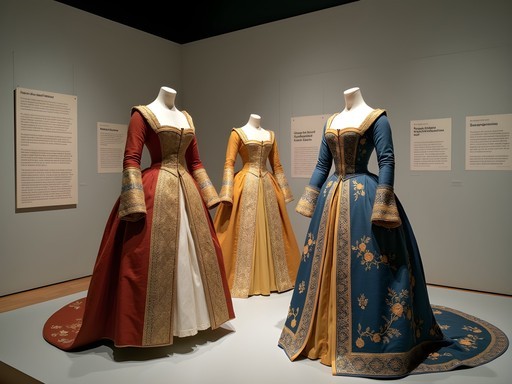
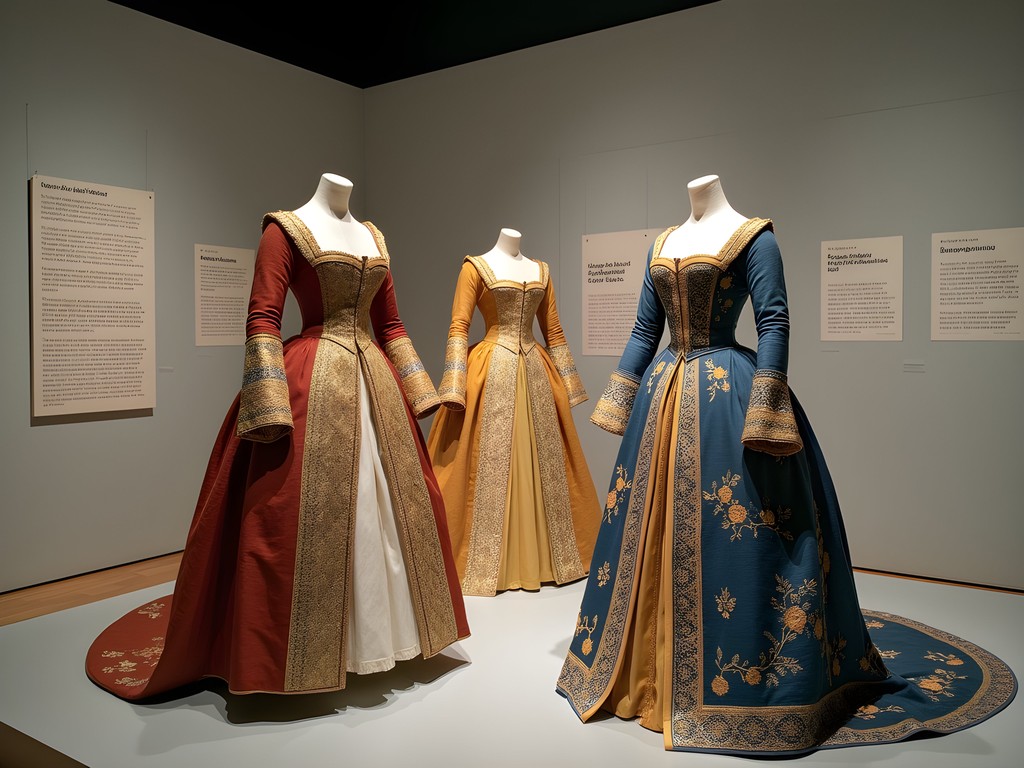
What captivates me here is the museum's approach to fashion as cultural narrative. A recent exhibition juxtaposed 18th-century court dress with Japanese kimono influences, illustrating how global trade routes transformed European aesthetics – a perfect metaphor for my own mixed heritage.
For couples, this museum offers a surprisingly connective experience. I've observed partners engaged in animated discussions about how clothing reflects changing gender roles, economic conditions, and social movements across centuries. The intimate display spaces encourage close observation and conversation.
The museum's temporary exhibitions frequently spotlight avant-garde designers pushing boundaries between fashion and art. During my last visit, an Issey Miyake retrospective demonstrated how Japanese minimalism revolutionized Western clothing construction – a fascinating cross-cultural dialogue made tangible.
The museum shop offers exceptional art books on fashion history. I particularly recommend their fashion history volume as a comprehensive reference that continues to enhance my appreciation of this often-underestimated art form long after returning home.
💡 Pro Tips
- Visit on weekdays when the Louvre's main collections draw the crowds away
- The museum's library welcomes visitors by appointment and contains rare fashion plates and designer sketches
- Combine with a visit to nearby Palais Royal, where many historic fashion houses first established themselves
Musée Nissim de Camondo: A Time Capsule of Elegance
My final recommendation might be Paris's most poignant museum experience. The Nissim de Camondo Museum preserves a magnificent private mansion exactly as it existed in the early 20th century, when banker Moïse de Camondo assembled an unparalleled collection of 18th-century French decorative arts.
The museum tells two stories simultaneously: one of exquisite taste and privilege, the other of profound tragedy. Camondo created this perfect recreation of aristocratic life as a tribute to his son Nissim, killed in World War I. The family's story took an even darker turn when Moïse's daughter and her family were later deported to Auschwitz during the Nazi occupation.
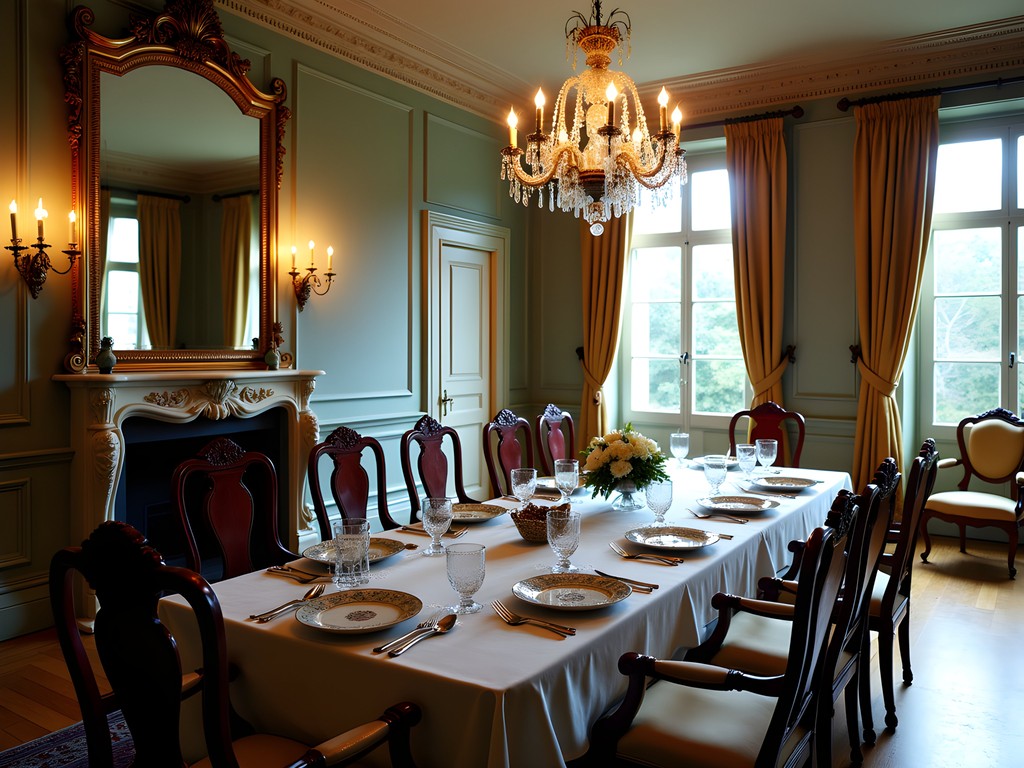
What makes this museum exceptional is its completeness – from the grand salons to the surprisingly modern kitchen, from the master's study to the servants' quarters. Nothing feels staged; rather, it's as if the family has momentarily stepped out and might return at any moment.
For me, this museum resonates deeply with my mother's preservation work. Like her restoration projects in New Zealand, Camondo's mansion freezes a particular moment in time, allowing us to step through a portal into another era. The museum's location overlooking Parc Monceau adds to its sense of removed tranquility.
Couples with interest in interior design, architecture, or history will find this museum particularly moving. My former university colleague proposed to his now-wife in Parc Monceau after visiting the museum, inspired by its testament to both beauty and impermanence.
I recommend bringing a portable travel journal to record your impressions. Something about this deeply personal museum inspires reflection that benefits from immediate documentation – thoughts I've later treasured when reviewing my travels.
💡 Pro Tips
- Arrive early as timed entry limits visitor numbers
- Request the excellent English audio guide which provides context about both the collection and family history
- Take time in the kitchen area, which features surprisingly modern innovations for its era
Final Thoughts
As I write this from my study in Wichita, surrounded by mementos from my travels – a small ukiyo-e print from Guimet, a vintage postcard from the Musée des Arts Forains – I'm reminded that Paris reveals itself most authentically through these lesser-known cultural sanctuaries. These seven museums offer more than mere respite from the crowds at the Louvre or Musée d'Orsay; they provide windows into specific aspects of French culture and history that might otherwise remain inaccessible. For couples seeking meaningful connection through shared discovery, these intimate museums create the perfect setting for conversations that continue long after you've returned home. Whether you're drawn to Asian art, fashion history, or vintage carousels, Paris offers a museum experience perfectly calibrated to your interests. So on your next visit, venture beyond the expected. The true magic of Paris awaits in these quiet galleries where art, history, and personal stories intersect in unexpected ways. À bientôt, mes amis.
✨ Key Takeaways
- Paris's lesser-known museums offer more intimate and often more meaningful experiences than the major institutions
- Advance booking is essential for several of these museums, particularly Musée des Arts Forains
- These museums provide excellent opportunities for couples to connect through shared discovery and conversation
- Each museum offers a unique perspective on different aspects of French and global culture
📋 Practical Information
Best Time to Visit
year-round, though spring and fall offer pleasant weather and fewer tourists
Budget Estimate
€8-15 per museum entrance, €100-150 per day including meals and transportation
Recommended Duration
2-3 days to visit several museums at a leisurely pace
Difficulty Level
Beginner - All Museums Are Accessible Via Public Transportation


Comments
mountainking
Going next month, definitely checking out the hunting museum!
Sage Dixon
The Musée de la Vie Romantique is one of my favorite spots in all of Paris. It's tucked away in this quiet corner of the 9th and most tourists have no idea it exists. I stumbled on it during a morning run and ended up spending two hours there. The George Sand memorabilia is fascinating, but honestly I just loved sitting in that garden courtyard with an espresso, watching Parisians go about their day. It's free to enter the permanent collection too, which is rare for Paris museums. Pro tip: the tea house in the garden is perfect for an afternoon break.
cityzone
Love this! Thanks for sharing.
starking
Planning my first Paris trip for June and feeling overwhelmed by all the options. Are these museums close to each other or would I need to dedicate different days? Also is the Paris Museum Pass worth it for these smaller places?
Sage Dixon
They're pretty spread out across different arrondissements. I'd pick 1-2 max per day and explore the neighborhoods around them. That's where the real Paris magic happens anyway - the cafés, the random street markets, the parks. Don't over-schedule yourself!
starone
Just got back from Paris and visited the Musée de la Chasse et de la Nature based on this post. It was bizarre and wonderful! The room with all the antique guns displayed like art pieces next to contemporary installations really makes you think. Don't miss the tiny mice dioramas hidden throughout - my kids turned it into a scavenger hunt. Also, the Marais district around it has amazing falafel if you get hungry afterward. The museum is small enough that you can do it in 2 hours and not feel rushed.
wildone3794
Those mice were so cute! Did you see the one playing the piano?
Ana Robinson
Hiroshi, this resonates so much! We took our twins to the Quai Branly last year and it was such a better experience than fighting crowds at the Musée d'Orsay. The architecture alone kept them entertained, and the African mask collection sparked weeks of art projects when we got home. The garden area is perfect for letting kids decompress too. One tip - the museum restaurant has a surprisingly good kids menu if you need a break. We've learned that building in these quieter cultural experiences makes traveling with little ones so much more sustainable.
mountainking
Good tip about the restaurant!
wavechamp
The Arts Forains museum is incredible but you HAVE to book ahead. We showed up without reservations last spring and couldn't get in. They only do guided tours and they fill up fast, especially on weekends. Totally worth the planning though - my kids still talk about the vintage carousels. Also it's kind of tucked away in Bercy, not super obvious to find.
cityzone
Good to know about booking ahead! Is it expensive?
wavechamp
Not bad, like 16 euros I think? Kids were cheaper.
explorephotographer
Musée de la Chasse looks amazing! Adding to my list.
Bryce Diaz
Great list, Hiroshi! I visited the Musée du Quai Branly last spring and was blown away by the indigenous art collections. The building itself is an architectural marvel with that living wall of plants. Pro tip for anyone going: they're open late on Thursdays (until 9:30pm) and it's much less crowded in the evening. I brought my pocket translator which was super helpful since some of the more obscure exhibit descriptions aren't translated. The garden path along the Seine at sunset is magical - don't rush through it!
starone
Thanks for the Thursday evening tip! Did you eat at Les Ombres restaurant on the rooftop? I've heard the Eiffel Tower views are incredible.
Bryce Diaz
I did! Pricey but the views are unbeatable. Make reservations well in advance for sunset slots.
wildone3794
Musée de la Vie Romantique was so cute! Perfect for a rainy afternoon.
Venture X
Premium card with 2X miles, $300 travel credit, Priority Pass