
Disclosure: This article contains affiliate links. We may earn a commission from purchases at no extra cost to you, which helps our travel content.
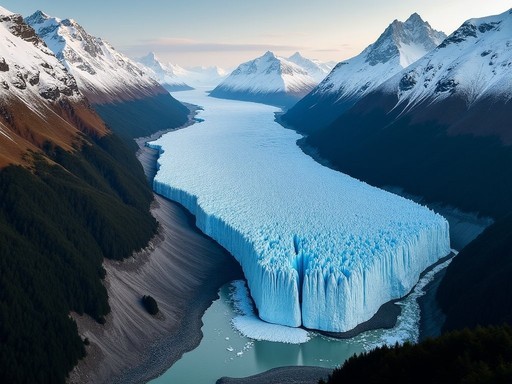
Franz Josef Glacier offers families a rare opportunity to witness dynamic geological processes in real-time—something I've found invaluable for sparking curiosity in young minds. During my research into how indigenous Māori communities understood glacial landscapes as living entities, I discovered that this region provides an exceptional balance of accessibility and genuine wilderness experience. The glacier's dramatic retreat—over 3 kilometers since the 1800s—creates a constantly evolving landscape that's both scientifically fascinating and surprisingly family-friendly when approached thoughtfully.

Understanding the Landscape: What Makes Franz Josef Special
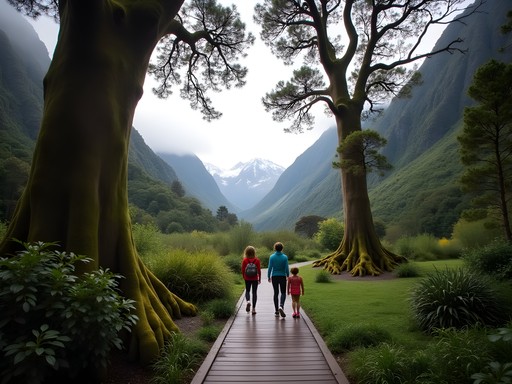
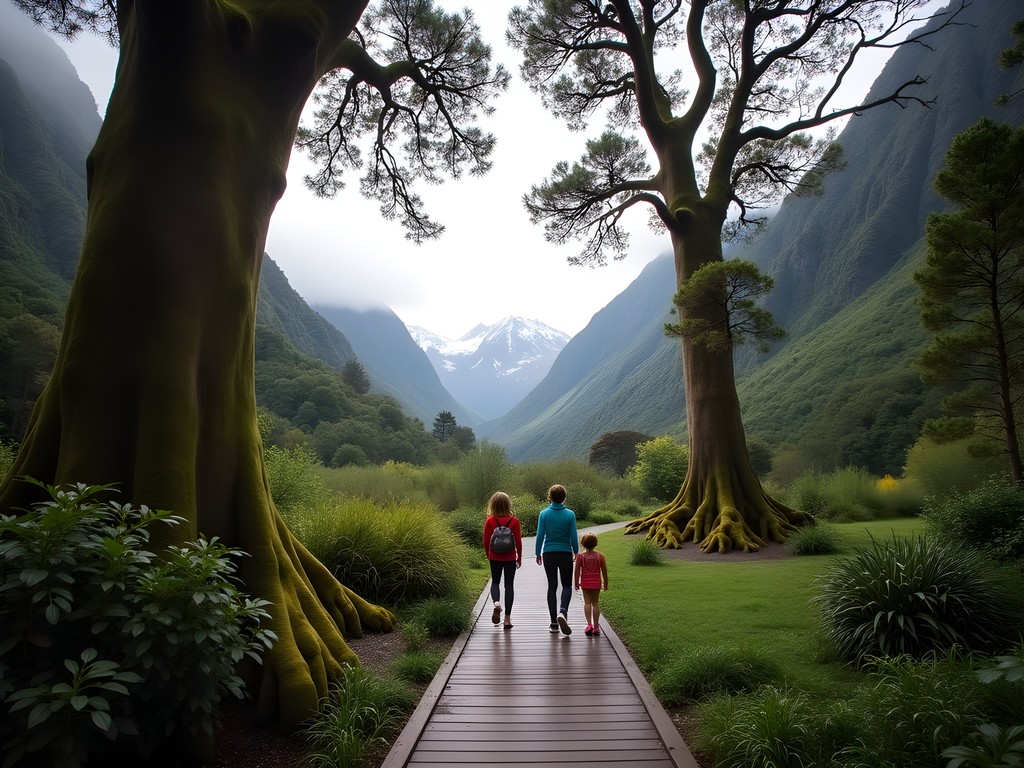
Franz Josef Glacier descends from 3,000 meters to just 240 meters above sea level, creating one of the world's steepest glacial valleys. This dramatic topography means you're hiking through temperate rainforest—complete with tree ferns and moss-covered rimu trees—before reaching ice that's been compressed over centuries.
For families, this geological uniqueness translates to shorter approach walks and more dramatic scenery per kilometer traveled. The glacier's rapid flow rate (up to 10 times faster than typical glaciers) means the ice formations change weekly, making each visit genuinely unique. I always explain to visiting families that they're witnessing a landscape in constant flux—the terminal face you see today will look different in a month.
The local Māori name, Kā Roimata o Hine Hukatere (The Tears of Hine Hukatere), connects to a legend about a young woman whose lover fell from the mountains. Understanding these cultural narratives adds depth to the physical experience and gives kids a different framework for appreciating the landscape beyond just geological facts.
💡 Pro Tips
- Visit the Department of Conservation visitor center first—their 3D model helps kids visualize glacial movement
- Download offline maps before arriving; cell service is limited in the valley
- Check the DOC website morning-of for track closures due to rockfall or weather changes
The Valley Walk: Your Family's First Glacier Experience
The Glacier Valley Walk is your essential introduction—a 5.4km return journey that takes most families 90 minutes to two hours. The track is well-maintained with boardwalks and viewing platforms, making it manageable for kids aged 5 and up who are comfortable with moderate walking.
The path follows the Waiho River's braided channels, where glacial flour (finely ground rock) gives the water its distinctive milky-grey color. I use this as a teaching moment: that color represents thousands of years of rock being ground down by ice—geology happening in real-time. Kids love searching for rounded boulders that have traveled down from the glacier.
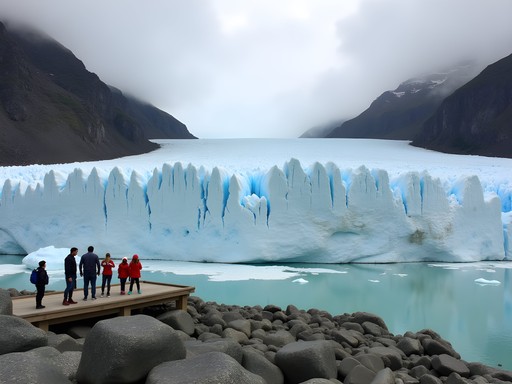
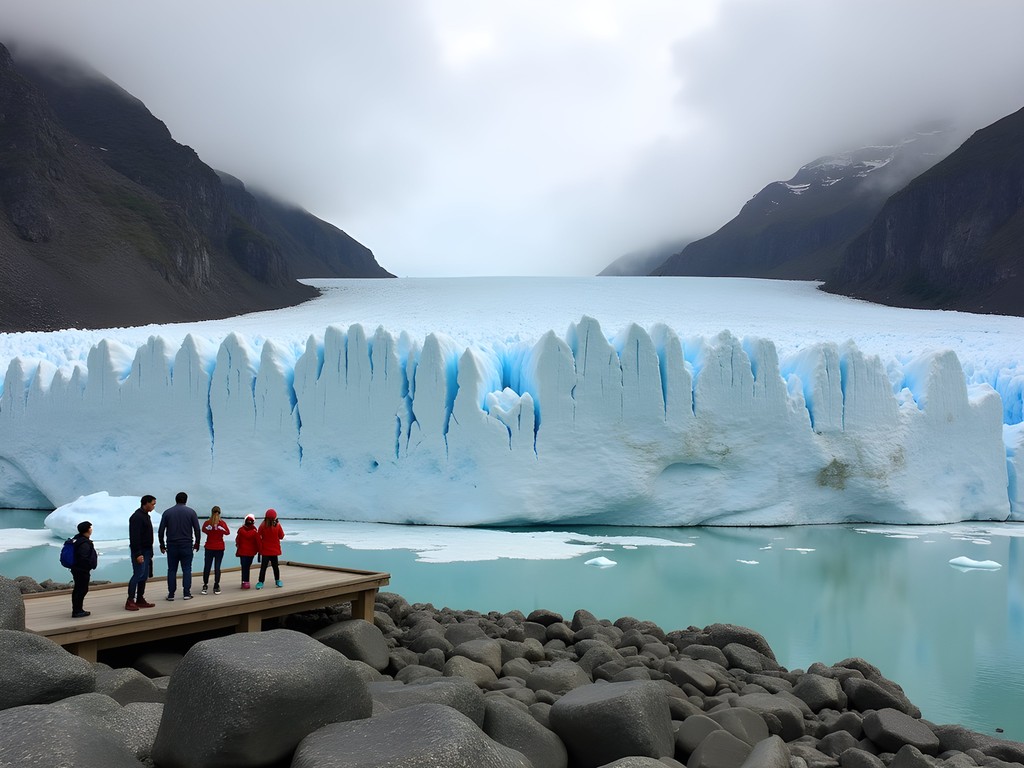
The terminal face viewpoint sits about 750 meters from the ice—a safety buffer due to calving risks. While you can't touch the glacier from this track, the scale is impressive enough to inspire awe. Bring a field guide to identify the kea parrots, fantails, and unique alpine plants along the route. The interpretive signs explain glacial processes clearly, but having a reference book lets kids discover species independently.
Pack plenty of water and snacks. The valley creates its own microclimate, and conditions can shift from sunny to rainy within minutes. I always carry a emergency blanket in my day pack—they're lightweight, inexpensive, and provide genuine security if weather turns or someone gets cold.
💡 Pro Tips
- Start early (by 8:30 AM) to avoid tour group crowds at the viewpoint
- Bring layers—the valley can be 5-10°C cooler than the township
- Let kids carry their own small packs to build trail confidence and responsibility
Helicopter Experiences: Worth the Investment for Families
Helicopter heli-hikes aren't suitable for young children (minimum age 8-10 depending on operator), but scenic helicopter flights accept kids as young as 3-4. After initially dismissing these as tourist traps, I've come to appreciate their educational value—seeing the glacier's full extent from above provides spatial understanding impossible to gain from ground level.
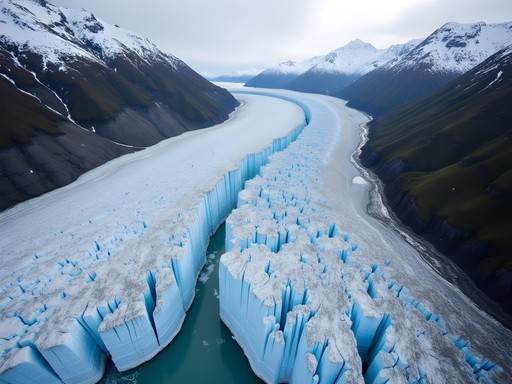
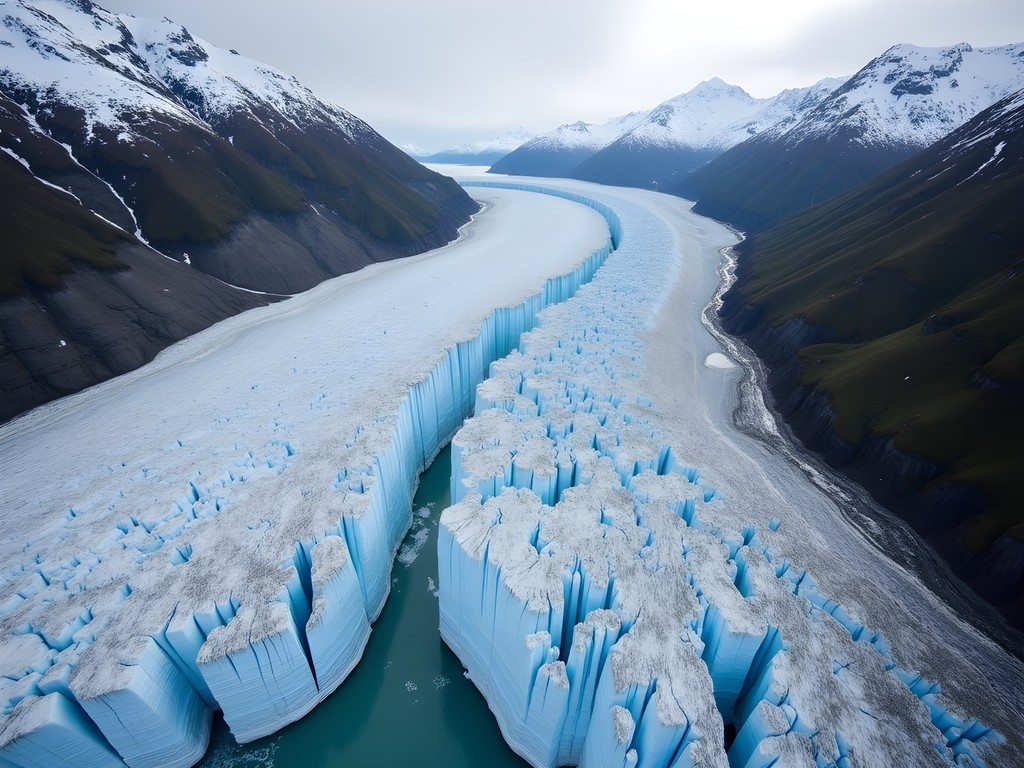
The 20-minute flight option covers both Franz Josef and Fox Glaciers, showing how they flow from the Southern Alps' névé (permanent snow fields). Kids can see crevasses, seracs, and the accumulation zone where snow compresses into ice. Pilots provide excellent commentary about glacial dynamics and climate change impacts.
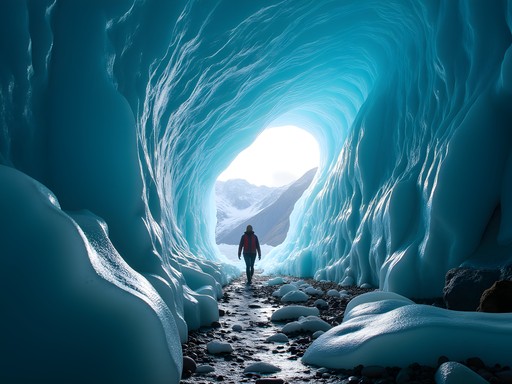
For families with older children (12+) who are reasonably fit, the heli-hike represents an extraordinary experience. You'll spend 2-3 hours on the ice with trained guides, exploring ice caves, tunnels, and formations inaccessible from valley walks. The physical demand is real—expect scrambling, using ice axes, and wearing crampons—but guides are skilled at pacing for different abilities.
Budget NZD 300-400 per person for scenic flights, NZD 450-500 for heli-hikes. Book directly with operators rather than through accommodation to avoid commission markups. Weather cancellations are common; build flexibility into your schedule.
💡 Pro Tips
- Schedule helicopter activities mid-trip so you have backup days if weather cancels flights
- Wear dark, non-reflective clothing to reduce glare in photos taken on the ice
- Bring motion sickness medication if anyone in your family is prone—helicopter movements can be intense

Alternative Adventures: Beyond the Glacier
Franz Josef township offers excellent complementary activities when weather grounds helicopters or kids need glacier breaks. The West Coast Wildlife Centre provides close encounters with rowi kiwi (one of New Zealand's rarest species) through their nocturnal house and conservation breeding program. The behind-the-scenes tour explains captive breeding efforts and lets kids understand conservation challenges facing endemic species.
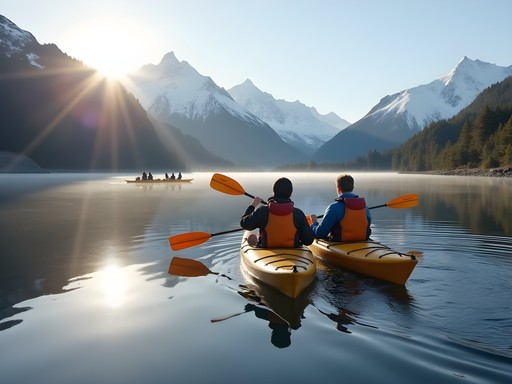
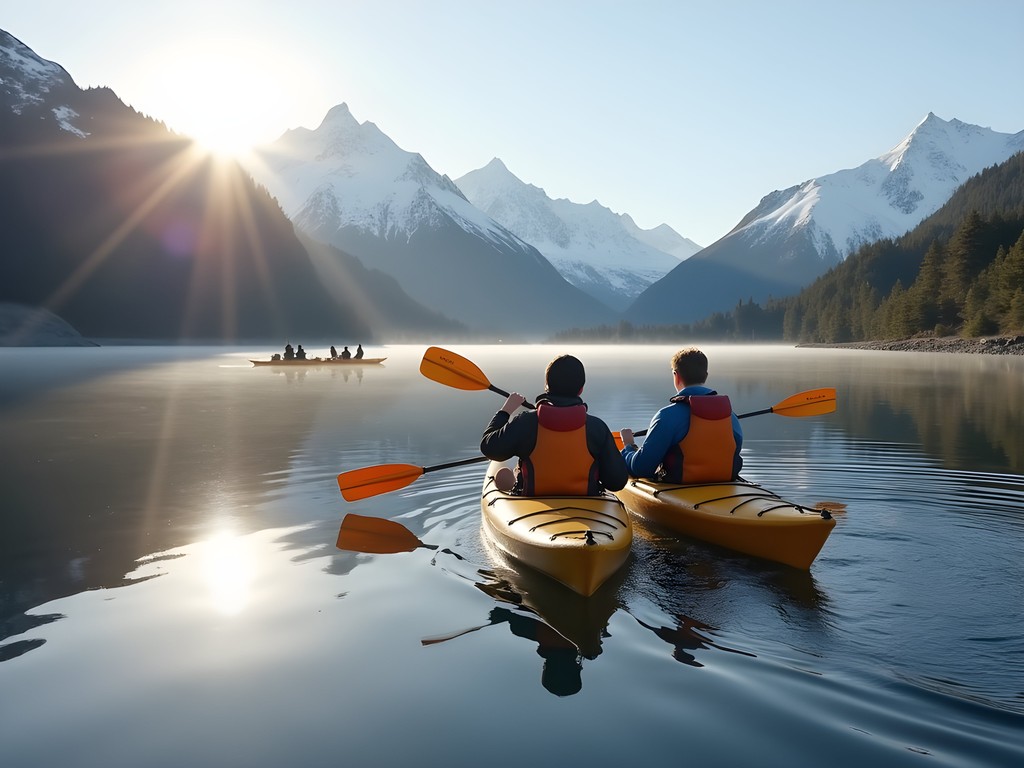
Lake Mapourika, 10 minutes north, offers gentle kayaking through mirror-calm waters surrounded by native forest. Several operators provide family-friendly guided tours that include Māori cultural interpretation. The lake's dark tannin-stained water creates perfect reflections of Mount Tasman and Mount Cook on clear mornings—bring a waterproof phone case to capture photos without risking your device.
The Tatare Tunnels Walk (90 minutes return) takes families through hand-carved tunnels from the 1860s gold rush era, emerging at a swing bridge over Callery Gorge. It's less crowded than glacier walks and provides historical context for the region's European settlement patterns. The engineering of these tunnels—carved through solid rock with hand tools—never fails to impress kids who think modern construction is challenging.
For rainy days (common on the West Coast), the Glacier Hot Pools offer a relaxing soak with forest views. The three pools maintain different temperatures (36-40°C), and the facility is well-designed for families with changing rooms and a café.
💡 Pro Tips
- Book the Wildlife Centre's first-morning tour when kiwi are most active
- Lake Mapourika is best before 10 AM—afternoon winds can create challenging kayaking conditions
- Bring a headlamp for the Tatare Tunnels—the provided lighting is minimal
Practical Family Logistics: Where to Stay and Eat
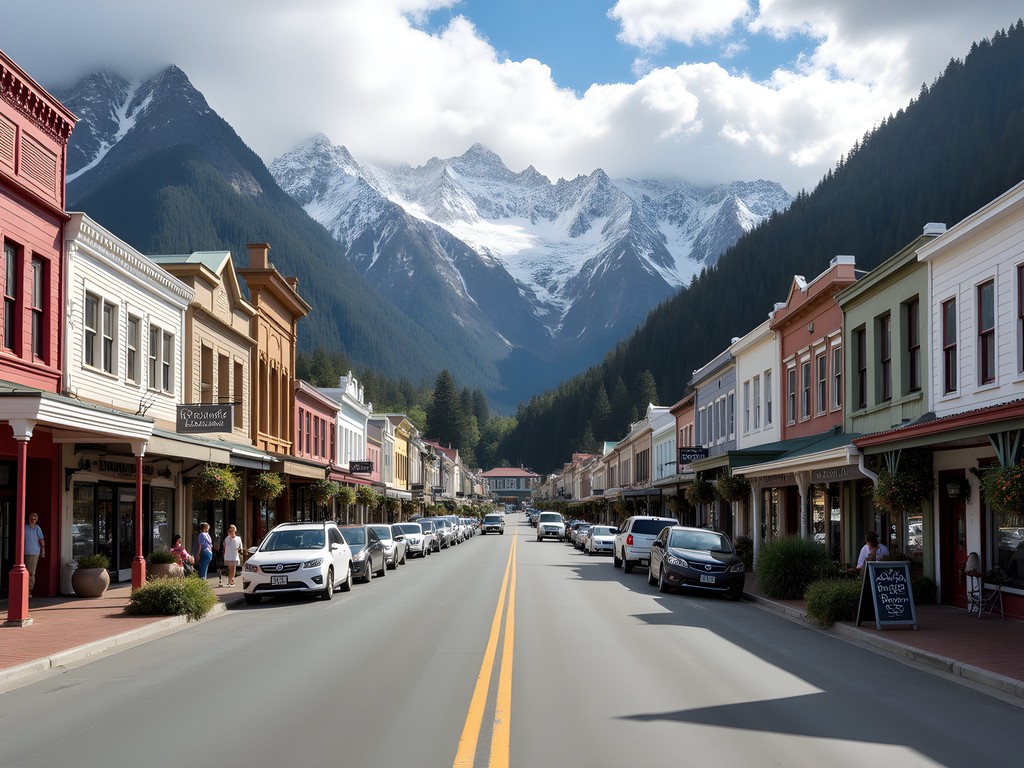
Franz Josef township is compact—you can walk everywhere in 10 minutes. For families, I recommend apartments or holiday homes over hotels for the kitchen facilities and extra space. Rainforest Retreat and Scenic Hotel Franz Josef offer good mid-range options with family configurations.
The township has limited dining options, and prices reflect the remote location. Four Square supermarket stocks basics for self-catering, though selection is limited. I always bring non-perishable snacks from larger towns (Greymouth or Queenstown) to supplement local purchases. Alice May restaurant serves excellent contemporary cuisine but book ahead—seating is limited. Landing Bar & Restaurant offers reliable pub fare that kids enjoy.
Fuel is expensive (typically NZD 0.20-0.30 per liter above urban prices), so fill up in Hokitika if approaching from the north or Wanaka if coming from the south. The drive from Queenstown takes 4.5-5 hours via Haast Pass—one of New Zealand's most spectacular routes but demanding, with limited services.
Cell coverage is adequate in township but non-existent in the glacier valley. Download offline maps and glacier information before arriving. The visitor center provides free WiFi if you need to check weather forecasts or make bookings.
💡 Pro Tips
- Book accommodation 2-3 months ahead for December-February peak season
- Grocery shop in larger towns—Franz Josef's selection is limited and expensive
- Most activities require advance booking; walk-ins are often unavailable during summer
Final Thoughts
Franz Josef offers families something increasingly rare: genuine wilderness accessible enough for children to experience safely, yet wild enough to inspire lasting wonder. The glacier's dramatic retreat provides an unintended educational opportunity—kids who visit now are witnessing climate change's visible impacts on a landscape that's fundamentally different from what I first saw fifteen years ago.
What makes this destination work for families is the range of engagement levels available. You can experience glacial landscapes through a gentle valley walk, or commit to helicopter adventures that create lifelong memories. The key is matching activities to your family's fitness levels and interests rather than feeling pressured to do everything.
The Māori understanding of glaciers as living, dynamic entities rather than static ice fields offers a valuable perspective for children growing up in an era of rapid environmental change. Teaching kids to see landscapes as processes rather than fixed features—something I try to incorporate in all my landscape architecture work—builds environmental literacy that extends far beyond a single vacation.
Start planning your visit now. The glacier continues its retreat, and while that's sobering from a climate perspective, it makes the experience of seeing it with your family all the more significant.
✨ Key Takeaways
- The Glacier Valley Walk provides excellent family-friendly access without requiring helicopter flights or technical skills
- Build schedule flexibility for weather cancellations—West Coast conditions change rapidly and affect all aerial activities
- Combine glacier experiences with cultural learning about Māori perspectives and conservation activities at the Wildlife Centre for a more rounded educational experience
📋 Practical Information
Best Time to Visit
December to February (summer) for most stable weather, though conditions remain unpredictable year-round
Budget Estimate
NZD 2,500-4,000 for a family of four including accommodation, meals, activities, and transport for one week
Recommended Duration
3-4 days minimum to allow for weather flexibility and experience both glacier and alternative activities
Difficulty Level
Moderate

Comments
vacationgal
Just a heads up for anyone planning - book your helicopter tour EARLY especially in summer. We tried to book when we got there and everything was sold out for 3 days. had to adjust our whole itinerary. book online before you arrive!!
Mason Sullivan
Great write-up! For budget-conscious families, I'd suggest staying in the nearby town of Whataroa instead of Franz Josef village itself—accommodation is significantly cheaper and it's only a 20-minute drive. We saved enough on lodging to splurge on the helicopter tour. Also, pack your own lunch because the cafes in Franz Josef are pretty expensive. The picnic areas along the valley walk are stunning spots to eat anyway.
hikingseeker
Going there in March! Can't wait!!
vacationgal
us too!! early march, so excited
greenphotographer
Your photos really capture the scale of the glacier! What time of day did you shoot these?
redqueen
What age would you say is too young for the valley walk? My daughter just turned 4 and wondering if she could handle it or if we should wait a year or two?
Mason Sullivan
I took my nephew who was 4 at the time and he managed fine! It's pretty flat for most of it. Just take snacks and be prepared to carry them part way if they get tired. We turned it into a game spotting different rocks and plants which kept him engaged.
traveltime
Going there in March, can't wait!
Timothy Jenkins
Excellent guide, Connor. I visited Franz Josef in 2024 and your point about the dynamic geological processes really resonates. One thing I'd add for families is to check the Department of Conservation website before you go—the valley walk route can change based on glacial melt and rockfall risk. We also found the Glacier Hot Pools in the village to be a brilliant way to end the day with tired children. The contrast of soaking in warm water while looking up at the mountains was memorable for everyone.
sunsetone
Oh the hot pools sound perfect! Thanks for the tip!
Gregory Boyd
Solid practical advice here, Connor. One thing worth noting for budget-conscious families: the glacier has retreated significantly in recent years, so the Valley Walk viewing distance is much greater than it was even five years ago. This doesn't diminish the experience, but it does shift the value proposition toward the helicopter tours if you want that close-up glacier encounter. Alternative perspective: the retreat itself is a powerful teaching moment about climate change. Also, Franz Josef township has limited dining options, so self-catering can save considerable money if you're traveling with kids who eat constantly.
moonway
we did franz josef last year with our 7 and 9 year olds. the valley walk was perfect for them but honestly the weather changes SO fast there. we had sunshine then torrential rain within like 20 mins lol. bring layers and rain gear for sure. also the helicopter thing is pricey but my kids still talk about it so maybe worth it?
vacationgal
How much was the helicopter roughly? Trying to budget for our trip!
moonway
i think it was around $300-350 NZD per person but prices might have changed since then
sunsetone
This looks absolutely amazing!! Adding to our bucket list right now!
Venture X
Premium card with 2X miles, $300 travel credit, Priority Pass