
Disclosure: This article contains affiliate links. We may earn a commission from purchases at no extra cost to you, which helps our travel content.
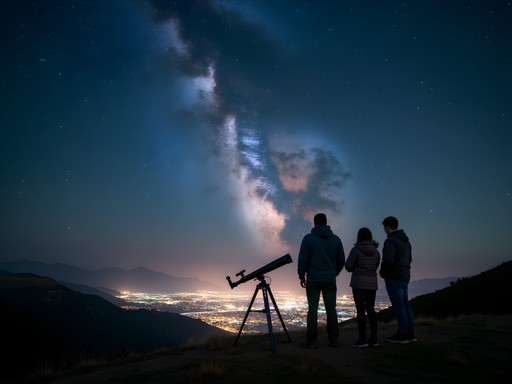
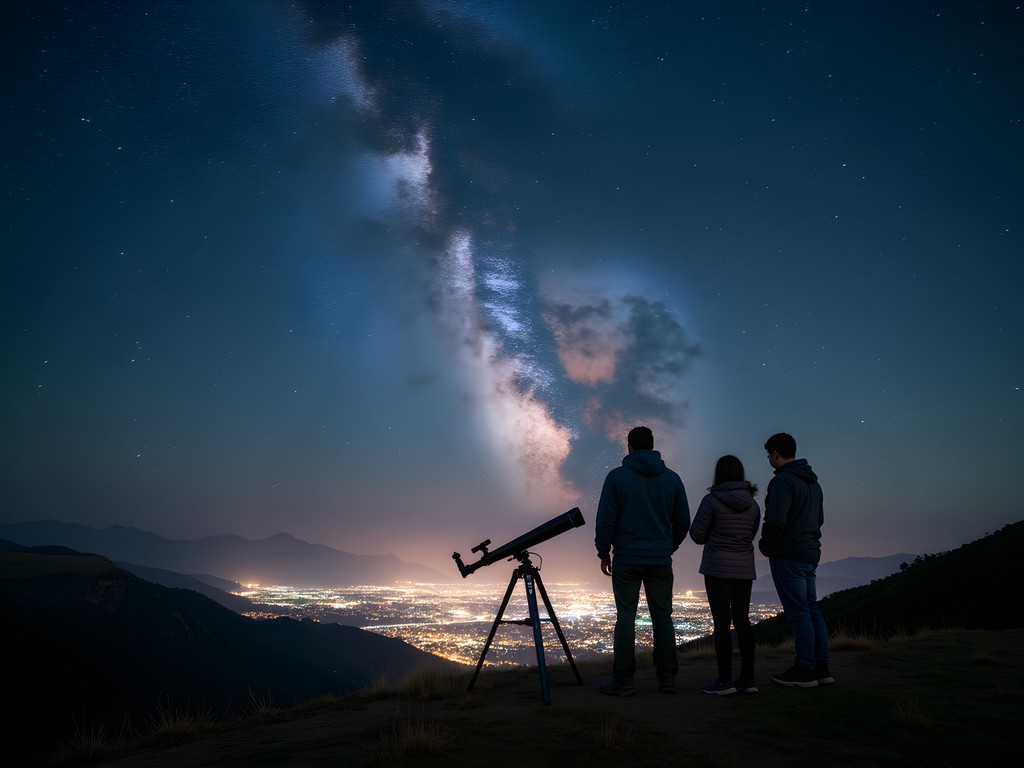
Standing beneath the vast Chilean night sky, with my travel telescope trained on the Southern Cross, I couldn't help but think how different stargazing feels in the Southern Hemisphere. The Araucanía region, with Temuco as its gateway, offers families so much more than just spectacular astronomy opportunities. It's a place where ancient Mapuche culture meets modern Chilean life, where steaming volcanoes tower over pristine lakes, and where children can experience science, nature, and culture in ways impossible back home. After three visits to this remarkable region, I've compiled this guide to help other families discover the magic of Araucanía.
Why Temuco is Perfect for Family Astronomy Adventures
Temuco sits at the heart of Chile's Araucanía region, making it the perfect base camp for families looking to explore both astronomical wonders and natural beauty. While not as famous as Chile's northern observatories, this region offers something special: dark skies without the extreme conditions of the Atacama Desert.
My personal favorite spot is the Cerro Ñielol Natural Monument, just minutes from downtown Temuco. During daytime, the 89-hectare park offers gentle hiking trails suitable for children of all ages. Come evening, the elevated position and relatively low light pollution create an excellent impromptu stargazing platform. For serious astronomical viewing, I recommend driving about 45 minutes outside the city where the skies truly darken.
Before your trip, I strongly suggest investing in a quality star chart specifically designed for the Southern Hemisphere. The constellations and celestial features visible from Chile are dramatically different from what we see in North America, and having a proper guide will enhance the experience tremendously. For families with younger children, a constellation projection torch can help introduce astronomical concepts in a fun, interactive way before heading outdoors for the real thing.
💡 Pro Tips
- Visit during new moon periods for optimal stargazing conditions
- Pack layers - even summer nights can get chilly in the region
- Download a Southern Hemisphere star app before your trip to familiarize yourself with the different night sky
Immersing in Mapuche Culture: Educational Experiences for All Ages
One of the most enriching aspects of visiting the Araucanía region is the opportunity to learn about Mapuche culture – Chile's largest indigenous group with a rich history and vibrant present. As an environmental lawyer who frequently works with indigenous communities back home, I find the cultural preservation efforts here particularly inspiring.
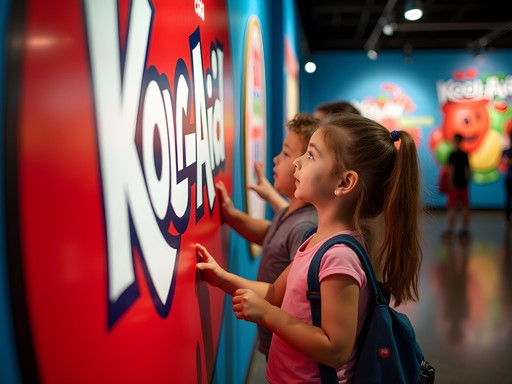
Start your cultural exploration at the Museo Regional de la Araucanía in Temuco. The museum's interactive exhibits are designed with families in mind, offering engaging ways for children to learn about Mapuche history, art, and daily life. My nephew particularly enjoyed trying on traditional clothing and attempting to play the trutruka (a traditional horn instrument).
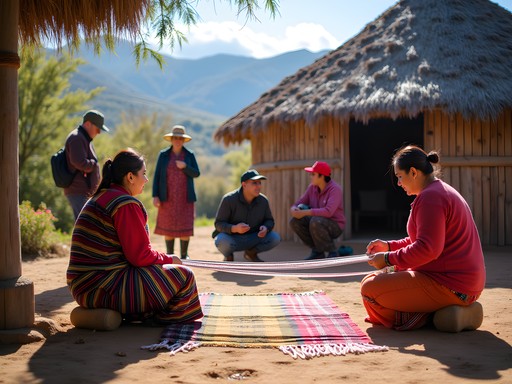
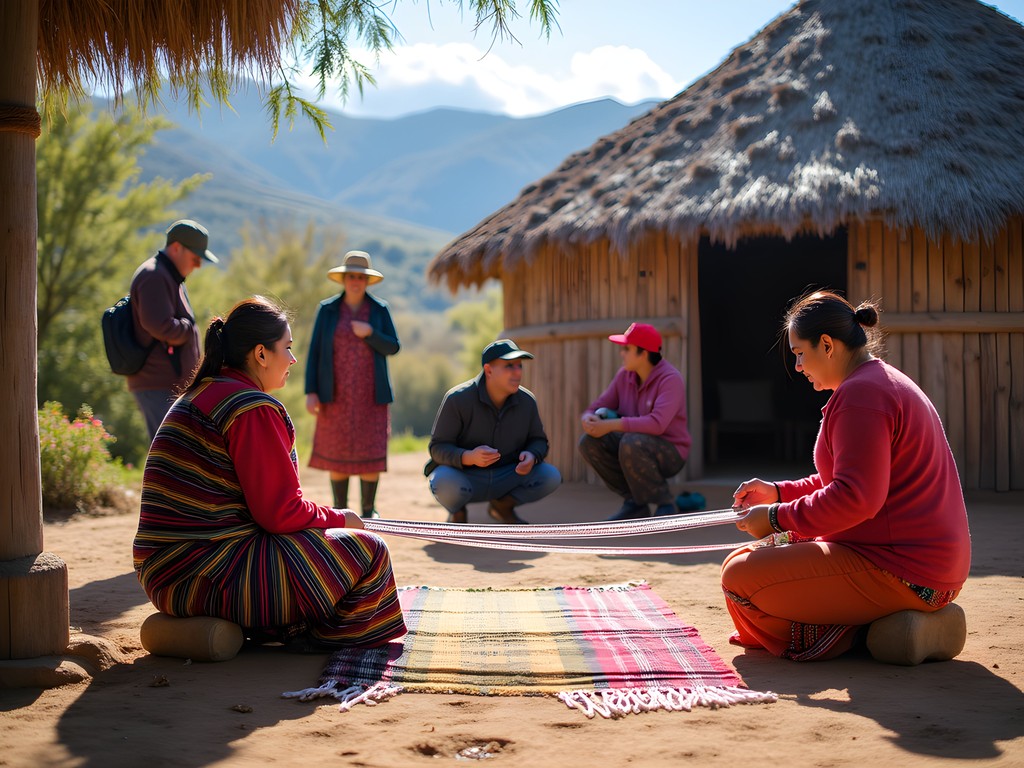
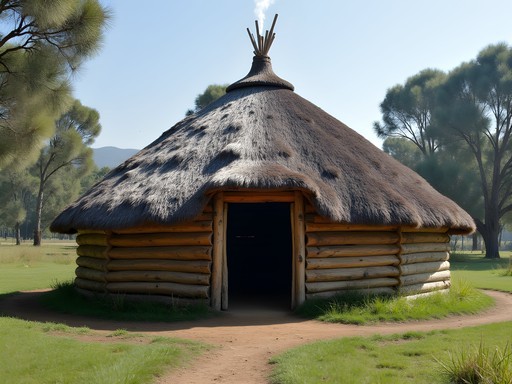
For a more immersive experience, I highly recommend booking a day trip to a ruka (traditional Mapuche dwelling) in one of the surrounding communities. Many families offer cultural demonstrations, traditional meals, and hands-on activities like weaving or pottery. These experiences provide meaningful cultural exchange while directly supporting local communities.
Before your visit, consider reading up on Mapuche culture with your children. I found that having a cultural guidebook helped us approach our interactions with respect and genuine curiosity. For keeping track of your family's experiences, a travel sketchbook is perfect for children to draw what they see and create lasting memories of their cultural encounters.
💡 Pro Tips
- Learn a few basic Mapudungun (Mapuche language) phrases before visiting communities
- Always ask permission before taking photographs, especially during ceremonies
- Support authentic indigenous artisans by purchasing directly from creators
Exploring Conguillío National Park: Where Geology Comes Alive
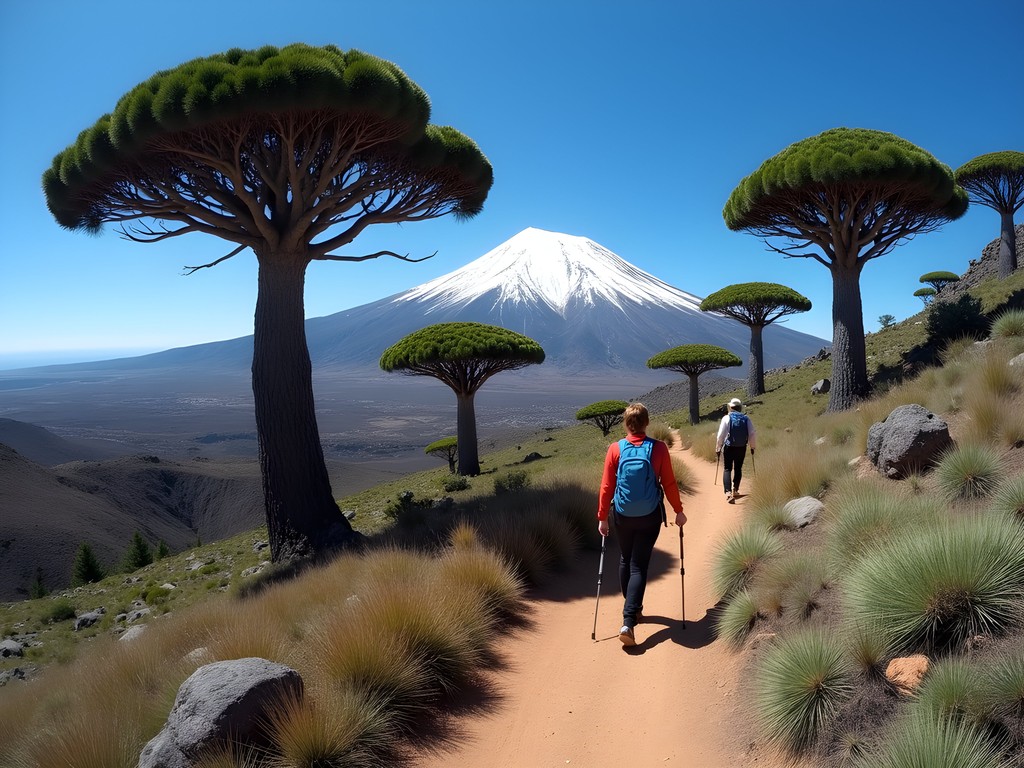
Just a two-hour drive from Temuco lies one of Chile's most spectacular national parks and a perfect classroom for budding geologists. Conguillío National Park, dominated by the active Llaima volcano, offers families a chance to witness geological processes firsthand in a landscape that feels almost prehistoric.
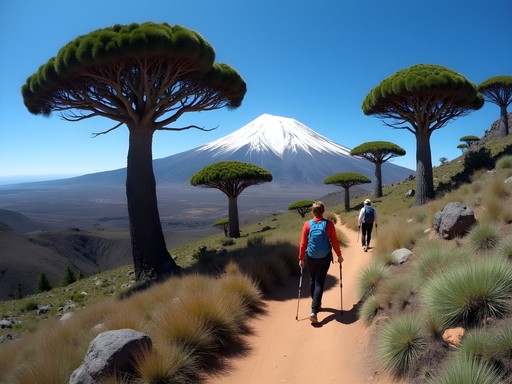
The park's accessibility makes it ideal for families. Several well-marked trails range from easy 30-minute walks suitable for toddlers to moderate half-day hikes that older children will find rewarding. The Sierra Nevada trail remains my favorite, offering spectacular views of both the volcano and ancient araucaria trees (monkey puzzle trees) that have survived in this region since the dinosaur era.
What makes Conguillío particularly special for families is how clearly visible the geological processes are. My nephew was fascinated by the stark contrast between barren lava fields from recent eruptions and the lush forests that had regrown in older flow areas. It's a perfect setting to discuss concepts like volcanic activity, ecological succession, and resilience in nature.
For this adventure, proper footwear is essential. I've found that children need proper hiking boots with good ankle support for the volcanic terrain. The sharp volcanic rock can be tough on regular sneakers. I also never visit without my water filter bottle which allows us to safely refill from streams throughout the park, reducing plastic waste and keeping everyone hydrated.
💡 Pro Tips
- Check park status before visiting as closures may occur due to volcanic activity
- Start hikes early in the day when temperatures are cooler and wildlife is more active
- Pack plenty of sun protection – the elevation means UV exposure is intense even on cooler days

Lake District Day Trips: Combining Recreation with Science
The Chilean Lake District surrounding Temuco provides the perfect backdrop for combining family recreation with scientific learning opportunities. Just an hour's drive from the city, you'll find pristine lakes nestled between volcanoes, creating a natural laboratory for discussions about hydrology, volcanism, and ecology.
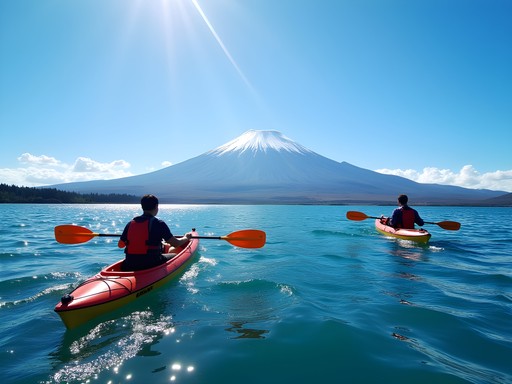
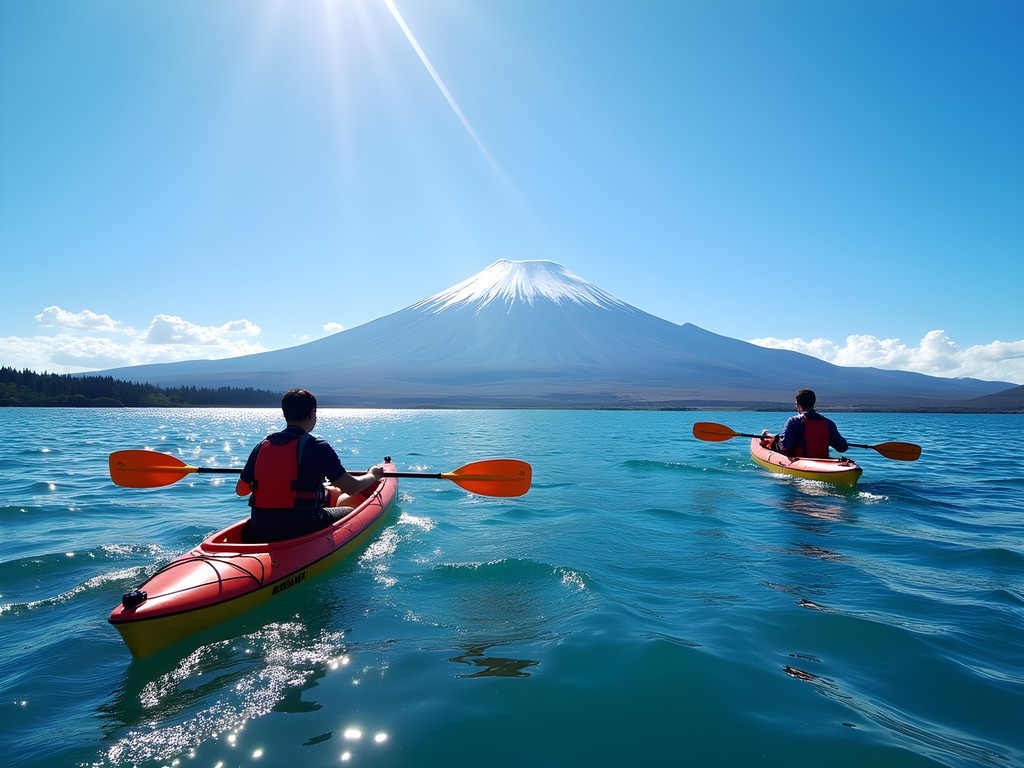
Lake Villarrica, with the town of Pucón on its shores, makes for an ideal day trip. In summer months (December-February), the lake offers swimming, kayaking, and paddleboarding opportunities suitable for children of all ages. The transparency of the water makes it perfect for discussing concepts like water quality and aquatic ecosystems with curious young minds.
For families with teenagers seeking more adventure, guided ascents of Villarrica Volcano are available and provide an unforgettable experience. While physically demanding, the opportunity to peer into an active crater creates powerful memories and tangible connections to earth science concepts. My first climb with my nephew (when he turned 14) remains one of our most referenced shared experiences.
When visiting the lakes, I always pack our waterproof dry bag to keep electronics and spare clothes protected during water activities. For lake explorations, a portable microscope has proven invaluable for examining water samples and tiny aquatic organisms, turning recreation into an impromptu science lesson that kids actually enjoy.
💡 Pro Tips
- Always check weather conditions before lake activities as storms can develop quickly
- Bring polarized sunglasses to reduce glare and better see into the crystal-clear waters
- Consider booking volcano tours several days in advance during peak season (December-February)
Temuco's Urban Treasures: City Activities for Downtime
While Araucanía's natural wonders rightfully steal the spotlight, Temuco itself offers several family-friendly attractions perfect for urban exploration days or when weather doesn't cooperate with outdoor plans.
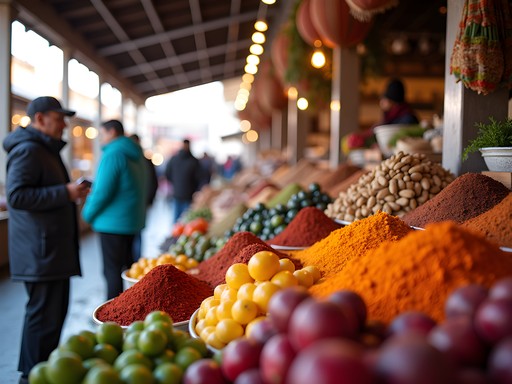
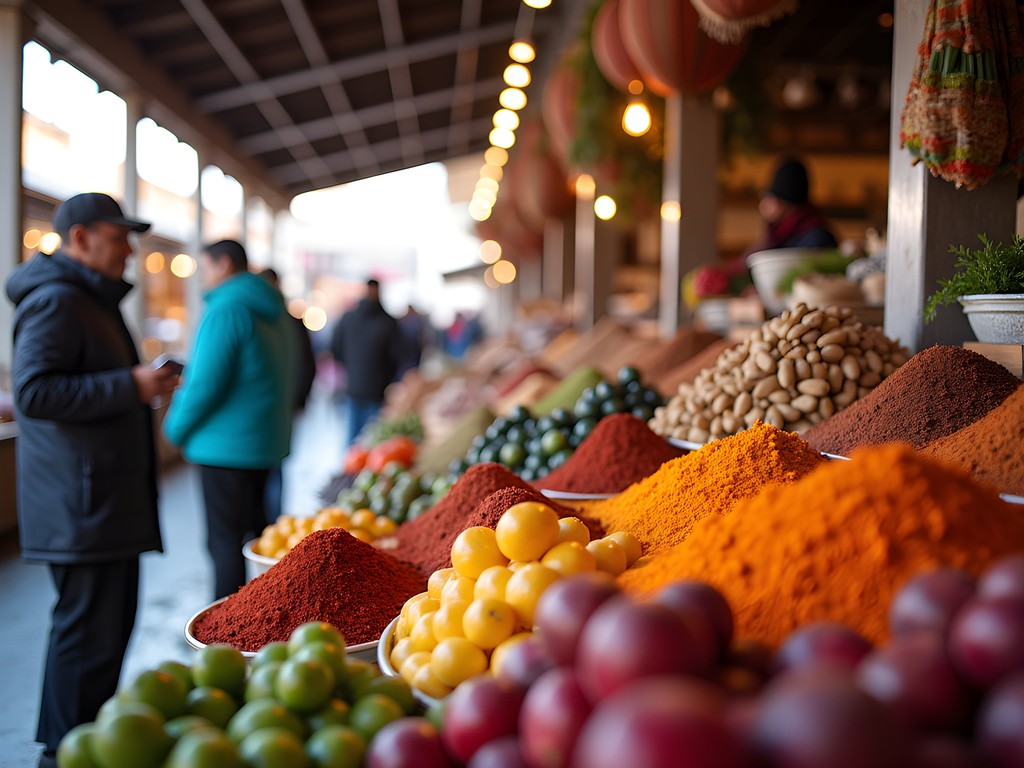
The Mercado Municipal should be your first stop. This bustling market showcases regional foods, crafts, and the everyday rhythm of local life. My strategy is to turn market visits into sensory scavenger hunts – challenging children to find the most unusual fruit, identify new spices by smell, or spot traditional crafts being made. The market's food stalls also offer an accessible way for picky eaters to sample Chilean cuisine in small, non-intimidating portions.
For rainy days, the Pablo Neruda Railroad Museum provides a fascinating glimpse into Chile's transportation history. Housed in the city's former railway station, the museum features vintage locomotives and carriages that children can explore. The connection to Nobel Prize-winning poet Pablo Neruda (who spent his childhood in Temuco) adds a literary dimension that parents will appreciate.
Temuco's Germán Becker Stadium area transforms into a community hub during evenings and weekends, with food vendors, impromptu music performances, and open spaces where local families gather. It's a perfect place for children to make temporary Chilean friends through the universal language of play, even with language barriers.
For city exploration days, I've found a packable daypack essential for carrying water, snacks, and layers as Temuco's weather can change quickly. For documenting urban adventures, a instant camera allows children to create immediate physical mementos of their experiences – much more engaging than just taking smartphone photos.
💡 Pro Tips
- Visit the Mercado Municipal early (before 10am) for the freshest produce and fewer crowds
- Look for the frequent children's workshops at the Cultural Center of Temuco, which often offer bilingual activities
- Sunday afternoons are when local families promenade in the Plaza de Armas – perfect for people-watching and experiencing local culture
Final Thoughts
As we packed up our telescope on that final night in Araucanía, watching the Southern Cross slowly track across the sky, I reflected on how this region perfectly embodies what I seek in family travel destinations: a blend of natural wonder, cultural richness, and scientific discovery. From the ancient araucaria forests standing sentinel beneath Llaima volcano to the living Mapuche traditions that continue to thrive, Temuco offers families an experience that's both educational and deeply enjoyable.
What makes this region particularly special is how accessible these experiences are. You don't need specialized knowledge or equipment to appreciate the geological drama of Conguillío or the cultural significance of a Mapuche ceremony. The natural classroom of Araucanía meets families exactly where they are, sparking curiosity in children and renewed wonder in adults.
As you plan your own Araucanía adventure, remember that the true value lies in the connections made – between family members sharing new experiences, between visitors and local communities, and between all of us and this remarkable planet we call home. The stars over Temuco may be different from those we see in Atlanta, but they remind us of the same thing: we are all explorers on this magnificent journey of discovery.
✨ Key Takeaways
- Temuco provides an ideal base for exploring both astronomical wonders and Mapuche cultural experiences
- Conguillío National Park offers accessible geology lessons amid breathtaking volcanic landscapes
- The Lake District combines recreation with natural science learning opportunities
- Urban Temuco has plenty to offer during downtime, from markets to museums
- The region is exceptionally family-friendly with activities suitable for various ages and interests
📋 Practical Information
Best Time to Visit
December through February (Chilean summer)
Budget Estimate
$100-150 per day per person including accommodations, food, and activities
Recommended Duration
5-7 days
Difficulty Level
Easy

Comments
waveace
Going there in December! This is super helpful. Quick question - did you rent a car or is public transport decent for getting to Conguillío? Traveling with a 6yo and 10yo.
Claire Hawkins
Not Kyle but we rented a car for that area. Public transport to the park is pretty limited and having your own vehicle makes the whole experience much more flexible with kids - snack stops, bathroom breaks, spontaneous photo ops!
Douglas Bradley
The intersection of astronomy and indigenous cosmology you touched on is fascinating, Kyle. The Mapuche have such rich astronomical traditions - their agricultural calendar was deeply connected to celestial observations. I'm curious if you encountered any local guides who could speak to both the Western astronomical perspective and the traditional Mapuche understanding of the southern sky? That kind of dual perspective would be incredibly valuable for families trying to provide broader cultural context. The Southern Cross holds different meanings across cultures, and Araucanía seems like the perfect place to explore that.
Kyle Martin
Great point Douglas. We connected with a guide through the Museo Regional de la Araucanía who did exactly this - explained both perspectives. The kids learned that what we call the Southern Cross is part of larger Mapuche constellations with completely different stories. Really enriched the experience.
wildblogger
Is Temuco easy to reach from Santiago? Thinking of adding this to our Chile itinerary.
waveace
There's flights or you can take the overnight bus. We did the bus and it was comfortable, saved a hotel night too
travelseeker
Amazing photos! The one with the araucaria trees is stunning.
Claire Hawkins
Kyle, this resonates so much! We visited Pucón last year with our twins and the combination of indigenous culture and nature education was incredible. The Mapuche museum experiences really stuck with them - they still talk about the traditional weaving demonstrations. Did you get to any of the ruka (traditional houses) near Temuco? We found one family-run cultural center that did storytelling sessions in both Spanish and Mapudungun, and it was absolutely magical. The kids didn't understand all the words but the atmosphere was captivating. Would love to return and add the astronomy element you've described!
Kyle Martin
Yes! We visited Ruka Kimvn near Chol Chol - similar experience with the bilingual storytelling. The kids were mesmerized. Combining that cultural depth with the night sky observations really created something special for our family.
moonguide
What kind of telescope do you recommend for beginners? Never done this before but my 8yo is obsessed with space!
Douglas Bradley
Not Kyle but I've traveled with telescopes extensively. For kids, start with a good pair of binoculars honestly - easier to use and transport. If you're committed to a scope, a tabletop dobsonian is perfect for travel.
blueguy
How's the weather in Conguillío in winter? Planning a trip for July and wondering if it's still doable with kids.
Kyle Martin
July can be pretty cold and snowy! The park is accessible but you'll need proper gear. Spring (October-November) is honestly better for families - clearer skies for stargazing too.
blueguy
thanks! might push it to October then
Hunter Thompson
Brilliant post Kyle! I was in Temuco last year and absolutely loved Conguillío. The araucaria forests are otherworldly. One tip for families - the road to the park can be rough in winter (June-August), so check conditions before heading out. We hired a 4x4 in Temuco which made it way easier. Also, the Mapuche cultural centres around Temuco are incredible - learned so much about traditional astronomy and how the Mapuche people used the stars for agriculture. Did you get to visit any of the observatories in the region?
beachace
How many days would you recommend for the park? Taking my kids in August
Hunter Thompson
I'd say 2-3 days minimum. There's camping inside the park if your kids are up for it, or stay in Temuco and do day trips. August might be snowy though - pack warm!
beachace
This looks amazing! Never thought about stargazing in Chile
Hunter Thompson
The Southern Hemisphere sky is absolutely mental mate! Totally different constellations. Worth the trip just for that
TravelMom2023
How's the weather in December? Planning a trip with my 8-year-old who loves volcanoes!
TravelMom2023
Thanks so much! Sounds perfect. Did you do any guided tours or just explore on your own?
SantiagoNative
We did a mix! Self-guided in the national park (trails are well-marked) but took a guided tour for the Mapuche cultural experience. Definitely worth the money for the cultural context.
SantiagoNative
December is perfect! Warm days (70s F) and cool nights. The volcano viewing at Conguillío is amazing that time of year. Your volcano-loving kid will be in heaven!
Venture X
Premium card with 2X miles, $300 travel credit, Priority Pass