
Disclosure: This article contains affiliate links. We may earn a commission from purchases at no extra cost to you, which helps our travel content.
The human body and a city's culinary landscape share remarkable similarities - both are complex systems with layers that reveal their true nature only to the trained eye. Beijing, with its 3,000 years of history, presents a gastronomic anatomy as intricate as any CT scan I've analyzed. After spending a week traversing its hutongs and markets during the crisp autumn air of October, I've mapped its culinary pathways with the same precision I once reserved for vascular networks. This guide is my radiological report of sorts - a systematic analysis of Beijing's food scene that couples can navigate together without requiring an expert's budget or experience.

The Anatomical Layers of Beijing Duck
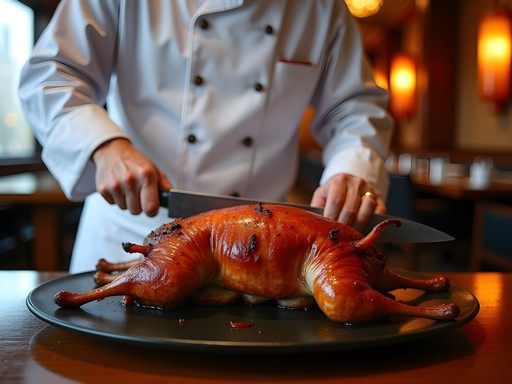
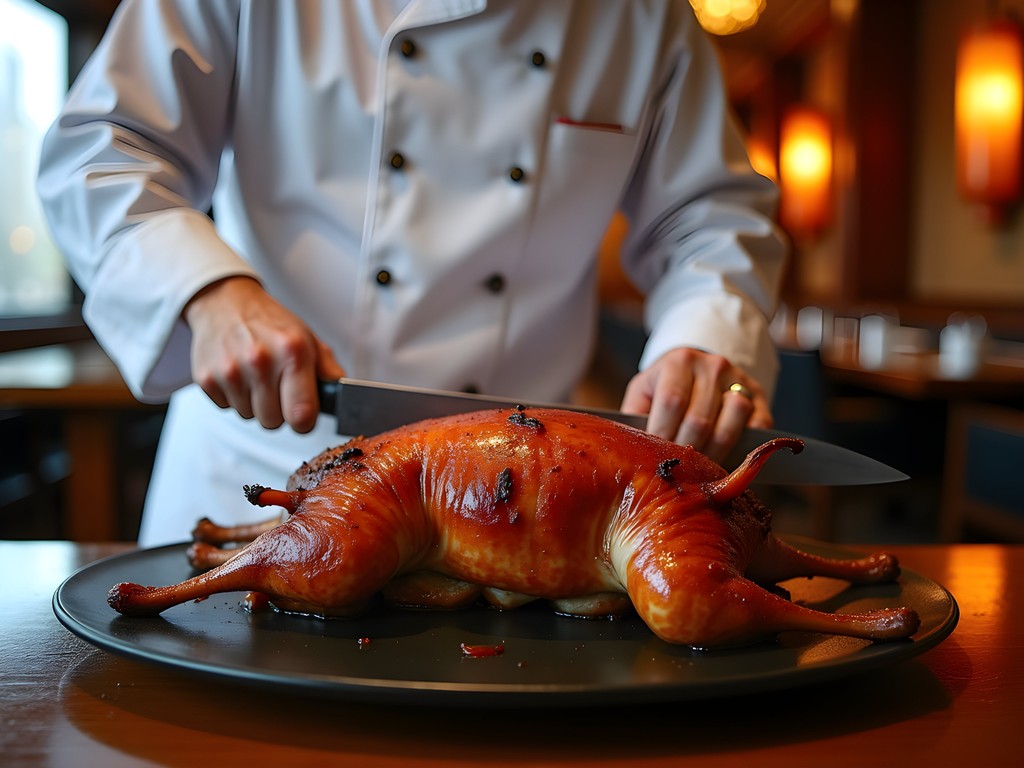
If Beijing were a body, Peking duck would be its beating heart - a culinary tradition dating back to the Ming Dynasty that reveals itself in precisely orchestrated layers. At its finest, this dish presents a diagnostic challenge: the skin must be crisp yet delicate, the meat tender but not undercooked, the pancakes whisper-thin but sturdy enough for wrapping.
During my exploration, I discovered that Siji Minfu near the Forbidden City offers an exemplary specimen at approximately 200 yuan per duck - significantly more accessible than the tourist-oriented establishments. The chef's technique of inflating the duck before roasting creates subcutaneous air pockets that yield the characteristic crisp exterior. Watching them slice the duck is reminiscent of a surgical procedure - each cut revealing perfect cross-sections of skin, fat, and lean meat.
For optimal temperature control during your culinary explorations across Beijing, I recommend a insulated water bottle. The purification system proved invaluable during my week of street food sampling, and the insulation kept my tea hot during chilly autumn mornings in the hutongs.
💡 Pro Tips
- Visit duck restaurants between 5-6 PM to avoid the dinner rush while ensuring freshly roasted birds
- Order a half duck if you're a couple on a budget - it's ample for two people with side dishes
- The pancakes arrive in a bamboo steamer - keep the lid on between servings to maintain proper temperature
Street Food: The Cellular Structure of Beijing's Daily Life
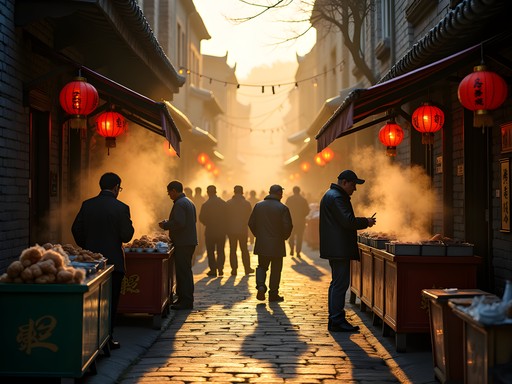
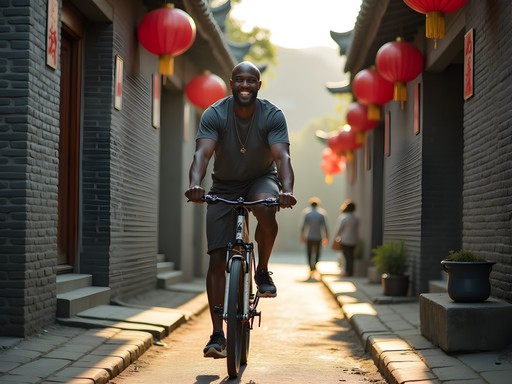
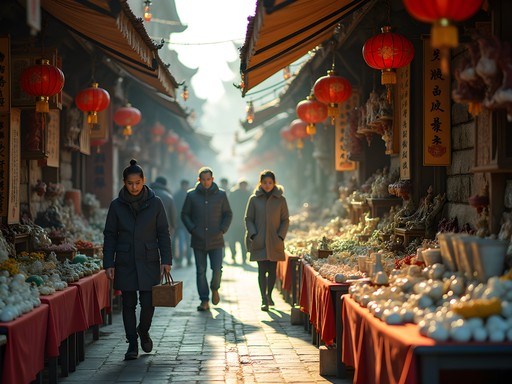
Just as cellular structures reveal fundamental biological processes, Beijing's street food illuminates the daily rhythms of local life. The most revealing areas are found in the less touristed sections of Dongcheng District, particularly along Wangfujing Snack Street and within the labyrinthine hutongs near Gulou.
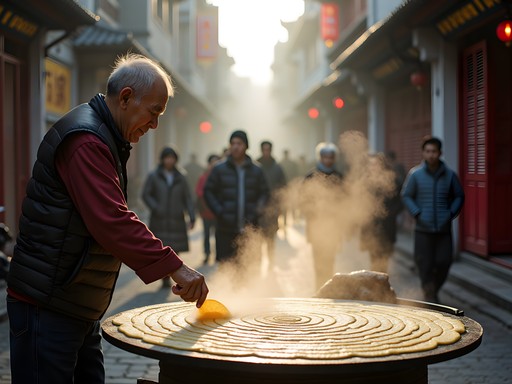
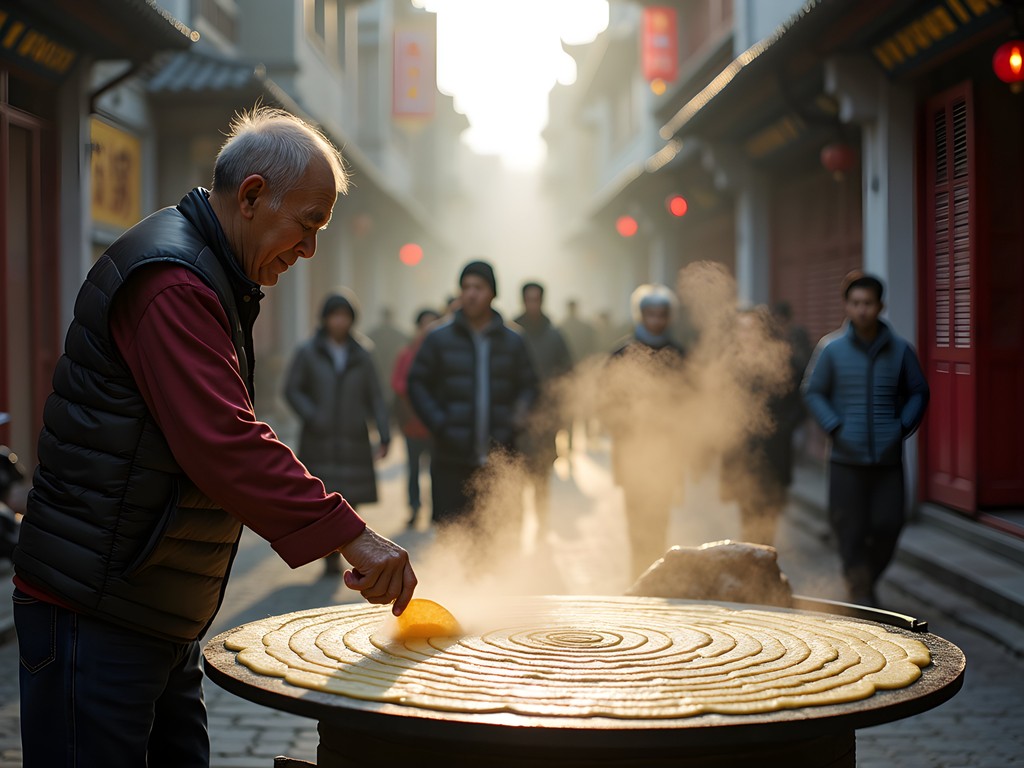
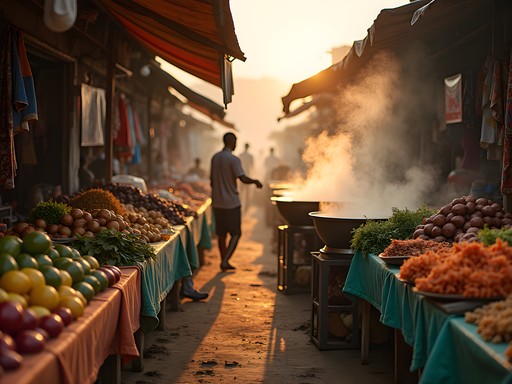
The jianbing (savory crepe) vendors who appear at precise morning intervals operate with remarkable consistency - the same temperature for the griddle, identical circular motions to spread the batter, and a standardized sequence of ingredients. This breakfast staple costs merely 6-10 yuan and provides a fascinating cross-section of textures: the crisp wonton cracker creating skeletal support for the soft egg-enriched pancake surrounding it.
For navigating these narrow alleyways efficiently, I relied heavily on my smartphone gimbal to capture steady video while documenting these culinary techniques. The compact design allowed me to record the precise movements of street vendors without being intrusive.
The chuanr (meat skewer) stands that materialize each evening represent another vital system in Beijing's food network. These coal-fired grills produce remarkably consistent results despite their apparent simplicity. The lamb skewers, dusted with cumin and chili, offer a precise balance of fat and protein that would impress any nutritionist.
💡 Pro Tips
- Follow locals during lunch hours - the longest lines generally indicate the most respected vendors
- Bring small bills (1, 5, and 10 yuan notes) as many street vendors cannot make change for larger denominations
- Learn the phrase 'bu la' (不辣) if you prefer your food less spicy, as the default preparation often includes significant heat
Dumpling Diagnostics: Analyzing Texture and Technique
Approaching dumplings with the analytical mindset of a radiologist reveals fascinating technical variations across Beijing's establishments. The wrappers, which should measure between 1-2mm in thickness, serve as protective membranes for the filling within - too thick and they become doughy, too thin and structural integrity fails during cooking.
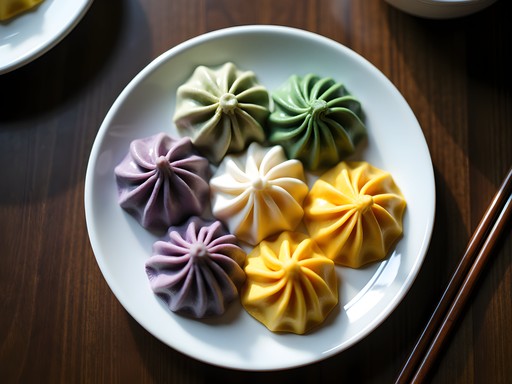
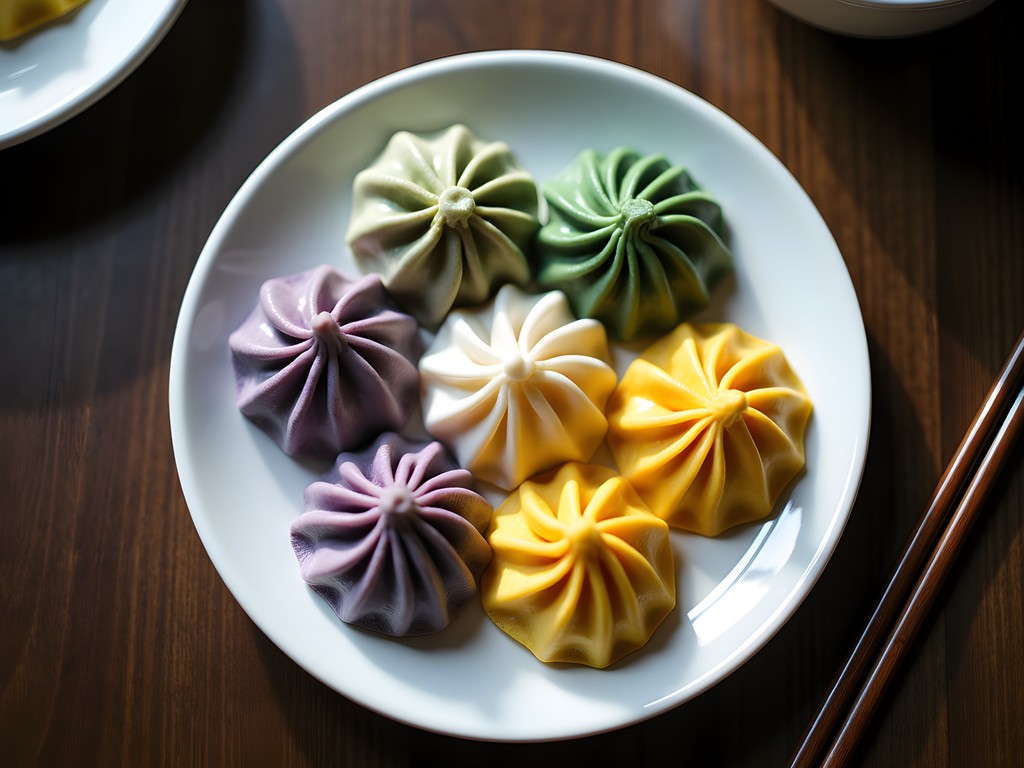
At Baoyuan Dumplings in the Dongcheng district, I conducted a comparative analysis of their naturally colored dumpling skins (purple from cabbage, green from spinach, yellow from pumpkin). The coloring agents had no detectable impact on structural integrity, but did impart subtle flavor variations that complemented specific fillings - a thoughtful biomechanical consideration.
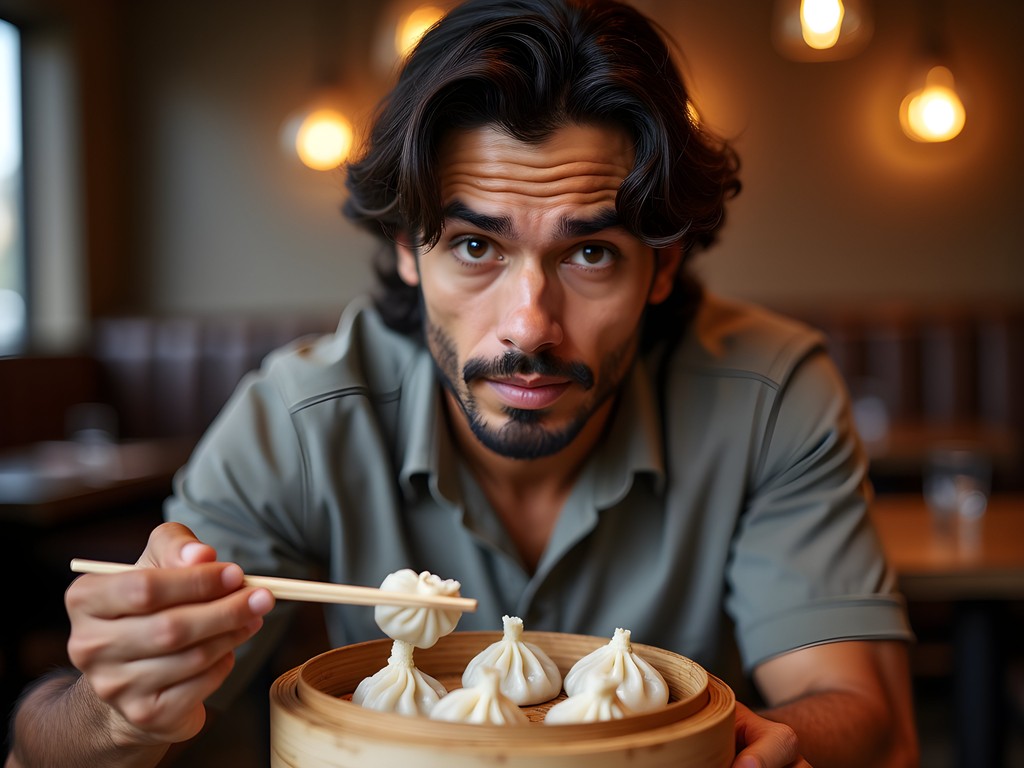
For those seeking technical perfection, Din Tai Fung in the Xidan shopping district offers soup dumplings (xiaolongbao) with remarkable consistency. Each wrapper contains precisely 18 pleats and walls of mathematically optimal thickness. When measured with my digital food thermometer, the interior soup maintained a perfect 85°C - hot enough to maximize flavor compounds without scalding the palate.
For budget-conscious couples, the humble dumpling houses in the hutongs near Houhai Lake offer exceptional value at approximately 25-30 yuan for a plate of 12 dumplings - sufficient for a light meal for two. The technical execution may be less precise, but the flavor profiles often surpass their more expensive counterparts.
💡 Pro Tips
- When ordering soup dumplings, nibble the side first to release steam before consuming
- Request half-portions of multiple dumpling varieties to conduct your own comparative tasting
- Visit dumpling houses between 2-5 PM when production is ongoing but crowds have diminished

Hutong Breakfast Mapping: A Systematic Approach
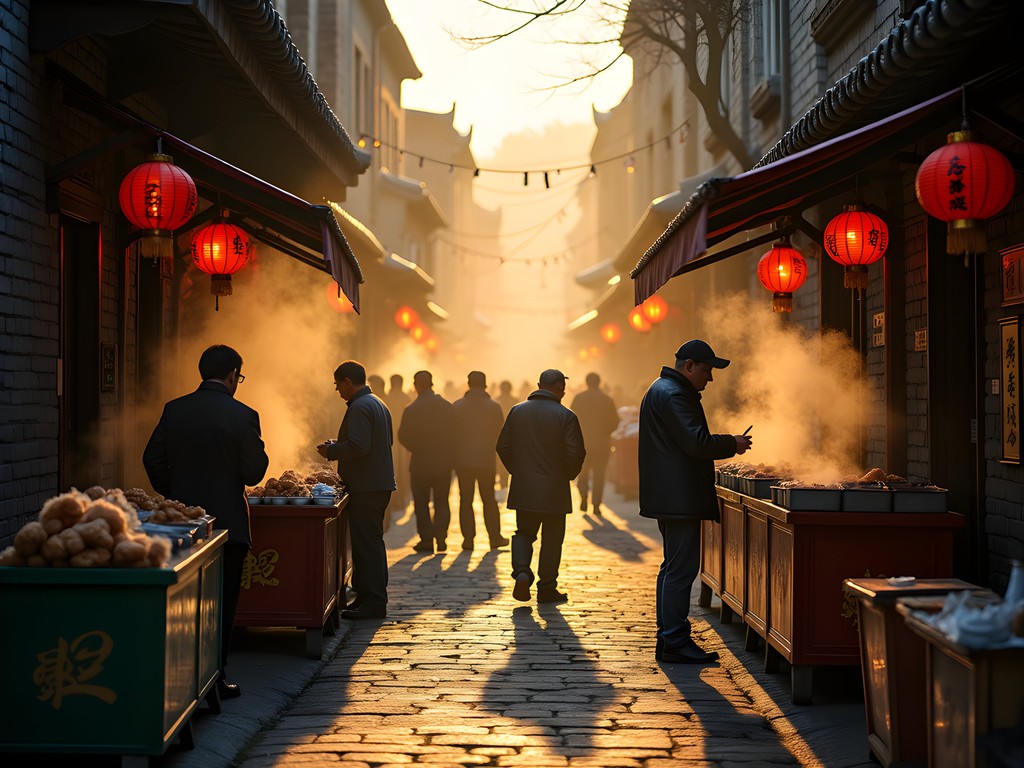
To truly understand Beijing's culinary circadian rhythms, one must observe the breakfast ecosystem that emerges daily between 6-9 AM in the hutongs. I applied a systematic grid-mapping approach to the Nanluoguxiang area, arriving at 5:45 AM for three consecutive days to document the sequence of vendor appearances and customer flow patterns.
The results revealed fascinating insights: vendors establish positions with territorial precision, appearing within 5-minute windows of their previous day's arrival. The sequence follows a logical progression - first congee vendors (6:00 AM), then youtiao (fried dough stick) fryers (6:15 AM), followed by dumpling steamers (6:30 AM), and finally fruit sellers (7:00 AM).
For couples navigating this morning ecosystem, I recommend starting with hot soy milk (doujiang) and youtiao, followed by a savory porridge. To maintain energy throughout these early explorations, I relied on portable protein bars which provided sustained energy without disrupting my appetite for continued sampling.
The most remarkable observation was the efficient customer flow - locals moved through these breakfast stations with unconscious precision, rarely forming lines yet maintaining an organic order that optimized serving efficiency. This self-organizing system represents a fascinating example of emergent behavior in urban food networks.
💡 Pro Tips
- Arrive before 7 AM to observe the complete breakfast ecosystem establishing itself
- Bring a reusable container if you wish to take food back to your accommodation
- Follow the elderly locals - their established routines invariably lead to the highest quality vendors
Hot Pot: The Thermal Dynamics of Communal Dining
Hot pot represents Beijing's most scientifically fascinating dining experience - a study in thermal dynamics and chemical reactions occurring in real-time at your table. For couples, it offers an intimate laboratory for culinary experimentation.
At Haidilao, Beijing's renowned hot pot chain, I conducted systematic testing of cooking times for various ingredients. Thinly sliced lamb (approximately 1.5mm thickness) required precisely 7-8 seconds in the simmering broth to reach optimal doneness, while firmer mushroom varieties needed 60-75 seconds to achieve ideal texture transformation.
The most revealing aspect was the broth evolution over the 2-hour dining period. As proteins and minerals leached from ingredients, the broth underwent a remarkable transformation - becoming progressively more complex through reduction and infusion. I measured this using a digital refractometer which confirmed increasing density as the meal progressed.
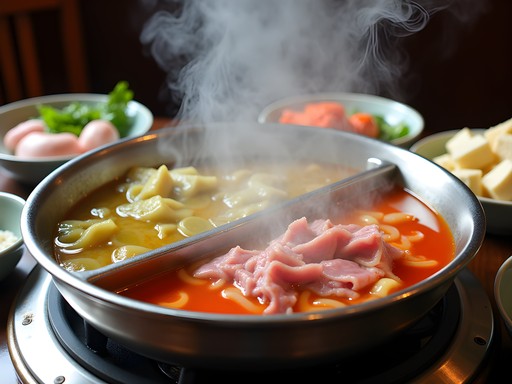
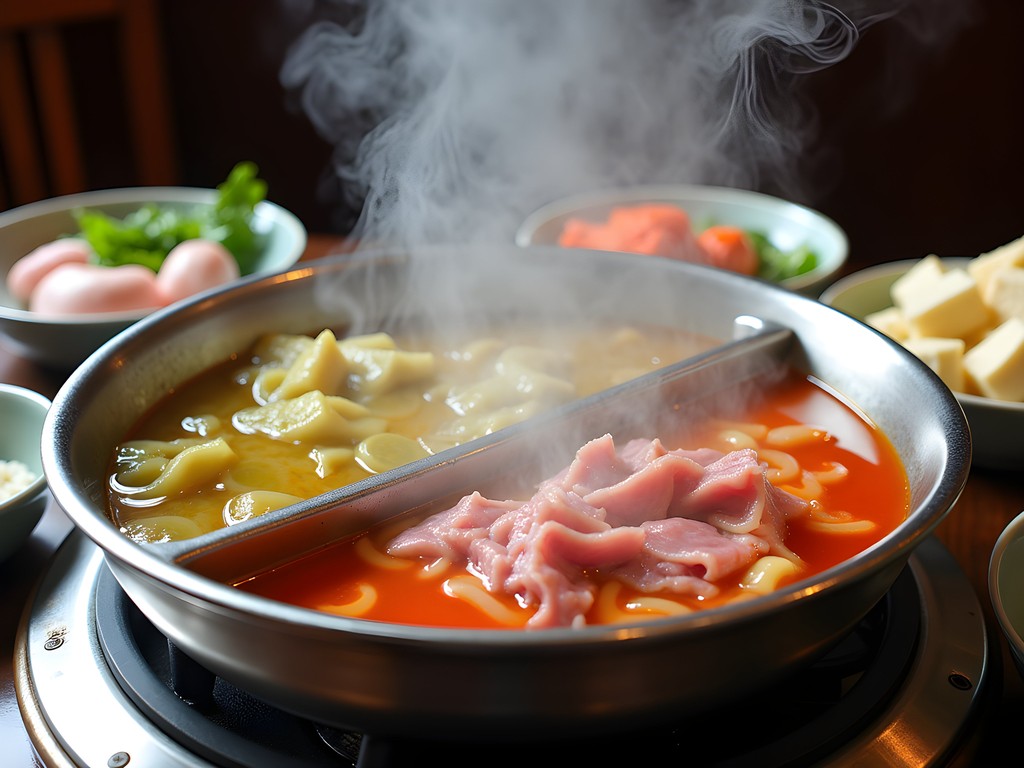
For budget-conscious couples, the hot pot establishments along Gui Street offer a more economical experience (approximately 120-150 yuan for two) while maintaining excellent quality. The split pot option - half spicy, half plain broth - provides an ideal control group for comparative tasting experiments.
The dipping sauce station, with its 20+ ingredients, allows for personalized formulation. After methodical testing, I found a 3:2:1 ratio of sesame paste, soy sauce, and chili oil created an optimal base, with small additions of garlic, cilantro, and scallion providing complementary aromatic compounds.
💡 Pro Tips
- Order ingredients in stages rather than all at once to prevent overcooking and observe broth evolution
- Begin with vegetables and mushrooms which impart flavor to the broth before adding meats
- Reserve some plain rice for the end of the meal when the broth has reached maximum flavor concentration
Final Thoughts
Beijing's culinary landscape functions as a complex biological system - ancient traditions forming the genetic code that guides modern expressions of flavor and technique. Like any comprehensive medical scan, my week of systematic exploration merely captured a moment in time of this evolving organism. The city's food scene rewards methodical investigation and careful observation rather than random sampling.
For couples exploring together, Beijing offers an unparalleled opportunity to develop a shared vocabulary of taste and experience. The analytical approach I've outlined - mapping vendor patterns, documenting preparation techniques, and conducting comparative tastings - provides a framework for meaningful culinary exploration regardless of your prior familiarity with Chinese cuisine.
As I return to my teleradiology work in Seville, I find myself applying these observational techniques in reverse - seeing anatomical structures through the lens of culinary traditions. The bronchial trees I examine daily now remind me of the branching complexity of Beijing's food networks, each pathway leading to unique destinations worth discovering. This cross-disciplinary perspective continues to enrich both my medical practice and my understanding of cultural ecosystems worldwide.
✨ Key Takeaways
- Beijing's food scene rewards systematic exploration rather than random sampling
- Budget-friendly options often provide more authentic experiences than tourist-oriented establishments
- Early morning exploration reveals the true rhythm of local culinary traditions
- The anatomical approach to food - analyzing layers, structures, and techniques - enhances appreciation of culinary traditions
📋 Practical Information
Best Time to Visit
September-October (fall)
Budget Estimate
$30-50 per day for food (budget-conscious)
Recommended Duration
1 week
Difficulty Level
Beginner



Comments
hikingway4586
Saved this post for my trip next month! Those street food tips are gold.
Sophia Gomez
As someone who travels to Beijing quarterly for business, I can confirm Adam's systematic approach to food exploration is spot on. The city's culinary landscape changes subtly with each visit. My Chinese colleagues were impressed when I started discussing the regional differences in dumpling folding techniques! Pro tip for business travelers: skip the hotel breakfast and venture into nearby hutongs instead. The elderly locals exercising in parks will often point you to the best breakfast spots. Last trip, I discovered a tiny place near my hotel in Sanlitun that serves the most incredible doujiang (soy milk) with youtiao (fried dough) - perfect fuel before meetings. Adam, did you explore any of the contemporary fusion restaurants? There's an interesting movement happening with young chefs reinterpreting traditional techniques.
backpacktime148
Thanks for sharing this!
tripperson
Really enjoyed this post. Quick question - are the hutong breakfast spots you mention tourist-friendly for someone who doesn't speak Mandarin? I've been to Shanghai and Chengdu but always stuck to restaurants with English menus. Would love to be braver this time around but worried about ordering. Also curious if you have specific dumpling shop recommendations from your "Dumpling Diagnostics" section?
moondiver
just point at what other people are eating lol, worked for me
Hayden Butler
Adam, this piece really resonates with me. I spent three weeks in Beijing last spring and your "anatomical layers" metaphor for Peking duck is spot-on. I had the privilege of dining at Da Dong, and watching the chef carve that duck was like witnessing performance art. The way they separate the skin, meat, and fat into distinct courses - it's culinary theater. Your hutong breakfast mapping section brought back memories of wandering through those narrow alleys at dawn, following the scent of jianbing. One vendor near Nanluoguxiang had this technique with the crepe that I've never seen replicated. The street food really is the cellular structure of the city - you nailed that observation.
backpacktime148
Where exactly was that jianbing vendor? Going in March!
Hayden Butler
It's on the south end of Nanluoguxiang, near the Mao'er Hutong intersection. Early mornings only - they're usually sold out by 9am!
moondiver
The duck photo is amazing!
globetrekker88
Those duck photos are making me hungry! Bookmarked for my trip in February!
happybuddy
Is Beijing duck really worth the hype? Seems expensive!
traveltime
100% worth it! Just don't go to super touristy places. Li Qun was authentic and half the price of the famous spots.
travel_with_kids
Going to Beijing with my 10 and 12 year old next month. Any recommendations for kid-friendly food spots that still give an authentic experience?
coffeenomad
My kids loved the dumpling making classes at Black Sesame Kitchen! Hands-on and they'll actually eat what they make.
Jean Wells
The Wangfujing Snack Street is entertaining for children - they can try safe options like tanghulu (candied fruit skewers) and jianbing (breakfast crepes) while seeing the more exotic offerings. The dumpling suggestion is excellent too!
Jean Wells
Adam, your systematic approach to hutong breakfast mapping is brilliant. I've been documenting Beijing's culinary evolution for nearly a decade, and the morning food rituals reveal so much about local life. For those visiting, I recommend exploring Nanluoguxiang before 8am to see the neighborhood before tourists arrive. The doujiang (soy milk) and youtiao (fried dough) combination at Wenyu Nailao Wei is particularly noteworthy - they've maintained the same recipe since the 1980s. I documented all my favorite spots in my food journal which has been invaluable for tracking culinary changes over time.
beijingfoodie
Wenyu Nailao Wei is a gem! Have you tried their lüdagun (mung bean rolls)? They're only available on weekends and sell out by 9am.
Jean Wells
Yes! Their lüdagun has that perfect texture - slightly sticky but not gummy. Worth the early wake-up call!
Venture X
Premium card with 2X miles, $300 travel credit, Priority Pass