
Disclosure: This article contains affiliate links. We may earn a commission from purchases at no extra cost to you, which helps our travel content.
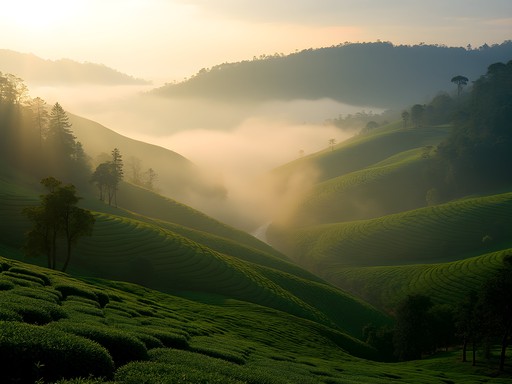
There's something uncannily familiar about watching mist roll over the tea plantations of Malaysia's Cameron Highlands that takes me straight back to the Scottish glens of my youth. Perhaps that's why this highland retreat, sitting 1,500 meters above sea level, has become my regular escape from Darwin's relentless heat. The colonial British certainly knew what they were about when they established these tea estates in the 1920s – creating a wee slice of home with the bonus of Malaysian flavors. Pack your appetite and a light jumper; we're off on a culinary adventure where East meets West in the most delicious ways possible.

The Perfect Highland Brew: Exploring Tea Plantations
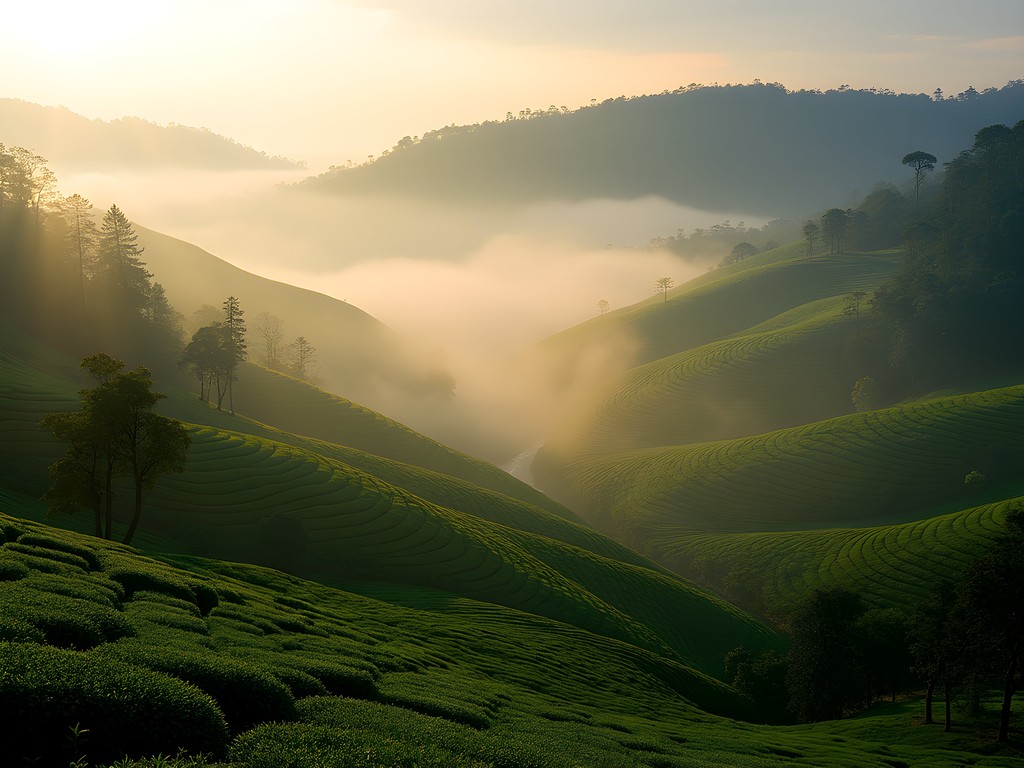
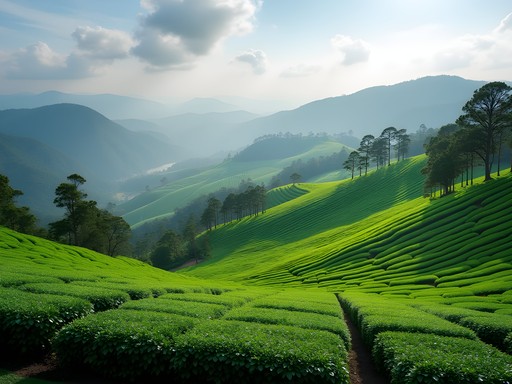
The Cameron Highlands are home to Malaysia's largest tea plantations, and as someone raised on proper Scottish breakfast tea, I can confirm these estates produce some cracking brews. My algorithm for the perfect plantation visit begins with BOH (Best of Highlands) Tea Estate, Malaysia's tea pioneer since 1929. The rolling emerald slopes create mesmerizing patterns that my engineer's eye finds particularly satisfying – nature's own recursive algorithm of green.
The processing factory tour at BOH offers a fascinating glimpse into how technology has evolved in tea production while maintaining traditional quality. As someone who spends days optimizing machine learning models, there's something refreshingly tangible about seeing physical machinery processing actual leaves rather than data points.
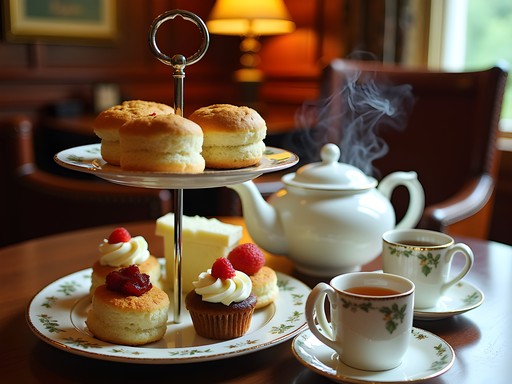
After touring, I settled into their clifftop tearoom with a pot of their signature Cameron Valley tea and scones that would make any Glaswegian granny proud. I've found the insulated tea tumbler perfect for taking a second cup along those misty viewing platforms – keeps your brew warm for hours while you soak in those panoramic vistas.
💡 Pro Tips
- Visit BOH Tea Estate early (before 10am) to avoid tour buses and get clearer views before the afternoon mist rolls in
- The Cameron Valley Tea House often has better scones than the main plantation cafes
- Bring a light jacket as temperatures drop quickly in the highlands, especially during tea plantation visits
Strawberry Fields Forever: Farm-to-Table Experiences
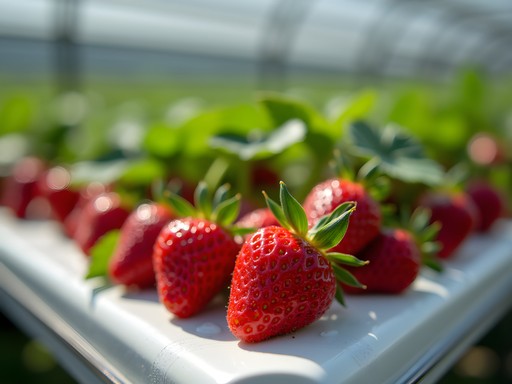
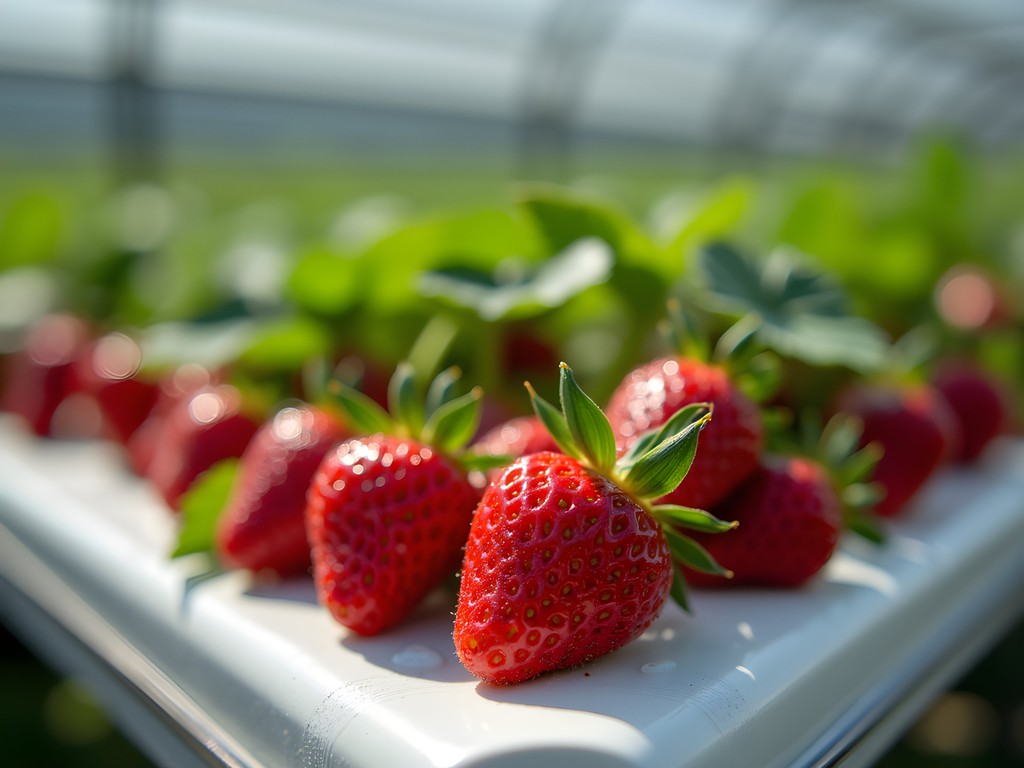
The Cameron Highlands' cool climate creates ideal conditions for growing strawberries year-round – a fact that delighted my data-oriented mind. These aren't your supermarket berries; they're smaller, more intensely flavored, and harvested at peak ripeness. After analyzing multiple farms (strictly for research purposes, you understand), I'd recommend Big Red Strawberry Farm for the best balance of quality and experience.
The pick-your-own experience is particularly satisfying – there's a certain algorithmic efficiency to finding the perfect berry pattern among the rows. I spent a happy morning filling my collapsible produce basket with these ruby treasures, calculating optimal ripeness with each selection.
Beyond fresh strawberries, the local producers have mastered an impressive array of strawberry-infused products. The strawberry jam is exceptional – capturing that perfect balance of sweetness and acidity that reminds me of my mum's homemade preserves back in Glasgow. I particularly recommend the strawberry scones at The Smokehouse Hotel – a taste of Scotland with a Malaysian twist that works surprisingly well.
💡 Pro Tips
- Visit strawberry farms earlier in the day when the fruit is cooler and fresher
- The pick-your-own experience is typically 30-50% more expensive than buying pre-picked berries, but worth it for the experience
- Most farms charge by weight, so be mindful as you sample (yes, they expect some sampling)
Colonial Charm: High Tea and Scone Culture
If there's one thing that made me feel right at home in the Cameron Highlands, it's the thriving scone culture – a delightful colonial legacy that persists with Malaysian flair. The afternoon tea ritual here would impress even the most particular Edinburgh tea room proprietor.
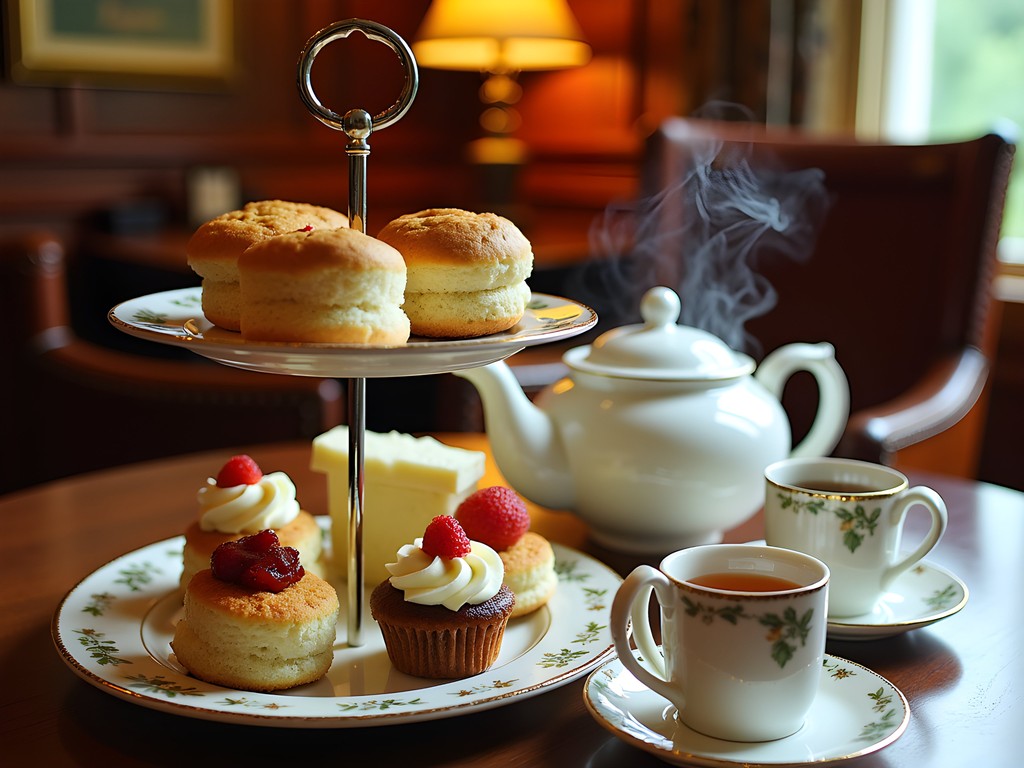
My systematic testing (again, strictly research) revealed The Smokehouse Hotel offers the most authentic British high tea experience. Their Tudor-style building with gardens that could be plucked from the Cotswolds serves a proper tiered afternoon tea with fresh-baked scones, clotted cream, and locally-produced strawberry jam.
For something with more local character, Jim Thompson Tea Room blends colonial tradition with Malaysian flavors – their scones come with both traditional toppings and innovative options like pandan-infused cream or tropical fruit preserves. I've found their ceramic teapot set so charming I purchased one to bring home to Darwin, where it reminds me of highland afternoons with every pour.
A technical observation: the highland water at this elevation, combined with the locally-grown tea, produces a brew with distinct clarity and brightness compared to what you'd find at sea level. The difference is subtle but measurable – much like optimizing an algorithm where small improvements compound into significant results.
💡 Pro Tips
- Reservations are essential for weekend high tea at The Smokehouse
- Afternoon tea typically runs from 3-6pm, with the 3-5pm slot being most popular
- Ask for the local specialty teas rather than defaulting to English Breakfast - the Cameron Valley Gold blend is exceptional

Market Treasures: Sourcing Local Specialties
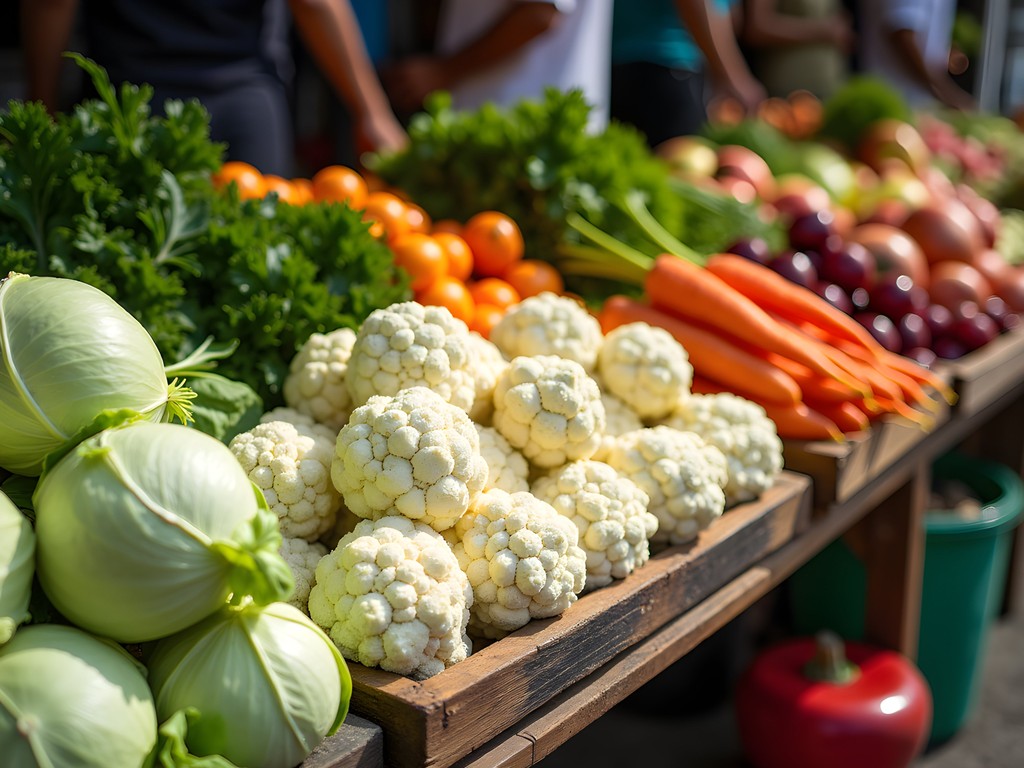
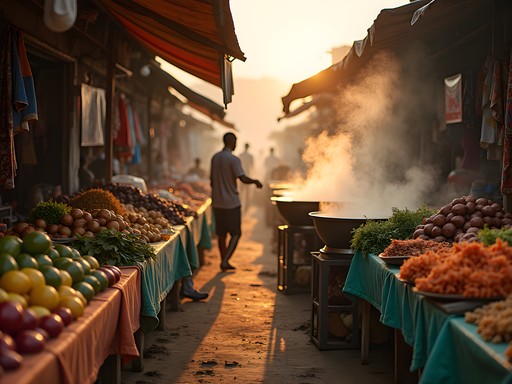
No culinary exploration would be complete without diving into the local markets, where my engineer's appreciation for efficient systems meets my Scottish love of a good bargain. The Kea Farm Market, the highlands' largest, offers a fascinating array of locally-grown produce that thrives in this unique microclimate.
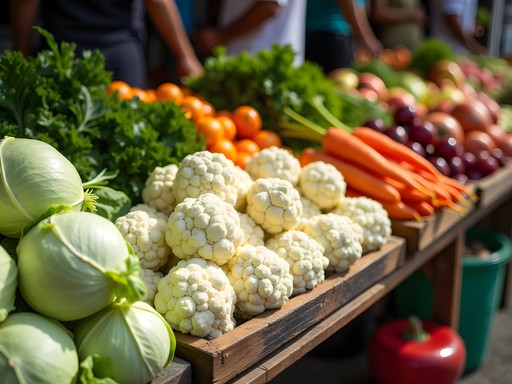
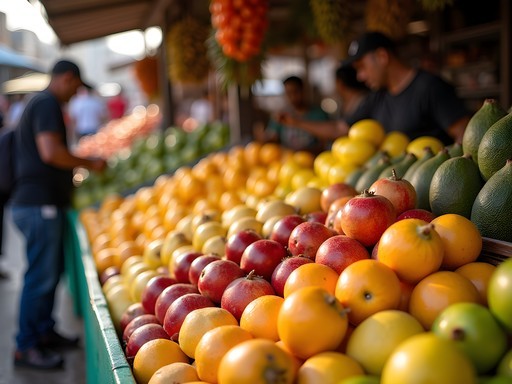
Beyond the expected strawberries and tea, you'll find an impressive variety of vegetables that rarely grow elsewhere in Malaysia – cauliflower, cabbage, and remarkably sweet carrots that would make any Scottish soup proud. The highland honey is particularly noteworthy, with a complexity that reflects the diverse flora of the region.
My systematic approach to market exploration involves arriving early (data shows significantly fresher produce before 9am) and bringing my trusty insulated shopping tote to keep purchases fresh during the day's adventures. I've developed a particular fondness for the locally-made strawberry wine – a sweet, surprisingly complex beverage that makes for excellent gifts.
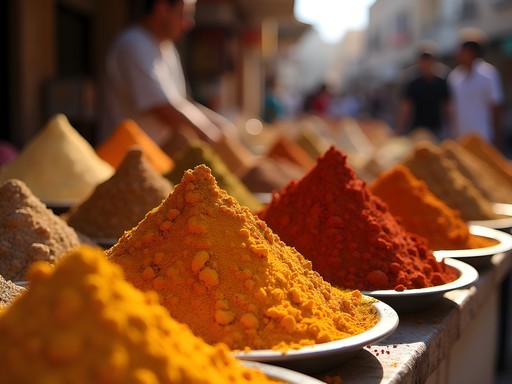
Don't miss the preserved fruits section, where you'll find everything from dried kiwis to crystallized ginger. The vacuum food storage container has proven invaluable for keeping these treats fresh during my travels back to Darwin, where they provide a taste of highland goodness in the tropical heat.
💡 Pro Tips
- Bargaining is expected but keep it reasonable - I typically start at about 20% below asking price
- Bring small Malaysian Ringgit notes as vendors often struggle with change
- The markets are typically busiest between 10am-2pm, so go early or late for a more relaxed experience
Beyond the Classics: Fusion Food Adventures
While the Cameron Highlands' British colonial influence is evident in its tea and scones, the region offers fascinating culinary fusion experiences that my analytical mind finds endlessly intriguing. The intersection of cultures creates unexpected flavor combinations that somehow work brilliantly together.
At Barracks Café in Tanah Rata, they serve a remarkable dish called Highland Nasi Lemak – traditional Malaysian coconut rice with all the expected accompaniments, but featuring tea-infused fried chicken that creates a brilliant flavor bridge between cultures. Their strawberry cendol (a Malaysian shaved ice dessert) similarly blends traditions to create something unique to this region.
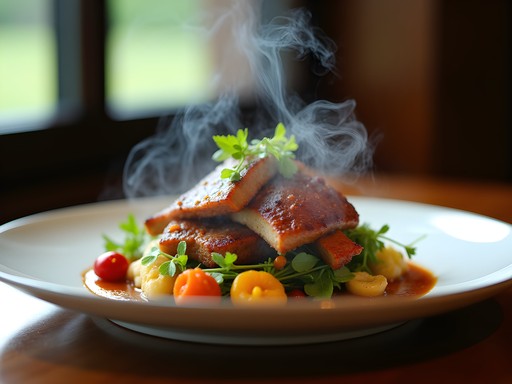
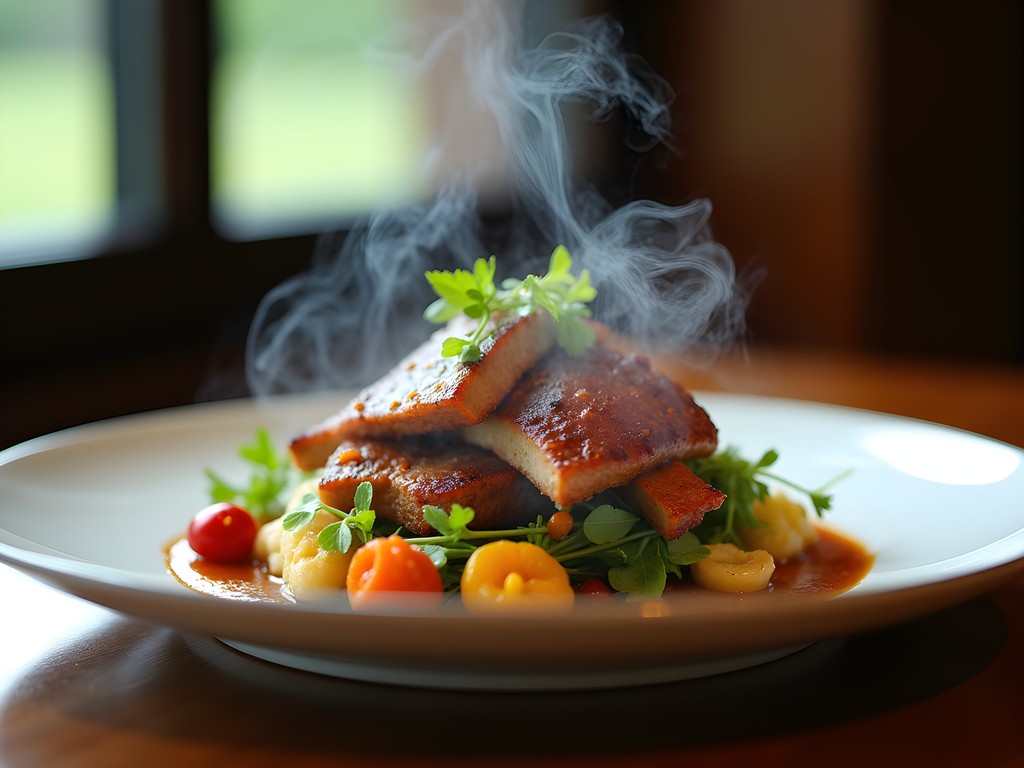
For a more upscale fusion experience, I recommend Gonbei at Cameron Highlands Resort, where Japanese techniques meet highland ingredients. Their tea-smoked duck is a technical masterpiece that demonstrates how precision in cooking methods can transform familiar ingredients.
I've found my pocket flavor journal invaluable for documenting these unique flavor combinations. As someone who approaches cooking with the same precision as coding, capturing these innovative techniques has inspired many experiments in my Darwin kitchen.
A particularly memorable discovery was the locally-produced lavender honey from Cameron Valley – I've since incorporated it into both traditional Scottish shortbread and Malaysian pineapple tarts with excellent results. This kind of cross-cultural ingredient experimentation perfectly captures what makes the highlands' food scene so special.
💡 Pro Tips
- Most fusion restaurants require reservations on weekends and holidays
- Ask servers for their recommendations - many dishes won't appear on standard menus
- Local chefs are typically proud of their innovations and often happy to explain techniques if you show genuine interest
Final Thoughts
As I sat on the veranda of my guesthouse on my final evening, watching the highland mist roll in while sipping locally-grown tea from my new ceramic mug, I couldn't help but appreciate how the Cameron Highlands represents a perfect algorithm of cultural exchange. The British colonizers brought their tea traditions, but Malaysia transformed them into something uniquely its own – much like how my own Scottish sensibilities have evolved during my years in Australia.
This highland retreat offers a rare opportunity to experience a genuine fusion of East and West through food – where strawberry scones and nasi lemak can share the same table without contradiction. For couples seeking a culinary weekend escape from Malaysia's lowland heat, these misty mountains provide the perfect setting for slow meals and contemplative walks through tea plantations.
As we engineers like to say, sometimes the most elegant solutions come from unexpected combinations. The Cameron Highlands proves this principle deliciously true – a place where colonial history, agricultural innovation, and Malaysian hospitality combine to create a culinary experience greater than the sum of its parts. Just remember to pack a light jumper along with your appetite; those highland evenings get proper chilly!
✨ Key Takeaways
- The Cameron Highlands offers a unique fusion of British colonial food traditions and Malaysian flavors
- Beyond tea and strawberries, the region's microclimate produces a surprising variety of fruits and vegetables rarely found elsewhere in Malaysia
- Visiting during weekdays provides a more relaxed experience at plantations and high tea venues
- The higher elevation creates ideal conditions for tea production similar to traditional growing regions in India and Sri Lanka
📋 Practical Information
Best Time to Visit
March-May (spring) when weather is most stable with less rainfall
Budget Estimate
RM800-1200 per couple for a weekend (excluding transportation)
Recommended Duration
2-3 days
Difficulty Level
Easy


Comments
adventurezone
THIS IS EXACTLY WHAT I NEED!! Planning my first solo trip to Malaysia and this looks perfect!
Stephanie Romano
We absolutely loved Cameron Highlands! Traveling with three kids meant we had to pick activities carefully, but the strawberry farms were a huge hit. My youngest (6 at the time) still talks about picking her own strawberries. One thing I'd add is that the drive up can make kids carsick - those mountain roads are no joke! We stopped at a rest area halfway and it helped. The high tea experience at the Smokehouse Hotel was surprisingly kid-friendly too. They were patient with our little ones and the garden is gorgeous for running around after sitting still for tea.
springqueen
Pro tip for the strawberry farms - go to the smaller ones off the main road! They're less crowded and the berries are just as good. We found one called Raaju's Hill that was perfect. Also bring cash because most farms don't take cards.
adventurezone
Thanks for this!! Saving your comment
dreamblogger
Really cool post! The strawberry picking looks fun
Jean Wells
Hunter, your comparison to Scottish glens is spot-on. I visited Cameron Highlands three times over the past decade and noticed the colonial influence is still quite strong in the architecture and tea culture. For readers planning a visit: the BOH Tea Plantation offers the best viewpoint and their factory tour is informative. I'd recommend visiting early morning (around 8am) to avoid tour groups and catch the best light for photography. The temperature drops significantly in the evening, so bring layers. Also, the local night market on weekends has excellent fresh produce if you're staying somewhere with a kitchen.
springqueen
Second the BOH recommendation! The scones there are amazing too
wanderlusttime6315
Love this! Going next month, can't wait
wildhero
How many days would you recommend staying? Is it worth it just for a day trip from KL?
Stephanie Romano
Definitely stay at least 2 nights! We took our kids there last year and one day wasn't nearly enough. You need time to really explore the tea plantations, strawberry farms, and just soak in the cool mountain air. The drive up is also pretty winding, so arriving and leaving same day would be exhausting.
wildhero
Thanks! That's really helpful
photochamp
Those tea plantation shots are INCREDIBLE!! The mist really makes it look magical. Definitely adding this to my bucket list!
redexplorer
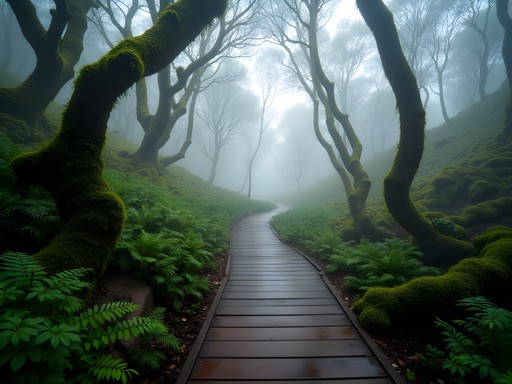
Great post! Having visited Cameron Highlands three times now, I'd add that the Mossy Forest is absolutely worth exploring alongside the tea and culinary experiences you described. The biodiversity there is incredible. For accommodation, I've found the small family-run guesthouses in Tanah Rata offer the best value and local knowledge. The hosts often share secret spots for strawberry picking where prices are better than the commercial farms. And if you're there during the week rather than weekends, you'll avoid the crowds from KL who come up for short breaks. Looking forward to your next culinary adventure, Hunter!
Hunter Myers
Thanks for the additional tips! You're absolutely right about the Mossy Forest - I did visit but focused more on the culinary angle for this post. Great point about weekday visits too!
winternomad
What's the best time of year to visit? Is strawberry season worth planning around?
sunsetpro5050
I went in March and the strawberries were amazing! But I've heard they grow year-round. The weather was perfect - not too rainy.
Claire Hawkins
We visited in September and had a wonderful experience with fewer tourists. The strawberries weren't as plentiful as peak season, but still enough for a fun picking experience. The real magic is the weather - cool enough for hiking but not cold!
winternomad
Thanks both! Cool hiking weather sounds perfect. Booking for September!
Venture X
Premium card with 2X miles, $300 travel credit, Priority Pass