Disclosure: This article contains affiliate links. We may earn a commission from purchases at no extra cost to you, which helps our travel content.
Standing in Seomun Market as the autumn air carries the intoxicating aroma of sizzling makchang and steaming dalggalbi, I'm transported back to childhood visits to my grandmother's home in Busan. Daegu may not have Seoul's international fame, but locals know this city as South Korea's true culinary capital. As someone who bridges Western and Korean perspectives professionally and personally, I've spent countless business trips to Korea's recreation facilities ending in passionate food explorations. This weekend guide reveals the 15 dishes that showcase why Daegu deserves its reputation as the beating heart of Korean cuisine.

Daegu's Signature Dishes: The Essential Five
If you're only in Daegu for a short visit, these five dishes represent the absolute culinary essentials that define the city's food identity.
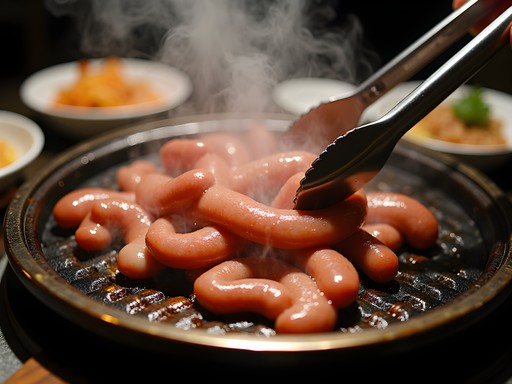
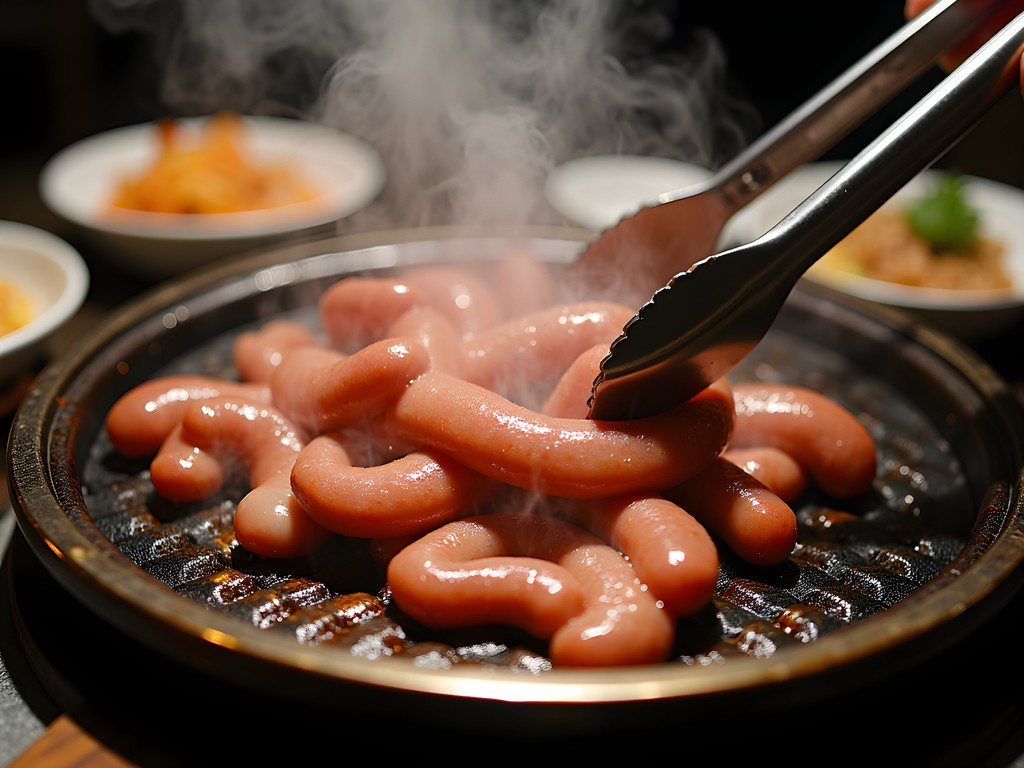
1. Makchang (막창): Daegu's undisputed culinary champion is this grilled beef intestine dish. Unlike other Korean barbecue cuts, properly prepared makchang offers a perfect textural contrast—crispy exterior giving way to a tender, juicy interior. Head to Makchang Golmok (Makchang Alley) near Dongseongno where dozens of specialized restaurants compete for supremacy. The best spots serve it with perilla leaves, raw garlic, and ssamjang (fermented bean paste).
2. Ttaro Gukbap (따로국밥): This hearty soup features rice served separately ('ttaro' means 'separately') from the rich beef broth. What makes Daegu's version special is the intensely flavored, milky bone broth that requires hours of simmering. The best places offer various cuts of beef that you add yourself.
3. Napjak Mandu (납작만두): These 'flat dumplings' are distinctively Daegu, with a thinner skin than typical Korean dumplings and a flavorful pork and vegetable filling. The texture contrast between the crispy edges and chewy center is divine.
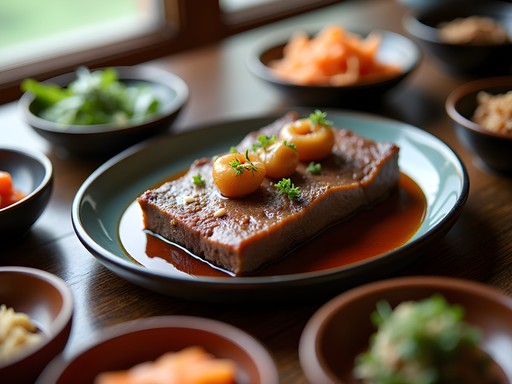
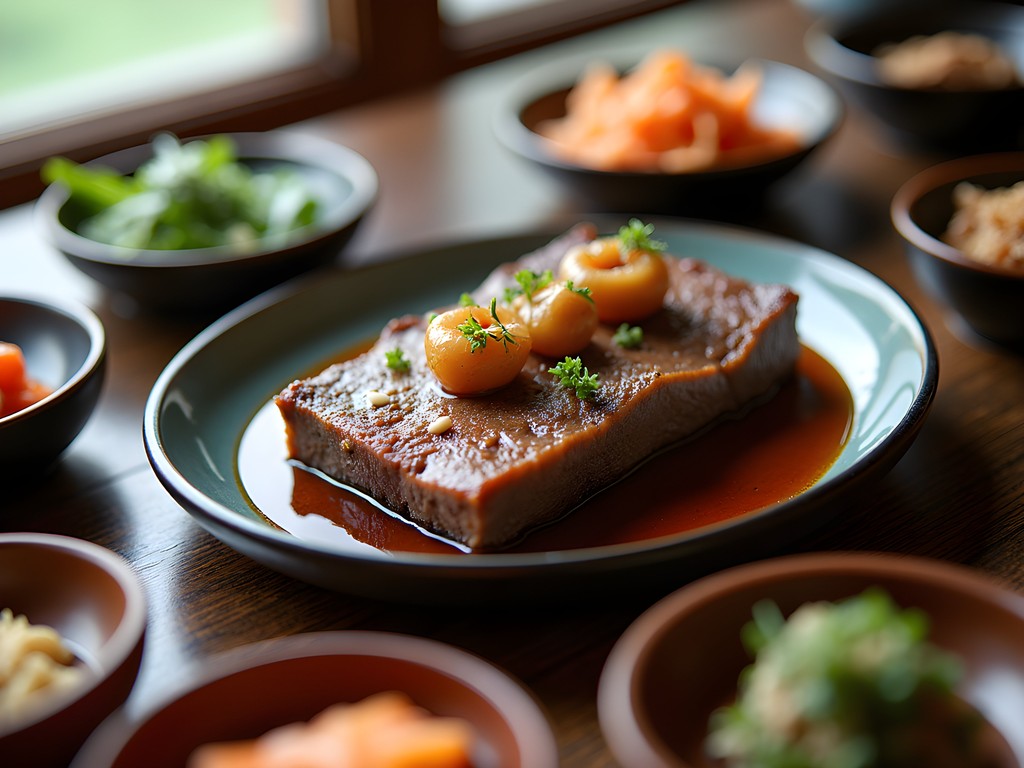
4. Jjimgalbi (찜갈비): Daegu-style braised short ribs are tender enough to fall off the bone, swimming in a sweet-savory sauce that balances soy, fruit, and subtle spices.
5. Muchim (무침): While available throughout Korea, Daegu's muchim (seasoned vegetables) stand out for their balance of spice, sweetness, and acidity. Try the dodari muchim (seasoned flatfish) for a local specialty.
💡 Pro Tips
- Visit Makchang Alley between 6-8pm when the grills are in full swing and the atmosphere is electric
- Look for restaurants with charcoal grills rather than gas for authentic makchang
- When ordering ttaro gukbap, ask for 'gop-dolsot' (stone bowl) for the rice to develop a crispy bottom layer
Medicinal and Traditional Foods: Daegu's Healing Cuisine
My professional interest in how different cultures use natural resources extends perfectly to Daegu's tradition of medicinal cuisine. The city's proximity to Palgongsan Mountain—known for its abundance of medicinal herbs and plants—has fostered a unique food culture centered on health and wellness.
6. Hanbang Galbi (한방갈비): These medicinal herb-infused beef short ribs represent the pinnacle of Korea's food-as-medicine philosophy. Restaurants near Donghwasa Temple specialize in this dish, where the meat is marinated with up to 30 different herbs and roots. During a facility planning workshop in Daegu last fall, my Korean colleagues insisted we try Hanbang Chilseong-dong, where the ribs are marinated for 48 hours in a complex broth featuring jujubes, ginseng, and angelica root.
7. Ssambap (쌈밥): While available throughout Korea, Daegu's mountain-adjacent restaurants serve ssambap with wild vegetables that simply aren't available elsewhere. The proper technique involves placing rice, meat, and sauces into a leafy vegetable and eating it in one bite. I've found that having a quality Korean cooking sauce set helps recreate this experience at home between visits.
8. Andong Jjimdak (안동찜닭): Though originating in nearby Andong, Daegu has embraced and adapted this spicy braised chicken dish. The Daegu version tends to be slightly sweeter and incorporates more medicinal herbs. The massive portions make this perfect for sharing.
9. Yakgyejuk (약계죽): This medicinal chicken porridge is Korea's ultimate comfort food. Made with glutinous rice, ginseng, jujubes, and various herbs, it's particularly popular during fall when Daegu's temperatures begin to drop.
💡 Pro Tips
- For the most authentic medicinal cuisine, visit restaurants near Donghwasa Temple or Palgongsan Mountain
- Ask for 'deop-ge' (less spicy) if you're sensitive to heat—Daegu locals prefer their food quite spicy
- Many medicinal restaurants offer tea pairings—particularly omija (five-flavor berry) tea which complements the herbal flavors
Street Food Treasures: Daegu's Market Delights
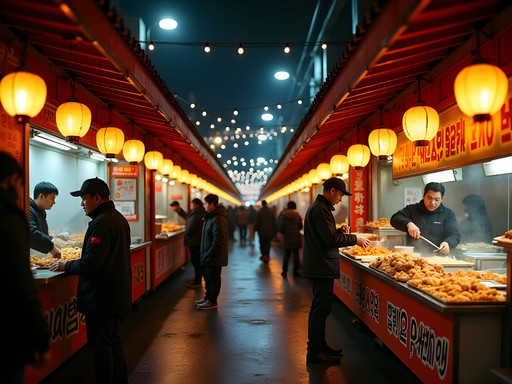
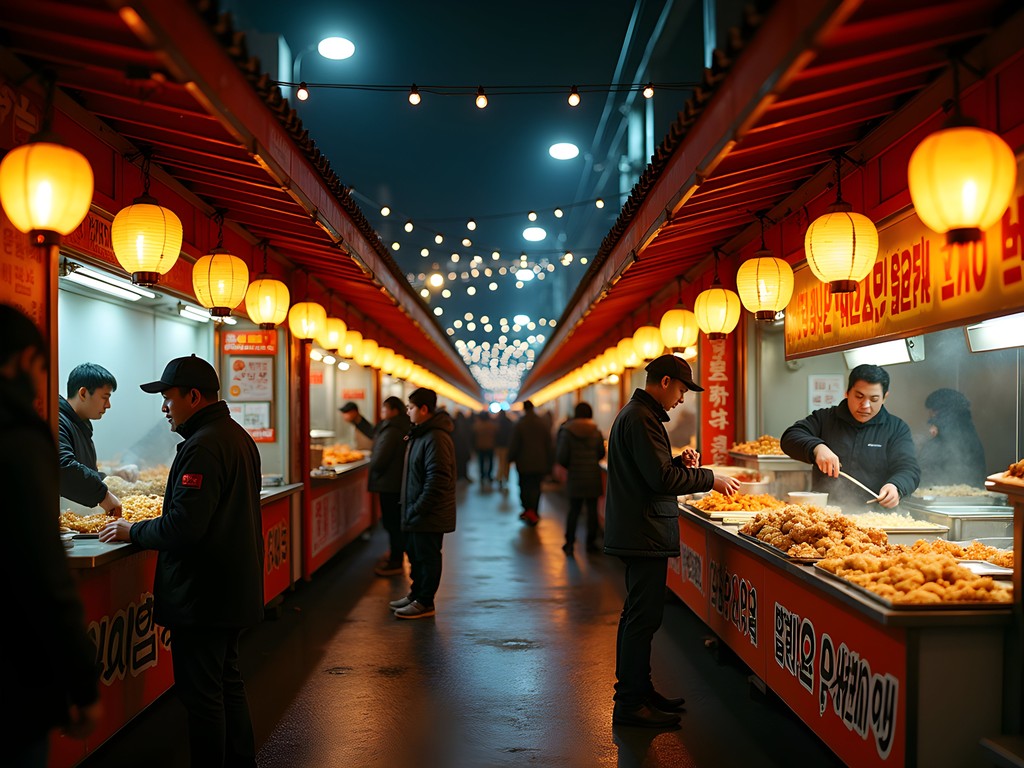
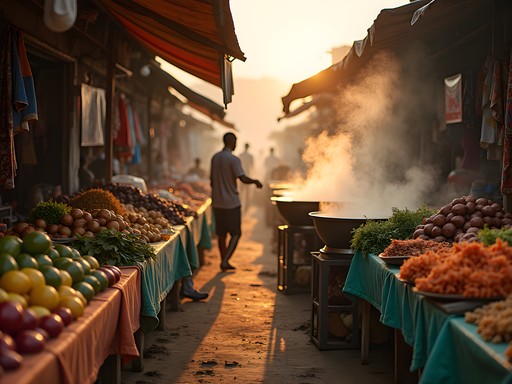
No culinary exploration of Daegu would be complete without diving into its vibrant street food scene. Seomun Market—Korea's largest traditional market—transforms into a food lover's paradise each evening, with hundreds of vendors setting up stalls along its labyrinthine alleys.
10. Yangnyeom Tongdak (양념통닭): Daegu's take on Korean fried chicken features a slightly thinner, crispier coating than Seoul versions. The sauce balances sweetness, heat, and garlic perfectly. After a long day evaluating recreation facilities, nothing beats sitting on plastic stools at Seomun Market with a plate of this chicken and a cold beer.
11. Dalggalbi (닭갈비): This spicy stir-fried chicken dish cooked on large circular griddles creates quite the spectacle. The Daegu version incorporates more vegetables and a slightly sweeter gochujang (red pepper paste) sauce.
12. Tteokbokki (떡볶이): While ubiquitous throughout Korea, Daegu's tteokbokki stands out for its intensely flavored sauce. The rice cakes remain chewy while absorbing the complex sweet-spicy sauce. For the best experience, look for stalls where the sauce is actively bubbling.
13. Hotteok (호떡): These sweet pancakes filled with brown sugar, cinnamon, and nuts are a perfect fall treat as you wander through Daegu's markets. The city's version typically has a higher ratio of filling to dough and is fried to golden perfection. I've found that having a good insulated water bottle is essential when exploring Daegu's spicy cuisine—the ability to have cold water on hand while navigating the hot market stalls is a lifesaver.
During my last visit documenting community recreation spaces, I spent evenings photographing the market food scene and found that a clip-on phone lens was perfect for capturing the vibrant details of these dishes without carrying bulky equipment.
💡 Pro Tips
- Visit Seomun Market after 6pm when most food stalls are fully operational
- Look for vendors with lines of locals—always the best indicator of quality
- Many street food vendors don't speak English, so save photos of dishes you want to try on your phone

Modern Fusion and Cafe Culture
While traditional cuisine forms Daegu's culinary backbone, the city's younger generation has created a thriving modern food scene worth exploring, particularly in the Dongseongno and Kyungpook National University areas.
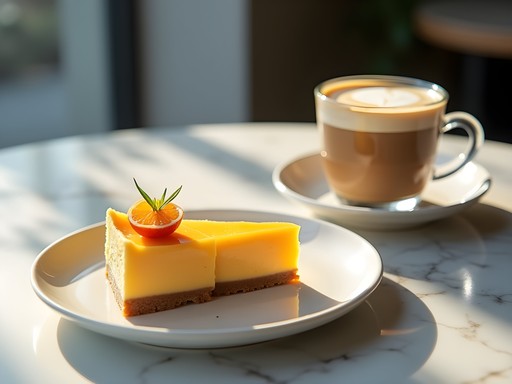
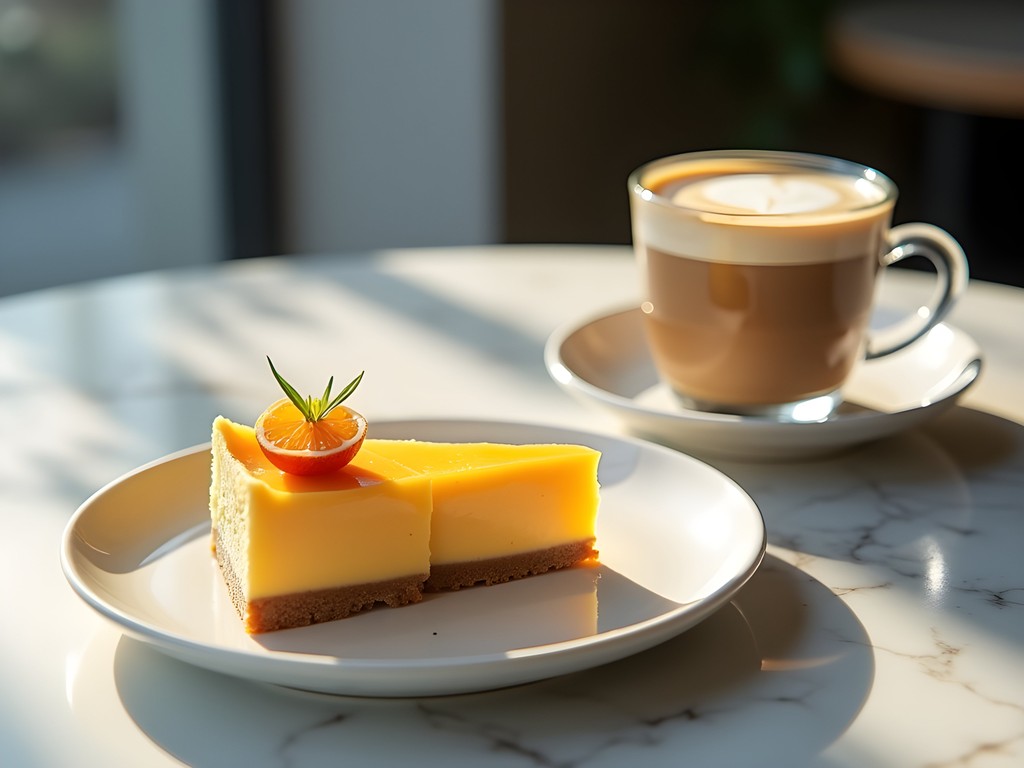
14. Hallabong Desserts: Daegu has embraced hallabong (a sweet Korean citrus) in creative ways. Cafes throughout the city offer hallabong tiramisu, hallabong shaved ice, and my personal favorite—hallabong cheesecake. The tangy citrus cuts through the richness of these desserts perfectly. During fall, these citrus desserts provide a refreshing counterpoint to the season's heavier dishes.
15. Dalgona Everything: Long before it became an international sensation via Netflix, dalgona (honeycomb toffee) has been a Daegu specialty. Beyond the familiar dalgona coffee, look for dalgona milk tea, dalgona bingsu (shaved ice), and even dalgona-infused cocktails in the city's trendier establishments.
The coffee culture in Daegu deserves special mention—the city is filled with independent cafes serving exceptional beans. As someone who spends hours working remotely between site visits, I've found that a good coffee travel kit is essential for those early mornings before cafes open. However, once you're out exploring, Daegu's cafes offer some of Korea's most innovative coffee preparations.
For those wanting to bring home a taste of Korea, I recommend picking up a Korean cooking ingredients starter set which includes essential ingredients like gochujang and doenjang that form the foundation of many Daegu specialties.
💡 Pro Tips
- The Dongseongno area has the highest concentration of modern cafes and fusion restaurants
- Most cafes offer excellent free WiFi, making them perfect workspaces
- Ask for 'dalgona recommend' at cafes—many have signature dalgona creations not on the regular menu
Final Thoughts
As I wrap up another visit to Daegu, I'm struck by how this city's food culture perfectly embodies the Korean concept of sonmat—literally 'hand taste'—the unique flavor that comes only through a cook's personal touch and experience. While Seoul dazzles with international fusion and Busan celebrates seafood, Daegu maintains a profound connection to Korea's culinary heritage while embracing thoughtful innovation. The city reminds me why food exploration remains my favorite aspect of business travel—it reveals the soul of a place in ways that official meetings never can.
For couples seeking a weekend food adventure, Daegu offers an authentic experience away from the tourist crowds. The fall season brings perfect temperatures for market exploration and the ideal climate for enjoying both the warming medicinal cuisine and refreshing modern desserts. Whether you're slurping spicy broth at a traditional restaurant or sipping hallabong tea in a sleek cafe, Daegu's flavors will leave you with a deeper appreciation of Korean cuisine beyond the familiar barbecue and bibimbap. As my grandmother always said, 'To know Korea's heart, you must know its regional kitchens'—and Daegu's kitchen offers one of the most compelling introductions you could hope for.
✨ Key Takeaways
- Daegu's signature makchang is best experienced in the specialized restaurants of Makchang Alley
- The city's proximity to Palgongsan Mountain creates a unique medicinal food tradition worth exploring
- Seomun Market transforms into a street food paradise after 6pm
- Fall is the ideal season to experience both warming traditional dishes and refreshing modern desserts
📋 Practical Information
Best Time to Visit
Fall (September-November)
Budget Estimate
$30-50 per day for food
Recommended Duration
2-3 days
Difficulty Level
Intermediate
Comments
dreammate
Heading to Daegu next month! Which of these dishes would be best for someone who doesn't handle super spicy food well? The dalggalbi looks amazing but I'm worried about the heat level.
happyhero5335
Try the jjimdak and ask for less spicy! It's delicious and they can usually adjust the heat level.
dreammate
Thanks for the tip! Will definitely try that!
Nicole Russell
Noah, your post brought back so many memories! I visited Daegu last spring and the food was INCREDIBLE. Seomun Market was definitely the highlight - I tried the makchang and it blew my mind. The charred, slightly chewy texture with that perfect balance of fat and meat... heaven! I also discovered jjimdak at a tiny restaurant in Dongseongno and became obsessed. Did anyone else try the medicinal food? I was hesitant about the herbal flavors but ended up loving it!
roamnomad
The medicinal food was surprisingly good! I tried the samgyetang and it was so comforting, especially since I had a cold when I visited. Perfect healing food!
Nicole Russell
@roamnomad Yes! Samgyetang is amazing. I felt so energized after eating it. Did you try any of the herbal teas too?
happyhero5335
Wow, makchang sounds amazing! Definitely adding Daegu to my Korea itinerary!
Haley Hamilton
Noah, this post brought back so many memories! I spent a week in Daegu during my three-month backpacking trip across Korea, and the food was definitely the highlight. There's this tiny hole-in-the-wall place near Banwoldang Station that serves the most incredible jjimdak (braised chicken) I've ever had. The owner barely spoke English but would just keep bringing side dishes until the table was completely covered! For anyone heading there, don't miss the apple-based desserts - Daegu's apples are famous throughout Korea. There's a modern cafe in Dongseongno that makes an apple pie/bingsu fusion that changed my life. Also, the traditional tea houses near Gyeongsan are worth the short trip outside the city - the medicinal herb teas paired with rice cakes make for a perfect afternoon break between all the heavier meals.
escapeway
Great post! How many days would you recommend in Daegu to properly explore the food scene?
sunnyguide
Is Daegu vegetarian-friendly at all? The food looks amazing but I'm worried about options.
Noah Hughes
It can be challenging but not impossible! Look for temple food restaurants (there are a couple near Donghwasa Temple) and check out the newer cafes in Dongseongno area. Many bibimbap places will make a vegetarian version if you ask too!
journeyrider
Just got back from Daegu last week! The dalggalbi was incredible - we went to this tiny place near Kyungpook National University where they cook it right at your table. The way the cheese melts into the spicy chicken... heaven! Also tried the makchang since everyone raves about it, and while it was definitely an experience (very chewy!), I think I need to acquire the taste. The apple dishes were a surprise hit though - didn't realize Daegu was known for apples until I got there.
Haley Hamilton
Journeyrider - was that place called 'Yoogane' by any chance? I had the most amazing dalggalbi there when I visited! And I feel you on the makchang... took me three tries before I started to actually enjoy it!
journeyrider
It wasn't Yoogane (though I've been to that chain in Seoul) - this was a super local spot called something like 'Dalggalbi Cheonguk' if I remember correctly. Literally had plastic chairs and tables but was packed with students. Maybe I need to give makchang another chance!
Timothy Jenkins
I was in Daegu last summer and completely agree about the makchang being life-changing! I'd add that the medicinal food district near Yangnyeongsi Market is worth exploring too - the hanbang (herbal medicine) restaurants there serve some fascinating dishes I'd never encountered elsewhere in Korea. The samgyetang (ginseng chicken soup) there had so many more herbs than versions I'd tried in Seoul. I documented the whole experience in my 'Hidden Korea' series and found that having a Korean phrasebook really helped when ordering in the more traditional spots where English menus were scarce.
skyphotographer
Those food photos are making me so hungry! 🤤
escapeseeker
Noah, which of the markets in Daegu would you say has the best variety of street food? Planning a trip there in February and food markets are always my first stop!
Noah Hughes
Definitely Seomun Market! It's the largest traditional market in Daegu and the street food alley on the second floor is incredible, especially in the evening. Don't miss the makchang (grilled beef intestines) - it's a Daegu specialty!
escapeseeker
Thanks Noah! Adding it to my itinerary right now. Feeling brave about the intestines... we'll see how that goes 😅
Venture X
Premium card with 2X miles, $300 travel credit, Priority Pass