
Disclosure: This article contains affiliate links. We may earn a commission from purchases at no extra cost to you, which helps our travel content.
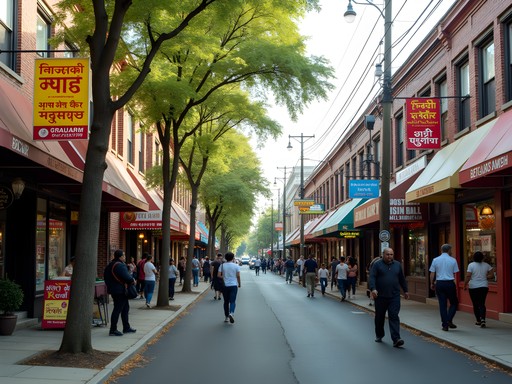
Growing up in California, I never expected to find one of America's most authentic Indian food scenes tucked away in suburban New Jersey. Yet here I am, standing on Oak Tree Road in Edison, where the aromas of cardamom, cumin, and coriander dance through the air with such vibrancy that I could close my eyes and believe I've been transported across continents. As someone who's spent decades documenting ecosystems around the world, I've come to appreciate how food corridors like Edison's Little India represent their own kind of cultural biome—complex, interconnected, and absolutely worth exploring systematically.

Understanding Edison's Culinary Ecosystem
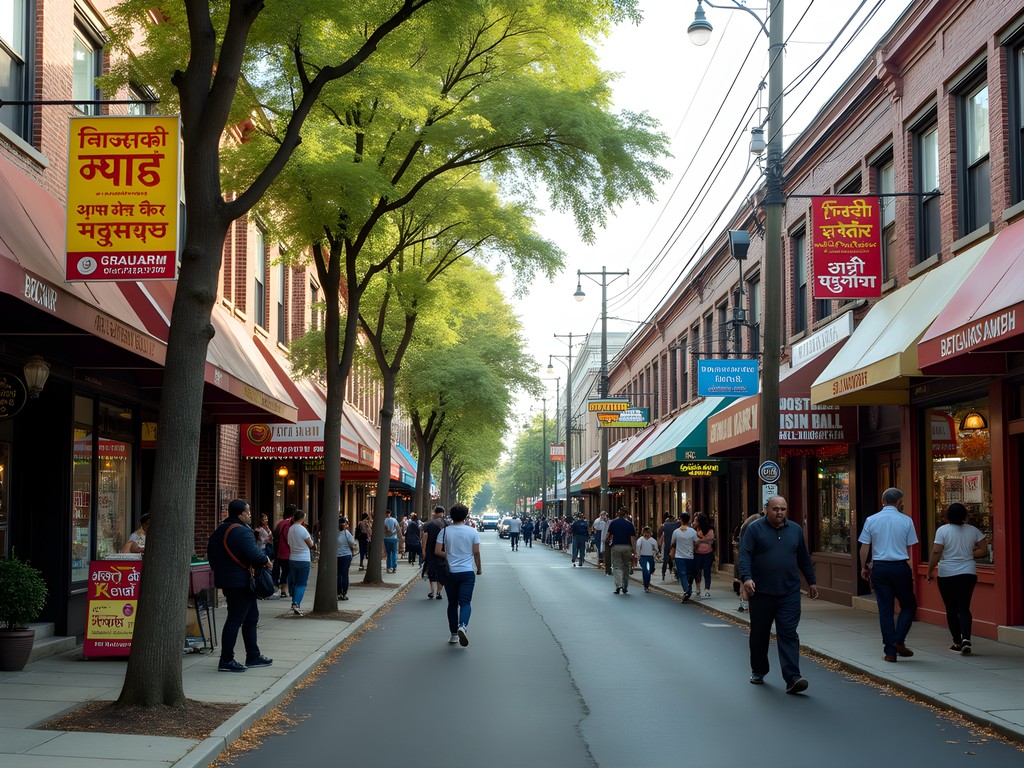
Edison's Little India isn't just a neighborhood—it's a living, breathing culinary ecosystem that rivals anything I've documented in my marine research. The approximately mile-long stretch of Oak Tree Road crossing through Edison and neighboring Iselin represents one of the largest and most concentrated South Asian communities in the United States.
What fascinates me as a scientist is how this area evolved. Beginning in the 1990s, this once-typical American suburban corridor transformed as waves of South Asian immigrants—many highly educated professionals in medicine, engineering, and technology—settled in central New Jersey. The restaurants, grocery stores, and sweet shops that followed created a self-sustaining cultural ecosystem that now draws visitors from across the tri-state area.
Before exploring, I recommend downloading the food tour guide app to help navigate the overwhelming options. While wandering between shops, I've found my compact camera invaluable for documenting the vibrant food displays without drawing attention in the busy markets.
💡 Pro Tips
- Visit on weekends for the most vibrant atmosphere, but expect larger crowds
- Many restaurants are vegetarian-only, so check menus in advance if you're seeking meat dishes
- Bring cash as some smaller establishments don't accept cards
Street Food Sampling Strategy
My approach to exploring new food environments mirrors my scientific fieldwork: start with a broad survey before diving deep. In Edison, this means beginning with street food and snacks, which offer concentrated bursts of flavor and technique without a major time commitment.
My first recommendation is to head to Chowpatty, named after Mumbai's famous beach food scene. Their pani puri—crisp hollow shells filled with spiced water, tamarind chutney, and chickpeas—provides an excellent baseline for understanding the balance of sweet, sour, spicy, and savory that defines much of Indian cuisine.
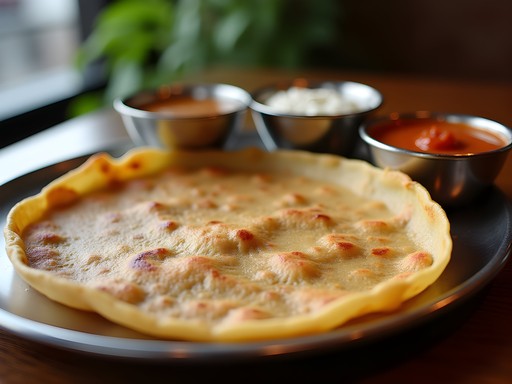
Next, seek out a proper dosa at Sapthagiri or Moksha. These fermented rice and lentil crepes can span two feet in length and come with various fillings. The slight sourness from fermentation reminds me of the controlled microbial processes I've studied in marine environments—nature's chemistry at work in culinary form.
For capturing these colorful food moments, I carry my phone tripod to stabilize shots in dimly lit restaurants. The investment in a good food photography light has also dramatically improved my ability to document these culinary adventures without disturbing other diners.

💡 Pro Tips
- Order pani puri and eat each one immediately after it's filled for the perfect texture contrast
- Share dishes with companions to maximize the variety you can sample
- Ask for spice level adjustments if needed—many places will customize to your preference
Navigating Regional Diversity
What many visitors don't initially realize about Edison's Little India—and what makes it particularly fascinating to me as someone who studies biodiversity—is the remarkable regional diversity represented within this compact area. Just as ocean currents create distinct marine environments, historical migration patterns have created a microcosm of South Asian culinary traditions here in New Jersey.
The northern end of Oak Tree Road features more Gujarati and Punjabi establishments, while the southern portions showcase more South Indian cuisine. This geographic organization makes it possible to experience a culinary tour of the subcontinent within a single afternoon.
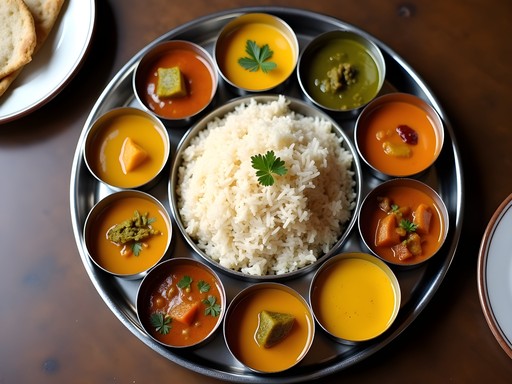
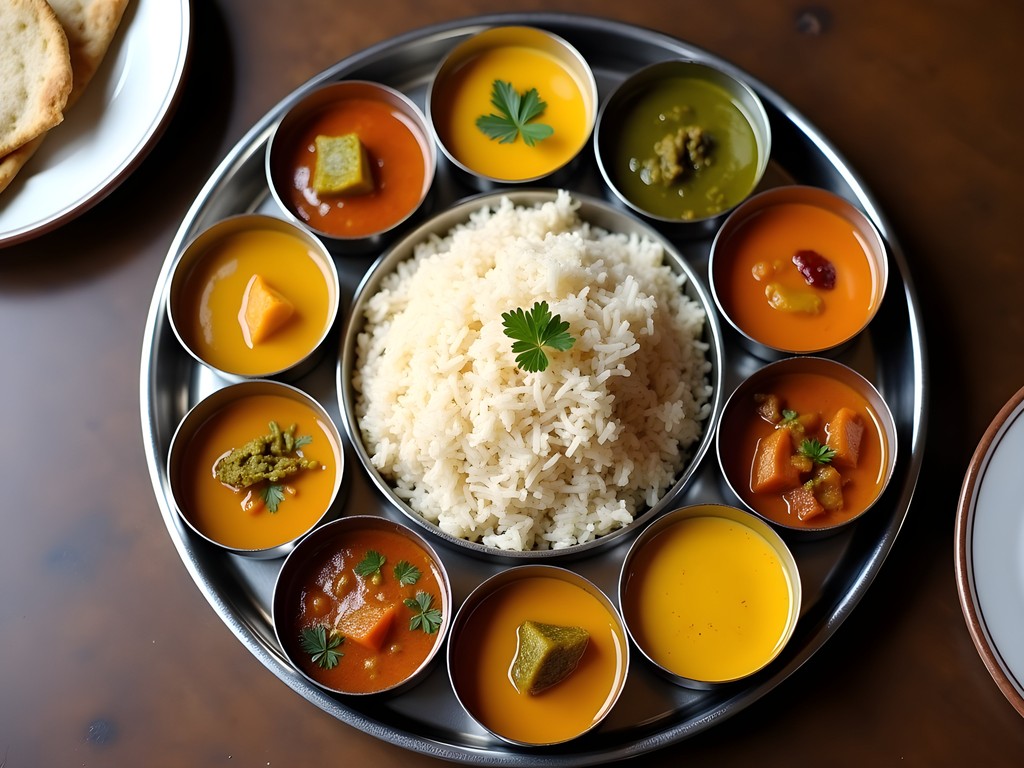
At Chowpatty and Jhupdi, you'll find Mumbai-style street food. For Punjabi cuisine, Moghul Express offers excellent butter chicken and tandoori specialties. Gujarati thali meals—elaborate platters with multiple small dishes—can be found at Shree Rasoi, while South Indian specialties shine at Sapthagiri and Moksha.
I've found that taking a food tour on my first day in any culinary destination helps orient me to the regional variations and local specialties. In Edison specifically, the self-guided options work well if you bring along a good culinary guidebook to understand the historical context behind the dishes.
💡 Pro Tips
- Look for restaurants that specialize in a specific region rather than generic 'Indian food'
- Ask servers about regional specialties not listed on the main menu
- Try a thali platter for a comprehensive sampling of a particular regional style

Sweet Shops and Mithai Exploration
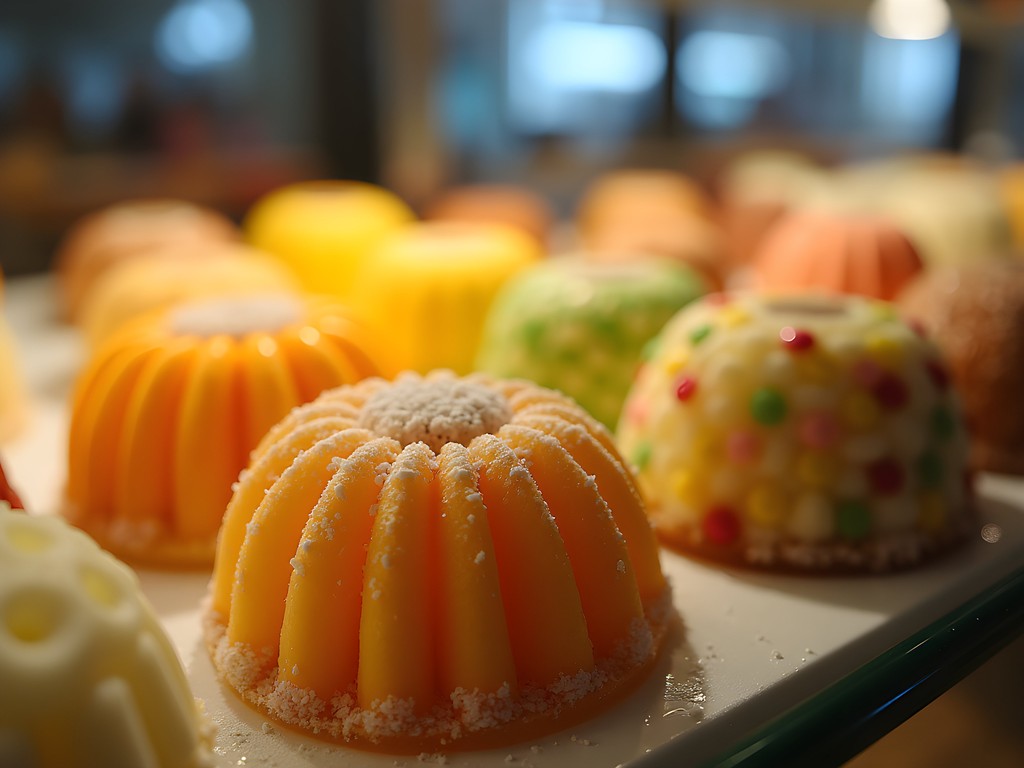
No exploration of Little India would be complete without diving into the fascinating world of Indian sweets, or mithai. As someone who has spent decades studying the precise chemical balances in marine ecosystems, I'm endlessly fascinated by the scientific precision behind these treats—where slight variations in cooking temperature, sugar concentration, or fat content create dramatically different textures and flavors.
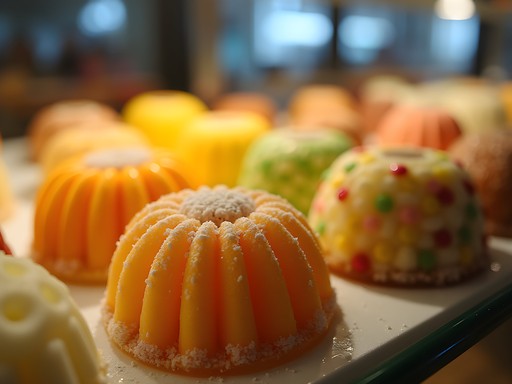
Mithaas and Sukhadia's stand out as premier destinations for sweet exploration. Begin with the basics: jalebi (spiral-shaped deep-fried batter soaked in saffron syrup), gulab jamun (milk-solid balls in rose-scented syrup), and barfi (dense milk-based confections often flavored with pistachios or cardamom).
What I find particularly interesting is how many Indian sweets preserve without refrigeration through precise control of moisture content and sugar concentration—techniques developed centuries before modern food preservation. The science behind these traditional methods parallels some of the adaptations I've observed in marine organisms that must maintain internal balance despite changing external conditions.
For bringing sweets home, I always pack a small food container set to keep delicate items from getting crushed in transit. These treats make wonderful gifts and introduce friends to flavors they may never have experienced.
💡 Pro Tips
- Visit sweet shops in the morning when products are freshest
- Ask for small samplings of multiple items rather than full portions of just one or two
- Look for seasonal specialties that aren't available year-round
Market Exploration and Cooking Supplies
While restaurants offer immediate gratification, the true heart of Edison's Little India beats within its grocery stores and markets. As someone who has lived in Japan for years, I've developed a deep appreciation for how specialized food markets maintain cultural connections across generations and geographic distances.
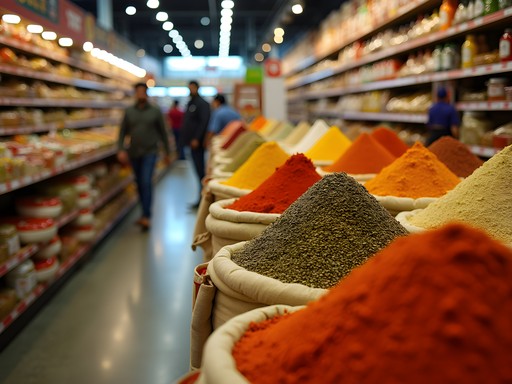
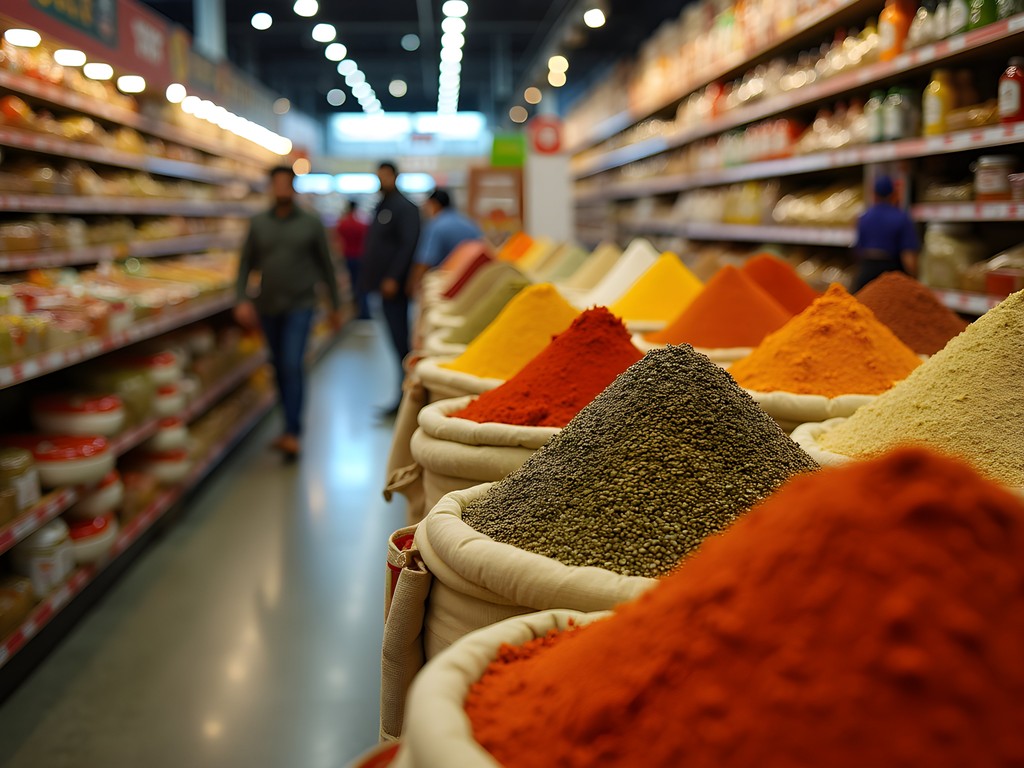
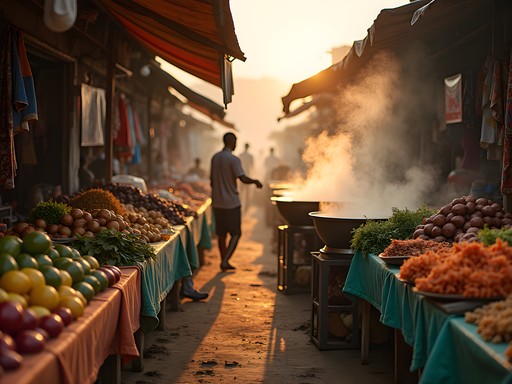
Patel Brothers and Subzi Mandi are my go-to destinations for comprehensive shopping. Walking their aisles is like conducting a biodiversity survey—each section reveals new ingredients, regional variations, and specialized tools. The produce sections feature vegetables rarely seen in conventional American supermarkets: bitter melon, fresh curry leaves, multiple varieties of eggplant, and fresh turmeric root.
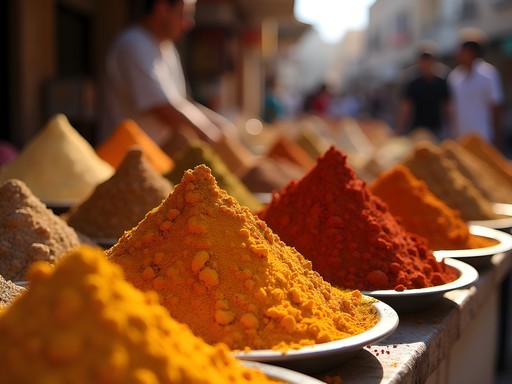
The spice sections deserve particular attention. Unlike the small, overpriced bottles found in mainstream groceries, here you'll find spices sold in bulk at reasonable prices. The freshness and variety make an enormous difference in cooking results.
I always bring my reusable produce bags for shopping and keep a spice kit at home to organize my purchases. If you're serious about exploring Indian cooking, investing in a proper pressure cooker will dramatically reduce cooking times for beans and lentils while enhancing flavor development.
💡 Pro Tips
- Shop at markets after eating, not before, to avoid impulse purchases
- Look for employees who can explain unfamiliar ingredients and suggest preparation methods
- Check expiration dates on packaged goods, especially on less frequently purchased items
Final Thoughts
Edison's Little India represents something I've observed repeatedly in my scientific career—the remarkable resilience and adaptability of cultures when transplanted to new environments. Just as marine species establish thriving communities in suitable habitats, this culinary enclave has flourished by maintaining authentic traditions while evolving to meet local conditions and preferences.
What makes this area particularly special is its accessibility. Unlike some international destinations that require significant planning and resources, this vibrant cultural experience is just a train ride away for many East Coast residents. The concentration of regional diversity within a walkable area makes it an ideal weekend expedition for culinary explorers of all experience levels.
As you plan your own culinary journey through Edison, remember that the most rewarding discoveries often come through conversation. Shop owners, chefs, and fellow diners are generally delighted to share their knowledge when approached with genuine curiosity. This exchange of information—this cross-pollination of cultural understanding—is ultimately what sustainable travel is about: creating connections that enrich both visitor and community.
✨ Key Takeaways
- Edison's Little India offers authentic regional Indian cuisine without leaving the United States
- The area is easily navigable as a weekend trip with diverse options for all budgets
- Understanding regional distinctions enhances appreciation of the culinary diversity
- Markets provide opportunities to bring the experience home through cooking
📋 Practical Information
Best Time to Visit
year-round, weekends for maximum activity
Budget Estimate
$50-100 per person for a full day of exploration
Recommended Duration
1-2 days
Difficulty Level
Beginner


Comments
skyace
Love this post! The jewelry shops are amazing too btw
exploreone2443
planning my first trip there - is it easy to get around without a car?
Haley Hamilton
You can take NJ Transit from NYC to Edison station, but honestly you'll want a car or rideshare to get around Oak Tree Road itself. The restaurants are spread out over a couple miles.
Haley Hamilton
Natalie, this brought back so many memories! I spent three days in Edison last spring doing research for a piece on American ethnic enclaves, and I was absolutely blown away. What struck me most was how the aunties at the sweet shops would take time to explain the different types of mithai to me - the generosity and pride in their culture was palpable. I filled an entire notebook just wandering Oak Tree Road. Your point about regional diversity is spot on - I had Gujarati thali one day and Hyderabadi biryani the next, and they were completely different experiences. Also pro tip for anyone visiting: go on a weekend afternoon when families are out shopping. The energy is electric!
skyace
the weekend vibe is SO good! feels like you're actually in India
wildzone3909
YES!! Oak Tree Road is absolutely incredible. Been going there for years and still discovering new spots. The dosa places are insane!
exploreone2443
which dosa place do you recommend? never had it before
wildzone3909
Dosa Palace is solid for first timers! Get the masala dosa and you can't go wrong
hikingphotographer
This post inspired me to visit Edison last weekend! The mithai shops were incredible - I brought back boxes of barfi and jalebi from Sukhadia's for my coworkers and they disappeared in minutes. Your street food sampling strategy was perfect. Started with samosas, moved to pani puri, then finished with some amazing dosas. Can't believe I lived on the East Coast for so long without discovering this gem!
Casey Andersson
What a delightful culinary portrait of Edison! I had a similar revelation when I stumbled upon Little India last year during an unexpected detour on my East Coast luxury tour. I remember standing outside Chowpatty, hesitant to enter what looked like a humble establishment, only to experience the most transcendent pav bhaji of my life inside. The sweet shops were particularly memorable - watching the artisans at Sukhadia's craft their mithai with such precision was mesmerizing. I ended up bringing boxes of barfi and kaju katli back to my hotel in Manhattan, where even the concierge (who'd dined worldwide) was impressed. Natalie, your strategy of exploring regional diversity is spot-on. For those visiting, I'd suggest setting aside at least two days to properly appreciate the breadth of cuisines. Edison taught me that sometimes the most extraordinary culinary experiences happen in the most unassuming places.
Natalie Mason
Casey, you're absolutely right about needing multiple days! I had to make three visits to feel like I'd barely scratched the surface. Sukhadia's was magical - did you try their fresh jalebi? Life-changing!
escapeace
Is it easy to get around Oak Tree Road without a car? Planning to take NJ Transit from NYC for a day trip.
Natalie Mason
Once you're there, Oak Tree Road is very walkable! Take NJ Transit to Metropark or Edison station, then grab a quick Uber to Oak Tree Road. Most restaurants are within a 1-mile stretch.
cityguy
As someone who grew up near Edison, it's so cool to see our local food scene getting attention! Pro tip for first-timers: don't just stick to one restaurant. The real way to experience Oak Tree Road is to do a progressive meal - get appetizers at one spot, main course at another, and dessert somewhere else. Personally, I always start with chaat at Dimple's, then head to Moghul for their butter chicken, and finish with kulfi at Kwality Ice Cream. The area gets super crowded on weekends, so try visiting on a weekday evening if possible.
winterlife
Is it easy to get to Edison from NYC without a car? Thinking of making a day trip!
cityguy
Not OP, but yes! Take NJ Transit from Penn Station to Metropark station, then a quick Uber to Oak Tree Road. Super easy day trip and totally worth it.
winterlife
Thanks! That sounds doable.
Douglas Bradley
Excellent breakdown of Edison's culinary landscape, Natalie. I visited Oak Tree Road last year while researching regional Indian cuisine variations in North America. What fascinated me was how each restaurant specialized in specific regional dishes rather than offering generic "Indian food" - much like you'd find in actual Indian cities. The Gujarati thali at Shree Swaminarayan was particularly authentic. One tip for visitors: many places are cash-only, and the area gets extremely busy on weekends. I'd recommend visiting on weekdays if possible, and bringing a good food guide to help navigate the regional specialties. Your street food sampling strategy section was spot on - that methodical approach is exactly how to tackle such a diverse food scene!
Natalie Mason
Thanks Douglas! You're absolutely right about the specialization - that's what makes it so authentic. And good call on the weekday visits. Did you make it to any of the sweet shops? The jalebi at Sukhadia's was life-changing for me.
Douglas Bradley
I did! Sukhadia's was excellent, but I also found a tiny place called Rajbhog Sweets that had the most incredible kaju katli I've ever tasted. Their chai was perfect too - not too sweet, which is how I prefer it.
Venture X
Premium card with 2X miles, $300 travel credit, Priority Pass