
Disclosure: This article contains affiliate links. We may earn a commission from purchases at no extra cost to you, which helps our travel content.
Standing at the intersection of two nations, El Paso offers a culinary playbook unlike anywhere else in America. As someone who's spent years analyzing efficiency in venues around the world, I've developed a methodical approach to food exploration that maximizes both flavor and experience. This border city doesn't just blend Tex-Mex and authentic Mexican cuisine—it elevates them through generations of family recipes and cultural exchange. During my recent consulting trip to the University of Texas at El Paso's athletic facilities, I carved out a weekend to map the city's most impressive culinary offerings. What I discovered was a food scene that operates with the precision of a well-coached team, where traditional techniques meet contemporary innovation. This guide breaks down my findings into a strategic food crawl that works for groups of any size, whether you're traveling with colleagues, family, or fellow food enthusiasts.

Pre-Game Strategy: Understanding El Paso's Culinary Landscape
Before diving into any food exploration, I always establish baseline metrics—much like assessing a new athletic facility. El Paso's culinary identity is built on three distinct foundations: traditional Mexican cuisine from just across the border in Ciudad Juárez, Tex-Mex innovations that have evolved over generations, and a growing contemporary food scene that honors both while introducing new techniques.
The city's food geography follows a logical pattern. Downtown and the El Segundo Barrio neighborhood house many of the historic establishments, while the westside offers more contemporary interpretations. The key to an efficient food crawl here isn't just hitting the highest-rated spots but understanding the progression of flavors that tells El Paso's complete culinary story.
I recommend starting your crawl around 11:00 AM (many authentic spots open for early lunch) and planning for 5-6 stops with 45-60 minutes per location. This timing allows you to experience both lunch and dinner offerings while maintaining a sustainable pace. For tracking your journey and sharing recommendations with your group, I've found the travel journal invaluable for noting flavor profiles and standout dishes.
Remember that El Paso operates on Mountain Time and embraces a relaxed dining culture. Rushing from spot to spot defeats the purpose of understanding the methodical, often slow-cooked nature of border cuisine. Plan your crawl as you would an athletic training schedule: with intention, recovery periods, and clear objectives.

💡 Pro Tips
- Reserve a rideshare service for the day to avoid parking challenges and enable responsible enjoyment of local beverages
- Bring cash as many family-owned establishments prefer it or offer cash discounts
- Learn basic Spanish food terminology to better understand menu nuances and show respect to establishments
First Quarter: Authentic Mexican Breakfast Foundations
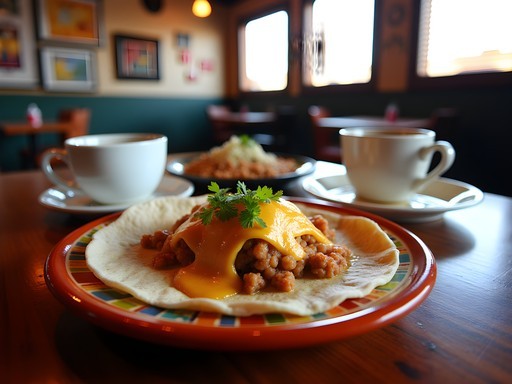
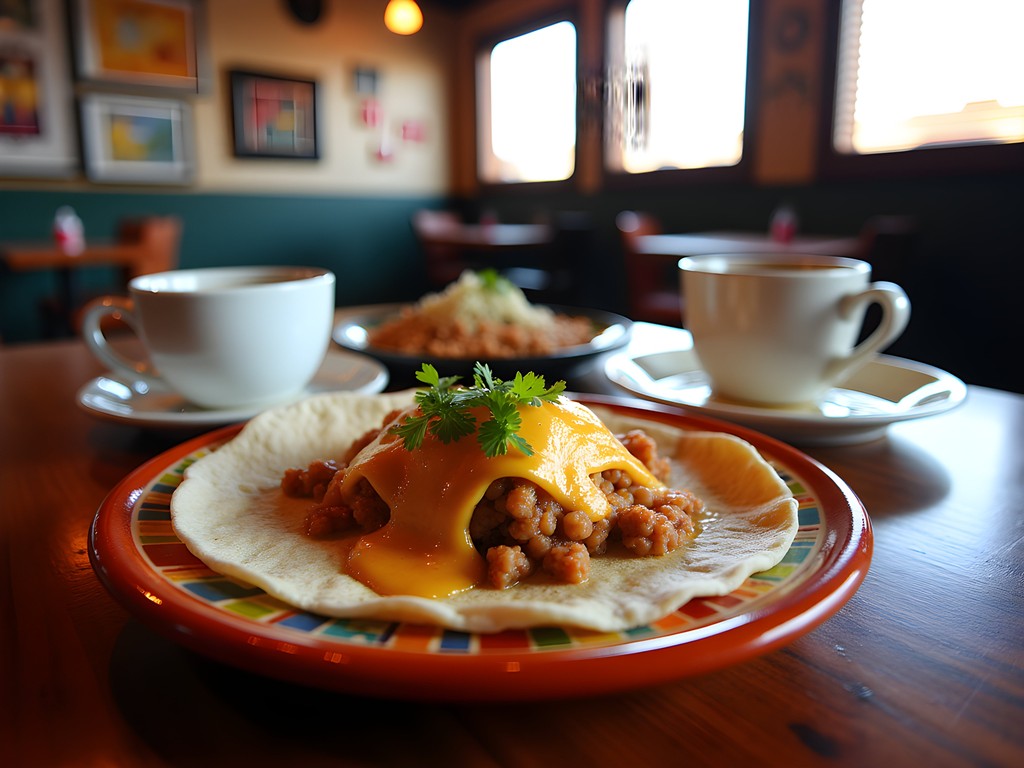
Any effective strategy requires a strong foundation, which is why I begin every El Paso food crawl with breakfast classics at family-owned establishments. My top recommendation is Lucy's Restaurant, where the machaca con huevo (dried beef with eggs) demonstrates the technical precision that defines proper Mexican breakfast preparation. The dish arrives with handmade flour tortillas that achieve that perfect balance between structure and tenderness—a culinary engineering feat that's harder than it looks.
For a more specialized experience, L & J Cafe (known locally as 'the old place by the cemetery') serves chilaquiles that showcase the importance of proper ingredient sequencing. Their salsa-to-tortilla ratio creates optimal texture without sacrificing structural integrity—a lesson in resource management that applies equally to kitchen operations and athletic facility design.
What makes these breakfast spots significant isn't just the food but their operational efficiency. Many have maintained the same cooking processes for decades, proving that sustainability isn't always about new technology—sometimes it's about perfecting systems that minimize waste and maximize flavor.
Before heading out, I recommend picking up a insulated water bottle to stay hydrated between stops. El Paso's dry climate and the spice levels you'll encounter make proper hydration essential for maintaining your culinary endurance throughout the day.
💡 Pro Tips
- Order flour tortillas at breakfast spots and corn tortillas at lunch/dinner venues for the most authentic experience
- Ask for salsa on the side to control heat levels and appreciate the complex flavors
- Look for restaurants where multi-generational families are dining together—it's a reliable quality indicator
Second Quarter: Street Tacos and Market Flavors
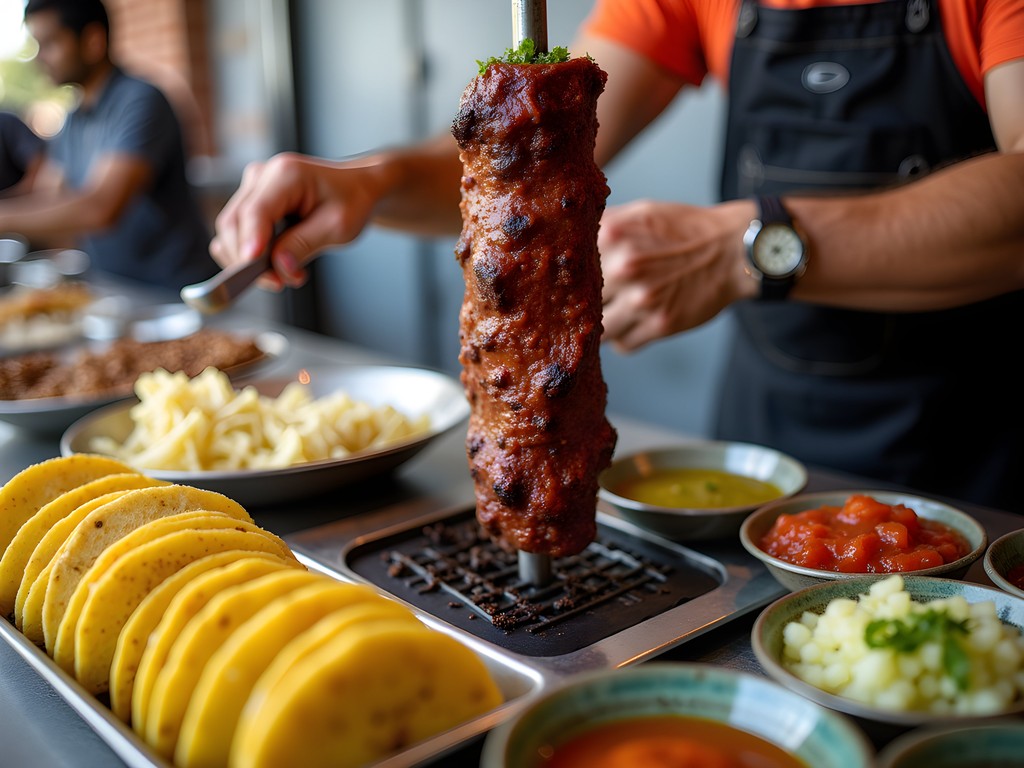
By mid-day, transition to street-style offerings that showcase the border's most accessible cuisine. Tacoholics, which evolved from food truck to brick-and-mortar success, represents the perfect case study in scalable food operations. Their flautas ahogadas (drowned flautas) demonstrate how simple ingredients, when properly assembled and sequenced, create complex flavor profiles that exceed the sum of their parts.
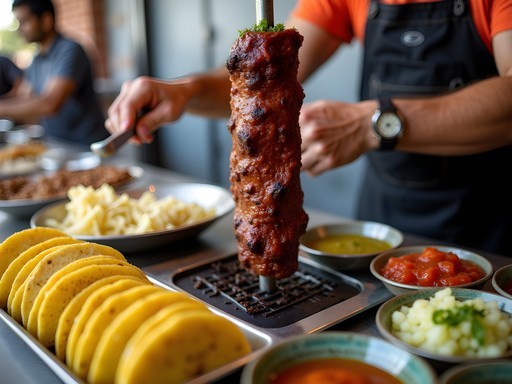
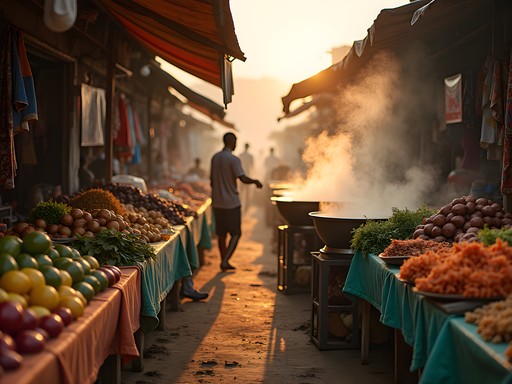
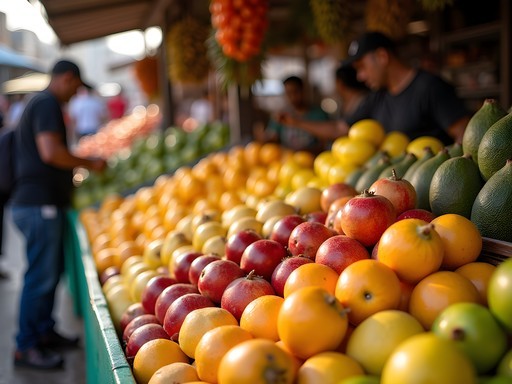
For a more immersive experience, head to El Paso's Lower Valley and visit Jalisco Market, where weekend food stalls operate with remarkable efficiency despite minimal infrastructure. Here I found tacos de tripas (tripe) that undergo a three-stage cooking process: boiling for sanitation, grilling for texture, and finally frying for flavor development. This methodical approach mirrors the systems-thinking we implement in athletic facility operations—each step serves a specific purpose in achieving the optimal end result.
What impressed me most about these street food operations was their minimal-waste approach. Ingredients serve multiple purposes across different menu items, and preparation techniques maximize flavor while minimizing energy usage. There's a lesson here for sustainable travel practices: efficiency and quality aren't mutually exclusive but rather complementary goals.
During this phase of your food crawl, I recommend documenting the various salsas you encounter. Each establishment maintains proprietary recipes that reflect family traditions and regional influences. My pocket notebook has become filled with notes on salsa composition and heat levels that I reference when developing flavor profiles for my own cooking.
💡 Pro Tips
- Judge a taco stand by its salsa selection—variety and freshness indicate attention to detail throughout the operation
- Look for places using two tortillas per taco, which is the traditional method that provides structural support
- The best street food vendors typically specialize in just 2-3 items rather than offering extensive menus

Third Quarter: Tex-Mex Innovation and Evolution
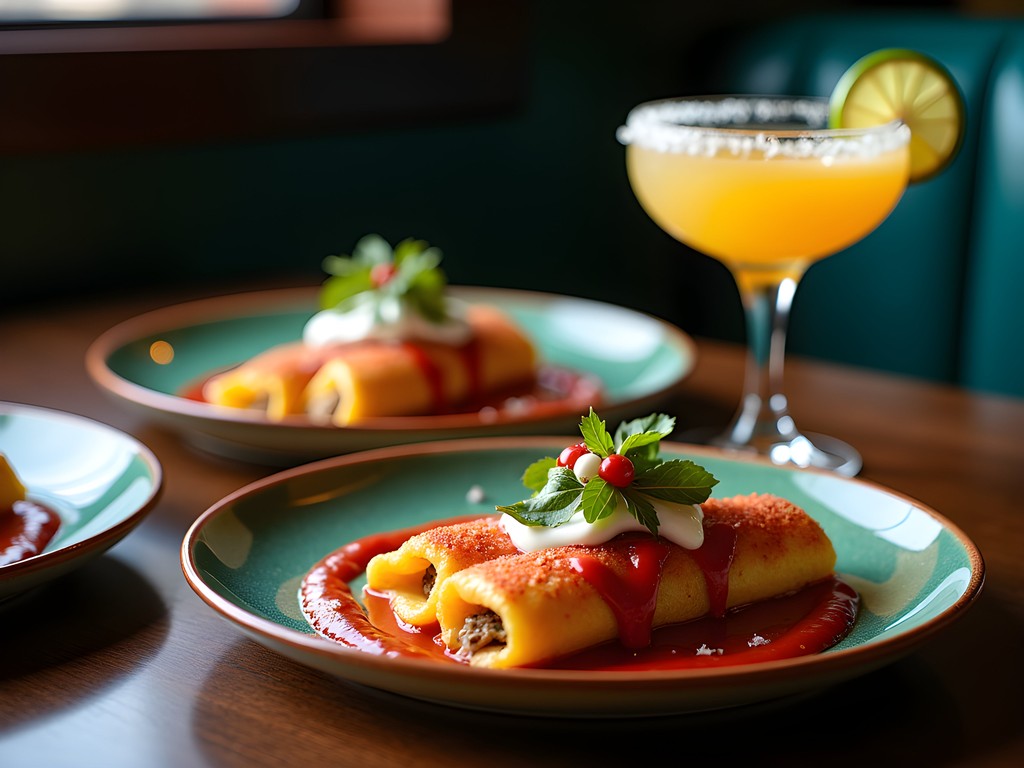
As afternoon transitions to evening, shift your focus to establishments that demonstrate how Tex-Mex cuisine has evolved through cultural exchange and innovation. Kiki's Restaurant, a local institution since 1976, offers a masterclass in operational longevity. Their chile rellenos maintain consistent quality despite serving hundreds daily—a testament to systems that scale without sacrificing output quality.
What fascinates me about El Paso's Tex-Mex scene is how it parallels effective facility management principles: standardization where appropriate (like baseline ingredients) while allowing for innovation in execution. At Avila's Mexican Food, their signature chile con queso incorporates unexpected ingredients that represent generations of recipe refinement. The proprietor explained their methodical approach to menu development, testing variations for months before adding new items—a process that reminds me of how we implement new technologies in sports venues.
For groups with diverse preferences, I recommend Carlos & Mickey's, where the menu architecture accommodates various dietary needs without compromising authenticity. Their combination plates demonstrate efficient resource utilization—core ingredients appear across multiple dishes but with distinct preparation methods that transform the eating experience.
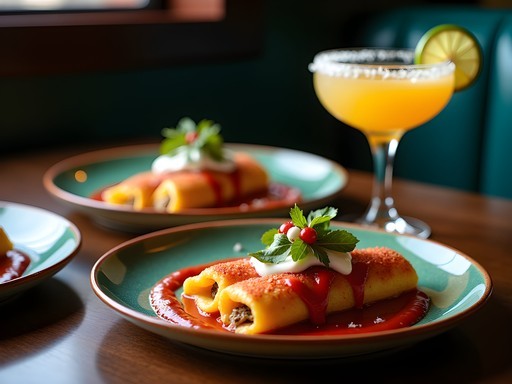
During this phase of your crawl, you'll likely encounter El Paso's distinctive approach to margaritas. To fully appreciate the nuances between establishments, consider using a tasting journal to track your preferences across different preparation styles. The variations in salt rim composition alone reveal much about each restaurant's attention to detail.
💡 Pro Tips
- Order chile rellenos at different establishments to compare regional variations in batter and filling techniques
- Request 'Christmas style' (red and green chile sauce) when available to experience both flavor profiles
- Look for restaurants using Hatch green chiles, which are regional specialties harvested from August through September
Fourth Quarter: Contemporary Border Cuisine
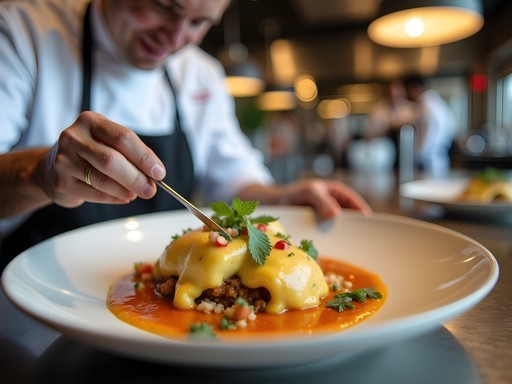
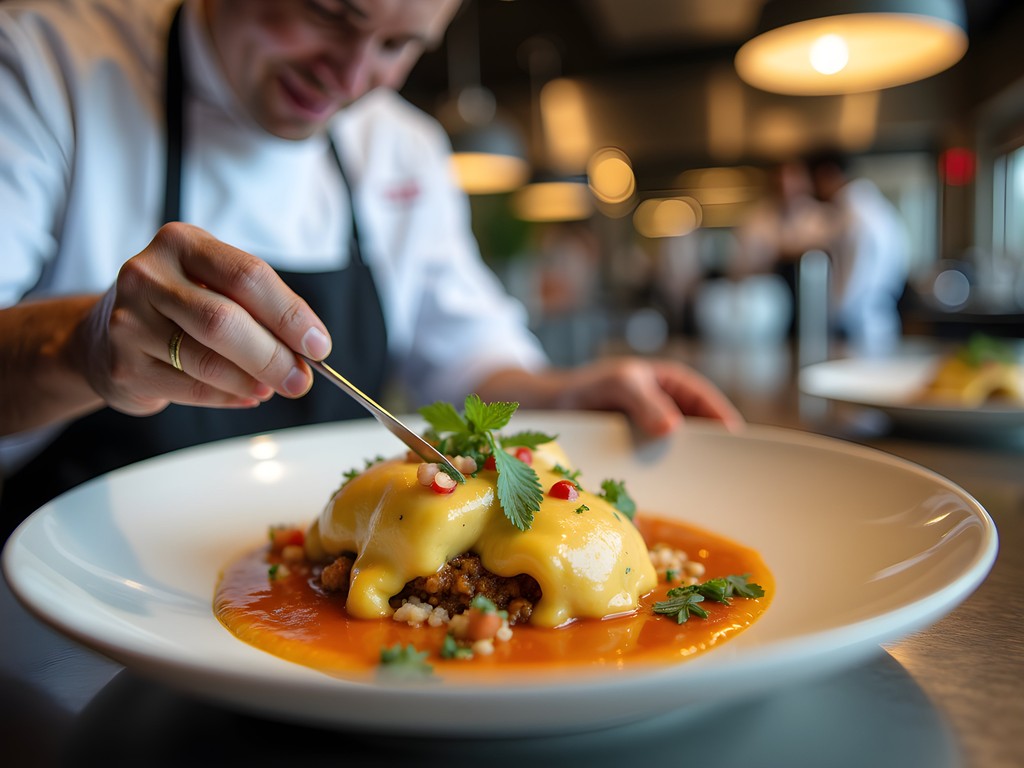
For the final phase of your El Paso food exploration, focus on establishments that represent the future of border cuisine. Café Central exemplifies how traditional flavors can be elevated through contemporary techniques without losing cultural authenticity. Their chile en nogada—a poblano pepper stuffed with picadillo and topped with walnut cream sauce and pomegranate seeds—demonstrates the same precision engineering we value in high-performance athletic facilities: multiple components working in harmony toward a unified experience.
Another standout is Tabla, where locally-sourced ingredients meet border cooking traditions in a sustainable business model. The chef explained how their kitchen layout was specifically designed to minimize energy usage while maximizing production efficiency—concepts I immediately recognized from my facility management background. Their aguachile preparation method shows remarkable attention to timing and temperature control, variables that affect both flavor development and food safety.
What makes these contemporary establishments particularly noteworthy is their commitment to sustainability without compromising the dining experience. Many have implemented water reclamation systems, energy-efficient kitchen equipment, and waste reduction programs that align perfectly with the environmental values I promote in sports venue management.
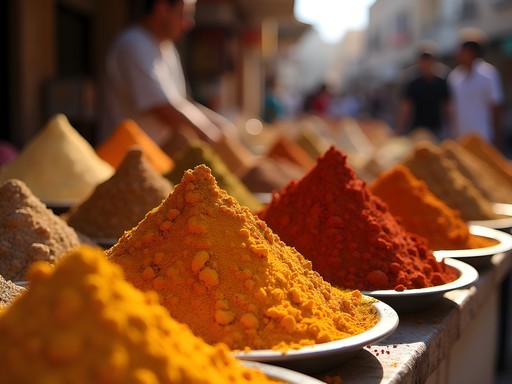
For groups wanting to take home authentic flavors, I recommend visiting Chico's Tacos for their unique take on rolled tacos in tomato sauce—a dish that has achieved cult status among locals. While there, pick up some local chile products from nearby markets. The spice organizer has been invaluable for cataloging the various dried chiles I've collected from regions across the Southwest, allowing me to recreate border flavors in my Venice kitchen.
💡 Pro Tips
- Reserve at least one meal at a contemporary border cuisine restaurant to understand how traditional techniques are evolving
- Ask about chef's specials featuring seasonal ingredients, which often showcase the most innovative preparations
- Look for restaurants mentioning 'local sourcing' or partnerships with area farms, which typically indicate fresher ingredients
Overtime: Desserts and Digestifs
No comprehensive food strategy is complete without considering the final experience—dessert. El Paso's sweet offerings reflect the same cross-cultural innovation seen in its savory cuisine. Proper planning ensures your group has sufficient appetite capacity for these final indulgences.
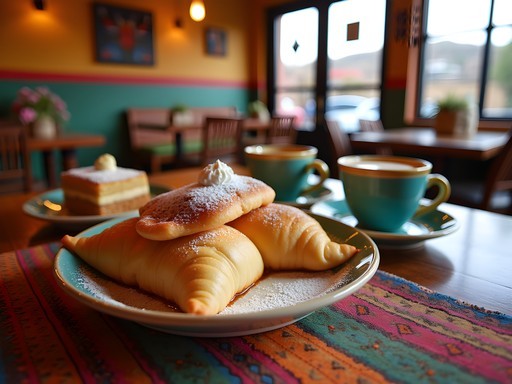
Good Coffee Company pairs traditional pan dulce (Mexican sweet bread) with locally-roasted coffee blends. Their bizcochos (anise cookies) demonstrate remarkable shelf stability through precise moisture control—another example of how traditional methods often contain inherent sustainability practices we can learn from.
For a more substantial dessert experience, Delicious Mexican Eatery serves sopaipillas that achieve the perfect structural integrity: crisp exterior giving way to a steamy, hollow interior ideal for honey absorption. The temperature differential between the hot pastry and cool honey creates a dynamic eating experience that engages multiple sensory systems simultaneously.
Many visitors overlook El Paso's emerging craft beverage scene, which provides excellent digestif options. Desert Oak Barbecue might seem an unusual recommendation in a Mexican food guide, but their smoked pecan old fashioned represents the perfect border-culture fusion and complements the rich flavors accumulated throughout your crawl.
As your group concludes the food journey, this is the ideal time to compare notes and identify favorite experiences. I've found that using a polaroid camera to document each stop creates tangible memories that capture not just the food but the context and companions that made each bite meaningful.

💡 Pro Tips
- Save room for at least one authentic Mexican dessert, as they're often less sweet than American versions and offer unique flavor profiles
- Try horchata or agua fresca as non-alcoholic alternatives that aid digestion after a day of rich foods
- Look for desserts featuring regional specialties like pecans from nearby orchards or local honey
Final Thoughts
El Paso's culinary landscape represents a masterclass in efficiency, sustainability, and cultural preservation that extends far beyond food. The border's cuisine demonstrates how seemingly opposing traditions can collaborate rather than compete—a principle I've long advocated in international sports management. As you plan your own food crawl, remember that the goal isn't just consumption but understanding: each dish tells a story of adaptation, innovation, and cultural exchange. The technical excellence I observed in even the most humble kitchens reminds us that expertise doesn't require fancy equipment—just generations of refined process and passionate execution. Whether you're visiting for a weekend or just passing through, allocating time to experience El Paso's food scene will fundamentally change how you understand border culture and American cuisine. Your group will leave not just satisfied but educated in the delicious complexity that defines this remarkable culinary frontier.
✨ Key Takeaways
- Plan your food crawl strategically with 5-6 stops across different neighborhoods to experience the full spectrum of El Paso cuisine
- Balance authentic Mexican establishments with innovative Tex-Mex and contemporary border cuisine for a comprehensive understanding
- Appreciate the sustainable practices inherent in traditional cooking methods that minimize waste and maximize flavor
- Document your experience through notes and photos to capture the nuances between different regional interpretations
📋 Practical Information
Best Time to Visit
year-round, though fall offers pleasant temperatures and Hatch chile season
Budget Estimate
$30-60 per person for a full day food crawl
Recommended Duration
full weekend (2 days)
Difficulty Level
Beginner


Comments
wandernomad2452
Going there next month! How walkable is this crawl or do you need a car?
Dylan Turner
You'll definitely want a car or rideshare. The spots are pretty spread out across the city.
Dylan Turner
Garrett, this is an exceptionally well-structured approach to El Paso's food scene. I was there last fall for a conference and only scratched the surface - wish I'd had this framework then. Your point about the efficiency of the street taco operations versus sit-down Tex-Mex is spot-on. I'm curious about your take on timing: did you find the breakfast spots worth hitting early (like 7am) or is mid-morning sufficient to avoid crowds while still getting fresh product? Also, any standout spots in the Segundo Barrio area specifically? That neighborhood felt like it had layers I didn't have time to explore.
wandernomad2452
Good question about timing! I'm planning a trip in March and trying to figure out the logistics too.
Amanda Morris
What a brilliant piece, Garrett! The cultural preservation angle really resonates with me. I spent three days in El Paso last autumn researching border narratives, and the food became the unexpected story. There's something profound about how recipes carry history across borders - I met a grandmother at one of the mercados who was teaching her granddaughter to make tortillas the same way her own grandmother had in Juárez. That intergenerational knowledge transfer you're describing isn't just about food efficiency; it's about cultural survival. The 'playbook' metaphor works perfectly here. Have you explored much of the Juárez side as well?
coolrider
Going there next month, can't wait!
happyclimber554
How's parking in El Paso? Is it easy to drive between all these food spots or should we use uber?
coolrider
Parking is super easy compared to most cities, you'll be fine driving
mountainwanderer
Love this! El Paso is so underrated.
Raymond Hassan
Garrett, your analysis of the border culinary dynamics is fascinating. I've covered similar border regions in Europe, but the Tex-Mex evolution you describe seems particularly unique. The way El Paso maintains authenticity while innovating reminds me of how certain Mediterranean coastal towns blend influences. Question: how would you compare the sustainability practices you observed here versus other American food scenes? The market section particularly caught my attention - are these family-run operations or more commercialized?
Garrett Armstrong
Raymond, great question. Most of the markets are multi-generational family operations, which contributes significantly to the sustainability aspect. The supply chains are incredibly short - many ingredients come from nearby farms in the Mesilla Valley. It's more efficient than what I've seen in most major US cities.
mountainbackpacker
This is awesome!! I went to El Paso last spring and totally fell in love with the food scene. We hit up this little breakfast place near downtown and had the best chilaquiles of my life. The way you describe the 'efficiency' of the culinary scene is spot on - everything just flows so naturally between the Mexican and Tex-Mex styles. Definitely going back this year to try more of the street taco spots you mentioned!
happyclimber554
Which breakfast place was it? Planning a trip in March!
mountainbackpacker
I think it was called L&J Cafe? Had the green sauce and it was incredible
vacationbackpacker
Those breakfast burritos in your First Quarter section are making me hungry! Saving this for my road trip next month!
Abigail Matthews
Excellent breakdown of El Paso's food scene, Garrett! As someone who frequently travels to the border region for work, I've found El Paso's culinary landscape fascinating because it truly represents the blending of cultures. One thing I'd add is the importance of timing - the Sunday markets mentioned in your Second Quarter section offer a completely different experience than visiting on weekdays. I always bring my food tour notebook to document the various salsas and regional cooking techniques. The flour tortillas in El Paso have a distinct chewiness you won't find elsewhere in Texas. For business travelers with limited time, I'd recommend focusing on the downtown area where you can experience both high-end border cuisine and authentic street food within walking distance.
Garrett Armstrong
Great point about Sunday markets, Abigail! They completely transform the experience. And you're spot on about those flour tortillas - it's that specific water content and technique that makes them unique to the region.
Venture X
Premium card with 2X miles, $300 travel credit, Priority Pass