

Disclosure: This article contains affiliate links. We may earn a commission from purchases at no extra cost to you, which helps our travel content.
When I told my Glasgow mates I was heading to Nebraska for a weekend food tour, they looked at me as if I'd announced plans to hunt for unicorns in my backyard. But that's precisely what makes exploring America's heartland so fascinating—the unexpected discoveries that challenge our preconceived notions about place and identity. Hastings, a modest city of 25,000 nestled in Nebraska's fertile plains, exemplifies how mid-sized Midwestern communities are quietly revolutionizing their food scenes while honoring agricultural traditions that stretch back generations.

Farm-to-Fork: The Renaissance of Rural Dining
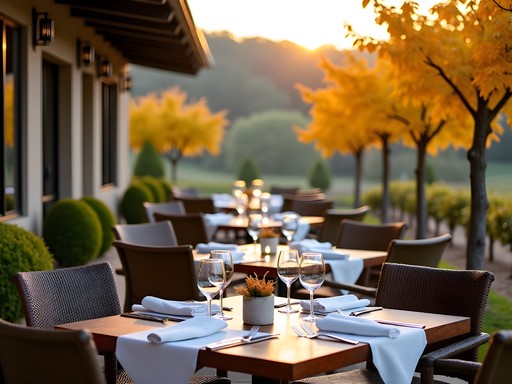
Hastings sits at the intersection of tradition and innovation—quite literally, as it's positioned where major highways cross amidst some of America's most productive farmland. This geographical advantage translates directly to your plate at places like Prairie Plate, where Chef Melissa Johnson transforms hyperlocal ingredients into sophisticated dishes that would feel at home in coastal cities.
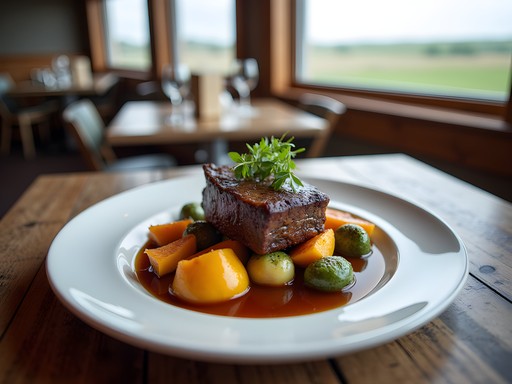
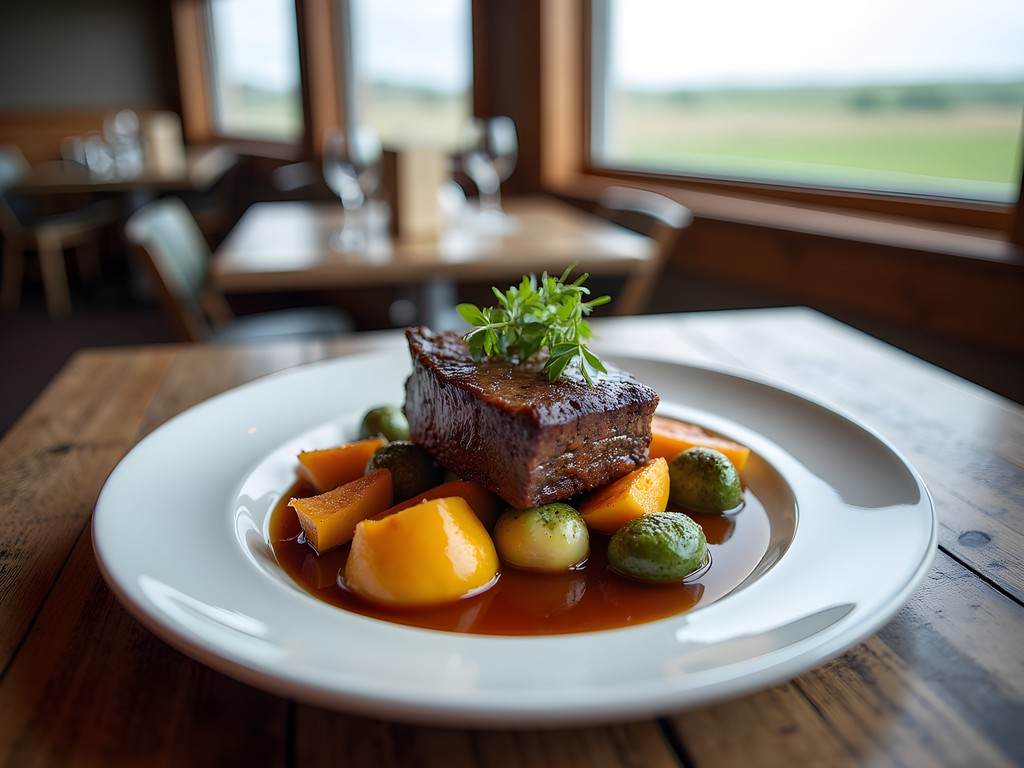
During my visit, I savored their signature Nebraska beef short ribs braised in local craft beer and served with roasted root vegetables harvested that morning. What struck me most wasn't just the quality but the story—Johnson can tell you the name of the family who raised the cattle and the exact field where your carrots grew.
As someone who's analyzed urban food systems across continents, I find Hastings' approach particularly compelling. Unlike metropolitan farm-to-table movements that often feel performative, Hastings' version emerges organically from necessity and proximity. The reusable produce bags I brought along remained empty—the restaurant's take-home market provides their own paper packaging with seeds embedded in the material. Plant it, and wildflowers grow. Brilliant circular thinking!
💡 Pro Tips
- Reserve Prairie Plate at least two weeks in advance—their 24-seat dining room books quickly, especially for weekend dinner service
- Ask for the 'field tour' menu option where each course comes with a story card about its origins
- Their Sunday brunch features a rotating 'preservation plate' showcasing traditional food preservation techniques
Brewing Heritage: Craft Beer and Nebraska's Grain Economy
If there's one thing I've learned from studying urban development patterns, it's that craft breweries often serve as catalysts for neighborhood revitalization. Hastings Brewing Collective, housed in a beautifully repurposed 1920s grain elevator, exemplifies this principle brilliantly.
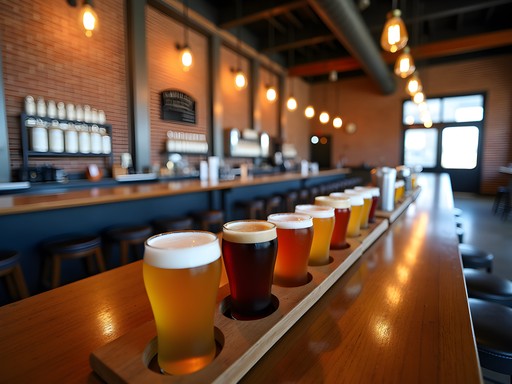
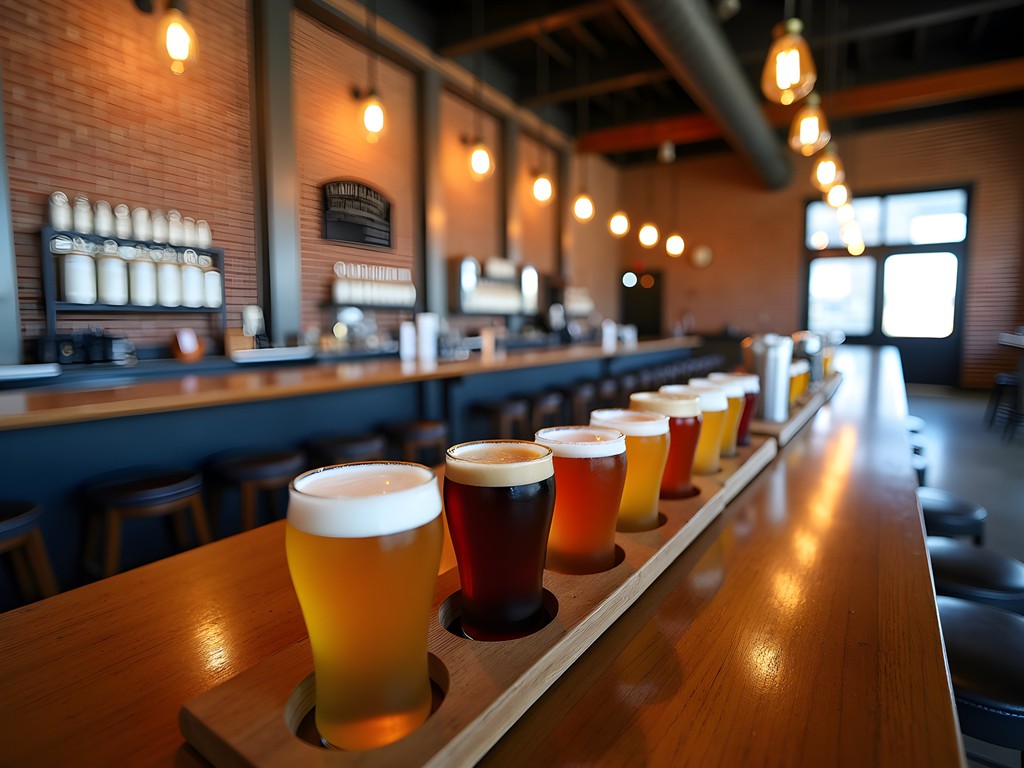
The brewery's industrial-chic tasting room maintains original elements—exposed brick, massive timber beams, even some vintage grain-sorting equipment—while introducing modern sustainable design features. I spent a fascinating afternoon chatting with head brewer Marcus Fielding, who left a corporate brewing career in Denver to return to his Nebraska roots.
'We're using barley and wheat grown within 30 miles of where we're sitting,' he explained while pouring me a flight of their core offerings. Their signature Heartland Hazy IPA uses an experimental hop variety developed at the University of Nebraska specifically for the region's climate conditions.
The brewery's commitment to sustainability extends to their brewing process. My insulated growler came in handy as I took home their limited-edition sour aged with local cherries—the perfect refreshment for my evening at the hotel.
💡 Pro Tips
- The brewery offers 'grain-to-glass' tours on Saturdays at 2pm that include a history of Nebraska's grain production
- Their beer flight boards are made from reclaimed wood from local barns and available for purchase
- The rooftop patio offers stunning sunset views over the surrounding farmland
Sweet Surprises: Hastings' Hidden Dessert Scene
Perhaps the most unexpected discovery during my culinary exploration was Hastings' thriving artisanal dessert scene. The catalyst appears to be the prestigious culinary program at Central Community College, which has produced a generation of pastry chefs who chose to establish roots locally rather than migrating to larger markets.
Sugar Whisk, a woman-owned patisserie tucked into a Victorian-era storefront on Second Street, offers French-inspired pastries with distinctly Nebraskan influences. Owner Eliza Wright studied in Paris before returning to her hometown, bringing technical mastery to heartland ingredients.
'People are surprised when I tell them Nebraska produces some of America's finest butter,' Wright told me as I savored her signature cornmeal lavender shortbread. 'The terroir of our dairy—what the cows eat, the mineral content of the soil—it all translates to the final product.'
I couldn't resist purchasing her cookbook, beautifully photographed and featuring seasonal recipes organized around Nebraska's agricultural calendar. For precise baking at home, I always travel with my digital kitchen scale, which proved perfect for recreating Wright's famous honey scones in my Albuquerque kitchen.

💡 Pro Tips
- Sugar Whisk sells out of their signature cornmeal lavender shortbread by noon most days—arrive early
- Their seasonal fruit galettes feature whatever's being harvested locally—check their Instagram for daily specials
- The shop offers monthly baking workshops focused on heritage grain baking techniques

Cultural Crossroads: Global Influences in Nebraska's Heartland
What fascinated me most about Hastings' food scene was discovering how immigration patterns have shaped the local palate. The city has welcomed several waves of newcomers over the decades—from Vietnamese refugees in the 1970s to more recent arrivals from Mexico, Central America, and East Africa.
These demographic shifts have created fascinating culinary fusion points. At Pho Delights, Vietnamese-American chef Tony Nguyen serves traditional pho alongside 'prairie bowls' that incorporate bison and local corn. Meanwhile, Maíz y Mezcal offers authentic Oaxacan cuisine using Nebraska-grown heritage corn varieties.
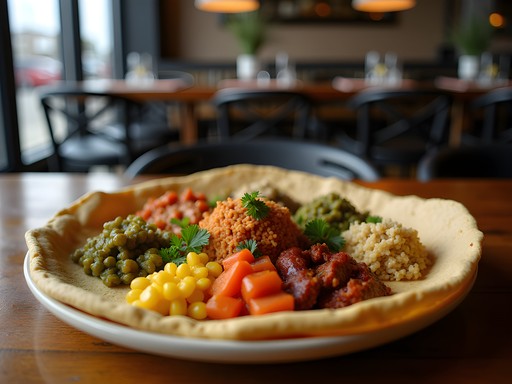
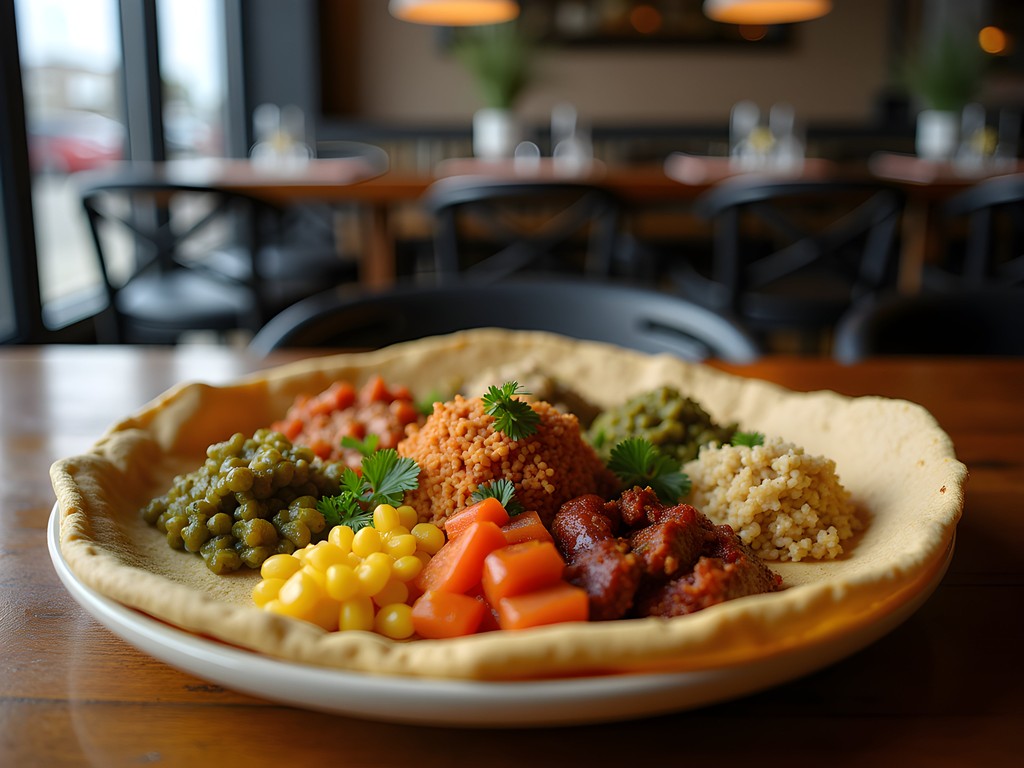
My favorite discovery was Injera House, an Ethiopian-Nebraskan fusion restaurant where traditional injera flatbread is made using locally-grown teff flour. Owner Makeda Tegene collaborates with a local farmer who began growing this ancient grain after Tegene struggled to source quality teff for her restaurant.
Dining at these establishments, I was reminded of how food serves as both cultural preservation and evolution. I documented these culinary stories in my travel notebook, which has become an invaluable repository of food traditions from my global explorations.
💡 Pro Tips
- Pho Delights offers a 'fusion flight' on Thursdays featuring three mini-bowls that showcase different cultural influences
- Maíz y Mezcal hosts monthly 'corn heritage' dinners exploring indigenous corn preparation techniques
- Injera House offers cooking classes every second Saturday where you'll learn to make the perfect injera
Sustainable Sips: Coffee Culture with Agricultural Roots
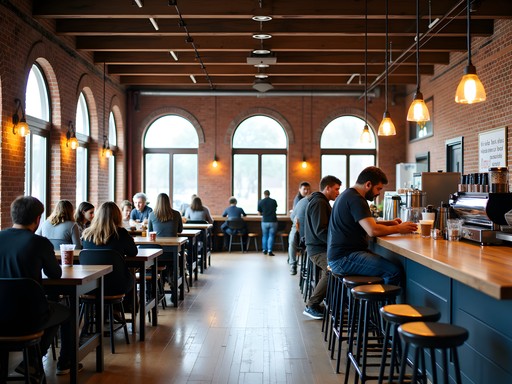
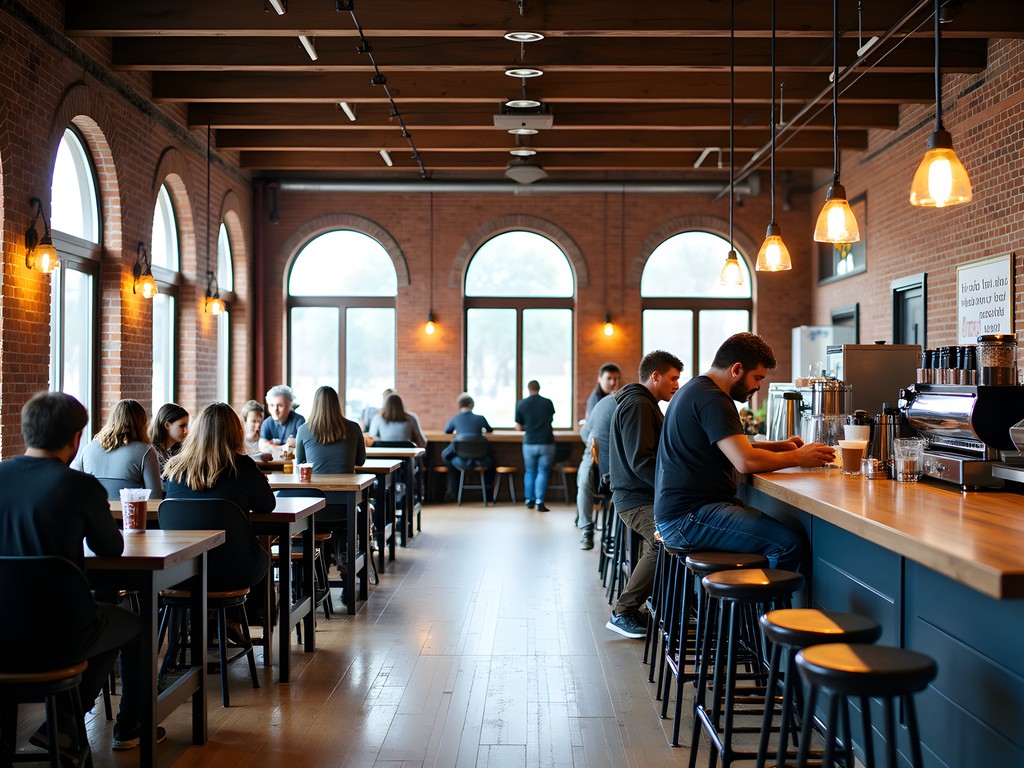
No food exploration would be complete without examining the local coffee culture, and Hastings offers a fascinating case study in how agricultural communities approach third-wave coffee trends. Railway Coffee Collective, housed in the former Burlington Northern train depot, has become the nerve center of Hastings' sustainable food movement.
Unlike urban coffee shops that often feel disconnected from their supply chains, Railway's approach is refreshingly transparent. They've pioneered direct-trade relationships with coffee farmers in regions with climates similar to Nebraska's, focusing on shared agricultural challenges and solutions.
'We're farmers talking to farmers, just growing different crops in different places,' explained co-owner Daria Chen, who previously worked in agricultural development. Their 'producer profile' wall features rotating stories and photos of the coffee growers they partner with, complete with QR codes linking to virtual farm tours.
Beyond excellent coffee, Railway serves as Hastings' de facto community hub. During my visit, I witnessed a farmers' market planning meeting, a coding workshop for rural youth, and an impromptu jam session by local musicians—all while enjoying their signature nitro cold brew infused with local honey.
I've developed a ritual of collecting unique coffee preparation tools from my travels, and couldn't resist adding Railway's custom pour-over coffee dripper to my collection. Made by a local ceramicist using clay with a touch of Nebraska soil, it produces a remarkably clean cup while serving as a beautiful souvenir.
💡 Pro Tips
- Railway's 'producer series' features monthly coffee releases that highlight specific farm partnerships—ask for a tasting flight
- Their 'community table' has a no-devices policy to encourage conversation among strangers—some of my best local tips came from sitting there
- They offer 'crop comparison' workshops where you can learn about parallels between coffee farming and Nebraska agriculture
Final Thoughts
As my weekend in Hastings drew to a close, I found myself reconsidering what we mean by 'food destinations.' While the American heartland may not feature prominently in glossy culinary magazines, communities like Hastings demonstrate how agricultural heritage, immigrant influences, and sustainability innovations can create food scenes worthy of dedicated exploration.
What makes Hastings particularly compelling is the authenticity of its approach—this isn't a manufactured food scene designed to attract tourism, but rather a genuine expression of place, history, and community values. The chefs, brewers, and food entrepreneurs I met weren't trying to replicate coastal trends; they were creating something uniquely their own, rooted in the fertile soil beneath their feet.
As our world becomes increasingly homogenized, these distinct regional food identities become ever more precious. My advice to fellow culinary explorers: look beyond the obvious destinations. The most authentic food experiences often exist in places where gastronomy and daily life remain deeply intertwined—places like Hastings, Nebraska, where every meal tells a story of land and legacy.
✨ Key Takeaways
- Hastings offers an authentic farm-to-table experience where proximity to agriculture creates uniquely fresh dining
- The craft beverage scene showcases Nebraska's grain heritage through innovative brewing and distilling
- Cultural fusion restaurants demonstrate how immigration patterns have enriched the local food landscape
- Small-batch food artisans are reviving heritage techniques while incorporating sustainable innovations
- The community's approach to food tourism emphasizes education and connection rather than consumption
📋 Practical Information
Best Time to Visit
Late summer (August-September) when harvest season brings peak freshness and food festivals
Budget Estimate
$75-150 per day for meals and food experiences
Recommended Duration
2-3 days
Difficulty Level
Beginner


Comments
oceanninja
Love this! The heartland gets so overlooked. Thanks for sharing!!
oceanlife
right?? adding this to my list now
waveking2821
any specific restaurant names you can share?? the dessert scene sounds amazing
Jean Wells
Savannah, this resonates deeply with my own experiences discovering unexpected culinary scenes in smaller Japanese cities. The farm-to-table movement you describe mirrors what's happening in rural Hokkaido and Tohoku regions - places tourists typically overlook. I'm curious about the demographic shifts driving this renaissance in Hastings. Are younger chefs returning to rural areas, or is this driven by established local restaurateurs evolving their offerings? The global influences section particularly intrigued me. Would love to know more about the immigrant communities shaping the food landscape there.
waveking2821
great question! I wonder this about a lot of small american towns
journeybackpacker
which brewery did you like best? planning a road trip through the midwest this summer
oceanninja
Not OP but I went through Nebraska last year and the craft beer scene is legit! Small towns have some gems
oceanlife
Never would've thought Nebraska! This is really cool
travellover
Just booked my trip to Nebraska after reading this! Never thought I'd say that sentence in my life 😂 But seriously, those craft breweries and farm dinners sound amazing. Any specific seasonal dishes I should look out for in December?
moonbackpacker
Not the author, but when I was there, the winter squash dishes were incredible! There's this place called Harvest Table that does an amazing butternut squash risotto in winter months.
travellover
Thanks for the tip! Adding it to my list right now!
Sarah Powell
As someone who grew up in the Midwest (though in Kentucky, not Nebraska), I really appreciate this spotlight on heartland cuisine. The narrative that good food only exists on the coasts is so tired and inaccurate. What I find most interesting about places like Hastings is how global influences merge with local agricultural traditions. That Vietnamese-Nebraska fusion restaurant you mentioned - Pho on the Prairie - represents exactly what makes American cuisine so dynamic. The owner's story of adapting family recipes to local ingredients shows such creativity. I'd love to know more about the international food scene there - did you notice many other global cuisines taking root?
Savannah Kelley
Sarah, you're spot on! Besides the Vietnamese fusion, there's a fantastic Mexican bakery run by a family who moved there 20 years ago and a surprisingly authentic Ethiopian place that sources teff flour from local farmers who started growing it specifically for them. The international food scene is small but mighty!
springbackpacker1615
Those pastries look amazing! 🤤
escapeone
I never would have thought to put Nebraska on my food destination list! Those desserts look incredible though. Might have to make a detour on my next cross-country drive. I've been using my road trip planner to find these kinds of hidden gems lately.
Frank Garcia
This is exactly why I love exploring America's smaller cities! The Midwest has such an underappreciated food culture that's deeply connected to agriculture. I spent a month zigzagging through Nebraska, Iowa and Kansas last year, and the farm-to-table movement there feels so much more authentic than in coastal cities. The craft beer scene in Hastings particularly impressed me - Steeple Brewing Co's grain-to-glass approach shows how deeply connected brewing is to Nebraska's agricultural roots. Did you get a chance to try any of the smaller microbreweries outside the downtown area?
Venture X
Premium card with 2X miles, $300 travel credit, Priority Pass