
Disclosure: This article contains affiliate links. We may earn a commission from purchases at no extra cost to you, which helps our travel content.
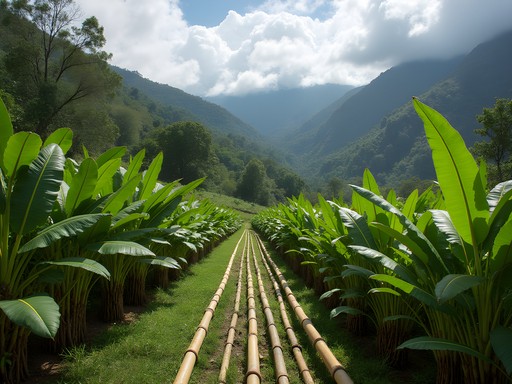
The first time I stepped foot in Ibagué, I wasn't prepared for how the mountain climate would transform familiar ingredients into something extraordinary. Nestled in Colombia's Tolima region at the foot of the Central Cordillera, this city exists in a perfect microcosm where altitude, rainfall patterns, and rich volcanic soil create a gastronomic paradise that few travelers discover. As someone who's spent years documenting how climate shapes food cultures, I found Ibagué to be a living laboratory where traditional recipes tell stories of adaptation and resilience.

Climate and Cuisine: Ibagué's Weather-Food Connection
Ibagué sits at that sweet spot of 1,285 meters above sea level, creating what locals call a tierra templada (temperate land) climate that hovers between 17-24°C year-round. This consistency, coupled with distinct wet and dry seasons, creates agricultural conditions unlike anywhere else I've visited in Colombia.
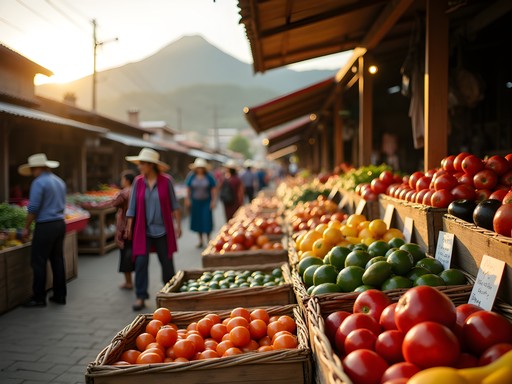
During my week in Ibagué, I learned to track the daily weather patterns that locals have built their food rhythms around. Mornings typically start clear before afternoon clouds gather over the mountains, often bringing brief showers that locals call 'the mountain's breath.' These regular moisture cycles, combined with rich volcanic soil, give local produce its distinctive intensity.
One afternoon, as rain clouds gathered, I joined a local farmer who explained how the region's weather patterns influence everything from coffee growing cycles to when certain fruits reach peak sweetness. To track these patterns myself, I relied on my weather station which helped me understand the microclimates around the city and how they affect what ends up on your plate.
💡 Pro Tips
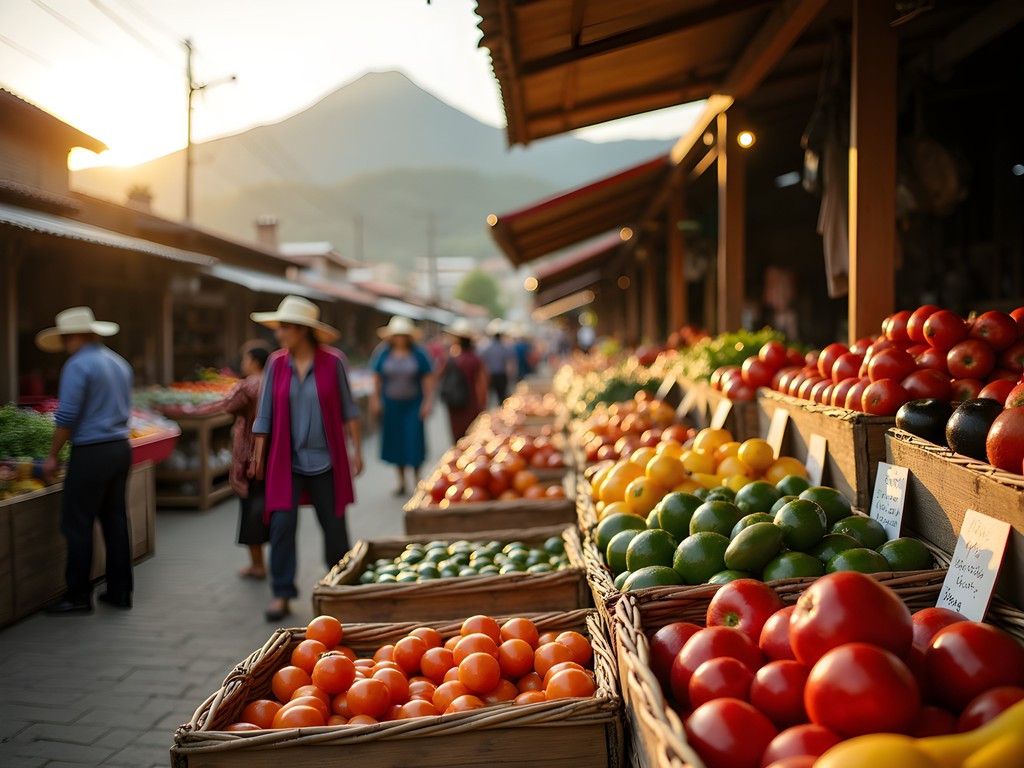
- Visit the Plaza de Bolívar farmers market early on Wednesday or Saturday mornings when produce is freshest
- The best coffee experiences happen between 9-11am when most cafés do their brewing demonstrations
- Ask locals about 'tiempo de cosecha' (harvest time) for whatever fruit you're interested in tasting
Achira: The Ancient Climate-Resilient Crop of Tolima
If there's one food that embodies Ibagué's culinary identity, it's achira. This root crop (Canna indica) has been cultivated in the region since pre-Columbian times, and its resilience to Tolima's variable rainfall patterns makes it a cornerstone of local food security.
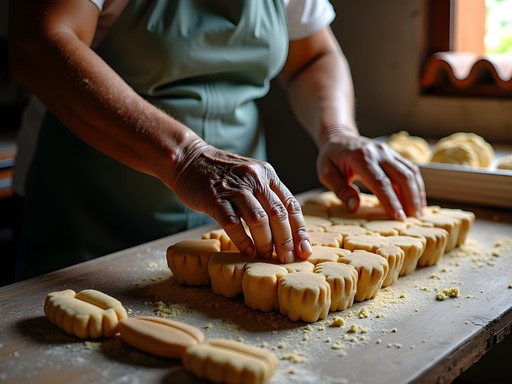
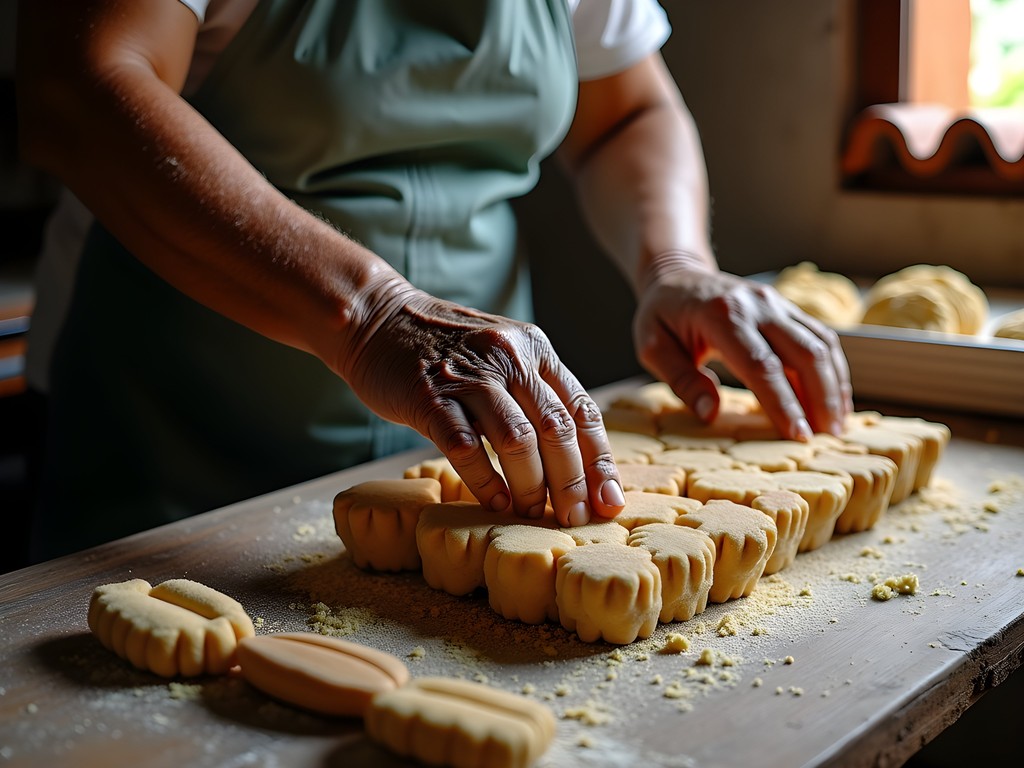
On my second day, I visited Doña Elena, a third-generation achira baker on the outskirts of town. In her small workshop, she showed me how the starch extracted from achira roots is transformed into the region's famous bizcochos de achira – delicate, crumbly biscuits with a distinctive flavor that's somewhere between corn and cassava.
"The mountain gives the achira its character," she told me as she shaped the dough into small rings. "When the rains come early, the roots develop differently. We must adjust our recipes."
What struck me most was how this ancient crop represents climate adaptation at its finest – thriving in conditions that would challenge other staples. I've documented similar climate-resilient crops from the Arctic to Patagonia, but achira's versatility is remarkable.
To bring home these flavors, I purchased a food dehydrator after returning to Seville, which has allowed me to experiment with drying local fruits in a way similar to what I observed in Tolima's preservation techniques.
💡 Pro Tips
- The best achira biscuits are found in small bakeries outside the city center – look for places with 'Bizcochos Tradicionales' signs
- Buy achira products in the morning when they're freshly made
- Pair achira biscuits with local coffee for an authentic Tolima experience
Tolima's Coffee Culture: Altitude, Weather, and Flavor
Coming from someone who's sampled coffee from Ethiopia to Nicaragua, I can confidently say that Tolima's coffee deserves far more recognition than it receives. The region's unique combination of altitude, diurnal temperature variation (warm days, cool nights), and seasonal rainfall creates beans with a distinctive profile that coffee aficionados would travel miles for – if they knew about it.
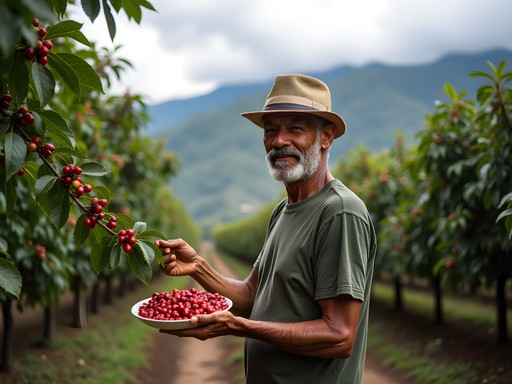
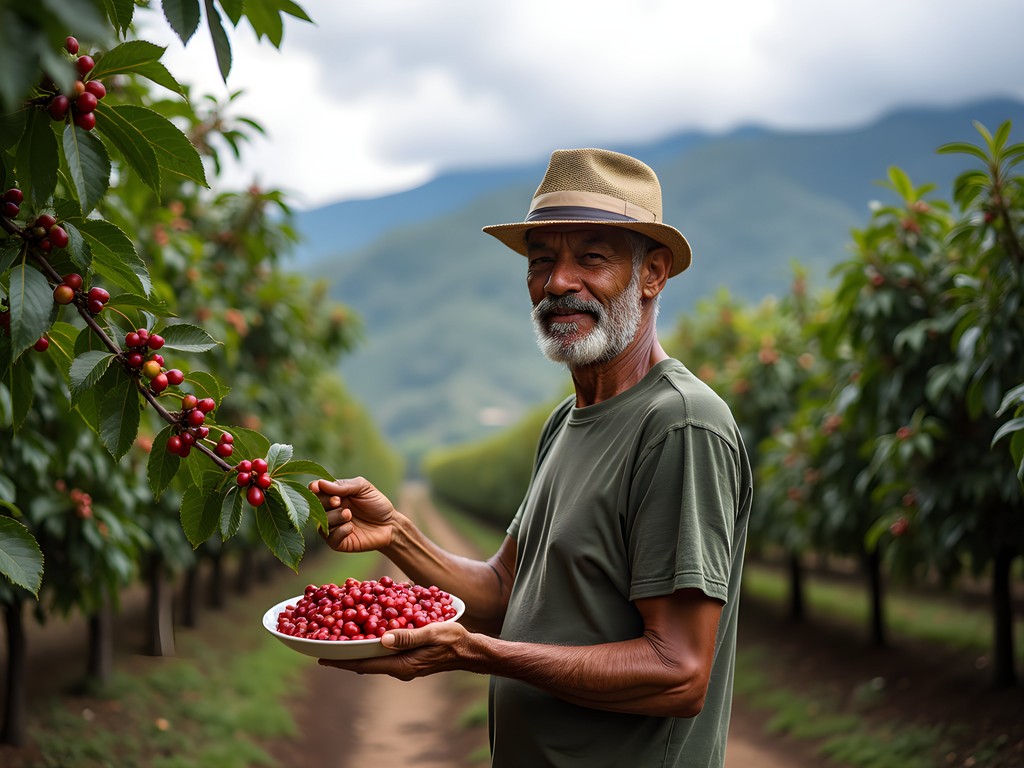
I spent a day at Finca El Paraíso, a small family-run coffee farm about 40 minutes outside Ibagué. Here, at 1,700 meters above sea level, the temperature swings between day and night can reach 15°C – exactly the stress conditions coffee cherries need to develop complex sugars and acids.
Juan Carlos, the third-generation owner, explained how climate change has forced them to adapt. "Twenty years ago, we could predict the rains perfectly. Now, we must be more flexible with our harvesting and processing."
What makes Tolima coffee special is its balanced acidity – bright but not overwhelming – with notes of red fruits and chocolate that I found consistently across different farms. The traditional processing methods, often using manual coffee grinder similar to what I now use at home, preserve these delicate flavors in ways industrial processing cannot.
For serious coffee lovers, I recommend bringing home beans directly from producers, but ensure they're properly stored in an airtight coffee canister to maintain freshness during your travels.
💡 Pro Tips
- Look for coffee labeled 'Altura' which indicates high-altitude beans with more complex flavors
- Visit Café Aborigen near Plaza Bolívar for cupping sessions that explain Tolima's unique coffee terroir
- Coffee farms typically welcome visitors between 8am-2pm, but always call ahead to arrange a visit

Lechona Tolimense: The Feast That Tells Climate Stories
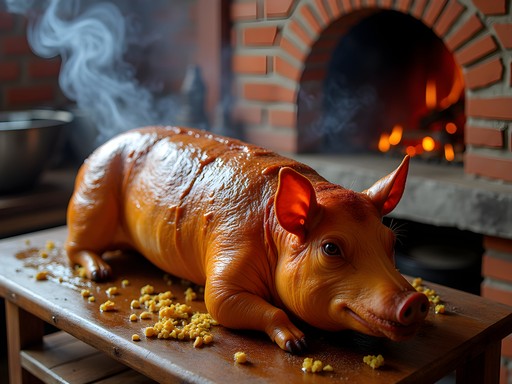
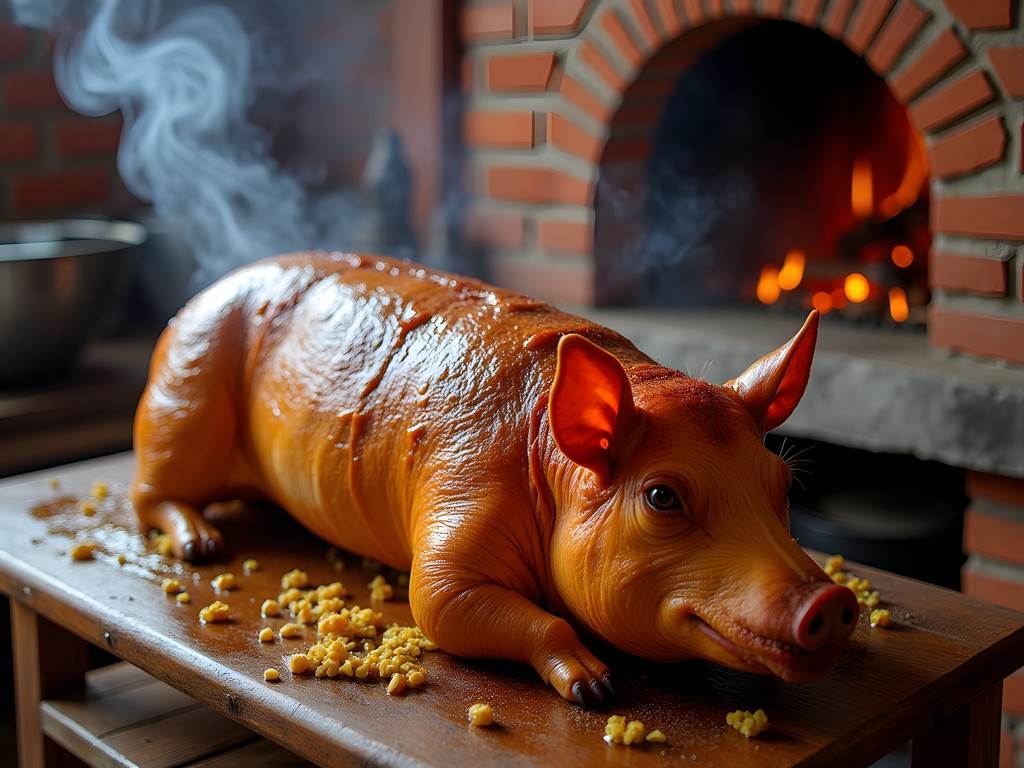
If there's one dish that embodies Tolima's culinary heritage, it's lechona – a whole pig stuffed with rice, peas, spices, and slow-roasted until the skin becomes crackling perfection. More than just a meal, it's a celebration of Tolima's agricultural abundance and a testament to how traditional cooking methods evolved in response to local climate conditions.
On my fourth day in Ibagué, I was invited to witness the preparation of lechona at Restaurante La Abuela, where the process begins at 4am. Chef Rodrigo explained how the cooking technique – slow roasting in brick ovens – developed as a response to the region's historical pattern of morning wood collection before afternoon rains.
"Our ancestors learned to start the cooking process early when wood was dry, using thermal mass to continue cooking through the wet afternoons," he explained while monitoring the temperature with a meat thermometer similar to the one I now use for my own cooking experiments.
What fascinated me most was how the stuffing ingredients tell a story of local microclimates: rice from the lower valleys, peas from higher elevations, and herbs that grow in the transition zones between. The dish represents a complete picture of Tolima's ecological diversity on a single plate.
The resulting flavors are extraordinary – smoky, rich, and complex with a textural contrast between crispy skin and tender filling that I've rarely encountered elsewhere in my travels.
💡 Pro Tips
- Authentic lechona is best found on weekends when locals gather for family meals
- Look for places where the skin is evenly crispy with a deep amber color – signs of proper slow-roasting
- Smaller portions called 'lechonitas' are available if you're not with a large group
Sustainable Food Practices: Learning from Tolima's Climate Adaptation
What impressed me most during my week in Ibagué wasn't just the flavors, but the sustainable food systems that have evolved here over centuries. In a world facing climate uncertainty, Tolima's traditional approaches offer valuable lessons.
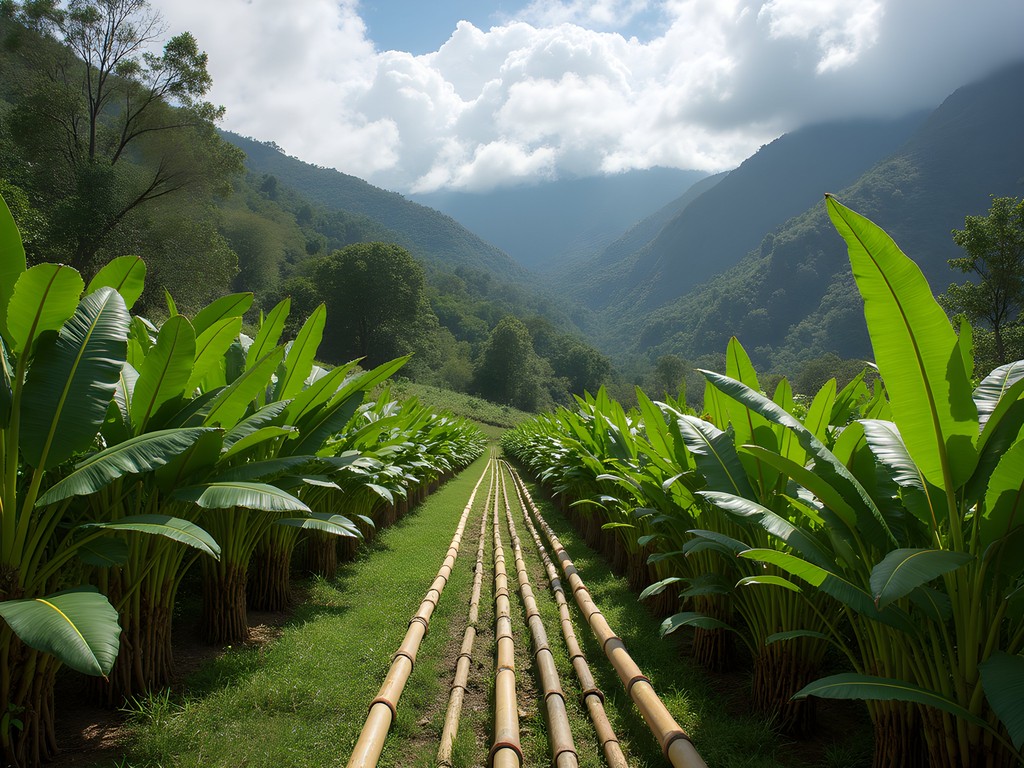
I spent my final day with the Cocora Sustainable Farming Collective, where farmers are combining ancestral knowledge with modern techniques to build climate resilience. Their intercropping systems – growing coffee alongside plantain, yuca, and fruit trees – create natural shade, prevent soil erosion during heavy rains, and provide multiple harvests throughout the year.
"We don't fight the weather patterns; we design around them," explained Mariana, the collective's coordinator. "This is how our grandparents farmed, and now science is proving they were right all along."
The collective has also revived traditional food preservation techniques adapted to Tolima's climate rhythms. I was particularly impressed by their solar dehydration systems for fruits and vegetables – simple technology that harnesses the region's abundant sunshine to extend food shelf life without energy inputs.
To document these practices, I relied on my field notebook which proved invaluable during unexpected afternoon showers. For anyone interested in sustainable food systems, Ibagué offers living examples of climate adaptation that deserve wider recognition.
💡 Pro Tips
- Visit the Jardín Botánico San Jorge to learn about native plant species and traditional uses
- The Universidad del Tolima often hosts public lectures on sustainable agriculture – check their calendar
- Look for restaurants displaying the 'Cocina Consciente' label, indicating commitment to local sustainable sourcing
Final Thoughts
As my bus wound its way down from Ibagué toward Bogotá on my final day, I watched the landscape transform and thought about how profoundly this region's climate has shaped its food identity. In a week of exploration, I'd barely scratched the surface of Tolima's culinary depth, yet I left with a profound appreciation for how this place represents the beautiful dance between environment and gastronomy.
What makes Ibagué special isn't just the individual dishes – though they're remarkable – but the holistic food system that has evolved in harmony with local weather patterns and geography. In our rapidly changing climate, these traditional knowledge systems offer valuable lessons about resilience and adaptation.
For travelers seeking authentic culinary experiences beyond Colombia's more famous destinations, Ibagué rewards those willing to venture off the beaten path. Come with curiosity, an empty stomach, and respect for the generations of knowledge embedded in every bite. The flavors of Tolima aren't just delicious – they tell stories of climate, culture, and community that deserve to be savored and preserved.
✨ Key Takeaways
- Ibagué's unique climate creates distinctive flavor profiles in local ingredients that you won't find elsewhere in Colombia
- Traditional dishes like achira biscuits and lechona represent centuries of adaptation to local environmental conditions
- The region's sustainable farming practices offer valuable lessons in climate resilience and food security
- The best culinary experiences come from connecting with local producers and home cooks rather than tourist restaurants
- Tolima's coffee deserves recognition alongside Colombia's more famous growing regions
📋 Practical Information
Best Time to Visit
Year-round, though January-February and July-August have less rainfall
Budget Estimate
$30-50 USD per day including accommodation and meals
Recommended Duration
4-7 days
Difficulty Level
Easy

Comments
freeadventurer
Heading to Colombia next month and definitely want to try lechona! Is it something you can find daily or is it more of a weekend/special occasion dish? Also, any specific coffee farms near Ibagué you'd recommend visiting?
Lionel Lawson
You can find lechona daily in Ibagué, but the best places are busiest on weekends when families gather. Try 'Lechonería El Tolimense' on Carrera 5. For coffee farms, I highly recommend Finca La Alsacia about 30 minutes outside the city - they do fantastic tours that end with a tasting of their microlots.
citymood1185
Your description of lechona took me right back to my trip to Tolima last year! That crispy skin and the rice-meat filling is unbeatable. I remember sitting at a small family restaurant in Ibagué where the owner proudly explained how his grandmother taught him to prepare it. Did you try any variations of achira biscuits? The ones with cheese were my absolute favorite with coffee.
Lionel Lawson
Yes! The cheese-filled achira biscuits were incredible. There was this tiny bakery near Plaza Bolívar that made them fresh every morning. The contrast between the crisp exterior and soft cheese center was perfect with the local coffee.
citymood1185
I know exactly which bakery you're talking about! The one with the blue awning, right? Their bizcochos de achira were the highlight of my mornings there.
foodie_traveler
If you're visiting Ibagué, don't miss the bizcocho de achira from Panadería La Quinta. Been to Tolima three times and nothing compares to their recipe. They also make an amazing hot chocolate that pairs perfectly with the biscuits!
springgal
Your photos are gorgeous! Makes me want to book a flight immediately
Mason Ferrari
The achira section resonated with me. I've been tracking climate-resilient crops across South America, and achira (Canna edulis) deserves more attention. It thrives in Tolima's specific conditions - moderate rainfall, well-drained volcanic soil, temperatures between 18-24°C. The starch extraction process is fascinating too. What many visitors don't realize is that achira cultivation here dates back to pre-Columbian times, and the traditional processing methods have barely changed. If you're documenting food origins, Lionel, the Museo de Arte del Tolima has an excellent exhibit on indigenous food systems. The correlation between what grew naturally in this climate zone and what became regional cuisine staples is remarkably direct.
wanderlustfan8600
Adding this to my Colombia itinerary right now!! The lechona alone is worth the trip 🤤
wildmood
Is Ibagué safe for solo travelers? Planning my first Colombia trip and trying to figure out where to go.
Mason Ferrari
I've been through Ibagué solo twice. Standard precautions apply - don't flash valuables, use registered taxis, stay aware in crowded markets. It's considerably calmer than Bogotá. The food scene alone makes it worth visiting.
wildmood
Thanks! That's helpful
Adam Nichols
Lionel, excellent breakdown of the climate-cuisine connection. I spent three weeks in Tolima last year researching coffee production, and you're spot-on about the altitude's impact on flavor profiles. The temperature variations between day and night at that elevation create stress on the coffee cherries that concentrates sugars. What surprised me most was how the same microclimate factors affect everything from achira cultivation to how the lechona is traditionally prepared outdoors. The cool mountain air during overnight roasting creates a completely different texture than you'd get at sea level. Did you get a chance to visit any of the coffee fincas outside the city?
springgal
This is so interesting!! I had no idea climate affected food that much
wildbuddy3737
Where can you actually buy achira products? Are they in regular markets or do you need to go somewhere specific?
Mason Ferrari
You'll find achira biscuits in most local bakeries and the central market. Look for 'pandebonos de achira' - they're everywhere once you know what to ask for.
photowanderer
That lechona looks incredible!
Venture X
Premium card with 2X miles, $300 travel credit, Priority Pass