
Disclosure: This article contains affiliate links. We may earn a commission from purchases at no extra cost to you, which helps our travel content.
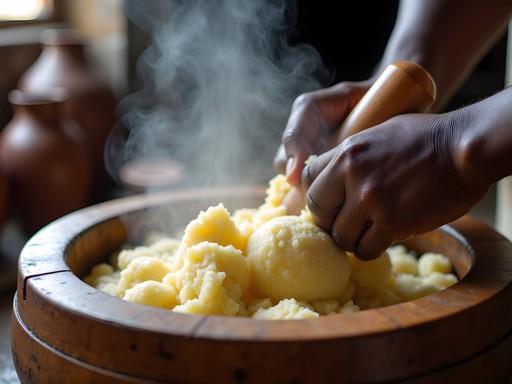
The first time I tasted proper fufu in Kumasi, I understood why Ghanaians call it the soul of their cuisine. I'd been invited into a home kitchen in the Adum neighborhood, where a grandmother named Abena pounded cassava and plantain with a rhythm that felt almost ceremonial. As someone who grew up with my Egyptian father's koshari and my Irish mother's boxty, I've always believed that a culture's true heart beats loudest in its kitchens. Kumasi delivers that authenticity in spades, offering solo travelers an intimate window into Ashanti culinary traditions that have remained largely unchanged for centuries.

Navigating Kejetia Market: Where Kumasi Eats
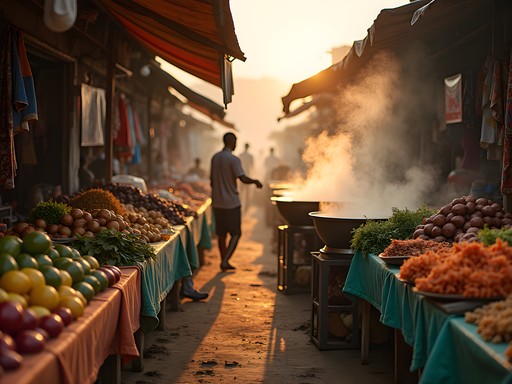
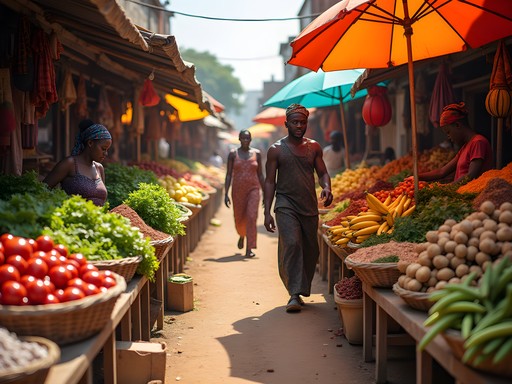
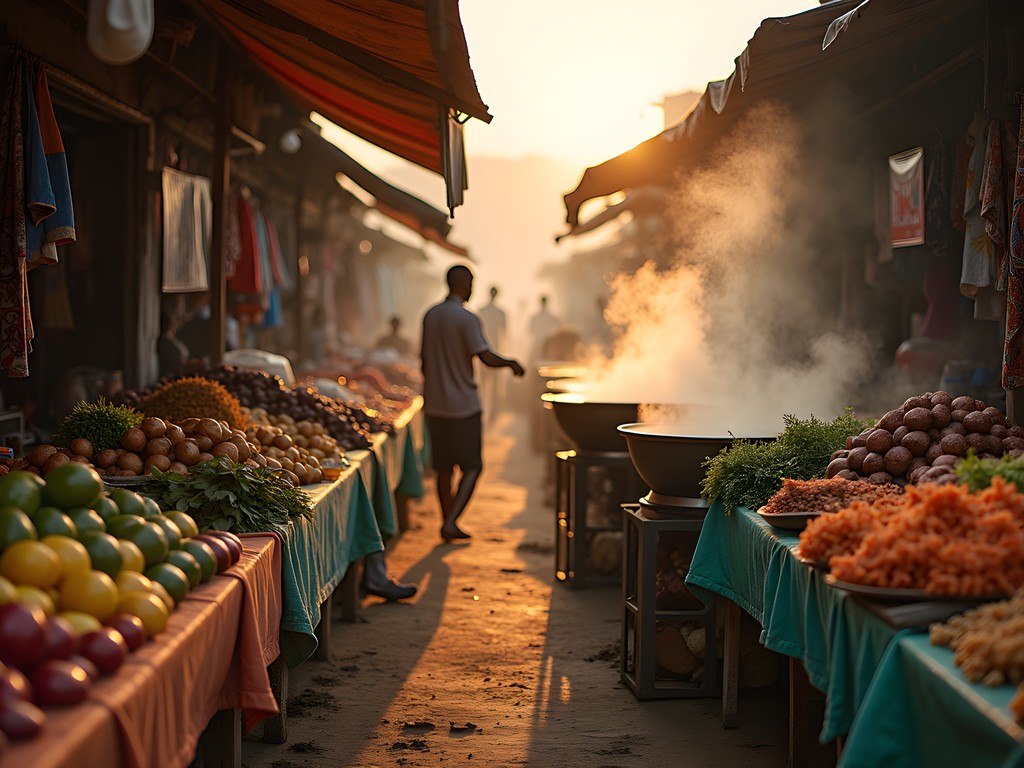
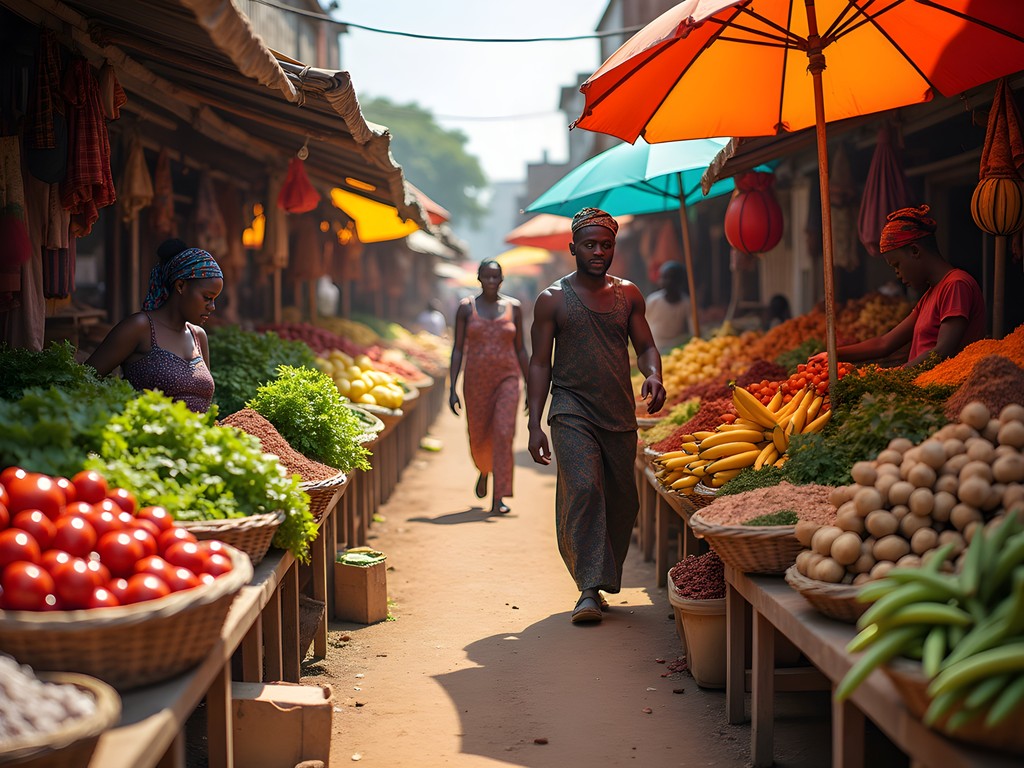
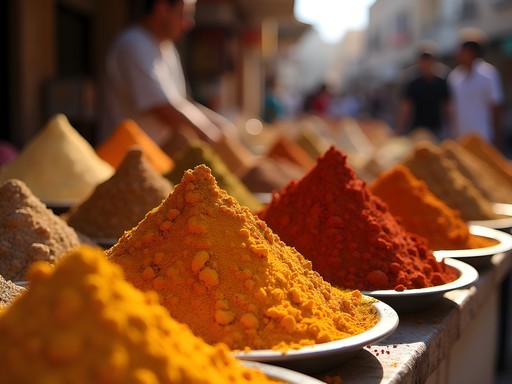
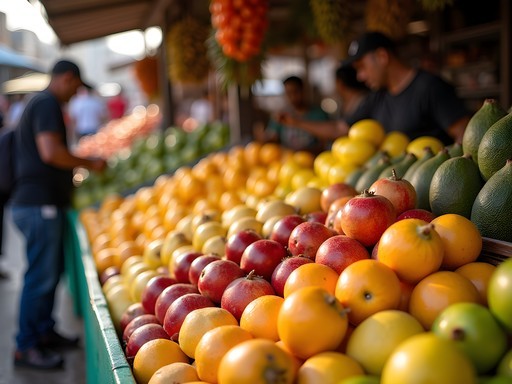
Kejetia Market isn't just West Africa's largest open-air market—it's a sprawling culinary university where every stall offers a different lesson. I arrived at dawn on my second day, armed with a portable water filter and an empty stomach, ready to taste my way through the labyrinth of vendors.
The market operates on its own logic. Food sections cluster by ingredient: the yam sellers occupy the eastern quadrant, while the fish mongers command the northern edge near the refrigerated storage. I recommend starting with the prepared food section around 7 AM, when women arrive with steaming pots of hausa koko (spicy millet porridge) and koose (black-eyed pea fritters). These breakfast vendors become your anchors—return to the same stall daily, and you'll quickly transition from customer to familiar face.
My breakthrough came when I invested in a insulated food container, which allowed me to sample multiple dishes and save portions for later analysis. The vendors appreciated my genuine interest, and several invited me behind their stalls to watch their preparation techniques.
💡 Pro Tips
- Arrive between 6-8 AM when the market is coolest and vendors are most willing to chat
- Bring small denominations of cedis—most vendors cannot break large bills
- Learn basic Twi phrases: 'me pɛ' (I want) and 'ɛyɛ dɛ' (it is delicious) open countless doors
- Follow the crowds to find the most popular stalls—Ghanaians know their food
Mastering Fufu: A Lesson in Patience
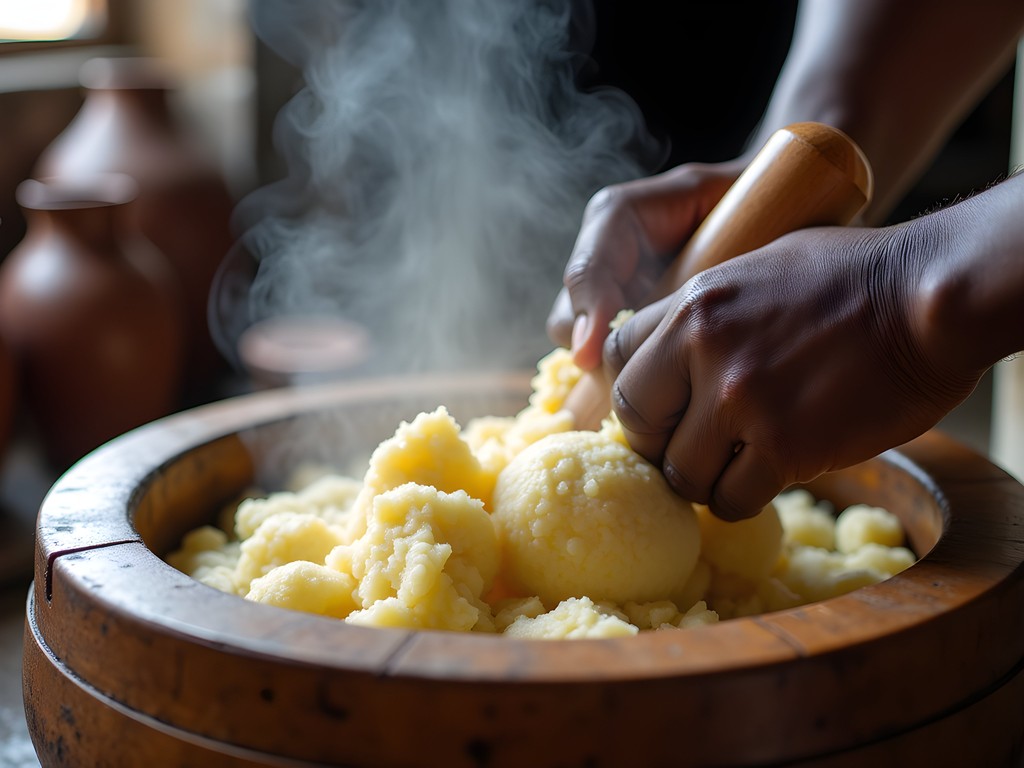
Fufu intimidated me initially. The pounding alone requires serious stamina—Abena worked for twenty minutes straight, alternating between pounding and folding the dough with wet hands. The technique matters: too much force creates lumps, too little leaves it grainy. The goal is a smooth, elastic consistency that can be formed into balls and dipped into soup.
I found my teacher at Afia's Kitchen, a modest eatery near the Manhyia Palace. Afia, a third-generation cook, runs afternoon fufu classes for 50 cedis (about $8 USD). She teaches three variations: cassava-plantain (the most common), yam-plantain (lighter), and pure cassava (for the ambitious). Each pairs differently with soups—the cassava-plantain works beautifully with light soup (nkrakra), while yam-plantain complements groundnut soup's richness.
The revelation came when Afia explained that fufu isn't meant to be chewed—you swallow the balls whole after coating them in soup. This technique, she said, allows the soup's flavors to dominate while the fufu provides substance. It transformed my entire understanding of the dish.
💡 Pro Tips
- Start with a smaller portion—fufu is incredibly filling
- Eat with your right hand only; use your fingers to pinch off pieces
- The soup matters more than the fufu itself—choose wisely
- Don't attempt to pound fufu in your accommodation—neighbors will complain about the noise
Street Food Safari: From Kelewele to Waakye
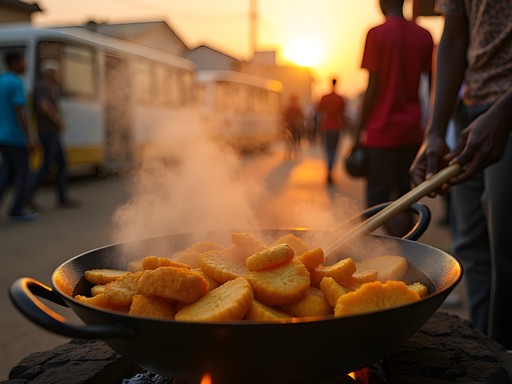
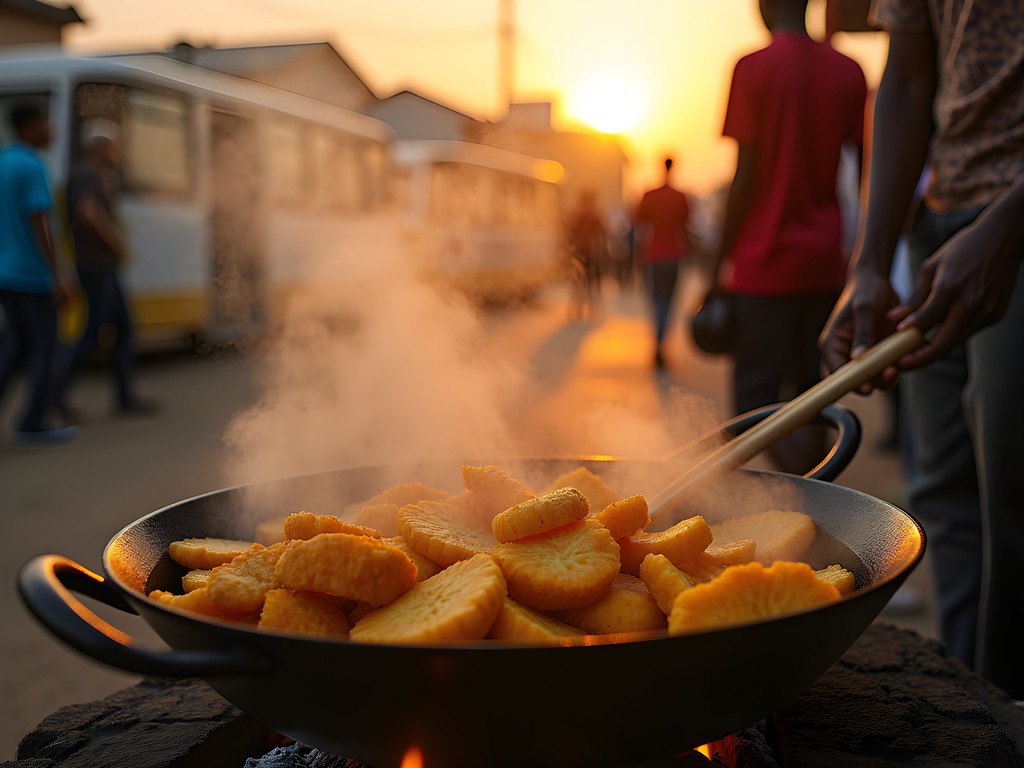
Kumasi's street food scene operates on a schedule as reliable as any restaurant. Kelewele (spiced fried plantains) vendors appear around 4 PM, setting up at major intersections throughout the city. My favorite spot was near the Kumasi Cultural Centre, where a woman named Comfort has been frying plantains for eighteen years. Her secret: a spice blend heavy on ginger and grains of paradise that creates an almost floral heat.
Waakye, the beloved rice and beans dish, dominates the lunch scene. I found the best version at Auntie Muni's stall in Asafo, where she serves it with a bewildering array of accompaniments: spaghetti, gari (cassava granules), boiled eggs, fried fish, wele (cow skin), and shito (pepper sauce). The proper approach is to create layers—waakye as the base, then proteins, then the condiments. A spice grinder became essential when I returned home and tried recreating her shito recipe.
For solo travelers, street food offers the perfect balance of affordability and authenticity. Most dishes cost between 5-15 cedis ($1-3 USD), and the informal setting makes conversation easy. I filled my portable notebook with recipes and cooking tips from vendors who appreciated my genuine curiosity.
💡 Pro Tips
- Observe which stalls have the longest queues—Ghanaians vote with their feet
- Bring hand sanitizer or wet wipes—most street food stalls lack washing facilities
- Start with milder dishes before progressing to heavily spiced options
- Evening is the best time for variety—multiple vendors often cluster at the same location

Home Kitchen Experiences: The Real Deal
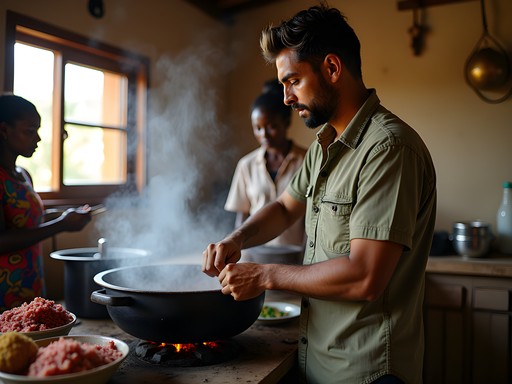
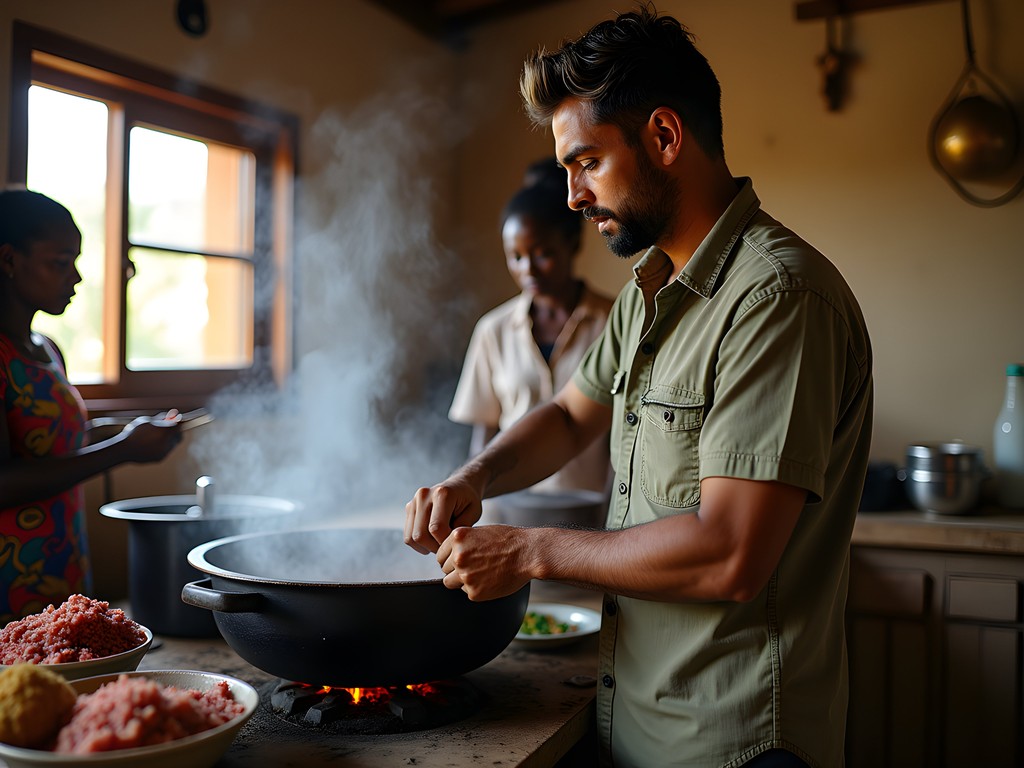
The most memorable meals happen in homes, not restaurants. Through a connection at my guesthouse, I arranged three home-cooked dinners during my week in Kumasi—each taught me more about Ashanti culture than any guidebook could.
At Yaa's home in Bantama, I learned that palm nut soup (abenkwan) requires hours of preparation. She started by boiling palm fruits, then pounding them to extract the rich, orange oil. The soup base included tomatoes, onions, and a fish blend she'd dried herself. We ate with konkonte (cassava dough), which she explained was the traditional accompaniment before fufu became popular.
Kwame's family in Ahodwo specialized in red-red, the beloved black-eyed pea stew. His mother revealed that the key lies in frying the beans before stewing them—a step most restaurant versions skip. The result is a deeper, almost nutty flavor that pairs perfectly with fried plantains.
These experiences typically cost 40-60 cedis ($8-12 USD) per person, including the meal and cooking demonstration. Several organizations facilitate these connections: Kumasi Food Tours and Ashanti Homestay Network both maintain vetted host families. I used a translation device during my first dinner, though I quickly learned that food speaks its own language.
💡 Pro Tips
- Bring a small gift for your hosts—imported tea or quality chocolate works well
- Ask permission before photographing food or family members
- Offer to help with preparation—hosts appreciate the gesture even if they decline
- Be prepared for generous portions—refusing seconds can be considered rude
Practical Wisdom for Solo Food Explorers
Kumasi's culinary scene rewards preparation and flexibility. I stayed in Adum, which placed me within walking distance of three major markets and dozens of street food vendors. The neighborhood's central location meant I could sample breakfast in one area, lunch in another, and dinner in a third without spending hours in transit.
Budgeting proved straightforward: I averaged 80-100 cedis ($15-20 USD) daily for all meals, including occasional splurges at nicer establishments like Vie Lounge. Street food meals ran 5-15 cedis, market dishes 10-20 cedis, and home dinners 40-60 cedis. A week of eating extremely well cost me around $140 USD total.
The biggest challenge was the heat and humidity, which peaks in October. I learned to schedule market visits for early morning and late afternoon, avoiding the brutal midday sun. A cooling towel became my constant companion, particularly during longer market explorations. I also invested in oral rehydration salts from a local pharmacy—the combination of heat, spicy food, and unfamiliar ingredients occasionally caught up with me.
For dietary restrictions, communication is key. Vegetarians will find options (red-red, jollof rice, kelewele), though explaining the concept takes patience. I met several solo travelers who successfully navigated allergies by learning to say 'I cannot eat [ingredient]' in Twi and carrying allergy cards printed in English and Twi.
💡 Pro Tips
- Download offline maps of Kumasi—GPS works poorly in dense market areas
- Keep small bills separate from large ones to avoid fumbling while vendors wait
- Trust your instincts about food safety—hot, freshly cooked items are safest
- Build relationships with 2-3 regular vendors who can guide you to other quality spots
Final Thoughts
Kumasi taught me that culinary exploration isn't about checking dishes off a list—it's about understanding the stories, techniques, and relationships that give food meaning. The week I spent pounding fufu, haggling in markets, and eating in home kitchens revealed layers of Ashanti culture that no museum could capture.
For solo travelers, Kumasi offers something increasingly rare: genuine authenticity without pretense. The food scene hasn't been sanitized for tourists because tourism remains secondary to local life. You eat where Ghanaians eat, at prices Ghanaians pay, surrounded by the rhythms of daily life. This accessibility makes it perfect for intermediate travelers ready to push beyond comfort zones without diving into extreme adventure.
My advice? Arrive hungry, stay curious, and remember that every meal is an invitation to connection. The grandmother who teaches you to pound fufu, the street vendor who adjusts spice levels to your tolerance, the family who welcomes you to their table—these encounters transform a food trip into something deeper. Kumasi doesn't just feed you; it invites you into its story, one delicious chapter at a time.
✨ Key Takeaways
- Kumasi's authentic food scene operates on local schedules and prices, making it ideal for budget-conscious solo travelers
- Home kitchen experiences and cooking lessons provide cultural insights that restaurants cannot match
- Building relationships with regular vendors transforms market navigation from overwhelming to rewarding
📋 Practical Information
Best Time to Visit
September-November (fall season with lower humidity and festivals)
Budget Estimate
$400-600 USD for one week including accommodation, food, and local transport
Recommended Duration
5-7 days for thorough culinary exploration
Difficulty Level
Intermediate


Comments
luckyone
Going to Kumasi next month and this is super helpful! Never tried fufu before but now I'm excited. The photos of the market are gorgeous btw.
Sage Dixon
Ahmed, this brought back so many memories! I spent three weeks in Kumasi back in 2024 and that home kitchen experience you described is EXACTLY what made the trip unforgettable. I was invited to help prepare groundnut soup with a family in Bantama, and watching the grandmother pound the fufu with such rhythm and precision was mesmerizing. The kelewele from the street vendors near the Cultural Centre at night? Still dream about it. Your post captures the warmth of Ashanti hospitality perfectly. These experiences can't be found in restaurants - it's all about those personal connections.
luckyone
How did you arrange the home kitchen visit? That sounds incredible!
Sage Dixon
I connected through a local guide I met at my guesthouse. Sometimes just chatting with people at the market leads to invitations too. Ghanaian hospitality is next level!
adventurebackpacker
Great post Ahmed! Quick question - how easy is it to navigate Kejetia Market if you don't speak the local language? I'm planning to visit in March and want to make sure I can get around okay. Also, any specific stalls you'd recommend for first-timers?
Ahmed Murphy
Hey! English works fine in most parts of the market. Vendors are super friendly and patient. I'd recommend starting near the yam section early morning - less crowded and you can watch the trading action. Feel free to DM if you need specific vendor contacts!
adventurebackpacker
Perfect, thanks so much!
nomadway
This looks amazing! Been wanting to visit Ghana for ages.
Venture X
Premium card with 2X miles, $300 travel credit, Priority Pass