
Disclosure: This article contains affiliate links. We may earn a commission from purchases at no extra cost to you, which helps our travel content.
As an expatriate American living in Berlin, I've developed a methodical approach to exploring European culinary landscapes. Switzerland has long been on my analytical radar for its precision—not just in watchmaking and banking, but in gastronomy. Lucerne, nestled between majestic mountains and its namesake lake, represents the perfect case study in Swiss culinary evolution. The city balances traditional Alpine fare with contemporary innovations in a setting that feels like a living postcard. During a recent fall weekend escape from my data-driven life in Germany, I embarked on what I now consider the optimal 48-hour Swiss gastronomic immersion. What follows is my systematic breakdown of Lucerne's food scene—from centuries-old recipes to modern interpretations—all cataloged with the same attention to detail I once reserved for financial spreadsheets. Consider this your executive summary for maximizing culinary return on investment in one of Switzerland's most charming cities.

The Swiss Breakfast Experience: Beyond Continental Basics
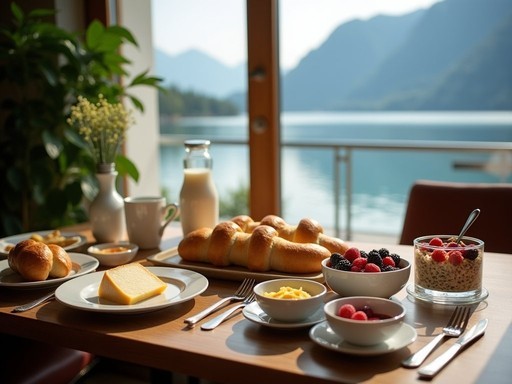
My culinary analysis of any destination begins at breakfast, as it often reveals cultural priorities through the first meal of the day. In Lucerne, this proved to be a particularly rewarding data point. The Swiss approach morning sustenance with characteristic thoroughness—a continental spread elevated through quality and regional specificity.
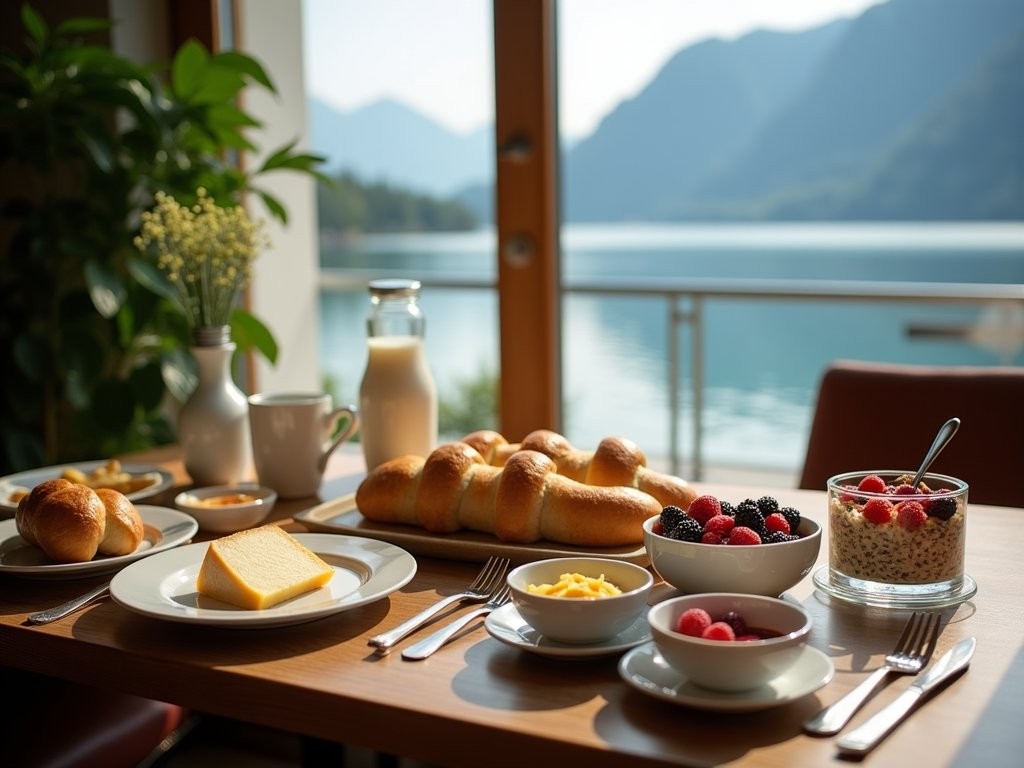
At Bäckerei Hug, a family-operated establishment since 1877, I discovered the quintessential Swiss breakfast experience. Their zopf—a braided bread similar to challah but with distinctive Swiss density—served with locally-produced honey and preserves, establishes a baseline for understanding Swiss culinary values: simple ingredients transformed through meticulous technique. The butter, sourced from Alpine dairies, contains flavor notes impossible to replicate with industrial alternatives.
For a more comprehensive morning analysis, I ventured to Mill'Feuille, where traditional birchermüesli (the original Swiss muesli) is prepared according to Dr. Bircher-Benner's 1900s recipe: raw oats soaked overnight with grated apple, lemon juice, condensed milk, and hazelnuts. The nutritional profile and flavor complexity make it clear why this has remained a Swiss staple for over a century.
The coffee culture in Lucerne deserves special mention. At Café Heini, I observed the Swiss precision applied to brewing methods. Their rösterei (roastery) produces beans with a remarkably balanced profile—neither as acidic as contemporary Nordic roasts nor as dark as southern European traditions. I've since started traveling with a manual coffee grinder to replicate this experience at home or in hotel rooms with less-than-ideal coffee options.
💡 Pro Tips
- Most Lucerne bakeries open by 6:30 AM, allowing for early morning sampling before day-trippers arrive
- Ask for 'Gipfeli' instead of croissant to experience the Swiss variation with its distinctive buttery layers
- The best birchermüesli uses seasonal fruits—fall versions featuring local apples are particularly noteworthy
Traditional Alpine Cuisine: The Foundations of Lucerne's Food Identity
Understanding Lucerne's culinary landscape requires examining the traditional dishes that have sustained the region through centuries of Alpine living. My analytical approach to food exploration involves identifying the core components that define a cuisine—in Switzerland, these are unquestionably cheese, potatoes, and preserved meats.
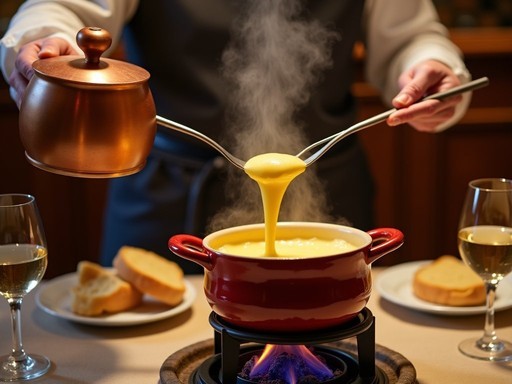
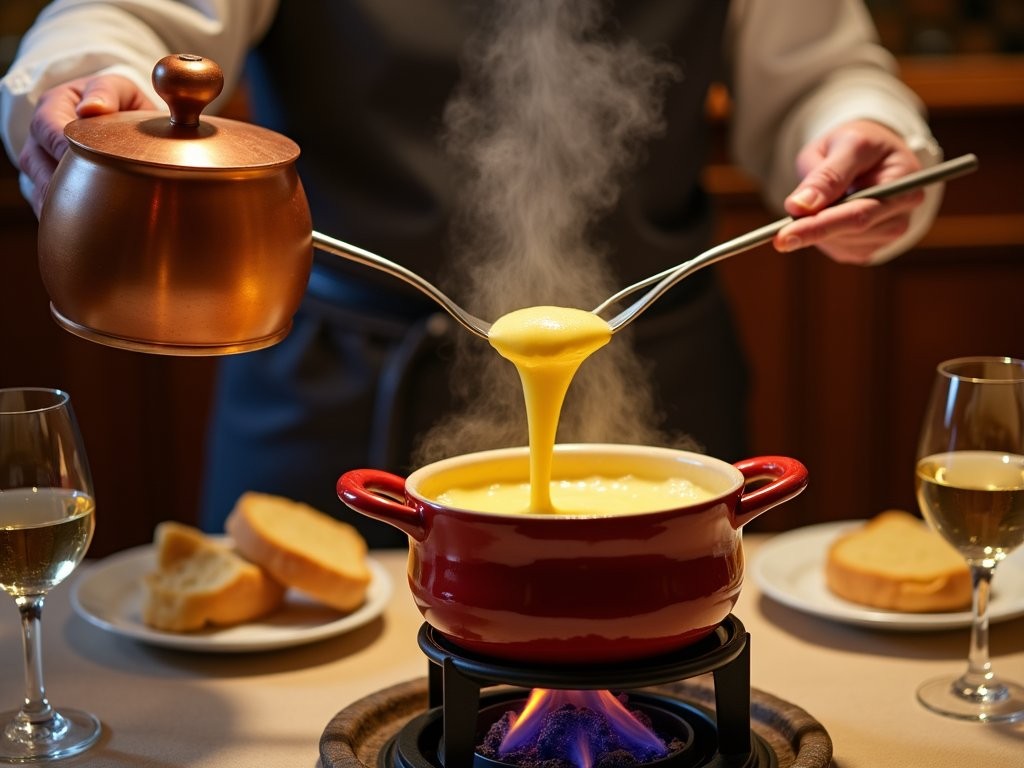
At Wirtshaus Taube, a 16th-century establishment in Lucerne's old town, I conducted my first serious investigation into authentic käsefondue (cheese fondue). The ritual nature of this communal dish reveals much about Swiss social dynamics. The fondue mixture—primarily Gruyère and Emmentaler cheeses melted with white wine, garlic, and kirsch—adheres to proportions that have been refined over generations. The server explained that their recipe uses a precise 3:2 ratio of Gruyère to Emmentaler, with the former providing depth and the latter meltability—a perfect example of Swiss precision applied to gastronomy.
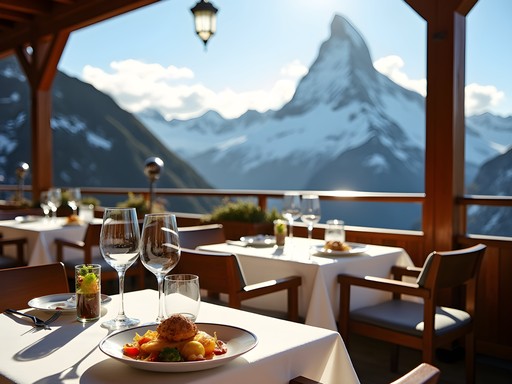
Raclette offers another window into traditional Alpine resourcefulness. At Restaurant Pfistern, which overlooks the iconic Chapel Bridge, I watched as a half-wheel of raclette cheese was heated until bubbling, then scraped onto a plate of boiled potatoes, pickled onions, and gherkins. The contrast between the rich, molten cheese and acidic accompaniments demonstrates an intuitive understanding of flavor balance that predates modern culinary theory.
No analysis of Swiss cuisine would be complete without examining rösti—the national potato dish that originated as a farmer's breakfast in Bern but has evolved into a versatile platform for regional variations. At Wirtshaus Galliker, their Luzerner rösti incorporates local dried pears and bacon, creating a sweet-savory profile unique to central Switzerland.
For those seeking to recreate Swiss Alpine flavors at home, I've found that having the right tools makes a significant difference. After this trip, I invested in a proper fondue set that has transformed my home entertaining approach. The cast iron pot maintains even heat distribution essential for keeping cheese at the optimal consistency.
💡 Pro Tips
- When enjoying fondue, tradition dictates that if your bread cube falls off your fork into the cheese, you must buy a round of drinks
- The best rösti uses parboiled potatoes that have been chilled overnight before grating
- Request 'Innerschweizer' style fondue for the Central Swiss variation that includes mountain herbs
Lake to Table: Lucerne's Freshwater Seafood Tradition
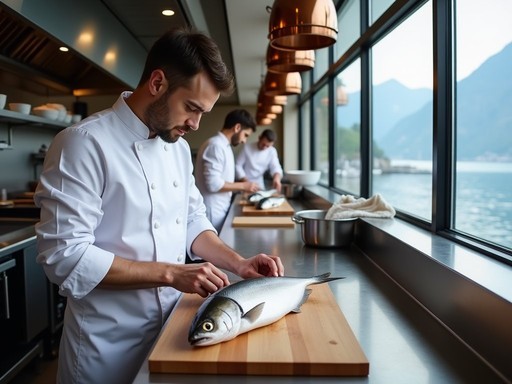
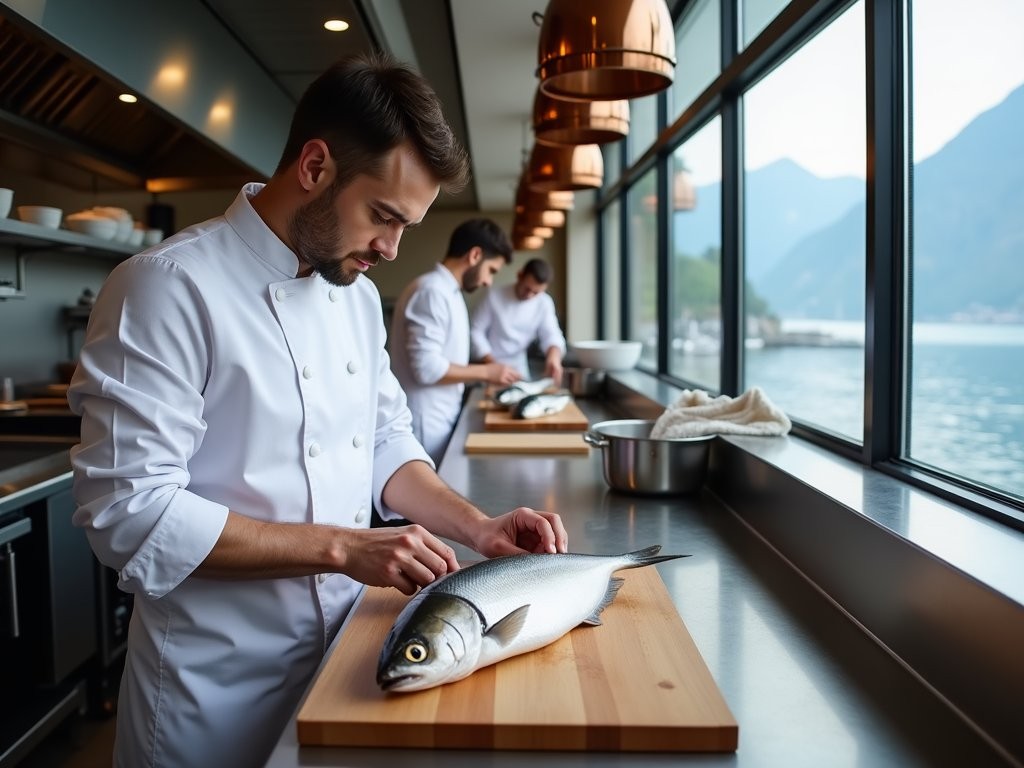
While Switzerland is landlocked, Lucerne's position on its eponymous lake (Vierwaldstättersee) has fostered a distinctive freshwater seafood tradition that deserves systematic exploration. As an analyst by training, I appreciate how this element of Lucerne's cuisine demonstrates adaptation to geographical constraints.
At Zunfthausrestaurant Pfistern, I began my investigation with Egli (European perch) fillets prepared nach Müllerinnen Art—the miller's wife style—lightly coated in flour, pan-fried in butter, and served with a lemon-parsley sauce. The delicate preparation highlights the clean, subtle flavor profile of lake fish. What struck me was the restaurant's transparent sourcing—a blackboard listed the morning's catch and the specific area of the lake where each fish was caught.
Felchen (whitefish), another lake staple, appears on nearly every traditional menu in Lucerne. At Restaurant Schiff, their house specialty features the fish poached in a court bouillon infused with local herbs and white wine. The accompanying sauce, a refined combination of reduced fish stock, cream, and saffron, demonstrates Swiss precision in balancing flavors without overwhelming the main ingredient.
Perhaps most interesting from an analytical perspective is how Lucerne's chefs have maintained traditional preservation methods alongside fresh preparations. At Wirtschaft Galliker, I sampled their housemade geräucherte Forelle (smoked trout) served with horseradish cream and dark bread. The smoking process—using applewood and juniper berries—dates back centuries as a method for extending the shelf life of seasonal catches.
For the home cook interested in Swiss cuisine, I've found that having a reliable fish spatula is essential for achieving the delicate handling required for lake fish preparations. The thin, flexible edge slides perfectly under fragile fillets without breaking them—a small investment that significantly improves results when attempting to recreate these dishes.
The sustainability practices around Lake Lucerne's fishing industry are particularly noteworthy. Strict quotas, seasonal restrictions, and size limitations ensure the lake's ecosystem remains balanced. When ordering fish in Lucerne, you're participating in one of Europe's most closely regulated and environmentally conscious seafood systems—a fact that enhances both the ethical and culinary experience.
💡 Pro Tips
- Fish menus change daily based on the morning's catch—restaurants with handwritten daily specials typically offer the freshest options
- Ask for 'Fischknusperli' for the local version of fish and chips, featuring bite-sized perch fillets in a light batter
- The best lake fish dishes are found Sunday through Thursday, as Friday's catch is often reserved for traditional Catholic fish Fridays

The New Swiss Cuisine: Innovation Meets Tradition
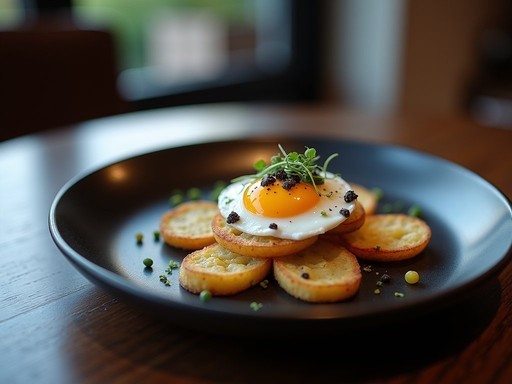
While traditional dishes form the foundation of Lucerne's culinary identity, the city has embraced culinary innovation with characteristic Swiss precision. As someone who analyzes business trends professionally, I find the evolution of 'New Swiss Cuisine' particularly fascinating—it represents a calculated balance between heritage preservation and forward-thinking adaptation.
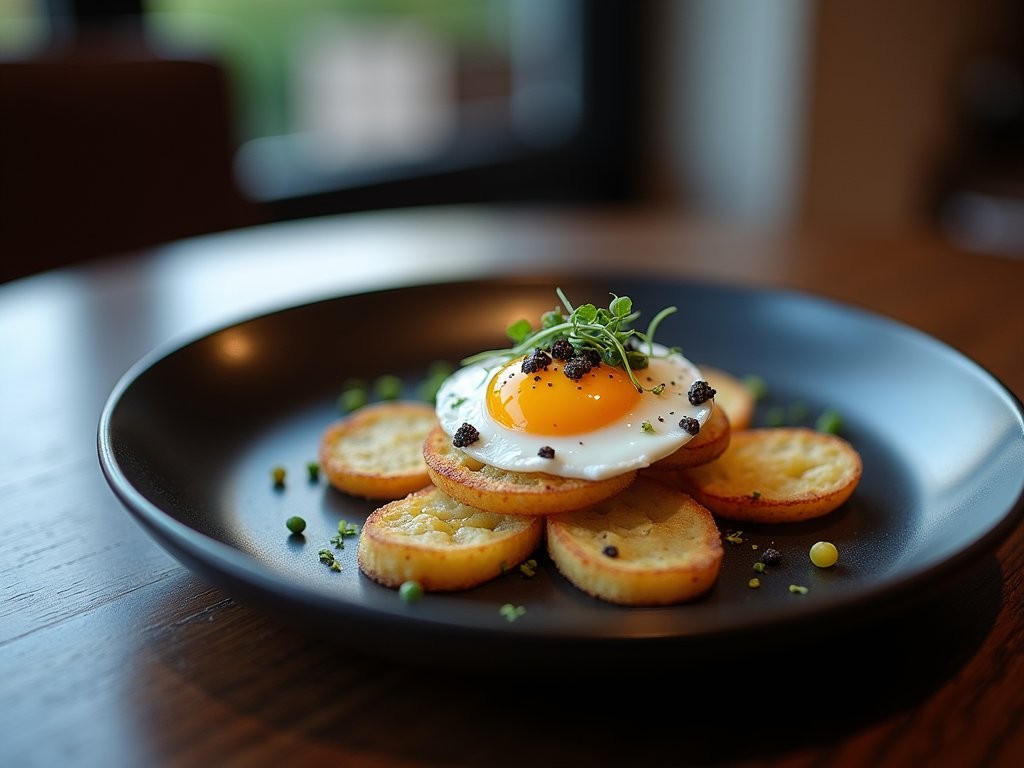
At PRISMA, Chef Philipp Heerwagen applies molecular gastronomy techniques to traditional Swiss ingredients, creating what he calls 'Alpine terroir cuisine.' His tasting menu offered a systematic deconstruction and reimagining of classic dishes. The standout was his 'Hay Smoke Veal'—locally sourced veal cooked sous-vide, then finished with hay smoke under a glass cloche. The presentation combined theatrical elements with scientific precision, while the flavor profile honored the fundamental Swiss reverence for quality meat.
Restaurant Olivo at the Art Deco Hotel Montana represents another data point in Lucerne's culinary evolution. Chef Johan Breedijk has pioneered what he terms 'Mediterranean-Alpine fusion'—applying southern European techniques to Swiss ingredients. His 'Lucerne Bouillabaisse' replaces traditional Mediterranean seafood with Lake Lucerne fish and crayfish, while incorporating saffron from Mund (the only Swiss saffron-producing region) and locally foraged herbs. The dish successfully marries seemingly disparate culinary traditions through thoughtful analysis of complementary flavor compounds.
Perhaps most indicative of Switzerland's culinary future is Stiefels Hopfenkranz, where Chef Sandro Buob focuses exclusively on hyperlocal sourcing—nothing from beyond a 50-kilometer radius. His menu changes daily based on availability, creating a constantly evolving expression of Central Swiss terroir. During my visit, his 'Three States of Alpine Cheese' presented a single variety of cheese in raw, melted, and foam forms, demonstrating how preparation techniques can transform a singular ingredient.
For those interested in modern culinary techniques, I've found the sous vide precision cooker invaluable for replicating some of these contemporary Swiss preparations at home. The temperature control allows for the precise cooking that characterizes much of New Swiss Cuisine, particularly with proteins like the delicate veal and lake fish that feature prominently.
💡 Pro Tips
- Reservations for innovative restaurants should be made at least 3-4 weeks in advance, particularly for weekend dinners
- Ask for the 'Chef's Innovation' option when available—many progressive Swiss chefs create off-menu items to test new concepts
- Wine pairings at modern Swiss restaurants often feature small-production Swiss wines that aren't exported—take this opportunity to try them
Sweet Switzerland: Lucerne's Confectionery and Dessert Culture
No analytical assessment of Lucerne's culinary landscape would be complete without examining its sweet offerings. Switzerland's reputation for chocolate excellence is well-documented, but Lucerne offers a more nuanced view of Swiss confectionery traditions that extends well beyond the expected.
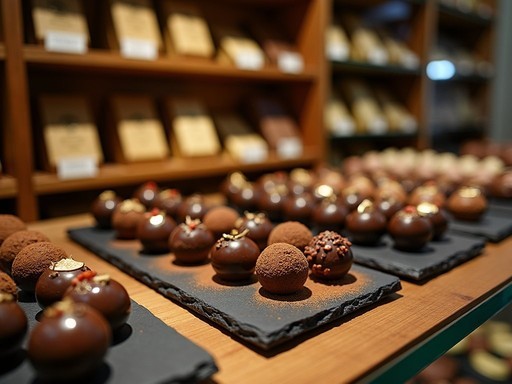
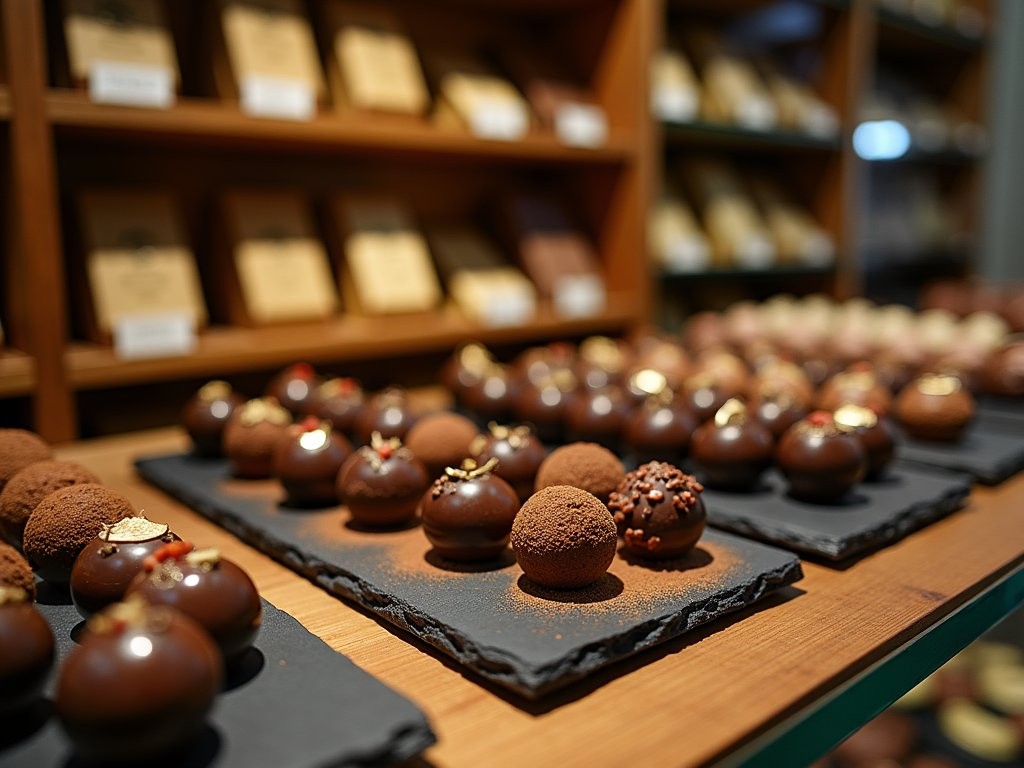
Max Chocolatier represents the pinnacle of Lucerne's artisanal chocolate scene. Unlike larger Swiss chocolate producers, this boutique operation focuses on small-batch production using single-origin cocoa and seasonal local ingredients. Their limited-edition collections change with the seasons—during my fall visit, their Alpine herb-infused ganaches featured thyme, rosemary, and sage from mountain meadows. From a business perspective, their model exemplifies the Swiss approach to luxury: limited quantity, impeccable quality, and meticulous attention to detail.
Beyond chocolate, traditional Swiss pastries offer insight into regional cultural influences. At Confiserie Bachmann, fourth-generation pastry chef Matthias Bachmann continues his family's 120-year tradition while incorporating contemporary techniques. His Luzerner Lebkuchen—a spiced honey cake dating to medieval times—follows his great-grandfather's recipe but features modern precision in temperature control and ingredient sourcing. The historical continuity combined with technical evolution epitomizes the Swiss approach to tradition.
For a truly local sweet experience, I sought out Birnenweggen—a pear bread specific to Central Switzerland. At Beck Berwert, their version fills a yeast dough with a dense mixture of dried pears, nuts, and spices, creating a complex flavor profile that balances sweetness with warm spice notes. This regional specialty, rarely found outside the area, demonstrates how microregional food traditions persist in Switzerland despite globalization.
During my visit, I discovered that many Swiss desserts pair perfectly with tea rather than coffee. I've since added a electric tea kettle to my kitchen arsenal at home in Berlin. The variable temperature settings allow me to brew different teas at their optimal temperatures—particularly important for the delicate white teas that complement rich Swiss pastries without overwhelming them.
💡 Pro Tips
- Visit chocolate shops in the late morning when fresh batches are typically completed and selection is at its peak
- Many traditional pastries are seasonal—September through November offers the richest selection of fruit-based specialties
- Swiss dessert portions are typically smaller than American counterparts—order multiple items to sample without overwhelming your palate
Navigating Lucerne's Food Markets and Specialty Shops
As an analyst by profession, I appreciate efficient systems for resource allocation—and food markets represent one of humanity's oldest and most effective distribution networks. Lucerne's market scene offers both gastronomic delights and insights into local food economies.
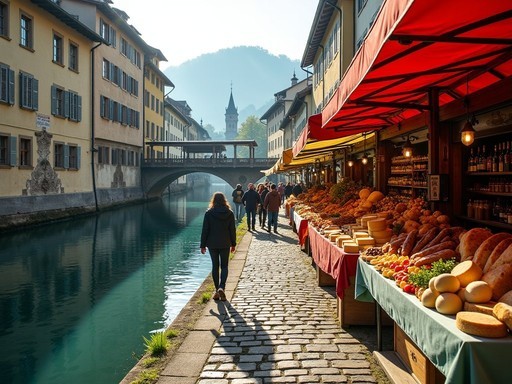
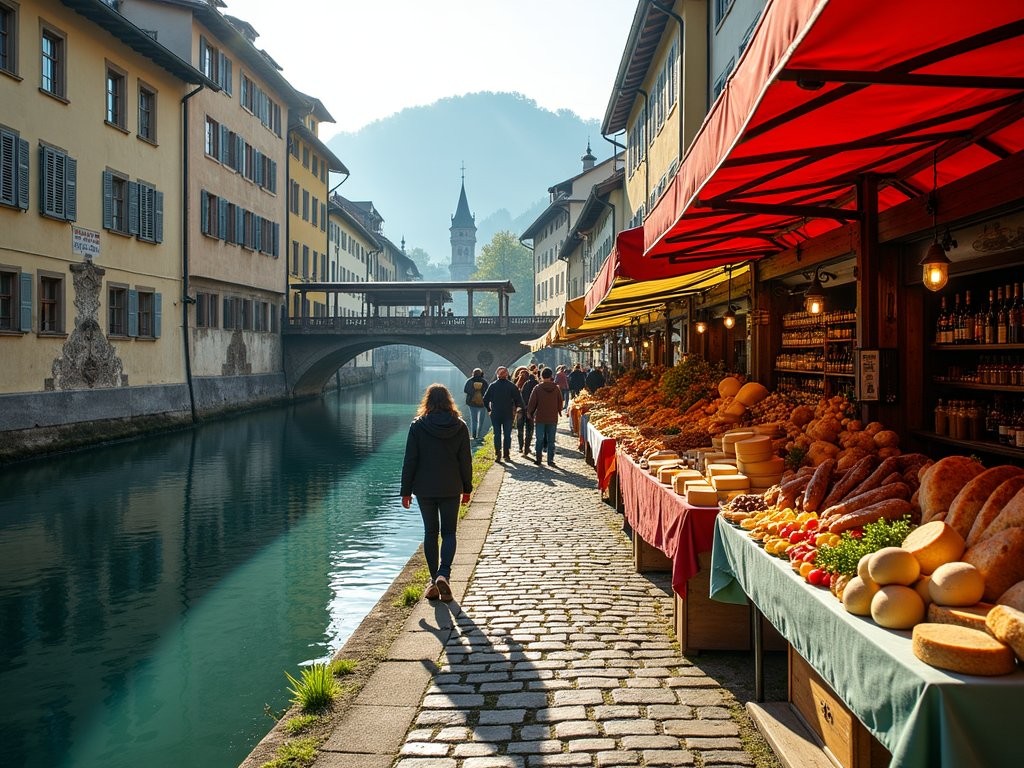
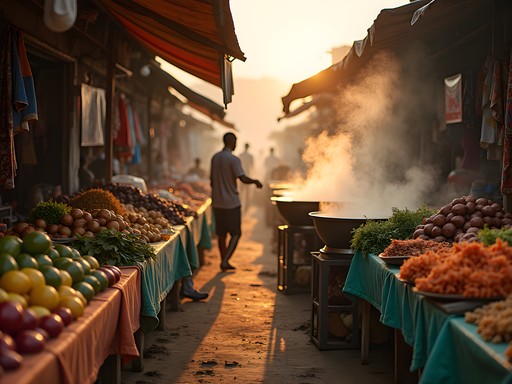
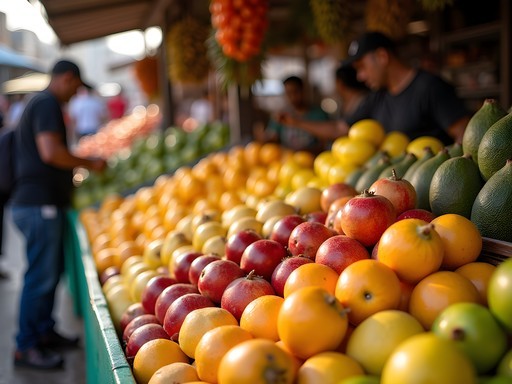
The Wochenmarkt (weekly market) along the Reuss River operates every Tuesday and Saturday morning, transforming the Rathausquai into a vibrant showcase of regional produce. What distinguishes this market from others I've documented across Europe is the remarkable proximity between producers and the point of sale. Speaking with vendor Frau Müller, whose family has maintained Alpine herb gardens for four generations, I learned that most producers travel less than 30 kilometers to reach the market—creating a genuinely local food ecosystem.
From a methodical shopping perspective, I recommend beginning at the market's northern end where dairy producers set up their stalls. The progression of Alpkäse (Alpine cheese) varieties offers an education in how elevation affects flavor profiles—cheeses from higher altitudes typically display more complex, herbal notes due to the diverse mountain flora consumed by the cows. Herr Zimmermann's stall features cheeses aged in his family's cave at three different elevations, allowing for direct comparison.
For specialty items to bring home, Lucerne offers several noteworthy shops. Chäs Barmettler, a fifth-generation cheese shop near the Jesuit Church, provides vacuum-sealing services for travelers. Their knowledgeable staff can recommend cheeses based on your remaining travel time and destination climate—a level of service that reflects Swiss attention to practical details.
At Heini Conditorei, established in 1922, the specialty is Luzerner Lebkuchen packaged in tins featuring historic city scenes. These dense, spiced honey cakes travel exceptionally well and maintain their quality for weeks—an important consideration when selecting culinary souvenirs.
For those who develop a passion for Swiss cuisine, I recommend the Swiss cookbook which provides authentic recipes with precise measurements and techniques. Unlike many regional cookbooks that rely on approximations, this volume reflects the Swiss commitment to reproducible results—something I appreciate as someone who approaches cooking with analytical rigor.
💡 Pro Tips
- Arrive at the Wochenmarkt before 9 AM to observe local chefs selecting their daily ingredients—their choices often indicate the highest quality seasonal items
- Bring small denominations of Swiss Francs as many smaller vendors don't accept cards or have minimum purchase requirements
- Ask vendors for 'Kostprobe' (taste samples)—most are happy to offer small tastings, particularly of cheeses and cured meats
Final Thoughts
Lucerne presents a compelling case study in culinary evolution—where centuries-old traditions meet contemporary innovation without sacrificing authenticity. What makes this compact Swiss city particularly fascinating is how it maintains distinct regional identity while selectively incorporating outside influences. As an analyst accustomed to identifying patterns, I've observed that the most successful culinary experiences in Lucerne share three characteristics: unwavering commitment to ingredient quality, respect for traditional techniques, and precise execution. Whether enjoying a fondue recipe unchanged for generations or sampling a modernist interpretation of Alpine cuisine, the underlying Swiss values of excellence and attention to detail remain consistent. For visitors seeking to understand Swiss culture through its food, Lucerne offers an ideal entry point—accessible yet authentic, traditional yet dynamic. I encourage you to approach your own culinary exploration of this lakeside gem with both curiosity and methodical purpose. Document your discoveries, analyze your preferences, and return home with not just souvenirs, but a deeper appreciation for how food reflects cultural values and regional identity.
✨ Key Takeaways
- Lucerne's culinary scene balances deep-rooted traditions with thoughtful innovation
- The best dining experiences focus on hyperlocal ingredients, particularly lake fish, Alpine cheese, and seasonal produce
- Fall offers the ideal combination of harvest-season ingredients and fewer tourists at premier restaurants
📋 Practical Information
Best Time to Visit
September to mid-November
Budget Estimate
150-250 CHF per day for meals and culinary experiences
Recommended Duration
2-3 days minimum
Difficulty Level
Beginner
Comments
summerseeker
This is SO helpful! I'm planning my first trip to Switzerland for June and was worried everything would be too touristy. Your section on the modern cuisine spots gives me hope there's more than just fondue (though I definitely want fondue too lol). Did you find the locals spoke English well in the restaurants?
starlife
everyone spoke perfect English when we were there! no worries at all
cityexplorer
Thanks for sharing! Adding this to my Switzerland itinerary!!
Haley Hamilton
This brings back memories! I backpacked through Switzerland in 2019 on a shoestring budget and thought I'd have to survive on supermarket bread. But I discovered the local markets in Lucerne where farmers sell their cheese, bread, and cured meats for way less than restaurants. I'd grab supplies and picnic by the Chapel Bridge. One vendor gave me samples of about 10 different alpine cheeses and taught me the differences. For anyone on a budget - hit up the Saturday market near the train station. You can eat like royalty for a fraction of restaurant prices. Also, the Rick Steves Switzerland guide had some great tips on affordable eating spots I still reference.
mountainguide
Going there in March - is it still good for food in winter or more of a summer thing?
Haley Hamilton
Winter is actually perfect for the hearty stuff! That's when all the fondue and raclette really shine. Plus fewer tourists so you get better service.
travelblogger
Great post! Love the photos of the lake fish dishes!
Marco Flores
George, this really captures the essence of Lucerne's food scene! I passed through last autumn on a cycling trip through the Alps and stumbled into a small restaurant in the old town that served this incredible älplermagronen - basically Swiss mac and cheese with potatoes and crispy onions. The owner told me his grandmother's recipe, and watching him prepare it was like witnessing a ritual. What struck me most was how the younger chefs I met were taking these traditional dishes and elevating them without losing the soul. Have you tried any of the cheese dairies in the surrounding mountains? That's where the real magic happens.
starlife
OMG yes!! We spent 5 days in Lucerne last summer and the food was incredible! The fondue at Old Swiss House was life-changing. We also did a boat ride on the lake and had the best perch filets at this little lakeside place. Totally agree about the breakfast scene - so much more than just bread and cheese. The bircher muesli everywhere was amazing!
summerseeker
Old Swiss House is on my list! How expensive was it?
starlife
not gonna lie, pretty pricey but worth it for a special meal! maybe 60-80 CHF per person with drinks
hikingwanderer
which restaurants did you try?
nomadmaster
George - your section on Lake Lucerne's seafood was spot on! Had the best perch fillets of my life at a small restaurant called Bäckerei Bachmann. Also discovered that many locals prefer eating at guild houses (zunfthäuser) which have been around for centuries. They're usually in historic buildings and serve traditional dishes with modern touches. Definitely worth the splurge for at least one meal!
wildfan
Those breakfast photos are making me hungry! Swiss chocolate for breakfast? Yes please!
George Riley
Haha, the chocolate was technically for afternoon coffee, but I won't tell if you won't! 😉
wildfan
Chocolate is an any-time food in my book!
Venture X
Premium card with 2X miles, $300 travel credit, Priority Pass