
Disclosure: This article contains affiliate links. We may earn a commission from purchases at no extra cost to you, which helps our travel content.
Standing at the intersection of tradition and innovation, Monterrey's food scene hit me like a revelation during my recent weekend escape from the classroom. As an educator who's spent years connecting my students to Mexican culture through virtual exchanges, I thought I knew what to expect. I was gloriously wrong. This industrial powerhouse of northern Mexico is experiencing nothing short of a culinary renaissance, where street food vendors and Michelin-worthy chefs are rewriting the gastronomic narrative of a city once known primarily for its business centers and manufacturing plants.

Street Food: The Beating Heart of Monterrey's Culinary Identity
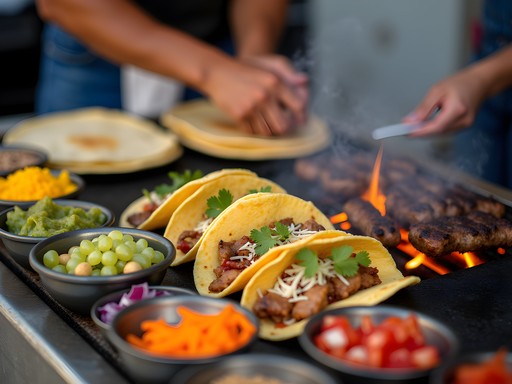
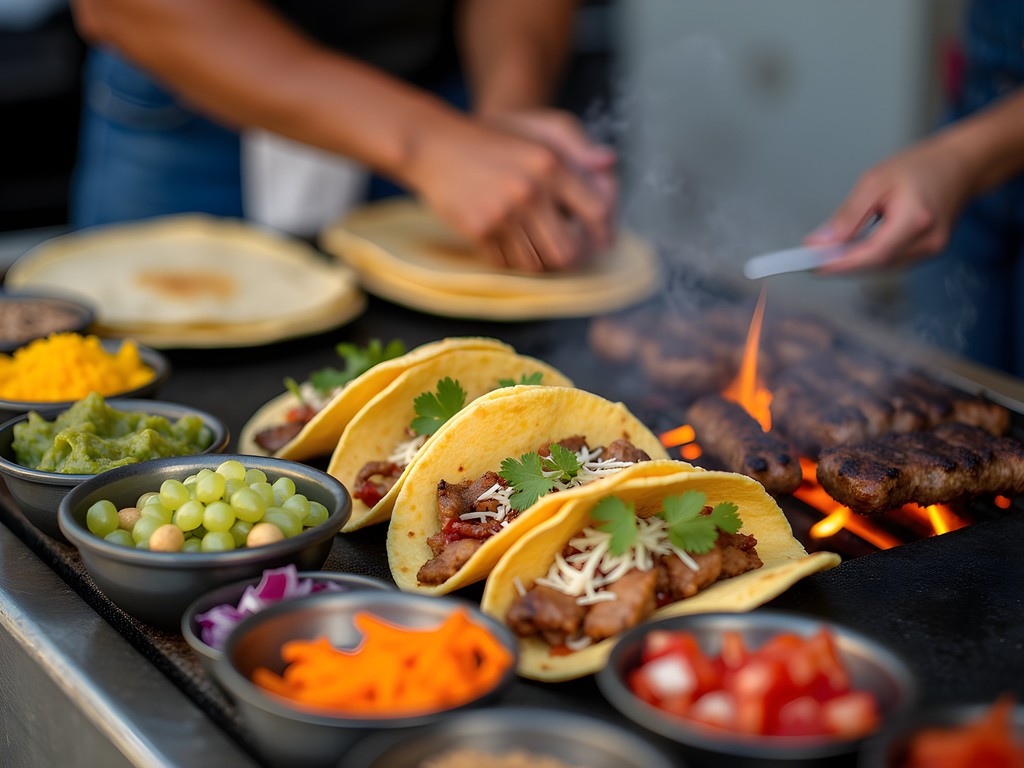
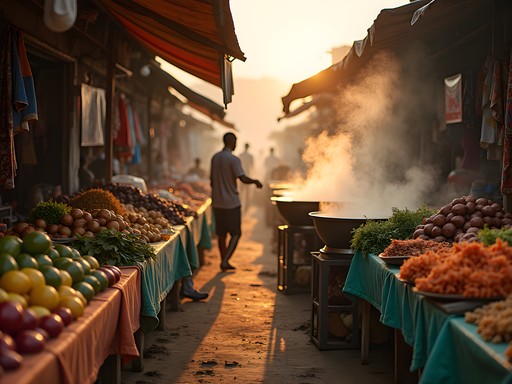
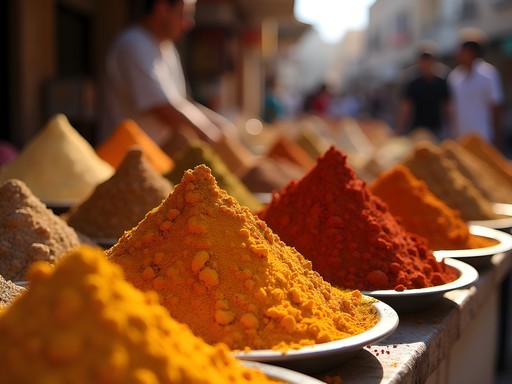
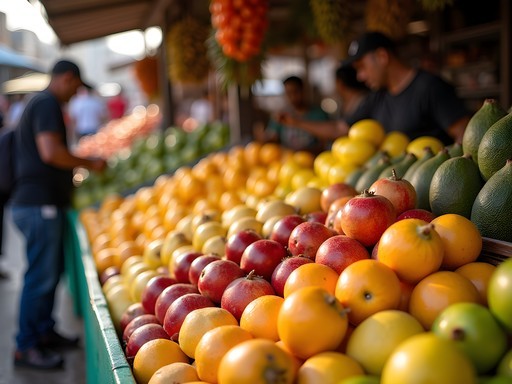
My exploration always begins where locals gather, and in Monterrey, that means starting with street food. The Mercado Juárez downtown pulses with energy from sunrise, when vendors set up their colorful stalls offering everything from freshly pressed tortillas to bubbling cauldrons of menudo (tripe soup) that locals swear cures any hangover.
What distinguishes Monterrey's street food scene is its northern Mexican character—heartier, meatier, and often more straightforward than its southern counterparts. Tacos de trompo (similar to al pastor but with a northern twist) are a must-try, especially from the vendors near Macroplaza who marinate their pork with a distinctive blend of spices that speaks to the region's unique culinary language.
One morning, I joined a small group of local teachers (connections made through my classroom exchange program) for breakfast at a tiny corner stand specializing in machacado con huevo—a quintessential norteño dish of dried beef scrambled with eggs, tomatoes, and serrano peppers. We ate standing up, using our tortilla warmer to keep the handmade flour tortillas hot as we constructed perfect breakfast tacos.
💡 Pro Tips
- Visit Mercado Juárez early (7-9am) to see the market come to life and taste the freshest breakfast options
- Look for street vendors with lines of locals, especially those in business attire—they know where the good food is
- Always carry small bills for street food purchases
Cabrito: Monterrey's Culinary Crown Jewel
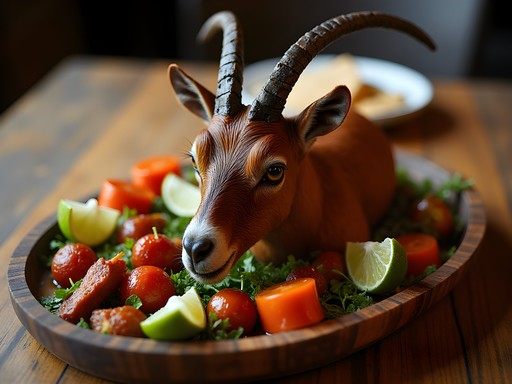
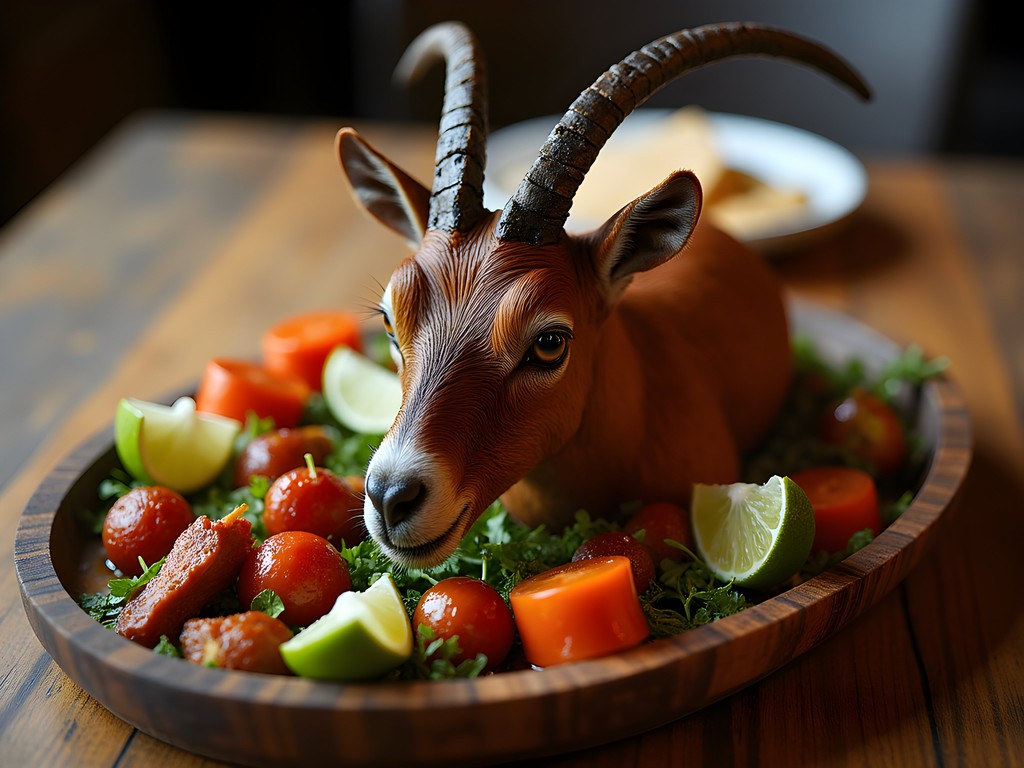
If there's one dish that embodies Monterrey's soul, it's cabrito (kid goat). As a culinary tradition dating back to the Spanish settlers who couldn't find lamb in the region, cabrito has evolved into an art form here. The preparation is deceptively simple yet requires immense skill—young goat slow-roasted over open coals until impossibly tender.
El Rey del Cabrito has been my go-to spot for three consecutive visits, where I've watched the maestros work their magic, rotating the splayed goats by hand to ensure perfect cooking. The restaurant's ambiance balances rustic tradition with comfortable elegance, making it accessible for first-timers while satisfying purists.
During my last visit, I brought my spice grinder to capture the aromatic blend they use for their cabrito (with permission, of course). The chef smiled knowingly when he saw it—a gesture between culinary enthusiasts that transcended language. He shared that the secret lies not just in the spices but in understanding the meat itself, a lesson I've since incorporated into my classroom cooking demonstrations back home.
💡 Pro Tips
- Order cabrito al pastor style for the traditional experience, but don't overlook cabrito en salsa for a saucier variation
- Most restaurants serve cabrito in portions for 2-4 people, so bring friends or prepare for leftovers
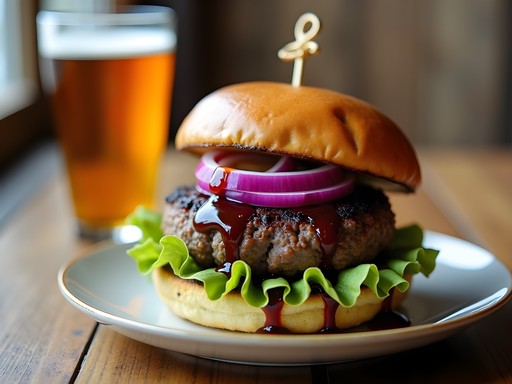
- Pair with local craft beer—Monterrey's brewing scene has exploded in recent years
The New Wave: Monterrey's Fine Dining Revolution
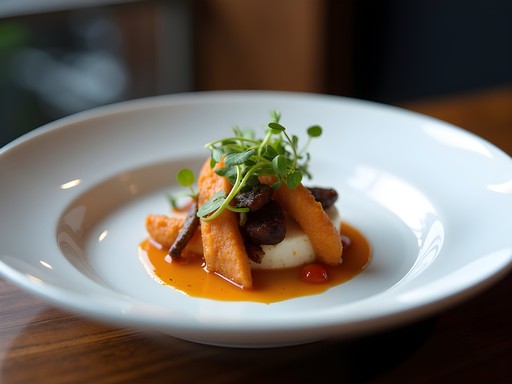
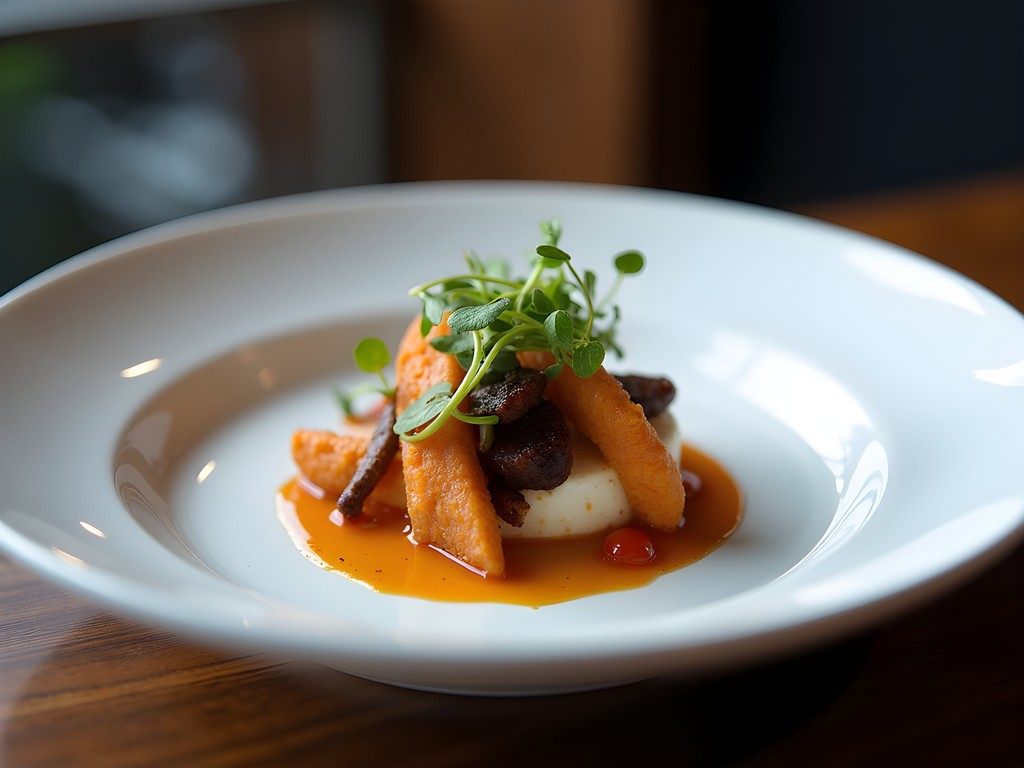
What truly surprised me about Monterrey was its flourishing fine dining scene. This industrial city has transformed into an unexpected culinary destination where chefs trained in global kitchens have returned home to reinterpret local ingredients through contemporary techniques.
Restaurante Pangea, helmed by Chef Guillermo González Beristáin, stands at the forefront of this movement. His tasting menu weaves a narrative of northern Mexican flavors reimagined through modern culinary artistry. During my visit, a seemingly simple dish of local cheese with desert honey demonstrated how elevation doesn't always mean complication—sometimes it's about letting exceptional ingredients speak for themselves.
Equally impressive is Koli, where Chef Alfredo Villanueva creates dishes that honor indigenous ingredients of the region. His fermentation lab produces some of the most interesting flavor profiles I've experienced, proving that innovation can be deeply rooted in tradition.
I found myself taking extensive notes throughout these meals using my waterproof notepad, capturing flavor combinations I could later discuss with my students. There's something powerful about bringing these culinary stories back to the classroom—they become cultural bridges that transcend the usual tourist narratives.
💡 Pro Tips
- Make reservations at least 2-3 weeks in advance for top restaurants like Pangea and Koli
- Opt for tasting menus when available to experience the full range of the chef's vision
- Don't hesitate to engage with sommeliers about local Mexican wines—the Baja region produces excellent varieties that pair beautifully with northern cuisine

Markets and Cooking Classes: Hands-On Culinary Exploration
As an educator, I believe in learning by doing. That's why I always seek out immersive food experiences when traveling. Monterrey offers several outstanding opportunities to get your hands dirty (figuratively speaking) and connect with local culinary traditions.
My Saturday morning began with a guided tour of Mercado Juárez with Chef Esther González, who runs a small cooking school adjacent to the market. Together, we navigated the labyrinth of stalls, selecting chilies, herbs, and the freshest queso fresco for our cooking class. I brought along my collapsible shopping bag, which earned approving nods from local shoppers—sustainability speaks across cultures.
The subsequent cooking class revealed the subtleties of northern Mexican cuisine. We prepared machaca (dried shredded beef)—a staple of Monterrey homes—and learned how it differs from similar preparations in other regions. Chef Esther emphasized that northern Mexican cuisine is often misunderstood as simply meat-heavy, when it actually showcases remarkable technique and respect for ingredients.
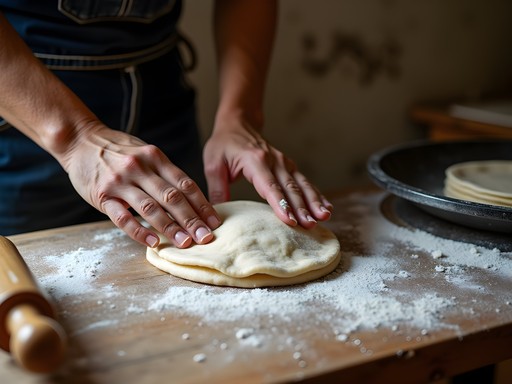
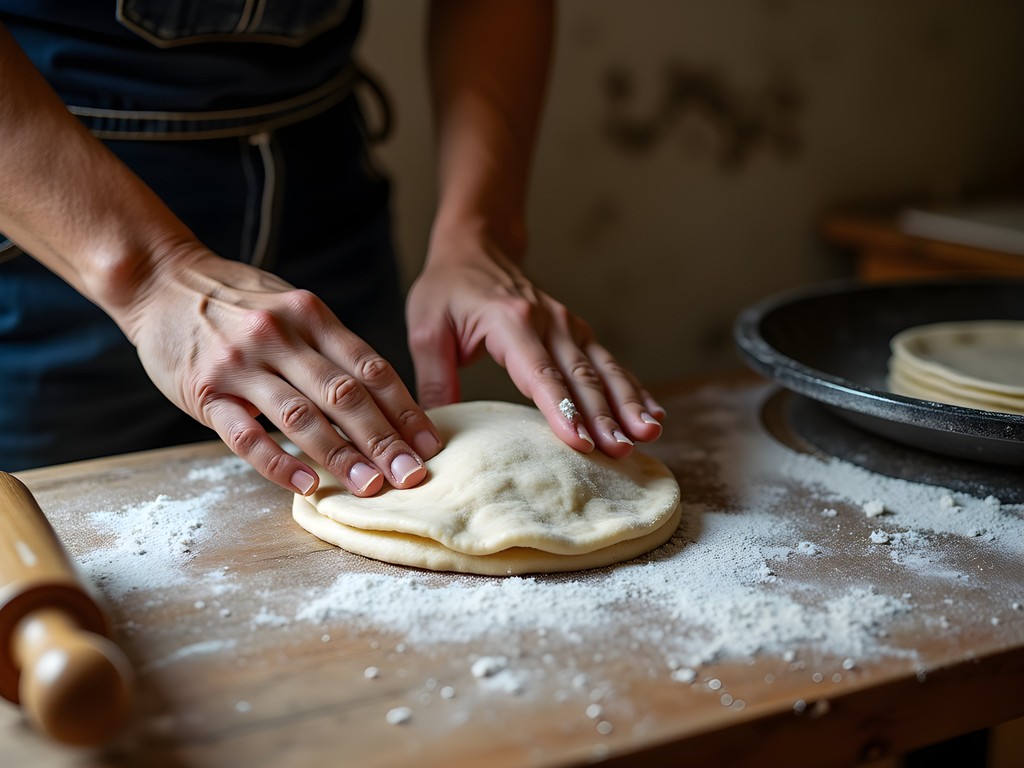
The highlight was making flour tortillas from scratch—a staple in northern Mexico unlike the corn varieties more common in the south. The technique requires practice, and my first attempts were comically misshapen until an elderly woman assisting in the kitchen gently corrected my technique. By the end of the session, I was producing respectable, if not perfect, tortillas that we used to wrap our freshly prepared fillings.
💡 Pro Tips
- Book cooking classes at least a week in advance and request market tours to be included
- Bring a digital kitchen scale if you're serious about recreating recipes at home—Mexican cooking relies on feel, but measurements help beginners
- Ask about regional variations of dishes you think you know—northern Mexican cuisine has distinct differences from the Mexican food commonly found in the US
Craft Beverages: Beyond Tequila and Cerveza
While Mexico's alcoholic beverage reputation centers on tequila and beer, Monterrey is quietly nurturing a sophisticated craft beverage scene that deserves attention. The city's proximity to the burgeoning Valle de Guadalupe wine region has inspired a new generation of sommeliers and mixologists to elevate the drinking experience.
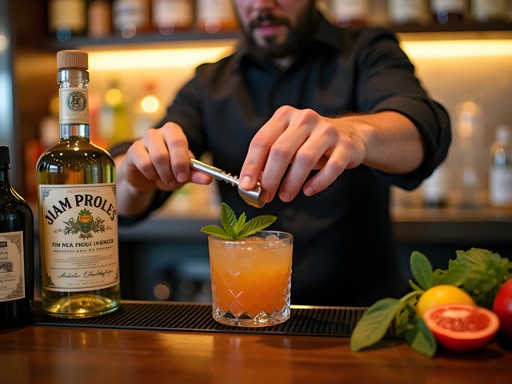
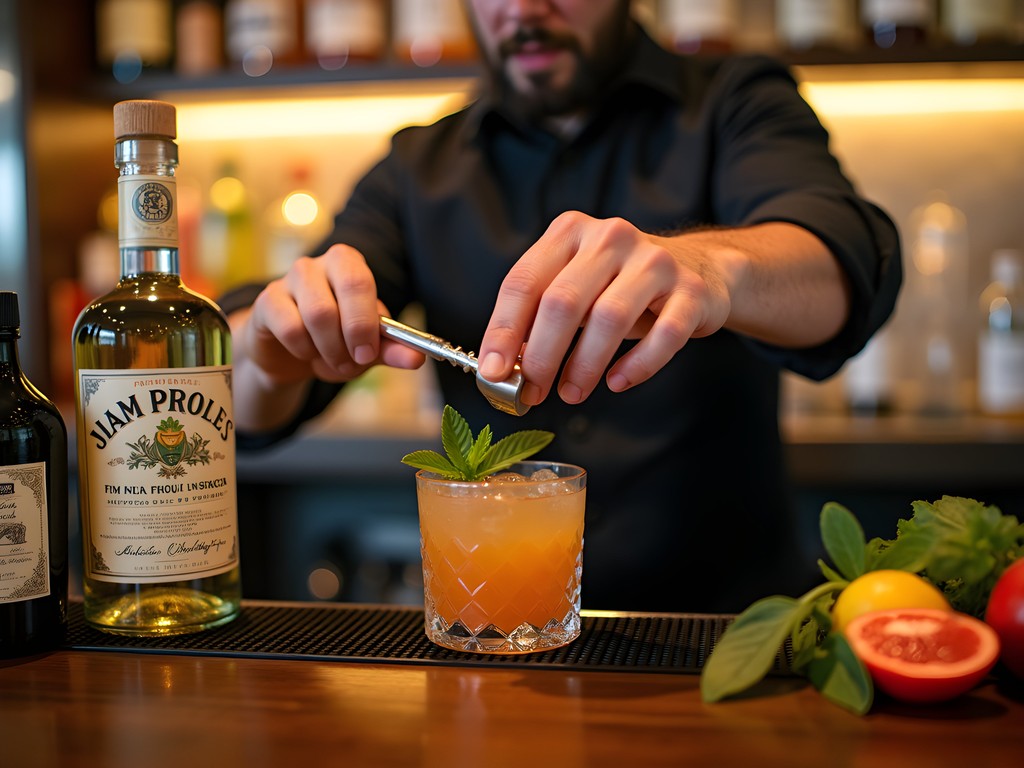
At Bósforo Coctelería, I watched bartenders transform local ingredients into complex cocktails that tell stories of the region. Their signature drink incorporates sotol—a traditional northern Mexican spirit made from the desert spoon plant—with prickly pear and smoked salt. I was so impressed that I purchased a cocktail smoker to experiment with similar techniques in my home kitchen.
For those preferring non-alcoholic options, Monterrey excels in aguas frescas and coffee culture. Café Belmonte serves exceptional coffee sourced from Mexican growers, while their horchata (rice milk with cinnamon) rivals any I've tasted throughout my travels in Latin America.
Perhaps most surprising was my discovery of Cervecería Albur, a microbrewery creating beers that incorporate regional ingredients like piloncillo sugar and chiles. Their tasting room offers flights paired with local cheeses, creating an experience that bridges traditional and contemporary flavors.
💡 Pro Tips
- Visit microbreweries on weekday evenings to have more opportunity to speak with brewmasters
- Look for cocktails featuring lesser-known Mexican spirits like sotol, bacanora, and raicilla
- Most craft beverage establishments offer tasting flights—an excellent way to sample multiple options
Final Thoughts
As my weekend in Monterrey drew to a close, I found myself reflecting on how profoundly this city had shifted my understanding of northern Mexican cuisine. What began as a simple desire to expand my cultural knowledge for my classroom had transformed into a genuine appreciation for a culinary landscape that balances reverence for tradition with bold innovation.
Monterrey represents something special in Mexico's gastronomic story—a city embracing its industrial roots while nurturing creative expression through food. From the humble perfection of street tacos to the artistic plating at fine dining establishments, there's an authenticity that permeates every bite.
For educators like myself who seek to bring real-world experiences back to our students, Monterrey offers invaluable lessons about cultural evolution, the importance of regional identity, and how food connects us across borders. I'll be incorporating these stories into my classroom, just as I've done with previous travels—though I suspect my students will be most interested in the photos of those magnificent tacos.
Whether you're a dedicated foodie or simply a curious traveler, Monterrey deserves a place on your culinary map. Come hungry, stay curious, and prepare to have your preconceptions about Mexican cuisine deliciously challenged.
✨ Key Takeaways
- Monterrey's culinary scene balances traditional northern Mexican dishes with innovative fine dining experiences
- Street food remains the authentic heart of the city's food culture, with markets like Mercado Juárez offering the most genuine flavors
- Cabrito (kid goat) is the signature dish that every visitor should experience at least once
- Cooking classes provide valuable insight into techniques and ingredients unique to northern Mexican cuisine
- The craft beverage scene extends far beyond expected offerings, with local spirits and microbreweries worth exploring
📋 Practical Information
Best Time to Visit
year-round, though October-April offers more comfortable temperatures for walking food tours
Budget Estimate
$50-100 USD per day for food experiences (street food to mid-range restaurants)
Recommended Duration
3-4 days minimum to properly explore the culinary landscape
Difficulty Level
Intermediate - Some Spanish Helpful But Not Required In Most Establishments

Comments
oceanstar
Those taco photos are making me so hungry right now
roamperson
Is Monterrey safe for solo travelers? First international trip and feeling nervous but the food looks incredible!
Taylor Moreau
Excellent piece, Joshua. I visited Monterrey last year on business and was similarly impressed by the culinary evolution. The contrast between traditional street tacos and establishments like Pangea is remarkable. One tip I'd add: book fine dining reservations well in advance, especially on weekends. I learned that lesson the hard way at Koli. The street food scene around Barrio Antiguo remains unmatched though - those flour tortillas are genuinely some of the best I've had anywhere in Mexico.
oceanstar
How many days would you recommend for hitting both the street food and fine dining spots?
Taylor Moreau
I'd say 3-4 days minimum. Gives you time to explore without rushing and really savour the experience.
coffeeking
Which market did you visit for the cooking class? Planning a trip in March and this sounds amazing
roamperson
Also curious about this! Never done a cooking class before but seems like a cool way to learn
islandmaster
Been to Monterrey twice and never tried cabrito! Definitely going back now.
Taylor Moreau
Absolutely worth it! El Rey del Cabrito is the classic spot if you want the full experience.
sunsetfan
This post captures Monterrey's food scene perfectly! We visited during Día de los Muertos last year and the combination of traditional celebrations with innovative food was incredible. The contrast between humble street food and high-end restaurants makes this city special. Don't miss the breakfast at Mercado Juárez - the machaca con huevo changed my life. And if you're into craft beverages, there's a growing craft beer scene worth exploring. La Cheve Brewpub pairs local brews with northern Mexican dishes in really creative ways. One tip: many of the best places are cash-only, especially the street vendors with the most delicious tacos!
luckyclimber
Heading to Monterrey in a couple weeks! Any recommendations on which area to stay in for the best food access? And is it easy to get around to different neighborhoods for eating adventures?
beachblogger
How spicy is the food in Monterrey compared to other parts of Mexico? I'm a total wimp with heat levels!
vacationexplorer3573
It's actually less spicy than central/southern Mexico in my experience! They use different chiles that are more about flavor than heat. You'll be fine!
citywalker
Just got back from Monterrey and took one of those cooking classes you mentioned! We learned to make cabrito tacos and chile rellenos. The instructor took us to the market first to pick ingredients and explained all about the local chilies. Totally worth the $45 for a half-day experience. The street food scene is incredible too - we tried the chicharrones preparados from a stand near Macroplaza and they were amazing!
journeyace3980
Which cooking class did you take? Would love to do this on my trip!
citywalker
It was called 'Cocina Regia' - they meet near Barrio Antiguo. The instructor Miguel was fantastic! Book through their Instagram, they respond quickly.
Claire Hawkins
Joshua, your post brought back wonderful memories of our family trip to Monterrey last winter! My 10-year-old twins still talk about watching the cabrito being prepared on those vertical spits - quite the educational experience! We made it a point to try both the traditional spots and some of the newer fusion restaurants you mentioned. The cooking class at Mercado Juárez was the highlight for us - the kids got to make their own tortillas and the instructor was so patient with them. I'd also recommend families visit during the annual Food Festival in November if possible - they have special children's cooking workshops that are brilliant. We documented our whole culinary journey with my travel journal which now sits proudly on our bookshelf full of food stains and happy memories!
Venture X
Premium card with 2X miles, $300 travel credit, Priority Pass