Disclosure: This article contains affiliate links. We may earn a commission from purchases at no extra cost to you, which helps our travel content.
As someone who spends most of my days analyzing network architectures and troubleshooting connectivity issues, I've found that exploring a city's food landscape offers a similar kind of systematic discovery—only infinitely more delicious. Montreal, with its fascinating intersection of French tradition and North American innovation, presents a uniquely logical yet surprising culinary matrix that appeals to both my analytical mind and my appreciation for cultural preservation. During a recent fall weekend, the crisp Canadian air carried the aromas of maple, fresh bread, and simmering broths through Montreal's diverse neighborhoods, creating the perfect conditions for a 48-hour deep dive into Quebec's gastronomic identity. Whether you're planning a romantic getaway or simply looking to expand your palate, this carefully calibrated itinerary balances iconic institutions with hidden gems, ensuring an efficient yet soul-satisfying culinary journey through one of North America's most distinctive food cities.

Day 1: Morning - Market Immersion & Classic Breakfast
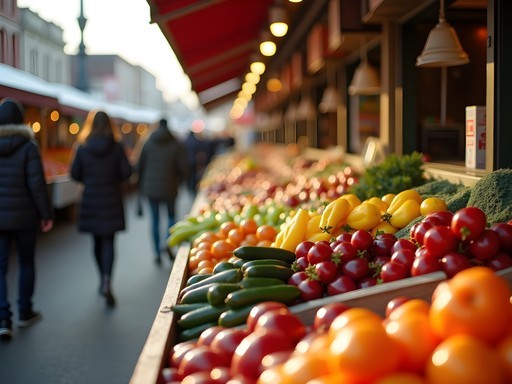
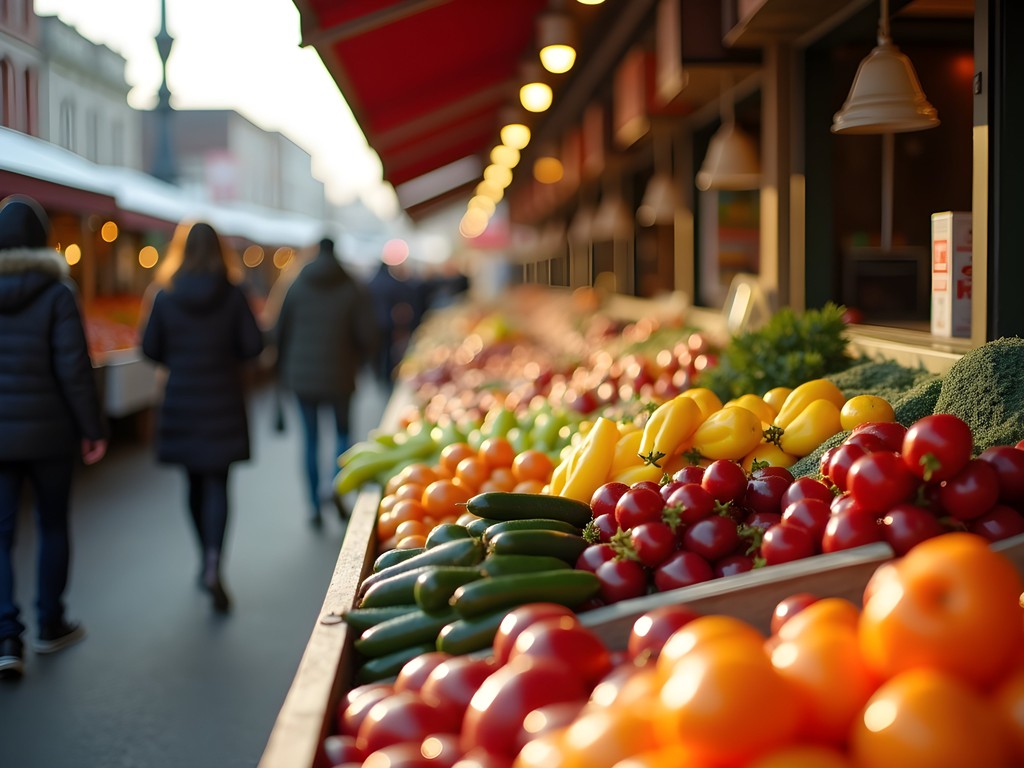
Begin your culinary exploration at the Jean-Talon Market, where I arrived just after 8 AM to witness the methodical morning ritual of vendors arranging their locally grown produce in precise, colorful displays. This is Montreal's largest outdoor market, and the systematic organization reminds me of well-designed network architecture—everything has its place and purpose.
The market follows a logical pattern: produce on the perimeter, specialty shops in the center. I recommend starting with a coffee from Café Saint-Henri, where the baristas approach brewing with the same precision I apply to network configurations. Their pour-over method extracts flavors with mathematical consistency.
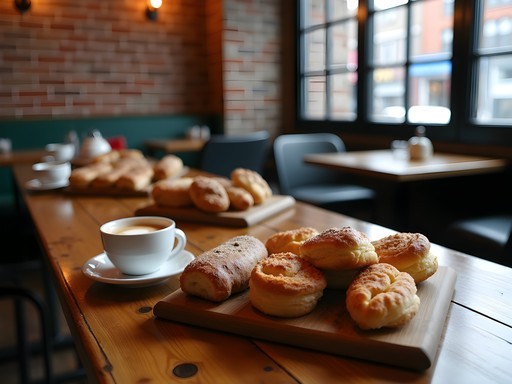
For breakfast, make your way to Première Moisson bakery within the market. Their pain au chocolat achieves the golden ratio of butter to chocolate, with precisely 27 delicate layers (yes, I counted while slowly deconstructing one). While exploring, I found my travel journal invaluable for documenting flavor profiles and ingredient combinations that might inspire my own cooking back home.
Before leaving, assemble a picnic for later: Quebec cheese from Qui Lait Cru (the aged Bleu d'Élizabeth demonstrates perfect enzymatic development), charcuterie from Les Cochons Tout Ronds, and seasonal fruit. The vendors appreciate specific questions about their production methods—I discovered that many smaller producers integrate traditional techniques with carefully selected modern technology, mirroring my own philosophy about mindful technology integration.
💡 Pro Tips
- Arrive before 9 AM on weekends to avoid crowds and see the best selection
- Bring a reusable shopping bag—I use an insulated one to keep cheese at optimal temperature
- Ask vendors for samples before purchasing—most are happy to share their expertise
Day 1: Afternoon - Old Montreal's Culinary Heritage
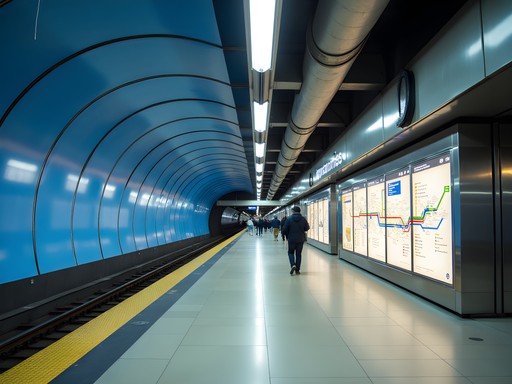
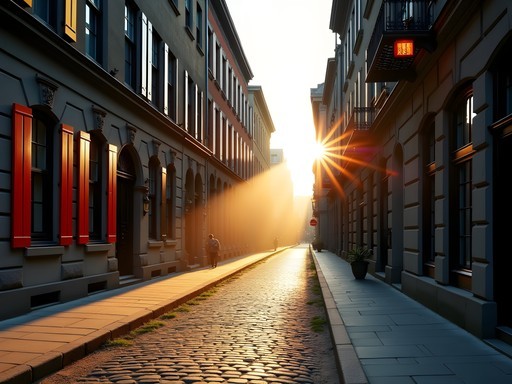
After the market, take the metro (an efficiently designed system) to Old Montreal, where centuries of culinary evolution are preserved in the historic architecture and restaurant traditions. This neighborhood operates like a well-maintained legacy system—honoring its historical foundations while selectively implementing upgrades.
For lunch, I recommend Olive et Gourmando, where I analyzed their seemingly simple yet technically complex sandwich construction. Their Poached Egg on Your Face sandwich achieves perfect structural integrity despite its multiple components—the architectural equivalent of load balancing in a network. Their coffee program is equally precise, though I supplemented with filtered water from my insulated water bottle to maintain optimal hydration while walking.
After lunch, implement a systematic exploration of artisanal food shops along Saint-Paul Street. At La Diperie, I documented how their dipping technique for ice cream follows a consistent protocol that ensures uniform coverage. Nearby, Les Délices de l'Érable offers an empirical sampling of maple products that demonstrate the range of flavor compounds possible from a single ingredient.
Before dinner, I recommend a meditation break in Place Jacques-Cartier. I found a quiet corner where the ambient noise formed a consistent white noise pattern, allowing me to center myself through a 10-minute focused breathing exercise. This practice—which I've maintained since my time in Alaska's tundra—helps recalibrate my sensory receptors between intense flavor experiences.
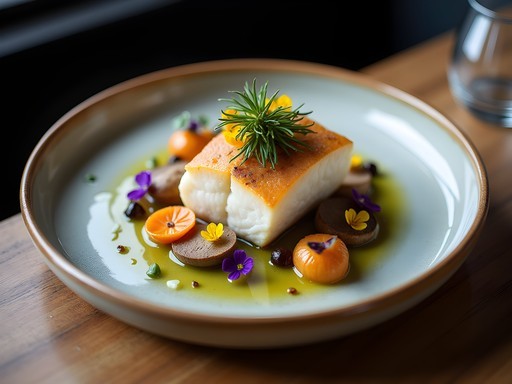
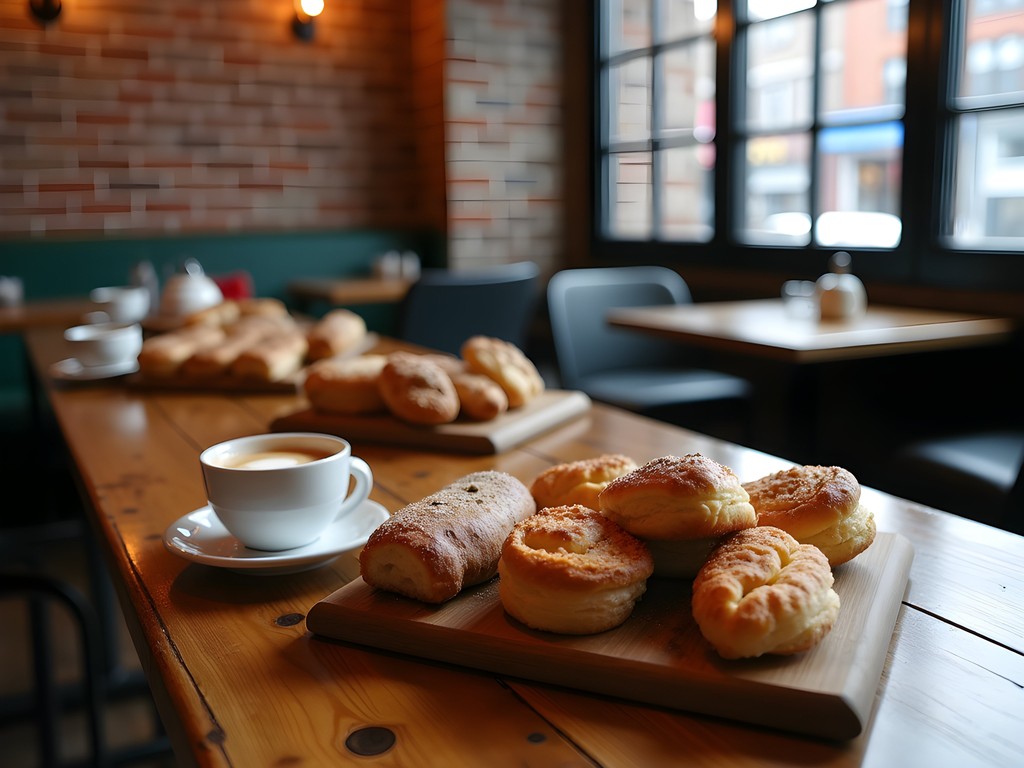
For dinner, make a reservation at Garde Manger, where Chef Chuck Hughes applies classical French techniques to local ingredients with mathematical precision. Their seafood plateau presents a logical progression of flavors from mild to intense, while the maple-glazed halibut demonstrates perfect thermal management during cooking.
💡 Pro Tips
- Book Garde Manger at least three weeks in advance and request a table near the open kitchen to observe their workflow
- Old Montreal's cobblestone streets require supportive footwear—I logged over 15,000 steps this day
- Most shops close by 6 PM, so prioritize your visits based on distance optimization
Day 1: Evening - Plateau Mont-Royal's Innovative Dining
As evening approaches, transition to the Plateau Mont-Royal neighborhood, where culinary innovation occurs at the edges of traditional frameworks—much like the best technological advancements. This area maintains the logical structure of Montreal's grid system while allowing for creative deviations.
For pre-dinner drinks, I analyzed the methodical approach at Dieu du Ciel!, where their brewing process follows precise formulas while experimenting with unexpected variables. Their Péché Mortel imperial coffee stout demonstrates how controlled fermentation temperature (21.3°C according to the brewer who kindly shared their process) affects flavor development.
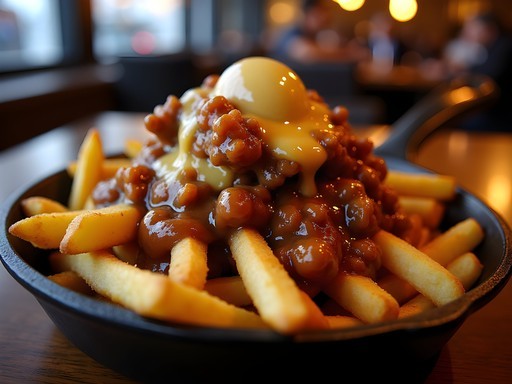
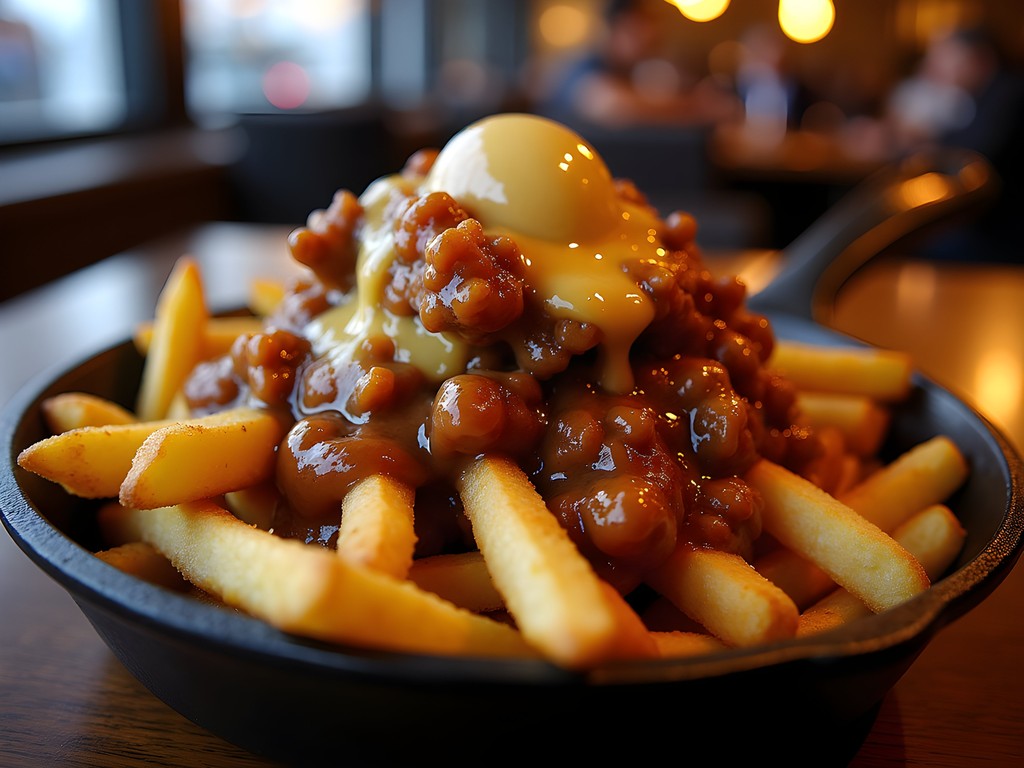
Dinner at Au Pied de Cochon represents Chef Martin Picard's systematic deconstruction and reconstruction of Québécois cuisine. Their foie gras poutine might appear chaotic, but my analysis revealed intentional layering of textures and temperatures. I documented the experience with my smartphone camera lens kit, which allows me to capture detailed close-ups of plating techniques without disrupting other diners.
The restaurant's open kitchen operates with the efficiency of a well-designed network—each station communicating through minimal, precise language while maintaining high throughput. I observed how the expediter used a modified kanban system to manage order flow, similar to how I structure project workflows in my engineering practice.
If energy permits after dinner, walk to Patisserie Au Kouign Amann for their maple cronuts. The lamination in their pastry demonstrates perfect geometric consistency—each layer measuring approximately 1mm according to my estimation. Their production schedule is equally precise: arrive after 9 PM for freshly made evening batches or risk finding empty display cases.
💡 Pro Tips
- Make Au Pied de Cochon reservations 30-45 days in advance, especially for weekend evenings
- Specify dietary restrictions clearly when booking—the kitchen can modify most dishes with advance notice
- Order the maple syrup pie for dessert—it contains 5 distinct textural elements that create a comprehensive sensory experience

Day 2: Morning - Mile End's Breakfast Institutions
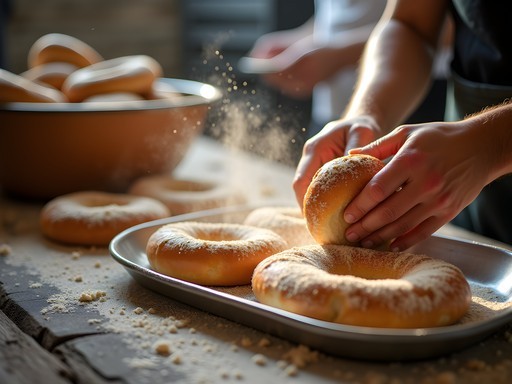
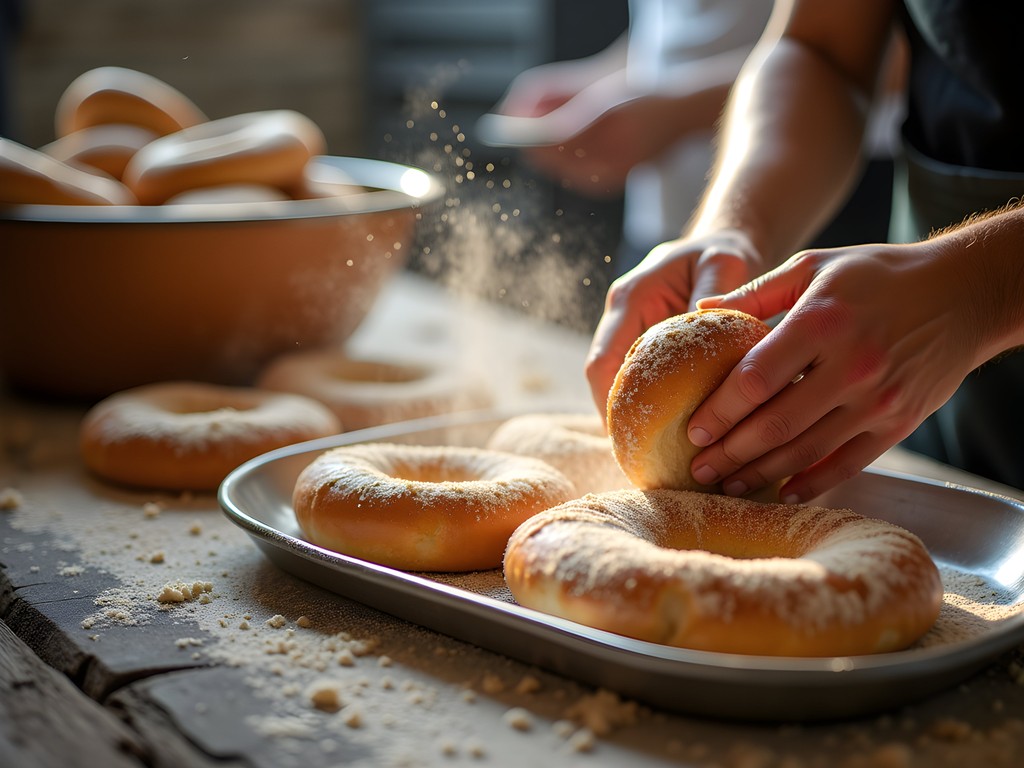
Begin your second day in the Mile End neighborhood, where Montreal's famous bagel operations demonstrate perfect process optimization. I arrived at St-Viateur Bagel at 7:30 AM to observe their production line, which follows the same workflow patterns that have proven effective for over 60 years.
The bagel makers execute a precise sequence: rolling, hand-shaping, boiling in honey water for exactly 90 seconds, then baking in a wood-fired oven at approximately 260°C (500°F). This process creates a consistently golden exterior with optimal density—demonstrating how analog systems can achieve remarkable precision without digital controls.
Order sesame bagels with cream cheese and lox, then walk to nearby Café Olimpico for their mathematically perfect espresso. The barista explained their grind size calibration process, which they adjust three times daily based on humidity levels—a feedback loop system that ensures consistent extraction.
Next, visit Fairmount Bagel to conduct a comparative analysis. While both establishments produce excellent bagels, I documented subtle differences in hydration levels and seed-to-dough ratios. This kind of systematic comparison helps develop a more nuanced understanding of Montreal's bagel taxonomy.
Before leaving Mile End, I recommend visiting Drawn & Quarterly bookstore, where I found several volumes on Quebec's culinary history that provided valuable context for our tasting experiences. I recorded key insights in my digital notebook, which allows me to organize observations in a searchable format while maintaining the cognitive benefits of handwriting.
💡 Pro Tips
- Arrive before 8 AM at St-Viateur for the freshest bagels and shortest lines
- Order bagels by the half-dozen—they maintain optimal texture for approximately 6 hours at room temperature
- Try both sesame and poppy seed varieties for a complete understanding of Montreal's bagel spectrum
Day 2: Afternoon - Little Italy & Jean-Talon Revisited
For lunch, travel to Montreal's Little Italy, where the integration of traditional techniques with contemporary approaches mirrors my own philosophy about technology adoption. At Pizzeria Napoletana, I timed their wood-fired oven process: 90 seconds at 485°C produces perfect Neapolitan pizza with optimal leoparding on the crust.
After lunch, return to Jean-Talon Market with a more targeted approach. Having established a baseline understanding yesterday, I implemented a more efficient sampling strategy focusing on seasonal specialties. At Le Marché des Saveurs du Québec, I discovered ice ciders and craft beers that demonstrate the region's microbrewing precision.
For a mid-afternoon break, visit Café Ferlucci where I conducted a comparative analysis of their traditional Italian espresso preparation against third-wave methods. Their approach favors consistency over experimentation—a valid methodology when excellence has already been achieved.
Before dinner, I recommend a 20-minute meditation session at nearby Parc Dante. My practice of mindful observation in varied environments began in Alaska's tundra but has proven equally valuable in urban settings. This recalibration helps prepare your sensory systems for the evening's culinary experiences.
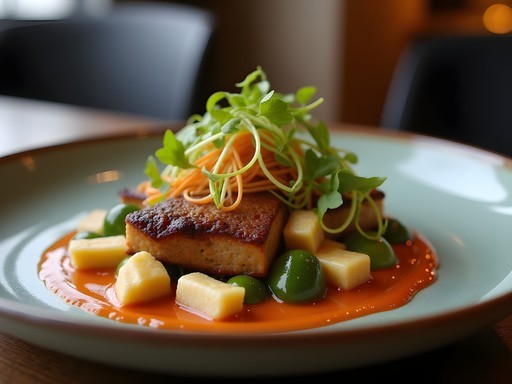
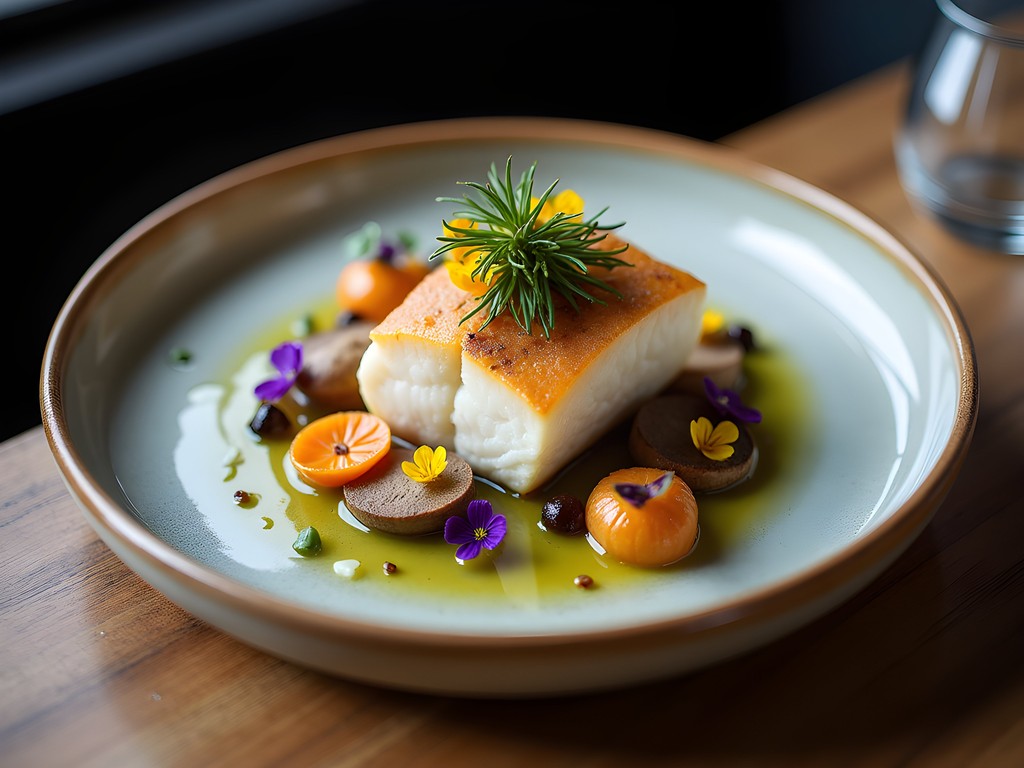
Dinner at Manitoba showcases foraged ingredients prepared with technical precision. Chef Simon Mathys applies systematic cooking methods to wild ingredients, creating dishes that honor indigenous food traditions while implementing contemporary techniques. Their cedar-infused arctic char maintains perfect 52°C internal temperature throughout the protein—evidence of precise sous vide calibration followed by controlled searing.
I documented each course with my compact camera, which performs exceptionally well in low-light restaurant environments without requiring flash photography. The waitstaff shared detailed information about foraging locations and preservation techniques, which I've found is often the case when you ask specific, technically-informed questions about their processes.
💡 Pro Tips
- At Manitoba, request the chef's tasting menu with wild food pairings for a comprehensive experience of Quebec terroir
- Visit Café Ferlucci between 2-4 PM to avoid crowds and have time for conversation with their knowledgeable baristas
- When returning to Jean-Talon, focus on the specialty shops around the perimeter that you might have missed on day one
Day 2: Evening - Modern Montreal & Sweet Finales
For your final evening, explore how Montreal's contemporary culinary scene integrates global influences while maintaining its distinctive identity—similar to how effective networks balance standardization with customization.
Begin at Bar Henrietta for aperitifs, where their cocktail program demonstrates precise measurement and temperature control. Their Old Fashioned variation incorporates maple bitters in mathematically determined proportions (I estimated 4:1:0.5 for spirit:sweetener:bitters based on flavor analysis).
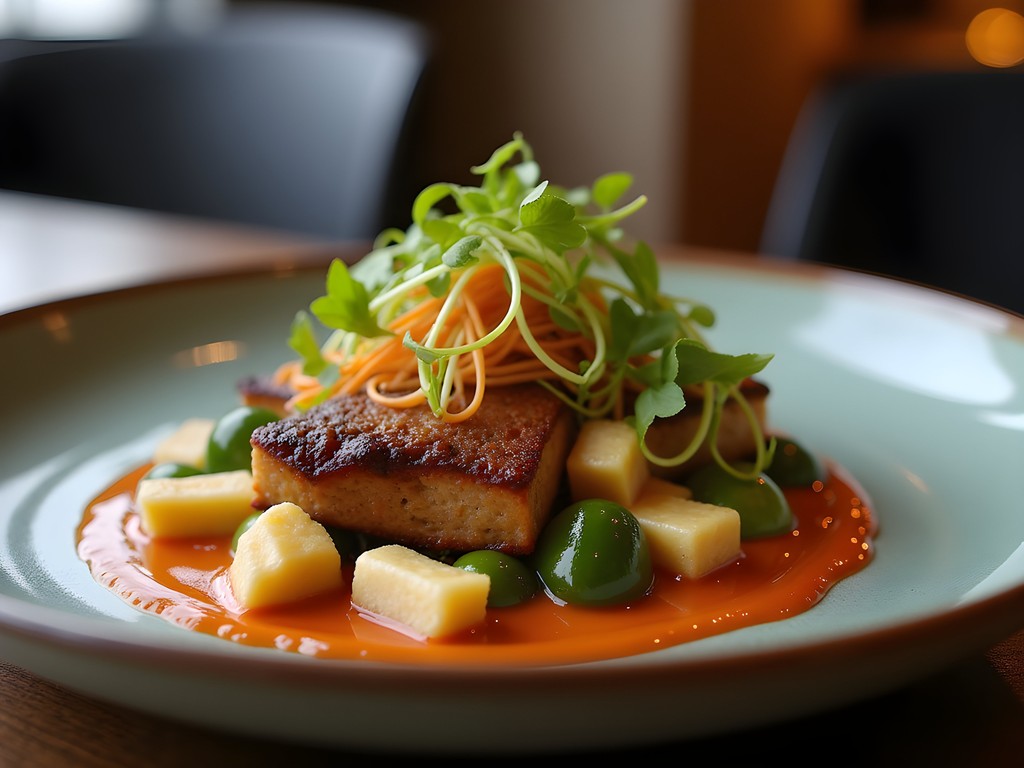
For dinner, I recommend Candide in Little Burgundy, where Chef John Winter Russell applies a systems-thinking approach to seasonal cooking. The four-course menu changes based on ingredient availability, maintaining a logical progression of flavors and textures throughout the meal. Their vegetable-forward dishes showcase how precise cooking temperatures can transform humble ingredients—their roasted carrots maintain a Maillard reaction gradient that indicates careful monitoring during preparation.
The restaurant's commitment to sustainability extends to their waste management system, which the server explained reduces their landfill output by approximately 85% through composting and recycling protocols. This aligns with my values regarding environmental stewardship and mindful resource utilization.
Conclude your culinary circuit at Patisserie Rhubarbe for dessert, where pastry chef Stephanie Labelle demonstrates how classical French techniques can be systematically applied to Quebec ingredients. Their maple paris-brest achieves perfect structural integrity while incorporating local flavor profiles. I conducted a textural analysis noting at least six distinct components, each contributing to a comprehensive sensory experience.
Before returning to your accommodation, take a moment for reflection at Square Saint-Louis, where the evening ambiance provides an optimal environment for processing the weekend's culinary data points. I use a simple meditation technique focusing on five deep breaths while mentally cataloging the flavor patterns experienced throughout the day—a practice that enhances both memory formation and appreciation.
💡 Pro Tips
- Book Candide at least two weeks in advance and request counter seating to observe their kitchen workflow
- At Bar Henrietta, ask the bartender about their house-made bitters program—they often offer samples of experimental batches
- Patisserie Rhubarbe's desserts are best enjoyed on-site rather than taken away to maintain optimal temperature and texture
Final Thoughts
As I boarded my flight home, I found myself mentally mapping Montreal's culinary landscape like a well-designed network topology—each neighborhood a node, each restaurant a unique data point, all connected by the common protocols of Quebec's food culture. What makes Montreal exceptional isn't just the preservation of traditional techniques or the innovation of new approaches, but the mindful integration of both systems. For couples seeking connection through shared experiences, Montreal's food scene offers the perfect environment for both analysis and appreciation. The city demonstrates how cultural preservation and technological progress can coexist harmoniously—a philosophy I strive to embody in both my professional work and personal explorations. As you plan your own 48-hour culinary circuit of Montreal, remember that the most satisfying experiences often come from balancing structured exploration with spontaneous discovery. The city awaits with its perfectly calibrated blend of tradition and innovation—a gastronomic algorithm worth experiencing firsthand.
✨ Key Takeaways
- Montreal's food scene balances French tradition with North American innovation in a systematic yet surprising way
- Plan strategically but allow time for spontaneous discoveries—some of the best experiences happen between scheduled stops
- Engage mindfully with each culinary experience through all senses for deeper appreciation and memory formation
- Ask specific questions about techniques and ingredients—Montreal's food professionals appreciate genuine curiosity
📋 Practical Information
Best Time to Visit
September-October (fall harvest season)
Budget Estimate
$150-250 per day per couple for food and drinks
Recommended Duration
48 hours minimum, 3-4 days ideal
Difficulty Level
Beginner
Comments
Haley Hamilton
This brought back so many memories! I backpacked through Quebec last summer and spent 4 days in Montreal, mostly eating my way through the city. The contrast between old-school delis and modern fusion spots is what makes the food scene so special. My unexpected find was a tiny Syrian place in Mile End called Damas - mind-blowing food and the owner's story of coming to Montreal as a refugee was incredibly moving. Also, the coffee culture deserves its own post! Café Olimpico in Mile End makes the best espresso I've had outside of Italy. Aaliyah, you captured the essence of Montreal's food scene perfectly!
summerbuddy
Thanks for the Damas rec! Adding it to my list for next month's trip!
sunnylover
Great guide! For anyone with dietary restrictions, Montreal is surprisingly accommodating. I'm gluten-free and found amazing options at most places mentioned here. The markets are perfect because you can pick exactly what works for you. Just learn how to say your restrictions in French - it helps a lot!
hikingvibes
Those pics of the poutine made me so hungry! Booking tickets to Montreal right now lol
Sophia Gomez
Aaliyah, your network architecture analogy is spot on! As someone who travels to Montreal quarterly for business, I've mapped my own food network there too. I'd add Joe Beef to your list - it's pricey but worth the splurge for a special dinner. And for anyone visiting, don't miss the Portuguese chicken joints in the Plateau area. I always bring my pocket translator since many of the best local spots have French-only menus. Your 48-hour plan is perfect for first-timers!
nomadrider
Planning to visit in February - is this itinerary doable in winter? Are the markets still good then?
sunnylover
I went last winter! Jean-Talon is mostly indoors so it's fine. Just bring good boots because walking between restaurants can be slippery. The bagel shops are even better when it's cold outside!
nomadrider
Thanks! Good to know about the boots. Any particular bagel shop you'd recommend?
sunnylover
St-Viateur all the way! Get them fresh and warm.
globeblogger
Just got back from Montreal last week and this guide would've been SO helpful! We stumbled upon Jean-Talon Market by accident and it was the highlight of our trip. The cheese shops are unbelievable - we brought back way too much! Did anyone try that little wine bar on Rue Saint-Paul? The one with the blue door? Can't remember the name but it was magical.
Sophia Gomez
Was it Le Vin Papillon? That place is my absolute favorite when I'm in Montreal for business trips! Their charcuterie board is to die for.
globeblogger
YES! That's the one! We had the most amazing natural wine there. Definitely going back next time.
summerbuddy
Those bagels in Mile End sound amazing! Adding to my list!
Casey Andersson
Loved reading this! I did a similar Montreal food circuit last autumn and completely agree about the Plateau Mont-Royal area. I'd add that if you have time on day two, the brunch scene in Griffintown is absolutely worth the detour - stumbled upon this tiny spot called Nora Gray that does Italian-inspired breakfast and it completely changed my perspective on Montreal's food scene. The city really does feel like different neighborhoods operating as their own culinary networks, as you mentioned. Also, the Jean-Talon Market in winter is magical - fewer crowds but all the local vendors are still there with their preserves and cheeses.
Aaliyah Rivera
Oh I've heard about Nora Gray! Definitely on my list for next time. And yes, Jean-Talon in winter was surprisingly cozy.
wanderlusthero
This looks amazing! Quick question - did you go in January? I'm wondering if all these places stay open through winter or if some close down? Heading there in March.
Aaliyah Rivera
Hey! Yes, I went in early January actually. Everything was open and honestly the winter vibe made it even better. Just dress warm for walking between spots! March should be perfect.
wanderlusthero
Perfect, thanks!
Kimberly Murphy
Brilliant guide, Aaliyah! Montreal's been on my list forever and this is exactly the push I needed. I love how you've structured it by neighborhood - makes so much sense for maximizing your time. Quick question: how walkable is it between these areas? I usually prefer exploring on foot when possible but wondering if the metro is necessary for this itinerary. Also, your photos of that poutine have me absolutely drooling! The food scene there looks incredible for both traditional Québécois fare and innovative fusion stuff.
wanderlustnomad4037
metro is super easy and cheap there, worth getting a weekend pass
Venture X
Premium card with 2X miles, $300 travel credit, Priority Pass