
Disclosure: This article contains affiliate links. We may earn a commission from purchases at no extra cost to you, which helps our travel content.
When most travelers think of Costa Rica, visions of lush rainforests and pristine beaches typically come to mind—rarely the urban landscape of San Jose. Yet as someone who's tracked disease patterns across Central America for over a decade, I've spent considerable time in this vibrant capital city and witnessed its remarkable culinary transformation. The epidemiologist in me can't help but observe how food culture serves as a fascinating indicator of social change, and nowhere is this more evident than in San Jose's evolving gastronomy scene.

The Enduring Charm of Traditional Sodas
For the uninitiated, Costa Rican 'sodas' have nothing to do with carbonated beverages—they're small, family-run eateries that form the backbone of local cuisine. During my first research trip here in 2011, I stumbled upon Soda Tapia in Sabana Norte while collecting community health data, and it became my control group for authentic Tico food experiences.
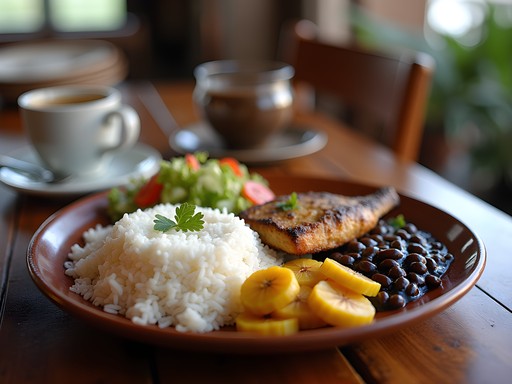
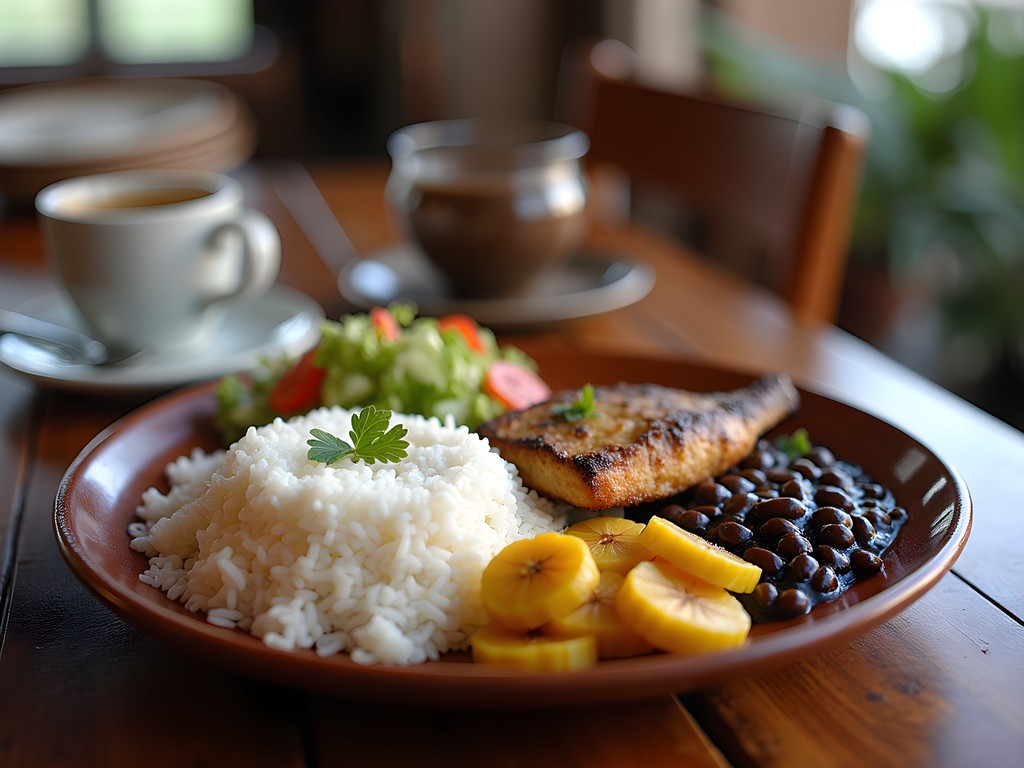
These unpretentious establishments serve what Costa Ricans call casado—a 'marriage' of rice, black beans, plantains, salad, and a protein option. The nutritional balance always impresses my health-conscious mind; the combination provides complete proteins when beans and rice are consumed together—an evolutionary dietary wisdom that predates modern nutritional science.
On my most recent visit with colleagues from the Pan-American Health Organization, we frequented Soda Chelles near the National Museum. Their gallo pinto (traditional rice and beans breakfast) provided sustained energy for our long days of fieldwork, all while costing under $5. I've documented the consistent quality across dozens of sodas, and the data is conclusive: these establishments remain the most authentic window into Costa Rican culinary tradition.
💡 Pro Tips
- Look for sodas with a steady stream of local customers—this is your best indicator of quality and authenticity
- Order the 'casado con pescado' (married with fish) for a lighter protein option that's usually locally sourced
- Most sodas are cash-only, so keep colones handy for these budget-friendly meals
The Third Wave Coffee Revolution
As both a scientist and the spouse of a Norwegian coffee enthusiast, I approach Costa Rica's coffee scene with particular interest. The country has long been renowned for its coffee exports, but what's fascinating from a cultural evolution standpoint is how the domestic consumption landscape has transformed.
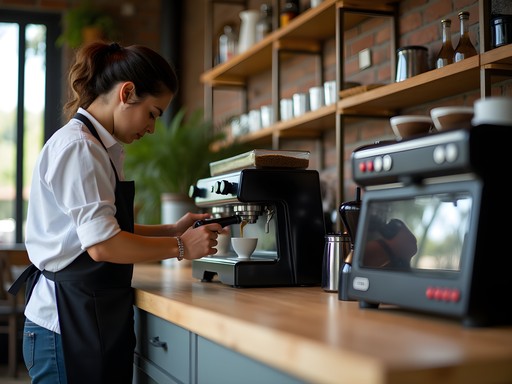
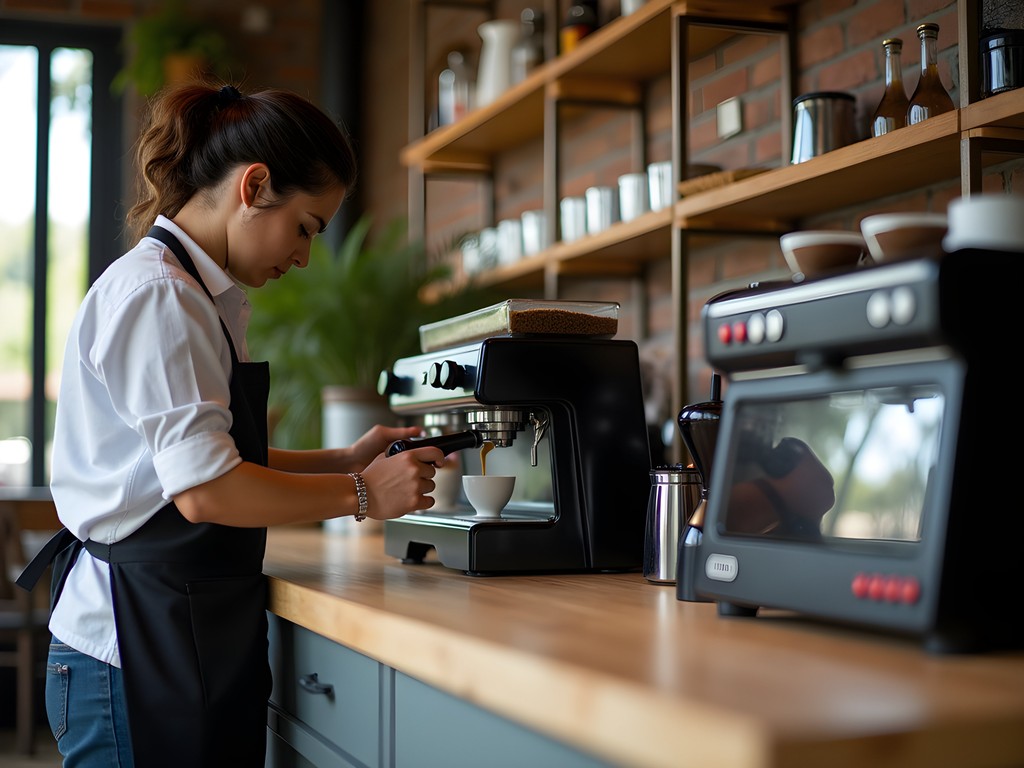
During my early visits monitoring dengue fever outbreaks in 2009, finding anything beyond basic coffee was nearly impossible. Today, San Jose boasts a sophisticated third-wave coffee movement that rivals global standards. My research routine now includes working from Franco, where baristas can discuss fermentation methods with the precision of my laboratory colleagues.
The epidemiological parallel is striking—just as disease patterns evolve through population movements and changing environments, San Jose's coffee culture has undergone its own fascinating mutation. Specialty cafés like Cafeoteca in Barrio Escalante now offer cupping sessions where visitors can sample different regional beans, complete with flavor wheels that remind me of the taxonomic classifications we use in my field.
For serious coffee enthusiasts, I recommend bringing home beans from microregions like Tarrazú or West Valley. I store mine in an airtight coffee container to preserve the complex flavor compounds—a recommendation from my husband that has proven scientifically sound for maintaining freshness.
💡 Pro Tips
- Visit cafés between 2-4pm for the best chance to chat with baristas about their sourcing and brewing methods
- Try a 'coffee flight' at specialty shops to compare beans from different Costa Rican growing regions
- Many third-wave shops offer brewing equipment—the portable coffee grinder makes an excellent souvenir that ensures quality brews back home
Market-to-Table: Mercado Central & Beyond
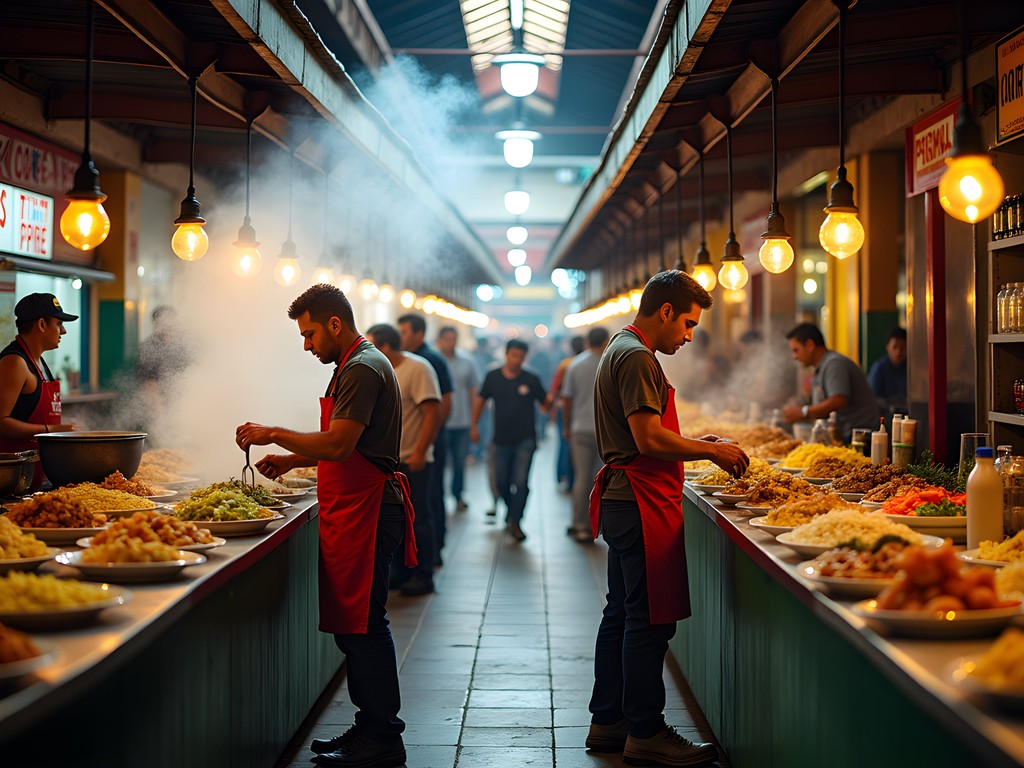
My epidemiological work has taught me that understanding food systems is crucial to community health assessment. San Jose's Mercado Central, established in 1880, offers a fascinating window into both traditional foodways and emerging culinary trends.
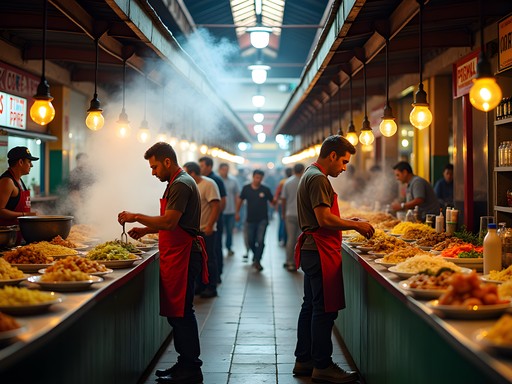
On a recent research trip studying food safety practices, I spent three consecutive mornings observing vendor-customer interactions at the market. The social dynamics mirror what we see in public health networks—trusted relationships built over generations, with knowledge passed through informal but reliable channels.
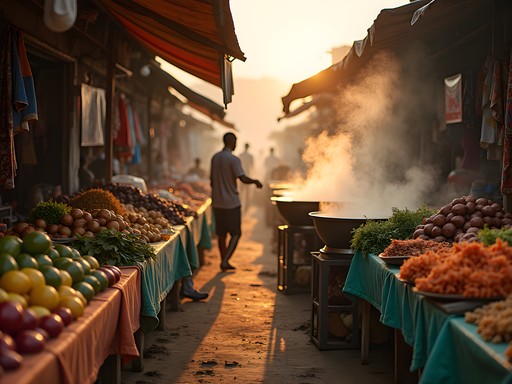
For visitors, the market presents a sensory immersion into Costa Rican food culture. Navigate through narrow passages to find Soda Tapia (not to be confused with the aforementioned establishment of the same name) where their olla de carne (beef stew) has remained unchanged for decades—a control sample in the experiment of culinary evolution.
What's particularly interesting from an analytical perspective is how the market has adapted to changing consumer demands. Traditional medicinal herb vendors now neighbor stalls selling cold-pressed juices and kombucha, reflecting the global wellness movement's influence on local food systems.
For food safety during market visits, I always carry my travel hand sanitizer and recommend eating at stalls with high turnover of both customers and ingredients—a principle that applies to street food globally.
💡 Pro Tips
- Visit Mercado Central early (before 9am) to see the best produce selection and avoid crowds
- Look for sodas within the market where multiple generations work together—these often maintain the most authentic recipes
- Ask vendors about seasonal fruits—many will offer samples of exotic varieties you won't find in guidebooks

Barrio Escalante: San Jose's Gastronomic Laboratory
If San Jose's food scene were a research study, Barrio Escalante would be its most innovative experimental group. This neighborhood has undergone a remarkable transformation over the past decade, evolving from a residential area into the city's premier gastronomic district—a phenomenon I've documented across multiple visits since 2013.
What fascinates me about Escalante is how it represents a perfect case study in cultural hybridization. Restaurants like Olio merge Mediterranean techniques with Costa Rican ingredients, while Al Mercat pioneered the farm-to-table movement with a data-driven approach to sourcing that would impress my research colleagues.
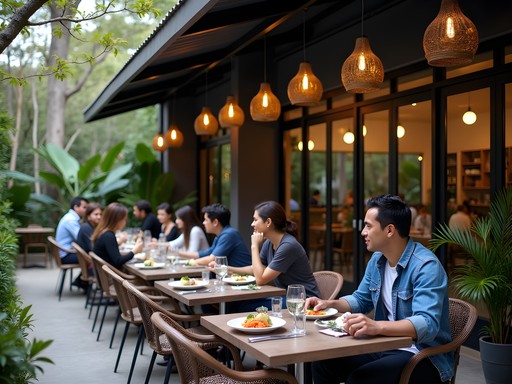
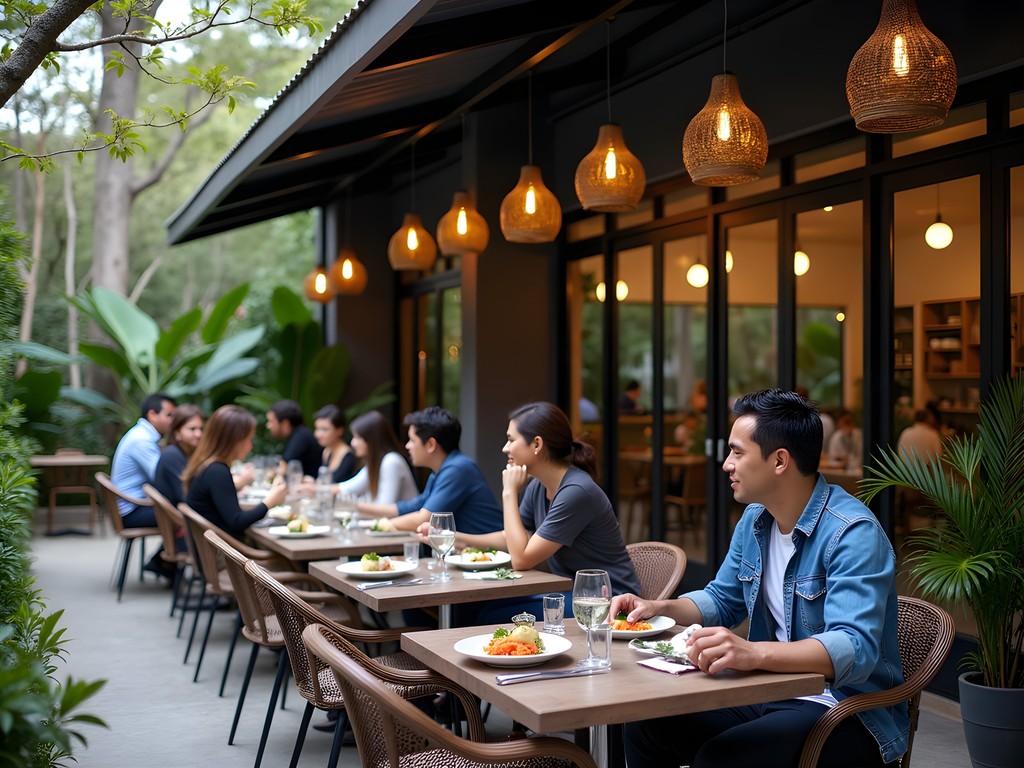
During my last extended stay while conducting a nutrition assessment project, I rented an apartment in Escalante for three weeks. This immersion allowed me to map the neighborhood's culinary patterns—weekday business lunches at Café de los Deseos, weekend family gatherings at La Uvita Perdida, and evening craft cocktails at Apotecario drawing international visitors.
For travelers with dietary restrictions, Escalante offers the most accommodating options in the city. As someone who monitors food safety professionally, I've been impressed by the allergen awareness and cross-contamination protocols at establishments like Arbol de Seda, where gluten-free and vegan options aren't afterthoughts but fully developed menu concepts.
To fully experience the neighborhood, I recommend joining a walking food tour with comfortable walking shoes as you'll cover significant ground between tastings.
💡 Pro Tips
- Make reservations for dinner at popular spots like Silvestre at least a week in advance
- Visit during 'Art City Tour' nights when galleries open late and restaurants offer special menus
- Many Escalante restaurants source from specific regional farms—ask about the provenance of ingredients to learn about Costa Rica's agricultural diversity
Embracing Fusion: Where Tradition Meets Innovation
As both a scientist and cultural observer, what I find most compelling about San Jose's current food scene is the controlled experimentation happening at the intersection of tradition and innovation. This isn't random mutation but deliberate evolution—chefs trained internationally returning to reinterpret Costa Rican classics with technical precision.
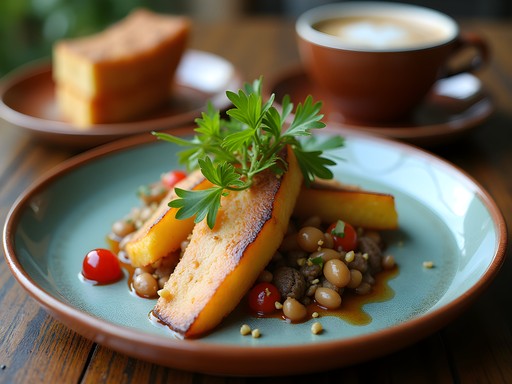
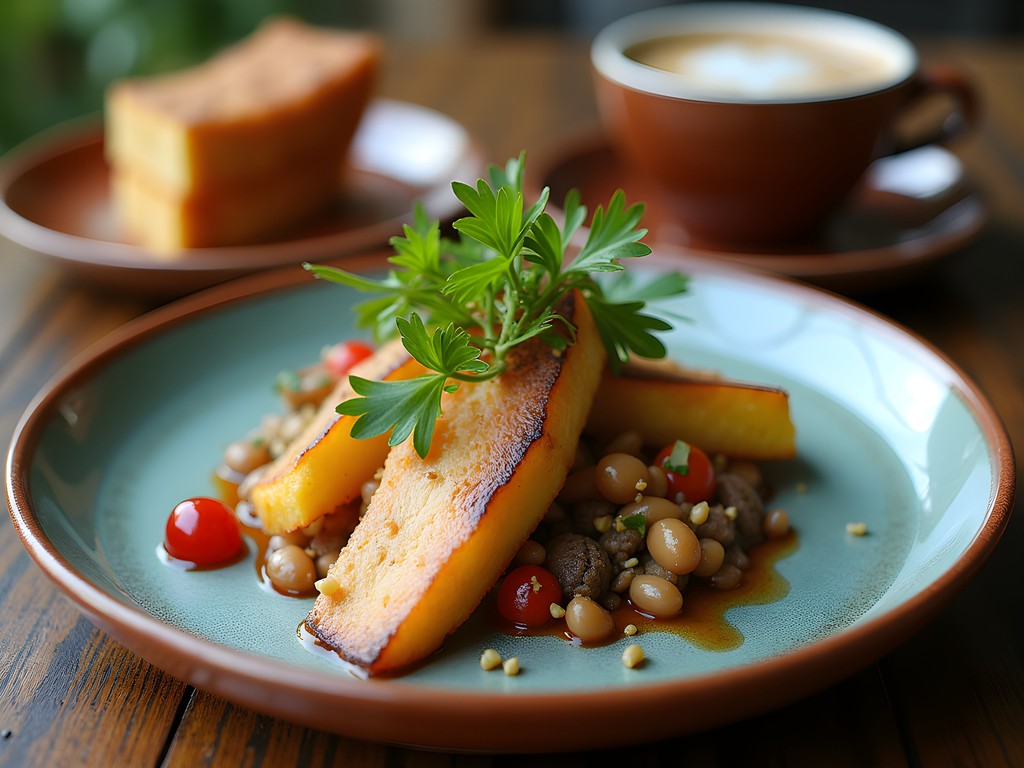
At Restaurante Silvestre, Chef Santiago Fernández applies molecular gastronomy techniques to indigenous ingredients, creating dishes that tell a story of cultural resilience. During my dinner there (meticulously documented in my research journal), I was served a deconstructed gallo pinto that maintained the dish's nutritional profile while transforming its presentation and texture—a perfect metaphor for San Jose's broader culinary transformation.
For visitors seeking this blend of tradition and innovation, I recommend starting with familiar reference points like chifrijo (a traditional bar snack of beans, chicharrones, and pico de gallo) at more contemporary establishments like La Concha de la Lora, where the classic recipe receives subtle enhancements without losing its essential character.
Documenting these culinary experiences has become easier with my compact travel camera, which performs exceptionally well in low-light restaurant environments without being as intrusive as larger equipment. As someone who values both data collection and being present in the moment, this balance is essential.
My epidemiologist's perspective sees San Jose's fusion cuisine as a fascinating example of cultural adaptation—maintaining core nutritional and cultural elements while incorporating new techniques and presentations that ensure traditional foodways remain relevant for future generations.
💡 Pro Tips
- Look for restaurants displaying the 'Esencial Costa Rica' certification, which indicates commitment to local sourcing
- When trying fusion restaurants, order one traditional dish and one innovative creation to appreciate the chef's interpretation
- Ask servers about the history behind fusion dishes—many chefs are documenting traditional recipes that might otherwise be lost
Final Thoughts
San Jose's culinary landscape offers a fascinating window into Costa Rica's cultural evolution—a living laboratory where traditional sodas coexist with cutting-edge gastronomy. As both an epidemiologist and a curious traveler, I've found that tracking these food trends provides insights that extend far beyond mere sustenance, revealing patterns of social change, economic development, and cultural identity.
What makes this city special isn't just the quality of individual establishments but the complete ecosystem they form—from the century-old Mercado Central to the innovative kitchens of Barrio Escalante. For visitors willing to look beyond Costa Rica's famous natural attractions, San Jose offers a gastronomic journey that challenges preconceptions and rewards culinary adventurers.
As I continue my work across Central America, San Jose remains my control group for understanding how food cultures adapt and evolve while maintaining their essential character. Whether you're seeking the perfect cup of single-origin coffee or the most authentic casado, this overlooked capital deserves recognition as one of Central America's most dynamic food destinations. Come with an open mind, an empty stomach, and perhaps a journal to document your own culinary findings—the data you collect will be deliciously conclusive.
✨ Key Takeaways
- Traditional sodas remain the best value and most authentic introduction to Costa Rican cuisine
- San Jose's third-wave coffee scene showcases the country's beans in sophisticated new formats
- Barrio Escalante offers the highest concentration of innovative restaurants and is ideal for dinner reservations
- Mercado Central provides the most comprehensive overview of traditional foods in a single location
- The fusion of traditional ingredients with modern techniques represents Costa Rica's culinary future
📋 Practical Information
Best Time to Visit
year-round (dry season December-April offers more comfortable outdoor dining)
Budget Estimate
$30-60 per day for food (from sodas to mid-range restaurants)
Recommended Duration
3-4 days to sample different neighborhoods
Difficulty Level
Beginner





Comments
TravelingDad
Taking the kids (10 & 12) next month. Are the traditional sodas kid-friendly or should we stick to more touristy places?
beachmaster
my kids loved the sodas! simple food and super friendly people. they have fruit drinks kids will like too
TravelingDad
Thanks! That's reassuring to hear.
Jean Wells
Fascinating analysis of San Jose's culinary duality. What strikes me most is how this mirrors patterns I've observed in other Latin American capitals - Lima, Mexico City, Buenos Aires - where urbanization and globalization create these layered food cultures rather than replacing traditional ones. The soda system is particularly interesting from an economic perspective: low overhead, family-run, serving a local clientele who prioritize value and familiarity. Meanwhile, the craft coffee movement caters to a different demographic willing to pay premium prices for specialty products and ambiance. Both are sustainable models serving different needs. I spent three weeks in San Jose last year specifically studying this phenomenon, and your observations align perfectly with my research. The Mercado Central remains the heart of it all - a space where both worlds literally intersect.
exploreway
Going there next month, thanks for the tips!
Sophia Gomez
Hazel, this brought back so many memories! I was in San Jose for a conference last year and extended my stay just to explore the food scene. The contrast you describe between the traditional sodas and the modern craft coffee culture is spot-on. I remember sitting in this third-wave coffee shop in Barrio Escalante, sipping a geisha varietal pour-over, while my Uber driver earlier that morning had recommended his aunt's soda for "real Tico food." Both experiences were equally authentic and delicious in completely different ways. That's what makes San Jose special - it's not trying to be one thing. It's embracing its evolution while honoring its roots.
exploreway
Which coffee shop was that? Sounds amazing!
cityphotographer
Your photos are gorgeous! Especially the one from the coffee shop. Did you shoot those in natural light? I'm heading there in a few weeks and trying to plan my photography around the best lighting times. Also any specific coffee shops in Barrio Escalante you'd recommend for atmosphere?
WanderlustJane
Those market photos are making me hungry! 😍
greenexplorer
Great post! The coffee scene there is underrated.
redadventurer
Quick question - is Mercado Central safe for tourists? I've heard mixed things about downtown San Jose and want to make sure before dragging my family there.
greenexplorer
Yeah it's fine during the day. Just keep your bag close like any market. Been 3 times, never had issues.
Sophia Gomez
I second this! Went there on my last business trip to Costa Rica. The market gets busy around lunchtime which actually makes it feel safer with all the locals around. Just use common sense - don't flash expensive cameras or jewelry. The food stalls inside are amazing and super cheap. Try the fresh fruit juices!
moonexplorer
Love this! San Jose needs more attention.
globeone2801
This is so accurate! I was in San Jose last year and honestly almost skipped it entirely for the beaches. So glad I stayed a few days because the food scene blew my mind. Found this tiny soda near the Jade Museum where the casado was like $4 and absolutely incredible. The lady running it didn't speak any English but we managed with Google Translate and lots of smiling lol. Also yeah Barrio Escalante is legit - felt like a totally different city over there.
redadventurer
Do you remember the name of that soda? I'm going in March!
globeone2801
I think it was called Soda Tapia? It's on a side street, had blue chairs outside. Totally worth finding!
Venture X
Premium card with 2X miles, $300 travel credit, Priority Pass