

Disclosure: This article contains affiliate links. We may earn a commission from purchases at no extra cost to you, which helps our travel content.
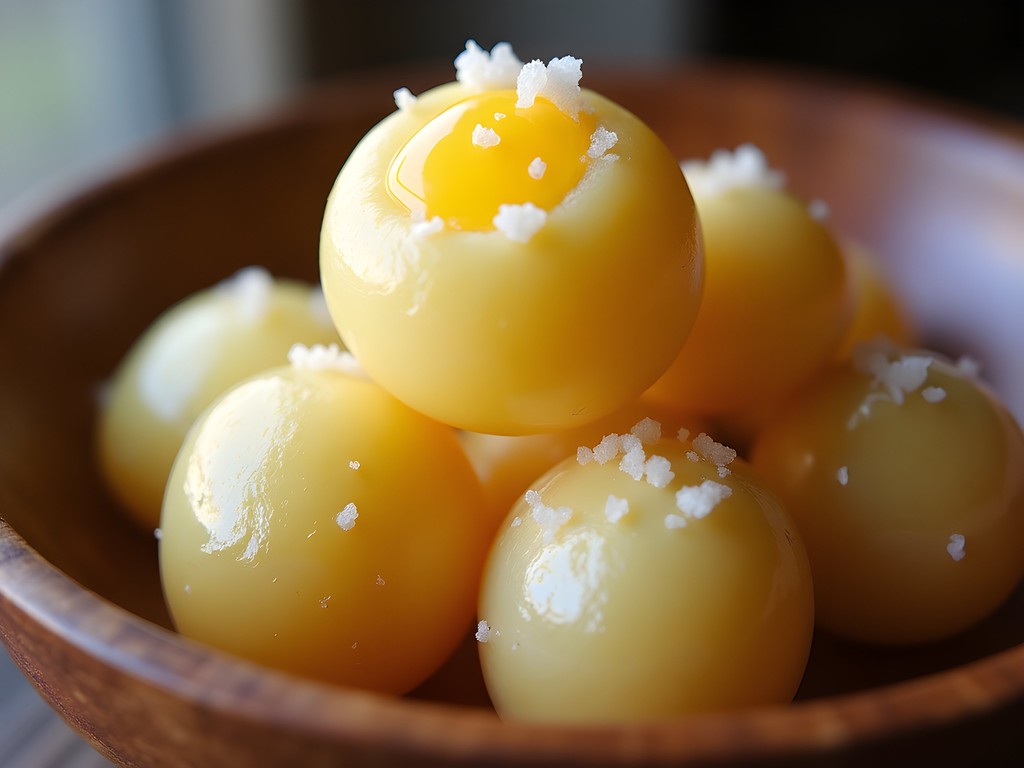
The first time I held a Syracuse salt potato—its skin crystallized with a delicate mineral crust—I was reminded of the mineral formations I once observed in the Himalayan salt caves during my medical conference in Pakistan. These humble potatoes, born from Syracuse's salt industry heritage, tell a story as rich and layered as the city itself. Having spent decades observing the intricate networks of the human heart as a cardiothoracic surgeon, I now find equal fascination in tracing the cultural arterial systems that sustain communities—their markets, their culinary traditions, and the innovations that keep them alive.

The Salt City's Culinary Heritage
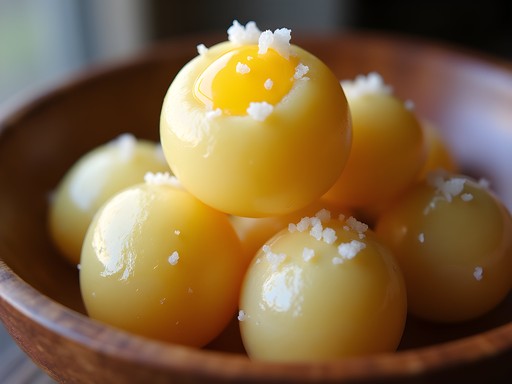
Syracuse's nickname, 'The Salt City,' isn't merely a historical footnote—it's the foundation of a culinary identity that persists today. In the 19th century, Irish salt miners would boil small potatoes in the brine from Onondaga Lake, creating what we now know as salt potatoes—a regional delicacy characterized by their uniquely creamy interior and distinctively salty skin.
During my weekend exploration, I began at the Salt Museum on Onondaga Lake Park, where the historical context of Syracuse's food culture came alive. The docent, a former salt worker's grandson, explained how the industry shaped not only the city's economy but its palate.
For the authentic experience, I recommend visiting Hinerwadel's Grove or the Central New York Regional Market, where salt potatoes are served in their traditional form—boiled and doused with melted butter. The simplicity belies their depth of flavor, much like how the most elegant surgical techniques often appear deceptively straightforward to the untrained eye.
💡 Pro Tips
- Visit the Salt Museum first to understand the historical context of Syracuse's food traditions
- Ask locals for their favorite places for authentic salt potatoes—everyone has an opinion
- Try salt potatoes with different dipping sauces to experience various flavor profiles
The Central New York Regional Market: A Cultural Lifeline
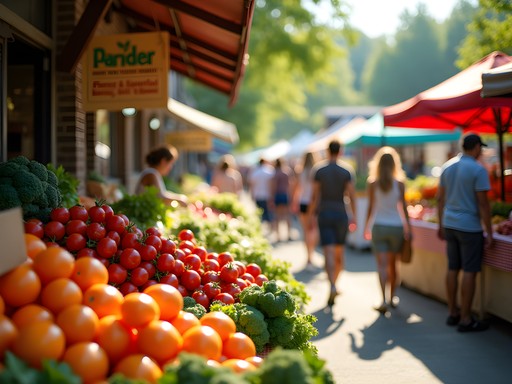
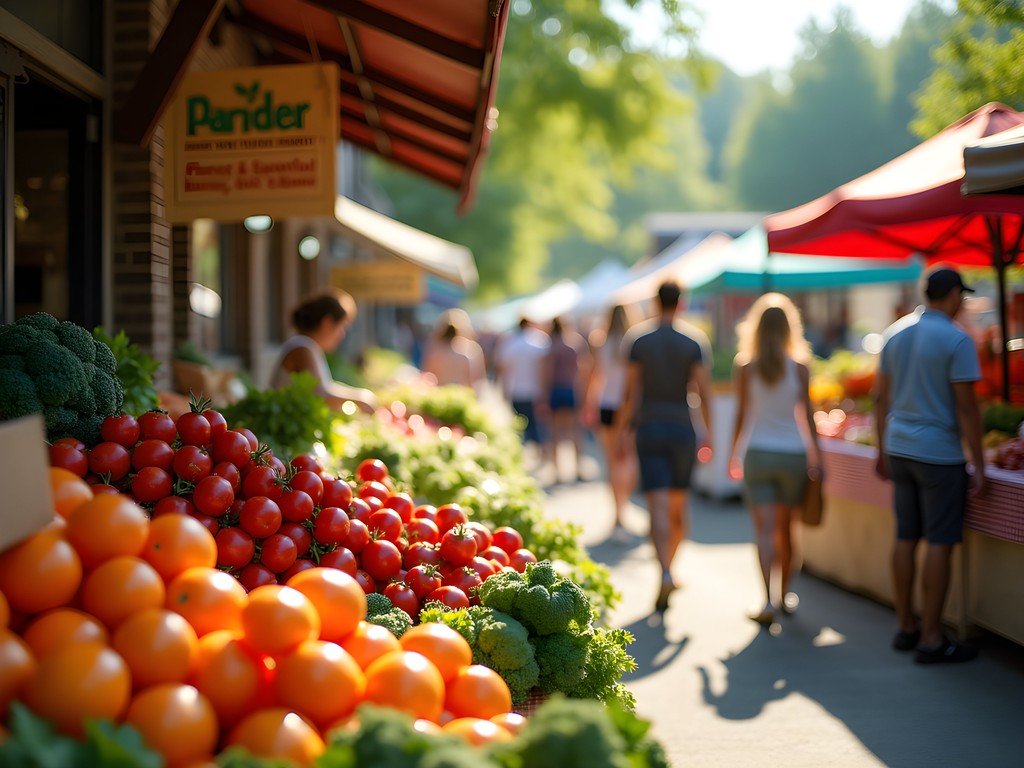
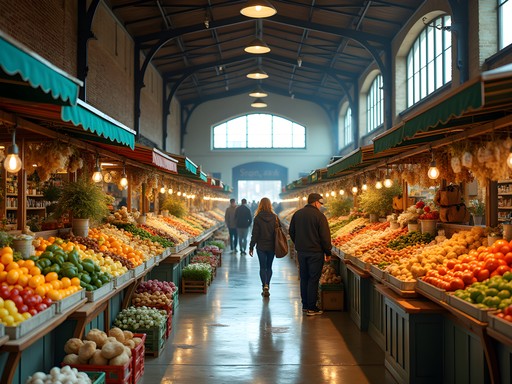
Markets have always been my window into a community's soul. The Central New York Regional Market, operating since 1938, functions much like the chambers of a healthy heart—receiving and distributing vital resources throughout the body of the community.
Visiting on a Saturday morning in summer is essential for the full experience. The market comes alive with over 300 vendors, many of whom are third or fourth-generation farmers. I spent hours meandering through stalls of heirloom vegetables, artisanal cheeses, and freshly baked goods that reflect both the region's agricultural bounty and its diverse cultural influences.
I was particularly drawn to a stall run by a Burmese refugee family selling traditional fermented tea leaf salads alongside Upstate New York apples—a beautiful example of cultural adaptation and preservation. To carry my purchases comfortably throughout the market, I used my collapsible market tote, which expands to hold substantial purchases yet folds flat when empty—essential for any serious market explorer.
💡 Pro Tips
- Arrive early (7-8am) on Saturdays for the best selection and to avoid crowds
- Bring cash as many smaller vendors don't accept cards
- Talk to the vendors about their products—many have fascinating stories and preparation suggestions
Farm-to-Table Renaissance in Syracuse
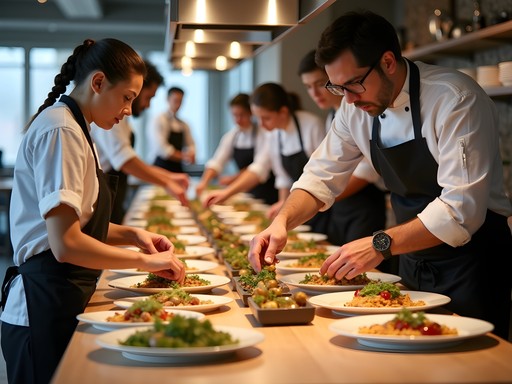
Syracuse's culinary scene has undergone a remarkable transformation in recent years, embracing the farm-to-table philosophy with a passion that reminds me of the precision and care we applied in the operating theater. This movement isn't merely trendy—it's a return to the fundamental understanding that quality ingredients, minimally processed, yield the best results.
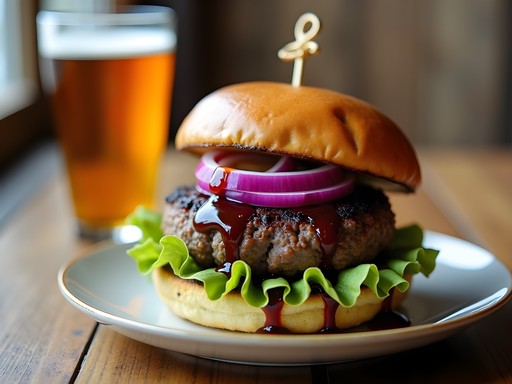
At Heritage Hill Brewhouse, perched on a working farm with panoramic views of the city, I experienced this philosophy in action. Chef Patrick's menu changes weekly based on what's available locally, and the connection between farmer and plate is transparent and celebrated. Their beer-braised beef short ribs, sourced from cattle raised on the premises, possessed a depth of flavor that can only come from mindful husbandry and skilled preparation.
For a more refined experience, Elderberry Pond Restaurant in nearby Auburn operates on a certified organic farm, harvesting ingredients hours before they appear on your plate. Their seasonal tasting menu was a revelation—particularly the summer squash blossoms stuffed with herbed ricotta from a local dairy.
To truly appreciate these farm-to-table experiences, I recommend bringing a flavor journal to record the unique taste profiles you encounter. Mine has become an invaluable record of culinary discoveries across continents.

💡 Pro Tips
- Make reservations at farm-to-table restaurants at least a week in advance, especially during harvest seasons
- Ask about farm tours—many establishments offer them before dinner service
- Order seasonal specials rather than standard menu items for the most authentic experience

Immigrant Influences: Syracuse's Global Palate
What fascinates me most about culinary traditions is how they migrate and adapt, much like cellular regeneration in the healing process. Syracuse's immigrant communities have enriched the city's food landscape immeasurably, creating pockets of authentic global cuisine that honor ancestral techniques while incorporating local ingredients.
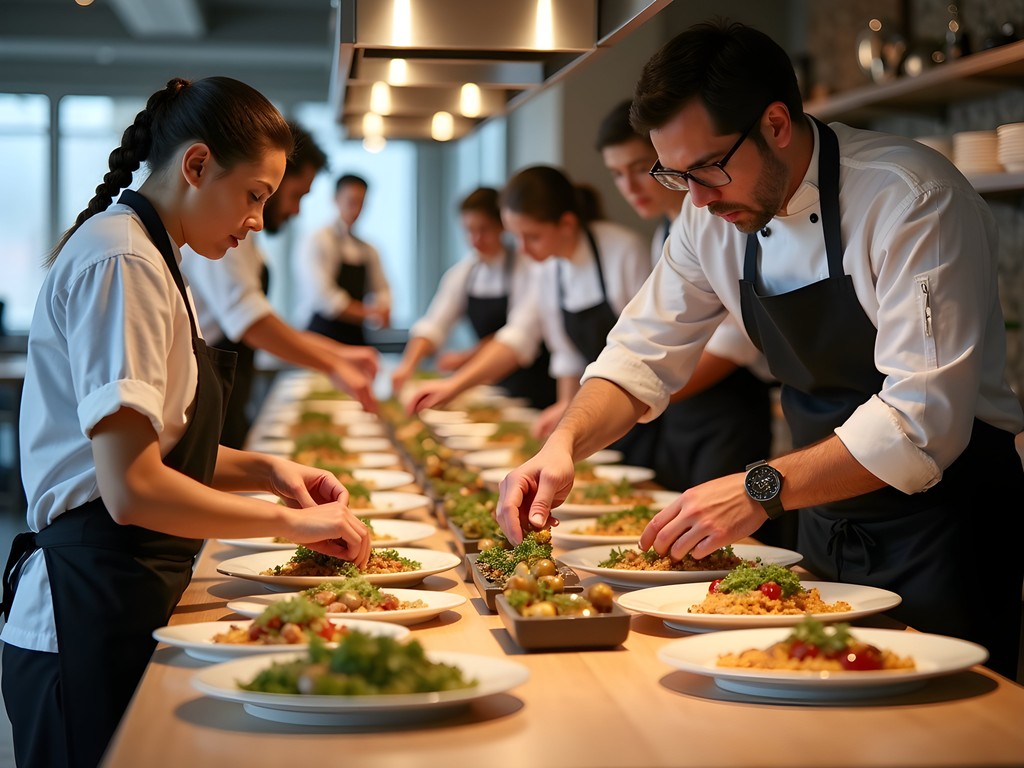
In the North Side neighborhood, I discovered With Love Restaurant, a unique teaching restaurant that functions as a culinary incubator for refugee and immigrant chefs. Every six months, the concept changes to feature cuisine from a different country represented in Syracuse's diverse population. During my visit, a Vietnamese family was showcasing their heritage through dishes that married traditional techniques with Finger Lakes produce.
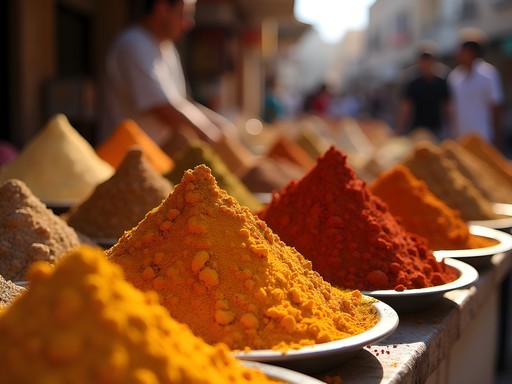
Nearby, Samir's Imported Foods offers Mediterranean and Middle Eastern specialties that transported me back to my travels through Lebanon and Jordan. Their house-made labneh was exceptional, and I couldn't resist purchasing some of their za'atar blend to bring home—a complex mixture of thyme, sumac, and sesame seeds that elevates even the simplest dishes.
For those seeking authentic Vietnamese cuisine, New Century Vietnamese Restaurant serves traditional pho that rivals what I've tasted in Hanoi—the broth possessing that perfect balance of star anise, cinnamon, and long-simmered marrow that marks a properly prepared stock.
💡 Pro Tips
- Research which immigrant cuisine is currently featured at With Love Restaurant before your visit
- Ask for spice level adjustments at ethnic restaurants—many will assume Western palates prefer milder flavors
- Purchase unique ingredients from ethnic markets to extend your culinary adventure at home
Sustainable Innovations in Syracuse's Food Scene
As both a surgeon and a global citizen, I've always been concerned with sustainability—whether preserving human tissue or preserving our planet's resources. Syracuse's food innovators are addressing environmental challenges with creative solutions that don't compromise culinary excellence.
At the forefront is Commonspace Brewery, where I met brewer Carmen who has implemented a closed-loop system that repurposes spent grains into bread, crackers, and animal feed. Their growler system allows customers to reduce packaging waste while enjoying their exceptional craft beers—I particularly recommend their Finger Lakes IPA, which incorporates locally grown hops and barley.
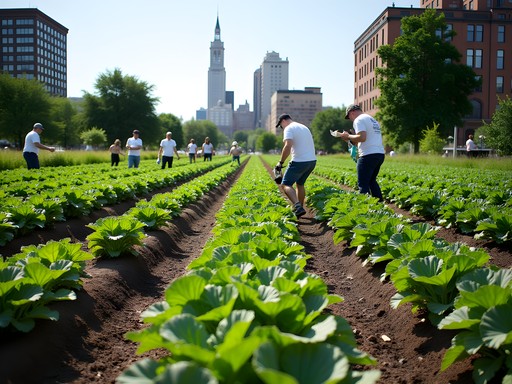
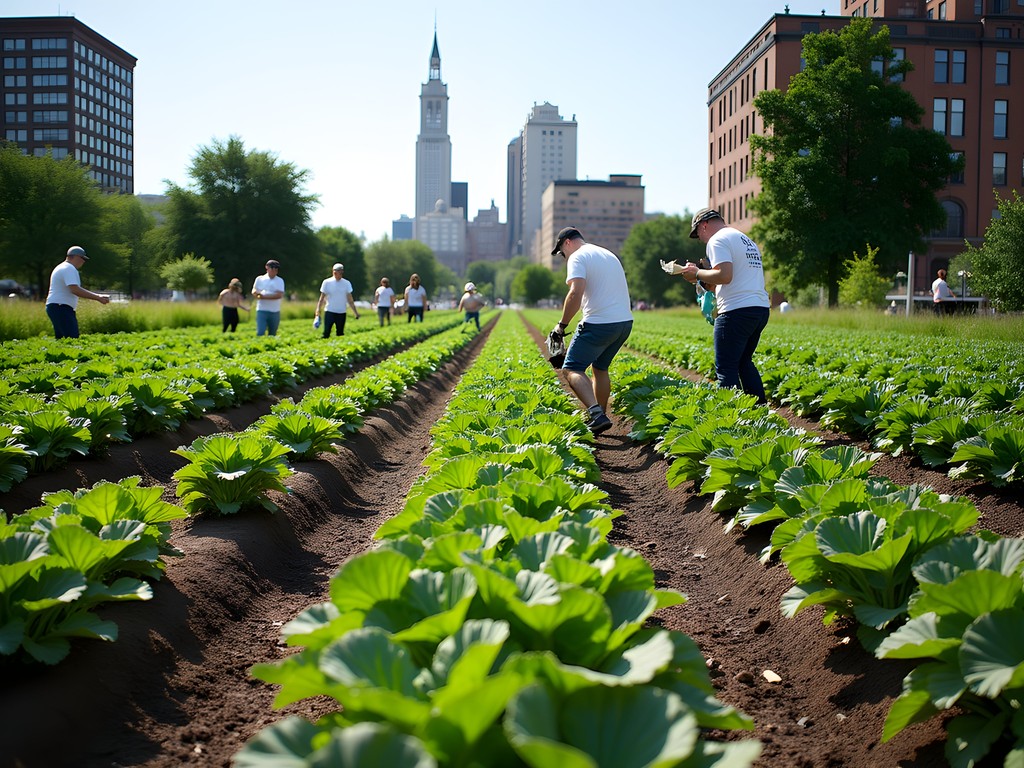
Equally impressive is Brady Farm, an urban agricultural project on Syracuse's South Side that has transformed vacant lots into productive growing spaces. Their regenerative farming practices have improved soil health while providing fresh produce to an area previously considered a food desert. Their community-supported agriculture program offers sliding-scale memberships to ensure accessibility across income levels.
For those interested in reducing food waste, The Creamery's 'Rescue Ice Cream' program partners with local orchards and farms to transform slightly blemished but perfectly edible fruits into spectacular seasonal ice creams. Their maple-apple variety, made with cosmetically imperfect apples from nearby Beak & Skiff Orchards, was a revelation in thoughtful repurposing.
💡 Pro Tips
- Take a sustainability tour at Commonspace Brewery to understand their closed-loop system
- Visit Brady Farm on volunteer days to learn about urban agriculture techniques
- Ask restaurants about their sustainability practices—many are proud to share their initiatives
Final Thoughts
Syracuse's culinary landscape functions much like a complex living organism—honoring its historical DNA through salt potatoes and traditional dishes while evolving through immigrant influences and sustainable innovations. As a surgeon, I spent decades marveling at the body's capacity to maintain tradition while adapting to new circumstances; as a traveler, I find the same fascinating balance in food cultures around the world.
This weekend journey through Syracuse revealed a city that understands food as both cultural preservation and forward-thinking innovation. From the crystalline salt potatoes that pay homage to the city's industrial past to the refugee chefs creating new traditions at With Love Restaurant, Syracuse offers couples a chance to connect not just with each other but with the complex stories behind every meal.
I invite you to approach your own Syracuse culinary tour with both curiosity and reverence—ask questions, listen to stories, and savor each bite as both sustenance and narrative. In doing so, you participate in the preservation of cultural knowledge that, like medical knowledge, must be passed down to maintain the health of our shared human experience.
✨ Key Takeaways
- Syracuse's culinary identity is deeply rooted in its salt-producing history while embracing modern farm-to-table innovations
- The Central New York Regional Market offers the most comprehensive introduction to the region's agricultural bounty
- Immigrant-owned restaurants provide authentic global cuisine adapted to local ingredients
- Sustainability initiatives are transforming Syracuse's food scene, from urban agriculture to waste reduction
📋 Practical Information
Best Time to Visit
Summer (June-August) for peak farm-to-table offerings
Budget Estimate
$200-$300 for a weekend of dining experiences for two
Recommended Duration
2-3 days
Difficulty Level
Beginner


Comments
journeyblogger
Which farm-to-table restaurants would you say are must-visits? I have limited time and want to prioritize the best ones. Also curious about price ranges - are we talking $$ or $$$$ here?
starclimber7692
Not Claire but Lemon Grass and The Mission are both solid. Mission is pricier but worth it.
islandlover
Love this!! The Himalayan salt caves comparison is so cool
backpackbuddy
This looks amazing! Quick question - is Syracuse walkable or do you need a car to get to all these places?
oceanperson
If you go to the Regional Market definitely hit up the Amish bakery stand. Their apple fritters are insane and like $2. Also there's a great Ethiopian restaurant downtown that's not super well known but totally worth it. Syracuse has way more good food than people realize!
Mason Ferrari
Claire, your observation about Syracuse functioning as a "living organism" is apt. I visited last fall and was struck by how the immigrant communities have preserved their culinary traditions while simultaneously creating fusion concepts. The Polish and Italian influences are particularly strong in the Northside neighborhood. I'd recommend readers explore beyond downtown—some of the most authentic experiences are in residential areas where multi-generational families still operate small markets and bakeries. The Regional Market on Saturday mornings is essential, but go early (6-7 AM) before the tourist crowds arrive.
journeyblogger
Mason, any specific bakeries you'd recommend in the Northside? Planning a trip in spring.
Mason Ferrari
Columbus Baking Company on North Salina is excellent for traditional Italian breads. Eva's European Sweets for Polish pastries.
happylife
Beautiful photos! Never thought of Syracuse as a food destination before
starclimber7692
Salt potatoes are legit! I grew up in upstate NY and they were at every summer cookout. The trick is you gotta use way more salt than you think is normal - like a whole cup for a pot of potatoes. Creates that perfect crusty skin. Miss that food so much since moving to Colorado.
islandlover
Wait you use a WHOLE CUP of salt?? That sounds insane but now I need to try it!
starclimber7692
Yeah it's wild but the salt doesn't really absorb into the potato, it just creates that mineral crust on the outside. Game changer with butter.
Taylor Moreau
Excellent piece, Claire. I visited Syracuse during a US regional food tour last year and was pleasantly surprised by the culinary sophistication. The farm-to-table movement there rivals what I've seen in Portland and Burlington. I particularly appreciated your connection between the historical salt industry and modern cuisine—that's the kind of cultural context that elevates food writing beyond simple restaurant reviews. For anyone planning a visit, I'd recommend booking the Syracuse food tour which covers many of the spots Claire mentions. The guide was exceptionally knowledgeable about the immigrant communities and their culinary contributions.
springguide
going there in march for work. is the regional market open year round or just summer?
oceanperson
it's open year round! wed-sun i think. definitely worth going early on saturday for the best selection
springguide
awesome thanks!!
Sophia Gomez
Claire, this brought back so many memories! I did a similar food tour through Syracuse last fall for a client project, and I was absolutely blown away by the Regional Market. There's this one vendor who makes fresh pierogi every Saturday morning—I think her family is Polish—and they sell out by 9am. The salt potato history is fascinating too. I ended up writing a whole story about how the salt industry workers would boil potatoes in the brine, and that's how the tradition started. The immigrant food scene there is seriously underrated. Have you tried any of the Burmese restaurants on the North Side? That community has really transformed the food landscape.
Claire Torres
Sophia! Yes, the Burmese community is incredible. I actually visited a few restaurants but didn't include everything in this piece. The tea leaf salad at one spot was phenomenal. We should compare notes!
Venture X
Premium card with 2X miles, $300 travel credit, Priority Pass