

Disclosure: This article contains affiliate links. We may earn a commission from purchases at no extra cost to you, which helps our travel content.
Standing at the edge of Sacrifice Cliff as the summer sun paints the Yellowstone Valley in gold, I'm struck by how this landscape has witnessed centuries of human drama unfold. My culinary expeditions usually lead me to bustling markets or family kitchens, but Montana's historical narratives pulled me westward with promises of a different kind of cultural immersion. After spending years exploring the intimate breakfast rituals of Japan and the pastry traditions of Eastern Europe, I found myself drawn to this rugged corner of America where history isn't just preserved in museums—it's etched into the very rocks beneath your feet. Billings might not be the first destination that comes to mind for a half-Japanese pastry chef with a penchant for train travel, but this week-long family adventure through Montana's largest city revealed layers of Western heritage and Native American history that were as rich and complex as the best mille-feuille I've ever crafted.

Pictograph Cave State Park: Where Ancient Stories Come Alive
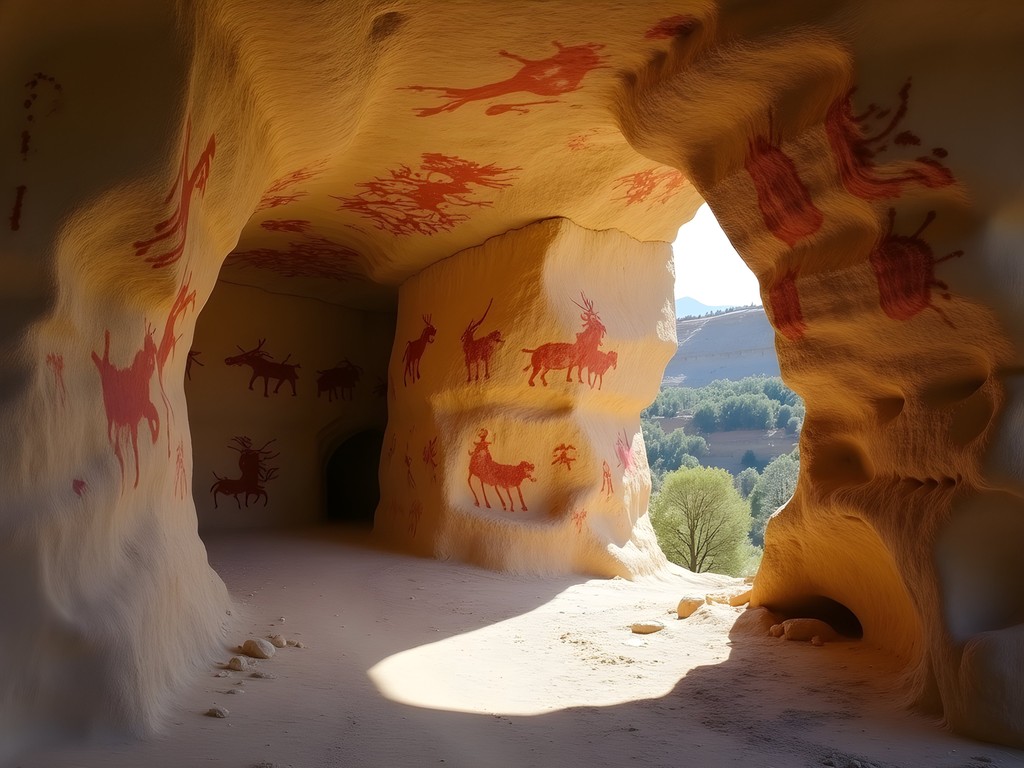
Just a short drive from downtown Billings, Pictograph Cave State Park feels like stepping through a portal into another time. As someone who's spent countless hours studying the delicate art of Japanese wagashi patterns, I found myself equally mesmerized by the ancient pictographs adorning these sandstone walls—some dating back over 2,000 years.
The park consists of three main caves: Pictograph, Middle, and Ghost caves, with a well-maintained 1/4-mile loop trail connecting them. While my pastry training taught me patience with delicate creations, families should know that spotting the actual pictographs requires similar patience and a keen eye. The interpretive center provides crucial context before you head out, and I'd recommend bringing a pair of compact binoculars to get a better look at the more faded images.
What struck me most was how these caves served as a crossroads for various indigenous peoples over millennia—much like how certain dishes in my culinary background represent cultural intersections. The pictographs tell stories of hunting parties, spiritual ceremonies, and daily life long before European settlers arrived. For children especially, this tangible connection to ancient peoples sparks imagination in ways that textbooks simply cannot.
💡 Pro Tips
- Visit in morning hours when the lighting makes pictographs more visible
- Download the Montana State Parks app for an audio guide that's kid-friendly
- Bring water and sun protection—the trail offers minimal shade
Little Bighorn Battlefield: A Sobering Lesson in Perspective
The hour-long drive east of Billings to Little Bighorn Battlefield National Monument is a journey worth taking, especially for families wanting to understand the complexities of American history. As someone who grew up between two distinct cultures, I've always been drawn to places where different worldviews collide, and few sites embody this collision more powerfully than Little Bighorn.
Most Americans know this as 'Custer's Last Stand,' but the Lakota, Northern Cheyenne, and Arapaho peoples who fought here have their own name for it: 'The Battle of the Greasy Grass.' This duality of perspective is brilliantly presented throughout the monument, with both Native American and U.S. Army narratives given equal weight.
The visitor center offers an excellent orientation film and displays that help contextualize the conflict, but the real power comes from walking the battlefield itself. White marble markers show where soldiers fell, while red granite markers honor Native warriors. For families with children, the Junior Ranger program provides age-appropriate activities that encourage critical thinking about this complex history.
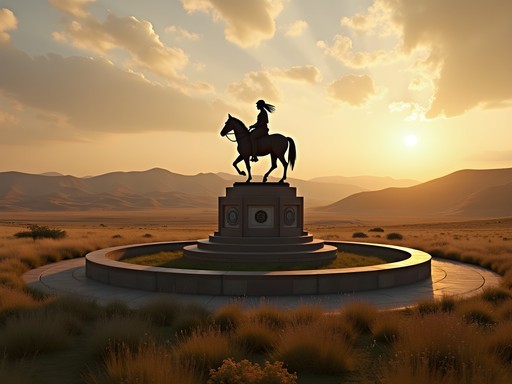
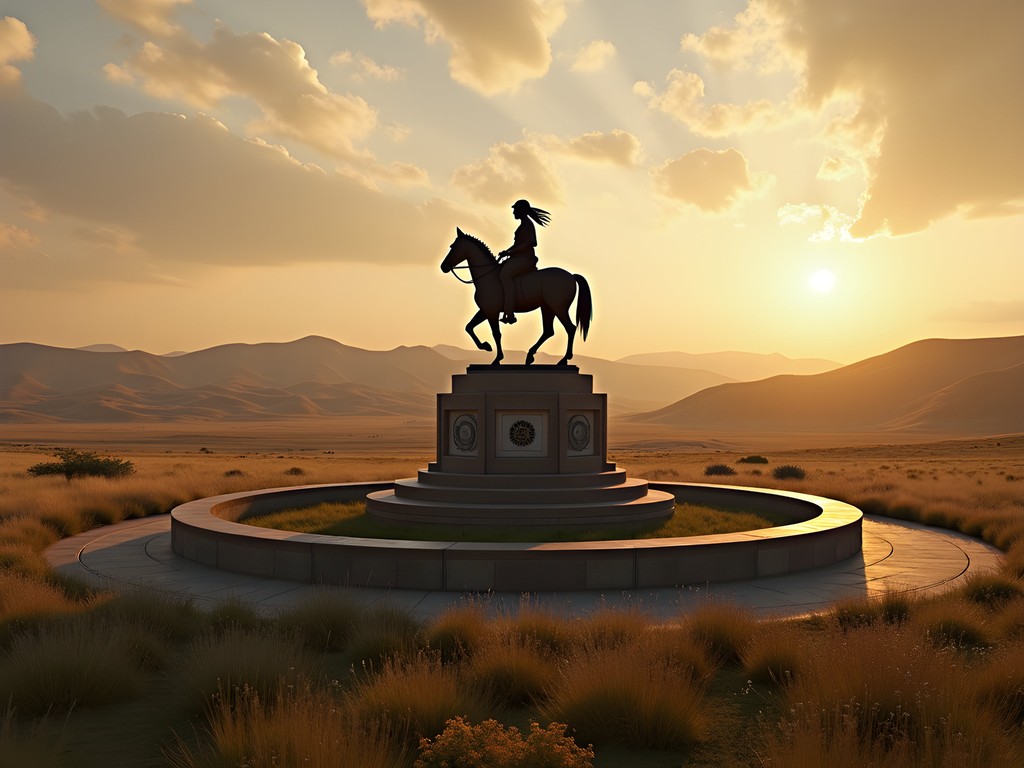
I found myself particularly moved by the Indian Memorial, completed in 2003, which provides long-overdue recognition of the Native perspective. Standing there as summer prairie grasses swayed in the wind, I couldn't help but think about how the stories we tell about our past shape our understanding of the present—a lesson as valuable for children as it is for adults.
💡 Pro Tips
- Book a guided tour with a Native American interpreter for deeper cultural context
- Visit early in the day to avoid afternoon heat and crowds
- Purchase the audio tour to help children understand the significance of different locations
Moss Mansion: Victorian Elegance on the Frontier
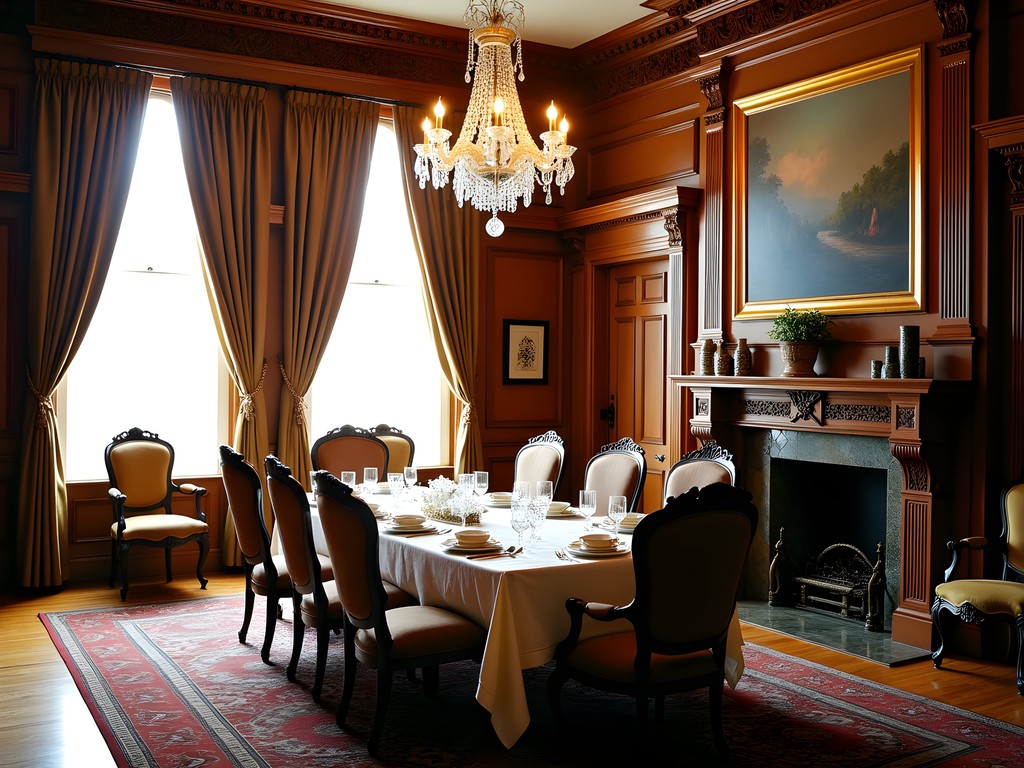
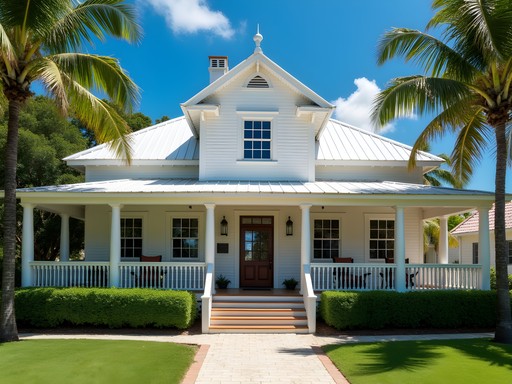
After days exploring outdoor historical sites under Montana's expansive sky, stepping into the Moss Mansion felt like entering another world entirely. This 1903 red sandstone mansion stands as a testament to the wealth and ambition that flowed through Billings during its early boom years.
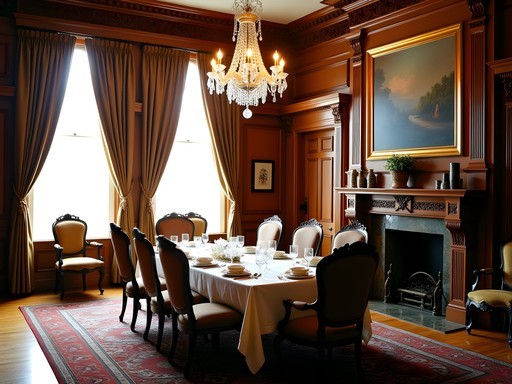
As someone who appreciates the precision and attention to detail that goes into both architectural and culinary masterpieces, I was immediately drawn to the mansion's impeccable craftsmanship. Designed by New York architect Henry Janeway Hardenbergh (who also designed the original Waldorf Astoria and Plaza Hotel), the mansion features hand-carved woodwork, imported materials, and technological innovations that were revolutionary for the time.
What makes this mansion particularly special for families is how it captures the story of the Moss family who lived here for over 80 years. The guided tour brings to life tales of the five Moss children who grew up in this extraordinary home, making it relatable for young visitors. My favorite room was undoubtedly the kitchen—no surprise given my profession—where I could imagine elaborate meals being prepared for the family's frequent social gatherings.
For families visiting in summer, the mansion hosts special children's programs including scavenger hunts and period games in the gardens. I'd recommend bringing a travel journal for children to sketch architectural details or jot down interesting facts—something I wish I'd had during my childhood visits to historical sites in Japan.
💡 Pro Tips
- Book the family-friendly tour in advance as they often sell out in summer
- Visit during one of their seasonal events like the Christmas display for an enhanced experience
- Allow time to explore the gardens, which are particularly lovely in July and August

Yellowstone County Museum: Compact Treasure Trove
Perched on a hill overlooking Logan International Airport, the Yellowstone County Museum might be modest in size but it's mighty in content. Housed in a historic log cabin, this museum packs an impressive collection of artifacts that tell the story of Billings and the surrounding region from prehistoric times through the settlement era and beyond.
What I appreciate most about smaller museums like this is how they often capture the authentic texture of local history better than larger institutions. As someone who's sought out family-run ryokans in the Japanese countryside precisely because they preserve traditions that luxury hotels cannot, I found similar authenticity here.
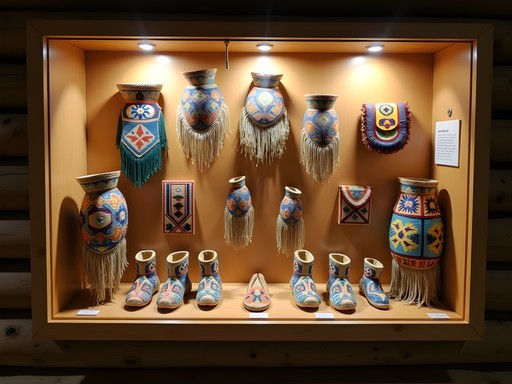
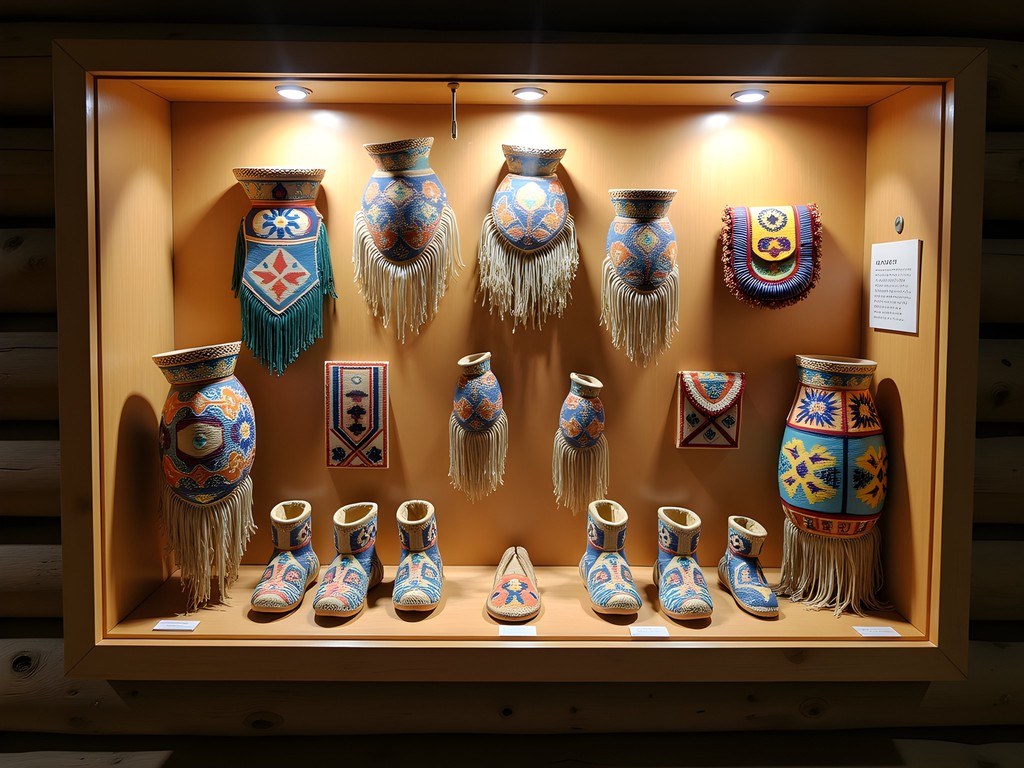
For families with children who might get museum fatigue, the Yellowstone County Museum is perfect—you can experience the highlights in about an hour. The exhibits are thoughtfully arranged to engage visitors of all ages, with plenty of visual interest for younger guests. My personal favorite was the collection of Native American artifacts, particularly the intricate beadwork that demonstrates the artistic sophistication of Plains Indian cultures.
Don't miss the McCormick Cabin, the museum's actual building, which is itself an artifact from 1893. Originally built as a hunting lodge, it offers children a tangible sense of pioneer life. Before your visit, I'd recommend picking up a field guide to help children connect what they're seeing to broader historical themes.
💡 Pro Tips
- Combine this visit with your arrival or departure as it's right by the airport
- Ask about the scavenger hunt sheets available for children
- Check their calendar for special living history demonstrations in summer
Chief Plenty Coups State Park: Living Indigenous Heritage
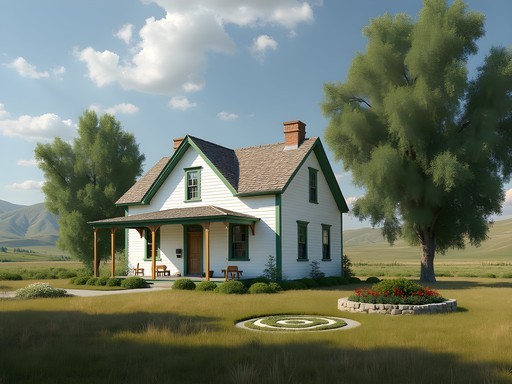
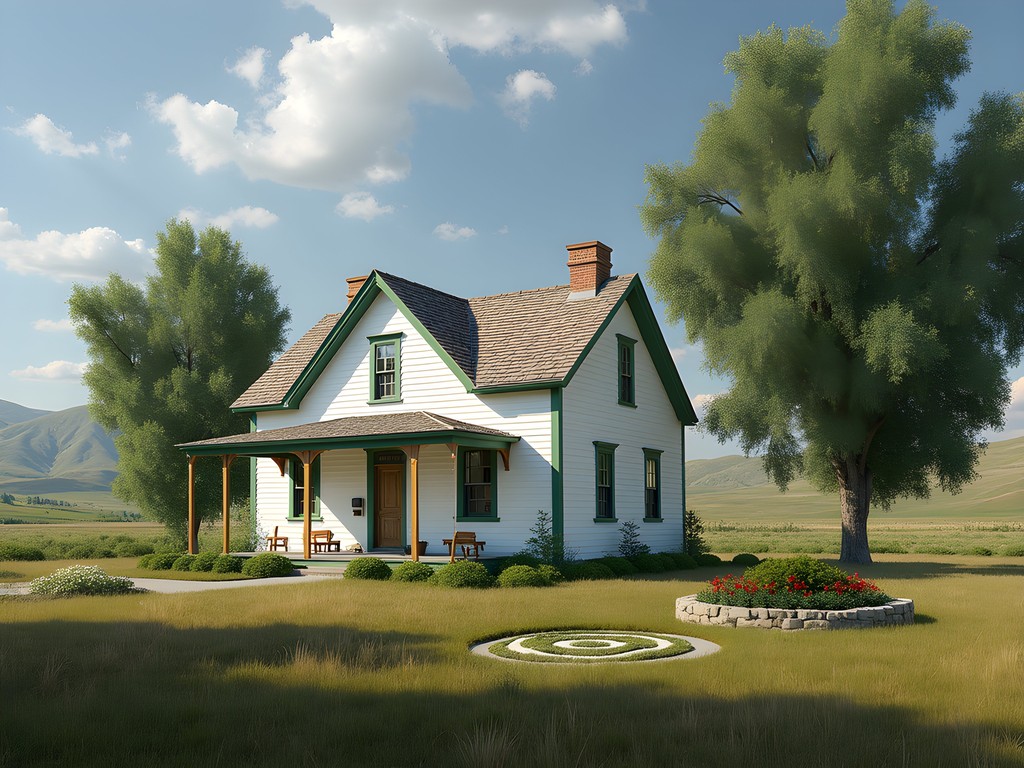
About 35 miles southeast of Billings lies one of Montana's most meaningful historical sites—Chief Plenty Coups State Park and Home. This was the residence of Plenty Coups, the last traditional chief of the Crow Nation, who lived here until his death in 1932. Unlike many historical sites that memorialize Native American history from a distance, this place feels alive with continuing cultural significance.
The modest farmhouse where Chief Plenty Coups lived represents his strategic adaptation to changing times while maintaining Crow cultural identity—a balancing act I found personally resonant as someone who has navigated between British and Japanese cultural influences throughout my life. The chief deliberately chose to farm here as a way to demonstrate how his people could adapt to new realities while preserving their core values.
For families, what makes this site special is its ongoing connection to the Crow community. During summer months, cultural events and demonstrations bring the grounds to life. The visitor center provides excellent context through exhibits that were developed with significant input from tribal members.
The sacred spring on the property remains a place of spiritual significance, and the park maintains a respectful atmosphere that helps visitors understand its importance. I'd recommend bringing a travel water bottle as there are lovely picnic spots where families can relax and reflect after touring the home and museum.
Children are particularly drawn to the park's natural elements—mature cottonwood trees provide welcome shade, and the grounds offer space to run and explore after behaving respectfully in the historic home.
💡 Pro Tips
- Call ahead to confirm opening hours as they can vary seasonally
- Time your visit to coincide with cultural demonstrations if possible
- Speak with the park rangers who often include Crow tribal members with personal connections to the site
Final Thoughts
As my train pulls away from Billings (yes, I managed to find a rail journey even in Montana), I'm left reflecting on how this week-long exploration revealed layers of history I hadn't expected to find so compelling. From ancient pictographs to Victorian mansions, from battlefields to a chief's farmhouse, Billings offers families a remarkably accessible window into the complex tapestry of American Western history. What makes these sites particularly valuable for children is how they challenge simplified narratives—showing that history isn't just about dates and famous names, but about people making choices in difficult circumstances. Much like understanding the cultural significance behind a Japanese wagashi or a British trifle, these historical landmarks invite us to look beyond the surface and appreciate the deeper stories they contain. If your family is seeking a summer adventure that combines outdoor beauty with meaningful history lessons, point your compass toward Billings—where the Old West isn't just remembered, but thoughtfully reconsidered.
✨ Key Takeaways
- Billings offers accessible historical sites that bring Western history alive for all ages
- Native American perspectives are increasingly centered in the region's historical narratives
- Summer visits provide the best combination of good weather and special programming
📋 Practical Information
Best Time to Visit
June through August
Budget Estimate
$150-250 per day for a family of four
Recommended Duration
5-7 days
Difficulty Level
Moderate


Comments
adventureseeker
Just visited Little Bighorn last week after reading this. So powerful. Thanks for the recommendation about visiting near sunset - the light was incredible.
triplegend
Going in June with my family. Is one day enough or should we stay longer?
beachmood
not the author but id say at least 2-3 days if you wanna see everything without rushing
Mason Sullivan
Peter, this really resonates with me! I spent three days in Billings last summer on a shoestring budget and was blown away by how much history is packed into that area. Little Bighorn especially - standing on that battlefield gave me chills. One tip for budget travelers: the Yellowstone County Museum is donation-based (suggested $5), and the volunteers there are incredibly knowledgeable. I ended up chatting with one for nearly an hour about the Crow Nation's history. Also, if you're camping, there are some great spots along the Yellowstone River where you can stay for under $15/night. The train journey sounds perfect for you - I was stuck with a rental car but would've loved the slower pace of rail travel through Montana.
triplegend
wait theres camping that cheap?? do you remember the name of the place?
Mason Sullivan
Yeah! Check out Billings KOA or the county parks along the river. Some are first-come, first-served so get there early during summer.
beachmood
Those pictograph caves look amazing!! Adding this to my list
Mason Sullivan
Definitely worth it! Go early in the morning if you can - way fewer crowds and better light for photos.
beachlover
Love this! Great photos too.
explorezone
Good writeup. One tip for anyone visiting - the Yellowstone County Museum is small but don't skip it. They have an amazing collection of Native American artifacts and the staff actually knows their stuff. Also hit up the Chief Plenty Coups State Park if you have time, about 60 miles south. Really well done museum honoring the last traditional Crow chief.
coolpro
Adding that to my list, thanks!
Kimberly Murphy
Peter, your post captures the soul of Billings perfectly! I was there last autumn and was absolutely blown away by the Pictograph Caves - there's something magical about standing where humans have been telling stories for thousands of years. The Moss Mansion was another highlight for me - I'm obsessed with Victorian architecture and the guided tour was fantastic. For anyone planning a trip, I'd add Pompeys Pillar to your itinerary - seeing William Clark's actual signature from 1806 carved into the rock gave me goosebumps! I used my pocket guidebook to find some off-the-beaten-path spots around Billings too. Your train journey out sounds lovely - there's no better way to see the Big Sky Country!
coolpro
THIS IS EXACTLY WHAT I NEEDED!! Been wanting to explore Montana's Native American sites and your post is so helpful. The Pictograph Cave photos are incredible - those handprints are 2000+ years old?? Mind blown. Definitely adding this to my summer road trip itinerary!
MontanaLover
That sunset photo from Sacrifice Cliff is stunning! Perfect capture of the golden hour.
Jean Wells
Your perspective on Little Bighorn resonates deeply with me. I visited last summer and found the Native American memorial far more compelling than the traditional battlefield markers. The juxtaposition really forces visitors to confront multiple narratives of the same event. Did you get a chance to speak with any of the Crow guides? Their oral histories added layers of context I hadn't encountered in any written accounts. Also curious about your rail journey - I thought Amtrak service to Billings was quite limited?
Peter Murphy
Jean, yes! I spoke with a Crow guide named Marcus and it completely changed my understanding. And you're right about the trains - I had to piece together a rather creative route involving the Empire Builder. Worth it though!
Venture X
Premium card with 2X miles, $300 travel credit, Priority Pass