
Disclosure: This article contains affiliate links. We may earn a commission from purchases at no extra cost to you, which helps our travel content.
As a physician, I understand the physiological toll of sustained stress—elevated cortisol, hypertension, accelerated aging. Yet standing in Kelly Ingram Park, where children faced fire hoses and police dogs in 1963, I'm confronted with a different kind of resilience altogether. Birmingham's Civil Rights Trail isn't just a history lesson; it's a profound examination of human endurance, community healing, and the physiological courage required to face physical danger for justice. This weekend journey through Birmingham offers families an accessible, deeply moving experience that connects past struggles to present wellness—both individual and societal.

16th Street Baptist Church: Ground Zero for Transformation
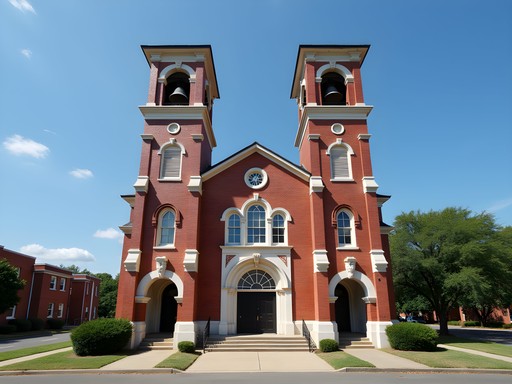
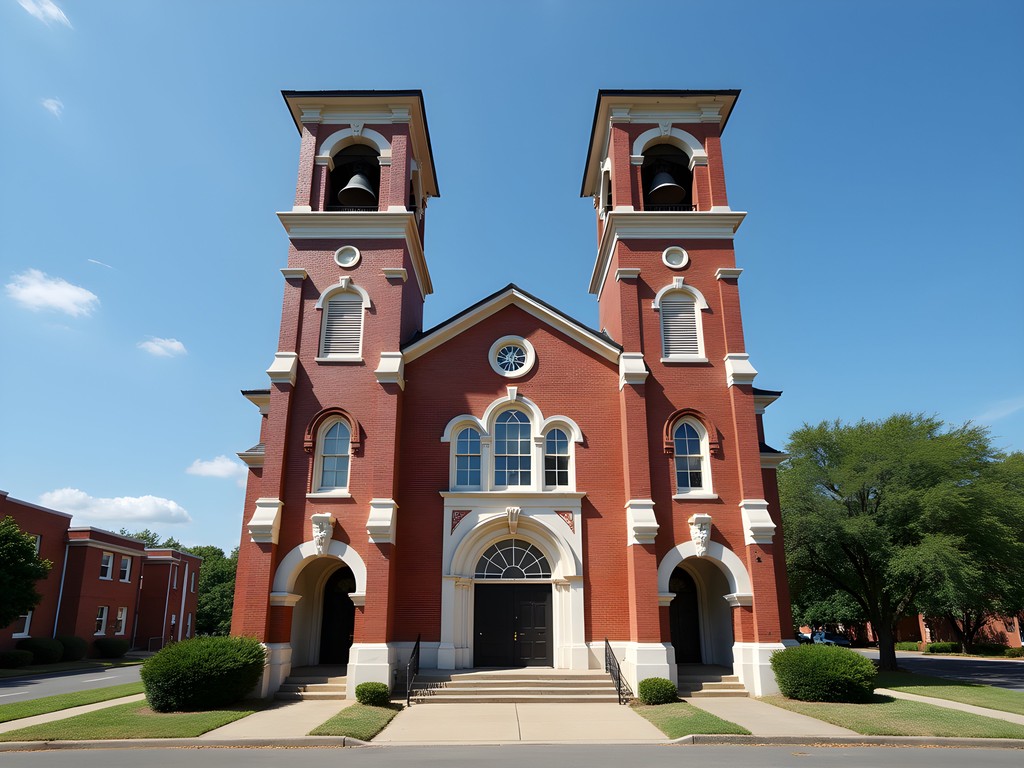
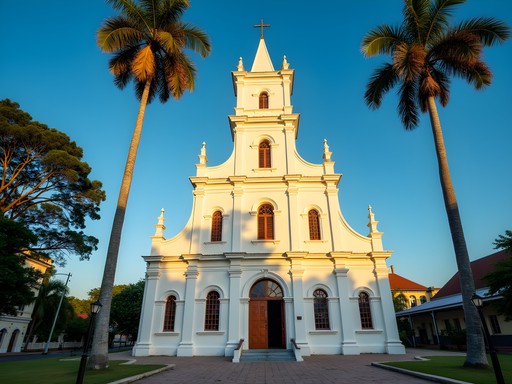
Begin your journey at the 16th Street Baptist Church, where the 1963 bombing killed four young girls and galvanized national support for the Civil Rights Act. The church offers guided tours that contextualize not just the tragedy, but the community's role as a gathering place and organizational hub. As I stood in the sanctuary, I explained to a family visiting alongside me how the body's fight-or-flight response works—and how these activists had to override that primal survival instinct repeatedly.
The church remains an active congregation, so visit respectfully. Tours run Tuesday through Friday at 10am, 11am, 1pm, and 2pm, with Saturday tours at 10am and 11am. Admission is modest at $7 for adults and $5 for children. The docents, many with personal connections to the movement, provide invaluable first-hand perspectives you won't find in textbooks. Before your visit, I recommend reading While the World Watched by Carolyn McKinstry, a survivor who was in the church that day—her account provides essential context that transforms the physical space into lived experience.
💡 Pro Tips
- Arrive 15 minutes early for tours as they fill quickly, especially on weekends
- Explain to children beforehand that this is an active place of worship requiring respectful behavior
- Photography is permitted but be mindful during services
- The church basement, where the bomb exploded, is particularly moving—prepare younger children for emotional content
Kelly Ingram Park: Where Bodies Became Instruments of Change
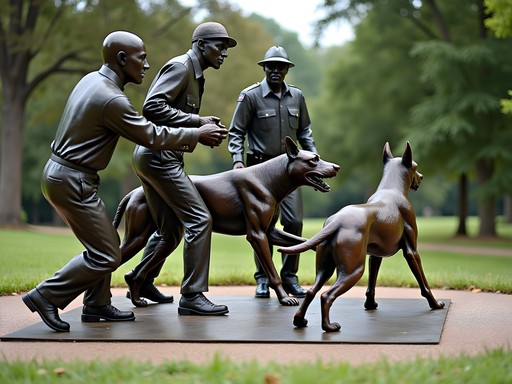
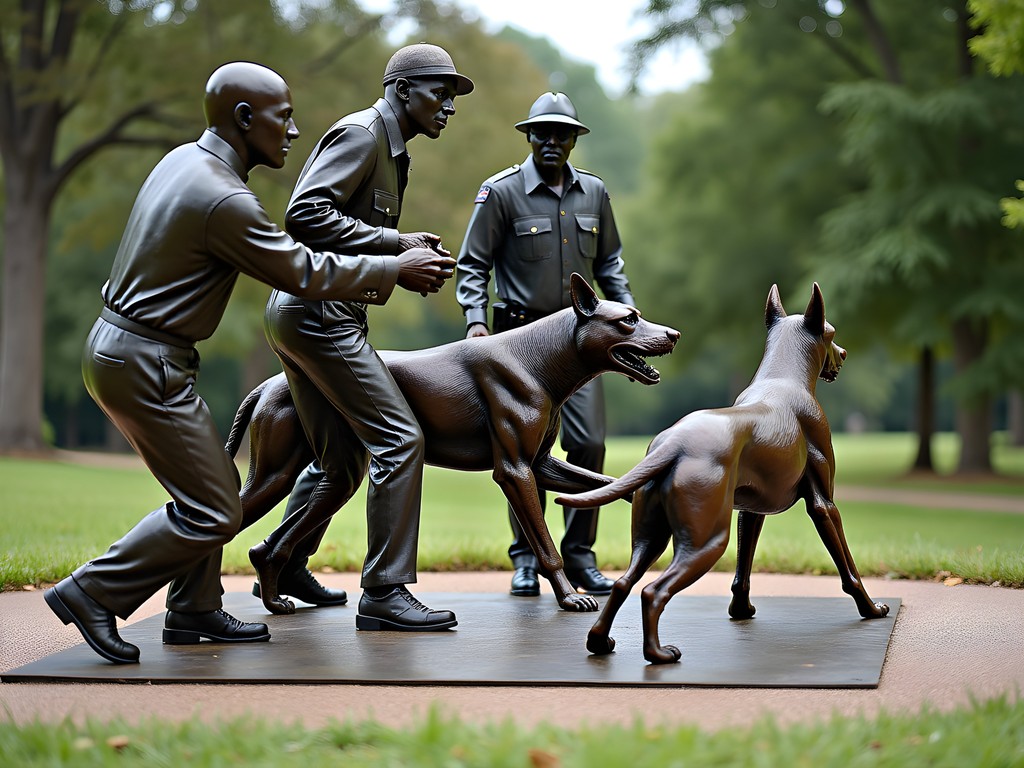
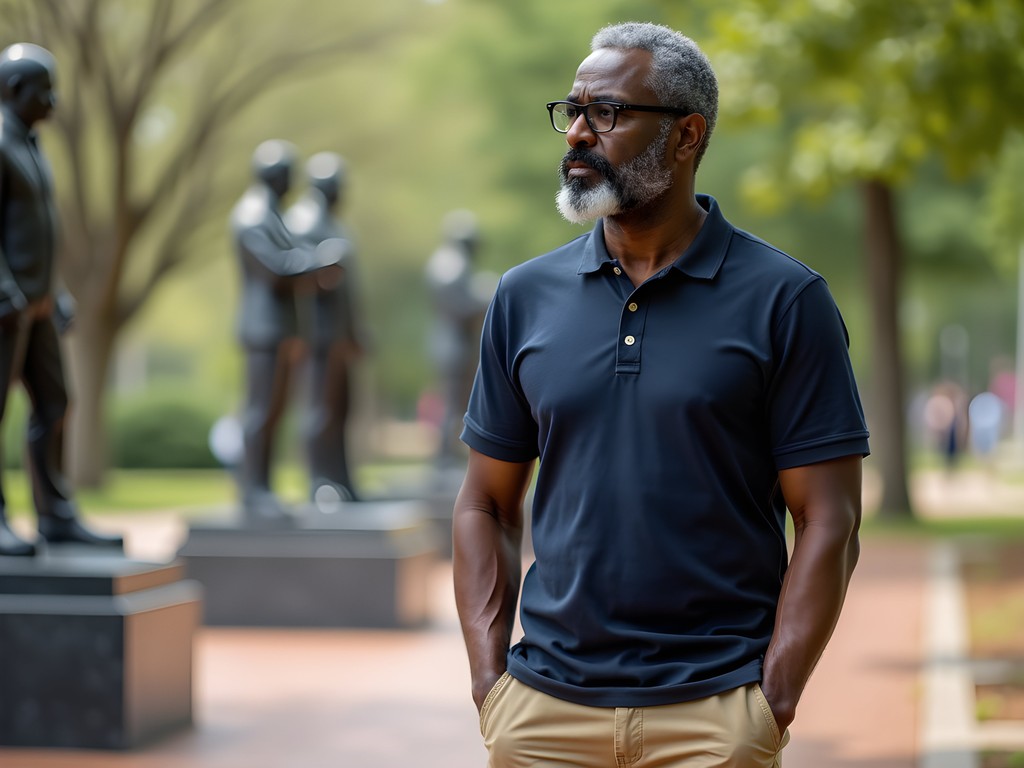
Directly across from the church, Kelly Ingram Park served as the staging ground for demonstrations in 1963. Today, it's a four-acre memorial park with powerful sculptures depicting the movement's most harrowing moments. The sculptures are unflinching—children confronting police dogs, protesters hit by water from fire hoses—and they're designed at child height, making the experience particularly impactful for young visitors.
From a physiological standpoint, I find myself analyzing the courage required here. Fire hoses at that pressure—100 pounds per square inch—can strip bark from trees and tear clothing from bodies. The cardiovascular response to such threat is immediate: heart rate spikes to 150+ beats per minute, blood pressure surges, fine motor control deteriorates. Yet these demonstrators, many teenagers, walked forward anyway. That's not just bravery; that's a collective commitment that overrides individual survival instinct.
The park is self-guided and free to visit, making it ideal for families on any budget. Plan 45 minutes to an hour to walk through thoughtfully. Bring a refillable water bottle as Alabama humidity is significant even in cooler months, and staying hydrated helps everyone process heavy emotional content more effectively.
💡 Pro Tips
- Use the QR codes throughout the park to access audio narratives and historical context
- Visit early morning or late afternoon for better lighting and fewer crowds
- The park provides natural conversation starters—use the sculptures to discuss courage and justice with children
- Benches throughout offer space for reflection; don't rush the experience
Birmingham Civil Rights Institute: The Comprehensive Context
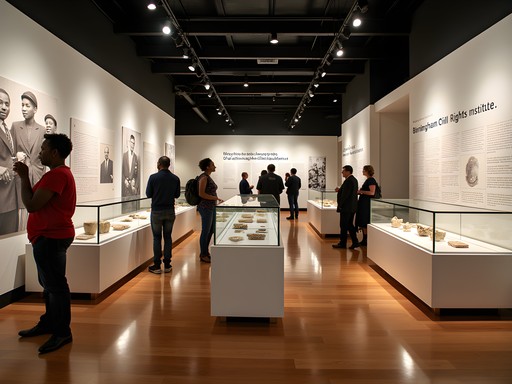
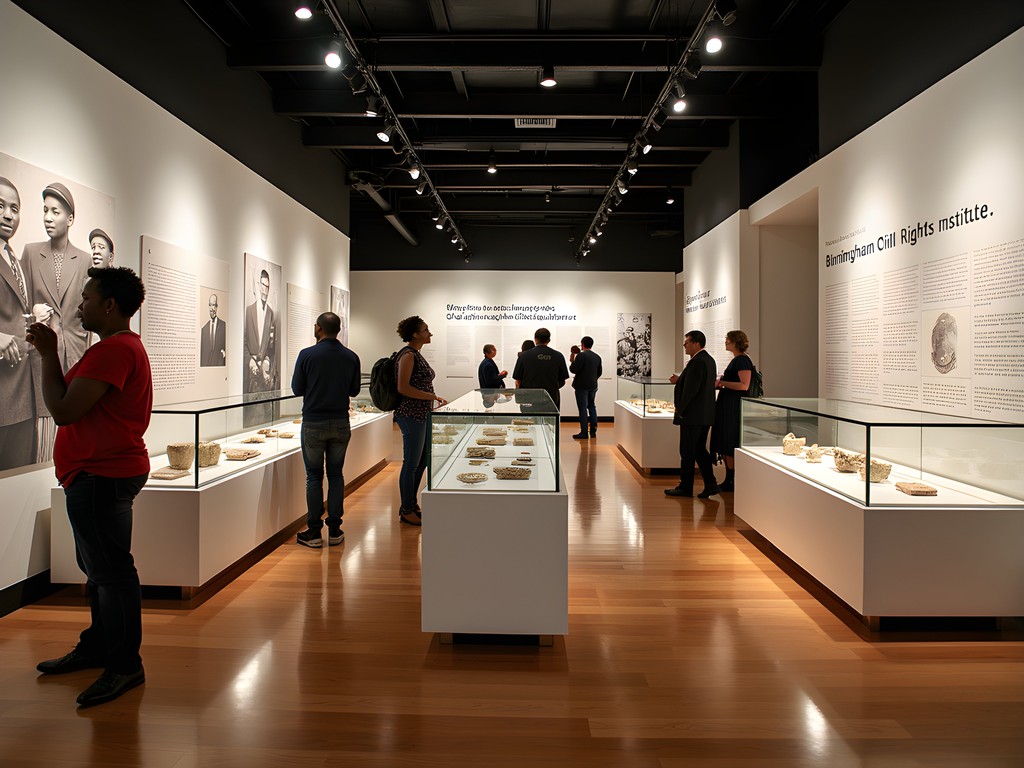
The Birmingham Civil Rights Institute, adjacent to Kelly Ingram Park, provides the essential historical framework that transforms your park and church visits from emotional experiences into comprehensive understanding. This world-class museum traces the Civil Rights Movement chronologically, with particular focus on Birmingham's pivotal role. Interactive exhibits, oral histories, and artifacts create an immersive educational experience suitable for ages 10 and up.
The institute's galleries on segregation-era Birmingham are particularly effective, recreating separate water fountains, lunch counters, and waiting rooms. For younger children, this tangible representation of inequality is often more comprehensible than abstract discussions. The museum also addresses the movement's ongoing legacy, connecting historical struggles to contemporary justice issues—a conversation many families appreciate having in structured, educational settings.
Admission is $15 for adults, $12 for seniors and college students, and $8 for children 4-17. Children under 4 enter free. Plan 2-3 hours minimum; the content is dense and deserves attention. The museum shop offers excellent age-appropriate books for continued learning. I picked up a children's book there—it tells the story of a nine-year-old Birmingham girl who spent seven days in jail for participating in the Children's Crusade, making history accessible for elementary-age readers.
💡 Pro Tips
- Start on the upper floor and work chronologically downward for best narrative flow
- The jail cell replica can be intense for sensitive children—preview and prepare accordingly
- Free parking is available in the institute's lot on weekends
- Visit the institute before the church and park for better historical context

A.G. Gaston Motel: Where Strategy Met Courage
The A.G. Gaston Motel, currently under restoration, served as the de facto headquarters for Civil Rights leaders during the Birmingham Campaign. Dr. Martin Luther King Jr. stayed in Room 30, and the motel's courtyard hosted strategy sessions that shaped the movement's direction. While not fully open for tours during my visit, the exterior and historical markers provide important context about the Black business community's support infrastructure that made sustained activism possible.
What fascinates me from a wellness perspective is the role of community support in sustaining activists through prolonged stress. The Gaston Motel wasn't just lodging; it was a safe space where leaders could decompress, strategize, and maintain the psychological resilience required for their work. Modern research on stress resilience confirms what these activists understood intuitively: community support is physiologically protective, literally buffering the body against the damaging effects of chronic stress.
The site is located at 1510 5th Avenue North. While awaiting full restoration, you can view the exterior and read historical markers. Check the Birmingham Civil Rights Institute website for updates on tour availability.
💡 Pro Tips
- Combine this stop with nearby Smithfield Historic District for architectural context
- The motel is best understood after visiting the Civil Rights Institute
- Street parking is available but limited during business hours
- Photography of the exterior is permitted and encouraged
Practical Considerations for Families
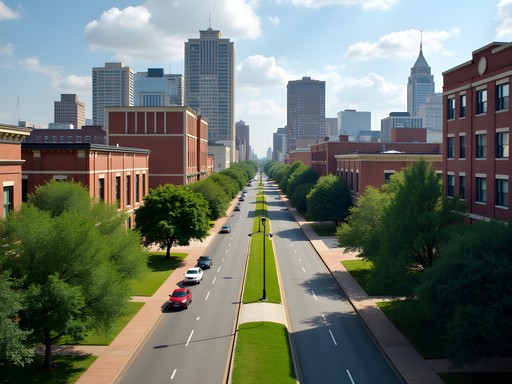
Birmingham's Civil Rights Trail is exceptionally family-friendly from logistical and educational perspectives. The sites cluster within walking distance in the Civil Rights District, making navigation simple even for families with younger children. The content, while heavy, is presented accessibly, and Birmingham's hospitality infrastructure has developed thoughtfully around these historic sites.
For meals, I recommend the nearby Gus's Hot Dogs, a Birmingham institution since 1947, or Green Acres Cafe for soul food that connects culinary heritage to the broader cultural experience. Both are budget-friendly and family-welcoming. Stay at one of the mid-range hotels near the University of Alabama at Birmingham campus—they're affordable, clean, and within 10 minutes of the Civil Rights District.
One practical item I always pack for emotionally intensive historical sites: a portable tissue pack. These sites evoke powerful responses, and being prepared helps everyone process emotions without distraction. Similarly, a small notebook for older children to journal their thoughts and questions transforms the experience from passive observation to active engagement with history.
💡 Pro Tips
- Download the Civil Rights Trail app before arriving for enhanced navigation and context
- Birmingham summers are hot and humid—plan indoor activities during peak afternoon heat
- Many sites offer student discounts with valid ID
- The trail is wheelchair accessible, though Kelly Ingram Park's gravel paths can be challenging
Final Thoughts
Walking Birmingham's Civil Rights Trail with my physician's understanding of stress, trauma, and resilience added unexpected depth to an already profound experience. These sites document not just political history, but human physiology pushed to its limits by moral conviction. For families, Birmingham offers something rare: accessible, budget-friendly historical tourism that doesn't sanitize difficult truths while remaining age-appropriate and educational.
The trail demonstrates that ordinary people—including children—can effect extraordinary change when community, purpose, and courage align. That lesson transcends history, offering contemporary families a framework for discussing justice, resilience, and civic responsibility. Birmingham doesn't just preserve its Civil Rights history; it actively invites visitors into ongoing conversations about America's continuing evolution toward its stated ideals.
Plan your weekend, prepare your family for emotional content, and approach these sites with the respect they deserve. Birmingham's Civil Rights Trail isn't entertainment—it's education in its most powerful form, transforming abstract history into visceral understanding that changes how we see our country, our communities, and ourselves.
✨ Key Takeaways
- Birmingham's Civil Rights sites cluster within walking distance, making a comprehensive weekend visit logistically simple and budget-friendly for families
- The combination of 16th Street Baptist Church, Kelly Ingram Park, and the Civil Rights Institute provides emotional, visual, and intellectual understanding of the movement
- Age-appropriate preparation and post-visit processing help children engage meaningfully with difficult historical content while building resilience and civic awareness
📋 Practical Information
Best Time to Visit
Spring (March-May) and Fall (September-November) offer comfortable temperatures; winter is mild and less crowded
Budget Estimate
$200-400 for a family of four including budget hotel, meals, and admission fees
Recommended Duration
Full weekend (2-3 days ideal for thorough exploration without rushing)
Difficulty Level
Easy




Comments
summerexplorer
This hit me hard. I did this trail last year and honestly wasn't prepared for how emotional it would be. Standing in that church... I just couldn't stop crying. The park sculptures are intense too. Did you get to the motel? That's where it really clicked for me how much planning and courage went into everything. Thanks for writing this, it's such an important place more people need to visit.
Casey Andersson
The motel really is something special isn't it? I found myself thinking about the conversations that must have happened in those rooms while planning the movement. So much history in one building.
springlegend
Going in April. Is parking hard to find?
Fatima Sims
There's a lot near the Institute that's pretty convenient. Most of the sites are walkable from there!
Fatima Sims
Dennis, your perspective as a physician really adds something unique here. I visited Birmingham last year and the 16th Street Baptist Church absolutely gutted me emotionally. Standing in that space where those four girls died... I couldn't stop crying. The Kelly Ingram Park sculptures are haunting too—especially the children facing the dogs. I spent about 4 hours at the Civil Rights Institute and still felt like I needed more time. Did you find the A.G. Gaston Motel easy to locate? I had trouble finding it and almost missed it entirely. Such an important piece of history that doesn't get enough attention.
springlegend
How long should I plan for the whole trail?
Fatima Sims
I'd say a full day minimum, but honestly two days if you really want to absorb everything without rushing. The Institute alone deserves 3-4 hours.
coolchamp
This looks really powerful. Adding to my list!
explorezone
Powerful stuff. Everyone should visit places like this.
Amit Sullivan
Your physician's perspective on the physiological toll of that era adds such a unique lens to this, Dennis. I visited Birmingham during a road trip through the American South three years ago, and what stayed with me most was the juxtaposition—how this vibrant, modern city contains these sacred spaces of such recent trauma. At Kelly Ingram Park, I watched school children on a field trip, maybe 8 or 9 years old, standing before the sculpture of the police dogs. Their teacher explained that children their age faced those dogs. The silence that followed was profound. I also recommend the A.G. Gaston Motel if you can—seeing the actual room where King and other leaders strategized brings home how this wasn't abstract philosophy, it was real people making impossibly brave decisions.
explorezone
That image of the school children really hits hard
wildstar
Going next month! Can't wait to see this.
greenphotographer3243
Really moving post. Thank you for sharing this.
coffeemaster
Is the trail walkable or do you need a car to get between sites?
Dennis Coleman
The main sites (16th Street, Kelly Ingram Park, the Institute) are all within walking distance of each other downtown. The Gaston Motel is about a mile away—walkable but you might want to drive or rideshare.
Kimberly Murphy
Dennis, this brought tears to my eyes. I visited Birmingham last autumn and the 16th Street Baptist Church absolutely gutted me. Standing where those four little girls died—I couldn't speak for several minutes. What struck me most was how RECENT this all is. People who lived through this are still here, still telling their stories. The docent at the church was a child during the bombings and hearing her firsthand account was absolutely transformative. Thank you for capturing the weight of this place so beautifully.
greenphotographer3243
That's what gets me too. My grandparents are that age. It's not ancient history.
Venture X
Premium card with 2X miles, $300 travel credit, Priority Pass