
Disclosure: This article contains affiliate links. We may earn a commission from purchases at no extra cost to you, which helps our travel content.
I'll admit, Belarus wasn't on my radar until a forensics conference in Warsaw left me with a free weekend and a curiosity about lesser-traveled Eastern European history. Three hours by train brought me to Brest and its fortress - a site that turned out to be one of the most visceral WWII memorials I've encountered. Unlike the polished monuments of Western Europe, Brest Fortress retains its raw, unfiltered character: bullet-scarred walls, preserved ruins, and a scale that demands you physically walk through history rather than simply observe it.
Understanding the Historical Significance
The Brest Fortress defense in June 1941 represents one of the first major confrontations of Operation Barbarossa. When German forces expected to capture the fortress within hours, Soviet defenders held out for over a week under impossible conditions - no water supply, dwindling ammunition, and constant bombardment. The analytical part of my brain appreciates the tactical details: the fortress's 19th-century star-shaped design, the strategic position at the Bug River, the isolated pockets of resistance that communicated through underground passages.
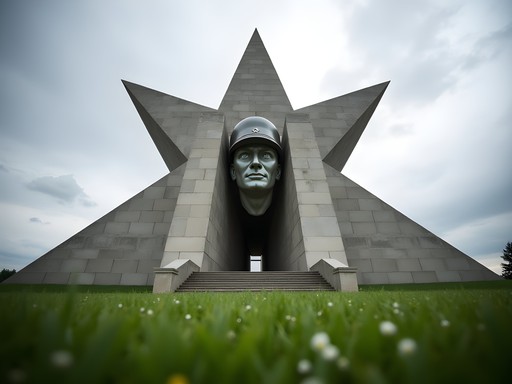
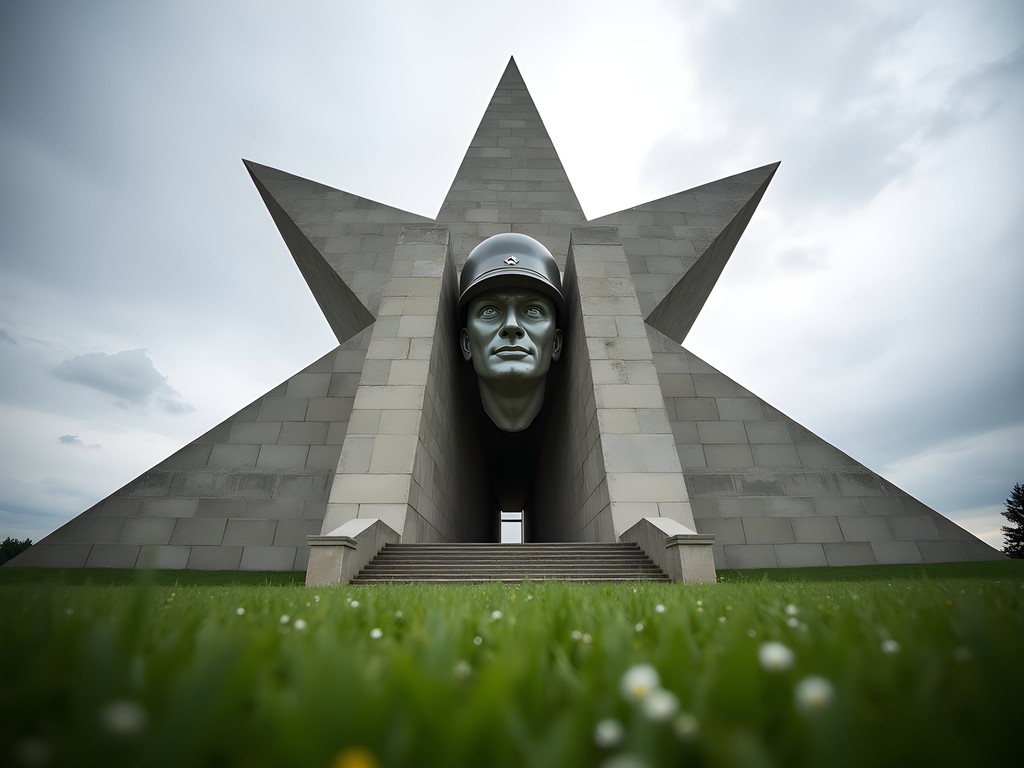
What strikes you immediately upon arrival is the sheer scale. The main monument - a massive concrete soldier's head emerging from a star-shaped fortification - dominates the landscape. It's not subtle, and that's the point. The memorial complex spans over 400 acres, with preserved barracks, a museum, and the ruins themselves forming an outdoor exhibition that you navigate on foot. Budget at least 3-4 hours to properly explore the grounds; I ended up spending nearly six, covering roughly 8 miles on foot as I documented different sections.
💡 Pro Tips
- Download offline maps before visiting - cell coverage can be spotty in certain fortress sections
- Wear sturdy walking shoes with good ankle support; the terrain includes cobblestones, rubble, and uneven pathways
- Bring a portable phone charger - you'll be taking more photos than planned and using GPS extensively
Navigating the Memorial Complex
The fortress divides into four main islands created by the Bug River and its tributaries. The Central Island houses the primary memorial and museum, while the outer sections contain preserved barracks, defensive positions, and the haunting ruins that give the site its authenticity. I recommend starting at the museum (entrance fee: approximately $3 USD) to establish historical context before exploring the grounds.
The museum itself employs an old-school approach - extensive artifacts, dioramas, and Russian-language placards with some English translations. I picked up a portable translator device before this trip, which proved invaluable for reading the detailed historical markers throughout the complex. The device works offline, crucial since you won't always have data coverage.
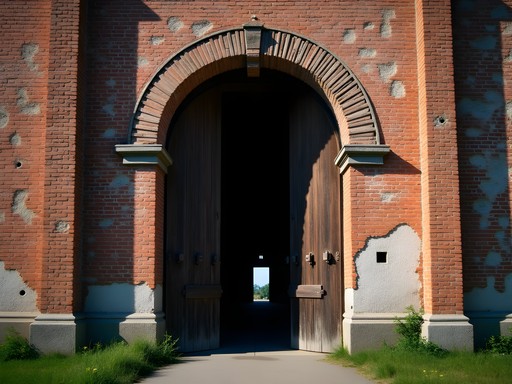
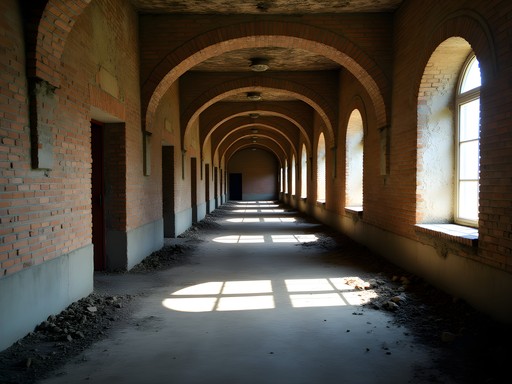
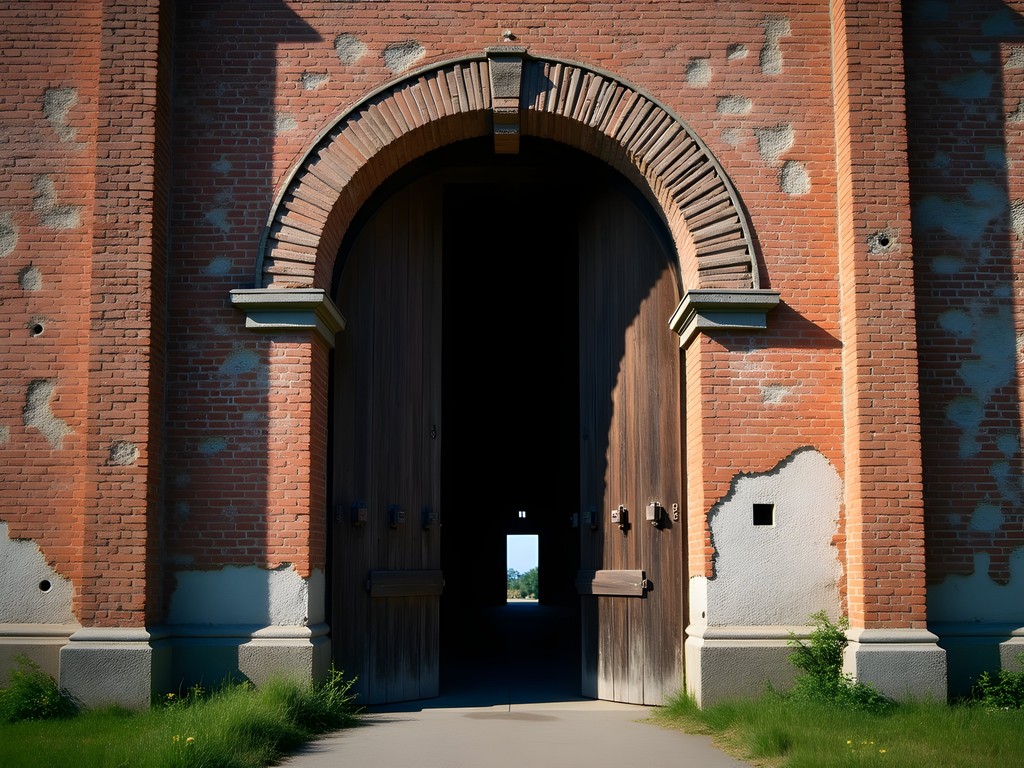
From the museum, follow the marked routes through the Kholmsky and Terespol Gates. The Kholmsky Gate, with its preserved bullet impacts, offers the most powerful photography opportunities. The afternoon light (around 4-6 PM in summer) creates dramatic shadows across the damaged brickwork. For photography enthusiasts, the ruins present both technical challenges and rewards - high contrast between shadowed archways and bright exteriors requires careful exposure management.

💡 Pro Tips
- Purchase the audio guide at the museum entrance - it provides crucial context for specific locations
- The fortress grounds are free to explore; only the museum requires an entrance fee
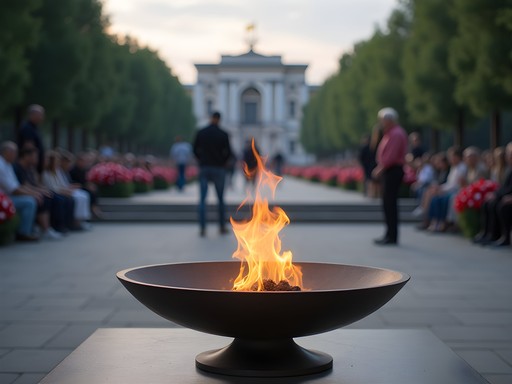
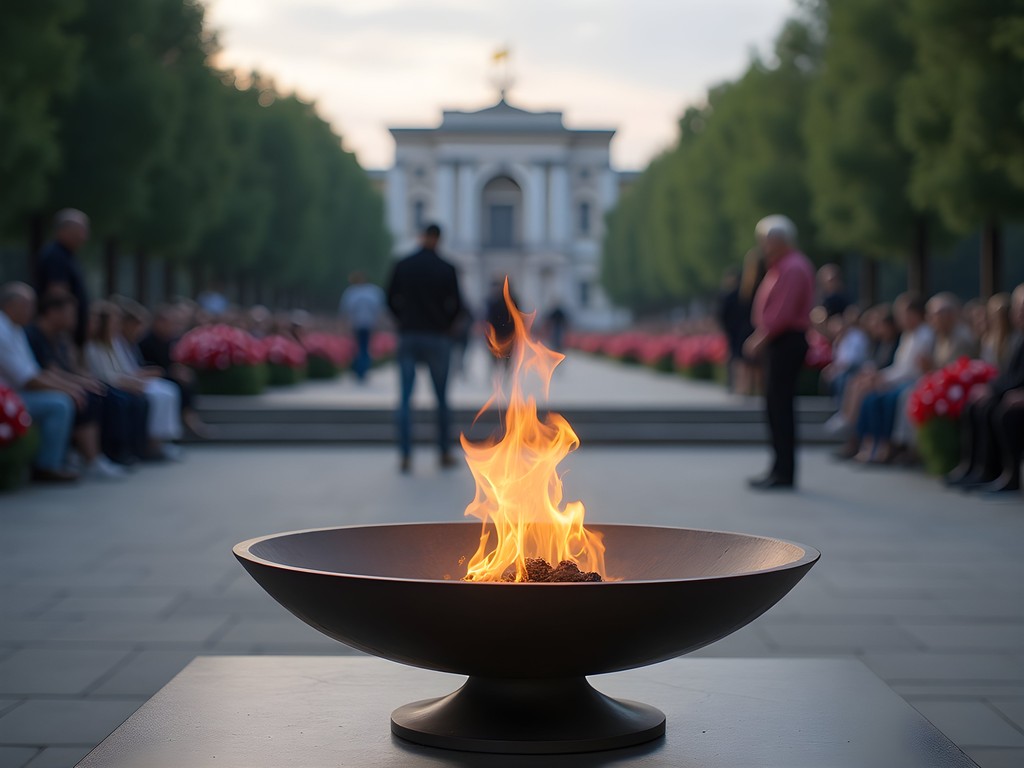
- Visit the eternal flame memorial early morning or late afternoon to avoid tour groups
Practical Logistics and Border Considerations
Getting to Brest requires planning, but it's more straightforward than you might expect. Most visitors arrive via train from Warsaw (3 hours, $20-30) or Minsk (4 hours, $15-25). Americans need a visa for Belarus, but if you're flying into Minsk National Airport, you qualify for a 30-day visa-free entry - verify current requirements before booking. I entered from Poland by train, which required a standard visa obtained through the Belarusian embassy in Washington DC (processed in about 10 days, $60 fee).
Brest itself is a functional border city with limited English signage. I stayed at the Inturist Hotel ($35/night), a Soviet-era establishment within walking distance of the fortress. The accommodations are basic but clean, and the location can't be beaten. Download maps.me or similar offline navigation before arrival - Google Maps coverage is inconsistent.
Currency exchange is straightforward at the train station, though ATMs are limited. I recommend carrying a RFID-blocking wallet - Belarus still relies heavily on cash transactions, and you'll be carrying more bills than usual. Budget approximately $30-40 per day for meals, transport, and entrance fees. The fortress complex has minimal facilities, so pack water and snacks. I carried a insulated water bottle that kept water cold through six hours of summer exploration.
💡 Pro Tips
- Verify visa requirements well in advance - processing times vary by embassy
- Download offline translation apps and maps before crossing the border
- Bring sufficient cash in small denominations - credit cards aren't widely accepted outside major hotels

Photography and Documentation Tips
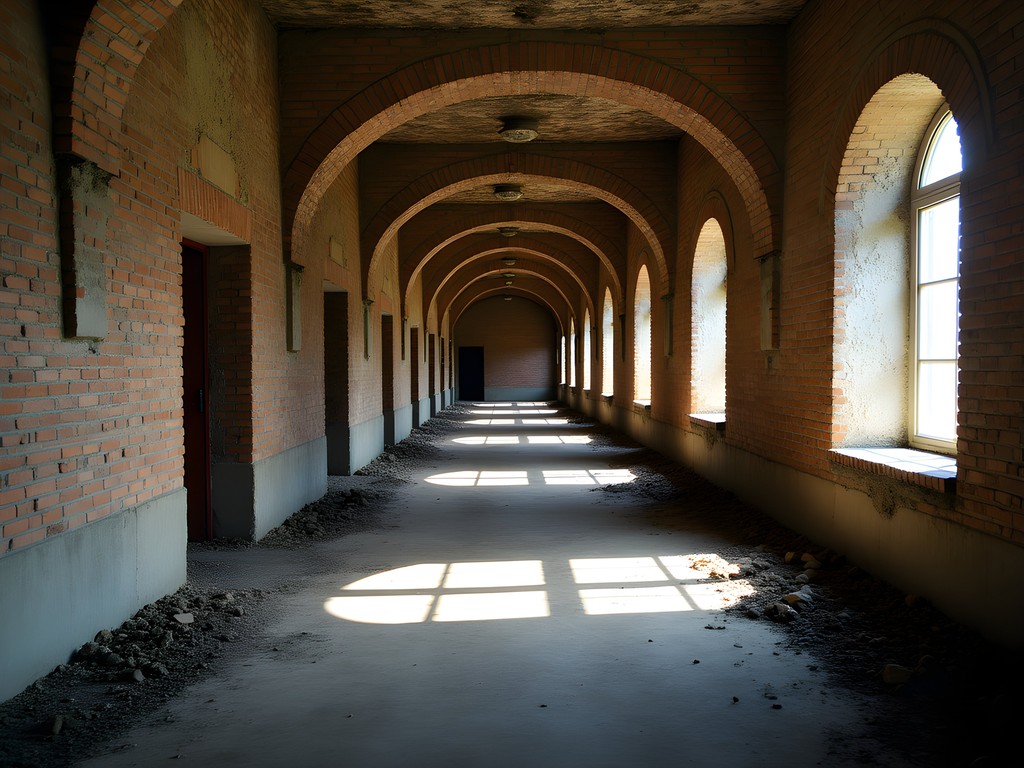
From a documentation perspective, Brest Fortress presents unique opportunities. The preservation philosophy here differs from Western European sites - there's minimal reconstruction, allowing you to photograph authentic battle damage and weathering. The contrast between the massive Soviet-era monuments and the 19th-century fortress ruins creates compelling visual juxtaposition.
Timing matters significantly. Summer brings long daylight hours (sunset around 9 PM in June-July), but also tour groups between 10 AM and 3 PM. I found the best shooting conditions during early morning (7-9 AM) and late afternoon (5-8 PM). The golden hour light transforms the red brick ruins, and you'll have sections nearly to yourself.
For gear, I traveled light with a single body and two lenses - a wide-angle for architectural shots and a standard zoom for details. The lens cleaning kit earned its space in my bag; the dusty environment and frequent lens changes meant constant cleaning. A circular polarizer filter helped manage the harsh midday contrast when I couldn't avoid shooting during peak hours.
One technical note: the fortress grounds include both extremely bright open areas and dark interior passages. I shot primarily in manual mode, adjusting exposure frequently. If you're less comfortable with manual settings, use exposure compensation aggressively - the camera's meter will be confused by the high-contrast scenes.
💡 Pro Tips
- Shoot in RAW format to maximize post-processing flexibility with high-contrast scenes
- Bring extra memory cards - you'll capture more images than planned
- Respect the memorial nature of the site; avoid climbing on monuments or posing inappropriately
Beyond the Fortress: Brest City Considerations
While the fortress justifies the trip alone, Brest offers additional context worth exploring. The city's pedestrian street, Sovetskaya Street, provides a glimpse of contemporary Belarusian life and several decent restaurants. I particularly appreciated the straightforward, unpretentious atmosphere - this isn't a tourist-oriented destination, which means authentic experiences but also requires more self-sufficiency.
The Museum of Railway Technology, located near the fortress, houses an impressive collection of Soviet-era trains and equipment. If you have extra time, it's worth an hour. The Berestye Archaeological Museum, built around an 11th-century settlement excavation, offers fascinating pre-WWII historical context.
For meals, expect hearty Eastern European fare. Restaurant Belarus, near the city center, serves solid traditional dishes at budget-friendly prices ($8-12 per meal). English menus are rare; the translation app subscription proved essential for navigating menus and basic interactions.
One final note on connectivity: Belarus maintains significant internet restrictions. I used a portable VPN router to maintain secure access to work systems and unrestricted internet. This compact device creates a VPN-protected WiFi network from any internet connection - essential for anyone needing reliable, private connectivity while traveling in countries with internet monitoring.
💡 Pro Tips
- Learn basic Russian phrases - English speakers are uncommon outside the fortress tourist areas
- Respect local photography restrictions, particularly around government buildings and infrastructure
- Plan your exit transportation before arriving - last-minute train tickets can be challenging to arrange
Final Thoughts
Brest Fortress stands apart from the typical European WWII memorial circuit. There's no gift shop selling miniature monuments, no audio guide available in twelve languages, no carefully manicured gardens softening the historical reality. What you get instead is raw, preserved history that demands physical engagement - walking the same defensive positions, seeing authentic battle damage, and experiencing the fortress's overwhelming scale firsthand.
For travelers seeking authentic historical experiences off the beaten path, Brest delivers. The combination of accessibility (easy train connections from Warsaw or Minsk), affordability (total weekend cost under $200), and historical significance creates a compelling destination. Yes, it requires more planning than Western European alternatives. Yes, the language barrier and limited tourist infrastructure present challenges. But those same factors preserve the site's authenticity and keep crowds manageable.
If you're comfortable with independent travel and interested in WWII Eastern Front history, add Brest Fortress to your list. Just bring good walking shoes, plenty of memory cards, and an appreciation for history presented without polish or pretense.
✨ Key Takeaways
- Budget 3-4 hours minimum to properly explore the fortress complex's 400+ acres
- Visit during early morning or late afternoon for better light and fewer crowds
- Arrange visa requirements well in advance and prepare for limited English signage
- Bring cash, offline maps, and translation tools for a smoother experience
📋 Practical Information
Best Time to Visit
May through September for optimal weather; June-July offers longest daylight hours
Budget Estimate
$150-200 for a weekend including transport from Warsaw, accommodation, meals, and entrance fees
Recommended Duration
Full day for fortress exploration; 2-3 days to include surrounding Brest attractions
Difficulty Level
Easy - Extensive Walking On Mixed Terrain But No Special Fitness Required


Comments
smartking
Really cool photos! Adding this to my list
Haley Hamilton
Adam, this brought back memories! I visited Brest Fortress back in 2019 during a solo trip through Eastern Europe. What struck me most was the absolute silence there - you could just feel the weight of history. I spent nearly four hours wandering the ruins and barely saw another tourist. The Thirst Monument still gives me chills thinking about it. One tip I'd add: there's a small cafe near the entrance that serves amazing draniki (potato pancakes) - perfect for refueling after walking the grounds. Did you make it to the museum inside the fortress walls?
Adam Spencer
Yes! The museum was incredible. Those personal artifacts really humanize the siege. And agreed on the silence - it's such a contrast to the crowds at places like Auschwitz or Normandy beaches.
smartperson
How hard was the Belarus visa situation? Been wanting to go but the paperwork seems confusing
Adam Spencer
I entered from Poland at Terespol crossing - pretty straightforward actually. Make sure you have your visa sorted in advance and hotel registration. The border guards were professional but thorough. Took about 45 minutes total.
smartperson
Thanks! That helps a lot
Venture X
Premium card with 2X miles, $300 travel credit, Priority Pass