
Disclosure: This article contains affiliate links. We may earn a commission from purchases at no extra cost to you, which helps our travel content.
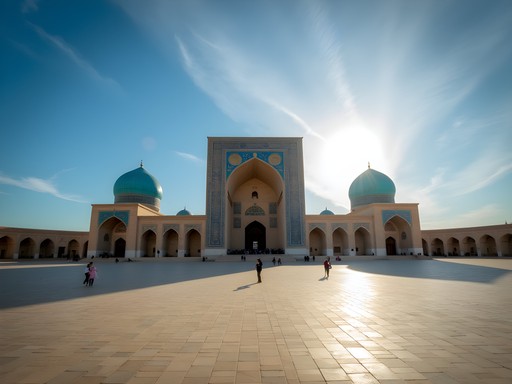
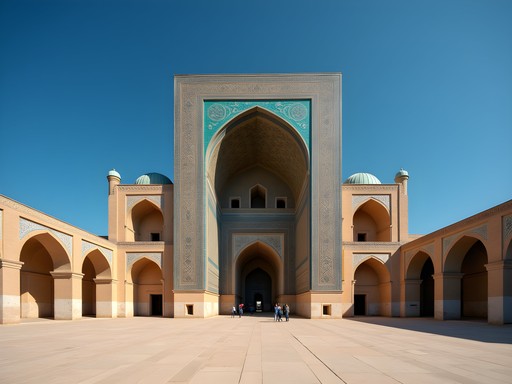
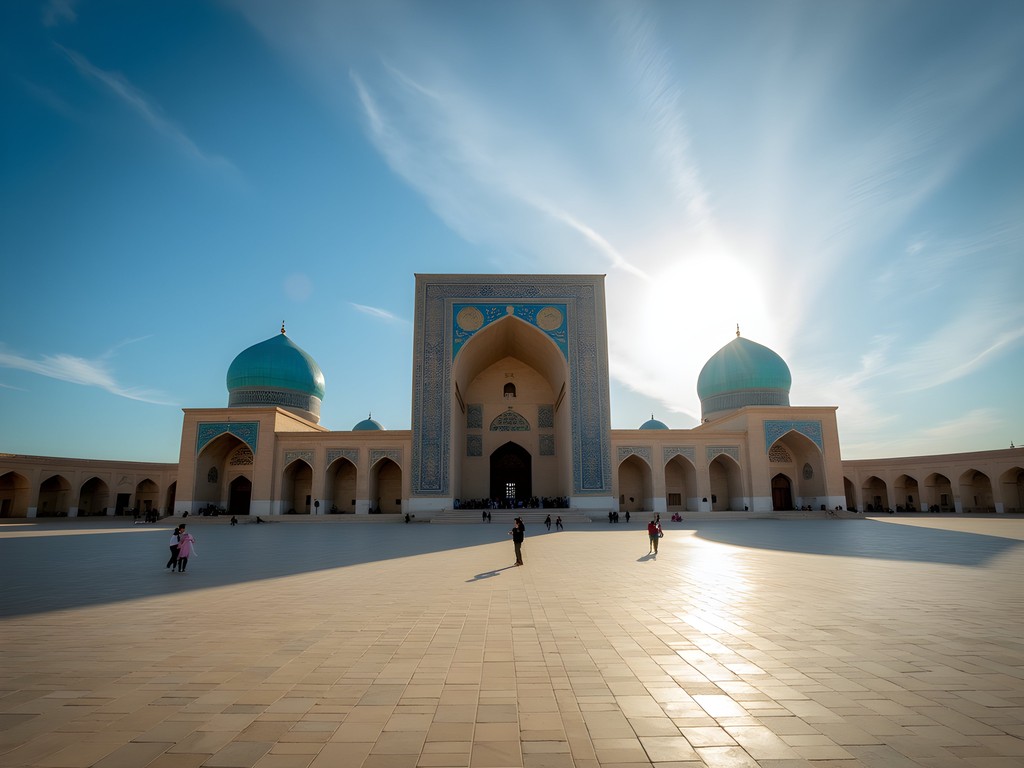
Standing beneath the turquoise domes of Samarkand's Registan Square for the first time, I understood why Alexander the Great called this region more beautiful than he'd imagined. After three decades of crisscrossing the globe as a flight attendant, I thought I'd seen every shade of blue the world could offer. Uzbekistan proved me wonderfully wrong. These ancient Silk Road cities hold stories that connect East and West in ways that still resonate today—perfect for groups seeking meaningful cultural immersion without the crowds of more touristy historical destinations.

Why Spring is the Sweet Spot for Uzbekistan
I've learned through years of airline scheduling that timing can make or break a journey, and Uzbekistan in spring is travel timing at its finest. March through May offers that Goldilocks weather—not too hot, not too cold—with temperatures hovering between 15-25°C (59-77°F). The summer heat here can be absolutely brutal, reaching 40°C+ (104°F+), which I've experienced firsthand during a layover in Tashkent one July. Trust me, you don't want to explore these open-air historical sites when the sun is that relentless.
Spring also brings the countryside to life with wildflowers and blossoming fruit trees, creating stunning backdrops for photography. The light during this season has a particular quality—soft and golden—that makes the already magnificent tilework of these ancient structures absolutely luminous. For groups, this season means comfortable walking conditions and the ability to spend full days exploring without heat exhaustion becoming a concern. I always pack a quality sun hat with UPF protection for these trips—the Central Asian sun is deceptively strong even in spring, and protecting your group members from sunburn keeps everyone happy and energized.
💡 Pro Tips
- Book accommodations at least 3 months in advance for April-May, as this is peak season
- Pack layers—mornings can be cool while afternoons warm up considerably
- Coordinate with your group on a shared weather app to help everyone pack appropriately
- Consider travel insurance that covers trip delays, as spring weather can occasionally affect flights
Bukhara: Where Time Moves Differently
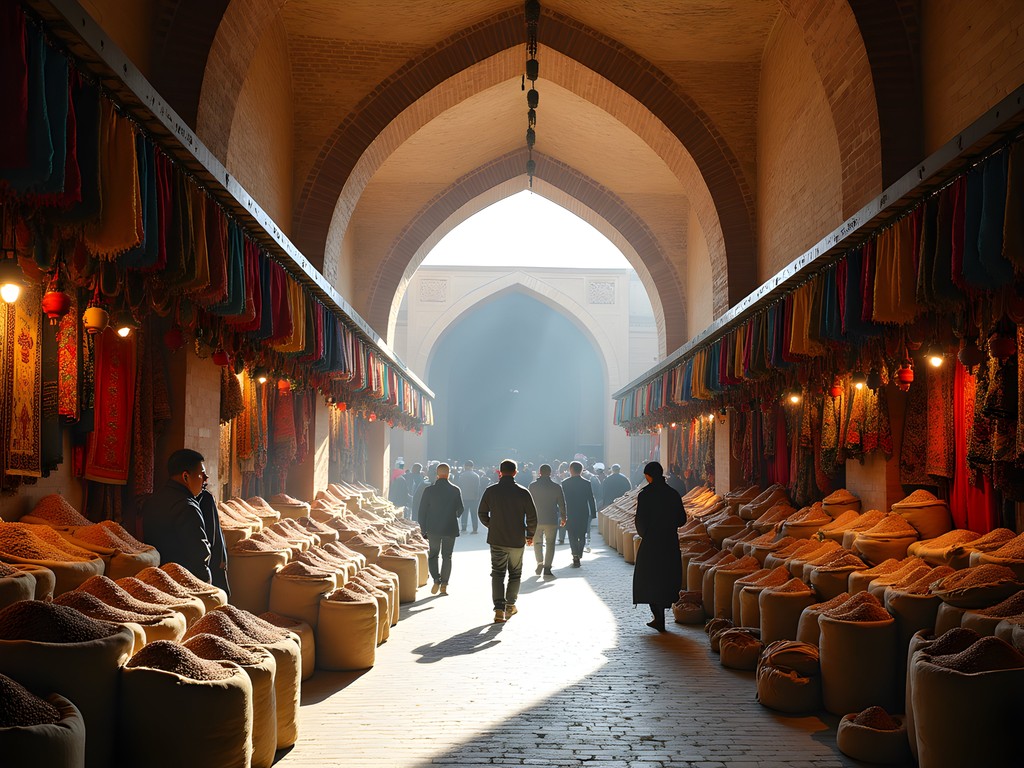
Bukhara feels like stepping into a living museum, except people actually live here, work here, and have done so for over 2,500 years. The old city is remarkably compact—most major sites are within walking distance—making it ideal for groups with varying fitness levels. I spent my first morning there utterly lost in the covered bazaars, which turned out to be the best possible introduction to the city's rhythm.
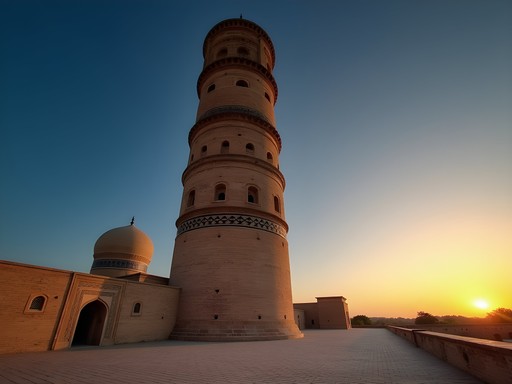
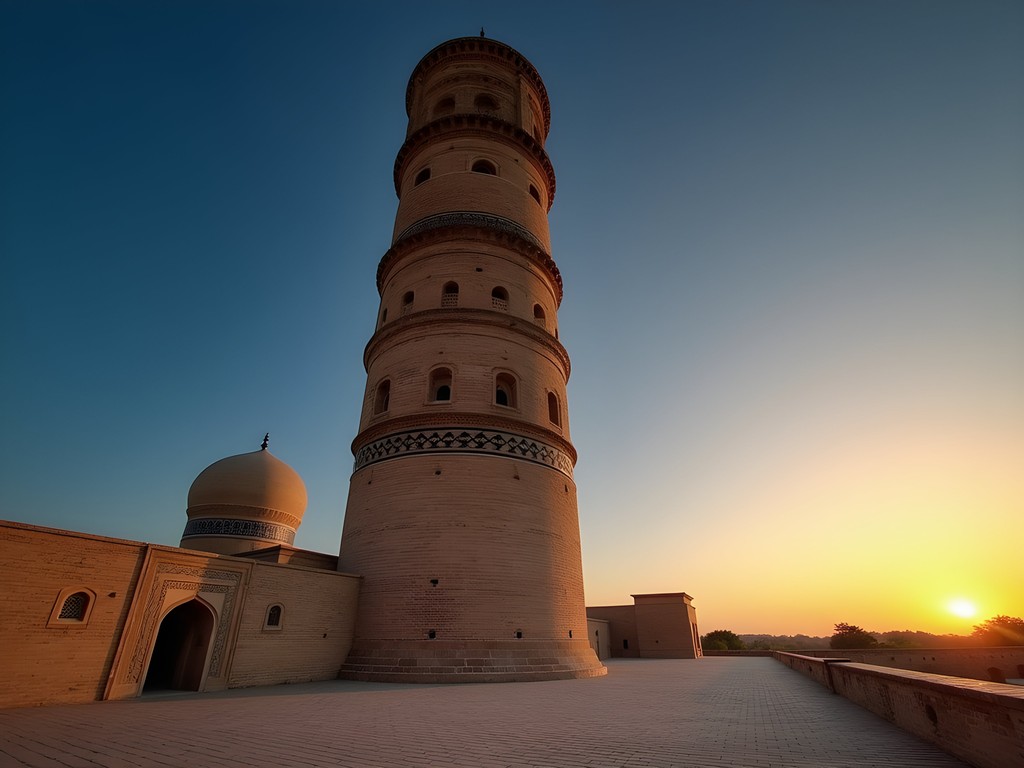
The Ark Fortress, a massive citadel that once housed Bukhara's rulers, offers panoramic views of the city that help orient your group geographically. But honestly, my favorite moments came from the smaller discoveries: stumbling upon the Chor-Minor with its four distinctive towers, each representing a different religion, or watching the sunset paint the Kalyan Minaret in shades of amber and gold. This 12th-century tower, standing 46 meters tall, has survived Mongol invasions and earthquakes—a testament to the engineering brilliance of the era.
For groups, I recommend hiring a local guide for at least your first full day in Bukhara. The stories behind these structures—the legends, the historical context, the architectural innovations—transform them from pretty buildings into profound cultural experiences. Our guide, Rustam, shared how the Lyab-i Hauz plaza has been the social heart of Bukhara for centuries, and watching locals still gather there for tea and conversation made history feel wonderfully alive.
💡 Pro Tips
- Wear comfortable, broken-in walking shoes—the old city's uneven cobblestones can be challenging
- Visit the Ark Fortress early morning or late afternoon to avoid midday heat and harsh lighting
- Allocate at least three full days in Bukhara to truly absorb the atmosphere without rushing
- Respect dress codes at religious sites—shoulders and knees covered for everyone
Samarkand: The Jewel of the Silk Road
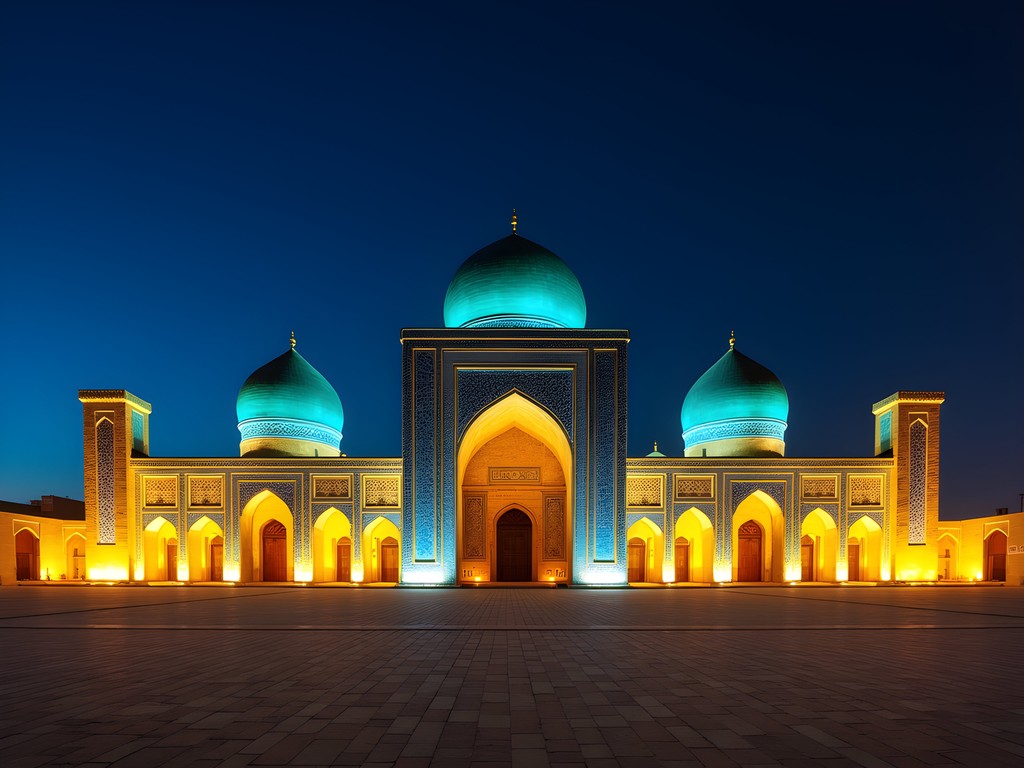
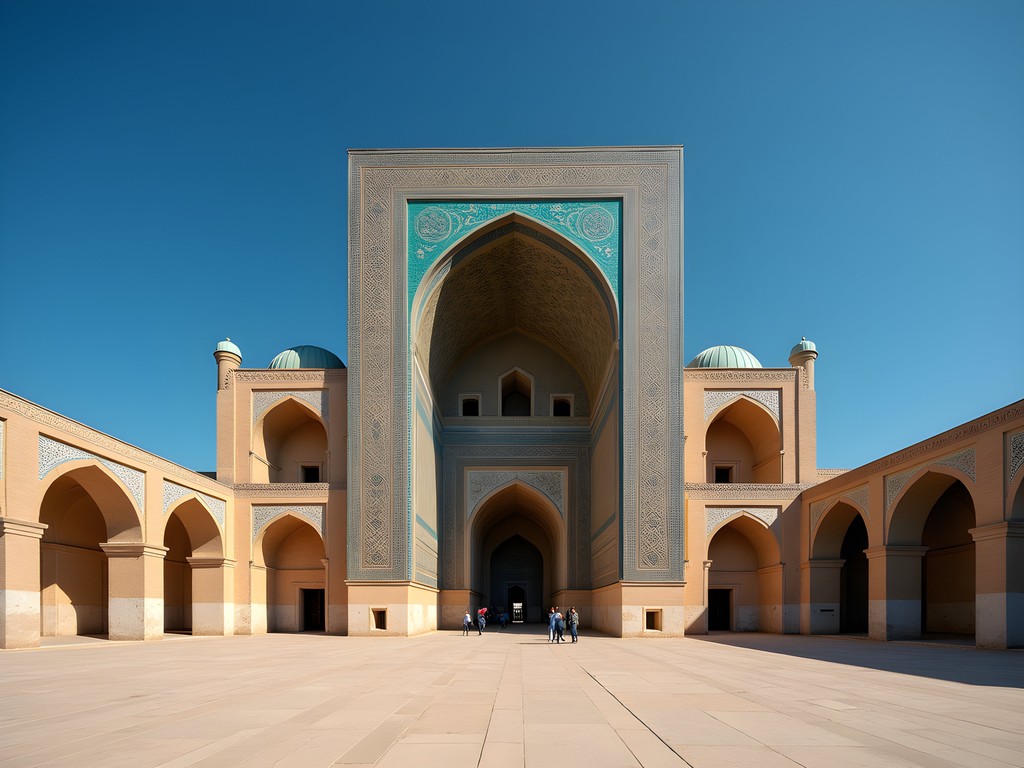
If Bukhara is contemplative, Samarkand is spectacular. This city demands superlatives. The Registan Square alone justifies the entire journey—three massive madrasahs facing each other, their facades covered in some of the most intricate tilework humanity has ever produced. I've seen my share of impressive architecture, from Notre Dame to Angkor Wat, but there's something about the scale and preservation of Samarkand's monuments that leaves me speechless every time.
The Gur-e-Amir Mausoleum, Timur's final resting place, showcases the ribbed azure dome that became the architectural signature of this era. Standing inside, looking up at the gold-leafed interior, you understand why these structures inspired everyone from Persian poets to Renaissance explorers. The acoustics are remarkable too—our guide demonstrated by singing a single note that resonated throughout the chamber, giving me goosebumps.
For groups interested in astronomy and science, the Ulugh Beg Observatory is absolutely essential. This 15th-century astronomer-king built one of the finest observatories of the medieval world, and the remaining marble sextant arc is still visible. It's a powerful reminder that while Europe was in its Dark Ages, Central Asia was advancing mathematics, astronomy, and architecture. I always bring a good portable phone charger on these full-day site visits—you'll be taking countless photos and using translation apps, and the last thing you want is a dead phone when you're trying to coordinate with your group or capture that perfect shot of Shah-i-Zinda's necropolis.
💡 Pro Tips
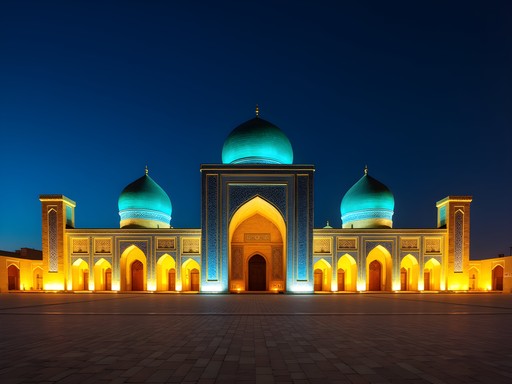
- Visit Registan Square at night when it's illuminated—the light show is stunning and far less crowded
- The Shah-i-Zinda necropolis involves climbing stairs; go at your own pace and take breaks
- Hire separate guides for Bukhara and Samarkand—local expertise varies significantly
- Download offline maps before arriving as WiFi can be spotty at historical sites

Practical Considerations for Groups
Organizing group travel to Uzbekistan requires more advance planning than, say, a trip to Paris, but it's absolutely manageable with the right preparation. Uzbekistan has made tremendous strides in opening up to tourism—visa requirements have been simplified dramatically, and the infrastructure continues to improve. As of 2024, many nationalities can visit visa-free for up to 30 days, but always verify current requirements for your specific group composition.
Accommodation-wise, both Bukhara and Samarkand offer excellent mid-range options that blend traditional architecture with modern comforts. I'm particularly fond of the boutique hotels converted from historic caravanserais—they provide authentic atmosphere without sacrificing comfort. For groups, booking guesthouses or small hotels where you can reserve multiple rooms creates a nice sense of community while maintaining individual space.
The local currency is the Uzbek som, and while credit cards are increasingly accepted in major hotels and restaurants, cash remains king for markets, smaller establishments, and tipping guides. I always recommend having a RFID-blocking wallet to organize multiple currencies and protect your cards—you'll likely be carrying euros or dollars for exchange alongside local currency. ATMs are readily available in both cities, but notify your bank before traveling to avoid card freezes.
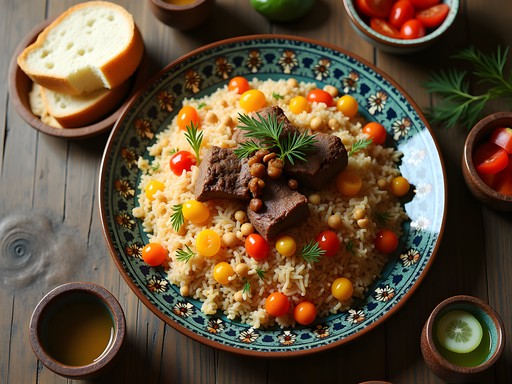
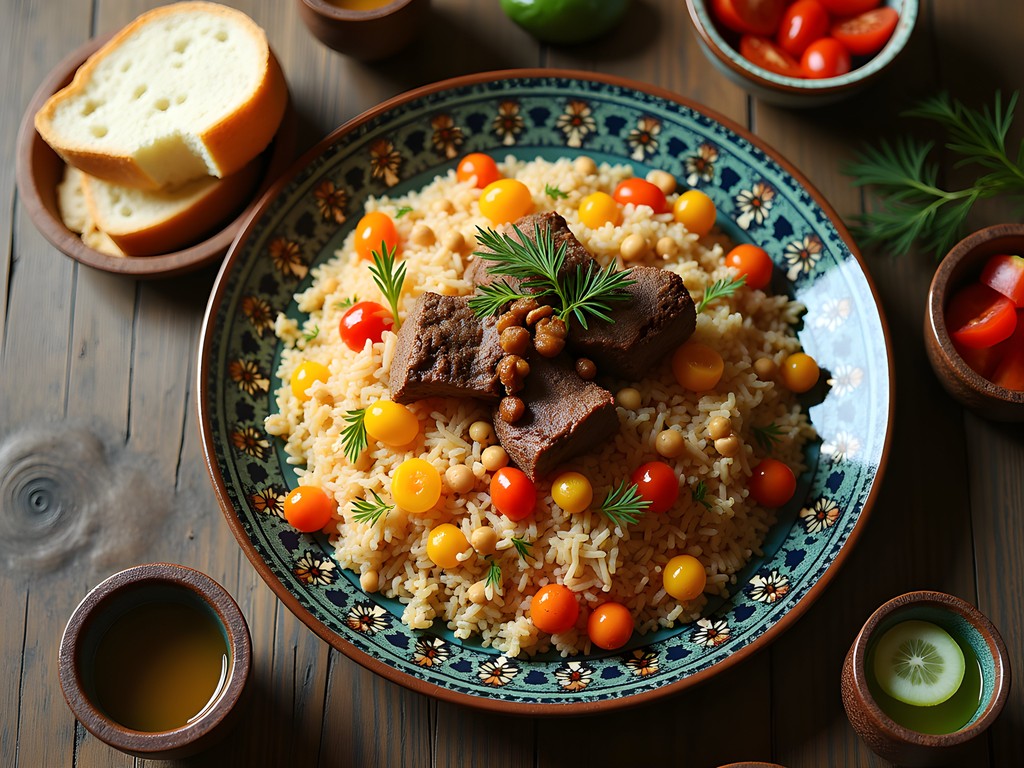
Food in Uzbekistan is hearty, flavorful, and generally very group-friendly. The national dish, plov (pilaf), is a communal experience—rice cooked with meat, carrots, and spices, often served on large platters for sharing. Vegetarians might find options limited outside major hotels, but the fresh bread (non), grilled vegetables, and varied salads provide delicious alternatives. The tea culture here is wonderful—chai is offered everywhere as a gesture of hospitality, and taking time for these tea moments helps your group slow down and connect.
💡 Pro Tips
- Designate one group member as the money manager to handle guide payments and group expenses
- Learn a few basic Russian or Uzbek phrases—locals appreciate the effort enormously
- Pack a basic first-aid kit including anti-diarrheal medication and electrolyte packets
- Consider purchasing a local SIM card for the group coordinator for easier communication
- Bring small denominations of US dollars (post-2013 bills) for the best exchange rates
Beyond the Main Sites: Hidden Gems and Day Trips
While the major monuments rightfully claim most visitors' attention, some of my most memorable Uzbekistan moments happened off the typical tourist path. From Bukhara, consider a day trip to the Sitorai Mokhi-Khosa Palace, the former summer residence of the last Emir of Bukhara. This eclectic structure blends Russian, European, and traditional Uzbek architecture in ways that are both bizarre and beautiful—it tells the story of a culture caught between tradition and modernization in the early 20th century.
In Samarkand, the Bibi-Khanym Mosque often gets overshadowed by the Registan, but it shouldn't. This massive Friday mosque, built by Timur in the 14th century, was once one of the Islamic world's largest and most magnificent structures. Though partially ruined, it remains awe-inspiring, and the adjacent Siab Bazaar offers the most authentic local market experience in the city. I spent a wonderful hour there with my group watching bread being baked in traditional tandoor ovens and sampling dried fruits and nuts—simple pleasures that create lasting memories.
For groups with extra time, the ancient settlement of Afrasiab on Samarkand's outskirts provides archaeological context that enriches your understanding of the region's deep history. The site museum houses remarkable 7th-century frescoes discovered during excavations. It's not glamorous tourism—it's dusty, hot, and requires imagination to visualize the ancient city—but for history enthusiasts, it's gold. I always carry a microfiber towel in my daypack for these dustier sites; it's perfect for wiping sweat, cleaning hands, or sitting on ancient walls without damaging them.
💡 Pro Tips
- Negotiate day trip transportation prices before departing, not upon return
- Bring snacks and water for day trips—facilities can be limited at secondary sites
- Allow flexibility in your itinerary for spontaneous discoveries and rest days
- Visit local markets in the morning when they're most vibrant and produce is freshest
Final Thoughts
After decades of flight attending, I've developed a theory: the best destinations are those that make you reconsider what you thought you knew about the world. Uzbekistan does exactly that. These Silk Road cities challenge Western-centric narratives of history, revealing civilizations that were advancing art, science, and architecture while much of Europe struggled through medieval darkness. For groups seeking meaningful travel—the kind that sparks conversations and shifts perspectives—Bukhara and Samarkand deliver profoundly.
Two weeks allows you to move beyond surface-level tourism into something deeper. You'll have time to revisit favorite sites at different times of day, to wander without agenda, to share meals and stories with locals, and to let the rhythm of these ancient cities work its subtle magic on your group. The connections you'll forge—both with your travel companions and with this remarkable culture—will outlast any souvenir.
As I write this from my Dublin home, surrounded by photos from my last Uzbekistan journey, I'm already planning my return. Some places you visit once and check off the list. Others, like these turquoise-domed cities along the Silk Road, call you back again and again. I suspect you'll find yourself in the latter category. Safe travels, and may your journey be as transformative as mine have been.
✨ Key Takeaways
- Spring (March-May) offers ideal weather for exploring outdoor historical sites without extreme heat
- Allocate at least 3-4 days in both Bukhara and Samarkand to fully appreciate the historical depth
- Hiring local guides transforms sites from beautiful buildings into meaningful cultural experiences
- Group travel to Uzbekistan requires advance planning but rewards with authentic, uncrowded experiences
- The combination of spectacular monuments and genuine local culture creates uniquely memorable travel
📋 Practical Information
Best Time to Visit
Spring (March through May) for optimal weather and blooming landscapes
Budget Estimate
$2,500-4,000 per person for 2 weeks including flights, mid-range accommodation, guided tours, meals, and activities
Recommended Duration
14 days minimum (3-4 days each in Bukhara and Samarkand, plus travel days and buffer for day trips)
Difficulty Level
Moderate—involves Considerable Walking On Uneven Surfaces, Stairs At Some Sites, And Basic Infrastructure In Some Areas


Comments
Casey Andersson
Beautiful write-up, Pierre! I took a luxury tour through here last autumn and it exceeded every expectation. For anyone considering the group tour option you mentioned - totally worth it. Our guide in Samarkand was a historian who brought every tile and inscription to life. We stayed at the Registan Plaza which has those stunning views you can wake up to. One thing I'd add: bring comfortable walking shoes that you don't mind getting dusty. The sites are massive and you'll be on your feet for hours. The travel scarf I brought was perfect for covering shoulders at mosques and also kept the dust off during windy days at Shah-i-Zinda.
journeyace
how much was the luxury tour roughly?
Casey Andersson
Around $3500 for 10 days including accommodations, most meals, and private guides. Not cheap but the expertise was invaluable.
vacationpro
Adding this to my bucket list!
citychamp
Been to both cities twice now and your description of Bukhara is spot on. That place really does feel like stepping back in time. My favorite thing was just getting lost in the old town without a map. Also the plov at the local chaikhanas is incredible - way better than the tourist restaurants. If anyone's going, try to catch a traditional music performance at one of the madrassas in the evening. Usually free or very cheap and absolutely worth it.
Sophia Gomez
Yes! The chaikhanas are where the real food is. Which one was your favorite?
citychamp
there's one near the Kalyan Minaret, can't remember the name but it has blue doors. locals lined up every lunch
cityone
wow those domes are insane!
Douglas Bradley
Great writeup Pierre! I visited Bukhara last year and completely agree about the time-moves-differently feeling. One thing I'd add for readers: accommodation inside the old city walls is worth the extra cost. Staying in a converted madrasah gave me this incredible sense of living history. I could walk to Lyab-i Hauz in 3 minutes at sunrise before the tour groups arrived. The contrast between those quiet morning moments and the afternoon bustle really highlighted what you mentioned about experiencing both ancient and modern Uzbekistan. Also, the homestay hosts were incredibly knowledgeable about local history - better than some of the official guides honestly.
Pierre Duncan
Absolutely right about staying inside the walls! Those sunrise walks are magical. Which madrasah conversion did you stay in?
Douglas Bradley
It was Minzifa Boutique - not cheap but the courtyard breakfast alone was worth it. The owner's family has been in Bukhara for generations.
journeyace
Do you need a visa for Uzbekistan? Planning a trip for September
citychamp
depends on your country but most can get e-visa now, super easy process
Casey Andersson
September is beautiful there! The e-visa system is straightforward - took me about 3 days to get approved. Just make sure your passport photo meets their specs or it gets rejected.
Sophia Gomez
Pierre, this resonates so much! I visited Samarkand last year for a conference and extended my stay by four days just to explore. You're absolutely right about spring - I was there in late April and the weather was perfect for walking around the old city. The light at sunrise hitting those turquoise tiles at Registan is something I still think about. One tip for business travelers: the internet in Bukhara can be spotty, so download maps and any work materials beforehand. The Lyabi-Hauz area has some surprisingly good cafes with WiFi if you need to catch up on emails between exploring.
vacationpro
good tip about the wifi, didn't think about that
summermaster
How hot does it get in late April? Thinking about going but not great with extreme heat
Pierre Duncan
Late April is perfect! You're looking at 20-25°C (68-77°F) during the day. Not extreme at all. By June it gets into the 35°C+ range which is tough for sightseeing.
summermaster
awesome thanks!
Venture X
Premium card with 2X miles, $300 travel credit, Priority Pass