

Disclosure: This article contains affiliate links. We may earn a commission from purchases at no extra cost to you, which helps our travel content.
The moment you cross the bridge into Cape May, time slows to a waltz. Unlike the frenetic drumbeat of most Jersey Shore towns, this southernmost tip of New Jersey moves with the deliberate rhythm of a classical sonata. As someone who spends his days analyzing the spatial harmonies of Asian architecture, stepping into America's first seaside resort felt like discovering a forgotten vinyl record—familiar yet wonderfully unexpected. The Victorian 'painted ladies' that line these streets aren't just buildings; they're frozen musical notes in a 19th-century composition that continues to play for modern audiences.

The Architectural Symphony of Cape May
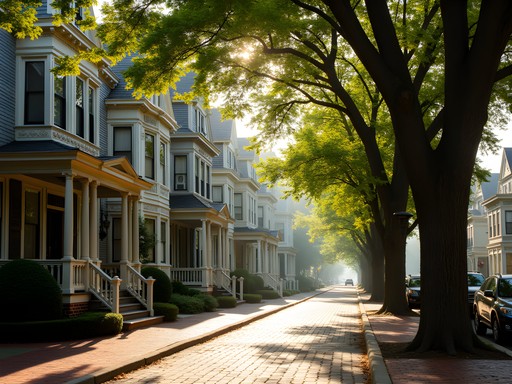
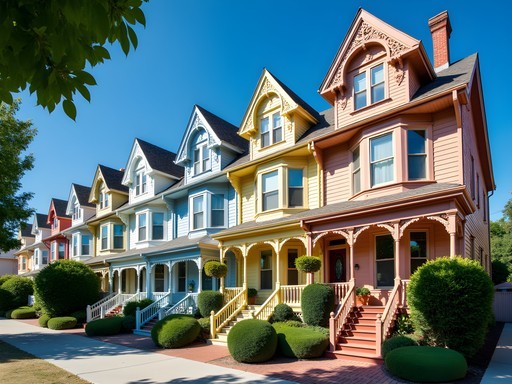
Cape May stands as America's oldest seaside resort, but what truly sets it apart is that it hosts the largest collection of Victorian structures in the country. After a devastating fire in 1878 wiped out much of the town, Cape May rebuilt itself in the then-contemporary Victorian style, inadvertently creating a time capsule that would later become its salvation.
Walking these streets reminds me of exploring Busan's Gamcheon Cultural Village—both places where color and design create a distinct sense of place. But where Gamcheon feels improvisational like free-form jazz, Cape May's architecture follows the structured composition of classical music with its strict adherence to Victorian principles.
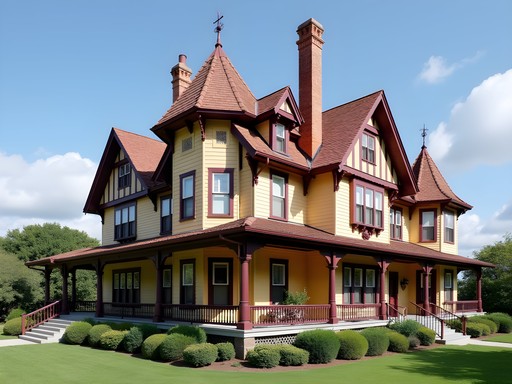
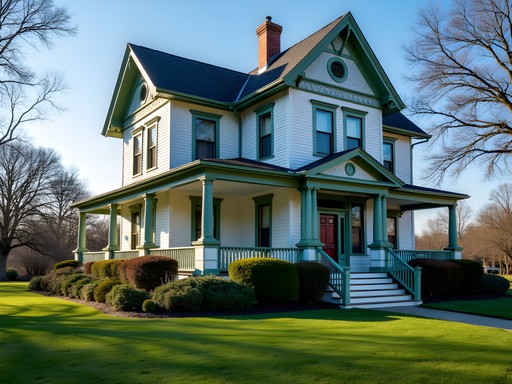
The ornate 'gingerbread' trim work, vibrant color schemes, and elaborate porches create what architects call a 'unified streetscape'—a harmony where individual buildings contribute to a greater whole. I found myself stopping frequently to photograph intricate details with my smartphone gimbal, which helped capture steady shots of the highest turrets and ornamental details without the shake.

💡 Pro Tips
- Download the Cape May Historic District Map app before arriving to create your own walking tour
- Visit early morning or late afternoon when the light brings out the richest colors in the Victorian facades
- Look up! Some of the most intricate details are above eye level in the eaves and turrets
The Emlen Physick Estate: A Design Case Study
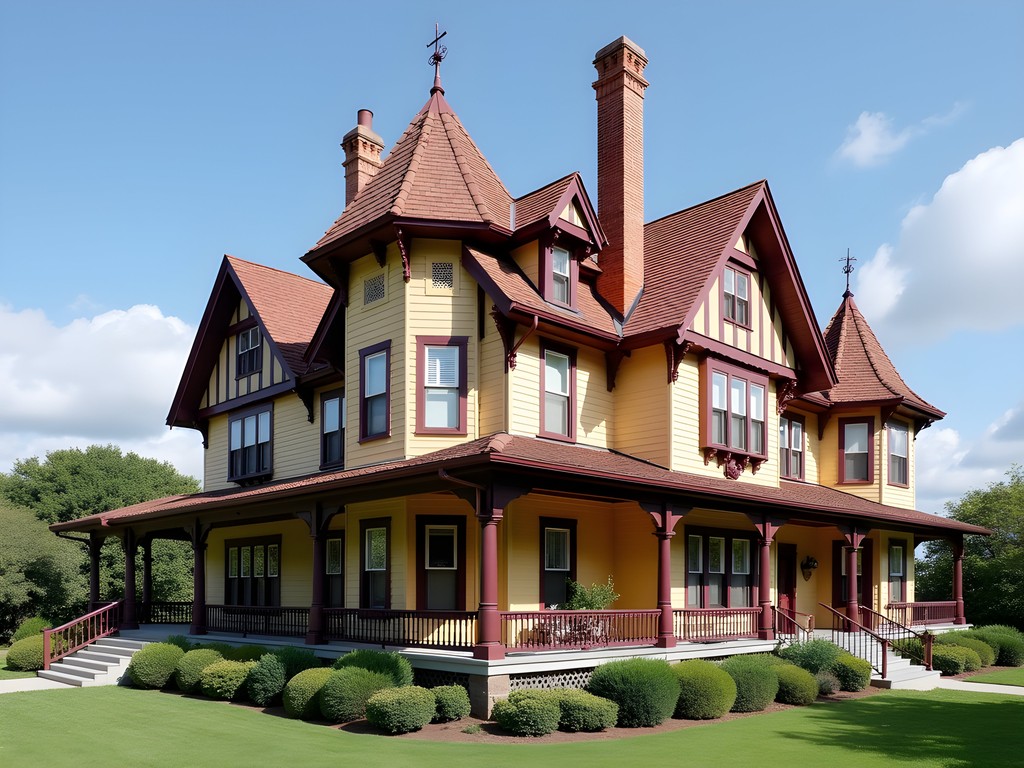
If Cape May's Victorian streetscape is the album, the Emlen Physick Estate is its standout track. Built in 1879, this 18-room mansion designed by renowned architect Frank Furness is a masterclass in Stick Style architecture—a precursor to the more elaborate Queen Anne style that would later dominate Victorian design.
The guided tour ($20 for adults) provides fascinating insights into both the architectural elements and the social history of the Physick family. As someone who's explored traditional hanok homes in Korea and modernist masterpieces in Barcelona, I was struck by how the estate's design reflected the social values of its time—the way spaces were deliberately separated by gender and class, yet unified by innovative heating and ventilation systems that were revolutionary for the 1870s.
I was particularly captivated by the estate's gaslighting fixtures, which reminded me of similar systems I'd seen in historic buildings in Seoul. I captured these details using my clip-on smartphone lens, which allowed me to photograph intricate craftsmanship that would otherwise be missed by standard smartphone cameras.
💡 Pro Tips
- Book the 'Combination Tour' which includes both the house and a trolley tour of the historic district
- Visit the Carriage House Gallery on the property to see changing exhibits about local history
- The estate hosts special themed tours during holidays—worth planning your visit around these events
Cape May's Historic District: A Walking Jazz Improvisation
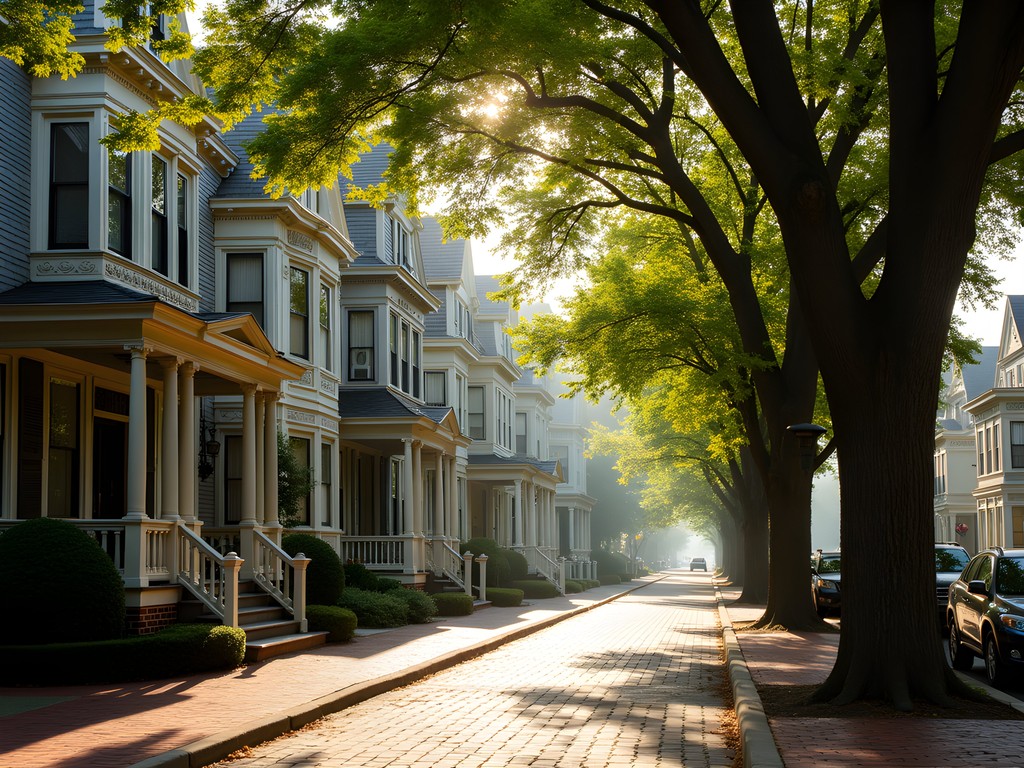
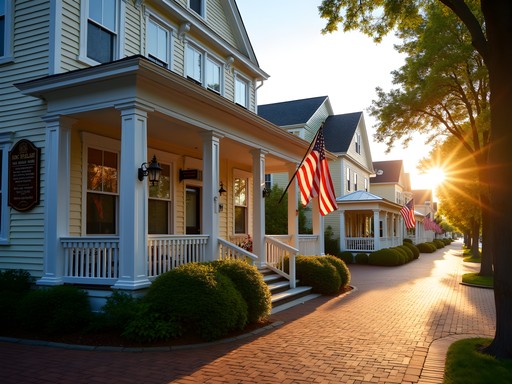
The best way to experience Cape May is on foot, letting your curiosity guide you through the Historic District like a jazz musician following improvisational impulses. I spent hours wandering the streets, particularly Congress Street and Hughes Street, where some of the most impressive examples of Victorian architecture stand in colorful rows.
Each home tells its own story through architectural language—bay windows projecting outward like musical crescendos, wraparound porches inviting social interaction like communal jam sessions, and tower elements punctuating the skyline like high notes in a melody.
After years of analyzing the minimalist lines of Korean and Japanese architecture, Cape May's maximalist Victorian aesthetic felt wonderfully liberating. I found myself appreciating how the seemingly excessive ornamentation actually follows strict design principles—each element serving both decorative and functional purposes.
During my walks, I used my portable power bank to keep my phone charged through hours of photography. For serious architecture enthusiasts, I'd also recommend bringing a pocket architectural guide to help identify specific Victorian elements you'll encounter throughout the district.
💡 Pro Tips
- The Mid-Atlantic Center for the Arts offers excellent guided walking tours if you prefer expert commentary
- Washington Street Mall provides a convenient place to rest between explorations
- Bring a water bottle with a built-in filter to stay hydrated during summer walks

Beyond Architecture: Cape May's Cultural Rhythms
While the Victorian architecture takes center stage in Cape May, the town's cultural offerings provide the perfect accompaniment. As someone who appreciates how jazz venues in Busan create specific atmospheres through their design, I was equally impressed by how Cape May's historic spaces have been repurposed for modern cultural experiences.
The Cape May Stage, housed in a restored 1853 church, offers professional theater productions in an intimate setting. During my visit, I caught a performance that felt all the more powerful for being staged in a space with such historical resonance. The acoustics reminded me of some of my favorite jazz clubs in Seoul, where historic architecture enhances the musical experience.
For those who appreciate the intersection of history and libations, the Cape May Brewing Company offers tours that explain how they've adapted historic buildings for modern craft brewing. Their tasting room exemplifies adaptive reuse—preserving architectural elements while creating a contemporary experience.
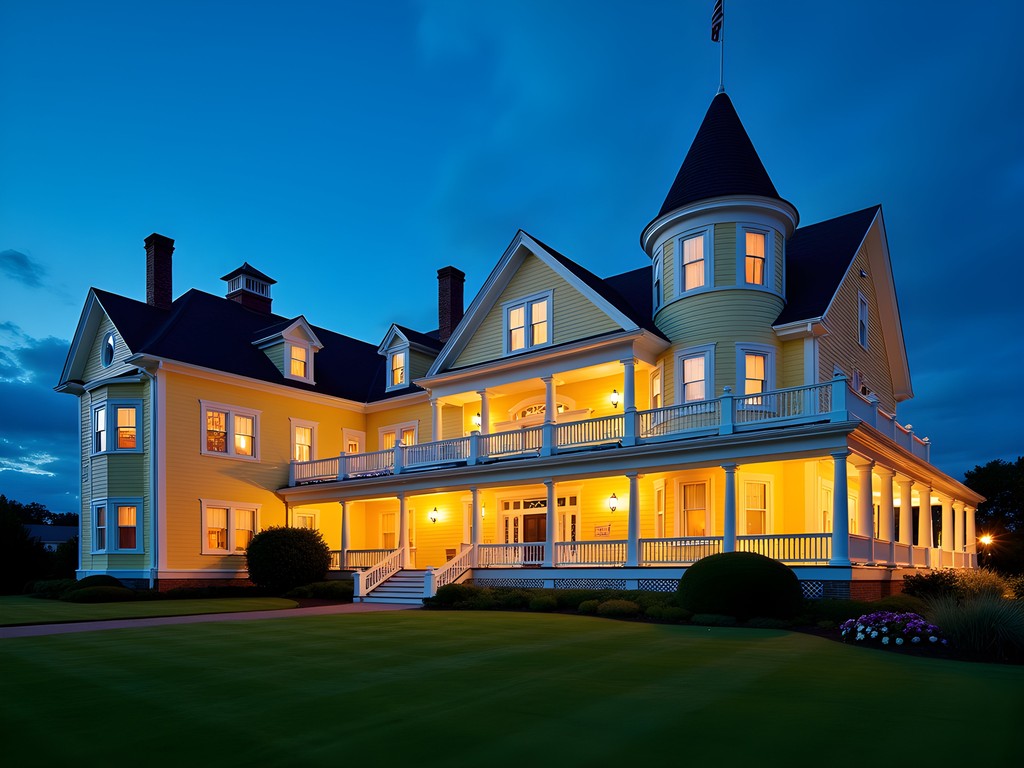
After long days of exploration, I found myself unwinding at the Brown Room in Congress Hall, Cape May's oldest hotel (established 1816). The space balances Victorian elements with comfortable seating, creating an ambiance that encourages both reflection and conversation. I jotted observations in my weatherproof notebook, which proved invaluable during occasional seaside drizzles.
💡 Pro Tips
- Check the Cape May Stage calendar before your visit to catch a performance
- Book Congress Hall's history tour to learn about the hotel's remarkable 200+ year journey
- Visit the Cape May Lighthouse for panoramic views of the Victorian townscape from above
Where to Stay: Victorian Immersion
To fully appreciate Cape May's architectural heritage, staying in a historic property elevates the experience from mere tourism to cultural immersion. While modern hotel chains exist on the outskirts of town, they miss the point of a Cape May visit entirely.
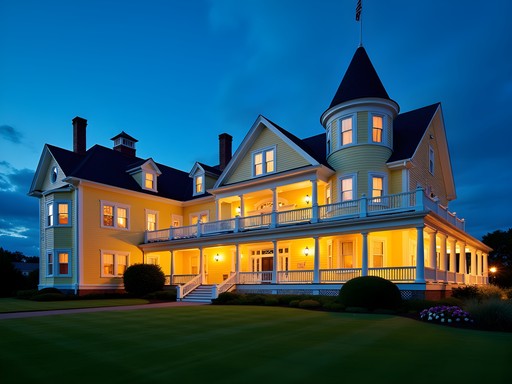
I chose the Queen Victoria Bed & Breakfast, housed in four meticulously restored Victorian buildings. My room in the House of Royals building featured period furniture alongside modern amenities—a balance that reminded me of traditional hanok stays in Korea that similarly honor history without sacrificing comfort.
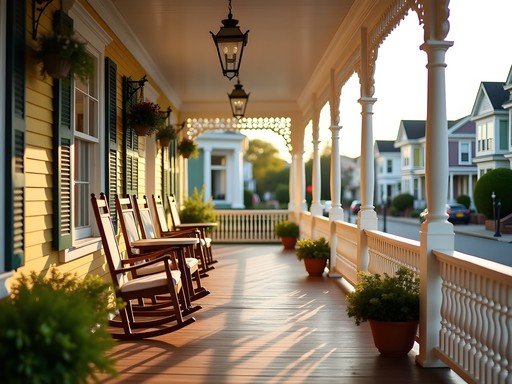
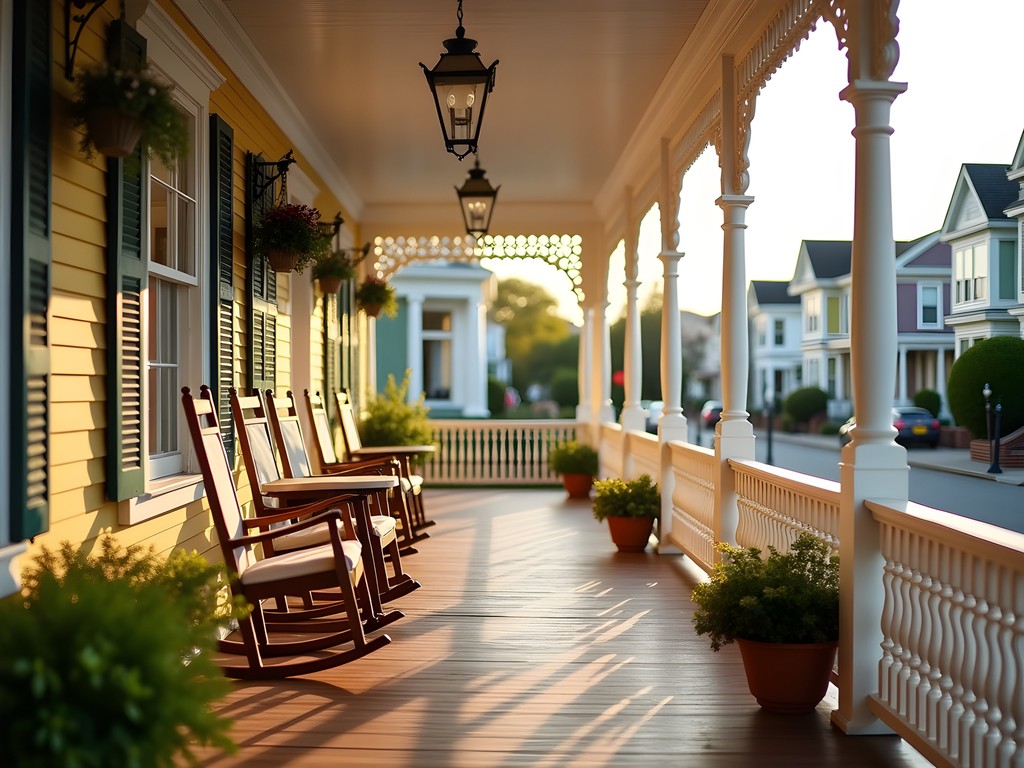
The morning ritual of breakfast on the porch, watching Cape May wake up while surrounded by gingerbread trim and wicker furniture, became a highlight of my stay. The innkeepers' knowledge of architectural history added depth to casual conversations over coffee.
For families or longer stays, many of Cape May's historic homes are available as vacation rentals, offering an even more authentic experience. I spent one afternoon chatting with a couple who've rented the same Victorian cottage for 15 consecutive summers, treating it almost as a second home.
Wherever you stay, I recommend bringing a white noise machine as historic buildings sometimes have thinner walls than modern construction, and a hanging toiletry bag that won't take up precious counter space in vintage bathrooms that often lack modern storage.
💡 Pro Tips
- Book accommodations 3-6 months in advance for summer weekends
- Request rooms on upper floors of B&Bs for better views of architectural details across the street
- Consider mid-week stays for significantly lower rates and fewer crowds
Final Thoughts
As my weekend in Cape May drew to a close, I found myself sitting on Sunset Beach, watching the day end behind the concrete ship Atlantus—a different kind of historical artifact. The Victorian treasures behind me and this 20th-century shipwreck before me bookended Cape May's remarkable historical range.
What makes Cape May special isn't just the preservation of buildings but the preservation of a certain rhythm of life—a cadence that invites visitors to slow down and notice details, from the corbels supporting a porch roof to the play of light through colored glass transoms. In our rush to experience the new and novel in travel, places like Cape May remind us that sometimes the most rewarding journeys involve stepping back rather than pushing forward.
As someone who's built a life bridging Eastern and Western design traditions, I found unexpected resonance in Cape May's Victorian language—a style that itself borrowed globally from Gothic, Italianate, and even Eastern motifs. Perhaps that's Cape May's ultimate lesson: that cultural preservation doesn't freeze time but rather keeps meaningful conversations across generations and traditions alive. I'll return, not just to see what I missed, but to continue the dialogue between my design sensibilities and Cape May's architectural poetry.
✨ Key Takeaways
- Cape May offers America's largest collection of Victorian architecture in a walkable, seaside setting
- The town's post-1878 fire reconstruction created an accidentally perfect time capsule of Victorian design
- Staying in historic accommodations enhances the immersive experience of Cape May's architectural heritage
📋 Practical Information
Best Time to Visit
Summer (June-August) for full services; May and September for fewer crowds
Budget Estimate
$200-350/night for accommodations, $50-100/day for meals and activities
Recommended Duration
2-3 days minimum to fully appreciate the architectural details
Difficulty Level
Easy


Comments
Hannah Woods
Carter, your analysis of Cape May's architectural preservation efforts compared to other historic American towns is spot on. I've been documenting Victorian architecture across different continents, and Cape May stands out for maintaining such a cohesive historic district without feeling like a theme park. The town strikes that difficult balance between preservation and living community. For photography enthusiasts: early morning light (6-8am) creates the most dramatic shadows on the gingerbread trim and turrets. The less-visited Victorian homes on Hughes Street offer some of the most photogenic examples without crowds. Did you notice how the porches function as social spaces? That's something lost in modern architecture that Cape May preserves beautifully.
Carter McDonald
Hannah - you're absolutely right about the porches! I spent an evening chatting with locals on one of those wrap-around verandas and it felt like stepping back in time socially as well as architecturally. Will check out Hughes Street next time on your recommendation!
adventurewalker
Your post convinced me to book a weekend there! Any recommendations for the best B&B with authentic Victorian vibes?
wavelegend
Not the author, but we loved the Queen Victoria B&B. Total immersion in Victorian style but with modern bathrooms thankfully!
adventurewalker
Thanks for the tip! Just checked their website and it looks perfect.
Stephanie Romano
We took our kids (8 and 10) to Cape May last summer and they were surprisingly enchanted by all the "gingerbread houses" as they called them! The trolley tour was perfect for their attention spans - just enough history without overwhelming them. My husband and I took turns slipping away to photograph the architecture while the other took the kids for ice cream on the Washington Street Mall. One tip: we found the Cape May Architecture Guide super helpful for identifying all the different Victorian styles. Carter, your jazz improvisation analogy for the historic district walk is perfect - each street reveals new architectural surprises!
starclimber5403
That sunset at Concrete Ship photo is amazing!
roamwalker
Just visited the Emlen Physick Estate last month and it blew me away! The docent knew EVERYTHING about Victorian architecture and I couldn't get enough of those gorgeous gingerbread details. The way you described it as a 'design case study' is spot on. Did you get to see the servants' quarters too? That was eye-opening for me!
Carter McDonald
Yes! The servants' quarters really show the contrast between upstairs/downstairs life. Glad you enjoyed the tour!
greenvibes
Is spring a good time to visit? Or should I wait for summer?
Carter McDonald
Spring is actually wonderful - fewer crowds and the Victorian gardens start blooming. The architecture looks stunning in that soft spring light!
greenvibes
Thanks! Booking a trip for April then!
wavelegend
Cape May is definitely a hidden gem on the Jersey Shore! So different from the rest of the coast.
wanderseeker7739
We did the trolley tour last year and honestly it was the best way to see everything without getting exhausted. The guide was super funny and knew so much history. My favorite part was learning about all the fires that destroyed the original buildings - crazy that what we see now is mostly from the rebuild in the 1800s. Also pro tip: go in October if you can! The fall colors with the Victorian houses are GORGEOUS and way less crowded than summer. We walked around with hot cider and it felt like being in a movie.
stardiver
hows parking there?
wanderseeker7739
we went last spring and it wasnt too bad. theres a big lot near congress hall. gets crowded on summer weekends tho
stardiver
cool thanks!
Casey Andersson
Carter, your prose about Cape May transported me right back to my own Victorian architecture obsession! I spent a week there two summers ago and became completely enchanted by the Emlen Physick Estate. The stick-style details are extraordinary. I found myself returning each morning with my camera, trying to capture how the light played differently across those ornate facades at different times of day. The docents there are incredibly knowledgeable too - one shared stories about the family that made the whole place come alive. For anyone planning a visit, I'd recommend staying in one of the historic B&Bs. The Mainstay Inn gave me such an authentic sense of living in that era. The creaky floors and original moldings were worth every penny.
moonchamp4947
thanks for the B&B tip! was wondering where to stay
Venture X
Premium card with 2X miles, $300 travel credit, Priority Pass