
Disclosure: This article contains affiliate links. We may earn a commission from purchases at no extra cost to you, which helps our travel content.
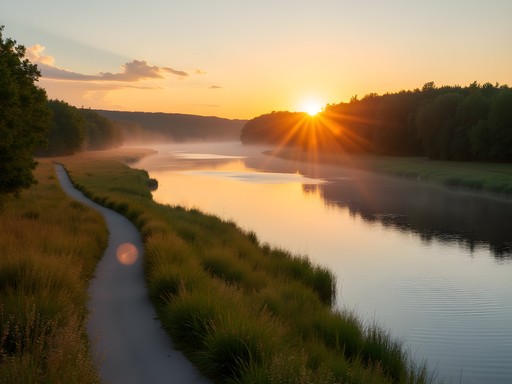
Standing at the confluence of the Red and Red Lake Rivers, Grand Forks, North Dakota holds the physical coordinates of a remarkable frontier story that most travelers overlook. As a surveyor who's mapped countless urban landscapes, I've developed an eye for places where history has literally been built into the environment. Grand Forks is one such place—a living blueprint of America's pioneer spirit, where families can trace the footprints of settlers who shaped the northern plains without breaking the bank or needing extensive travel experience.

Mapping the Past: Grand Forks Historic District
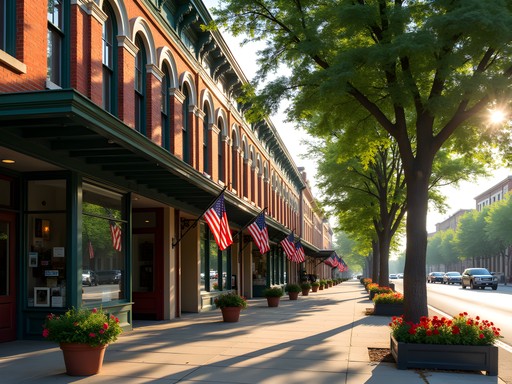
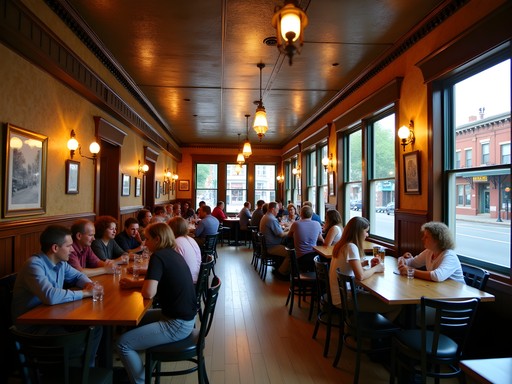
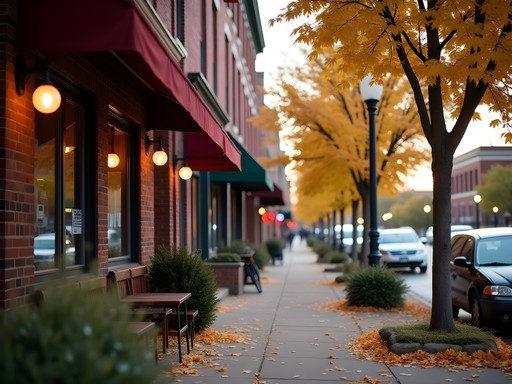
My surveyor's instincts kicked into high gear while wandering through Grand Forks' meticulously preserved downtown historic district. Unlike the glossy historical centers of more trafficked tourist destinations, there's an unvarnished authenticity here that tells the true story of frontier development.
The district follows a classic grid pattern typical of 19th-century urban planning, with each block revealing architectural layers from different eras. I was particularly struck by the post-fire reconstruction buildings from 1997—a modern pioneer story in itself. After the devastating Red River flood destroyed much of downtown, the community rebuilt with the same determination as their ancestors.
The self-guided walking tour (free maps available at the visitor center) takes you past the 1905 Italianate-style Empire Arts Center and the Renaissance Revival Metropolitan Opera House. What makes this district special for families is how accessible history becomes—children can literally touch the same brick walls that have weathered a century of prairie seasons.

💡 Pro Tips
- Download the free Grand Forks Historic District app for interactive mapping and audio narration
- Visit on weekday mornings to avoid the minimal crowds and catch the best lighting for photos
- The Empire Theater offers 'Young Pioneer' tours specifically designed for children under 12 on Saturday mornings
Myra Museum & Campbell House: Living Pioneer Dimensions
As someone who measures and documents spaces for a living, I find open-air museums particularly fascinating. The Myra Museum and adjacent Campbell House offer what I call a 'four-dimensional experience'—not just the three physical dimensions of the preserved structures, but the fourth dimension of time made tangible.
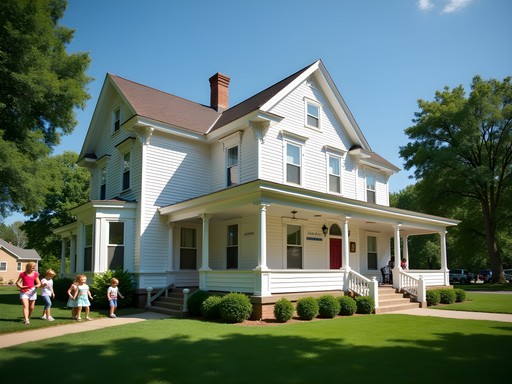
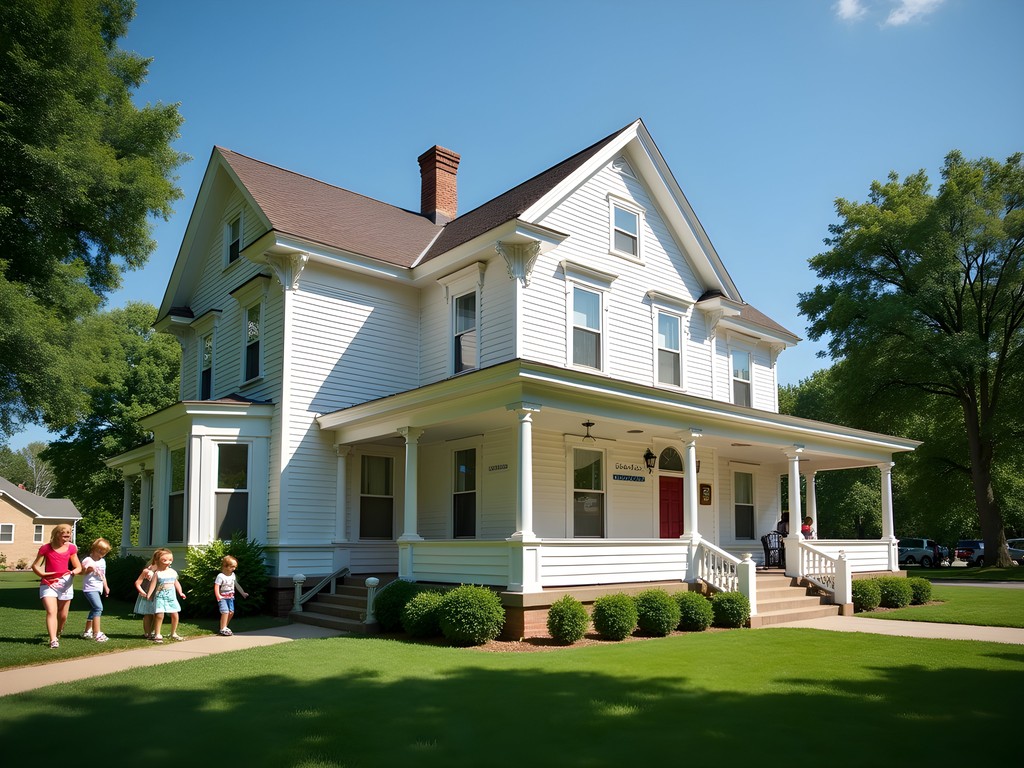
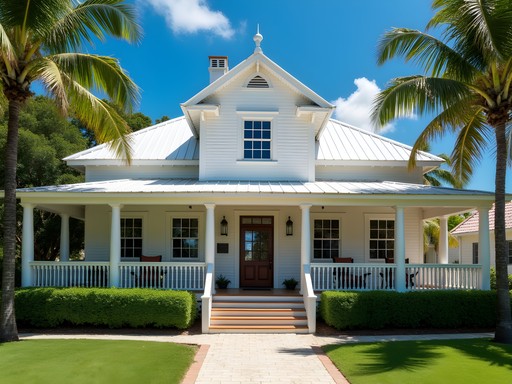
The Campbell House, built in 1897, stands as a perfectly preserved Victorian home where every measurement and architectural choice tells a story about frontier life. What impressed me most was the attention to period-accurate details—the kitchen still contains original implements that pioneer women used to transform raw prairie ingredients into family meals.
For families with children, the museum offers hands-on pioneer craft demonstrations during summer weekends. My nephew was particularly enthralled with the butter-churning station, where his small hands connected directly with a task children his age would have performed daily 150 years ago. I recommend bringing a portable sketchbook for kids to draw artifacts or buildings that catch their interest—it engages them far more deeply than merely looking.
💡 Pro Tips
- Visit on 'Living History' Saturdays when volunteers demonstrate pioneer crafts in period-appropriate clothing
- The museum is surprisingly stroller-friendly with wide doorways and smooth paths between buildings
- Pack a period-inspired picnic lunch to enjoy on the grounds (the staff love this and often engage children in conversation about 'pioneer food')
Frontier Craftsmanship: The North Dakota Mill
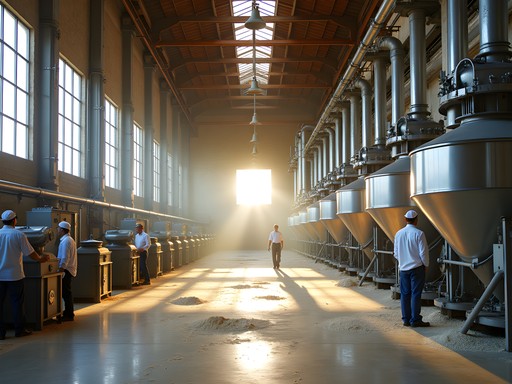
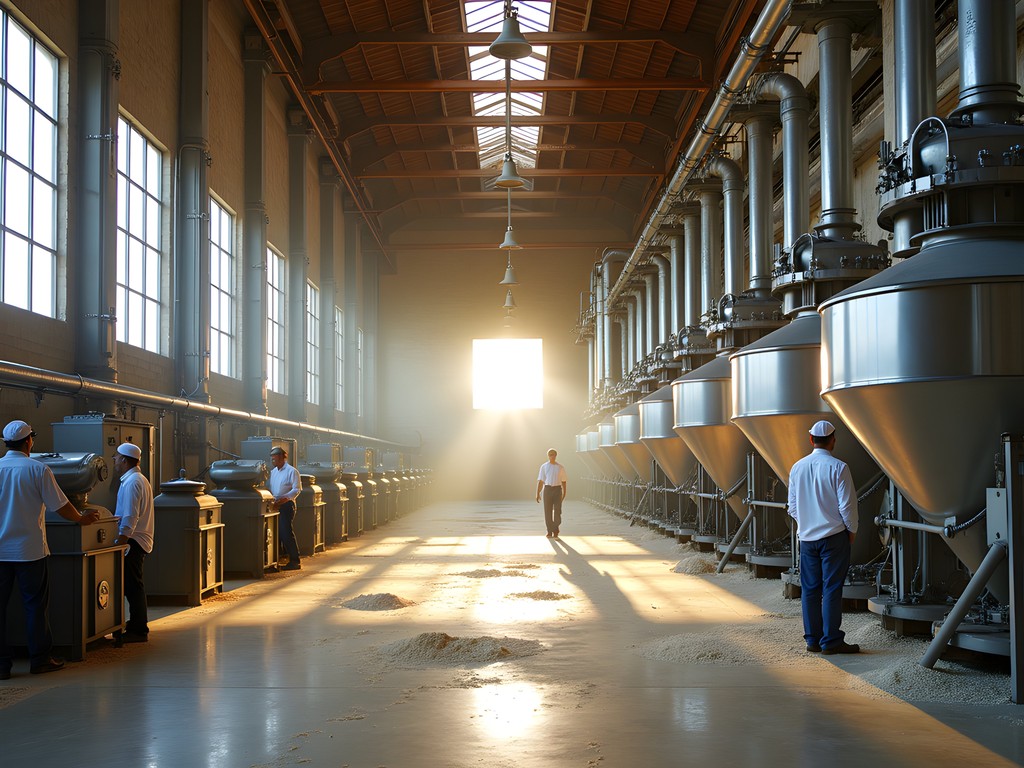
Few visitors realize that Grand Forks houses the largest flour mill in the United States—a direct descendant of the region's agricultural pioneer heritage. As someone fascinated by maker-spaces and production facilities, touring the North Dakota Mill was a highlight of my visit.
The mill operates on the same site where early settlers first processed their wheat harvests, though today's facility is thoroughly modern. What makes this a worthwhile stop for families is the unexpected sensory experience—the warm, comforting aroma of freshly milled flour permeates everything, and the massive machinery provides a dramatic demonstration of how frontier ingenuity has evolved into industrial scale production.
The free guided tours (available Monday-Friday, reservations required) take you through the entire milling process. For children, the most captivating moment comes when they can feel the difference between whole wheat berries and the resulting flour—a tactile connection to the prairie's agricultural heritage. I recommend bringing a reusable tote bag to carry home some of the specialty flours sold in their small shop—my sourdough bread made with their Dakota Maid flour had a distinctively rich flavor I haven't been able to replicate with store-bought brands.
💡 Pro Tips
- Book the mill tour at least two weeks in advance as spaces fill quickly in summer months
- Wear closed-toe shoes (required) and bring a light jacket (the mill can be cool inside even in summer)
- The tour involves stairs and walking, but they can accommodate mobility limitations with advance notice

Measuring the Flood: The Greenway and Flood Obelisks
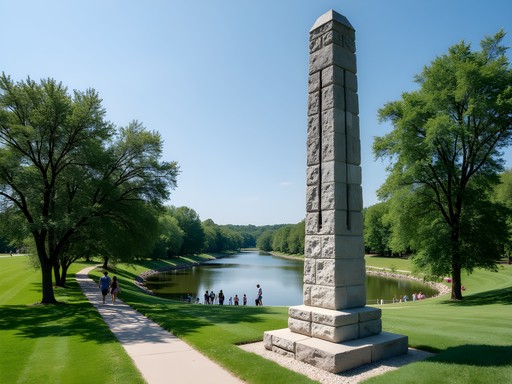
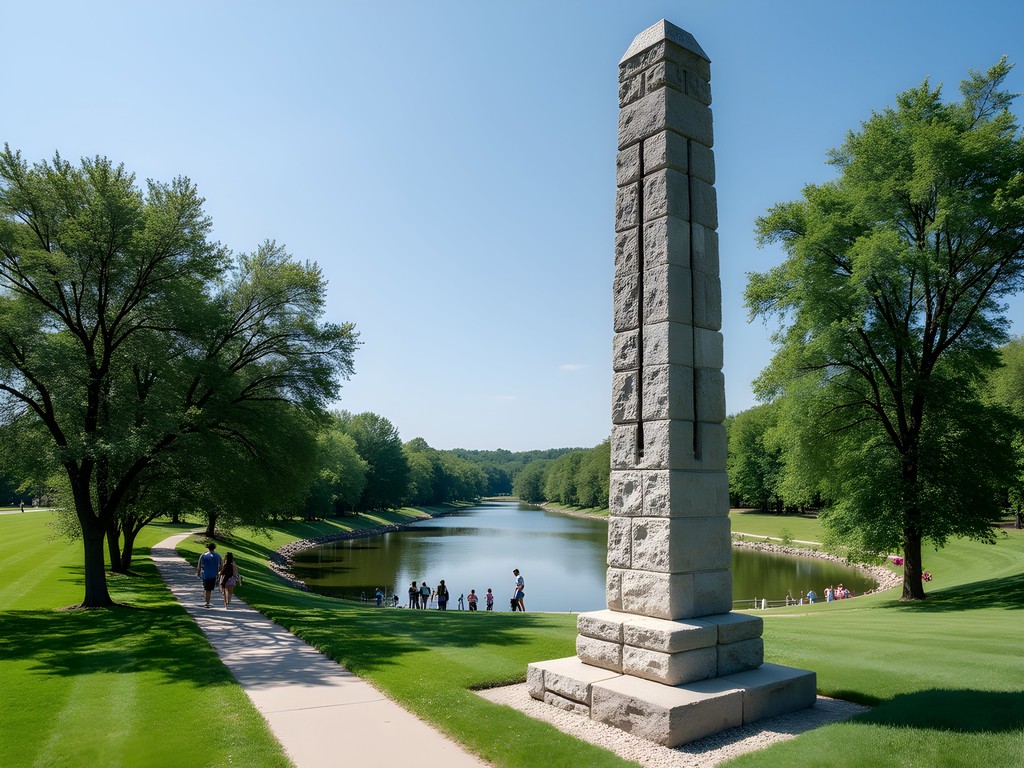
As a surveyor, I'm drawn to landmarks that measure significant geographical events. Grand Forks' system of flood obelisks scattered throughout the Greenway park system provides a powerful physical representation of the devastating 1997 flood that nearly erased the city.
The 2,200-acre Greenway itself is a remarkable example of resilient urban planning—created from neighborhoods that were too flood-prone to rebuild, it now serves as both recreation space and practical flood control. Walking or biking its 20+ miles of trails gives families a literal ground-level understanding of river geography and flood dynamics.
What makes this experience particularly valuable for children is the concrete visualization of abstract concepts. Standing beside an obelisk marked with the 1997 water level—often towering over even the tallest adult's head—creates an immediate, visceral understanding of the flood's magnitude that no textbook could convey. For exploring the extensive trail system, I recommend a family trail map and a water bottle with built-in filter so you can refill safely at any water fountain along the route.
💡 Pro Tips
- Rent bikes from the seasonal kiosk near the visitor center—they offer child seats, tag-alongs and small bikes
- The Lincoln Drive Park section has the most dramatic flood markers and excellent playground facilities
- Download the Greenway smartphone app for interactive maps showing flood marker locations and historical photos of the areas before/during/after the 1997 flood
Frontier Flavors: Historic Dining Experiences
The pioneer experience extends to Grand Forks' culinary landscape, where several establishments occupy historic buildings and serve dishes with frontier roots. As someone who appreciates the craft of food production, I was delighted to discover these authentic connections to the region's culinary heritage.
The Toasted Frog, housed in a beautifully restored brick building from 1890, serves modern interpretations of prairie classics. Their bison burger topped with local cheese captures the essence of frontier protein sources while acknowledging contemporary tastes. For a more immersive experience, Widman's Candy Shop (operating since 1885) still makes 'Chippers'—chocolate-covered potato chips—using methods unchanged for generations.
For families, these historic eateries offer more than just meals—they're edible history lessons. Many have preserved original architectural elements like tin ceilings, hardwood floors, and exposed brick walls that show children how public spaces functioned in pioneer times. I recommend bringing a food journal to document the historic elements of each establishment alongside notes about the regional dishes you try—it becomes a delicious souvenir of your frontier exploration.

💡 Pro Tips
- The Toasted Frog offers a 'Young Pioneer' menu with smaller portions of historic-inspired dishes
- Visit Widman's Candy Shop between 2-4pm to watch candy-making demonstrations
- Ask servers about the building's history—many staff members are well-versed in local lore and happy to share stories
Final Thoughts
As I packed away my measuring tools and notebooks after three days in Grand Forks, I realized this overlooked frontier city offers something increasingly rare in our homogenized travel landscape—an authentic, accessible window into America's pioneer heritage that hasn't been polished to a generic shine. The city's historical sites create a perfect triangulation point between education, entertainment, and affordability for families seeking meaningful connections to our shared past.
What makes Grand Forks special isn't just the preservation of individual buildings or artifacts, but how the entire urban fabric tells a coherent story of resilience—from 19th-century settlement through agricultural innovation to recovery from natural disaster. It's a living blueprint of American frontier spirit that children can literally walk through, touch, and experience firsthand.
I encourage families to venture beyond the usual historical destinations and plot coordinates for Grand Forks. In the careful measurements of pioneer buildings, the precise grid of downtown streets, and the exact markings on flood monuments, you'll find not just the dimensions of physical spaces, but the immeasurable spirit of frontier determination that continues to shape this remarkable community.
✨ Key Takeaways
- Grand Forks offers authentic, budget-friendly pioneer experiences perfect for families with children of all ages
- The city's historical sites are uniquely hands-on, allowing visitors to physically engage with frontier heritage
- Beyond individual attractions, the entire urban landscape tells a cohesive story of resilience and adaptation
📋 Practical Information
Best Time to Visit
June through August
Budget Estimate
$300-500 for a family weekend (lodging, food, activities)
Recommended Duration
2-3 days
Difficulty Level
Easy



Comments
oceanlover
Beautiful photos! Is spring a good time to visit these sites?
islandwalker
Not the author but I've been in May - it's lovely! Everything is green and the weather is mild. Perfect for walking the historic district.
summermate
Never thought of North Dakota as a vacation spot but your post has me reconsidering! The Campbell House looks like something from a historical drama. Are there good restaurants near these historical sites?
Sarah Powell
Fascinating article! I passed through Grand Forks last year but completely overlooked these historical sites. Your surveyor's perspective offers a unique lens on frontier development that most travel writing misses. The flood markers particularly interest me as they represent the intersection of natural history and human resilience. I'm curious about accessibility at these sites - I noticed you didn't mention if the historic buildings have been adapted for visitors with mobility challenges?
Akiko Thomas
Great question about accessibility, Sarah. The Myra Museum has ramp access and accessible bathrooms, but some of the pioneer buildings have limited accessibility due to historical preservation requirements. The Greenway paths are mostly flat and paved, making them wheelchair-friendly. I should have included this information - thank you for bringing it up!
blueguy
Just got back from Grand Forks after reading this post! The Historic District walking tour was amazing - picked up a map at the visitor center and spent 3 hours exploring. The flood markers were way more moving than I expected. One thing to add that wasn't in the post - check out the local food scene! Had amazing Norwegian-inspired dishes at a place called Norsk Kitchen that really connected to the immigrant history of the area. The University district has some cool architecture too. Definitely agree this place is overlooked by most travelers.
Akiko Thomas
So glad you enjoyed it! Norsk Kitchen is fantastic - wish I'd had space to include more about the food scene. Did you make it to the Mill tour?
blueguy
I did! Really impressive operation and the guide was super knowledgeable about both the technical aspects and the historical significance. Bought some of their flour to take home too!
backpackwalker
Just got back from Grand Forks last week! Wish I'd seen this post before going. The North Dakota Mill tour was closed when we tried to visit (seasonal hours maybe?). The historic district was pretty walkable though. We stayed at a little B&B near downtown that had some cool pioneer-era artifacts in the lobby.
wanderlustadventurer
Which B&B did you stay at? Planning my trip now!
backpackwalker
It was the Riverside Heritage Inn - not super fancy but lots of character and the owners know tons about local history!
roamking
How long would you recommend staying in Grand Forks to see these sites properly?
Akiko Thomas
I'd say 2-3 days is ideal. One full day for the historic district and Myra Museum, another for the mill tour and Greenway exploration.
adventurewalker
Love finding these hidden historical gems! Your surveyor perspective makes it unique!
journeybuddy
OMG I grew up near Grand Forks and never appreciated any of this stuff as a kid!! Now I need to go back and see it with fresh eyes. The Campbell House sounds AMAZING - my grandma used to talk about visiting there on school trips. Love how you connected the surveyor perspective to the historical narrative!! 👏👏👏
adventureclimber
Isn't that always how it goes with hometown spots? Never appreciate them until you leave!
journeybuddy
So true! Planning a trip back this summer with my own kids now.
TravelingTeacher
Love how you connected surveying to the historical narrative! Really unique perspective.
HistoryBuff42
How walkable is the historic district? Worth renting a car or can you explore on foot?
Akiko Thomas
The downtown historic district is very walkable! But to get to the Myra Museum and some of the other sites, you'll want a car. Public transit options are limited.
Venture X
Premium card with 2X miles, $300 travel credit, Priority Pass