

Disclosure: This article contains affiliate links. We may earn a commission from purchases at no extra cost to you, which helps our travel content.
As an architect with a passion for historical structures, I find myself drawn to cities where the built environment tells stories across centuries. Harrisburg—Pennsylvania's often overlooked capital—surprised me with its rich architectural tapestry spanning Colonial, Victorian, and Beaux-Arts styles. During a recent autumn weekend break from my sustainable design projects in Europe, I discovered how this compact riverside city packs an impressive historical punch that's both accessible and engaging for families seeking cultural exploration without breaking the bank.

The Capitol Complex: A Beaux-Arts Masterpiece
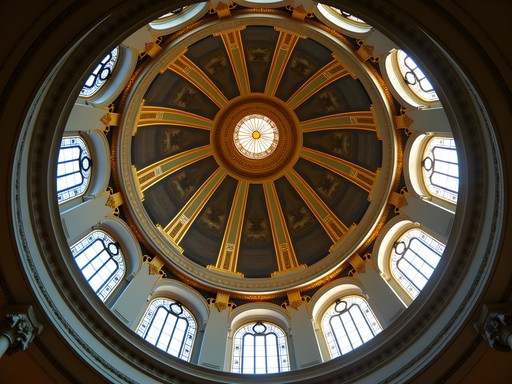
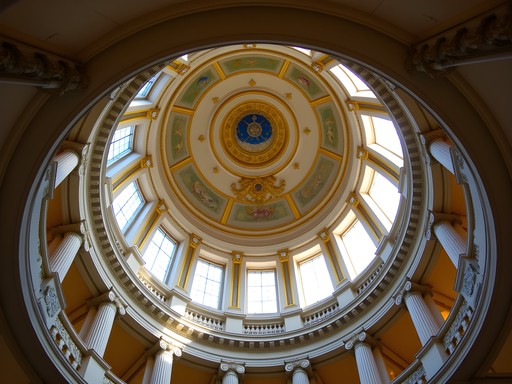
Approaching Pennsylvania's State Capitol Building feels like discovering a Renaissance palace transplanted to the American heartland. Completed in 1906 and designed by architect Joseph Miller Huston, this Beaux-Arts masterpiece stands as what Theodore Roosevelt once called 'the handsomest building I ever saw.' The 272-foot dome, inspired by Michelangelo's design for St. Peter's Basilica, creates an imposing silhouette against Harrisburg's modest skyline.
As an architect, I was particularly struck by the building's material palette—Vermont granite base, Boston granite columns, and the distinctive green-glazed terracotta roof tiles that have weathered beautifully over the century. The interior reveals even greater treasures: 23-karat gold leaf adorns surfaces throughout, Carrara marble staircases sweep dramatically upward, and Edwin Austin Abbey's murals illustrate Pennsylvania's history with remarkable artistic precision.
The guided tour (free, but reservations recommended) provides access to the Senate and House chambers, where the stained glass windows by William Brantley Van Ingen filter light in ways that transform the spaces throughout the day. I found myself sketching structural details in my waterproof notebook, particularly fascinated by how the building's classical proportions create such harmonious spaces despite its monumental scale.

💡 Pro Tips
- Free guided tours run every half hour on weekdays and hourly on weekends—book ahead during fall foliage season
- The Welcome Center has excellent interactive exhibits for children to learn about state government
- The best exterior photos come in late afternoon when the western sun illuminates the dome
The State Museum of Pennsylvania: Contextualizing History
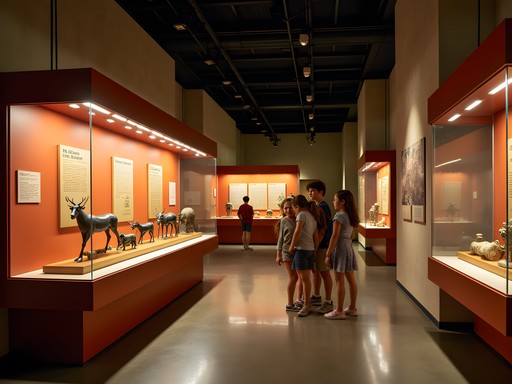
Adjacent to the Capitol Complex stands The State Museum of Pennsylvania, whose modernist 1960s structure provides an architectural counterpoint to the Beaux-Arts grandeur nearby. While the building itself might not win beauty contests, its contents offer crucial context for understanding Pennsylvania's historical significance.
The museum's Civil War collection particularly impressed me, showcasing how the state's industrial capacity and strategic location shaped the conflict. The Planetarium (additional $3 fee) offers excellent educational programming for families—I caught a fascinating show about how Indigenous peoples used celestial navigation, which resonated with my interest in observatories.
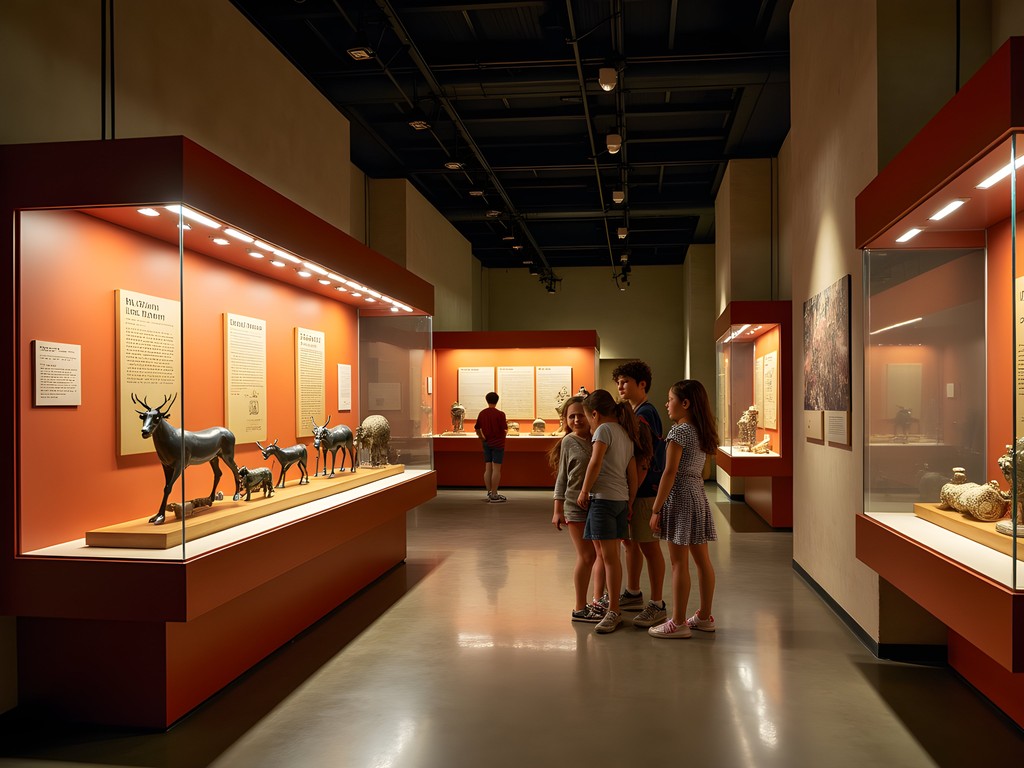
What surprised me most was the extensive collection of architectural artifacts from demolished historic buildings throughout Pennsylvania. These salvaged elements—from ornate Victorian corbels to Art Deco elevator doors—represent a physical archive of architectural styles that have disappeared from the landscape. For families visiting with children, the museum provides interactive sketchbooks that encourage young visitors to observe and document architectural details throughout their visit—a brilliant way to keep children engaged while developing their visual literacy.
💡 Pro Tips
- Visit on Sundays when admission is reduced to $4 per person
- The third-floor paleontology exhibit with life-sized dinosaurs is a guaranteed hit with children
- Check the schedule for the 'Architect's Eye' tours that focus specifically on Pennsylvania's building traditions
Riverfront Park and Historic Market Street Bridge
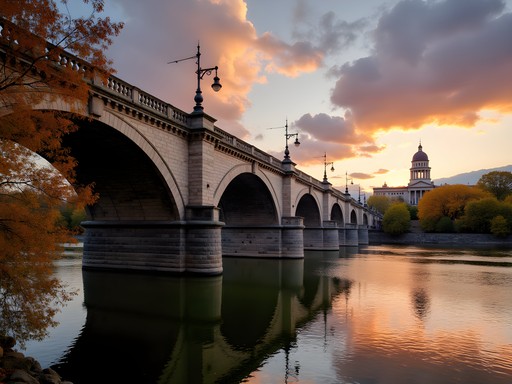
After the intensity of museum exploration, Harrisburg's Riverfront Park offers both architectural interest and natural respite. The 4.5-mile esplanade along the Susquehanna River provides stunning views of the city skyline and the historic stone bridges that span this mighty waterway.
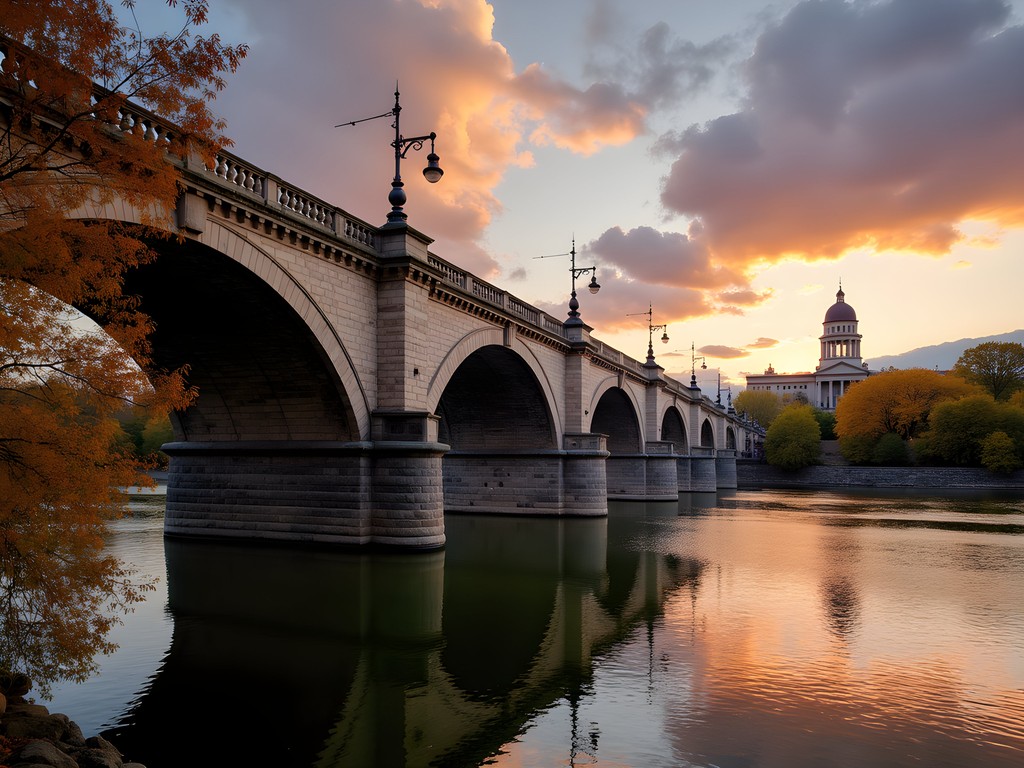
The Market Street Bridge (officially the People's Bridge) dates to 1817, though the current stone arch structure was completed in 1905. Its graceful profile demonstrates how infrastructure can transcend mere utility to become civic art. During my visit, I spent a contemplative hour sketching its distinctive silhouette against the setting sun, noting how the engineers achieved both structural efficiency and aesthetic harmony.
Families will appreciate the series of themed playgrounds spaced along the riverfront, each interpreting Pennsylvania history through play structures. The weather turned unexpectedly chilly during my afternoon walk, and I was grateful for my pocket hand warmers that kept my fingers nimble enough to continue sketching the architectural details of the bridges.
A highlight for architecture enthusiasts is the Pride of the Susquehanna Riverboat, one of the last remaining authentic paddle wheel riverboats in America. While primarily a tourist attraction, it offers an unmatched perspective on Harrisburg's riverfront architecture and the engineering marvel of the bridges when viewed from water level.
💡 Pro Tips
- Visit at sunset when the Capitol dome is illuminated and reflected in the river
- The riverfront path connects most major historical sites, making it ideal for a self-guided walking tour
- Bring binoculars to spot bald eagles that nest along the river during fall months

John Harris-Simon Cameron Mansion: Domestic Architecture Through Time
For those interested in how domestic architecture evolved alongside civic buildings, the John Harris-Simon Cameron Mansion offers a fascinating case study. Built in 1766 by the city's founder, this structure has undergone multiple expansions and style adaptations over two centuries.
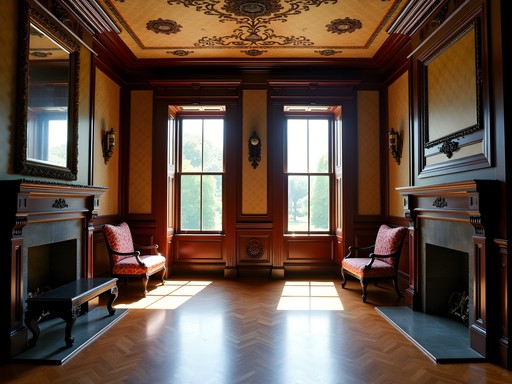
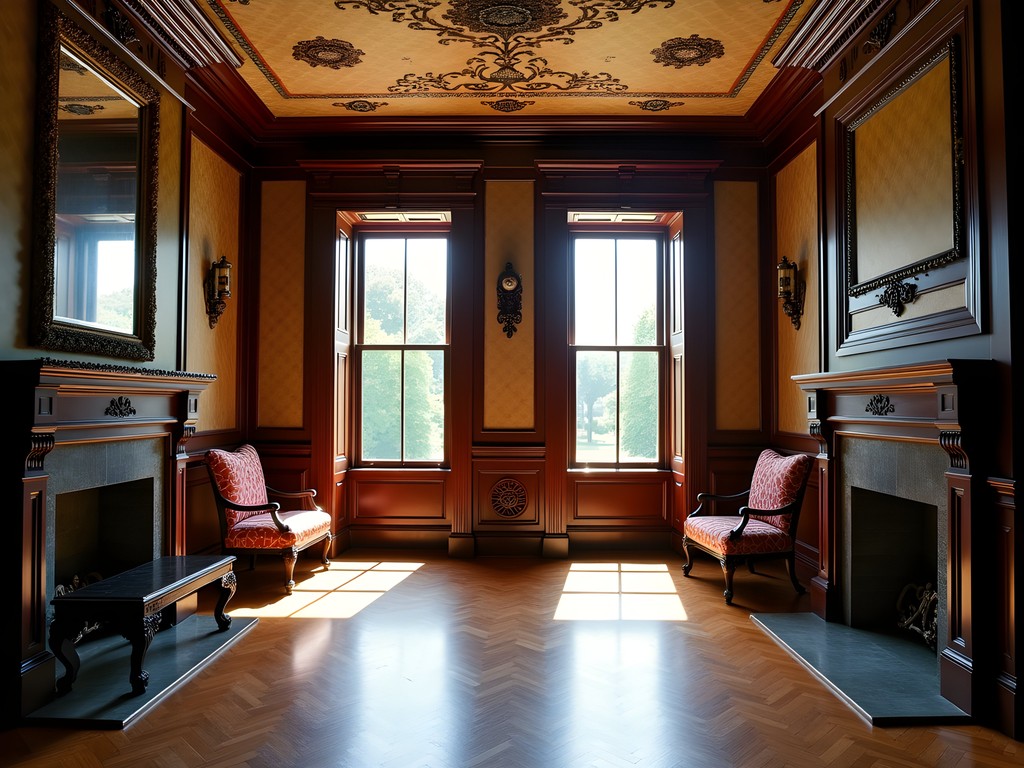
What began as a modest Georgian brick home was transformed in the 1860s when Simon Cameron (Lincoln's first Secretary of War) purchased and dramatically expanded it into a fashionable Victorian mansion. The resulting architectural palimpsest reveals changing American tastes and technologies—from the original cooking fireplace to Victorian gas lighting fixtures to early 20th-century plumbing retrofits.
The volunteer docents are exceptionally knowledgeable about both architectural details and the social history they represent. I was particularly impressed by their ability to engage children through hands-on demonstrations of historical building techniques and domestic technologies. My guide showed how the original mortise and tenon joints in the Georgian section have held firm for over 250 years—a testament to craftsmanship that puts much modern construction to shame.
For those interested in historical preservation techniques, I recommend bringing a digital light meter to understand how preservationists balance authentic historical lighting conditions with conservation requirements for sensitive materials. The mansion's approach to this balance is particularly sophisticated.
💡 Pro Tips
- Visit during the 'Architecture Detective' program where children receive magnifying glasses to find specific architectural details
- The mansion hosts special candlelight tours on Friday evenings in October and November
- Ask about the basement tour which reveals the original 18th-century foundation construction techniques
City Island and the Historic Bridges
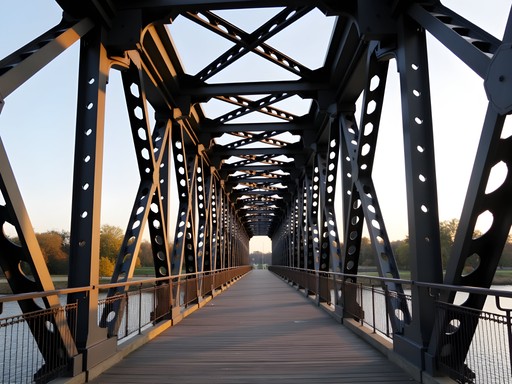
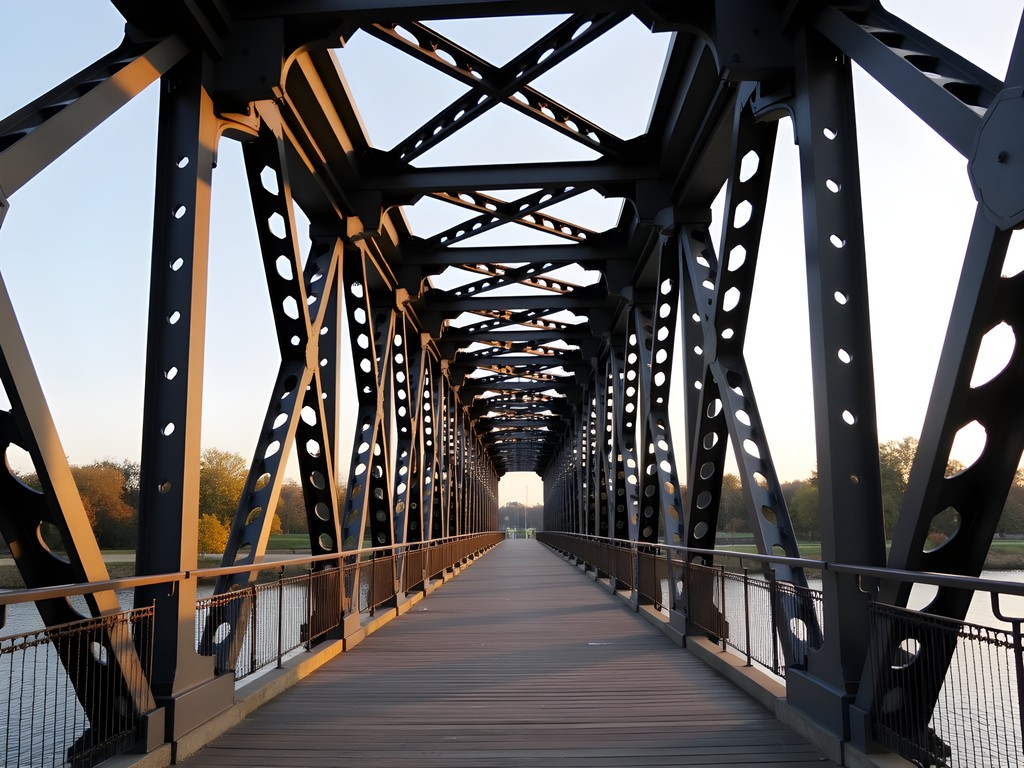
Situated in the middle of the Susquehanna River, City Island offers both recreational facilities and significant historical structures accessible via the Walnut Street Bridge—one of the oldest surviving pedestrian bridges in the United States. Completed in 1890, this wrought iron truss bridge exemplifies late 19th-century engineering principles with its elegant structural expression.
From a technical perspective, I was struck by how the bridge's design anticipates modernist principles of structural honesty, where the load-bearing elements are clearly expressed rather than concealed. The rhythmic pattern of trusses creates a processional experience for pedestrians, framing sequential views of the river and city skyline.
City Island itself houses several historic structures, including the remains of the Pennsylvania Canal system that once connected Harrisburg to the wider commercial networks of the early republic. Archaeology enthusiasts should look for the subtle remains of canal locks visible near the island's northern tip.
Families will appreciate the island's recreational facilities, including miniature golf and a small steam train that circles the island. I found myself unexpectedly spending hours here, alternating between sketching architectural details and watching river patterns from the portable camping chair I always carry in my daypack—perfect for impromptu sketching sessions in comfortable positions.
💡 Pro Tips
- Cross the Walnut Street Bridge at different times of day to experience how changing light transforms the structural elements
- Look for the historical markers explaining the canal system's role in Pennsylvania's industrial development
- The best views of Harrisburg's skyline come from the western edge of City Island
Final Thoughts
Harrisburg reveals itself as a surprisingly rich destination for architectural exploration, where America's political, industrial, and cultural evolution is legibly written in stone, brick, and steel. What makes this capital city particularly appealing for families is how its compact urban core allows for easy pedestrian exploration between sites, with the Susquehanna River providing both scenic beauty and historical context for the built environment.
As I packed my sketching materials and prepared to return to my sustainable design work in Frankfurt, I found myself reflecting on how Harrisburg's layered architectural history offers valuable lessons for contemporary practice. The Capitol Building's material honesty and spatial harmony, the bridges' elegant structural expression, and the adaptive reuse evident throughout the city center all demonstrate principles that remain relevant to sustainable design today.
For families seeking an accessible introduction to American architectural history, Harrisburg offers an ideal weekend laboratory where children can develop visual literacy while adults appreciate the finer technical and aesthetic details. I encourage you to trace your own path through this riverfront capital, sketchbook in hand, discovering how the built environment connects us to our collective past while inspiring future possibilities.
✨ Key Takeaways
- Harrisburg's walkable core makes it ideal for families exploring American architectural history on a budget
- The Capitol Complex represents one of America's finest examples of Beaux-Arts civic architecture
- Fall offers the perfect combination of comfortable temperatures and dramatic natural backdrops for architectural photography
📋 Practical Information
Best Time to Visit
September through early November
Budget Estimate
$250-350 for a family weekend (accommodations, food, and activities)
Recommended Duration
2-3 days
Difficulty Level
Easy





Comments
RoadtripRachel
Love this! Adding Harrisburg to our summer road trip itinerary!
HistoryBuff42
Just got back from following your walking route and it was fantastic! The John Harris-Simon Cameron Mansion was the highlight for me - I'm a sucker for Victorian architecture. The docent mentioned they're doing special evening tours next month with period costumes and gas lighting demonstrations. Also worth noting for anyone planning a visit - I found the Harrisburg walking guide really useful for additional context on some of the smaller buildings not covered in this post. The State Museum took longer than expected (spent hours in the Civil War section alone), so I'd recommend splitting this itinerary over two days if you're like me and read every plaque!
Kimberly Murphy
Those evening tours sound magical! Adding that to my list for my spring visit. Did you get a chance to see the rare books collection at the State Library? It's a hidden gem!
exploremate
Great post! Anyone know if these sites are all open year-round? Planning a January trip.
PATraveler88
Most are! The Capitol has reduced hours in winter but still does tours. The State Museum closes on Mondays. Bundle up for the riverfront walk - it gets crazy windy there in January!
exploremate
Thanks for the tips! Any good coffee shops nearby to warm up?
HbgLocal
Check out Little Amps on State Street! Perfect spot to warm up between sites. Their cortado is amazing.
Kimberly Murphy
Michael, your architectural perspective on Harrisburg is so refreshing! I visited last summer and was genuinely surprised by how much history is packed into such a walkable area. The Capitol Building is absolutely stunning - those mosaics in the rotunda literally made my jaw drop! Did you manage to catch one of the guided tours? Our guide was a retired history teacher who shared fascinating stories about the political dramas that unfolded there. I'd add the Old Waterworks building to your list too - it's a bit off the main path but shows the industrial heritage brilliantly. Planning another visit in spring to explore more of those riverfront areas you mentioned!
exploremate
How crowded was the Capitol during your visit? Thinking about going but hate tourist crowds!
Kimberly Murphy
Not crowded at all! That's what makes Harrisburg such a gem - you get these incredible historical sites without the tourist crush you'd find in Philly or Pittsburgh. Just avoid legislative session days if you want a quieter experience.
Sophia Gomez
Great guide, Michael! For anyone visiting Harrisburg, I'd add that parking near the Capitol can be tricky on weekdays when the legislature is in session. There's a convenient garage at 4th and Market that's central to most sites on this list. Also, don't miss the small but impressive National Civil War Museum if you have time - it's a bit outside the walking route but offers a compelling perspective on Pennsylvania's role in the Civil War. The riverfront at sunset is magical too - perfect for unwinding after a day of architectural exploration!
greenzone
Has anyone combined Harrisburg with Gettysburg? Thinking of doing both in a 3-day trip next month.
Sophia Gomez
I did exactly that last year! Totally doable. One full day in Harrisburg for the Capitol and key museums, then drive to Gettysburg (about 45 mins) and spend 1.5 days there. The contrast between political history and military history makes for a fascinating trip.
Jean Wells
Michael, this is an exceptionally well-researched architectural tour. I visited Harrisburg three years ago specifically to study the Capitol's Beaux-Arts elements and found it rivaling many European government buildings in grandeur. One addition I'd suggest to readers is the Historic Harrisburg Association's walking tour app which provides excellent architectural context beyond what guides typically cover. I particularly appreciated how you connected the buildings to their historical contexts rather than just describing their features. For serious architecture enthusiasts, I'd recommend bringing a good pair of binoculars to appreciate the ceiling details in the Capitol - I use compact binoculars which are perfect for architectural observation without being cumbersome.
greenzone
Thanks for the app tip! Downloading it now for my weekend trip.
Jean Wells
Michael, your architectural perspective brings a fresh lens to Harrisburg's historical narrative. Having visited Pennsylvania's capital three times over the decades, I've noticed how the preservation efforts have evolved. The Capitol Complex remains the crown jewel, but I'd add the Old Waterworks building to your list - it's often overlooked yet represents a fascinating chapter in urban infrastructure development. The docent-led tours there on Thursdays are particularly illuminating about 19th century public works. Also worth noting is how the city has integrated historical interpretation into everyday spaces - the historical markers program is exceptionally well executed compared to other state capitals I've studied.
Michael Cook
Jean, you're absolutely right about the Old Waterworks! It was on my initial list but got cut for length. I'm impressed by your observation about the historical markers - they do provide exceptional context without being intrusive. Your comparative perspective across different capitals adds valuable insight here.
Ahmed Palmer
Excellent piece, Michael. I've been documenting American state capitals for a project and Harrisburg consistently surprises visitors with its architectural depth. The Capitol's Violet Oakley murals deserve far more recognition than they receive. What struck me most was how the city layers industrial heritage with political history—that Market Street Bridge connection to the riverfront creates a narrative arc you don't find in purpose-built capitals. For those interested in the broader context, the State Museum does exceptional work connecting Pennsylvania's industrial revolution to national development. Worth allocating at least two hours there.
dreambuddy
Love that shot of the Capitol dome at sunset! Your photography really captures the details.
Venture X
Premium card with 2X miles, $300 travel credit, Priority Pass