
Disclosure: This article contains affiliate links. We may earn a commission from purchases at no extra cost to you, which helps our travel content.
Standing in the shadow of the Union Buildings, where Nelson Mandela took his oath as South Africa's first democratically elected president, I felt the weight of history pressing against my chest. C'est émouvant – it's moving – to witness how architecture becomes the canvas upon which a nation's transformation is painted. As someone who studies the intersection of design and human experience professionally, Pretoria offers a masterclass in how physical spaces can embody political metamorphosis. This weekend journey through South Africa's administrative capital reveals a city where every monument, every building façade, and every public square tells a story of struggle, resilience, and ultimately, freedom.

The Union Buildings: Where Democracy Found Its Stage
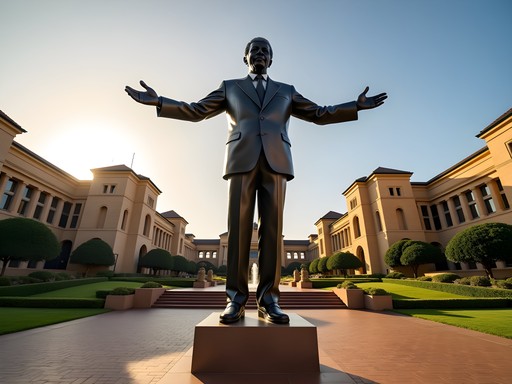
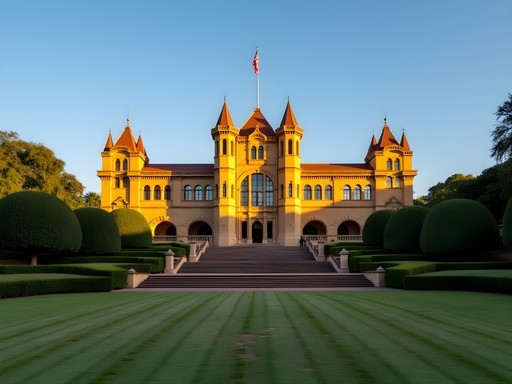
The Union Buildings stand as Pretoria's crown jewel – a Herbert Baker masterpiece that seamlessly blends Cape Dutch and classical elements into what I can only describe as architecture parlante – architecture that speaks. Initially built to house the colonial administration, these sandstone structures underwent a profound semantic shift in 1994 when they became the backdrop for South Africa's rebirth.
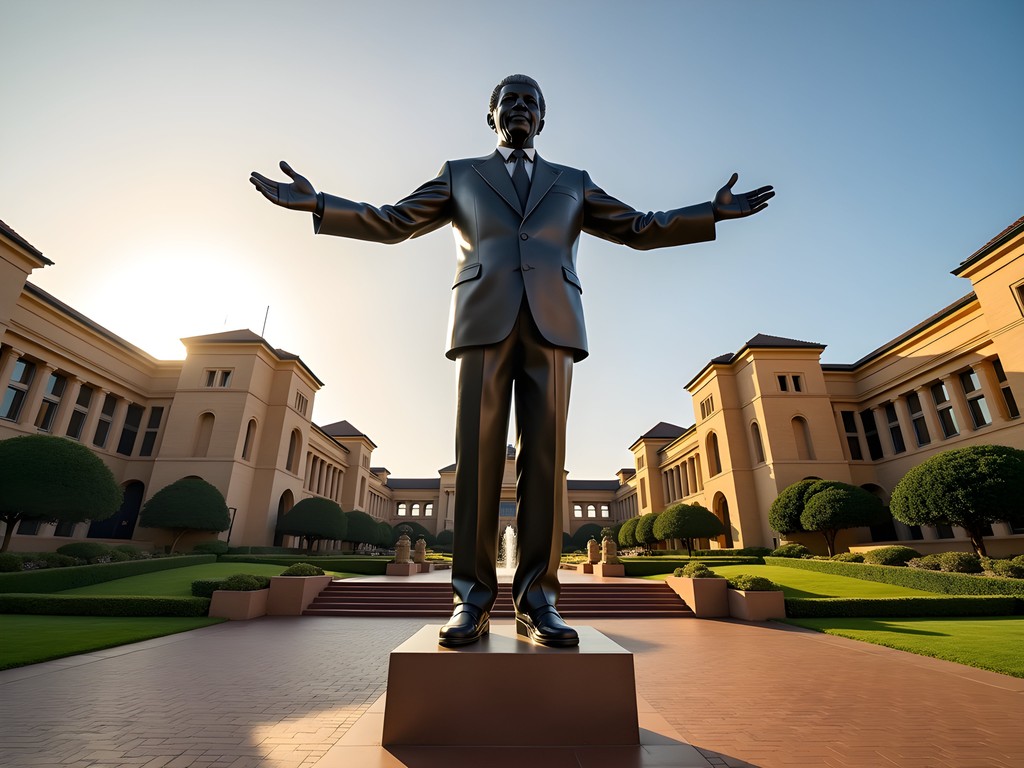
As I wandered through the terraced gardens, designed with distinct European sensibilities yet planted with indigenous flora, I couldn't help but see parallels to South Africa itself – a nation of contrasts finding harmony in diversity. The 9-meter bronze statue of Mandela, arms outstretched in welcome, dominates the space where apartheid once ruled. It's a powerful juxtaposition that speaks volumes about transformation.
I spent nearly three hours here, sketching architectural details in my travel sketchbook and watching local families picnic on the expansive lawns. The buildings may not offer interior tours, but the exterior and grounds provide more than enough visual and historical sustenance.
💡 Pro Tips
- Visit early morning for the best lighting for photographs and to avoid midday heat
- The gardens are free to enter and open daily from sunrise to sunset
- Bring water and comfortable walking shoes as the terraced gardens involve some climbing
Freedom Park: A Monument to Humanity
Perched atop Salvokop Hill, Freedom Park represents South Africa's architectural renaissance – a complete departure from colonial design language. As someone who teaches the evolution of cultural expression through built environments, I found this site particularly fascinating. The park combines indigenous knowledge systems with contemporary design, creating spaces that speak to both ancestral wisdom and future aspirations.
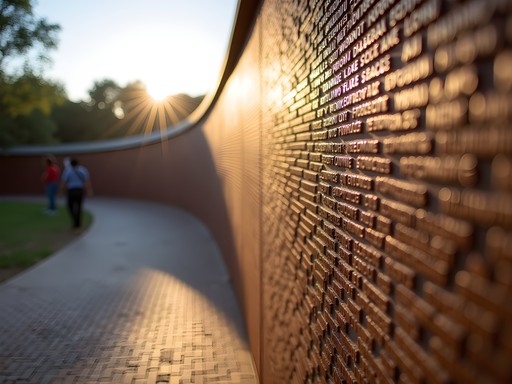
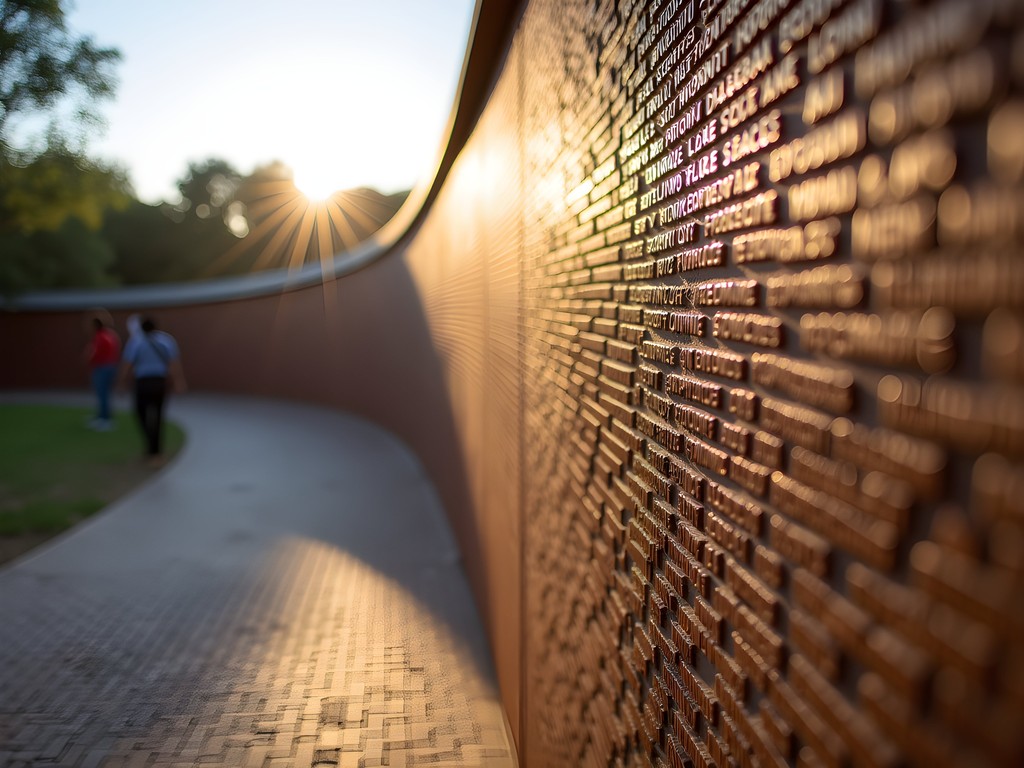
The S'khumbuto memorial is particularly moving – its wall of names reminiscent of Maya Lin's Vietnam Veterans Memorial, yet distinctly African in execution. I traced my fingers along the engraved names of those who died during South Africa's liberation struggle, feeling the texture of sacrifice beneath my fingertips.
The panoramic views of Pretoria from the hill are spectacular, especially at sunset when the city is bathed in golden light. I captured the moment with my phone, though next time I'll bring my smartphone lens kit to better frame the expansive landscape. The guided tour (R95 for students – approximately $5) provides essential context, connecting the symbolic elements to South Africa's complex history.
💡 Pro Tips
- Student discounts are available with valid ID – bring yours to save on entrance fees
- The guided tours run hourly and last about 90 minutes – well worth the additional cost
- Visit near sunset for dramatic lighting and cooler temperatures
Voortrekker Monument: Confronting Contested Histories
Any honest exploration of South Africa's path to democracy must acknowledge the complex narratives that preceded it. The Voortrekker Monument – a massive granite structure commemorating the Pioneer history of the Afrikaner people – represents precisely such complexity. Built between 1937 and 1949, it embodies a historical perspective that is simultaneously significant and problematic.
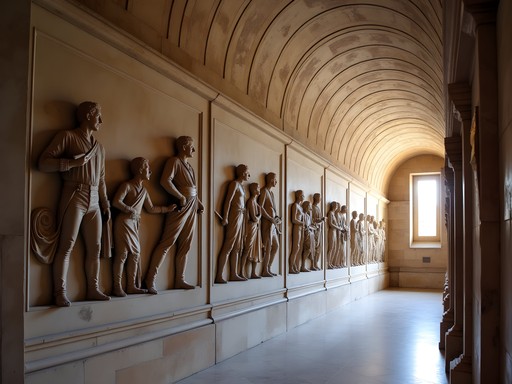
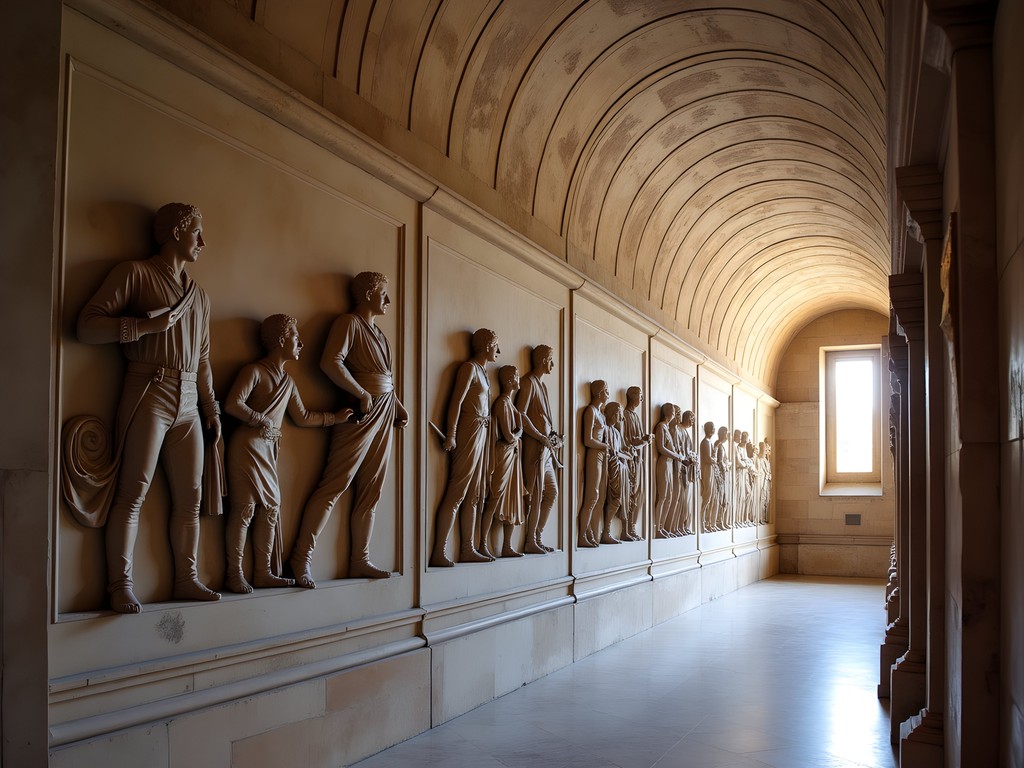
L'histoire est toujours écrite par les vainqueurs – history is always written by the victors – yet South Africa's democratic transition has allowed multiple historical narratives to coexist, if uncomfortably. The monument's marble frieze, depicting the Great Trek, reminded me of the Parthenon's, though serving a very different ideological purpose.
What struck me most was observing how diverse groups of visitors engaged with this space – some with reverence for ancestral struggles, others with critical reflection on the colonial mindset it represents. I overheard a guide explaining to international students how the monument now exists within a democratic context that neither erases history nor accepts uncritical celebration of conquest.
I found myself reaching for my pocket history guide frequently, cross-referencing the official narratives with more inclusive historical accounts.
💡 Pro Tips
- The entrance fee for students is approximately R150 ($8) – significantly less than regular adult admission
- Visit the adjacent Fort Schenckberg for a more complete historical picture
- Consider hiring a guide who can provide nuanced context about the monument's place in contemporary South Africa

Liliesleaf Farm: The Underground Resistance
Just outside Pretoria proper lies Liliesleaf Farm – a seemingly modest property that served as the secret headquarters for the African National Congress's armed wing, Umkhonto we Sizwe. As someone who appreciates how ordinary spaces can harbor extraordinary histories, I found this site particularly moving.
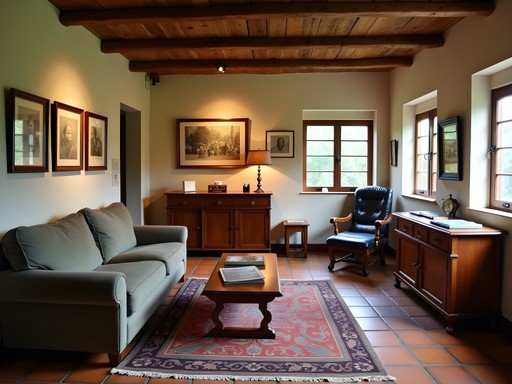
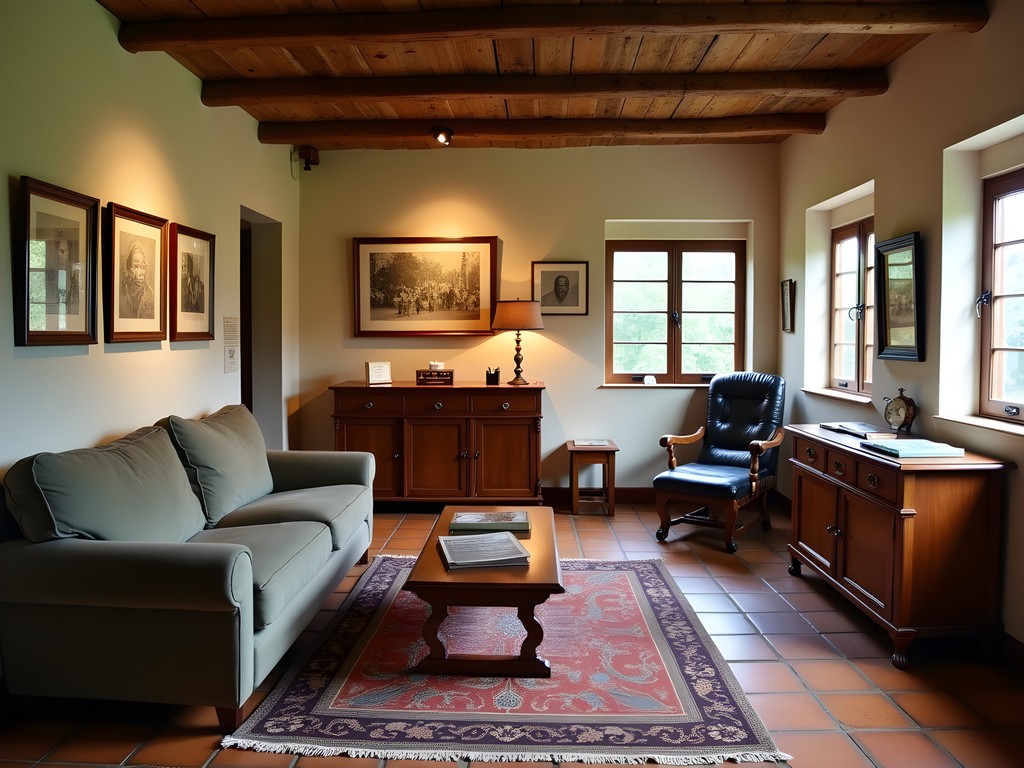
The farm has been meticulously preserved and transformed into an interactive museum that documents the planning of the anti-apartheid armed resistance. Walking through the rooms where Nelson Mandela (disguised as a gardener named David Motsamayi) and his comrades plotted revolution, I felt the palpable tension of that clandestine period.
The museum employs thoughtful multimedia presentations that bring the era to life. I was particularly struck by the audio recordings played through the bone conduction headphones provided to visitors – allowing me to hear the actual voices of freedom fighters while still remaining present in the physical space.
For students of history, the extensive archive of documents and photographs provides invaluable primary sources. I spent hours examining original manuscripts, police reports from the 1963 raid, and correspondence between resistance members – materials that breathe life into academic studies of the period.
💡 Pro Tips
- Student tickets are approximately R95 ($5) with valid ID
- Plan at least 2-3 hours to properly experience the exhibits and archives
- The on-site café offers reasonably priced meals and excellent coffee – perfect for reflecting on the experience
Budget-Friendly Accommodations and Transportation
As someone who grew up in a boutique hotel, I'm admittedly particular about accommodations, yet Pretoria offers excellent budget options for students. I stayed at Urban Hostel Pretoria in the Hatfield district, where dormitory beds start at just R200 ($11) per night. The hostel's minimalist design shows thoughtful attention to detail despite the modest price point – reminiscent of Scandinavian efficiency with South African warmth.
For transportation between sites, Pretoria's Gautrain system is remarkably clean, efficient, and affordable. A day pass costs approximately R70 ($4) and connects major attractions. For sites beyond the train line, like Liliesleaf Farm, I used the Bolt ride-sharing app, which proved significantly cheaper than traditional taxis.
Food expenses can be kept remarkably low by exploring the university area's student-friendly eateries. I particularly enjoyed Café Rits near the University of Pretoria, where hearty sandwiches and excellent coffee cost under R60 ($3.50). For dinner, the Hazel Food Market on Wednesdays and Saturdays offers diverse food stalls with meals averaging R80 ($4.50).
My entire weekend, including accommodation, transportation, site admissions, food, and even a few souvenirs, came to approximately R2000 ($110) – remarkable value for such a historically significant experience.
💡 Pro Tips
- Purchase a prepaid SIM card upon arrival for affordable data access and ride-sharing apps
- Many historical sites offer significant student discounts – always carry your student ID
- Consider group tours for further savings on entrance fees and transportation
Final Thoughts
As my weekend in Pretoria drew to a close, I found myself sitting on the steps of the Union Buildings at sunset, sketching the changing light on Mandela's bronze figure. A group of local university students sat nearby, engaged in animated debate about contemporary politics – a living embodiment of the democratic ideals this city now represents.
Pretoria's transformation from apartheid capital to democratic center offers profound lessons in how societies can reimagine themselves. For students of history, architecture, politics, or simply human resilience, this city provides an accessible and affordable education that no textbook could replicate. C'est dans les lieux chargés d'histoire que l'on comprend mieux notre présent – it is in places charged with history that we better understand our present.
I encourage you, especially if you're traveling on a student budget, to trace South Africa's path to democracy through Pretoria's monuments and museums. Beyond the historical knowledge you'll gain, you'll witness something more profound – how a nation continues to negotiate its complex past while building a more inclusive future. As an educator, I can think of no more valuable lesson for today's students to absorb.
✨ Key Takeaways
- Pretoria offers an accessible, budget-friendly window into South Africa's democratic transition
- The city's architecture and monuments physically embody political transformation
- Multiple historical narratives coexist in post-apartheid South Africa, creating rich educational opportunities
- With student discounts, affordable transportation, and budget accommodations, a meaningful historical exploration is possible on limited funds
📋 Practical Information
Best Time to Visit
Fall (March-May) when temperatures are moderate and tourist crowds are thinner
Budget Estimate
$100-150 for a weekend including accommodation, transportation, meals, and entrance fees
Recommended Duration
2-3 days
Difficulty Level
Easy


Comments
travelbuddy99
If you're going to Freedom Park, try to visit on a weekday morning. We went on a Saturday afternoon and it was pretty crowded. The guided tours are worth it though - our guide shared stories that weren't on any of the placards.
oceanqueen
Thanks for the tip! Adding this to my notes for February.
mountainwanderer
Just booked my tickets to South Africa after reading this! Can't wait to experience these powerful places firsthand.
Jean Wells
Katherine, your juxtaposition of the Voortrekker Monument with Freedom Park is precisely what makes Pretoria such a fascinating study in historical narrative. I spent three weeks in South Africa earlier this year documenting these transitions between colonial and post-apartheid memorialization. The architectural contrast alone tells volumes about how national identity is constructed and reconstructed. What struck me most was how the guides at Liliesleaf Farm connected the past to present challenges. Did you experience that as well? The way they contextualize the ongoing struggle for equality adds layers to what could otherwise be just another historical site.
Katherine Nelson
Jean, you've captured exactly what makes these sites so powerful. The guides at Liliesleaf were extraordinary - connecting past struggles to current challenges in ways that made history feel urgently relevant. Your three-week deep dive sounds incredible. Would love to hear more about your documentation project sometime!
photoking
That sunset photo from the Union Buildings is absolutely stunning! What camera do you use?
oceanqueen
Is it easy to get between these sites using public transportation? Planning a trip there in February and wondering if I need to rent a car.
Katherine Nelson
I found Uber to be the most convenient option between sites. Public transport exists but can be unpredictable. If you're comfortable with ride-sharing, it's affordable and easy!
Sage Dixon
Just to add to Katherine's advice - I was there in October and used the Gautrain to get from Johannesburg to Pretoria, then Uber between sites. Worked perfectly. If you're staying more than a couple days, consider getting a pocket wifi to make booking rides easier. The connections between historical sites aren't always straightforward by public transport.
sunnyvibes
Wow Katherine, your post gave me goosebumps! I visited the Union Buildings last summer and felt that exact same weight of history. Sitting on those steps where you sketched - what a perfect spot to absorb everything. Freedom Park hit me hardest though. Those walls of names... I spent hours there just reading and reflecting. Did you get to visit the Ditsong National Museum of Cultural History too? It wasn't on your list but adds so much context to the Freedom Trail experience.
Katherine Nelson
Thank you for the kind words! I actually did visit the Ditsong Museum but couldn't fit everything into one post. You're right - it provides incredible context. Those walls of names at Freedom Park are overwhelming, aren't they? Such a powerful memorial.
sunnyvibes
Totally understand - there's just too much to cover! And yes, those walls... I still think about them. Planning another trip next year to explore more.
moonwalker
Going there in March!! Any tips for getting around between sites?
roamvibes
Uber is super cheap and reliable there. We used it for everything and felt totally safe
escapefan
Your photos are stunning! Which camera did you use?
Katherine Nelson
Thanks! Just my phone actually - Google Pixel 8. The light in South Africa does all the work!
escapefan
Wow, impressive! The colors are so vivid.
Jean Wells
Katherine, thank you for this thoughtful piece. I visited these sites in 2023 and found the experience profoundly moving. What struck me most was how South Africa doesn't shy away from its complicated history - both the painful parts and the triumphant ones. At Freedom Park, I spent hours reading every name I could. The docent told me it would take days to read them all. Your observation about the juxtaposition of the Voortrekker Monument and Freedom Park is spot on - I found myself contemplating how nations reconcile competing historical narratives. For anyone planning a visit, I recommend setting aside at least 3-4 hours for Freedom Park alone, and bringing a journal to record your thoughts. Some moments there simply need processing time.
Katherine Nelson
Thank you for these thoughtful reflections, Jean. You're so right about needing processing time - I found myself sitting quietly for long periods at each site. The emotional weight of these places deserves that space.
Sarah Powell
Really appreciate how you addressed the Voortrekker Monument with nuance, Katherine. I visited in 2024 and found it challenging to reconcile the architectural significance with the historical narrative it represents. What struck me most was how these different sites - Freedom Park, the Union Buildings, Voortrekker Monument - tell competing versions of South African history, and walking the Freedom Trail forces you to confront all of them. It's uncomfortable but necessary. The juxtaposition is what makes Pretoria such an important destination for understanding the complexity of the country's journey. Did you find any local guides particularly insightful for contextualizing these different perspectives?
oceanwanderer
this is such a good point about the competing narratives
Venture X
Premium card with 2X miles, $300 travel credit, Priority Pass