
Disclosure: This article contains affiliate links. We may earn a commission from purchases at no extra cost to you, which helps our travel content.
Look, I'll admit it—when my production partner suggested we scout locations in Rochester, New Hampshire for a historical documentary series, I figured we'd knock it out in an afternoon. I was wrong. This unassuming mill town about an hour north of Boston holds layers of American history that most travelers barrel past on their way to the White Mountains. What I found was a weekend's worth of colonial architecture, industrial revolution relics, and stories that never made it into your high school textbooks—all accessible on a student budget.

The Old Rochester Mill District: Where America's Industrial Revolution Still Echoes
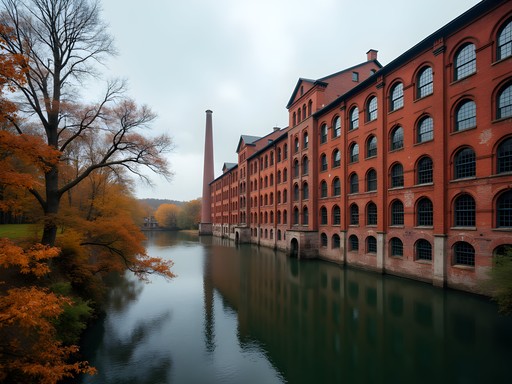
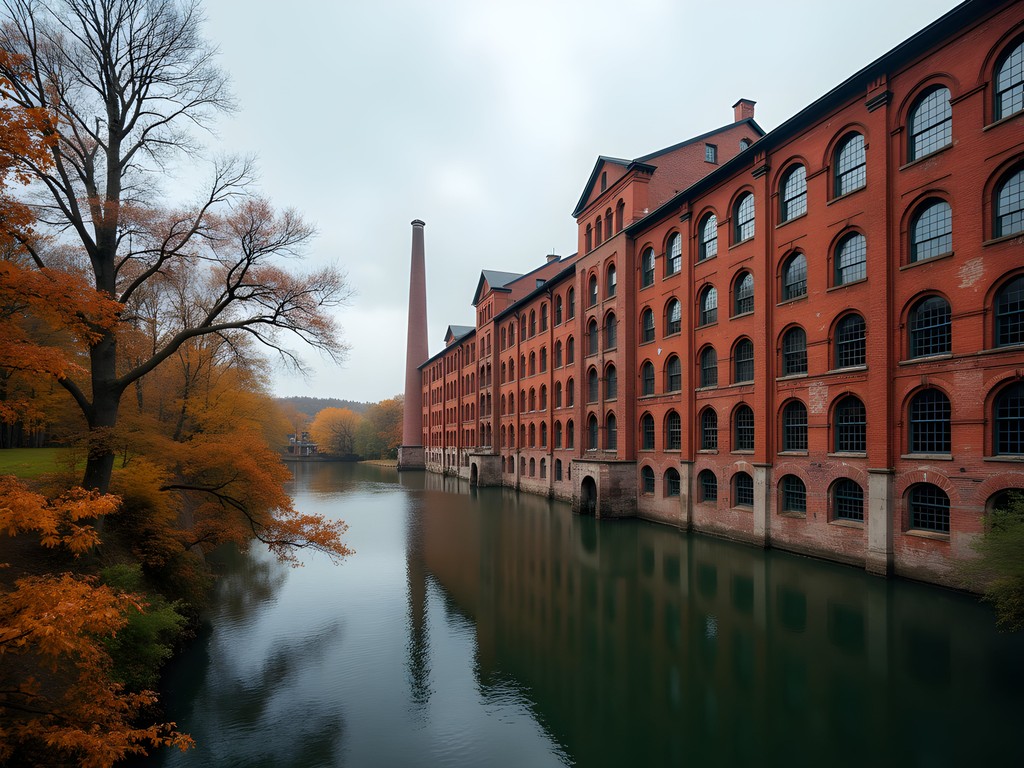
The Cocheco River cuts through Rochester like a timeline, and the abandoned mill buildings along its banks tell the story of America's transformation from agrarian society to industrial powerhouse. Start at the Haven Mill complex on North Main Street—these massive brick structures from the 1820s once produced textiles that clothed half of New England. The buildings are privately owned now, but you can walk the riverside trail that parallels them and peer through chain-link fencing at the original waterwheel housings.
What strikes me most is the scale. These aren't quaint colonial workshops—they're five-story behemoths that employed thousands. Bring a portable audio recorder if you're documenting your trip; the acoustics near the old sluice gates are incredible, and you can still hear water rushing through 200-year-old channels. The best light for photography hits around 4 PM in fall when golden hour illuminates the red brick against changing leaves.
💡 Pro Tips
- Park at the public lot on Wakefield Street—it's free on weekends and puts you right on the riverside trail
- Download the Rochester Historical Society's self-guided walking tour PDF before you go; cell service is spotty near the river
- Wear boots with good ankle support; the trail has exposed roots and uneven cobblestones from original mill roads
East Rochester Village: A Colonial Time Capsule Nobody Visits
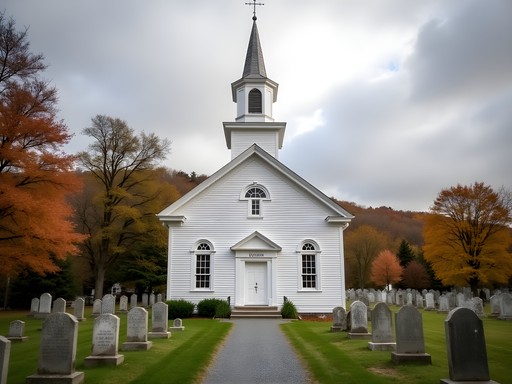
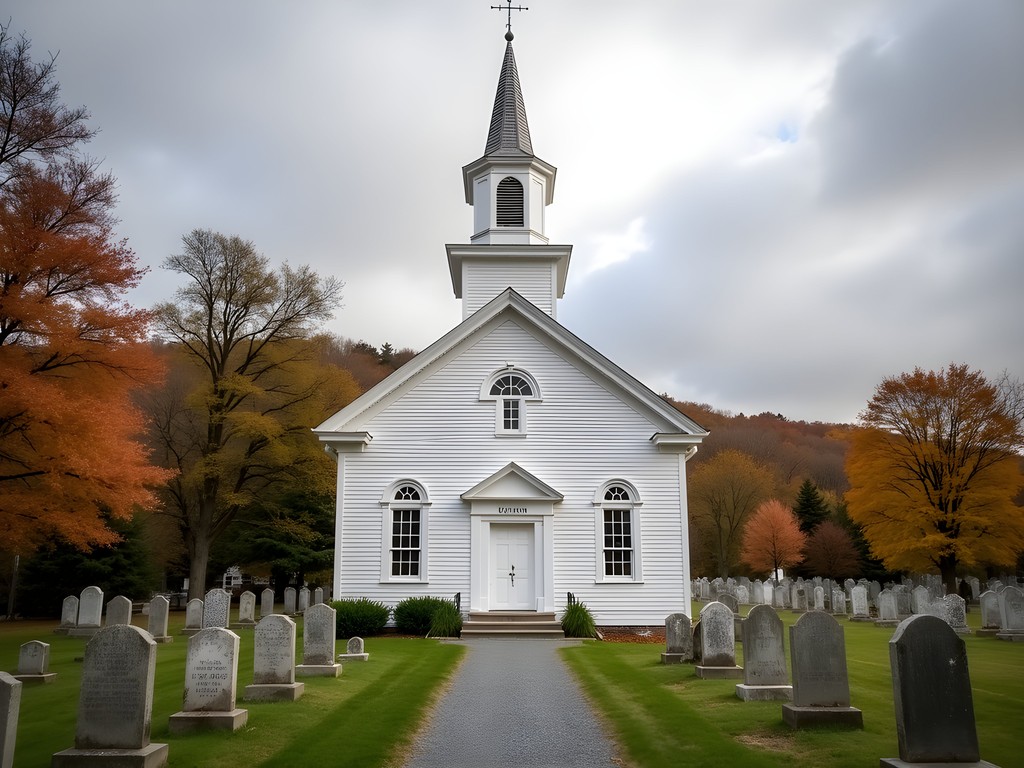
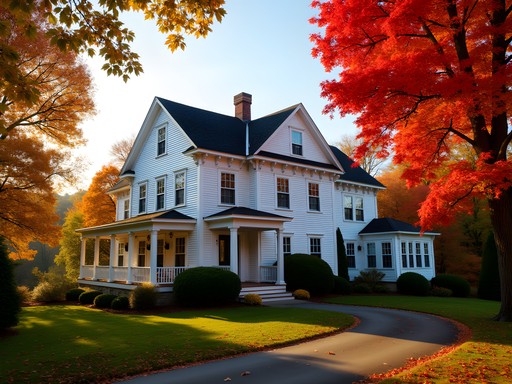
Here's where Rochester gets weird in the best way. East Rochester Village, technically a separate municipality until 1891, preserves a near-complete 18th-century New England village layout that somehow escaped the strip mall apocalypse. The centerpiece is the 1773 Congregational Church on Whitehall Road—still active, still using its original hand-hewn pews.
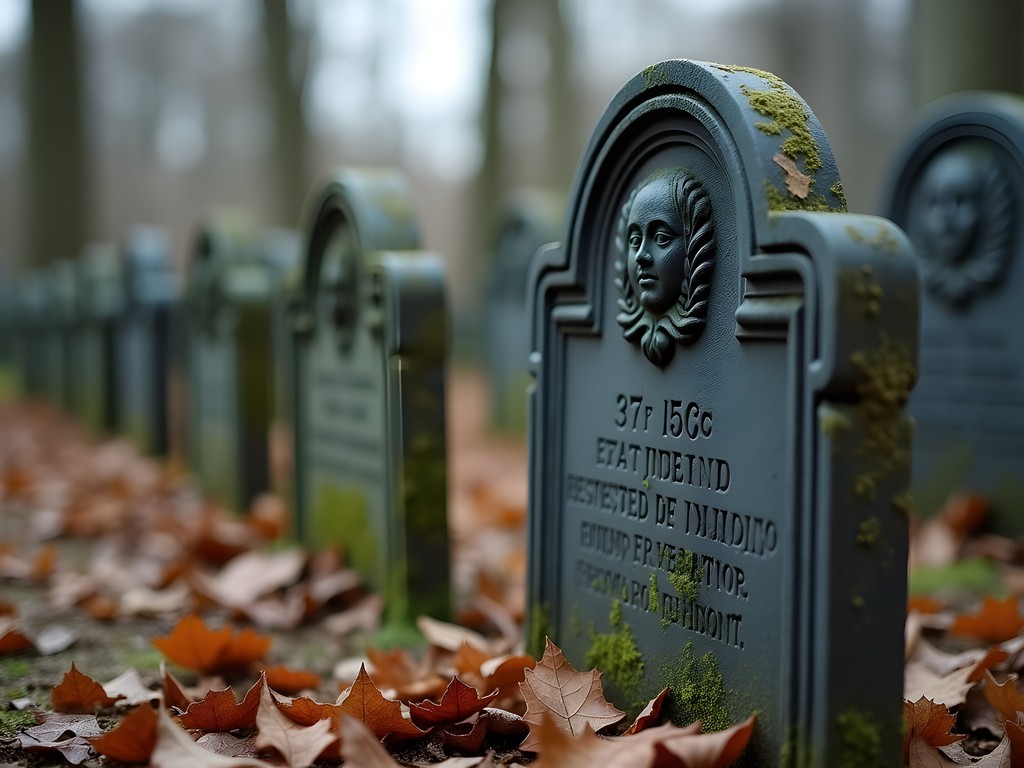
I spent two hours here just sitting in the adjacent cemetery reading headstones. Revolutionary War veterans, victims of the 1798 yellow fever outbreak, entire families wiped out in a single winter. It's sobering stuff, but it connects you to the human cost of building a nation in ways that polished museum exhibits never can. The church caretaker, Mrs. Henderson (she's there most Saturday mornings), gave me a private tour and showed me the original 1776 town meeting minutes stored in the basement—they debated whether to support independence for three months before voting yes.
Pack a headlamp if you're exploring the church basement archives; the lighting is period-appropriate, which means basically nonexistent.
💡 Pro Tips
- The church is open for self-guided tours Saturdays 10 AM-2 PM, donation-based entry
- Bring pencil and paper for gravestone rubbings—it's free, legal, and makes for incredible souvenirs
- Stop at Rochester House of Pizza on Route 125 afterward; it's been family-owned since 1967 and has the best Greek-style pizza in the Seacoast
The Salmon Falls Manufacturing Company: Industrial Archaeology at Its Finest
This is where my adventure sports background actually came in handy. The ruins of the Salmon Falls Manufacturing Company sit on the Rochester-Rollinsford border, and accessing them requires scrambling down a steep embankment to the river's edge. It's not technical climbing, but it's definitely more than a casual stroll—think intermediate hiking with exposure to a 20-foot drop if you're careless.
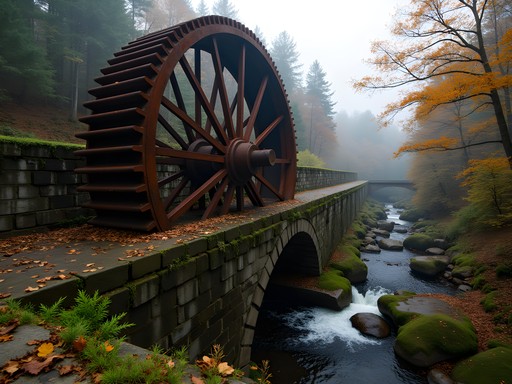
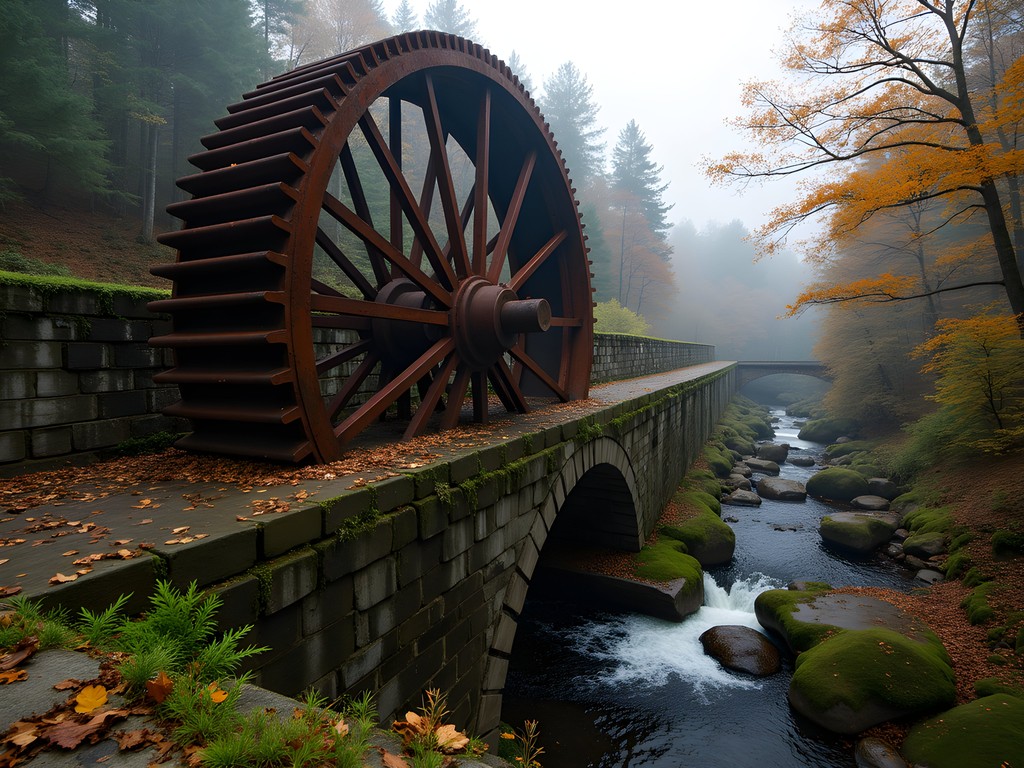
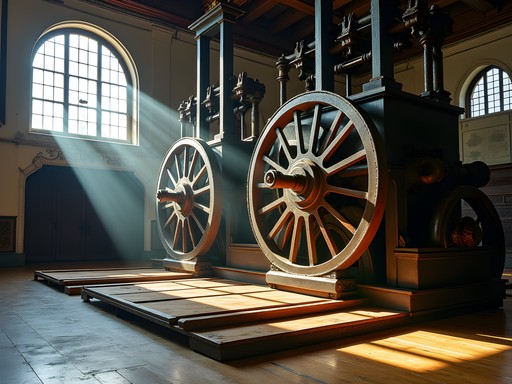
What remains is spectacular: massive granite foundation blocks, the skeletal framework of the original 1840s waterwheel (seriously, it's 30 feet in diameter), and if you know where to look, the hand-carved millrace channels that diverted river flow. This site employed 600 people at its peak and produced cotton fabric that was shipped globally. Now it's reclaimed by forest, which creates this eerie post-apocalyptic vibe that's absolutely perfect for photography or videography projects.
Safety note: bring a first aid kit and don't attempt this alone. I've seen too many people underestimate New England terrain. Also, grab a field guide if you're into geology; the exposed bedrock here is a textbook example of New Hampshire's metamorphic formations.
💡 Pro Tips
- Access via the unmarked pulloff on Old Dover Road—look for the small historical marker about 100 yards past the Rollinsford town line
- Go in fall when foliage has dropped; you'll have better visibility of structural remains and fewer ticks
- Bring gloves—the ruins have sharp metal fragments and splintered wood from collapsed structures

The Rochester Opera House and Downtown Historic District
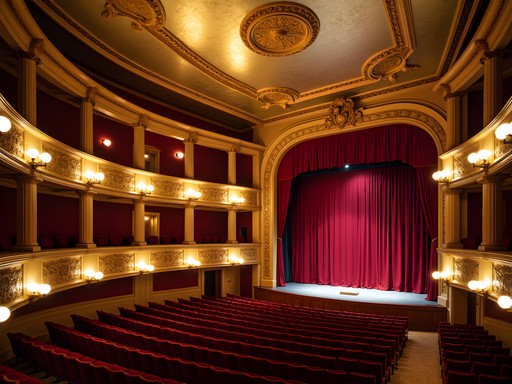
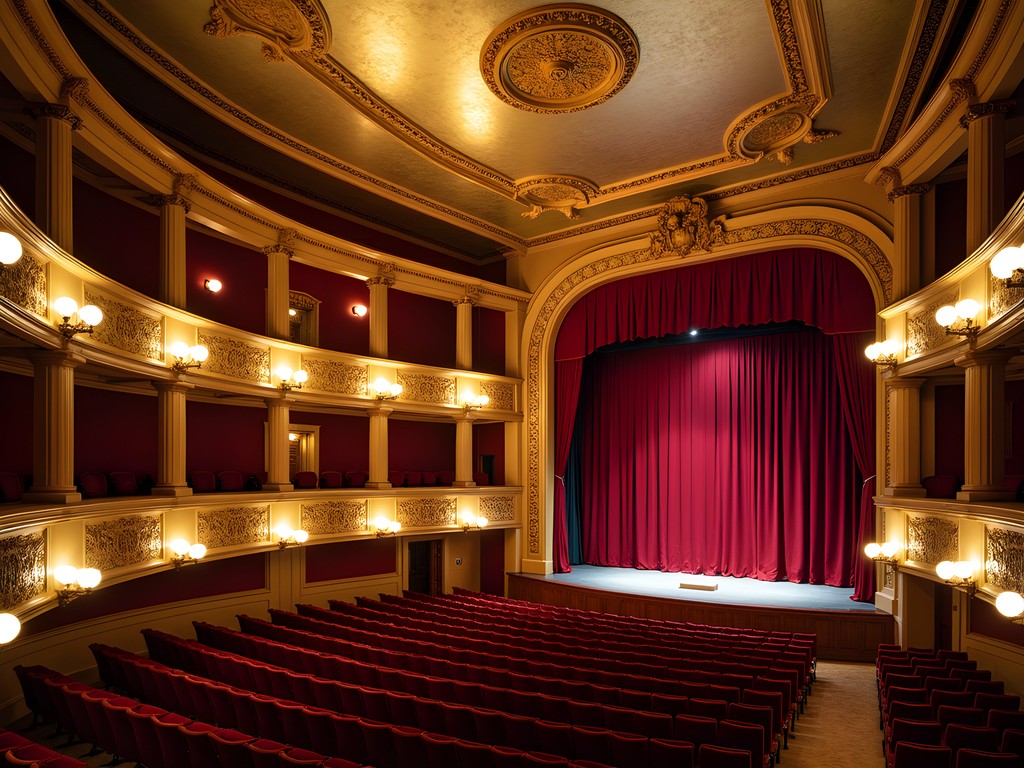
After scrambling through ruins, the restored 1908 Rochester Opera House feels almost surreal. This three-story brick beauty on North Main Street hosts live performances, but it's the building itself that deserves attention. The original pressed tin ceiling, the horseshoe balcony with hand-carved railings, the stage rigging system that still uses hemp rope and wooden pulleys—it's a functional museum.
Tours happen Fridays at 2 PM (call ahead to confirm), and they'll take you backstage into the original dressing rooms where vaudeville performers carved their names into plaster walls. I found signatures dating back to 1912. The acoustics are phenomenal; if you're a music student, ask about their open rehearsal policy—local groups sometimes let visitors observe for free.
The surrounding downtown block preserves buildings from the 1790s through 1920s, creating this architectural layer cake that tells Rochester's evolution in brick and mortar. Don't miss the Farmers' Exchange Building at 18 South Main—it's now apartments, but the original 1895 grain elevator machinery is visible through ground-floor windows.
💡 Pro Tips
- Opera House tours are $5 for students with ID—bring cash, they don't take cards
- The Rochester Public Library across the street has an excellent local history room with original photographs and maps available for research
- Wednesday evenings often have free community events at the Opera House; check their website before your trip
Budget Tips and Student-Friendly Logistics
Rochester doesn't have hostels, but the University of New Hampshire's Durham campus is 20 minutes south, and students often Airbnb their apartments on weekends. I've also had luck with the Microtel on Route 11—it's nothing fancy, but it's clean, under $80/night in fall, and includes breakfast. Better yet, Rochester allows free camping at the Hanson Pines Campground if you're comfortable with tent camping in October (it gets cold; bring a sleeping bag rated for at least 20°F).
Food is straightforward: skip the chain restaurants and hit Governor's Restaurant for breakfast (cash only, massive portions, under $8), Lilac City Grille for lunch (local ingredients, student discount with ID), and honestly, pack trail snacks for dinner while you explore. There's a Hannaford supermarket where you can grab supplies.
The entire historical circuit I've described costs maybe $15 total in donations and tour fees. Your biggest expense will be gas and accommodation. If you're coming from Boston, consider taking the Amtrak Downeaster to Dover, then Ubering the 15 minutes to Rochester—it's often cheaper than driving and parking.
💡 Pro Tips
- Download offline maps before arriving; GPS gets confused by Rochester's multiple Main Streets
- Bring layers—October temperatures swing from 35°F at dawn to 60°F by afternoon
- The Rochester Public Library offers free Wi-Fi and is a perfect spot to warm up and research between sites
Final Thoughts
Rochester won't give you the polished museum experience of Boston or the tourist infrastructure of Portsmouth. What it offers is something rarer: unmediated access to American history, the chance to stand in spaces that haven't been sanitized for visitor consumption. You'll scramble through ruins, decipher 250-year-old handwriting, and walk streets that haven't changed their layout since before the Revolution.
For students especially, this is history you can touch, photograph, and explore without admission fees or velvet ropes. It requires more effort than clicking through a virtual tour, but that's exactly why it matters. The stories here—of mill workers, Revolutionary soldiers, industrial collapse and community resilience—feel earned when you've hiked to find them.
Pack your curiosity, respect the sites you visit, and give Rochester a weekend. I guarantee you'll leave with a different understanding of how American history actually unfolded—messy, complicated, and still visible if you know where to look.
✨ Key Takeaways
- Rochester's historical sites are largely free or donation-based, making it perfect for student budgets
- Fall offers ideal weather and lighting for exploration, plus smaller crowds than summer tourist season
- Intermediate physical fitness opens access to the most interesting sites like the Salmon Falls ruins
- Bring proper gear for scrambling and outdoor exploration—this isn't a paved-path experience
📋 Practical Information
Best Time to Visit
Late September through October for fall foliage and comfortable temperatures
Budget Estimate
$150-250 for a weekend including accommodation, food, and gas from Boston area
Recommended Duration
2-3 days for thorough exploration
Difficulty Level
Moderate




Comments
winterrider
This is SO COOL!! I'm just getting into history tourism and this looks perfect for a weekend trip. Is the Opera House open for tours? The photos are amazing btw!
oceanwanderer
I think they still do shows there, might wanna check their schedule
winterrider
Thanks!!
Jean Wells
Oliver, this is exactly the kind of historical documentation we need more of. I've been researching industrial heritage sites across New England for a comparative study with similar sites in northern Japan, and Rochester keeps appearing in manufacturing records but with almost no contemporary documentation. The Salmon Falls Manufacturing Company particularly interests me—the parallels with early Meiji-era textile operations are striking. Did you find any archives or local historical societies that maintain records from that period? I'm planning a research trip through the region in spring and would appreciate any contacts you might have established.
oceanwanderer
That sounds like a really cool project!
oceanwanderer
Never even heard of this place! Love finding spots like this.
winterrider
Right?? I always just drive through NH to get to Vermont lol. Might actually stop next time!
wanderlegend
Any good places to stay nearby? Or better to base in Portsmouth?
backpackguy
There's a few B&Bs in Rochester itself but Portsmouth has way more options if you want restaurants and nightlife
Frank Garcia
Really interesting piece. What strikes me about Rochester is how it represents a particular strand of American industrial development that's often overshadowed by the bigger names—Lowell, Manchester, etc. The fact that it's remained relatively undeveloped is both its charm and its challenge. I'd be curious to know more about local preservation efforts. Are there any guided tours or is it purely self-guided exploration? Also, practical question: what's the parking situation like near the mill district? These smaller New England towns can be tricky to navigate.
summermood
I LOVE finding places like this!! Adding to my list for this summer. The photos are gorgeous btw
springlegend
How far is this from Portsmouth? Could you do both in a weekend?
summermood
It's like 30-40 min drive! Totally doable for a weekend trip
Frank Carter
Oliver, this really resonates with me. I've been documenting overlooked industrial sites across North America for years, and places like Rochester are becoming increasingly rare. The Salmon Falls Manufacturing Company site sounds particularly compelling—there's something haunting about these spaces where you can still sense the rhythm of the work that happened there. I'm planning a New England swing this spring and Rochester just made the list. The challenge with these sites is always the same: how do we preserve them without turning them into sanitized tourist attractions? Sounds like Rochester has struck an interesting balance.
wanderlegend
When's the best time to visit? Spring or fall?
sunsetbuddy
Never heard of Rochester NH before this. Looks amazing!
backpackguy
Dude YES!! The mill district is absolutely incredible. I stumbled on it last fall and spent like 3 hours just wandering around taking photos. Can't believe more people don't know about this place!
springlegend
Is it easy to access? Like can you actually go inside the buildings or just walk around outside?
backpackguy
Most buildings are closed but you can walk the grounds freely. Some have windows you can peek through which is cool
Venture X
Premium card with 2X miles, $300 travel credit, Priority Pass