

Disclosure: This article contains affiliate links. We may earn a commission from purchases at no extra cost to you, which helps our travel content.
Most travelers bypass Rutland on their way to Vermont's more famous destinations, but that's exactly why this marble city captivates me. As a landscape architect, I'm drawn to places where historical infrastructure tells stories that guidebooks miss. Last fall, I spent a weekend tracing Rutland's Revolutionary-era foundations and Victorian streetscapes, discovering how this industrial hub preserved its architectural DNA while adapting to modern needs. What I found was a masterclass in adaptive reuse and cultural preservation—perfect for couples seeking an intellectually engaging autumn getaway.

The Marble Legacy: Downtown's Architectural Palimpsest
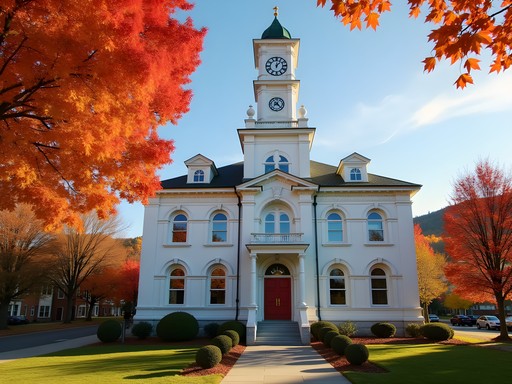
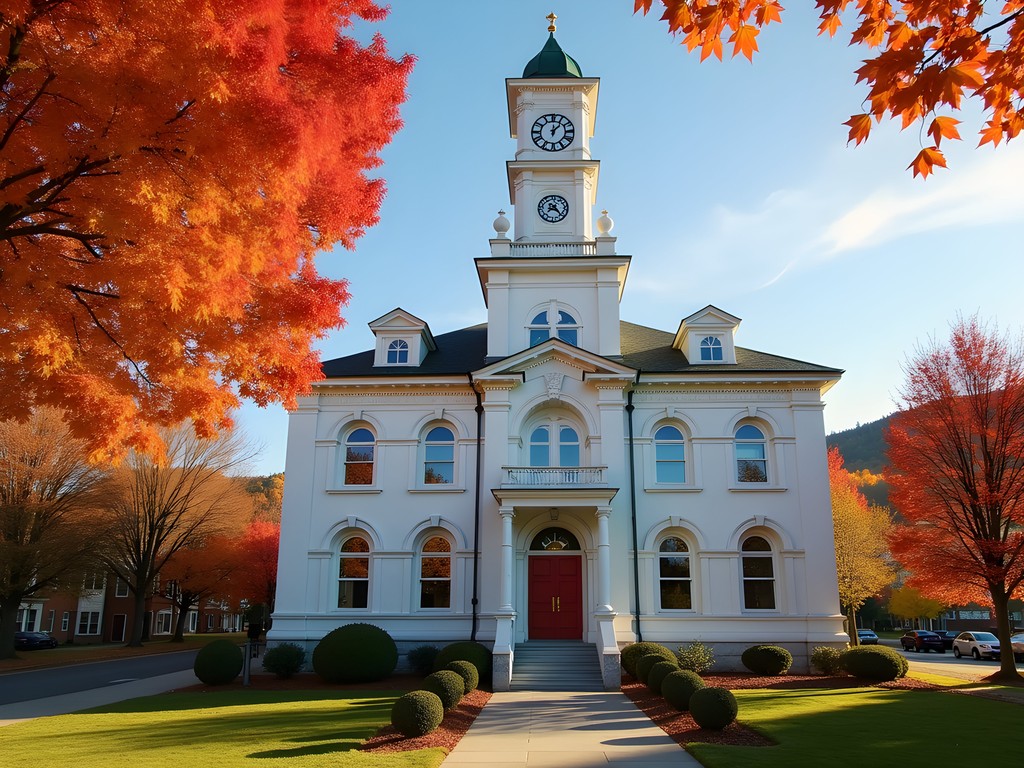
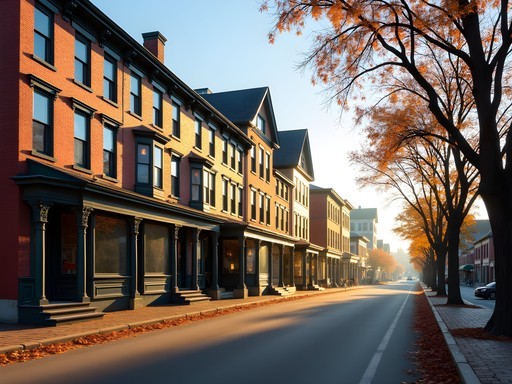
Rutland's downtown core reads like a geological cross-section of American architectural history. The city's marble industry—which peaked in the late 1800s—left behind stunning examples of Richardsonian Romanesque and Second Empire buildings that most mid-sized cities demolished decades ago. Start at the Rutland County Courthouse (1871), where locally quarried marble creates a façade that shifts color throughout the day as sunlight interacts with the stone's crystalline structure.
I spent an entire morning photographing the Clement Block and Opera House, taking notes on how the architects integrated load-bearing marble columns with cast-iron storefronts—a hybrid construction method that reveals the technological transition happening during that era. The opera house's second-floor ballroom, with its original pressed-tin ceiling, hosts occasional events worth timing your visit around. For documenting these architectural details, I relied on my wide-angle lens to capture the full scale of these ornate façades without distortion.
💡 Pro Tips
- Visit the Rutland Historical Society first to get context maps showing which buildings have original interiors accessible
- Early morning light (7-9am in October) provides the best contrast for photographing marble details
- Many ground-floor spaces are still commercial—respect business hours but don't hesitate to peek inside at historical features
Revolutionary Foundations: Tracing Pre-Industrial Rutland
Beneath Rutland's Victorian prosperity lies a Revolutionary-era settlement pattern that's still legible if you know where to look. The original town center sat along East Creek, where water power drove early mills. I recommend starting at the Rutland Area Farm and Food Link's heritage garden site, where interpretive markers explain how indigenous Abenaki land management practices influenced early colonial agriculture—a connection that resonates deeply with my research on indigenous landscape knowledge.
The real discovery is the Baxter Memorial Library's local history room, where original surveyor maps from the 1770s reveal property boundaries that still define modern street grids. Curator Margaret showed me deeds signed by Revolutionary officers who received land grants here—primary documents that make history tangible. The library also houses architectural drawings from demolished buildings, offering a sobering reminder of what preservation battles we've lost.
For couples interested in this detective work, I suggest bringing a portable scanner if you're serious about research. The library allows photography of most documents, and having digital copies lets you cross-reference locations as you walk the town.

💡 Pro Tips
- Call ahead to reserve time with the library's local history collection—it's staffed by volunteers with limited hours
- Download the Vermont Historic Sites database on your phone before arriving for offline access to building records
- The East Creek walking path offers the best vantage point for understanding the original settlement's relationship to water resources
The Marble Trail: Industrial Heritage Sites
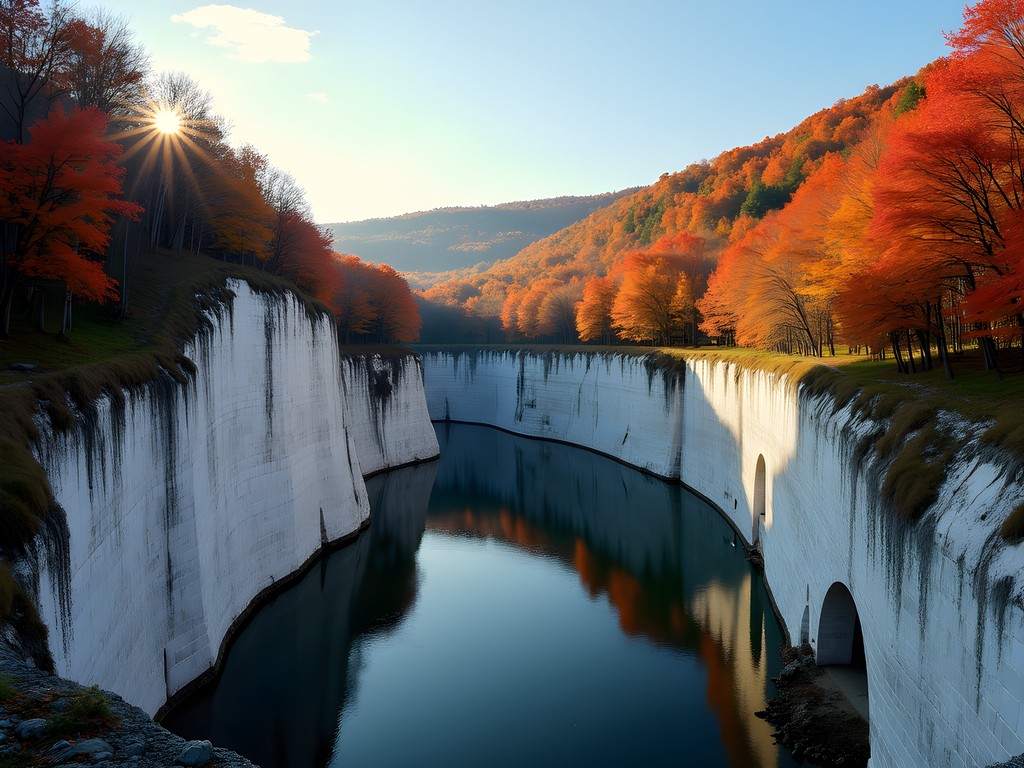
Rutland's true historical significance lies in its marble quarries, which supplied stone for the Supreme Court building and New York Public Library. The best-preserved site is the Carving Studio and Sculpture Center, housed in a former marble finishing shed. The industrial architecture here is spectacular—massive timber trusses supporting north-facing skylights designed to provide consistent light for detail work. Current artists still use some original equipment, creating a living connection to craft traditions.
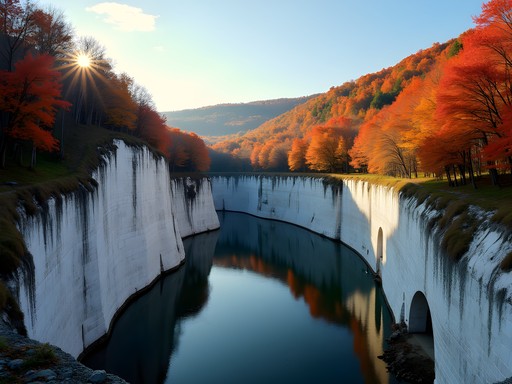
I spent an afternoon hiking the abandoned quarry sites north of town, where you can see the extraction techniques evolve from hand-drilling to channeling machines. The geology is fascinating: the Rutland Formation's calcite marble formed 500 million years ago, and you can still find fossils in the waste rock piles. Bring sturdy boots—these sites aren't maintained trails, and the hiking poles I brought proved essential on the steep, loose marble scree slopes.
The Vermont Marble Museum in nearby Proctor (15 minutes away) provides crucial context, but I actually prefer Rutland's in-situ sites where you can understand the landscape-scale impact of extraction. The relationship between quarry voids, waste rock topography, and current land use patterns offers lessons for contemporary landscape architects working with post-industrial sites.
💡 Pro Tips
- Wear clothes you don't mind getting marble dust on—it's pervasive and doesn't wash out easily
- The Carving Studio offers weekend workshops if you want hands-on experience with stone carving techniques
- Respect posted private property signs around quarries, but many abandoned sites have informal access trails maintained by locals

Victorian Residential Districts: Architecture for Couples
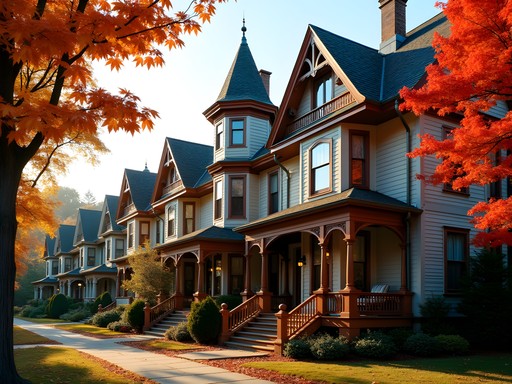
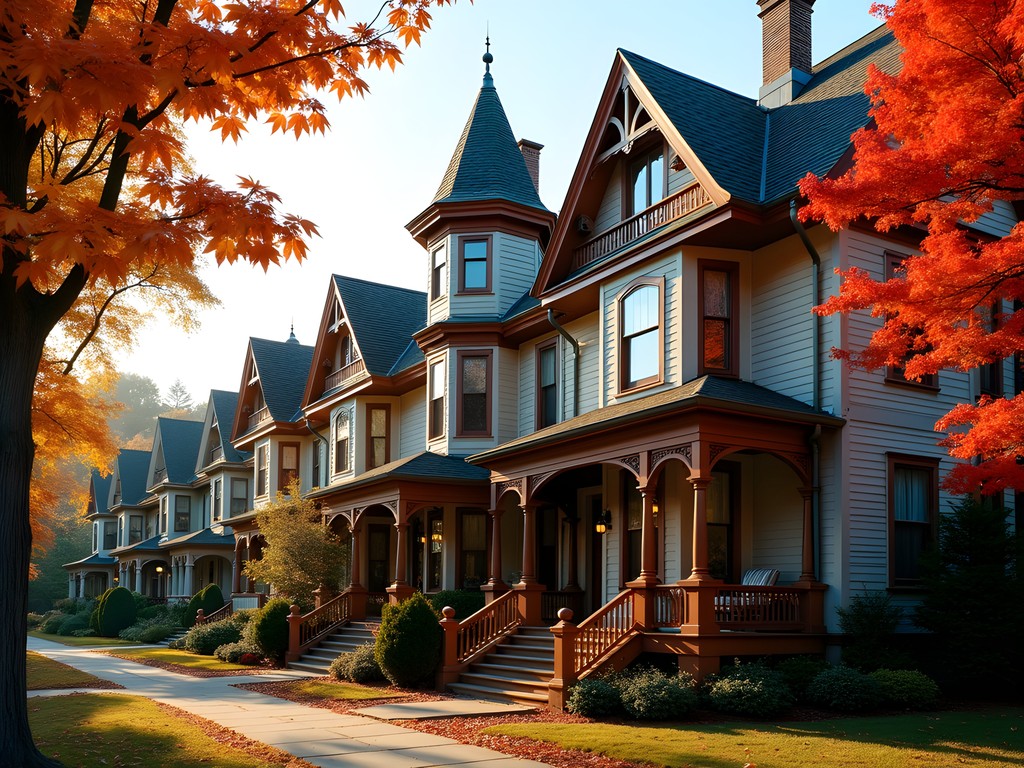
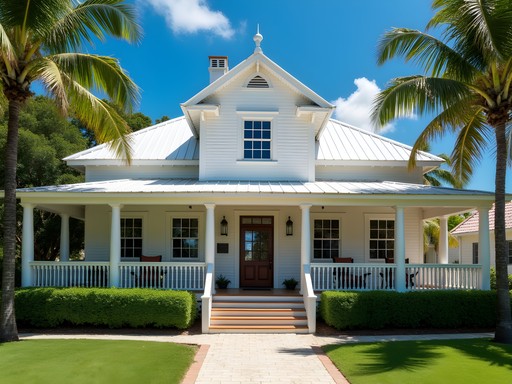
For couples interested in architectural photography or considering historic home restoration, Rutland's residential neighborhoods are remarkably intact. The West Street Historic District contains over 200 contributing structures spanning 1830-1920, showcasing the evolution from Greek Revival simplicity through Queen Anne exuberance. Unlike museum districts, these are working neighborhoods where you can observe how residents adapt historical structures to contemporary life.
I particularly appreciate the Grove Street area, where marble industry executives built homes demonstrating their product's versatility. Look for polished marble window sills, door surrounds, and even entire porch floors—details that would cost a fortune today. The paint color choices are mostly historically appropriate, showing how preservation guidelines can work without creating frozen-in-time artificiality.
Many homes operate as bed-and-breakfasts, offering couples the chance to experience Victorian spatial organization firsthand. I stayed at a Second Empire mansard-roofed inn where the owner, a retired architect, gave me a private tour of the original mechanical systems—gravity-fed water tanks in the attic, speaking tubes between floors, and a coal chute ingeniously integrated into the foundation design. Bring a moisture meter if you're seriously considering purchasing a historic property here—Vermont's freeze-thaw cycles can hide moisture issues behind beautiful façades.
💡 Pro Tips
- The best architectural photography happens during October's peak foliage when Victorian color palettes complement natural autumn tones
- Many homeowners are proud of their restorations and will chat if you're respectfully admiring their work from the sidewalk
- The Rutland Regional Medical Center area has the highest concentration of intact worker housing—smaller but equally significant architecturally
Practical Considerations: Making the Most of a Weekend
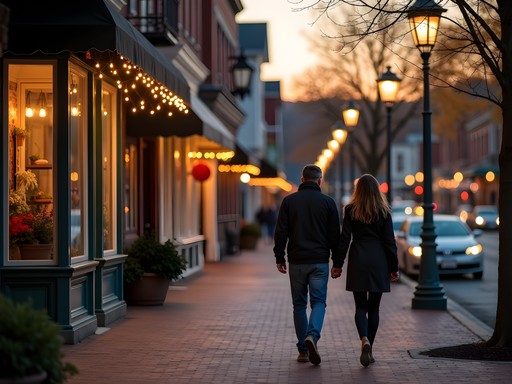
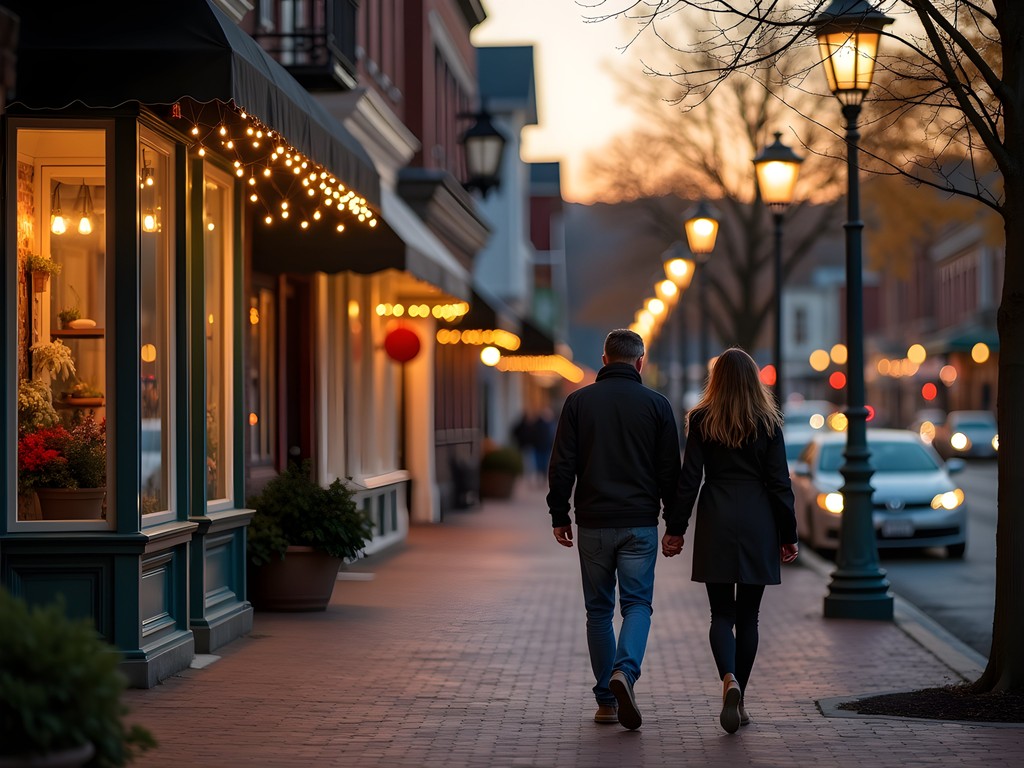
Rutland works best as a self-guided exploration rather than a checklist destination. I recommend staying downtown—the walkable grid makes car-free exploration feasible, and you'll notice architectural details you'd miss driving. Mid-range accommodation options include several renovated historic inns in the $120-180/night range during fall.
For meals, Roots the Restaurant occupies a converted 1890s storefront and sources from the same agricultural landscape that fed Revolutionary-era settlers. The Table 24 uses locally quarried soapstone for their bar top—a nice geological counterpoint to the ubiquitous marble. Both restaurants understand that couples on historical weekends appreciate atmosphere as much as cuisine.
The biggest surprise was how accessible Rutland's historical resources are compared to more tourist-heavy destinations. Archivists have time to talk, homeowners aren't jaded by constant attention, and you can photograph freely without crowds. This authenticity is exactly what couples seeking meaningful travel experiences should value. Pack a field notebook for sketching architectural details and recording building addresses—I filled an entire notebook with observations that continue informing my professional work.
💡 Pro Tips
- Rutland's farmers market (Saturday mornings) operates in Depot Park, where you can see how the railroad infrastructure shaped the town's growth
- Cell service is excellent throughout town, making it easy to research buildings in real-time as you encounter them
- Budget extra time—the joy of Rutland is following architectural curiosity wherever it leads, not adhering to rigid schedules
Final Thoughts
Rutland surprised me in the best possible way—not through spectacle, but through substance. This is a place where historical preservation happened organically, driven by economic pragmatism rather than tourism strategy. For couples seeking a weekend that engages both intellect and aesthetics, Rutland offers something increasingly rare: authentic historical texture without the performative aspects of more famous destinations.
The architectural and historical resources here reward careful observation and genuine curiosity. You won't find velvet ropes or audio tours, but you will find primary sources, intact streetscapes, and the satisfaction of discovering connections that guidebooks haven't pre-digested for you. As someone who studies how humans shape landscapes across centuries, I found Rutland's layered history—from Abenaki land management through Revolutionary settlement to industrial prosperity and post-industrial adaptation—remarkably legible and deeply instructive.
Plan your visit for mid-October when the foliage frames the marble architecture in complementary tones, bring comfortable walking shoes and genuine curiosity, and prepare to see Vermont from an angle that most travelers miss entirely.
✨ Key Takeaways
- Rutland's intact Victorian architecture and accessible historical archives make it ideal for couples interested in substantive historical exploration rather than surface-level tourism
- The city's marble industry legacy is visible both in grand civic buildings and residential details, offering lessons in material culture and adaptive reuse
- Fall timing combines optimal photography conditions with comfortable temperatures for walking the extensive historic districts and quarry sites
📋 Practical Information
Best Time to Visit
Mid-October for peak foliage and comfortable temperatures (45-65°F)
Budget Estimate
$400-600 for a couple (lodging, meals, minimal admission fees)
Recommended Duration
2-3 days for thorough exploration
Difficulty Level
Easy


Comments
escapetime
This post convinced me to add Rutland to our Vermont road trip next month! My partner and I are really into historic architecture so the Victorian district sounds perfect. We're planning to stay 2 nights - do you have any restaurant recommendations? Also wondering if everything is walkable or if we need a car to get between the different sites you mentioned?
Connor Elliott
You'll want a car to reach some of the quarry sites outside town, but the downtown and Victorian neighborhoods are totally walkable. For restaurants, try Table 24 downtown - great farm-to-table spot in a restored historic building. Have an amazing trip!
blueadventurer
Can you tour the old marble quarries?
escapetime
I looked this up after reading the post! Some are on private property but there's a self-guided trail you can do. Check with the visitor center for current access
blueadventurer
thanks!
Bryce Diaz
Connor, this resonates so much with my own experience traveling solo through New England last fall. Rutland has that authentic, lived-in quality that's increasingly rare. I spent an afternoon just wandering the residential streets you mentioned, and stumbled upon a local historian who gave me an impromptu tour of the old quarry sites. Those unplanned moments are what solo travel is all about. Did you make it to the Vermont Marble Museum? I found their collection of marble artifacts from around the world surprisingly comprehensive. The stories behind the immigrant marble workers really added depth to understanding the downtown architecture.
Connor Elliott
Yes! The museum was fantastic. I loved hearing those immigrant stories too - really puts the architecture in context. Sounds like you had an amazing experience with that local historian. Those spontaneous encounters are the best.
coolpro
Love the photos!
waveblogger
Okay this is SO cool!! I never even thought about stopping in Rutland before. We always just drive through to get to Killington for skiing. The marble buildings look amazing in your photos! Do you think it's worth visiting in winter or should we wait til spring? Also curious how long you spent there total?
Connor Elliott
I'd actually recommend spring or fall! The Victorian neighborhoods are stunning when you can walk around comfortably. I spent 3 days there and felt like I saw most of the architectural highlights. Winter would work if you're already in the area for skiing though.
waveblogger
Perfect, thanks!! Gonna plan a spring trip then
Venture X
Premium card with 2X miles, $300 travel credit, Priority Pass