
Disclosure: This article contains affiliate links. We may earn a commission from purchases at no extra cost to you, which helps our travel content.
I've jumped out of planes in five continents, but nothing quite compares to the rush of standing where ancient Silk Road traders once haggled, schemed, and dreamed. Shymkent, Kazakhstan's vibrant southern hub, isn't on most travelers' radar—and that's exactly why you should go. This 2000-year-old city sits at the crossroads of civilizations, where Persian, Turkic, and Mongol influences blend into something uniquely Kazakh. Grab your partner and prepare for a week of fortress-climbing, tea-sipping, and bazaar-wandering through one of Central Asia's most underrated historical treasures.

Getting Oriented: Shymkent's Historical Heartbeat
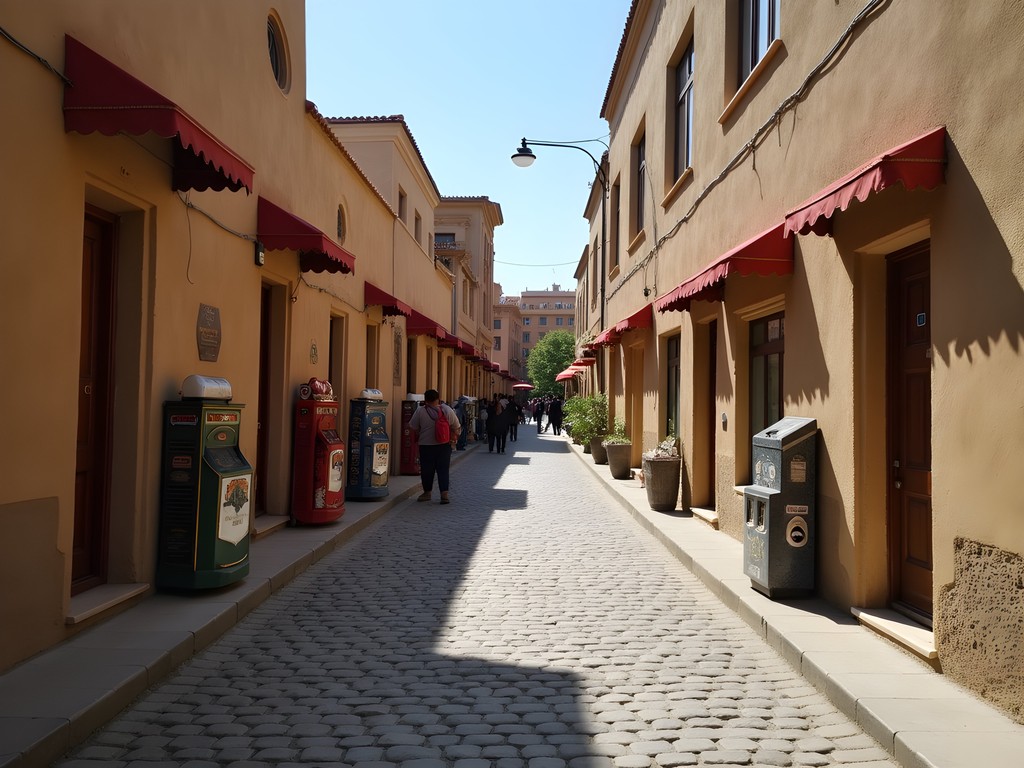
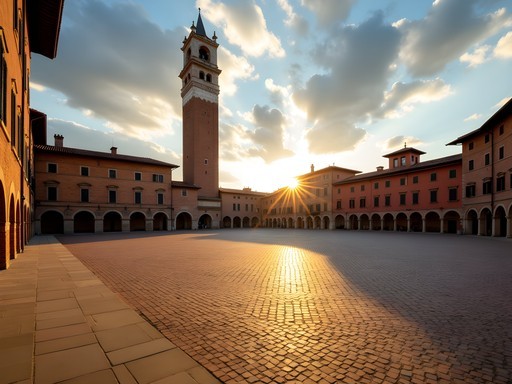
Our first morning in Shymkent began with a strong coffee at a local café before diving into the city's historical core. The central Ordabasy Square provides the perfect starting point—surrounded by Soviet-era architecture that contrasts sharply with the city's ancient roots. But don't linger too long in the modern center; Shymkent's soul lies in its older quarters.
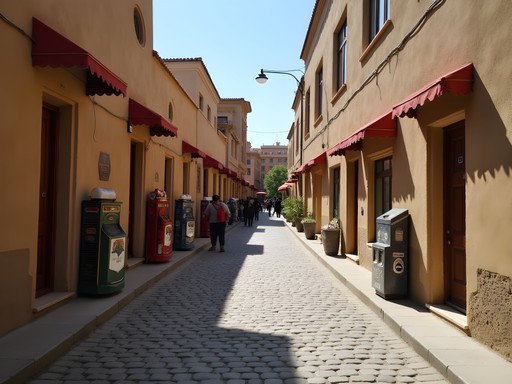
We spent our first day getting delightfully lost in the winding streets of the Old Town, where mud-brick buildings and narrow alleyways transport you centuries back. I recommend starting early with a proper map downloaded to your phone—cell service can be spotty, so having offline maps is crucial. My hiking GPS earned its keep here, helping us navigate the labyrinthine streets while tracking our wanderings for future reference.
The Historical Museum of South Kazakhstan Region provided an excellent contextual foundation for our week of exploration. While the English signage is limited, the visual displays of artifacts dating back to the 12th century speak volumes about the region's strategic importance along the Silk Road. Don't miss the collection of ancient coins that illustrate just how many different empires and kingdoms once vied for control of this crossroads city.
💡 Pro Tips
- Visit the Historical Museum first thing in your trip to gain context for other sites
- Download offline maps of Shymkent before arrival—Google Maps works but Maps.me has better detail for the old quarters
- Learn a few basic Russian phrases—English isn't widely spoken outside major hotels
Otrar: The Silk Road's Lost City
No trip to Shymkent is complete without a day trip to Otrar, the archaeological site that was once one of Central Asia's most important Silk Road cities until Genghis Khan's armies reduced it to rubble in 1219. Located about two hours north of Shymkent, this UNESCO World Heritage site requires some planning to visit.
We hired a local driver for the day (expect to pay around 20,000-25,000 tenge, roughly $45-55) through our guesthouse. The journey itself offers stunning views of Kazakhstan's southern steppe landscape—endless horizons that shift from golden to green depending on the season. Spring brings wildflowers that carpet sections of the otherwise austere terrain.
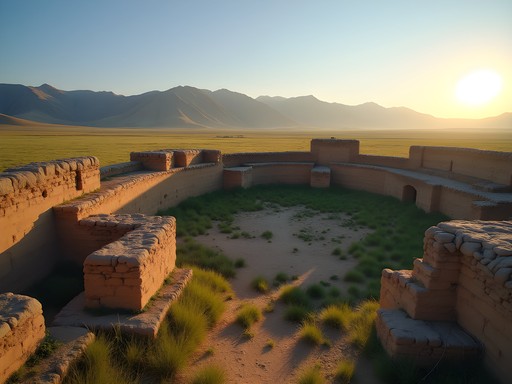
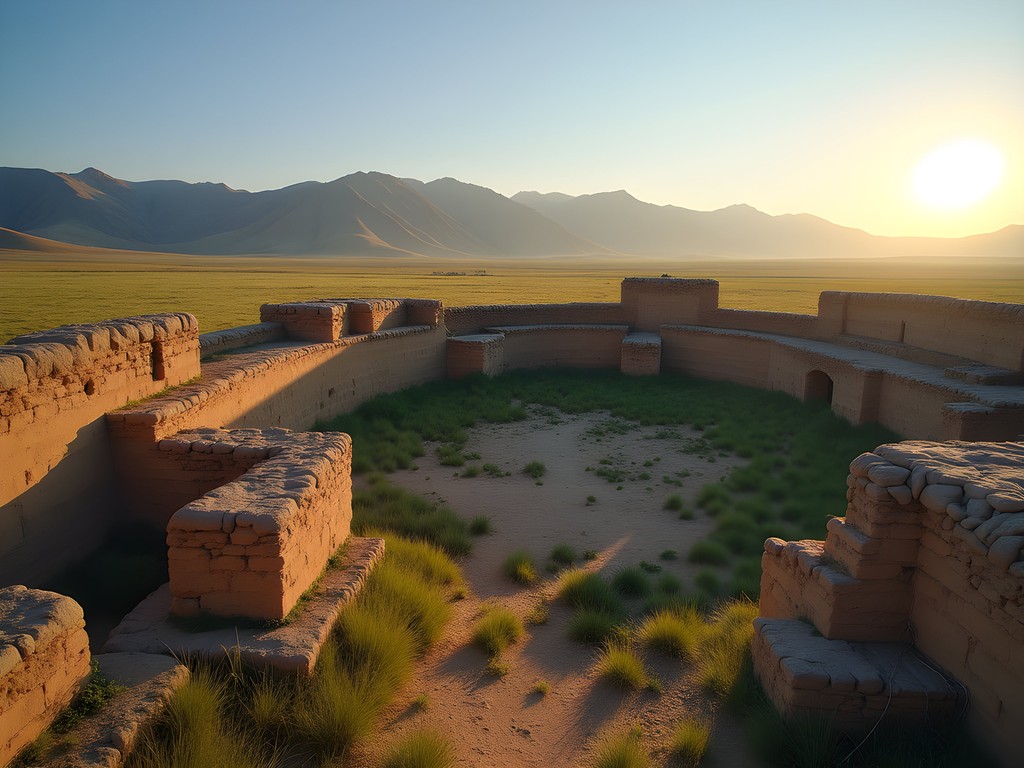
Arrive at Otrar early to beat both the heat and the occasional tour buses. The site sprawls across a surprisingly large area, with the partially reconstructed citadel walls providing the most dramatic visual. Walking through the ruins of this once-thriving metropolis, I couldn't help but imagine the caravans that once arrived laden with silks, spices, and stories from distant lands.
The small on-site museum houses artifacts recovered from excavations, including remarkably preserved ceramics and household items. I found myself particularly moved by the collection of children's toys—small clay figurines that humanized this archaeological site in an unexpected way.
Bring plenty of water, sun protection, and sturdy shoes—the terrain is uneven and there's minimal shade. My wide-brim hat was absolutely essential for sun protection while exploring the exposed ruins. For serious photographers, a polarizing filter helps cut through the harsh midday glare and makes those mud-brick structures pop against Kazakhstan's impossibly blue skies.
💡 Pro Tips
- Arrange your driver a day in advance and confirm they'll wait while you explore
- The site has minimal facilities—bring food, water, and sun protection
- Wear closed-toe shoes with good ankle support for walking on uneven archaeological terrain
Sayram: The Pearl of Central Asian Islam
Just 10 kilometers east of Shymkent lies Sayram, one of Kazakhstan's oldest continuously inhabited settlements and a crucial center for the spread of Islam throughout Central Asia. The contrast between bustling Shymkent and serene Sayram couldn't be more striking—this small town moves at an entirely different pace.
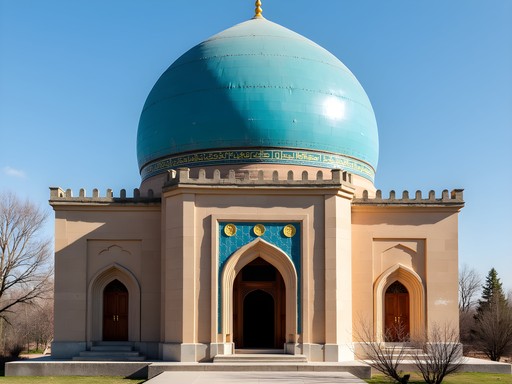
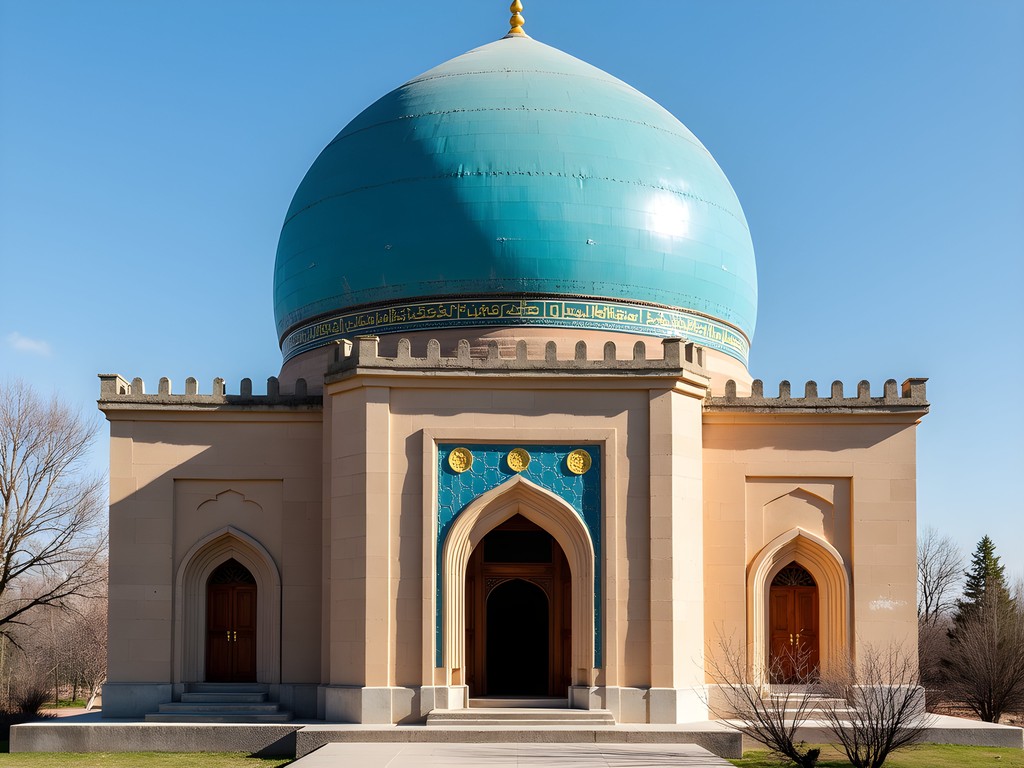
Sayram is home to numerous mausoleums and sacred sites, with the most significant being the Ibrahim-Ata Mausoleum (honoring the father of the Sufi mystic Khoja Ahmed Yasawi) and the Karashash-Ana Mausoleum (dedicated to Yasawi's mother). These modest but beautiful structures feature traditional Central Asian Islamic architecture, with their turquoise domes visible from a distance.
What makes Sayram special isn't just its historical significance but the living spiritual tradition that continues today. We witnessed local pilgrims performing rituals at these sacred sites—a practice that has continued uninterrupted for centuries despite Soviet-era religious suppression. As visitors, we maintained respectful distance and asked permission before photographing any religious activities.
The local bazaar offers a glimpse into everyday life that feels unchanged for generations. We purchased some of the region's famous dried fruits and nuts from elderly women whose families have likely been trading here for centuries. My compact travel journal came in handy for jotting down the names of unfamiliar fruits and spices, along with sketches of architectural details I wanted to remember.
When visiting religious sites in Sayram, women should bring a scarf to cover their heads, and everyone should dress modestly with shoulders and knees covered. Remove shoes when entering mausoleums, and always walk clockwise around sacred tombs as locals do.
💡 Pro Tips
- Visit on Friday to see the mosques at their most active, but be respectful of prayer times
- Bring small denominations of tenge for donations at religious sites
- Ask permission before photographing local pilgrims or religious ceremonies

Shymkent Bazaar: The Silk Road Lives On
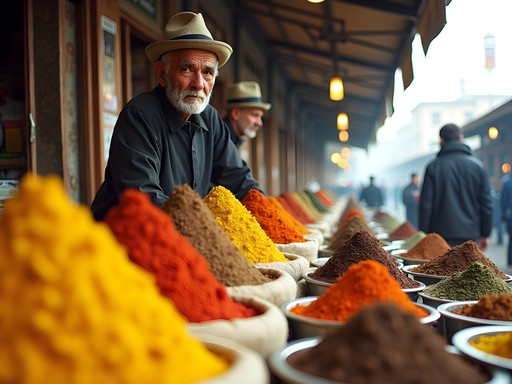
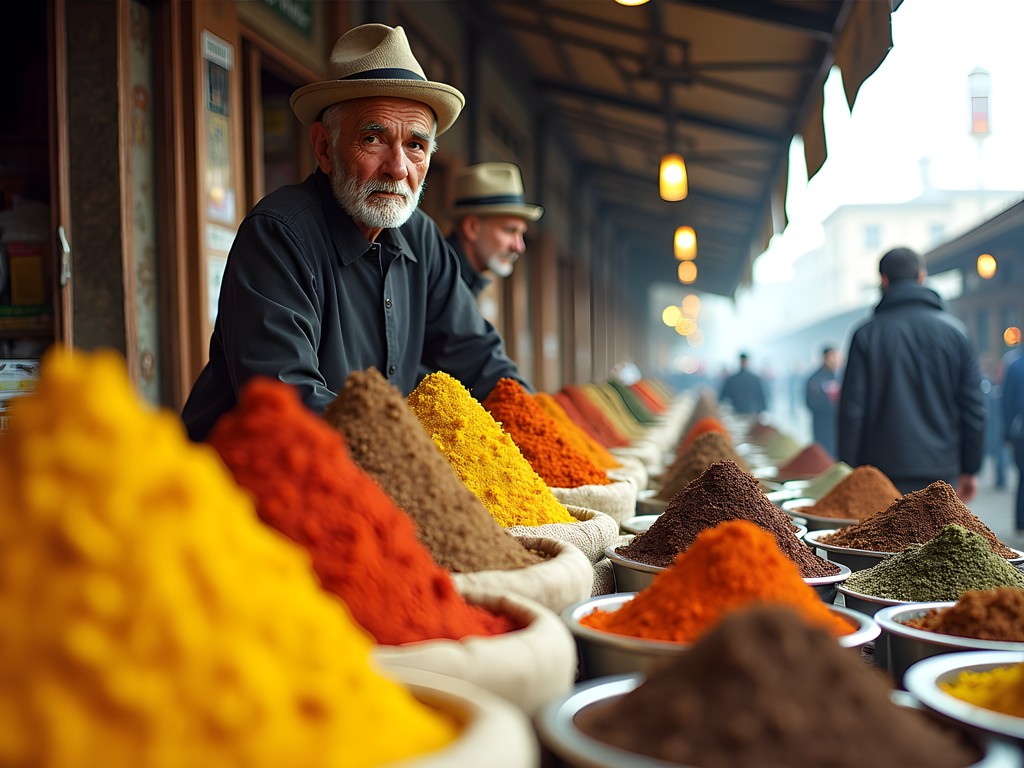
While museums and archaeological sites provide historical context, Shymkent's sprawling central bazaar offers something equally valuable—a living connection to the city's Silk Road heritage. This isn't some tourist attraction but a genuine commercial hub where locals shop daily. The sensory overload is part of the experience: spice mountains that perfume the air, the melodic calls of vendors, and the rainbow of fabrics and produce.
The bazaar is divided into distinct sections. The covered central portion houses meat vendors displaying everything from familiar cuts to horse meat (a local delicacy). Surrounding this are sections for produce, spices, dairy products (don't miss kumis, fermented mare's milk), household goods, and clothing. The eastern section features handicrafts where you can find traditional felt products, including slippers and the iconic Kazakh wool hats.
We spent an entire morning exploring the bazaar, stopping frequently for impromptu taste tests offered by friendly vendors. Communication happens through a mix of basic Russian, hand gestures, and smiles. Bargaining is expected but should be good-natured—I typically start at about 70% of the initial asking price and work toward a mutually agreeable figure.
For capturing the vibrant colors and characters of the bazaar, my compact camera proved perfect—less intrusive than a bulky DSLR but with image quality that could handle the challenging lighting conditions of the indoor sections. Always ask permission before photographing vendors or their goods.
If you're staying somewhere with kitchen access, shopping at the bazaar for fresh ingredients makes for both an authentic cultural experience and a delicious meal. We purchased freshly baked bread, local cheeses, and seasonal fruits for picnic lunches that saved money while providing some of our most memorable meals in Kazakhstan.
💡 Pro Tips
- Visit in the morning (7-10am) when the bazaar is most active and produce is freshest
- Bring your own shopping bag or backpack—plastic bags are available but not ideal
- Try kumis (fermented mare's milk) and shubat (fermented camel milk) in small quantities if you're adventurous
Evening Art and Culture: Modern Takes on Ancient Traditions
After days filled with historical exploration, Shymkent's evenings offer surprising cultural richness that bridges past and present. The city's art scene reflects both its ancient heritage and contemporary Central Asian identity.
The Art Gallery of Shymkent (also called the South Kazakhstan Art Museum) houses an excellent collection spanning traditional Kazakh applied arts to Soviet-era paintings and contemporary works. What fascinated me most were the textiles—elaborately embroidered wall hangings and clothing that told stories of nomadic life on the steppe. My background in art history helped me appreciate the symbolic language in these pieces, but the visual impact alone makes this worth visiting.
For performing arts enthusiasts, the Shymkent Drama Theater occasionally stages productions that incorporate traditional Kazakh musical elements and storytelling techniques. While performances are in Kazakh or Russian, the physical expressiveness transcends language barriers. Check schedules upon arrival as performances are irregular.
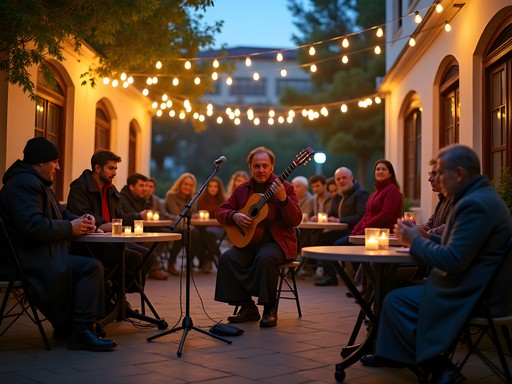
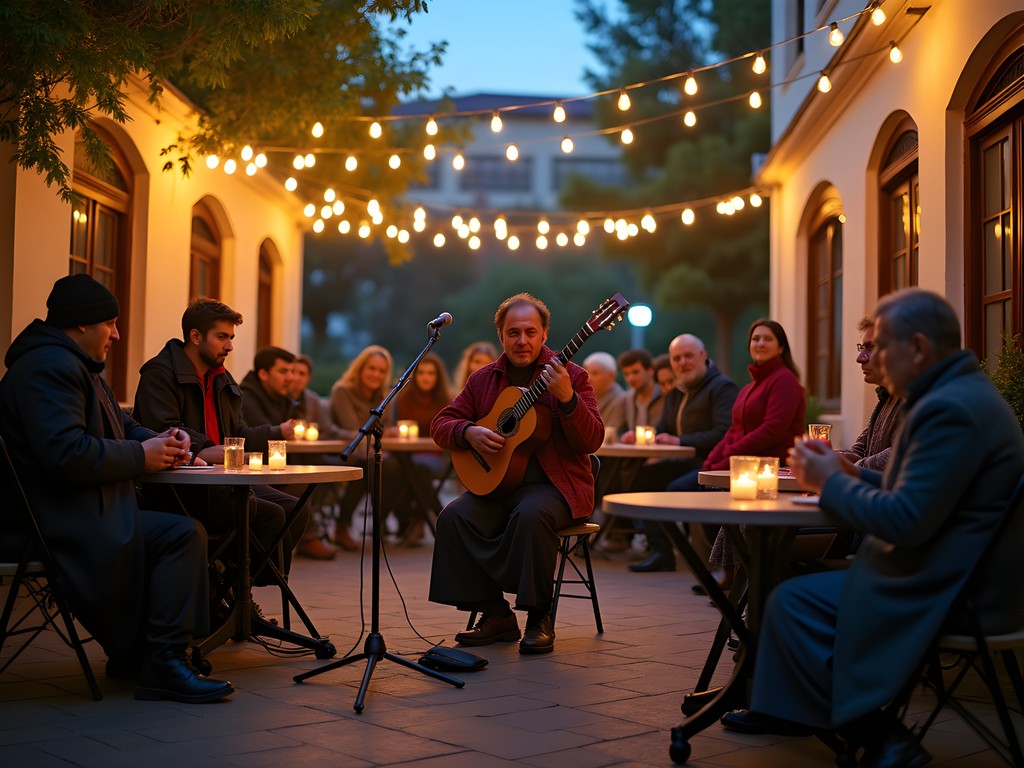
We discovered several cafés that double as cultural spaces, hosting poetry readings, acoustic music performances, and art exhibitions. Café Navat near the center became our evening hangout—their courtyard transforms into an impromptu concert venue on weekends. The pocket translator I brought along proved invaluable for conversations with local artists and musicians we met in these spaces.
For dinner, we loved Tal-Kuragat restaurant, which occupies a beautifully restored merchant's home. Beyond serving excellent traditional Kazakh dishes like beshbarmak (noodles with horse meat) and plov (rice pilaf with lamb), they occasionally feature folk musicians who perform during dinner. Their outdoor courtyard is especially pleasant in spring when fruit trees blossom overhead.
💡 Pro Tips
- Ask your accommodation about current cultural events—many aren't advertised online
- Most cultural venues are very affordable (200-500 tenge, or $0.50-$1.25 for museums)
- Even at cultural performances, punctuality is flexible—don't be surprised if events start 15-30 minutes after the scheduled time
Final Thoughts
As our week in Shymkent drew to a close, I found myself reflecting on how this often-overlooked city embodies the essence of the Silk Road more authentically than many of its more famous counterparts. There's something profoundly moving about walking the same paths that have connected East and West for millennia—especially when you can do so without fighting through crowds of tourists.
Shymkent offers couples that perfect blend of shared discovery, from climbing ancient citadel walls to haggling together for handicrafts in bazaars that haven't changed in centuries. The city's position at the crossroads of civilizations has created a cultural resilience and openness that welcomes curious travelers.
As with any destination that hasn't been fully discovered by mass tourism, visiting requires flexibility, patience, and a sense of adventure. But those willing to venture beyond the familiar will be rewarded with experiences that feel genuinely authentic rather than staged for visitors.
If you've been chasing that increasingly rare feeling of true discovery in your travels, Shymkent's ancient Silk Road treasures are waiting—no parachute required for this adventure, though the historical rush might feel just as exhilarating.
✨ Key Takeaways
- Shymkent offers authentic Silk Road experiences without the crowds of more famous destinations
- Spring visits provide ideal weather and the chance to see the steppe landscape in bloom
- Day trips to Otrar and Sayram provide crucial historical context for understanding the region's significance
- The bazaar offers the most direct connection to the city's trading heritage and local culture
- Learning a few Russian phrases goes a long way in creating meaningful connections with locals
📋 Practical Information
Best Time to Visit
Mid-April to early June (spring) or September to mid-October (fall)
Budget Estimate
$50-80 per person per day including accommodations, food, local transportation and entry fees
Recommended Duration
5-7 days including day trips
Difficulty Level
Moderate - Some Language Barriers And Limited Tourism Infrastructure


Comments
skyzone
YES!! Finally someone covering Shymkent properly! I spent 3 weeks in Kazakhstan last year and Shymkent was hands down my favorite city. So much more authentic than Almaty. The food scene is unreal too - did you try any of the Uyghur restaurants near the bazaar? Absolute game changer. Your photos of Otrar are stunning btw.
Charlotte Watkins
Ingrid, this brought back so many memories! We took our family through Uzbekistan and Kyrgyzstan a few years ago but missed Kazakhstan entirely. I'm kicking myself now - Shymkent looks like exactly the kind of authentic Silk Road experience we were searching for. The bazaar especially caught my eye. Did you find it family-friendly? My teenagers are at that age where they appreciate history but need the sensory experience too, and that market looks perfect. Also curious about accommodation options - we usually do a mix of hotels and guesthouses to keep costs reasonable with four of us traveling.
Ingrid Payne
Charlotte, your teens would LOVE the bazaar! It's sensory overload in the best way - spices, textiles, the food section is amazing. Very safe and welcoming. For accommodation, we stayed at a mid-range hotel near the city center (around $50/night), but there are great guesthouses in Sayram if you want something more intimate. Kazakhstan should definitely be on your next Central Asia itinerary!
cityway
How easy is it to get to Otrar from the city? Do you need a guide or can you go on your own?
Ingrid Payne
You can definitely go on your own! We hired a taxi for the day (about $40) which took us to both Otrar and Sayram. Public buses run there too but less frequently. The ruins are pretty self-explanatory, though a guide adds context if you're into the deep history.
cityway
Thanks! That's really helpful.
springlegend
Otrar looks incredible! Never heard of this place before.
skyzone
Right?? Central Asia is so underrated. The history there is insane.
wildpro
Great post! I've been to several Silk Road sites across Central Asia, and Shymkent is definitely underappreciated. For anyone planning a visit - the local buses to Otrar are cheap but infrequent. Consider joining with other travelers to hire a driver for the day if you want flexibility. Also, learning a few basic Russian phrases goes a LONG way with the older generation. The historical museum in Shymkent itself is worth a visit too - they have some amazing artifacts that help put the Silk Road sites in context.
springdiver
How was the food? Any must-try dishes?
wildpro
Not the author, but when I was in Kazakhstan, beshbarmak (meat with noodles) was incredible. Also try shashlik (kebabs) from street vendors near the bazaar - so good!
springdiver
Thanks for the tips! I'm a big foodie so definitely looking forward to trying those.
Casey Andersson
What a fantastic write-up on Shymkent! I visited last year as part of a luxury Central Asia tour, and while our experience was perhaps more curated than yours, I was equally captivated by the historical depth. Sayram was a particular highlight - our guide arranged a private dinner with a local family in a 200-year-old home. The contrast between Shymkent's modern developments and these ancient sites creates such a fascinating tapestry. One tip for visitors: the weather can be quite extreme depending on the season - I went in late spring and it was perfect. Did you stay in the city center or find accommodation closer to the historical sites?
Ingrid Payne
Thanks Casey! I split my time between a small guesthouse in the city center and two nights at a family homestay near Sayram. That dinner experience sounds amazing - the hospitality in Kazakhstan is truly something special.
greenguy
Those Otrar ruins look INCREDIBLE! Can't believe I've never heard of this place before!!! Adding to my bucket list RIGHT NOW!
sunnyguide
How safe is it for solo female travelers? Thinking about adding this to my Central Asia trip.
Ingrid Payne
I felt very safe as a solo female traveler. The locals were incredibly hospitable and protective. Just use common sense precautions like anywhere else!
sunnyguide
Thank you! That's reassuring to hear.
Hunter Thompson
Absolutely brilliant post, Ingrid! I backpacked through Shymkent last year and was blown away by how underrated it is. The Otrar ruins were like stepping into a time machine - hardly any tourists and such atmospheric history! Did you manage to find that little tea house near the eastern edge of Shymkent Bazaar? The owner there tells the most incredible stories about local history if you speak a bit of Russian or have a translation app handy. I used my pocket translator and it worked brilliantly for making local connections.
Ingrid Payne
Thanks Hunter! Yes, I did find that tea house - the owner showed me some incredible old photographs of the bazaar from the 1950s. Such a special place!
wildpro
That tea house sounds amazing! Adding it to my list for when I visit next spring. Did either of you try the kumis (fermented mare's milk) while you were there?
Hunter Thompson
@wildpro - I did! It's definitely an acquired taste but worth trying for the cultural experience. Just maybe don't plan anything important right after, haha!
Venture X
Premium card with 2X miles, $300 travel credit, Priority Pass