
Disclosure: This article contains affiliate links. We may earn a commission from purchases at no extra cost to you, which helps our travel content.
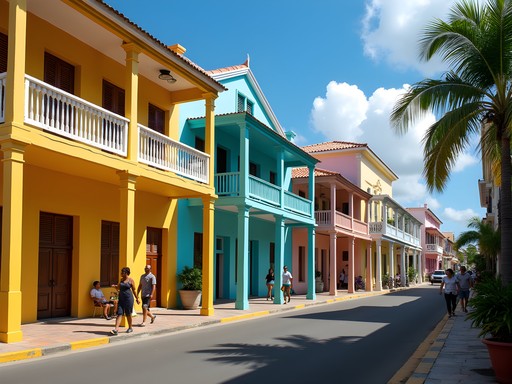
Walking through St. John's feels like peeling back layers of a complex pastry—each stratum reveals a different era, flavor, and story. This Caribbean capital holds centuries of naval power plays, plantation economics, and cultural resistance within its colorful streets and weathered stone fortifications. For students exploring colonial history beyond textbooks, Antigua offers something rare: accessible sites where you can literally touch the walls that shaped empires and the spaces where enslaved people built their own communities despite unimaginable circumstances.

Nelson's Dockyard: Where Naval Power Met Caribbean Reality
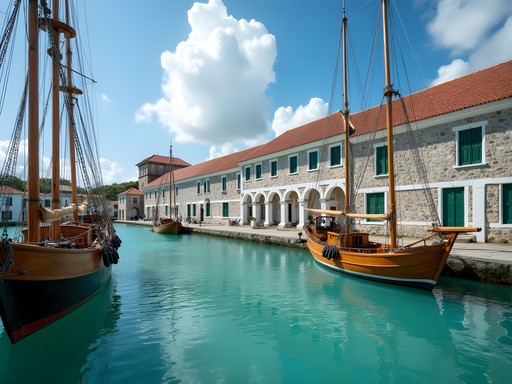
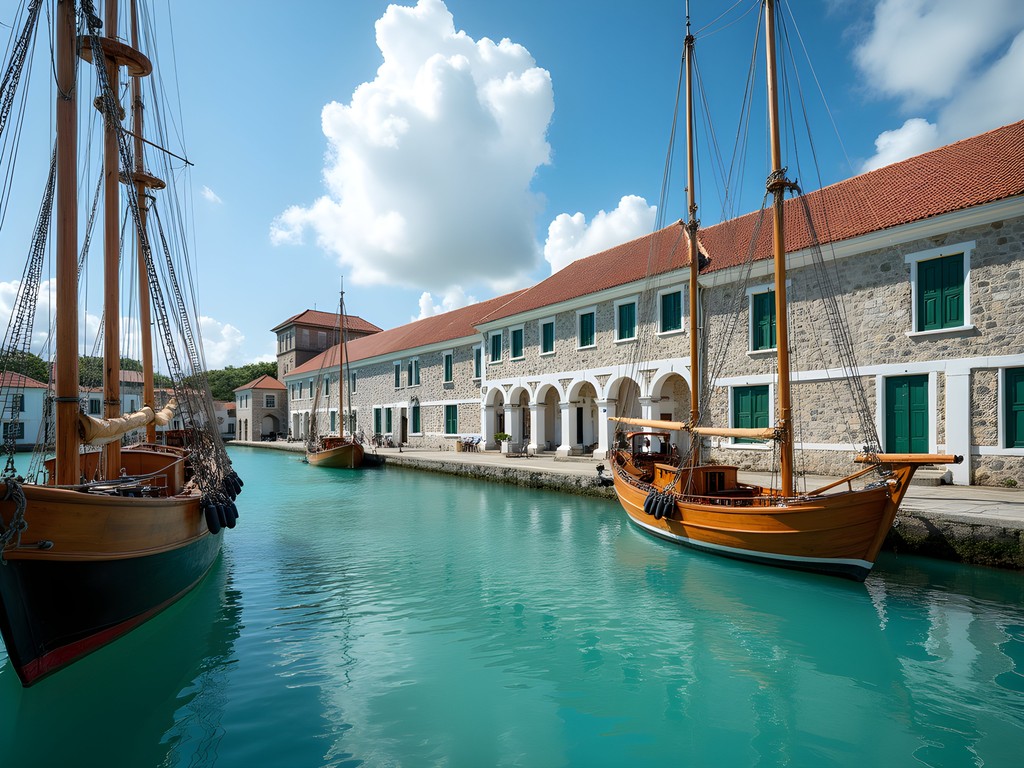
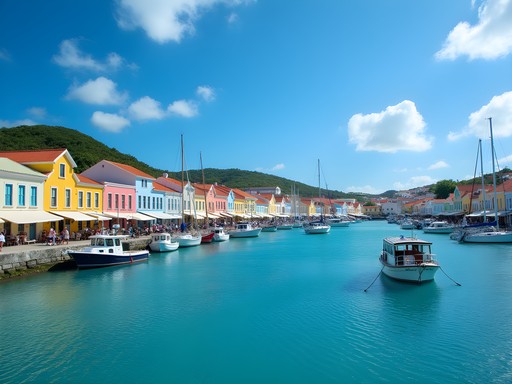
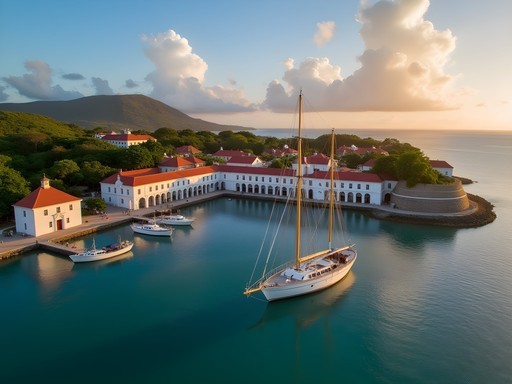
Nelson's Dockyard isn't your typical museum-behind-glass experience. This UNESCO World Heritage Site is a working marina where restored Georgian naval buildings now house galleries, restaurants, and craft shops. I spent a morning wandering through the Admiral's House Museum, where the connection between Britain's naval supremacy and Caribbean sugar wealth becomes tangibly clear.
The dockyard operated from 1725 to 1889 as Britain's most important Caribbean naval station. Young Horatio Nelson commanded here in the 1780s (though he apparently hated it—the heat, the isolation, the colonial politics). What struck me most was the Copper and Lumber Store, now a hotel, where you can see the massive timber frames that once supported ship repairs. The craftsmanship reminded me of old-world bakeries in France: built to last centuries, designed with both function and beauty.
Don't miss the Officers' Quarters, where interpretive displays explain how the Royal Navy enforced trade monopolies and suppressed both piracy and slave rebellions. It's uncomfortable history, but essential. I recommend bringing a portable speaker to listen to the excellent audio tour while you explore—the narration includes perspectives from sailors, enslaved dockworkers, and local merchants that textbooks often omit.
💡 Pro Tips
- Arrive when the dockyard opens at 9 AM to beat cruise ship crowds and photograph in softer morning light
- The $8 USD entrance fee includes access to all museum buildings and the Dow's Hill Interpretation Centre
- Wear closed-toe shoes with good grip—the historic stone pathways can be slippery and uneven
- Budget 2-3 hours minimum to properly explore all buildings and read the historical panels
Shirley Heights: Military Strategy and Spectacular Views
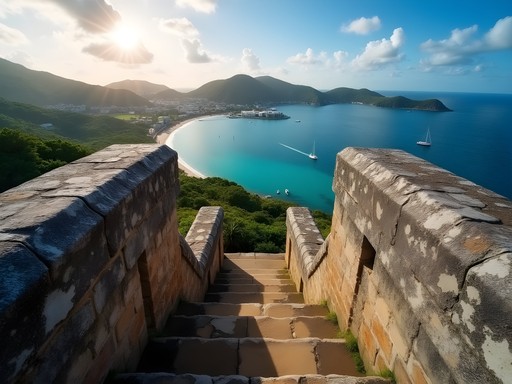
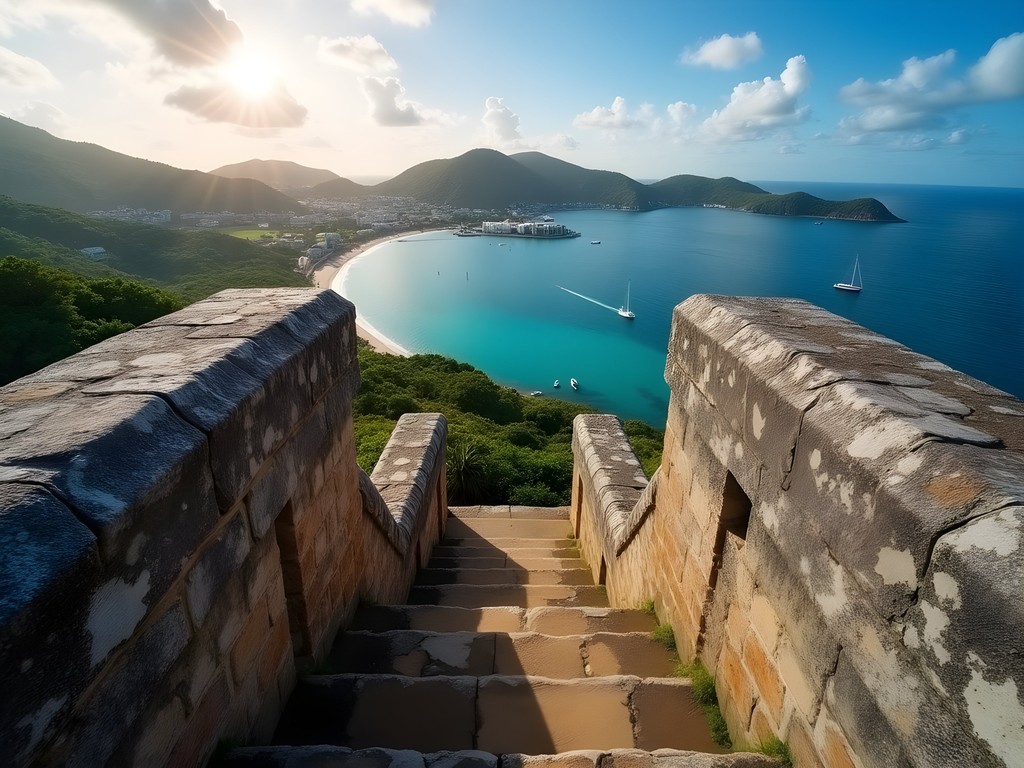
Perched 490 feet above English Harbour, Shirley Heights military complex offers the best panoramic views in Antigua—and a masterclass in 18th-century defensive architecture. The British built these fortifications in the 1780s to protect the dockyard below from French and Spanish attacks that never came.
I hiked up the winding road on a Sunday afternoon (there's also a taxi option for about $15 USD), and the ruins are remarkably well-preserved. You can explore the officers' quarters, military cemetery, powder magazine, and gun emplacements while reading interpretive signs about garrison life. The stonework is incredible—massive blocks of coral limestone fitted together by enslaved laborers whose names we'll never know.
What makes Shirley Heights special is how it contextualizes the whole colonial enterprise. From this vantage point, you see exactly what the British were protecting: the strategic harbor, shipping lanes, and by extension, the sugar plantations that generated obscene wealth. The famous Sunday evening steel band parties happen here, which creates an interesting juxtaposition—celebrating Caribbean culture in a space built to suppress it.
💡 Pro Tips
- Bring plenty of water and sun protection—there's minimal shade among the ruins
- The site is free to visit during the day; Sunday evening events have a $10 USD cover charge
- Sunset timing varies throughout the year, so check local times to plan your visit
- Wear sturdy shoes for exploring uneven stone ruins and climbing observation points
Betty's Hope: Confronting Plantation Realities
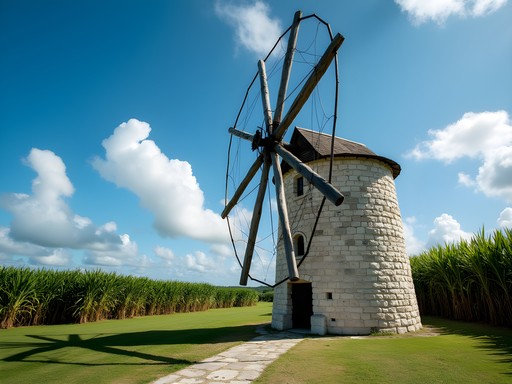
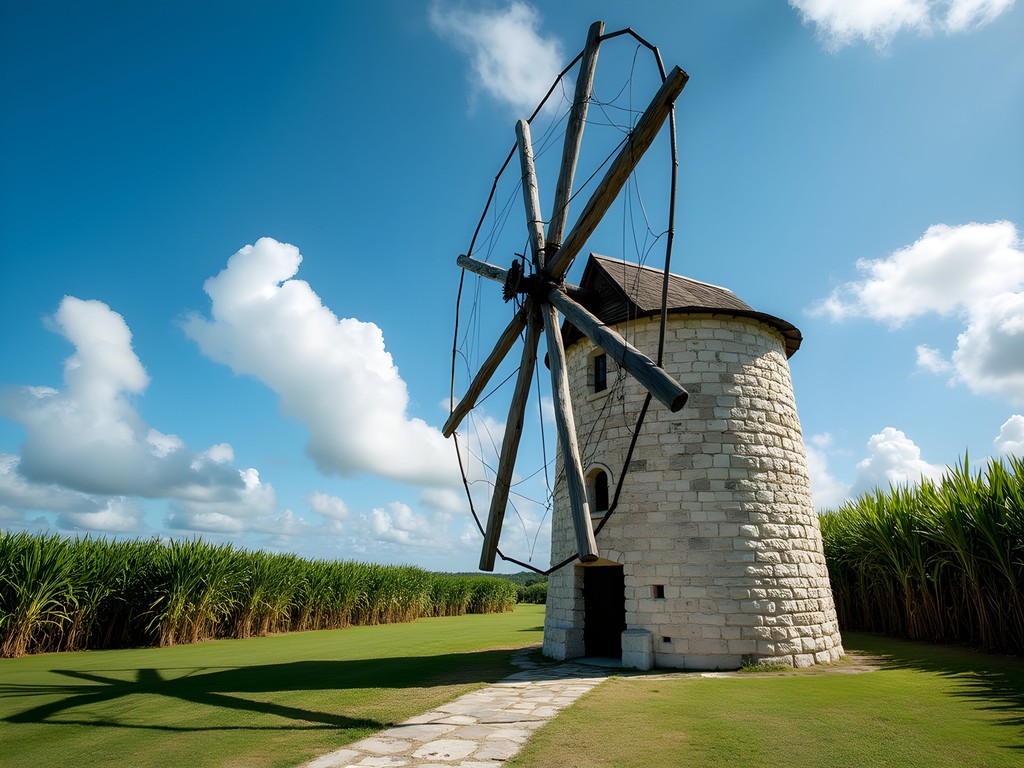
Betty's Hope sugar plantation is where Antigua's colonial story gets real and uncomfortable. This restored plantation—one of the island's earliest, established in 1650—doesn't romanticize anything. The restored windmill towers over fields where enslaved Africans worked brutal hours processing sugarcane into the commodity that built European fortunes.
I visited on a quiet weekday morning, and the silence felt heavy. The small museum in the visitor center presents the economic mechanics of plantation slavery with stark clarity: production numbers, shipping manifests, estate inventories that listed human beings alongside livestock. The restored twin windmills are engineering marvels, but understanding their purpose—crushing cane using forced labor—makes admiration complicated.
What I appreciated most was the museum's focus on resistance and resilience. Displays highlight how enslaved people maintained African traditions, created family structures despite legal prohibitions, and organized rebellions. There's information about the 1736 slave conspiracy, when enslaved people planned a massive uprising that was betrayed before execution. Walking the grounds, I thought about the unnamed cooks and craftspeople who, like me, worked with their hands to create something—but under conditions I can barely comprehend. Before visiting, I'd recommend reading The Black Jacobins, which provides essential context about Caribbean plantation economies and resistance movements.
💡 Pro Tips
- Entrance is $5 USD and supports ongoing restoration and education programs
- Visit during the week when it's quieter and more conducive to reflection
- The site has minimal facilities, so bring snacks and water
- Allow 1-2 hours to properly engage with the museum exhibits and explore the grounds

St. John's Cathedral: Architecture and Resistance
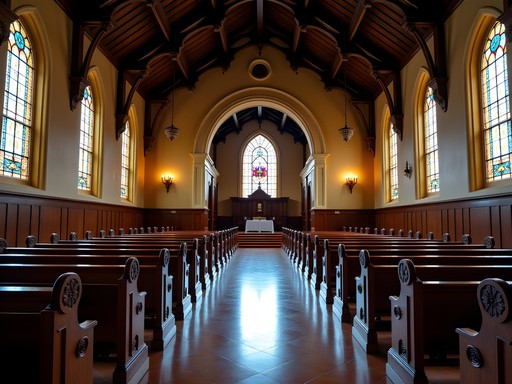
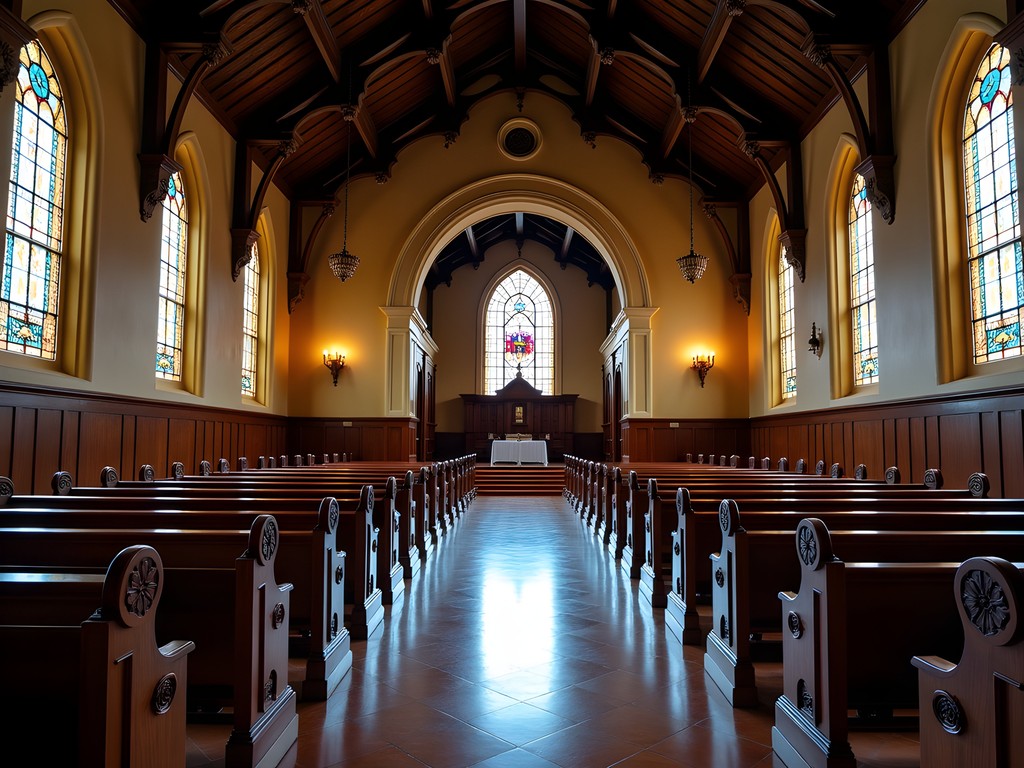
St. John's Cathedral dominates the city skyline with its distinctive twin baroque towers—rebuilt after an 1843 earthquake destroyed the previous structure. The current building, completed in 1847, is entirely encased in pitch pine to protect against both hurricanes and future earthquakes, giving the interior an unusual dark warmth.
What fascinated me as someone interested in craft traditions was the woodwork. The entire interior is covered in pitch pine from British Guiana, creating a ship-like atmosphere that connects to Antigua's naval heritage. The craftsmanship in the carved pews, altar, and galleries is exceptional. But the cathedral also tells stories of social hierarchy: separate galleries for enslaved people, designated pews for plantation owners, architectural expressions of colonial power structures.
The cathedral grounds include a cemetery with graves dating to the 1680s, including monuments to colonial governors, naval officers, and wealthy planters. I spent time reading the inscriptions, which reveal family connections, cause of death (yellow fever claimed many), and the tangled web of colonial society. The gift shop sells locally made crafts, and I picked up a small ceramic piece by an Antiguan artist—a way to support contemporary makers while learning about historical ones.
💡 Pro Tips
- The cathedral is free to enter, though donations support maintenance of this historic building
- Dress respectfully—shoulders and knees covered—as it's an active place of worship
- Check the schedule to avoid visiting during services unless you wish to attend
- The adjacent museum has additional artifacts and historical information for a small fee
Practical Tips for Student Travelers
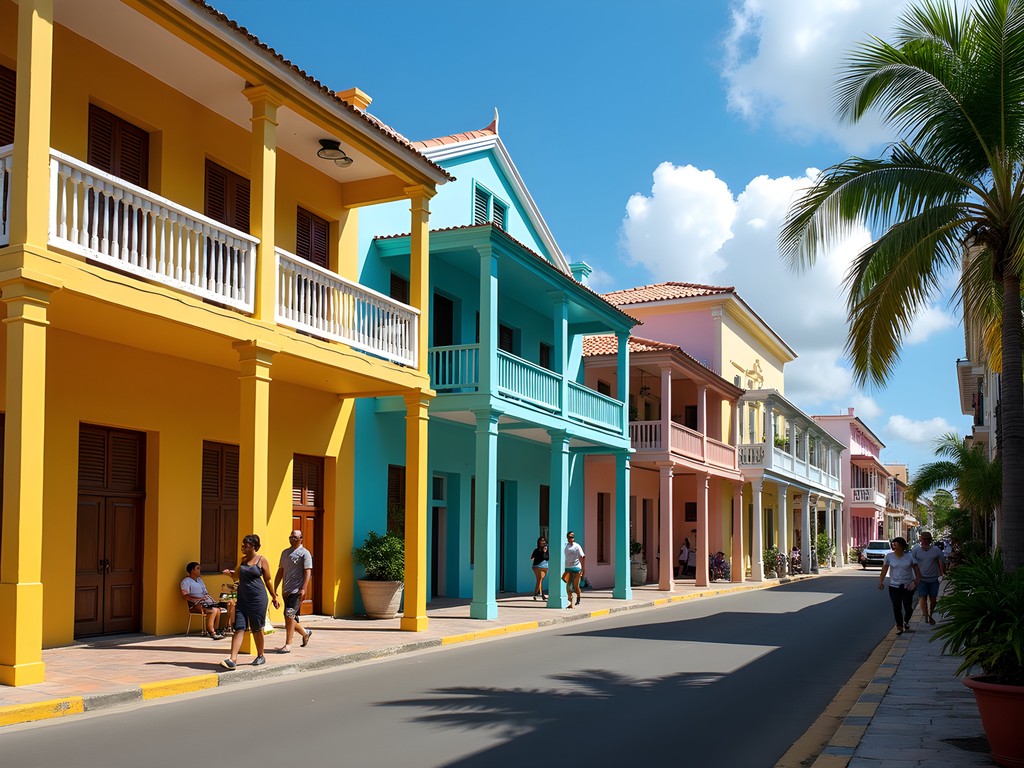
Exploring St. John's colonial sites on a student budget is absolutely doable with some planning. I stayed at a mid-range guesthouse in the city center for about $65 USD per night, within walking distance of the cathedral and Heritage Quay. Local buses are cheap ($1.50 USD) but infrequent; I found sharing taxis with other travelers more practical for reaching Nelson's Dockyard and Betty's Hope.
Food costs can add up, but local spots like C&C Wine Bar and Papa Zouk serve excellent Caribbean meals for $12-18 USD. I always carried snacks and a insulated water bottle to stay hydrated in the Caribbean heat without constantly buying drinks. Many historical sites lack shade and facilities, so being self-sufficient matters.
For students researching colonial history, I recommend contacting the Museum of Antigua and Barbuda in advance—they have archival materials and may arrange special access for academic projects. The staff at Nelson's Dockyard were incredibly helpful when I asked detailed questions about craft techniques and material sourcing. Don't be shy about engaging with site interpreters; their knowledge goes far beyond the printed materials.
The portable phone charger was essential for a full day of photographing sites, using GPS, and taking notes. Caribbean sun drains phone batteries fast, and you'll want documentation for papers and presentations back home.
💡 Pro Tips
- Purchase a local SIM card at the airport for about $20 USD—data is essential for navigation and research
- Most historical sites accept cash only, so withdraw Eastern Caribbean dollars from ATMs in town
- Sunscreen and insect repellent are expensive on the island—bring them from home
- Download offline maps and save website information before visiting remote sites with limited connectivity
Final Thoughts
St. John's colonial heritage isn't easy history—it's layered with exploitation, resistance, ingenuity, and survival. But that's exactly why it's worth engaging with, especially for students who'll shape how we understand and teach these histories. A weekend here offers more than Instagram-worthy fortresses; it provides tangible connections to the economic systems, power structures, and human experiences that shaped the modern world.
What moved me most was recognizing the parallels to my own work preserving culinary traditions. Just as I document baking techniques before they disappear, Antigua is actively preserving and interpreting its complex past. The restored windmills, maintained fortifications, and thoughtful museum exhibits represent choices about what stories to tell and how to tell them honestly.
For students on a budget, this is one of the most accessible Caribbean destinations for serious historical study. The concentration of well-preserved sites, knowledgeable interpreters, and primary source materials makes it ideal for research projects or simply deepening your understanding of colonial Atlantic history. Just remember: come with open ears, comfortable shoes, and willingness to sit with uncomfortable truths. That's where real learning happens.
✨ Key Takeaways
- St. John's offers concentrated access to naval, plantation, and religious colonial sites within a small geographic area, perfect for a focused weekend of study
- Budget $200-300 USD for accommodation, meals, site entrance fees, and local transportation over a weekend
- Engage directly with site interpreters and museum staff—their knowledge and perspectives add crucial context beyond written materials
- The best historical understanding comes from visiting multiple site types (military, economic, religious) to see how colonial systems interconnected
📋 Practical Information
Best Time to Visit
Year-round destination; December-April offers driest weather but higher prices; May-November brings occasional rain but fewer tourists and better accommodation deals
Budget Estimate
$250-350 USD for weekend including mid-range accommodation, meals, site fees, and local transportation
Recommended Duration
2-3 days to properly visit major sites without rushing
Difficulty Level
Easy

Comments
Hunter Thompson
Brilliant post Victoria! I was there last year and completely agree about not glossing over the difficult parts. St. John's Cathedral was stunning but learning about how enslaved people built it while also using it as a space for resistance was powerful. The guide at Betty's Hope was incredible - really knowledgeable and willing to have honest conversations. Did you catch the sunset from Shirley Heights? Absolutely mental views. Worth the climb!
springseeker
How much time should I budget for Nelson's Dockyard? Heading there in June and trying to plan my itinerary.
Hunter Thompson
Give yourself at least 3-4 hours mate! There's so much to see and the museum is brilliant. Plus you'll want time to grab lunch at one of the restaurants by the water. If you hike up to Shirley Heights after, make it a full day trip.
springseeker
Perfect, thanks! Will plan accordingly.
wildrider
Betty's Hope hit different. Really makes you think.
moonzone
Yeah, we visited last year and it was heavy but important. The interpretive signs don't sugar coat anything which I appreciated.
Venture X
Premium card with 2X miles, $300 travel credit, Priority Pass